Loading summary
Transcript116 lines
- [00:11]
Dr. Joy Hardin Bradford
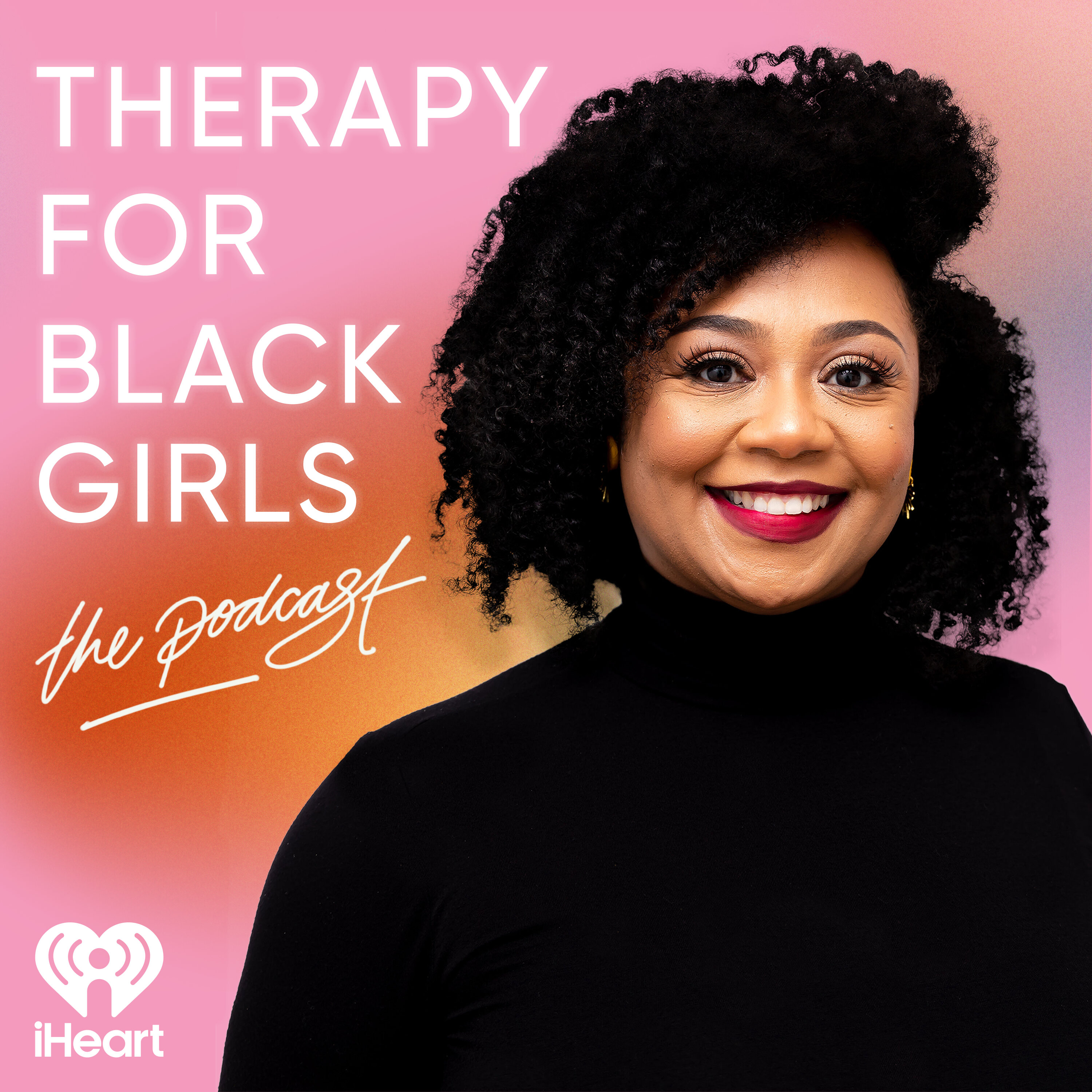
Welcome to the Therapy for Black Girls Podcast, a weekly conversation about mental health, personal development, and all the small decisions we can make to become the best possible versions of ourselves. I'm your host, Dr. Joy Hardin Bradford, a licensed psychologist in Atlanta, Georgia. For more information or to find a therapist in your area, visit our website@therapyforblackgirls.com while I hope you love listening to and learning from the podcast, it is not meant to be a substitute for a relationship with a licensed mental health professional. Hey y', all, thanks so much for joining me for session 458 of the therapy for Black Girls Podcast. We'll get right into our conversation after
- [01:04]
a word from our sponsors.
- [01:11]
Elise Ellis
This is an iHeart podcast.
- [01:14]
Dr. Joy Hardin Bradford
Guaranteed Human Today.
- [01:16]
I wanted to share some thoughts about investing in your future while showing up for your present needs.
- [01:21]
Most of us play a lot of
- [01:22]
roles in life partner, employee, caregiver. But many of us also think about another role that could take our life to where we want it to be. Degree Holder that's where a national university comes in. They've been busy since 1971 creating more ways for you to work earning a degree into your busy life. NU confers more graduate degrees to diverse populations than any other institution in the country, with more than half being earned by women with flexible online formats, four and eight week courses, monthly class starts, and year round enrollment. NU is an accredited nonprofit university that makes higher education possible and achievable for busy working adults with over 150 different degrees, credentials and certificates to choose from. They have a program that fits your career goals too. Learn more today at nu Edu. You know that moment when your kid
- [02:18]
asks for your phone and you're already bracing yourself for whatever random video they'll disappear into? Have you heard of Lingokids? It's an app where kids are actually playing, singing, tapping and exploring stories. It's colorful, high energy, and designed so
- [02:32]
kids stay curious instead of just zoning out.
- [02:35]
They think they're getting a treat and it was built just for them. Lingokids Everything Kids Love Download the Lingokids app now on your phone or tablet. It's free.
- [02:48]
Hair always seems to be a hot topic, doesn't it? From what style is acceptable to wear at work to the politics of what's considered going natural. Hair is, no pun intended, always on the brain. And as Black women especially, there is so much tied to our hair, it can dictate how we're perceived in certain spaces, signal lifestyle choices, and can reflect much more than a simple aesthetic preference.
- [03:12]
Amidst all the hair discourse.
- [03:14]
It's important that we reclaim the space we want or don't want hair to take up in our lives. Today I'm chatting with someone you've heard on the show many times, our director of podcast and digital content, Elise Ellis. In our conversation, we get into my own hair journey and unpack the different shapes it's taken throughout my life. If something resonates with you while enjoying our conversation, please share with us on social media using the hashtag tbginsession or join us over in our Patreon to
- [03:42]
talk more about the episode.
- [03:44]
You can join us at community.therapy for black girls.com here's our conversation.
- [03:53]
Elise Ellis
I'm happy to be here today because I think as a team we've talked a lot about, like, pop culture and we have a lot of discussions about, like, the holidays and our family traditions from that. But I don't think we've ever talked about maybe how you specifically or how we have a team full of black women care for our hair. And honestly, there's no time better than the present. This is always a relevant conversation, but I do feel like right now in these, like, TikTok streets, even as new black hair care brands or brands targeted towards curly hair come out, there's an evolving conversation around the choice to wear your natural hair, the pressures some could say to wear your natural hair. So the that's what we're here to talk about today. And I wanted to start by asking you about how you wore your hair growing up, especially because when I watch a movie or a TV show with a black woman, I think that there's this one stereotype journey or experience that someone may have, which I know not to be true. So tell me about how hair was talked about in your household and then what you were doing with your hair.
- [05:01]
Dr. Joy Hardin Bradford
So my first answer is I was not doing anything with my hair because that was fully my mother's job. Like, and I think a lot of it was around, like, preservation, right? Not wanting me to get too experimental in terms of style so that there wouldn't be a lot of breakage and stuff. And I definitely was somebody who grew up with ponytails and like plats, not a lot of braids because I don't think my mother actually knew how to braid, which unfortunately has translated to me, which means I also cannot braid, which I think hampers a lot of what I would like to do with my hair. But I can't actually braid. But I would have, like, ponytails. So like four ponytails or like whatever. When I was Much younger. And I think in maybe high school is when I started maybe probably doing more of my own hair. So I know I went through a period with bangs. I remember some crimps, so there was a crimping iron involved. But I don't think it was really until high school when I was the one who was making decisions about my own hair and how I wanted to style it.
- [06:00]
Elise Ellis
When you were younger, did you perceive your hair as, oh, I have curly hair. Like, what was your own vantage point of your hair?
- [06:06]
Dr. Joy Hardin Bradford
So I definitely was somebody who would get, like, straight irons. Like, I definitely remember. But that only happened on special occasions, right? Like, I remember, like, right before Easter or Mother's Day, like, sitting. And we had old school straightening combs at the time, not the ones you plug in. I remember vividly, like, it being on the iron and, like, fire and having to hold my ear so my hair would be straight. I think for a couple of days around those holidays. But most of the time my hair was, like, platted up. So I don't ever think I remember using the word curly, though. I don't know that I had a real connection to, like, the texture of my hair. And I'm trying to remember at what point did I get the pressing comb in the jaw? Because at some point my mom did actually give me, I guess what was a kitty relaxer was called a pcj, a pressing comb in the jar. And I'm trying to remember how old I was when that first happened, probably before high school, but I don't actually remember how old I was.
- [07:01]
Elise Ellis
That's interesting. I've never had a relaxer. I do remember, like, the first time referring to or, like, understanding that, like, my hair was curly. And it was whenever or around the time where, like, the brand, it was called Kinky curly came out. And they had like, not today. And I have an older cousin who, like me, we both have just a lot of hair. And I think she had started using that. My mom was like, you should use this for her. And I still was getting, like, four braids or, like, individuals or, like, braids in the front and, like, a twist out in the back. But I don't even think we would call it, like, a twist out or anything. But I remember that being me, like, oh, my hair is curly, and there are specific products for curly hair. And then I remember going to, like, starting to go to the hair salon and uniquely remembering, like, comments about my hair about, like, she should get a perm, or, like, her hair is a lot, which I think has colored so much of, like, how I experience hair salons. You said you started getting your hair or you were like, you experimented with bangs and crimps. Were you going to salons? Were you doing your own hair? And like, how did that influence your relationship with getting your hair done by other people?
- [08:16]
Dr. Joy Hardin Bradford
Probably most of my childhood it was done by either my mom or one of my aunts. So I have. My mom has six sisters. So, like, there was no shortage of like kitchen titians, as they have been called. But at some point, I think for like special occasions, maybe like dances or stuff, like, I would go to like the local beautician. So, you know, I mean, most of the audience knows I'm from a very small town in Louisiana. Like, there was not a strip mall or places you went to where there were multiple beauticians to choose from. It was like the one person in town who was doing hair. And so I think she would probably do like roller sets on my hair for like, certain occasions. But most of it was actually my mom or my aunt.
- [08:55]
Elise Ellis
How did that, like, affect the relationship you had with your mom outside of it and the relationship you have with your mom and beauty in general?
- [09:03]
Dr. Joy Hardin Bradford
So I feel like there was a lot of. I don't know that I'm tender headed, but I definitely remember a lot of my mom saying, sit still and like detangling feeling painful for sure. But I don't necessarily remember that being connected to like, larger conversations of beauty or anything. Like, I don't think there were. At least I'm not remembering any conversations around, oh, your hair looks like this. And like other people's hair looks like that. Like, it feels like there was very much the expectation that as little girls, like you wore plats. But again, I'm not remembering at what point that the relaxer was introduced. And it probably was around making detangling easier. Right. And like, that is just the thing that people were doing. So I feel like after I started getting the pressing comb in a drawer, then, like, I continued to be relaxed until I cut it out in 2009. So there was a large part of my life where I was definitely getting relaxers and sometimes my mom would do them. But I think as I got older, like high school and later, for sure I was going to a beautician to get my hair done to get relaxed.
- [10:08]
Elise Ellis
A lot of people talk about, quote unquote, like, going natural. Like it's this one single moment. And I think it looks really different from everyone. For me, I've never had a permission or there's just, like, a heightened commitment to whether it's like, a twist out or trying to wear your hair curly over time. What did that look like for you?
- [10:27]
Dr. Joy Hardin Bradford
Yeah, so I had to go back on Facebook to actually figure out what this journey was for me because I was like, when did I, like, actually start this natural journey? And I have a face of an album on Facebook called Whip My Hair Back and My Natural Hair Journey. And the date is November 2009. So I know that's when it started. And so for me, that was cutting off all of my hair hair. So I probably had pretty long, relaxed hair. And I think I started by, like, growing out the relaxer and cutting it a little shorter and shorter. And then in November 2009, did the first big chop, where I had probably less than an inch of hair. And I think at the time, I was just really curious about what the natural texture of my hair looked like. I also think that that was when we were seeing so much of the conversations around natural hair. Right. Like, it did feel like there was this movement. So I know Curly Nikki was a. That I read up a lot on, and there was this huge community of people who were also, like, transitioning to natural and trying to figure out, what does it look like to take care of our hair now? What does it mean to be in this TWA stage, which was the teeny weeny Afro. Right. That's where I was when I first cut mine off. So it was a process, I think, of, like, learning what does it mean now to take care of my hair? And, like, not having enough hair for a ponytail, which was really new for me. But that was definitely the beginning of my journey. Was November 2009, when I did my first big shot.
- [11:54]
Elise Ellis
Was there any fear, any anxieties, any just general kind of nervousness about being in a new stage, in a new chapter with your hair and something that you may not have seen other people around you doing or growing up, or you saw it online, but it might not have been, like, your neighbor, your colleague, or, like, that it was still an early part of the movement.
- [12:16]
Dr. Joy Hardin Bradford
Yeah, it definitely was still early. And I think specifically in my family, as a matter of fact, I remember, like, cutting off all my hair and not actually telling my mother about it because I knew she would not approve. And this time, I'm what? Like, I was into my career, so like, even the idea that my mother wouldn't approve of my hair sounds a little ridiculous, But I didn't tell anybody that I was doing it besides friends Who I knew would be supportive because it did still, even at that time, feel like something that I might get, like, backlash around. There wasn't anybody else in my family who was natural at the time. All of my aunts and cousins, I think, were still getting relaxers. And so in 2009, it did still feel very much like something that I had to do, do in secret and kind of just showed up. Like, I. I'm guessing, like, did I show up for Christmas or Thanksgiving that year and just surprise them? I probably. I feel like I probably told them, at least beforehand, but definitely not before I cut it all off.
- [13:11]
Elise Ellis
It's so interesting that we can only speak from the view of a black woman, but that you would even have to tell someone, like, hey, guys, I cut my.
- [13:19]
Dr. Joy Hardin Bradford
Right, Right.
- [13:20]
Elise Ellis
Instead of just, like, showing up with your hair how it is, what rules, if any, did you have around your hair before that you realized once you cut it and then what rules or just what did you notice that you had long held beliefs you had about your hair as your journey being natural went on?
- [13:40]
Dr. Joy Hardin Bradford
Yeah, I think that it was an unspoken rule that, like, long hair was, like, the healthiest. Right. Like, that. That is what it meant, and that that was a goal to have really long hair. And so I think even when I was relaxed, when I would cut my hair shorter, like, there were all these, like, well, why would you cut all your hair? And like, oh, my gosh, you're so beautiful. There was a very, like, long, unspoken rule that long hair was, like, the ideal, and that's what you should be trying to attain. But I also was never really experimental with my hair. And I think I'm trying to think, like, did most of my. I feel like at some point my mom maybe has experimented with color, but never like a, oh, let's try red hair, or, like, a purple stripe or, like, I feel like that is something that I'm, like, really excited that kids and, like, young folks do now. But that was never. I don't remember ever having my hair dyed before. Probably grad school or something. Right. And so I think that that was also an unspoken thing that you kind of left your hair alone besides a relaxer. Right. Like, so you weren't doing any, like, experimental colors or, like, you know, just getting too adventurous with your hair. Just kind of like, leave it alone. Let it do its thing. And I think I felt more emboldened to be more experimental and trying new things after I actually went natural.
- [14:58]
Elise Ellis
It's funny you say that. My mom always had shorter hair like around her, like, collarbone. And I remember when she dyed it blonde. I remember when she dyed it red. Like, I remember the color journeys. And then my older sister started to cut her hair too. And I feel like the best way to describe it is if you've seen like Pretty in Pink or the Breakfast Club, like Molly Ring. Like, that was her hair. It was like very feathered like that, but it was red. It was blonde. But me, I was always so scared to do anything with my hair. Like, I think I maybe one time I box dyed it like red as a streak and it fell out. It looked a mess. And then my younger sister starting maybe early high school, purple hair, purple streak and has like carried that always had some hint of purple in her hair. And I look back and I'm like, who. What would I have done in high school if I had the courage to experiment with my hair? And I'm wondering what would you have done if you had the courage or just even the mindset to experiment?
- [16:05]
Dr. Joy Hardin Bradford
I think I probably would have tried short hair much sooner. I actually really like short hair, like just as a look on me. And it is typically so much easier to manage. But that definitely was not something that I felt, felt emboldened to do in high school. I'm trying to think if I even had a bob. I don't think so. I feel like I probably was much later in life before there was ever any talk of like, wanting to cut my hair, like into a style. Like I probably got trimmed just to kind of keep the hair healthy. But an actual style I don't think I experimented with until probably college.
- [16:41]
Elise Ellis
I had a bob in. It was either the fourth or fifth grade. And I look back at that photo, I'm like, oh, you look so confident. And now as someone who wears my hair in a bob mostly when it's straight, I'm like, the seeds were always there.
- [16:53]
Dr. Joy Hardin Bradford
Like, it was. Do you remember a conversation with your mom around wanting to cut your hair into a bob or like, how did that happen?
- [17:01]
Elise Ellis
I think what it, what it was is I started going to the Dominican salon to get blowouts. And I. When I know, I think I see a lot of like, younger Afro Latina girls who have this kind of like short tucked in bob hairstyle. And so I think one day at the Dominican salon, it was chosen for me. It wasn't a choice, but I was. I don't think I was like, scared or mad or crying because it looks so good, it looks so full. And I. What I've experienced is like, I Know I can grow my hair longer, but how I feel the most confident, how it feels the most manageable. And when my curls look the best
- [17:39]
Dr. Joy Hardin Bradford
are when my hair is in a bob.
- [17:42]
Elise Ellis
So I'm kind of like, if it's not broken,
- [17:46]
Dr. Joy Hardin Bradford
makes sense.
- [17:47]
Elise Ellis
So we're talking about all these different styles that you can do. And outside of the binary of, like, natural and relaxed, there's braids, there's wigs, and I think there's a lot of kind of joy and like you said, freedom of expression when you can be that versatile with your hair. But I also think there's a lot of labor in that too. A lot of pressure. Like, maybe you should be trying this style or this. This is better for growth. Or, oh, if you have this face shape, you should try out this. And I'm curious from your lens, can that versatility, like, it can be freedom can also really be, like, a friction point or confusing for our identity.
- [18:26]
Dr. Joy Hardin Bradford
Oh, for our identity. Okay, I'm gonna come back to that part. But I do feel like there's a lot of friction and a lot of labor just associated with, like, it feels like a lot, Right. I think that there's sometimes the stereotype that, like, black women are good with their hair. Right. Like, that we could just naturally know how to do those things. And I am not. Right. Like, I already told you, I don't know how to braid. Like, I can't even really part straight. It has made, I think it difficult for me to, like, be maybe as adventurous as I would like without having to go to my stylist to get that kind of stuff done. And so I think sometimes the friction comes from resource wise, you got to pay money for somebody to do it or find the right wigs or. It just feels like there are so many choices now that I think a lot of the friction comes from that. But I do think it could pose some challenges to identity. If you feel like that is something you have to do, right. That being a black woman or a black girl equals this, that it is somebody who has to change up the style all the time. And just because those choices exist, like, you have to feed into that. I do think it's great for people who want to experiment and do lots of different things, But I also think it's okay if you decide that that's not your thing. Right. I think the idea that there are these choices is really cool, but I think it is still really important to stay true to who you are. And I feel like you have to choose one way to show up as a Black woman.
- [19:49]
More from our conversation after the break. Many of us play lots of different roles in life partner, employee, caregiver. And many of us also think about another role that could take our life where we want it to be. Degree holder. That's where National University comes in. They've been busy since 1971 creating more ways for you to work, earning a degree into your hectic life. NU confers more graduate degrees to diverse populations than any other institution in the country, with more than half being earned by women. With flexible online formats, NU makes higher education possible and achievable for busy working adults. Learn more today at nu.edu.
- [20:31]
if you've got kids between the ages of 2 and 8, you know that not all apps are created equal. If you want something that actually gets them excited and thinking, then check out lingokids. It's an absolute blast. It's a world of interactive games, music they'll want to sing along to, and stories that spark their imagination. It's high energy, it's vibrant, and it keeps them actively playing rather than just zoning out. Whether it's a rainy afternoon or a weekend morning, it's the fun they're looking for and the quality you want. Lingokids. Everything kids love. See why millions of families love it. Download the LingoKids app on your phone or tablet now for free.
- [21:15]
Elise Ellis
Now I want to preference this next question. I was barely thought of when these moments happened. But from my understanding, we see people like India, Ari, Lauryn Hill, Maxine Shaw, these black women in pop culture who were wearing their hair natural. And when we think about a lot of other black pop culture icons, black celebrities, that was not what we saw. What do you think? Whether or not that was your specific entry point? How do you think seeing those women has shifted people's perception of their own beauty, perception of their hair?
- [21:53]
Dr. Joy Hardin Bradford
Oh, I think that that was huge, right? Like India, Irene, Lauryn Hill. Like, all of that was a real moment. I think Lauryn Hill actually was first because that came out when I was in college. I think India was a little later.
- [22:04]
Elise Ellis
Yeah, a little later.
- [22:05]
Dr. Joy Hardin Bradford
Yeah. But I think that those were huge. I mean, and even in conversations we've had on the podcast, just in terms of what the music industry has been and like women who looked like Lauryn Hill and India presenting with their natural hair in its natural texture, I think really opened the doors for lots of different people to see themselves and to be like, oh, this can be popular as well. So I think it opened a lot of doors in the music industry. But I think the. The larger and greater representation it offered for black girls on screen, I think was also huge. Right. Like, so it meant that you did not have to look only one way. Right. Like, you didn't have to have hair like Janet Jackson or Mariah Carey or some of the more mainstream artists. Like, you could also look like this and that, be seen as beautiful. And so I think that there is not enough said how those artists and the ways that they open the doors for other people in terms of artistry, but also just what it meant to black women and black girls at large to see themselves represented in that way.
- [23:06]
Elise Ellis
Today, we just, like, we have so many women, so many people generally that we can look at and say, oh, I want to wear my hair like this, or this is empowering me to wear my hair natural. I do think we have. We have too many options, actually. Like, we're sometimes buying too many products. And you talked a little bit about, I think it was like, Pretty Nikki and the types of people who were online very early in the natural hair movement. But, like, humorous a little. What were the products? Like, what was it like going to a store trying to find products and what were your staples back then?
- [23:40]
Dr. Joy Hardin Bradford
Yeah. So I don't think you were going to the store to buy anything. Like, I feel like a lot of the conversation was around, like, having to order stuff online. So naturallycurly.com, i think, was another really big website at the time, and that was like, one of the main marketplaces where you could go to find some of these, like, natural hair, curly hair products. But I'm pretty sure Shea Moisture was my first. The hibiscus curly souffle smoothing something. Something. I remember the smell very vividly, but it was the first product that I found that actually worked for my hair. And I feel like Shea Moisture was also one of the first that. That you could eventually buy in the stores. Right. Like, I think it was in Walgreens, maybe Walmart. But at the time, there was a lot of having to spend money to, like, ship stuff because people were only making it in smaller batches. Like, I think Carol's daughter had, like, a line at that point, Shea Moisture, like I said. But a lot of people also were, like, concocting things in their kitchens. Right. There were all these avocado this and make this with mayonnaise or whatever. Right. Like, and so people were also getting very, I think, brave in putting together other stuff in their kitchens to try to work with our hair. Just because at the time, now, of course, now you have whole aisles and stores dedicated to natural hair. But at the time, it was still very slim picking. So I'm pretty sure Shea Moisture and the kinky curly. Not today. Once I was introduced to that, that was one of my favorite products. But it was very slim pickings at the time to to find products that actually work for your hair.
- [25:14]
Elise Ellis
Honestly, with the kinky curly knot today, I still buy it if I can find it, because it's a little hard to find, but I'll still buy it. When we're talking about detangling.
- [25:23]
Dr. Joy Hardin Bradford
Yes. Gold stars. Gold stars for detangler, for sure.
- [25:26]
Elise Ellis
I'm doing my hair and I'm hearing I'm having flashbacks. Like, sit still. Great product, though. Tell us about. Everyone wants to know this, Dr. Joy. I've wanted to know it for years. I think the people online want to know it. Tell us about your hair care routine now counts.
- [25:40]
Dr. Joy Hardin Bradford
Oh, gosh. So I feel like it is pretty minimal. So I cut. Let's see. I've cut it again at the end of last year, I cut and colored it. So this is the first time I've had, like, a reddish, brownish bobish. That's how I cut it at the end of last year. But it has grown out, and I'm not sure yet if I'm gonna, like, keep it shorter or if I'm gonna let it grow out. Because I also. While I like the idea of styling, I do not want to be the one who's actually having to style. So, like, this bun is what I want to be able to do with my. But I feel like I have had, like, a. I won't say strained, but I feel like there has been an interesting pivot in my relationship to my hair when I started doing more media work. Because left to my own devices, I like to wear my hair, like, in a big, wild Afro. Just wild and, like, curly. What I found, though, is that I didn't like how, like, that always showed up in film. Right? Like, if the angle is not right or, like, if the twist out did not come out like, the way that I wanted. Which we know twist outs, like, are so temperamental. Like, you gotta have it perfectly dry. The technique got to be perfect. And so I feel like that has introduced, like, this tension into my relationship with my hair that I didn't necessarily expect, because I want to look my best on camera. Right. But. But if I am not skilled enough to do that, and if I'm, like, working somewhere that didn't actually have a set with a. A black woman who knew how to do natural hair, then that meant I was responsible for it. And then I end up not liking it. That is something that I have been kind of going back and forth with. Like, okay, what easiest way for me to wear my hair where I can get pretty consistent results no matter, like what I'm doing. I don't know that I actually have an answer for that yet, but I think Shorter has been working a little better for me to kind of manage myself if I'm doing like some kind of media or camera work. But usually I am doing some kind of twist outs. Like when it was longer, I'm usually doing some kind of twist outs or a wash and go. But again, going back to the conversation around detangling, that is a nightmare to detangle. After your hair has been in the wash and go for some time.
- [27:50]
Elise Ellis
What are your wash and go Holy Grail products? Like Mount Rushmore.
- [27:55]
Dr. Joy Hardin Bradford
Mount Rushmore. Okay. So I feel like I have been using Pattern pretty consistently since it has come out. Like, that is probably my favorite shampoo and conditioner for sure. The Dew mousse is great for twist outs, but I have also now started experimenting with it as a roller set. And I'm also finding really good results with that. So my hair was like that, like in a bit of a roller. Say it's the past couple of weeks and I use the do for that and that has worked really well. I've used Sacred, so I don't know that they're Holy Grail products for me, but I heard that there's a new line of Sacred products that includes like a gel and a mousse that I am excited to try, but I have not tried yet. But I really like the Sacred team, right? Like, can I get a. Can I get a box of these new goodies?
- [28:43]
Elise Ellis
The whole team is like, the whole team is natural for the whole.
- [28:46]
Dr. Joy Hardin Bradford
We want to try out all these
- [28:47]
Elise Ellis
products and addresses, emails, we're accepting coupon
- [28:51]
Dr. Joy Hardin Bradford
codes, whatever, whatever, whatever you would like. But I really like the smell of Sacred's shampoo and conditioner. And so I kind of go back and forth between them and pattern. But I do use Sacred's Clarifying shampoo when I need to do a clarify because I have of product buildup or whatever. So maybe once every two months or so I will use that. But I really like the smell of Sacred products. Is there anything else I've been using? No, I feel like that's it. Like Pattern and Sacred and the Dew have really been holding me down for quite some time now.
- [29:22]
Elise Ellis
I want to circle back to something that you said earlier about being on camera and feeling like you have to present a certain way all the time. And sometimes it's less about like, oh, I don't like my hair like this. I'll have a wash and go. And I'm like, why are there, like, sunlight gaps? Like, my fro does not feel as full. Definitely the thing about angles, and I've even thought about that people would be like, oh, you should start a podcast. I'm like, oh, my goodness. The pressure to like, always be on what are things you had to do for yourself to affirm yourself or just ensure yourself that the content is still good, the interview is still good, despite how my hair looks, and focus more on the work work, but not negate that you still want to show up as your vest.
- [30:07]
Dr. Joy Hardin Bradford
Yeah, I think that that is such a good question, and I think that that has been the thing that has gotten me through is that when I'm doing camera work, I'm typically saying pretty important stuff, like things that I think are important for our community to talk about, like ways to help black women take better care of their mental health or whatever it is I'm talking about. Like, I. I really believe in my work and think it's important. And so I think it has been a process of, okay, Joy, you got to get out of your own head. And I typically get lots of great feedback that people, like, loved my ha thing, even though I may not have liked it. But I think really staying focused on the work and the message and the ways that I'm hoping to connect with my audience or whoever is the thing that I've had to use to get out of my own head. But I've also worked with my stylist to, to teach me better ways of like, okay, here's how you can do a better twist out routine, or here are the tools that you need to make sure that if somebody else is working with your hair, they're not using an iron that has too much heat or those kinds of things. So, like, kind of having a prep box has also been really helpful so that I'm going into a situation much more able to advocate for myself and better take care of my hair.
- [31:13]
Elise Ellis
I want to stay on this beat for two more questions for really anyone, but specifically, it's therapy for black girls. For a black girl who wants to do camera facing work, but is having hangups about her hair, what advice or what, like, you know, words of comfort would you give to her?
- [31:32]
Dr. Joy Hardin Bradford
I would say that it is still really important for you to show up because again, the message is more important than what the presentation may look like. But also it's also okay to experiment. So something that I have not done that I actually do really want to do is to look at like wigs and other ways that are like almost ready made styles that you don't have to worry so much about. Like, is it gonna look good on camera because you like, like put it on your head and like, it's already styled. I have not actually had a chance to do that, but I think that that is something that would have made me have less anxiety and like feel more confident in some situations because it is something that like you have more control over. Right? Like the humidity and all those things really can do whatever with your hair. But a wig, if you have enough hairspray and all those things, and they're such great wigs now and great technology that you don't have to worry about it, like looking weird or like there's really good stuff that looks like the quality and texture of your hair. So I also encourage people to experiment with whatever is going to make you feel like you can show up as your most authentic and comfortable self.
- [32:35]
Elise Ellis
Thank you for that. There's no lack of resources or tips on TikTok within the half wig community, so.
- [32:41]
Dr. Joy Hardin Bradford
Yeah, but see, but I feel like this is also one of those places where me struggling to braid and like, part comes in that I'm like, is it gonna look good on my head? Am I actually going to be able to install this correctly?
- [32:53]
Elise Ellis
My hairstylist offers a service where you can like bring the wig and she doesn't necessarily install it because, like, that's not her bread and butter. But they're so easy to install. Where she'll map out, okay, like this is how much of your hairline should be left out if you're looking to do this. And then she'll do the braid down. And you know what she told me it's a braid down that you can steam do a deep conditioner, like more of like a spray situation. You could still wash. And she was telling me that like people come back maybe every three weeks and it's like 75, which I feel like is really good for LA, but I do, I think there are people out there who's like, you know, I'll get you, I'll meet you halfway.
- [33:29]
Dr. Joy Hardin Bradford
Yeah, okay, I'll look for that then.
- [33:32]
Elise Ellis
And then my last question on this beat is for the, I guess talent management community for people who are producing Commercials or producing in general, but specifically working with the hair and makeup of it all. What do you want to see from that space that considers black women with natural hair but also just black women in general?
- [33:53]
Dr. Joy Hardin Bradford
General, yeah. I think it's really important to make sure that you have professionals who can work with a variety of texture of hair and not just, oh, yeah, I did this once in beauty school kind of thing. Like, no, like I actually can do a twist out on you or I know what kinds of irons to use on textured hair versus not because you also don't want to leave like a commercial booking or something and then have heat damage.
- [34:16]
Right.
- [34:16]
Like, so how can people actually work with. With clients safely? I think it is really important to make sure you have a variety of talent in terms of makeup and hair on deck and make sure that your client and that the, the talent actually feels well taken care of because then you can show up better for that job if you feel like you have been able to trust your hair and makeup people.
- [34:39]
Elise Ellis
So I don't know if you've heard of like people doing like mirror work. And when like you look in the mirror and you talk to yourself and you really form this intimate relationship with yourself by confronting, I don't want to say confronting, that sounds negative, but looking at yourself and being present, and I found that to be really beneficial or something I discovered through doing my natural hair. Like, the more time I spent in the mirror doing my hair, the better I felt about myself, regardless of the result. And we talked a little bit earlier about sometimes people think black women have this innate ability to do their hair, which is just not true. Tell me about the process of one sitting with yourself. And I think when we say sitting with yourself, it sounds like so negative. But sitting with yourself and learning how to do your hair and what that did for like your confidence, your self perception, but also having natural hair changed the way you thought about like your own beauty.
- [35:38]
Dr. Joy Hardin Bradford
Ooh, I feel like I am more beautiful with my hair wild in a fro. Like that to me is the most beautiful. So I definitely think that has changed my perception in a good way and that it has felt very freeing to not feel like there have to be a lot of products and a lot of like technique involved. Like you can just let your hair show up as it naturally is. But I also feel encouraged. And I agree with you that, like, because I think sometimes people think about like doing hair as like a vanity, like frivolous kind of thing. But I agree with you that it is in A lot of ways a form of mirror work, right? Like, you are deeply engaging with yourself when you are styling your hair. And I think for a lot of people, if it is an affirming process right now, if you are doing your hair and it kind of feels like you are just saying like all the things that are awful and like, oh, I can't get this right, that is not necessarily going to feel like an affirming, validating process. But if you are like, oh, this twist out actually came out really good and I feel beautiful in this way, it can be an actually very healing process to do your hair and to connect with yourself in that way. I also think that beauty in like the slowing down, down of the process. This is also why I think, like, makeup is become such a ritual for a lot of black women is that it is one of the only times where we are being very slow and methodical and like not rushing to the next thing. And I think for a lot of us, it offers a bit of a reset that can be really helpful throughout the rest of your day.
- [37:05]
Elise Ellis
I really resonate with that. I just got my braids done not even a week ago, and I'm like, oh my goodness, I want to take them out. And I got them for the convenience of doing hot yoga, both like as a teacher and as a student and having to do all these things. But the time I really appreciate that I have with myself. And when I look back at my camera, I'm like, the most selfies I have are like in a row with my hair freshly diffused. And I do, I'm having some, maybe dramatic, some grief around not being able to do my hair, but also to. To slow down someone, hey, do you want to hang out at like 12pm on a Saturday? It's like, no, I'm doing my hair and I'm gonna turn on the show and just do all these little things in between. But it does force you to just be for a little bit.
- [37:53]
Dr. Joy Hardin Bradford
Yeah. And I think you know the ways that like black women have ritualized this whole wash day thing, right? Like, we typically have our playlist of like, songs we might want to listen to while we are detangling our hair or doing our twist out or our list of shows that we're gonna watch while we're under the dryer or doing something. And so love that it has become like this ritual thing that feels very much like a self care routine.
- [38:14]
More from our conversation after the break. Today, I wanted to share some thoughts about investing in your future while showing up for your present needs.
- [38:27]
Most of us play a lot of
- [38:29]
roles in life partner, employee, caregiver. But many of us also think about another role that could take our life to where we want wanted to be Degree Holder that's where a national university comes in. They've been busy since 1971 creating more ways for you to work earning a degree into your busy life. NU confers more graduate degrees to diverse populations than any other institution in the country, with more than half being earned by women. With flexible online formats, four and eight week courses, monthly class starts, and year round enrollment. NU is an accredited nonprofit university that makes higher education possible and achievable for busy working adults with over 150 different degrees, credentials and certificates to choose from. They have a program that fits your career goals too. Learn more today at nu Edu. We've all been there. You're trying to get dinner started or just need 10 minutes of peace to
- [39:27]
finish a phone call.
- [39:28]
You want to give your kids something
- [39:30]
to do, but you want it to be good content. That's where LingoKids comes in. It's an app for kids 2 to 8 that focuses on peer interactive joy. It turns their time into an adventure
- [39:40]
where they're exploring and playing in a
- [39:42]
safe space built just for them. You get a moment to breathe and they get an experience they're actually excited about.
- [39:47]
It's the kind of win win every parent needs.
- [39:50]
Lingokids Everything kids love. Give your kids the play they love.
- [39:54]
Download the LingoKids app now on your
- [39:56]
phone or tablet and it's free.
- [39:58]
Elise Ellis
Free. So you would know this better than anyone. Hair and mental health go hand in hand and I'm curious how your community of Black women therapists are talking about hair as a mental health issues when you're in those professional spaces. What are those conversations like?
- [40:19]
Dr. Joy Hardin Bradford
Well, I don't know that I would know this better than anyone. Probably Dr. Donna Oriowo knows this better than anyone who is of course a friend of the podcast and has been with us several times but does such incredible work talking about like texturism and like our relationship to our hair throughout our lives. And I love that that is such a big topic right now. Right? Like I think when I was in grad school there was never any conversation around like black women's relationship to their hair and what that means in terms of self esteem and all those things even though it clearly existed. Right. Like we've already had this long conversation about my childhood and my thoughts around hair and you shared and so. So Black women do have this very long standing relationship to hair and like, how that shows up, but that was never something you talked about clinically. It wouldn't necessarily be something that would be brought up in a therapy room. And now it is. And so I think that those are the kinds of conversations that we are having in clinician circles just around, like, all of the ways that black women show up and all of the things that can contribute to us having stronger mental health or having lesser mental health. And all the ways that our self esteem is impacted by things like taking care of hair and texturism and hair length and skin color. Like, all of those conversations that we know have impacted us but are now finally getting light in terms of things that actually need to be talked about.
- [41:39]
Elise Ellis
You spoke a little bit about being an entrepreneur and doing on camera work and how that has affected your relationship with doing your hair. But talk to me about being a mom and how that if any way shifted your relationship with your hair.
- [41:53]
Dr. Joy Hardin Bradford
Yeah. So being a mom is what happened? What caused my second big chop? So I cut it first in 2009, and then my oldest was born in 2012, so I probably cut it again in 2013 or so because I didn't feel like there was time. Like I just was tired all the time and running back and forth from work to daycare and all the things. And so hair was like the bottom of my priority list. And so I cut it again shortly after my oldest was born. And I think that is where some of the push to kind of have it shorter most of the time has come from. Just because again, I think it just takes way less time to deal with short hair than long hair.
- [42:35]
Elise Ellis
So you told us about the first time you did your big chop. You didn't tell anyone. Is there another hair choice you've made that you've never fully explained to anyone?
- [42:46]
Dr. Joy Hardin Bradford
I think every time I cut my hair, it is a very personal choice. So sometimes I've had styling stylist, not my long term stylist, but like, people I've seen sporadically when I've wanted to cut my hair will be like, oh, did you talk to your husband about this? And I'm thinking, like, now what in the world? So I think hair for me is very personal. Like, it is not a communal kind of decision. And so anytime I like, and it's kind of like a running joke between my husband and I now, because I will like, say I have a hair appointment. And he's like, okay, we'll see you when you get back. Because he never knows like what I may have done or did not done when I come back from an appointment. But it feels like very much a personal thing. But again, I haven't really been too experimental. So probably the big chops are the biggest things that I have done. Like I said, I colored it in November, I cut it in November, or maybe I cut it afterwards. So I haven't gotten too wild or adventurous with my hair. But I do consider it a very personal choice. So I. It's usually not something I like. Like, I don't do a whole bunch of, like, talking to my group chat, oh, do y' all think this would look good on me or not? I typically will just make a Pinterest board or something of my own and make a decision and then share it afterwards.
- [43:57]
Elise Ellis
Was there a hair decision that you were maybe a little scared to make? You're like, I don't know how this gonna come out, but I'm gonna do it anyway.
- [44:05]
Dr. Joy Hardin Bradford
I think the second time I did a big chop, I did it as a tapered cut. So it was like a styled, like, not just all one length. It was a taper tapered style. And I was nervous about that because I was not sure, like, how that actually was going to look. But it actually ended up being one of my favorite styles.
- [44:21]
Elise Ellis
I don't think I've seen. I wouldn't tell you, but I don't think I've seen a bad hairstyle. There are so many hair conversations happening publicly, and we're not going to get into all of that. But what does it do for black women to have these conversations out loud? I sometimes think that in the black community we can do things very hush hush. To me, I love it. I love seeing everything out in the open. But talk to me about that.
- [44:52]
Dr. Joy Hardin Bradford
Yeah, I think like we talked about before, like, it is really good for us to have these conversations or just around, like, the variety of ways we can show up and our hair can show up. But I do worry if it causes some pressure to feel like you have to be a part of the conversation, right? Like, that you have to be constantly changing or that you have to have, like some opinion on these things. Because I think for some people, like, hair feels very political and it feels like a statement and like all of these things. And for other people, like, hair is just hair and it is okay to be wherever you are on that spectrum. And so while I love the conversation, then I think it is important for us to be able to shed light on anything that could feel potentially shameful or like oh, anything that allows you to know you're not the only person having any kind of feeling or thought. There's a community of people who also feel similar. I also don't want people to feel pressured to feel like they have to be a part of some movement or have to be doing something different if they really just want to let their hair exist.
- [45:52]
Elise Ellis
So you have two boys. What are you teaching them about their natural hair or what conversations are you guys having, if any?
- [46:00]
Dr. Joy Hardin Bradford
Oh, this is a good conversation, because there. I mean, well, I think most boys don't necessarily have, like, a lot of choices in terms of a relaxer or those kinds of things. But my youngest has been very adamant for a very long time that he wanted to twist his hair, and I was fine with it. But his dad was like, oh, I don't really know, like, what is this going to mean? Do we really want him to twist his hair so young, not permanently dreadlock it, but, like, just do twists? And I was like, oh, let's just let him experiment, right? And so I think I'm wanting to teach them to be adventurous with their hair and, like, for them to show up however they decide that they want it. And so he got his hair twisted and has really loved it so far. My oldest also tried it but didn't like it as much. And so he. He kind of let his out. But my youngest has stayed with that kind of being his signature style now. And so I want them to feel free to, like, wear their hair however they want. But I am also very intentional about making sure that I am talking about black girls natural hair being beautiful to them. Right. And so I want that to be something that they kind of hear me talk about and, like, also hoping that they affirm that for, like, their classmates and friends, that there is not this pressure that the girls in their lives will have to, like, look any certain kind of way. So I probably am more intentional about messaging around, like, what women look like to them than I am actually around, like, their hair. Because, you know, I feel like boys just kind of do whatever and have freedom to kind of, you know, there isn't the same expectation and I think relationship to hair as there is with girls.
- [47:35]
Elise Ellis
We hear this idiom, it's just hair, it grows back. And I think it is a very helpful one to hear. But for anyone who feels the pressure to be natural, to relax, to be something, what words of advice would you give them around hair? Because from my point of view, I think you do have a really carefree relationship with your Hair. And it's not, say you do not care about your hair, but there's so much to be done that can be done that being having long hair, having short hair, having your hair look a certain way doesn't necessarily matter to you. So what would you say to someone who's feeling the pressure to do one or another?
- [48:14]
Dr. Joy Hardin Bradford
Yeah, I think I would encourage you to quiet those voices and to really get in touch with what it is that you want. Because like I said, for a lot of people, hair is just hair and it doesn't have to be anything bigger than hair. But I also recognize that hair has been a source of shame and, like, tension for other people. Right. And so for some other people, it is not just hair. Like it is a family story. It is a expectation. It actually carries a lot. I think the quieter you can get around your own thoughts and what you feel about your hair, the better equipped you are to be able to make decisions about whether you want to get super involved in like, doing a lot of different things with your hair or whether you want to just wanted to exist or let somebody else completely take care of it. Like, there is no right answer. I think is really where I land and that it is okay for us to make lots of different choices about our hair.
- [49:04]
Elise Ellis
Thank you for that. I'm glad we ended on that affirming note. And I hope through your experiences, through a little bit of mine, people can feel like it is just hair, like it's still important. But it doesn't have to be a big point of shame. It can be a point of exploration. In the same way, like we play around with makeup, we should be able to play around down with our hair. And you know, at 17, that made me natural. At 23, that made me like, okay, I'm a bust down baddie. At a certain point, you know, you're in your super in your fitness journey. It might be I just want braids all the time, but I think it really is something that ebb and flows, just like our diet or our wardrobe. And we should have the same type of movement within it. So thank you for that, Dr. Joy.
- [49:48]
Dr. Joy Hardin Bradford
Thank you. Beautiful questions, Elise.
- [49:54]
I'm so glad Elyse was able to
- [49:55]
join me for this conversation and that
- [49:57]
I was able to share a little
- [49:58]
bit more about my own hair journey.
- [50:00]
I'd love to hear what our conversation brought up for you. If you'd like to share or suggest other topics we can discuss, drop us a message at Memo FM Therapy for black girls and let us know what's on your mind, you just might feature it on the podcast. If you're looking for a therapist in your area, visit our therapist directory@therapyforblackgirls.com directory. Don't forget to follow us on Instagram at Therapy for Black Girls or join us over in our Patreon community for exclusive updates, behind the scenes content and much more. You can join us at community.therapy for black girls.com this episode was produced by Elise Ellis, Inde Chubu and Tyree Rush. Editing was done by Dennison Bradford. Thank y' all so much for joining me again this week. I look forward to continuing this conversation with you all real soon. Take good care. Many of us play lots of different roles in life partner, employee, caregiver. And many of us also think about another role that could take our life where we want it to be. Degree Holder that's where National University comes in. They've been busy since 1971 creating more ways for you to work earning a degree into your hectic life. NU confers more graduate degrees to diverse populations than any other institution in the country, with more than half being earned by women. With flexible online formats, NU makes higher education possible and achievable for busy working adults. Learn more today at nu Edu. We've all been there. You're trying to get dinner started or just need 10 minutes of peace to
- [51:35]
finish a phone call.
- [51:36]
You want to give your kids something
- [51:37]
to do, but you want it to be good content. That's where LingoKids comes in. It's an app for kids 2 to 8 that focuses on peer interactive joy. It turns their time into an adventure
- [51:47]
where they're exploring and playing in a
- [51:49]
safe space built just for them. You get a moment to breathe and they get an experience they're actually excited about.
- [51:55]
It's the kind of win win every parent needs.
- [51:57]
Lingokids Everything kids love. Give your kids the play they love. Download the LingoKids app now on your phone or tablet and it's free.
- [52:06]
Elise Ellis
This is an I Heart podcast. Guaranteed human.