
Podcast
Think from KERA
Hosted by KERA · EN
Think is a daily, topic-driven interview and call-in program hosted by Krys Boyd covering a wide variety of topics ranging from history, politics, current events, science, technology and emerging trends to food and wine, travel, adventure, and entertainment.
89episodes
Episodes
Newest firstAll episodes

Bad parents need elder care, too
1w ago00:46:44Tap to summarizeFor millions of caregivers, taking care of parents is a matter of love. But caregiving gets complicated when relationships are estranged. Katie Engelhart, contributing writer for The New York Times Magazine, joins host Krys Boyd to discuss the children who must decide whether to care for aging parents who abused them, the pressures they feel from outsiders, and how to make peace with bitter memories. Her article is “The Pain of Caring for a Parent Who Abused You.” Learn about your ad choices: dovetail.prx.org/ad-choices
Transcribe →
What Jefferson really thought about race
2w ago00:46:34Tap to summarizeThomas Jefferson wrote passionately about individual freedoms, yet he enslaved hundreds. How did he square the two? Annette Gordon-Reed, Carl M. Loeb University Professor at Harvard University, joins host Krys Boyd to discuss Jefferson’s own words on race, what it meant to be “progressive” in pre-Revolutionary Southern America, and what his political aspirations meant for abolishing slavery altogether. Her book is “Jefferson on Race: A Reader.” Learn about your ad choices: dovetail.prx.org/ad-choices
Transcribe →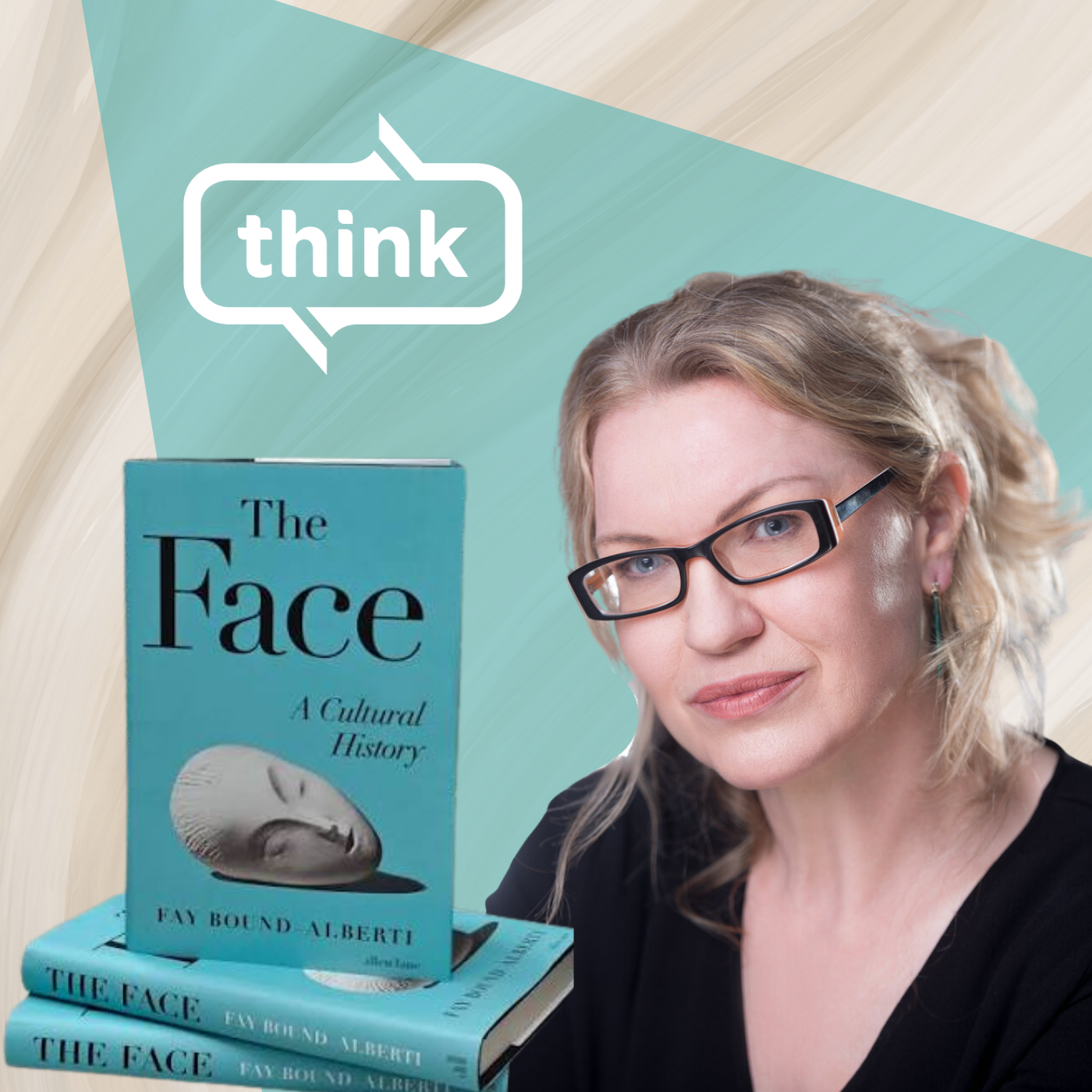
The cultural evolution of your face
2w ago00:46:55Tap to summarizeWe use our faces more than any other part of our body to communicate with others and that communication has evolved a lot over the centuries. Fay Bound-Alberti founded the Centre for Technology and the Body at King’s College London where she leads Interface, a project examining technologies of the face. She joins host Krys Boyd to discuss how facial understanding is tied to where and when people live, what happens when someone is “face blind,” and why the Mona Lisa’s smile is still so beguiling. Her book is “The Face: A Cultural History.” Learn about your ad choices: dovetail.prx.org/ad-choices
Transcribe →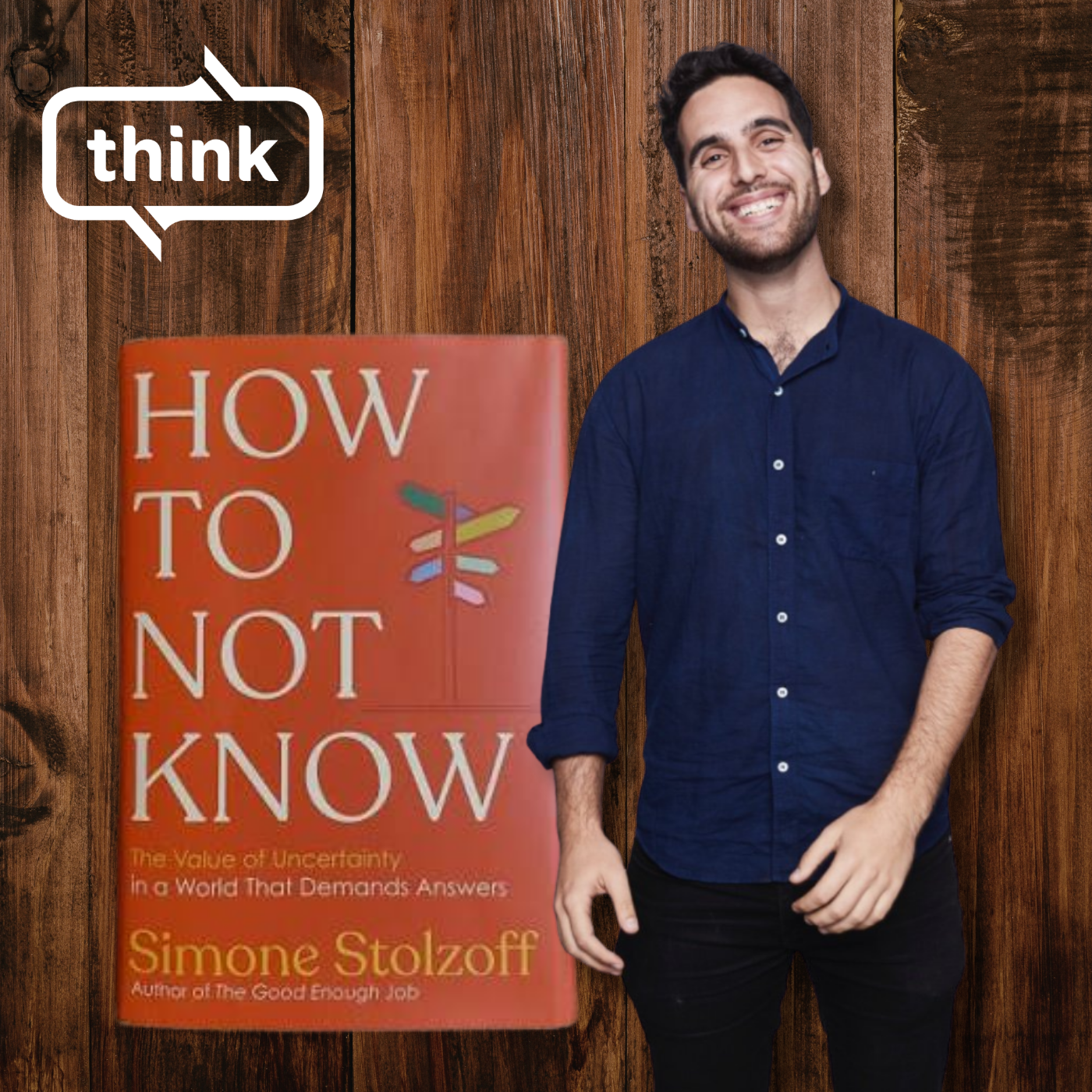
How to live with uncertainty (you don’t have a choice)
2w ago00:46:49Tap to summarizeThere is comfort in certainty, but there is resilience in embracing the uncertain. Simone Stolzoff joins host Krys Boyd to discuss why striving for certainty cuts off creative thinking, why building tolerance for uncertainty helps prepares us for life’s pitfalls, and why someone who claims to know it all might actually be dangerous. His book is “How to Not Know: The Value of Uncertainty.” Learn about your ad choices: dovetail.prx.org/ad-choices
Transcribe →
Consumer protection is on the decline… you’ve probably noticed
2w ago00:46:35Tap to summarizeConsumers are mad as hell, and they’re not going to take it anymore. Heather Timmons writes about consumer rights for The Guardian. She joins host Krys Boyd to discuss why American shoppers are fed up with higher prices, inflation, private equity and A.I. customer service (among other things) and just navigating daily life is costing us billions of dollars a year in time and fees. Learn about your ad choices: dovetail.prx.org/ad-choices
Transcribe →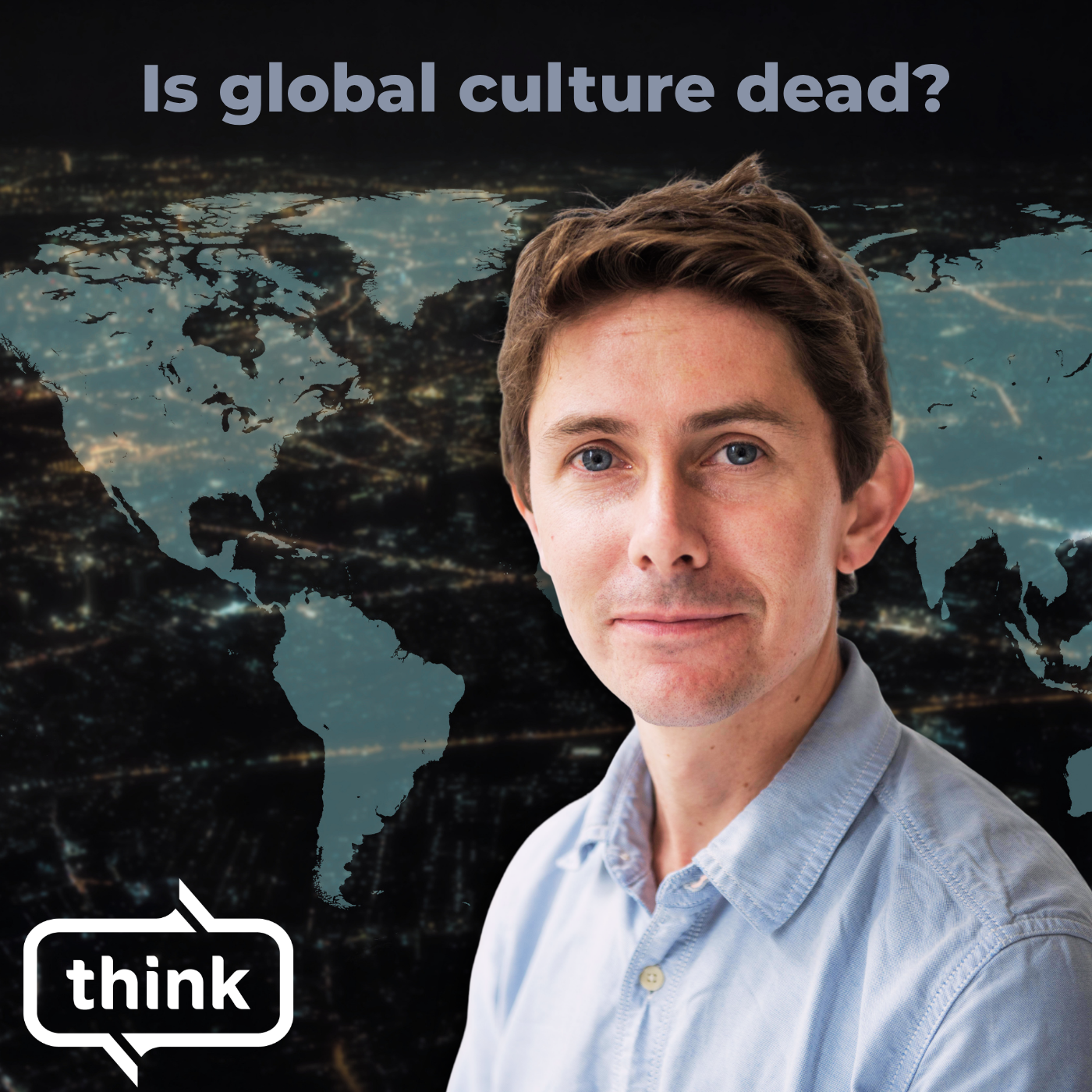
The trend in global entertainment: hyperlocal
2w ago00:47:14Tap to summarizeTaylor Swift’s world tour was a huge hit, but will there be like it? Tom Wainwright, media editor at the Economist, joins host Krys Boyd to discuss the rise of “local” entertainment, where artists want to appeal to a smaller segment of the population and not go “global,” and what that means for the United States’ hold on shaping culture. His article is “Entertainment is being deglobalized.” Learn about your ad choices: dovetail.prx.org/ad-choices
Transcribe →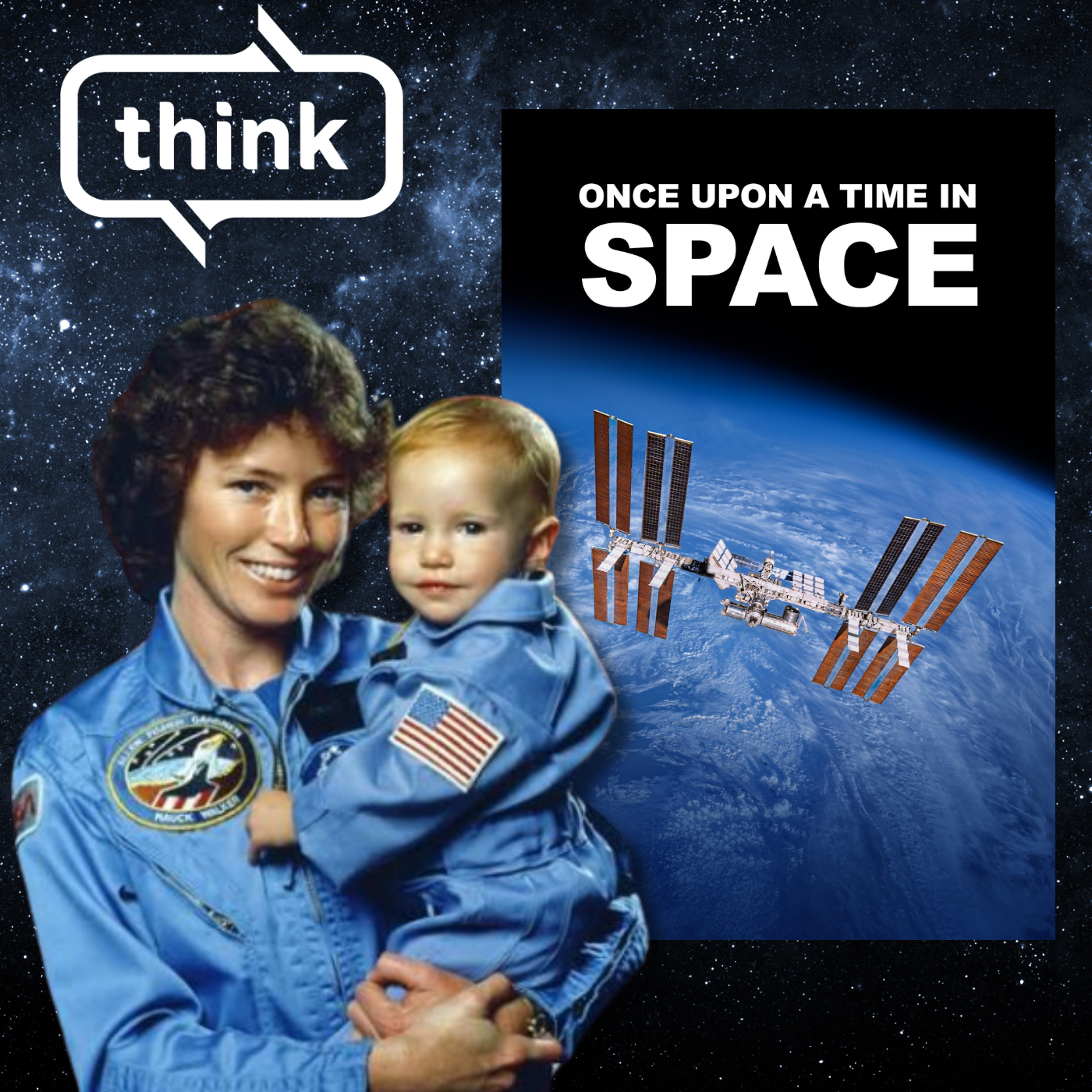
She created space for women astronauts
3w ago00:46:03Tap to summarizeTraining to blast off in a rocket is one thing, but being the first mother in space turned out to be much harder. Anna Fisher was a NASA astronaut from 1996 to 2002, the chief of the Space Station branch of the Astronaut Office and the first mother in space. She joins host Krys Boyd to discuss her record as the longest serving astronaut at 36 years and 9 months, the ways her space flight became controversial and political, and about the trail she blazed for women today. She’s part of the new PBS documentary “Once Upon a Time in Space.” Learn about your ad choices: dovetail.prx.org/ad-choices
Transcribe →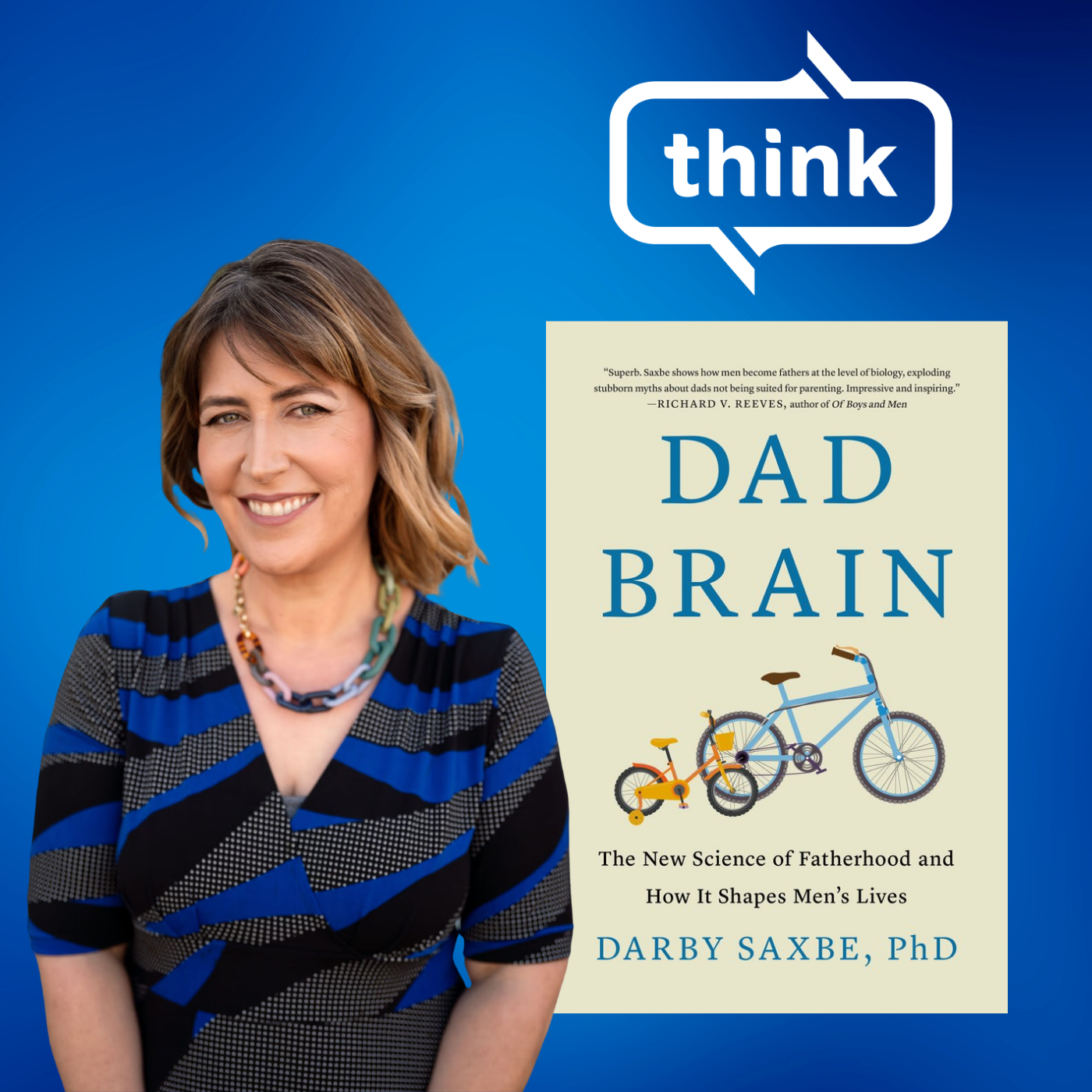
There’s a dad bod and a dad brain
3w ago00:46:17Tap to summarizeMotherhood changes a woman’s brain in many ways and now we know dad’s minds are impacted, too. Darby Saxbe is a clinical psychologist and professor of psychology at the University of Southern California. She joins host Krys Boyd to discuss the changes fathers go through when a baby is born from hormones to attention span the important role grandfathers play, and why there’s a pretty good reason for a “dad bod.” Her book is “Dad Brain: The New Science of Fatherhood and How It Shapes Men’s Lives.” Learn about your ad choices: dovetail.prx.org/ad-choices
Transcribe →
The new mission of the DOJ
3w ago00:46:43Tap to summarizeThe Department of Justice traditionally operated with a certain level of independence until President Trump took office. Devlin Barrett writes about the Justice Department and FBI for The New York Times, and he joins host Krys Boyd to discuss evidence that Trump is using the department to exact revenge on his enemies, new orders DOJ employees have been given, and why cases about civil rights and tax fraud are being abandoned. His book is “The Department of Revenge: How Trump Took Control of American Justice.” Learn about your ad choices: dovetail.prx.org/ad-choices
Transcribe →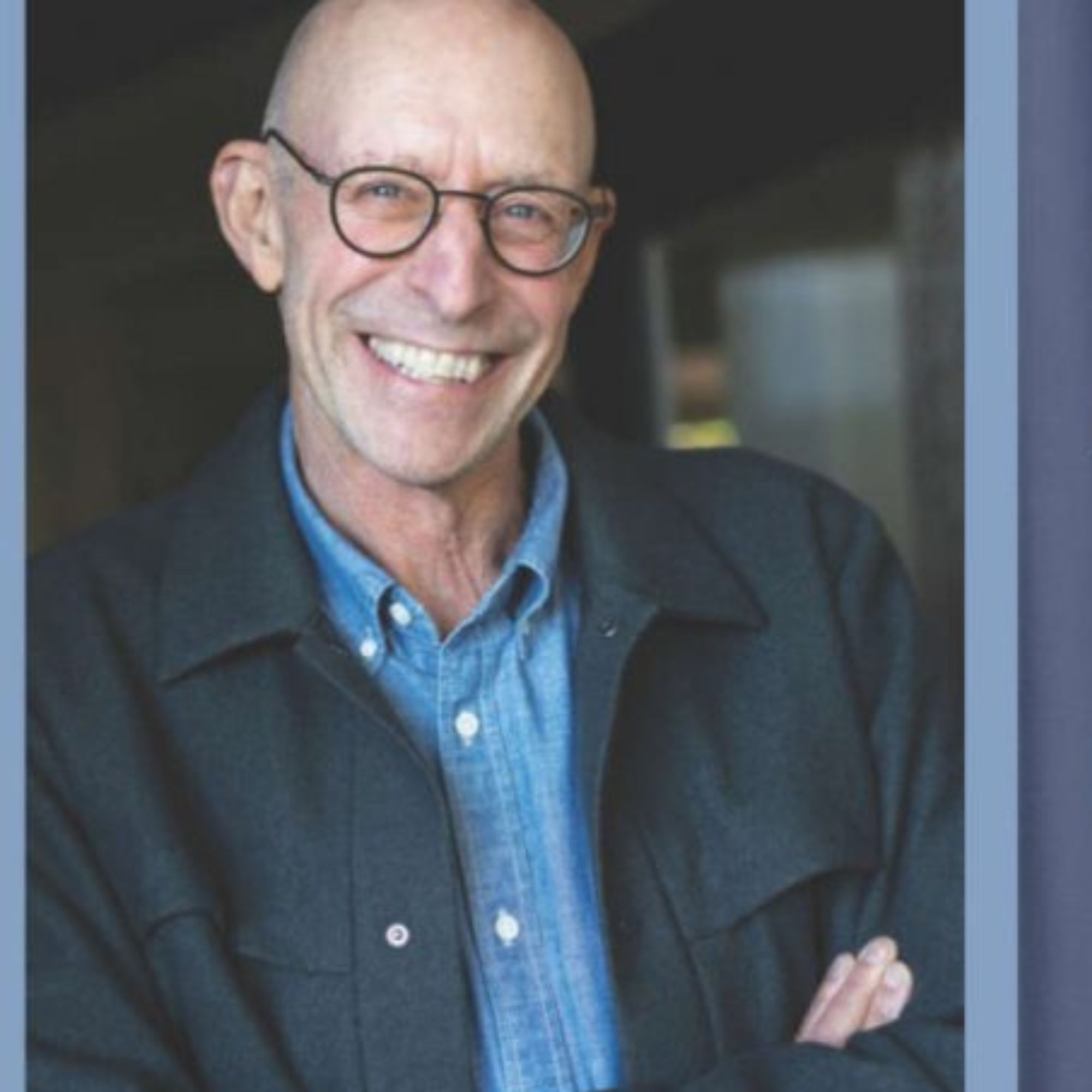
Michael Pollan: Your guide to consciousness
3w ago00:46:35Tap to summarizeConsciousness is something we can’t touch, see or even measure and yet each of us possesses it. Michael Pollan joins host Krys Boyd to explore what we do and don’t know about the mysteries of the conscious mind, the evolution of awareness, and to ponder if A.I. could ever really know its deepest self. His book is “A World Appears: A Journey into Consciousness.” Learn about your ad choices: dovetail.prx.org/ad-choices
Transcribe →