Podcast
ThinkCraft with Ali Shana
Hosted by Ali Shana · EN
ThinkCraft is a multimedia reporting project exploring the trends, policies, and research shaping U.S. education. Hosted by Ali Shana, the show blends solo education policy news/analysis with in-depth conversations featuring educators, researchers, and community leaders. From classroom innovation to policy reform, ThinkCraft highlights thoughtful on-the-ground perspectives for listeners who care about the future of learning.
Follow for new episodes, expert insights, and stories that connect education policy with the people it impacts most.
alireporting.substack.com
alireporting.substack.com
5episodes
Episodes
Newest firstAll episodes
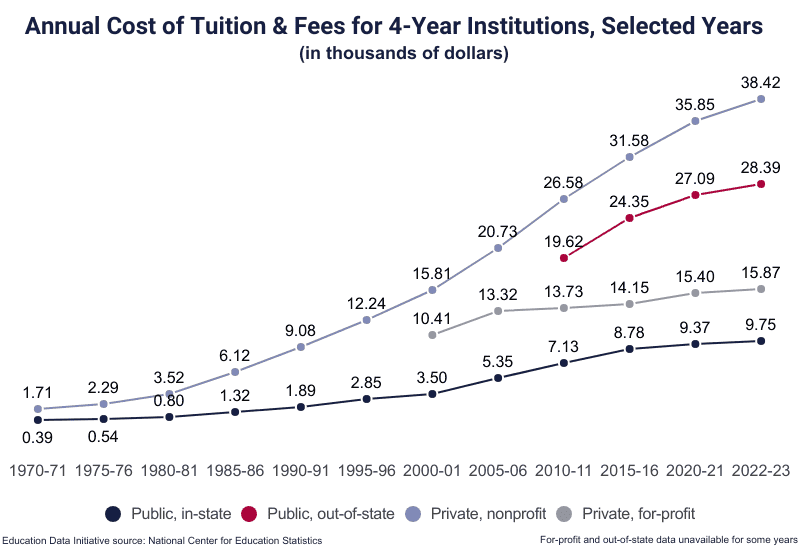
Why College Feels Broken (And Why It’s Not What You Think)
Sep 600:39:56Tap to summarizeIn this episode of ThinkCraft, Ali sits down with higher ed leader Teege Mettile to unpack why college is “broken.” From skyrocketing costs and enrollment declines to the erosion of trust in higher ed’s value, they discuss systemic issues and potential reforms.SUBSTACK, PODCAST, YOUTUBE, & SOCIALS: https://allmylinks.com/thinkcraft Get full access to ThinkCraft at alireporting.substack.com/subscribe
Transcribe →
Supreme Court Begins Dismantling the Department of Education | ThinkCraft Podcast w/ Ali Shana
Aug 9, 202500:14:09Tap to summarizeIn this solo episode of ThinkCraft, I unpack the Trump administration’s plans to dismantle the U.S. Department of Education following a Supreme Court ruling that cleared the way for mass layoffs and structural changes.We explore the two-pronged approach:* Gutting traditional functions — like managing student loans, investigating discrimination cases, funding low-income schools and students with disabilities, and conducting education research.* Weaponizing other functions — such as the department’s current campaign targeting elite universities under the banner of “antisemitism investigations.”Key responsibilities could be scattered across other agencies—student loans to the Treasury Department, civil rights enforcement to the Department of Justice, and more power returned to states.These moves align with the Project 2025 blueprint for federal restructuring, and come after cuts to programs like AmeriCorps and K-12 nutrition initiatives. The impact on Pell Grants, special education funding, and civil rights protections could be profound.Listen to the episode as a YouTube video or audio podcast on here, Spotify, and Apple Podcasts.Listen on YouTube | Follow our Insta | Follow our TikTok | Follow us on X Get full access to ThinkCraft at alireporting.substack.com/subscribe
Transcribe →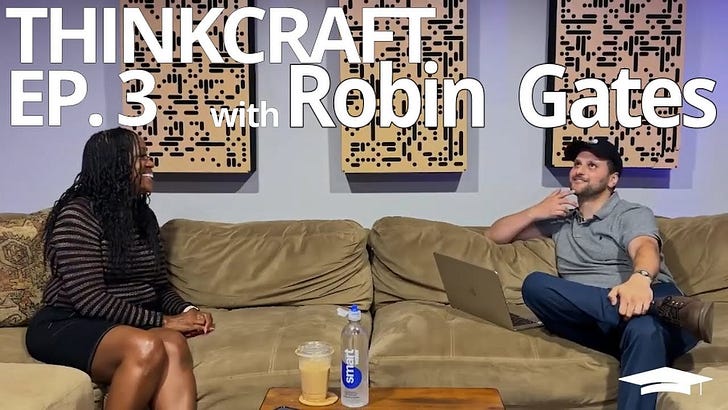
ThinkCraft Podcast Episode 3: Nursing, Empathy & Policy Leadership w/ Robin Gates
Aug 9, 202500:46:46Tap to summarizeIn this episode of ThinkCraft, I sit down with Robin Gates, a Milwaukee-based nursing educator and director with over 27 years of experience in the field. Recently named one of ATL Plus Magazine’s 50 Most Powerful Women, Robin has worn many hats—ER nurse, hospice worker, clinical trials coordinator, transplant team member, and now a professor and PhD student in education policy. Across all of it, she’s stayed grounded in what she calls the “caring core” of nursing.We talk about why so many nurses burn out within their first two years, how unions and professional associations can push back against unsafe workloads, and what it means to truly teach empathy. Robin also shares what it’s like to recruit and mentor the next generation of nurses—and why retiree nurses are an untapped resource.This is a powerful episode for anyone thinking about healthcare careers, the intersections of race and gender in nursing, or the systems-level changes needed to strengthen the workforce we all depend on.“Meet Robin Gates, ATL Plus Magazine’s 50 Most Powerful Women honoree! 🩺📚With over three decades in nursing, healthcare leadership, and education, Robin Gates is a transformational force in both classrooms and communities. As an Assistant Professor, nurse advocate, and Ph.D. candidate, she blends purpose, policy, and compassion to uplift the next generation of healthcare professionals. Rooted in faith, legacy, and lifelong learning, her impact extends far beyond the bedside—shaping lives, challenging systems, and championing equity in every space she enters.” - ATL Plus MagazineListen now on our YouTube channel (embedded above) & consider subscribing to us here on Substack! Or enjoy as a podcast here, on Spotify, and Apple Podcasts.Be an earlier follower of ThinkCraft Pod on Social Media, where we’ll begin to post clips regularly!https://x.com/thinkcraftpodhttps://www.instagram.com/thinkcraftpodhttps://www.youtube.com/@ThinkCraftPodhttps://www.tiktok.com/@thinkcraftpod Get full access to ThinkCraft at alireporting.substack.com/subscribe
Transcribe →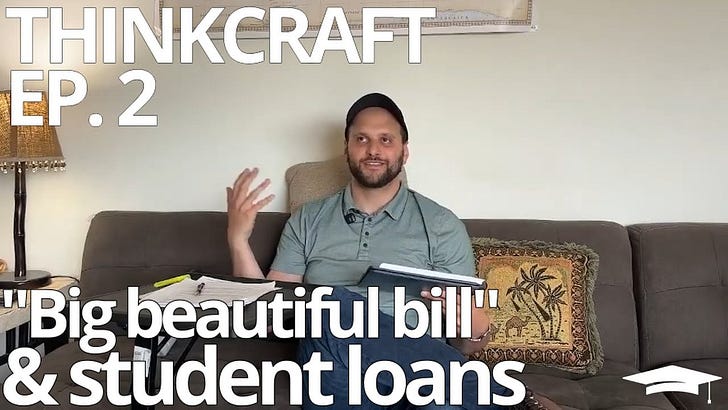
ThinkCraft Podcast Episode 2: Big Beautiful Bill Changes to Student Loans w/ Ali Shana
Aug 9, 202500:17:59Tap to summarizeOn July 9th, the “One Big Beautiful Bill Act” was signed into law. The presidential administration has praised it as a budget breakthrough that simplifies federal aid. But in practice, this bill fundamentally redraws who can afford to attend graduate school—and who can’t.In this solo episode of ThinkCraft, I break down what the bill actually does, who it affects, and why the name may be more distraction than direction. Here’s a summary of what I discussed:What’s changing?The law:* Eliminates existing income-driven repayment plans like SAVE, PAYE, and REPAYE for new borrowers.* Replaces them with a single “RAA” (Repayment Assistance Agreement) plan—longer in duration (30 years), but less forgiving, especially for low-income borrowers.* Caps federal borrowing for graduate and professional students, pushing them toward private loans.* Restricts deferment and forbearance options and restores aggressive debt collection powers.* Ends economic hardship and unemployment deferment for loans disbursed after July 2027.Who loses?* Graduate & professional students: Borrowing caps ($100k total for master’s, $200k for professional degrees) will force many into the private lending market.* Low-income borrowers: The RAP calculates payments off your full adjusted gross income with no poverty safeguard. Under SAVE, the first $35,000 of income wasn’t counted—now, every dollar is.* Future borrowers: They’ll face fewer protections, higher monthly payments, and limited flexibility.Who wins?* High-income professionals: Those who can afford the fixed Standard Plan get to avoid income scaling altogether.* Private lenders: With federal caps, their customer base grows.* Federal budget hawks: The bill promises to save $349 billion over time, per the Committee for a Responsible Federal Budget.What’s at stake?This isn’t just a fiscal maneuver. It’s a cultural shift. The law frames itself as simplifying aid, but it narrows the path to upward mobility. It restricts options for families—especially Black and Latino households—who’ve long used Parent PLUS and Grad PLUS loans to fill financial gaps and secure higher education for their children.The Big Beautiful Bill is budget reconciliation on paper—but in spirit, it’s a retraction of access.Listen to the full episode on Youtube (embedded above) or as a a podcast here, on Spotify, or Apple Podcasts. Also, please consider connecting with me on LinkedIn. Later this week, I’ll be interviewing Robin Gates - an MSOE Nursing Professor and Director of Nursing at the St. Ann Center for Intergenerational Care. Similar to the first episode with Irma Castaneda, I am hoping to learn more about the educational pathway that lead to her remarkable contributions in healthcare and caretaking education. In particular, I look forward to discussing her multidisciplinary approach to leadership, education, and how programs/policy frameworks might help reduce nursing burnout. Get full access to ThinkCraft at alireporting.substack.com/subscribe
Transcribe →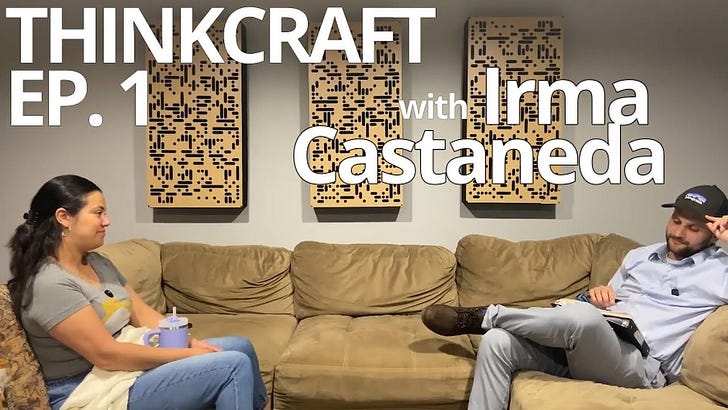
ThinkCraft Podcast Episode 1: Innovation in SPED w/ Irma Castaneda
Aug 9, 202500:54:19Tap to summarizeIn this debut episode of ThinkCraft, I speak with Irma Castaneda, a Special Education Dean at a K-12 Milwaukee charter school district, about what it takes to lead with compassion, grit, and clarity in special education today.Irma reflects on her path from teacher to dean, the hybrid nature of her role balancing behavior, academics, and school culture, and why so many critical aspects of SPED—like building trust with students and families—can’t be taught in coursework alone.We talk about IEP implementation, internal policy, burnout, and what it takes to truly serve students with dignity. If you’re in education, policy, or just care about equity, this one’s worth your time.Watch the full episode above on YouTube or listen as an audio podcast here, Apple Podcasts, or Spotify. Subscribe for more conversations at the intersection of education and policy. This first upload begins the rollout of subsequent episode uploads. Thank you to my good friend and show producer Ian, the guests lined up for the rest of the summer, and anyone who’s reading this right now. Get full access to ThinkCraft at alireporting.substack.com/subscribe
Transcribe →