← This American Life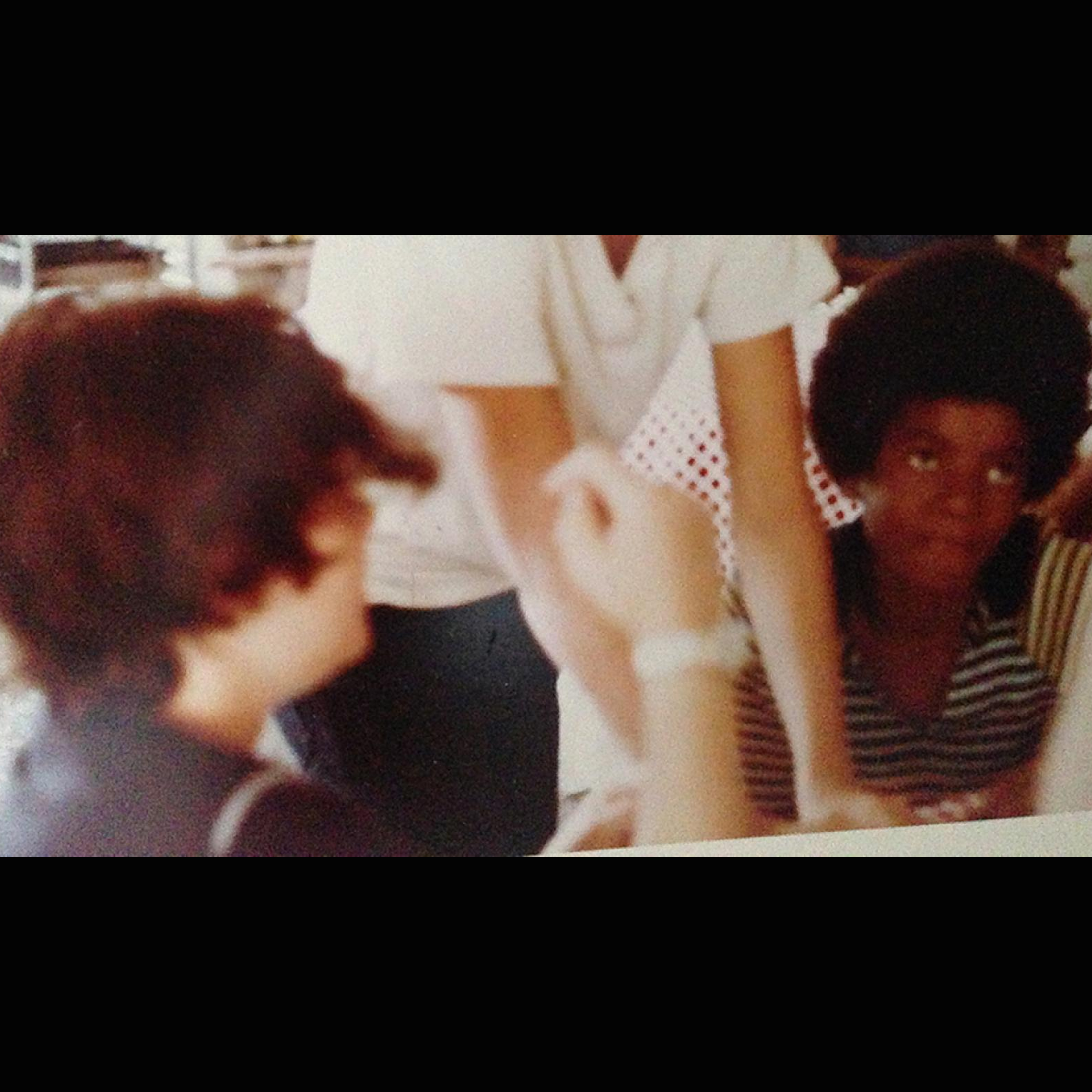
This American Life
594: My Summer Self
01:00:07
Summer is a time when change seems more possible than ever. But is that really how it happens?
Loading summary
Transcript318 lines
- [00:01]
Ira Glass
Support for this American life comes from Meta AI. Meta AI is the personal AI to help you with whatever you need. Not only is Meta AI now an app, but it's also on the apps you already know. Facebook, Instagram, Messenger, WhatsApp, plus the Ray Ban Meta glasses. It's easy to access wherever you are throughout the day. Experience Meta's newest AI that's tailored to you by downloading the Meta AI app. Try the Meta AI app today on the Apple App Store or Google Play. Me I'm not crazy about the beach, going in the waves. Totally fun for a little bit. But like all day and like many people over 40, I have no desire to ever be seen in a bathing suit by anyone ever for the rest of my life. But you know where I'm heading just hours from now after I leave the studio today? The beach for a week. And why? Because it's summer. Hating the beach during summer, and I believe I can say this with authority from personal experience, hating the beach in summer is like being a Jew at Christmas. You can try to sit it out, but it's just too big. At some point you're going to drink some eggnog. And you know what? When I go to the beach, I try, I really try to get into it, to have a nice time, to appreciate the waves and the sand and the heat. And I think about how many hundreds and thousands of years of families have brought their kids to the water's edge to play pretty much exactly the same dumb way that we play in the sand and waves today. How many ways are there to do that? Anyway, it's just nice to be part of something that's been happening forever. And you know, some people really love it so much. A while back here on a radio show, we all saw this article about somebody like that. At the time he was a 66 year old lifeguard who was suing New York State for age discrimination. And I just want to pause on that for a second. A 66 year old lifeguard, all of us here on our staff, we had no idea like that could even exist. We all thought lifeguarding is something you do when you're in high school, maybe a couple years after, into your 20s. Like who's still lifeguarding at 66? And then it was even more of a question when we realized that the lifeguard in the story, he has another job. He's a lawyer. He's a working lawyer. His name is Rory Lester. He's a bankruptcy attorney. He's got his own firm in Long island. And Then he lifeguards every weekend in the summer. And can I just say, today on our program, we have stories about people like him, people who love this summer, not people like me. From WBC Chicago, it's this American Life. I'm Ira Glass. We prepared today a program to listen to. With the sun beating down on you, the humidity through the roof, a show of people embracing summer and everything about summer. Today's show is a rerun and let's just get right to it with Act 1. Act 1, the Grapes of Wrath. So one of our producers, Janet Chivas, she went out to Long island and met that guy, Roy Lester, the 66 year old attorney lifeguard who was suing New York State. Basically the deal is that they tried to make him wear a Speedo. He refused. He lost his job. Here's Dana.
- [03:21]
Dana Chivis
If you ask Roy why are you still lifeguarding at 66? He barely understands the question. It's so self evident to him. It's been his life since he was 16. He and his buddies were kings of the beach. He lived with other lifeguards. His best man at his wedding was a lifeguard. Their kids grew up playing together on the beach while they were on duty. He never wanted to leave this job. Even when he went to law school in California, he came back to lifeguard. And every summer in law school, aren't you supposed to have like an internship in a law firm or something like that?
- [03:50]
Roy Lester
You're supposed to.
- [03:51]
Dana Chivis
Did you not do that?
- [03:52]
Roy Lester
No, I did not do that. I never took it quite that seriously. You know, the idea of giving up the summer was something I just couldn't do.
- [04:02]
Dana Chivis
He's not alone. At Jones beach, where he worked for 40 years, there are dozens of guys, teachers, firemen, police, who stayed with it into their 60s. Lifeguarding at Jones beach is such a thing that a former lifeguard made a film about it. It's called Jones Beach Boys. Roy insisted I watch it. I did. It was awesome. Here's my favorite song from it. We're going for the rescue and getting to the victim. I never really appreciated how thrilling lifeguarding is until Roy talked about rescues. We were sitting in his law office.
- [04:40]
Roy Lester
The exhilaration of a good rescue is unlike anything you've ever had. You know, and you don't get that. I sit here and I shuffle papers. I wouldn't call it exciting, I wouldn't call it rewarding, but this is. You're actually accomplishing something. You're up there and all of a sudden you're going out in the water and the rest of the world is behind. There's nothing else except between you getting from your stand to that victim. That's the only thing. And it's great. It's a great feeling.
- [05:23]
Dana Chivis
How many people do you think you've rescued in your career?
- [05:26]
Roy Lester
Over a thousand.
- [05:27]
Dana Chivis
Thousand?
- [05:28]
Roy Lester
Yeah. You have to remember there were times we would have 40 rescues in an hour. What?
- [05:34]
Dana Chivis
Why? What? Why?
- [05:36]
Roy Lester
Because you have people that come down to Jones beach who really don't know about swimming. So especially when you have a current and you can get a very strong current at Jones Beach.
- [05:49]
Dana Chivis
1,000 rescues, that's way more rescues than David Hasselhoff did on Baywatch. Figure 2 rescues per episode. Ten years on the air, Roy would still beat him by 560 rescues, which is to say Roy is one of the lifeguardiest lifeguards there is. He had two wins at the National Lifeguard Competition. He served as an expert lifeguard witness in court cases. And all was well in his happy lifeguarding world until the speedo Mishegoss began in 2007. Here's what happened. If you're a lifeguard at Jones beach, you have to take a physical fitness test every year to prove that you're still able to do the job. It includes a speed test in a pool. You have to swim 100 yards in a minute 20, which is actually pretty fast. A lot of these guys train all year for it. For 15 years, Roy took the swim test in his preferred swimsuit, a pair of jammers. They look like bike shorts without the butt cushion. If you're watching the Olympics right now, all the male swimmers are wearing them. They're tight and they go down to just above the knee. But when Roy showed up for the test in 2007, he was told no jammers. His bosses at the office of Parks and Recreation said you can only do the test in one of the official Jones beach lifeguard swimsuits, which means you have three board shorts, trunks or speedo. Board shorts and trunks are loose, so nobody really takes a swim test in them because they create more drag and slow you down. So in effect, state officials were saying to Roy, you have to take the test in a speedo. Roy said, no way. I won't do it. And he hasn't been a lifeguard at Jones beach since.
- [07:27]
Roy Lester
It was one of those feelings like, am I making the right decision? I'm throwing away a 40 year career over a principal. It was a difficult decision. A very difficult decision.
- [07:42]
Dana Chivis
How long did it take you to decide?
- [07:44]
Roy Lester
A second.
- [07:52]
Dana Chivis
I really need to point out he would only have to wear the speedo for the test, which lasts a minute and 20 seconds. On the job, he'd wear board shorts. Most of the lifeguards do, young and old. Why not just put it on for the test though?
- [08:07]
Roy Lester
Why didn't Rosa Parks just go to the back of the bus? There were plenty of seats.
- [08:14]
Dana Chivis
Of course, what Roy was fighting for is quite different from what Rosa Parks was fighting for by Taroy. It's the principle of the standing up to age discrimination. When I read about all this in the New York Times, I really didn't understand what's the connection between a speedo and age discrimination. I've certainly seen older dudes in Speedos. So I went out and met Roy on a beach not far from his house in Long Island. It was 6:45 in the morning. He was about to go for a mile swim before work. So, Roy, can you describe what you're wearing right now?
- [08:48]
Roy Lester
Well, it's a wetsuit. It's a short sleeve wetsuit and I have my jammers on underneath.
- [08:53]
Dana Chivis
Roy brought one of his official Jones beach Speedos to the beach to show me. Just describe it for me.
- [08:59]
Roy Lester
It's an exaggerated thong, for lack of a better word.
- [09:05]
Dana Chivis
But it's full coverage in the back. So it's not quite a thong.
- [09:08]
Joe Scalise
Right?
- [09:09]
Roy Lester
Not quite a thong. Right.
- [09:11]
Dana Chivis
But to Roy and lots of guys, it might as well be a thong. Which is why the speedo has earned a stable of nicknames. The Weenie Bikini. The Ding A Ling Sling. The Speed Don't. The Banana Hammock. The Grape Smuggler. The Miami Meat Tent. The San Tropez Truffle Duffel. The Scrote Tote. The reason the jammer is preferred by older lifeguards is that you're saying it's more discreet, modest. More modest, yes. Than the Speedo?
- [09:38]
Roy Lester
Yes.
- [09:39]
Dana Chivis
Because it covers your thighs.
- [09:42]
Roy Lester
I, you know, I don't want to get graphic, but.
- [09:49]
Narrator
You'Re.
- [09:52]
Roy Lester
The word begins with B. Basically, you're hanging out with the speedo.
- [10:00]
Dana Chivis
I get it now.
- [10:00]
Roy Lester
I think don't really with the jammers, it's not like that.
- [10:05]
Dana Chivis
There's like a little bit more of a roof over your house.
- [10:08]
Roy Lester
Yes, yes, I see.
- [10:11]
Dana Chivis
This is the nut of his argument. Roy says Once he passed 50, he felt self conscious in a Speedo and nobody should have to feel self conscious to get a job. So Roy refuses to put on the grape smuggler to take the swim test. A few weeks later, there's another chance to take the test. He Shows up and this time he is wearing the official speedo. He's just got it on over his jammers. He showed me a video of a conversation he recorded on the pool deck that day. It was a little windy, so the sound isn't great, but he's standing in front of Sue Giuliani, who was the director of Jones Beach State park at the time, and there he is in his Jammers plus Speedo outfit, challenging her to turn him away.
- [10:53]
Joe Scalise
I. I've made a compromise that's not going to be acceptable. You're not going to let me swim like this? No. How come? So we still have jamming on so that you cannot wear. All right. And is there any reason why they're not allowed? How many times do you want to call me? You know why they're not allowed. No, I don't. I've never been able.
- [11:11]
Dana Chivis
Joe Scalise, the director of water safety for the state beaches, cuts in.
- [11:16]
Ira Glass
Are you going to comply or not?
- [11:18]
Joe Scalise
I am complying. I'm wearing my official suit. Are you complying with what we want or not? I'm wearing my official suit. So you're not swimming now. All right, let's go.
- [11:26]
Dana Chivis
Did you just go home then?
- [11:29]
Roy Lester
Basically, I. Well, I stayed around and I, you know, watched everybody take the test and.
- [11:35]
Dana Chivis
Were there other people taking the test and jammers?
- [11:38]
Roy Lester
No, no, nobody was allowed to take the test and jammers. So everybody else either put on a speedo or put on the board shorts, something like that.
- [11:51]
Dana Chivis
Now, Roy says he could have worn board shorts or trunks and still pass the. He says he could have worn dungarees in past. The guy is in ridiculous shape. He does triathlons now, coaches a swim team. In 2012, he had a hip replaced, and seven weeks later, he came in first in his age group in Bermuda's Round the Sound swim race, a 1.2 mile open water swim. He was still using a cane to walk. So the easy thing for Roy to do would be just take the test in board shorts or Speedo and keep the job he loved. Let bureaucrats be bureaucrats. Just get on with it. That's not Roy. Roy does not back down from a fight. So he sued. He sued the New York State Office of Parks, Recreation and historic preservation for $5 million. Now, the easy thing for the state would have been to just let Jones beach lifeguards wear jammers. Presumably, if they're good enough for the Olympic swim team, they're good enough for New York's lifeguards. But that's not New York State, it decided to fight. The lawsuit has worked its way through the lower court, which dismissed it to the appellate court, which ruled in May that it should go to trial. This has been going on for seven years. Seven years. Roy sent me a PDF of his exhibits in the case. It was 1,300 pages long. And the thing I really want to know, because I live in New York and pay taxes in New York, is why is the state using taxpayer dollars to fight the speedo suit? This could all have been resolved very easily years ago if they just changed the rule allowed the jammers. Why are Roy and the state fighting each other when they should unite against the real enemy, Jellyfish? Officials from the state of New York wouldn't talk to me for this story. The Attorney General's office wouldn't talk. Neither would Parks and Rec. But they did send me the affidavit of a guy named George Gorman. He oversees all the parks in Long island, and it lays out their side of the story. Around 2006, some of the Jones beach lifeguards started taking the swim test in full body swimsuits. Management became concerned that those guys were only passing because they were wearing the full body swimsuits. So they decided to change the rules. Starting in 2007, lifeguards could only take the test in one of the three official Jones beach uniform swimsuits. No more full body suits, and also no jammers, because jammers aren't part of the uniform. In his deposition, George Gorman said, we determined it was best that the lifeguards wear the uniforms that they're assigned to wear while they're on duty. Seems reasonable, right? Not if you're Roy. He points out, if jammers really are significantly faster, wouldn't you want your lifeguards to wear a faster suit, get them out to drowning victims sooner? And as it happens, New York Parks and Rec allows lifeguards to take their qualifying test in jammers in the rest of the state.
- [14:44]
Roy Lester
Upstate. I went upstate to take the test, and I wore my jammers, you know.
- [14:50]
Dana Chivis
You took the test upstate?
- [14:51]
Roy Lester
Yes, and I wore my jammers, and people wore the jammers. And I have pictures of that. And that's part of the exhibit of guys taking the test in their jammers.
- [15:00]
Dana Chivis
Upstate?
- [15:01]
Roy Lester
Yes. The same employer, New York State Department of Recreation, the same employer allows the jammers.
- [15:10]
Dana Chivis
So your theory about this is that they're targeting Long island because why?
- [15:15]
Roy Lester
Because 90% of the older the over 50 lifeguards work on Long Island. It's the biggest group of older lifeguards.
- [15:25]
Dana Chivis
Anywhere for what it's worth, the state told me that the rules are different on Long island because it's a more strenuous job lifeguarding on the ocean. Upstate, it's all lakes and pools. Why do you think it is that they don't want older lifeguards?
- [15:39]
Roy Lester
Well, I think they don't like the fact that older lifeguards have influence over the younger guys. And when you're a member of management, you don't want anybody having influence over your employees except you. And when you have to deal with the union and you have to deal with the officers of the unions, who are all older guys, and they know the beach, you don't want that.
- [16:06]
Dana Chivis
Yep. There's a lifeguard union. Roy was the president of the union for years. And at that point in 2007, when he refused to wear the Speedo, he was the union's chief negotiator. When Sue Giuliani tells him to follow the rules so that you cannot wear. She knows him. He's the guy the union sends to argue its side. And these guys telling him he can't wear his jammers, they're management. This is a scantily clad labor dispute. I asked some other older lifeguards about this, and three out of the four of them agreed. This is about the union, which actually has a history of fighting age discrimination. In 1966, they went on strike because the state tried to impose an age limit of 35 for Jones beach lifeguards. So they walked off the beach. A week later, the state came knowing this, that the suits and the swimsuits have a history with each other. That helped me understand what Roy's fight was really about. Roy told me one reason he took a stand was that management was supposed to tell the union if they wanted to change a rule like this, and this time they didn't. Roy's got a weekend job now at a private beach club. But it's not the same.
- [17:19]
Roy Lester
I like where I'm working now. I really do. But you get one rescue a year if you're lucky, and then it's what's called a puddle jumper.
- [17:28]
Dana Chivis
What is a puddle jumper?
- [17:29]
Roy Lester
A puddle jumper is where you really don't even need to get your head wet. And you at Jones beach, in the old days, we would have these tremendous rescues, Just these great rescues.
- [17:42]
Dana Chivis
His friends from Jones beach tease him that he's in exile now. How often do you go visit them?
- [17:47]
Roy Lester
Not that often. I keep in touch with them constantly, but I don't go down there that often, to be honest. It does hurt. It hurts to go down there. That was my beach, you know. It was my home for so many years.
- [18:09]
Dana Chivis
If Roy's theory is true, then the state is trying to get rid of the older lifeguards on Long island, but by forcing them into Speedos. But if that's true, as far as I can tell, the only lifeguard they've managed to get rid of is Roy.
- [18:30]
Ira Glass
Dana Chivis is one of the producers of our show. Since we first ran this story in 2016, Roy has returned to Jones Beach. He takes the fitness test in a Speedo every year alongside everybody else and is back working as a lifeguard. He's 75 now. More summer stuff coming up. Stay with us.
- [18:56]
Sponsor
This message comes from Schwab At Schwab. How you invest is your choice, not theirs. That's why when it comes to managing your wealth, Schwab gives you more choices. You can invest and trade on your own. Plus get advice and more comprehensive wealth solutions to help meet your unique needs. With award winning service, low costs and transparent advice, you can manage your wealth your way at Schwab. Visit schwab.com to learn more.
- [19:24]
Dana Chivis
This message comes from Progressive Insurance and the Name your price tool. It helps you find car insurance options in your budget. Try it today@progressive.com, progressive Casualty Insurance Company and affiliates price and coverage match limited by state law. Not available in all states.
- [19:41]
Neil Drumming
Did you ever wonder what it's like to live alone, hidden in the woods, not speaking to a single soul for 30 years?
- [19:48]
Narrator
Or wander the desert, uncover a hidden.
- [19:50]
Ira Glass
Well and dive to the bottom of the deepest water hole for 2,000 miles?
- [19:57]
Neil Drumming
The snap Judgment podcast takes you there with amazing stories told by the people who live them.
- [20:03]
Narrator
Snap Judgment Listen and subscribe wherever you get your podcasts.
- [20:11]
Ira Glass
It's this American life. We have arrived at Act 2 of our program. Act 2 say yes to Summer. So back when we first broadcast this episode, I had just finished making a movie with Mike Birbiglia, who's on our show sometimes. And the movie's about improv comedians. And I thought that it would be fun to invite some here on the show to do stuff about summer. And we got some great, great ones. John Lutz, Tammy Sager, Connor Ratliff, Gary Richardson, Kate Micucci, Shannon o', Neill, who's the artistic director of improv theater, the Upright Citizens Brigade Theater. Birbiglia came too, and they did this show at the Upright Citizens Brigade Theater in New York. And they did it in this style of improv where the way it works is that somebody tells a true story on stage and then the performers make up scenes based on things in that real story. And then somebody else tells another true story, which kicks off more improvised scenes and so on. And so if you just want to picture this, the cast and I are on stage, there's an audience, and we started this show with a true story that I told. So When I was 13, my parents had enough money to take us on one of our very first family vacations and we went to Florida. And one of the things that made this possible is that we got a deal on the hotel. My dad was an accountant, I grew up in Baltimore. And we got the deal because my dad was the accountant for the Baltimore branch franchise of the Playboy Club. And I would just say now it's sort of hard to remember if you're under 40. I think there was a point where Playboy was cool. Like it's sort of unimaginable now, but if you imagine like you couldn't get porn on your phone. And so we were going to go down, Playboy owned hotels and they had a hotel in Miami called the Playboy Plaza. So we were going to be at this hotel that seemed very glamorous. There were going to be Playboy bunnies at the hotel, serving drinks at the bar and at the pool. I was a 13 year old boy. This was incredible. We were going to fly in an airplane. It was one of the very first times I ever did that. Also incredible. There would be the ocean, which being from Baltimore, we called the ocean. And so this had all the makings of a great vacation. And then when we got to the hotel, it was everything we wanted. And in addition, the Jackson 5 was staying there August of 1972. Michael Jackson and I are the same age. We were both 13. And so you would see the Jackson 5 come out of the elevator for dinner dressed all in completely matching gold suede suits with fringe. And you would see them at the pool, just like playing in the pool like other kids, which was us. And I should say, like I remember goofing around in the pool with like the youngest one who was seven years old, a girl, because she seemed like the most approachable. I knew she wasn't actually famous. Later, of course, I learned she is Janet Jackson. I played Marco Polo with Janet Jackson. And I have brought with me a photo of me and Michael Jackson from that vacation. I have it here. Now, before I show this to you, I want to just like, I need to preface with some context, which is that while the Jacksons were becoming international superstars, I myself was working in the entertainment business. I had gone to the Baltimore County Public Library and taken out some books on how to do magic tricks. And I was doing birthday parties all over Baltimore county for fees as high as $10. Also, animal balloonery. And so here is the photo. And the audience here can see that my back is to the camera. What I'm doing, you can't see my hands. I'm doing the disappearing coin trick. And the expression on Michael Jackson's face, he is literally rolling his eyes. So just to explain to the radio audience, the cast is sitting on stools with microphones. And so you guys heard the opening story. It's on you.
- [24:48]
Improv Performer 1
Marco.
- [24:51]
Improv Performer 2
Polo.
- [24:54]
Joe Scalise
Marco.
- [24:55]
Improv Performer 3
Polo.
- [25:03]
Improv Performer 1
Marco.
- [25:04]
Dana Chivis
Polo.
- [25:04]
Improv Performer 2
Polo.
- [25:06]
Dana Chivis
Polo.
- [25:07]
Narrator
Polo.
- [25:13]
Improv Performer 1
Marco.
- [25:15]
Dana Chivis
You.
- [25:15]
Improv Performer 2
You really don't know where we are?
- [25:20]
Improv Performer 1
I love the Jackson 5.
- [25:25]
Narrator
Well, what do you say, guys? Should we give him a.
- [25:36]
Improv Performer 2
We have been workshopping a pool song.
- [25:40]
Improv Performer 3
Hey, you're not gonna sing the pool song without Tito.
- [25:45]
Dana Chivis
Hey, guys, I heard we're singing the new pool song. Ugh.
- [25:48]
Improv Performer 2
Michael, no one wants you here.
- [25:51]
Dana Chivis
Hold on, let me put on my swimming gloves. Oh, no, I lost one. So are we gonna sing this pool song or what?
- [26:09]
Narrator
Well, I've got my bass guitar right here. I could walk us on in with.
- [26:15]
Joe Scalise
A.
- [26:20]
Dana Chivis
Dip that toe in the water Dip that toe in the water I'm sliding down the slide I'm sliding down the slide Splishy splash slide around Slide, slide, slide, slide. Come on, everybody, and welcome the Jackson 5 to your local hotel pool.
- [26:41]
Improv Performer 2
Welcome us, the five of us.
- [26:43]
Dana Chivis
You're gonna take this tail to school. Sliding down the slide, Sliding down the.
- [26:49]
Improv Performer 1
Slide Again we're workshopping and seeing.
- [27:03]
Dana Chivis
Excuse me.
- [27:04]
Narrator
Yes, how can I help you?
- [27:05]
Improv Performer 2
Yes, I'm here with my son. Perhaps you recognize him from birthday parties across Bernard County.
- [27:14]
Improv Performer 1
I'm okay. I don't recognize him from that, but.
- [27:19]
Improv Performer 2
Joshi, introduce yourself.
- [27:22]
Improv Performer 3
Hello, my name is Josh Joshi the Magnificent.
- [27:32]
Improv Performer 2
And we've been waiting in this corner booth for five minutes and no one has come to wait on us.
- [27:38]
Improv Performer 1
Oh, I'm very sorry about that. I can take your order right now if you want. How about some drinks?
- [27:44]
Improv Performer 2
How could we order when the menus have disappeared?
- [27:52]
Improv Performer 3
Ta da.
- [28:00]
Improv Performer 1
I'm gonna get you guys some water and I'll be back with some menus.
- [28:05]
Improv Performer 2
Joshi will have a glass of sour milk, please.
- [28:10]
Narrator
All right.
- [28:11]
Improv Performer 1
All right. I'll be right back.
- [28:14]
Improv Performer 2
Joshi.
- [28:15]
Improv Performer 3
I love you, Mommy.
- [28:16]
Improv Performer 2
I love you so much, so much.
- [28:20]
Improv Performer 3
So much, so much, so much.
- [28:30]
Improv Performer 1
I think what's special about summer when you're a kid is that it doesn't even feel like the rest of your life. Like you feel like there's life and then there's summer. And then when you get older. I'm embarrassed to admit this. I'm barely aware that it's summer. Like, I'm like, okay, it's summer. Like it all just.
- [28:56]
Improv Performer 2
I'll have that thing too. When it starts getting hot. Where it's like, ugh, it's getting a little hot. I never had that as a kid. You'd be excited when it's hot. Cause it.
- [29:05]
Narrator
I don't know. As a kid. So often the family reunions were in hot ass Pensacola, Florida. Like, unbelievably hot and populated with 100% old people. So nobody was out. It wasn't even like kids were out playing. So I was acutely aware of how hot it was. Because I would get outside and just stand there. It would be me and my cousins just standing, looking around, hoping for something to inspire us to play. Like these old people didn't have balls or anything to do. So we would just walk to get a juice and drink the whole juice on the way back home. Because we were dying. Ugh. Pensacola sucks. I hate. I hate Pensacola, Florida.
- [29:57]
Improv Performer 3
Jane, Jane, come to the window.
- [30:01]
Ira Glass
What?
- [30:02]
Improv Performer 3
There's a bunch of children just standing. We want your balls.
- [30:14]
Improv Performer 1
Give us your toys.
- [30:18]
Improv Performer 2
That one sounded a little bit like John Lennon.
- [30:23]
Dana Chivis
What is this? You're right.
- [30:24]
Ira Glass
You're right, Jarrett.
- [30:25]
Improv Performer 3
Jane, you're right. That was unmistakably a Liverpool accent.
- [30:29]
Improv Performer 1
I'm Jared Lennon. I'm visiting with these children.
- [30:35]
Improv Performer 3
Jane, what do we do?
- [30:36]
Ira Glass
Jane?
- [30:37]
Dana Chivis
Do we adopt them?
- [30:38]
Improv Performer 1
I don't know.
- [30:39]
Improv Performer 3
Carl can't adopt a full grown Brit.
- [30:45]
Improv Performer 1
Who says we can't?
- [30:48]
Improv Performer 2
So, class, we've got a new sixth grader who's just moved to town. So, John, why don't you tell the class a little bit about yourself?
- [30:57]
Improv Performer 1
I'm from Liverpool.
- [31:00]
Improv Performer 2
I dance. Oh, why don't you have a seat over there by Shelley? Yeah, sit next to me. Oh, you don't seem to be fitting in that desk.
- [31:12]
Improv Performer 1
I'm a full grown man.
- [31:16]
Improv Performer 2
All right. Well, Terry, you were in the middle of your talk about what you did this summer.
- [31:24]
Narrator
Yes, this summer I went on a cruise to the Bahamas. Me, my mom, my dad, my younger brother Jason. We got on the cruise and there was 100 bedrooms. 100 bedrooms. And in the morning, you get up and everybody has breakfast together. And sometimes there's different entertainers in the middle of the day. If you don't want to go to the entertainer you can go swim or you can go lay on the deck. And once we port. That's what they call it when the boat stops in the city port. Once you port, you and your family get together. Make sure you have your passport, because if you don't, they might not let you back on the boat no matter what. We do all this, then we all.
- [32:08]
Ira Glass
Ooh.
- [32:09]
Narrator
One time my brother stepped on a jet.
- [32:13]
Improv Performer 1
I have a story. I'm the biggest pop star in all the world.
- [32:19]
Improv Performer 2
Sean, just one second, please. Terry is telling a very interesting story.
- [32:25]
Improv Performer 1
I made the biggest hits in all of America and also in Britain.
- [32:31]
Narrator
Oh. Do you want me to tell you what happens when you get back on the boat?
- [32:34]
Improv Performer 1
Yeah.
- [32:35]
Narrator
Okay. You get back on the boat and you go upstairs and you have dinner. And the dinner can either be pork or it can be chicken, or it can be just vegan. Cause some people don't even like the meat stuff. They just want to eat vegetables. Can you believe it?
- [32:52]
Improv Performer 1
Tell us about the toilets on the boat.
- [32:54]
Narrator
Oh, okay.
- [32:55]
Improv Performer 1
This is rubbish. SCENE.
- [33:08]
Narrator
I stole once over a summer. I was 10 years old, I believe, and I was on a cruise, actually, in Cancun, Mexico. I was playing with some, like, keychain that had a basketball on it because I was a huge basketball guy back then. I'm still a big basketball guy. Love the sport, but, but, but. So I'm spinning it around my finger and we leave the store and. And maybe 20 minutes later, I realize I've still got it. And I'm freaking out because this was a summer that when I was younger, I did Taekwondo and one year I went to state and placed at State. Was supposed to go to regionals or. No, not regionals. I went to state, then regionals. I was supposed to go to the national tournament in Las Vegas, Nevada. But I passed to go on this cruise and I found out that had I gone to Las Vegas, I would have been one of four people in my age and weight division and I would have automatically been going to represent the United States of America in Korea. And I. And I passed on that to cruise around the Gulf of Mexico.
- [34:28]
Ira Glass
Wait, wait, but are you bringing up the theft because you thought it was causal? Like the fact that you did this bad thing led to you not going to Kore?
- [34:36]
Narrator
No, I thought that. I can't believe that instead of being in Korea, I'm here stealing. I was freaking out because I saw two very different paths in my life and I had chose the wrong one. I had picked the wrong path.
- [34:55]
Improv Performer 2
You don't want to go on the class trip?
- [34:57]
Dana Chivis
No, because I have a chance to go on this cruise and it just sounds like way more fun. So have a good time on the trip. Sounds fun for some other people.
- [35:10]
Improv Performer 2
I didn't want to mention this to the rest of the class, Sam.
- [35:12]
Dana Chivis
Yes.
- [35:13]
Improv Performer 1
Well then why am I still here?
- [35:16]
Dana Chivis
I'm leaving.
- [35:17]
Improv Performer 1
No one ever tells me anything.
- [35:18]
Improv Performer 2
You do not move. You are in punishment. That is why you are still here.
- [35:22]
Joe Scalise
Okay.
- [35:26]
Improv Performer 2
Maybe Cooper, instead of asking me why you're still here, you should ask yourself while you're still here, Cooper, why.
- [35:32]
Improv Performer 1
Am I still here? Cause I'm cool.
- [35:36]
Improv Performer 2
Wrong answer, Cooper. Wrong answer. So Sam, honey, should I go on the trip?
- [35:43]
Dana Chivis
I mean, I feel like I don't think I'll be missing out.
- [35:47]
Improv Performer 2
Sam. Okay, I didn't tell the rest of the class this.
- [35:50]
Dana Chivis
Uh huh.
- [35:52]
Improv Performer 2
And I know the permission slip says we're just going to Great America to do physics calculations.
- [35:58]
Dana Chivis
Yeah.
- [35:59]
Improv Performer 2
But when we get there, there's a physics bowl. That's gonna happen.
- [36:06]
Improv Performer 1
That's it.
- [36:08]
Improv Performer 2
No Cooper, that's not it.
- [36:10]
Improv Performer 1
Okay, that was kinda lame. Hey, why are you here, Cooper?
- [36:15]
Narrator
Cause you're the best man. Give me five. I can't.
- [36:18]
Improv Performer 1
Cause I'm me.
- [36:25]
Dana Chivis
But I mean I could go to the beach and be on the ocean.
- [36:28]
Improv Performer 1
That sounds way better.
- [36:31]
Dana Chivis
But I mean if you really need.
- [36:32]
Improv Performer 2
Cooper likes your idea, huh? Do you want to be like a Cooper?
- [36:37]
Dana Chivis
Well, not really because he picks his nose a lot. But that's cause it's tasty.
- [36:52]
Improv Performer 1
I feel like there's. There's something about like summer when you're a kid where I have all these memories as a teenager where we'd go, we'd. We'd walk around town late at night when we were probably like 13, 14 years old. And we wouldn't have a plan, but we had nowhere to be. So like we'd walk to one of our friends houses, then we'd walk to the. To the right hand pantry and we get order sandwiches and we just sit there in the corner and we were like, this is pretty cool.
- [37:26]
Improv Performer 3
Hey listen, I know we don't normally plan this out, but I went ahead and made an itinerary. Here's yours.
- [37:38]
Ira Glass
Okay.
- [37:39]
Improv Performer 3
I've got enough for everybody. So I mean like right now it says we meet up, pass out itineraries.
- [37:45]
Improv Performer 1
Yeah, I feel like that that was.
- [37:47]
Improv Performer 3
An unnecessary step because now I can check it off.
- [37:50]
Improv Performer 1
Oh, okay. Kind of takes away the fun, right? Isn't that fun? Is that.
- [37:55]
Improv Performer 2
Got this. It said I should show up at 7:52 and just reject you guys.
- [38:03]
Improv Performer 3
Yeah.
- [38:05]
Improv Performer 1
Hey, Samantha.
- [38:06]
Improv Performer 3
Hi, Samantha.
- [38:07]
Improv Performer 1
Hey, Samantha.
- [38:08]
Improv Performer 2
Don't do that again.
- [38:12]
Improv Performer 1
Well, I guess. I mean, it's working. Yeah, working.
- [38:15]
Improv Performer 3
I mean, that was right on time.
- [38:17]
Improv Performer 1
Yeah.
- [38:19]
Improv Performer 3
I think it didn't hurt as much because there was an inevitability to it.
- [38:22]
Ira Glass
That.
- [38:24]
Improv Performer 1
Seed.
- [38:28]
Improv Performer 3
I. I was always really bad at getting or finding summer jobs that weren't terrible.
- [38:35]
Improv Performer 2
And you're bad at finding real life jobs that aren't terrible.
- [38:41]
Improv Performer 3
Thanks, Tammy. I'll have you know I'm gonna be dressed as a pretzel all next week.
- [38:48]
Improv Performer 2
Is that real?
- [38:49]
Improv Performer 3
Yeah.
- [38:50]
Improv Performer 1
Not a joke.
- [38:51]
Improv Performer 3
Not a joke.
- [38:54]
Ira Glass
On. In what context?
- [38:58]
Improv Performer 3
I honestly, I've said too much already.
- [39:03]
Improv Performer 1
You can tell us, but you guys just can't tell anybody. Why will you be dressed like a pretzel named Nobody tweets?
- [39:10]
Improv Performer 3
US national brand snack mix, Internet only ad content.
- [39:24]
Improv Performer 1
Standing ovation.
- [39:25]
Improv Performer 3
Yeah.
- [39:29]
Improv Performer 1
I don't think anybody could fit that in a tweet. I think my favorite part is that you thought by saying it that we could ruin it.
- [39:39]
Improv Performer 2
Yeah, we can't make it worse.
- [39:41]
Improv Performer 3
All right, so. So anyway, one summer there was this local sandwich shop in my hometown. And the guy who owned the sandwich shop, he also owned like these fireworks stands that would go up like near the highway. And they needed someone to guard the fireworks stand at night. And I heard about this job opportunity and so I said, are you looking for. And he said, yeah, are you willing to do it? And I said, well, what do I need to do? And I was gonna make like $500 for the night. I would show up like at 9 or 10 at night or something whenever they were closing. And then I would just sit in the tent all night until morning.
- [40:23]
Ira Glass
Wait, $500.
- [40:25]
Improv Performer 1
That's so much money.
- [40:26]
Improv Performer 2
One night.
- [40:27]
Improv Performer 3
Yeah, that's four or five hundred dollars.
- [40:29]
Improv Performer 1
That's significantly more than you're making to be a pretzel.
- [40:34]
Improv Performer 3
That's not true. Actually. I wouldn't be. Yeah, yeah.
- [40:39]
Improv Performer 2
Colin, you realize that was for sure. Guns or drugs?
- [40:43]
Improv Performer 3
I don't know. All I know is I made big plans. I had a black and white portable television that I brought with myself. I'd just like watch TV all night and read. And so I. So I showed up and there were a bunch of people already there. And I said, hi, I'm supposed to guard the first. And they said, no, you're not. And I said, what? And they were like, we're doing it. And I was like, I was told I was hired to do this job and it was supposed to be $500 for the night. And they're like, oh, there was a mix up. I was like, ah. And so I said, come back next week and you can do next week. So I thought, oh, okay. Well, that's good. And so the next week, I went to the fireworks stand on Saturday night to guard it, and the same bunch of guys were there, and they were like, no, it was a mix up. I think they just lied to me as a trick just to see this teenager show up and just tell him to go away.
- [41:49]
Improv Performer 1
So what you're gonna do is you're gonna guard this area right here.
- [41:52]
Narrator
Okay.
- [41:53]
Improv Performer 1
Yeah, this is the beach.
- [41:56]
Narrator
Sure. Yeah, yeah, yeah.
- [41:57]
Dana Chivis
Cool.
- [41:57]
Narrator
So just get.
- [41:58]
Improv Performer 1
Guard the beach. If anyone walks down the beach, you're just gonna give them the business.
- [42:02]
Narrator
Okay, Yeah, I can do that. Get here at sundown. Hang out all night.
- [42:04]
Improv Performer 1
Get here at sundown. You stay here all night.
- [42:07]
Ira Glass
Cool.
- [42:07]
Improv Performer 1
And if anything goes down and you're giving me $12,000.
- [42:13]
Narrator
That's right.
- [42:13]
Ira Glass
That's right.
- [42:15]
Narrator
Cool.
- [42:15]
Improv Performer 1
I will cut you a cashier's check in the morning.
- [42:17]
Narrator
Awesome. Yeah, awesome.
- [42:18]
Improv Performer 1
6:00Am I will be here with a cashier's check.
- [42:21]
Narrator
Awesome.
- [42:21]
Improv Performer 1
For $12,000.
- [42:23]
Narrator
Great. Great. That sounds awesome.
- [42:26]
Dana Chivis
Cutter. Sunset set.
- [42:28]
Narrator
Yeah, I'm here to watch the beach.
- [42:32]
Improv Performer 1
No, you're not.
- [42:35]
Narrator
Yeah. Yes, I am. Oh, no, man.
- [42:38]
Improv Performer 1
I'm watching the beach tonight, baby.
- [42:43]
Narrator
Cool. Okay. Well, I was told the this dude who makes milkshakes at the sandwich shop.
- [42:48]
Improv Performer 1
That I. Milky Joe.
- [42:49]
Narrator
Yeah, yeah. Milky Joe.
- [42:50]
Improv Performer 1
Yeah, mix up with Milky Joe.
- [42:52]
Narrator
Milky Joe told me.
- [42:53]
Improv Performer 1
I'm watching the beach tonight.
- [42:54]
Narrator
Gotcha. Milky Joe brought me here this afternoon.
- [42:56]
Improv Performer 1
Yeah, that was later than what happened with me on the other time that it did. So it was all big.
- [43:01]
Narrator
It was so crazy.
- [43:02]
Improv Performer 1
It was the other side of the time that you did it.
- [43:06]
Narrator
Oh, okay. Cool, cool, cool.
- [43:08]
Improv Performer 2
Cut to the next day. An office. There's a window out to the ocean.
- [43:14]
Improv Performer 1
And there's a picture right here that says, we own the beach.
- [43:19]
Improv Performer 2
Hey, I want you to come look out this window, will ya?
- [43:22]
Improv Performer 1
All right.
- [43:23]
Improv Performer 2
So you see water there?
- [43:24]
Improv Performer 1
Yeah.
- [43:25]
Improv Performer 2
You know what? I'm not seeing any beach. I specifically told you to get someone to guard the beach last night so that something like this wouldn't happen.
- [43:36]
Improv Performer 1
I hired two guys. I hired two guys to watch the beach.
- [43:40]
Improv Performer 2
Did you tell them that they were to work together?
- [43:45]
Improv Performer 1
No. Well, I hired them in opposition to one another.
- [43:49]
Improv Performer 2
Look, I don't know how they hire security guards where you come from, but where I come from, you pay somebody $12,000, they watch the beach.
- [43:59]
Improv Performer 1
Cut to a suburban home in the basement. Mom, don't come down here.
- [44:05]
Improv Performer 2
What? This is my house. Don't tell me where I can and cannot go.
- [44:10]
Improv Performer 1
Fine.
- [44:11]
Improv Performer 2
Just what is all of this sand?
- [44:18]
Narrator
Cooper and Scene.
- [44:29]
Ira Glass
Mike Rubiglia, John Lutz, Kate Micucci, Shannon o', Neill, Connor Ratcliffe, Gary Richardson and Tammy Sager. Mike Kitt and Tammy are three of the stars of the film that Mike made and that I worked on called Don't Think Twice. This is not a documentary, it's a feature film. It's a comedy about a team of improv comedians and what happens when one of them starts to make it big. You can find it on Amazon prime and Apple tv. Coming up, a dad tries something that he has never done before. One summer with his family. That's in a minute from Chicago Public Radio when our program continues.
- [45:02]
Dana Chivis
This message comes from Progressive Insurance. Fiscally responsible financial geniuses, monetary magicians. These are things people say about drivers who switch their car insurance to Progressive and save hundreds. Visit progressive.com to see if you could save Progressive Casualty Insurance Company and affiliates. Potential savings will vary. Not available in all states or situations.
- [45:24]
Sponsor
This message comes from Viking, committed to exploring the world in comfort. Journey through the heart of Europe on an elegant Viking longship with thoughtful service, destination focused dining and cultural enrichment on board and onshore. And every Viking voyage is all inclusive with no children and no casinos. Discover more@viking.com this message comes from Wise, the app for doing things and other currencies. With Wise, you can send, spend or receive money across borders, all at a fair exchange rate, no markups or hidden fees. Join millions of customers and visit wise.comt's and C's apply.
- [46:05]
Ira Glass
This is American Life from Ira Glass. Each week on a program, of course, we choose a theme. Bring you different stories on that theme. Today's show, my summer self, stories of who we are during the summer. We've arrived at Act 3 of our show. Act 3. It takes a villa. So sometimes during the summer, people just decide they are going to try and do things they never do. Go on some adventure, attempt something and just see if it takes. See if this is who they are. See if they are the kind of summary person they have never been till now. One of our producers, Neil Drumming, witnessed his dad make an attempt like that.
- [46:38]
Neil Drumming
In the summer of 1982, my dad did something unexpected, something that seemed unbelievably indulgent. He took me, my mom, my brother and the youngest of my three sisters on the most epic road trip any of us could have possibly imagined. At the time. We piled into my dad's Buick Skylark and drove from Queens, New York, to the World's Fair in Knoxville, Tennessee, where a robot danced for us, and then down into Orlando, Florida. This was a big deal. Before this, going away meant visiting relatives in South Carolina and sitting uncomfortably among aunts and second cousins whose names I would forget before we'd even pulled out of their dusty driveways. This trip was not country heat and sipping sugar water on some rickety porch while listening to the inscrutable conversation of grown folk. It was what going 1000 miles from home should feel like. We cruised down a brightly lit street called International Drive. We stayed at a Holiday Inn, taller and more grand than any I'd ever seen. Sunlight streamed in through a hole in the ceiling, a hole that was supposed to be there. Our parents took us to a building that looked like a pile of poached eggs but was actually Xanadu, house of the future. And everywhere along every, roadside billboards promised that the most magical scene still awaited us. This place. Disney World. By all accounts, it was paradise for kids. But between the gas and the hotels and the eating out, my dad quickly discovered how expensive taking even 60% of his brood on a Disney vacation could be. He was resigned to do it, but he wasn't above working the angles. He found out that you could get cheap tickets to the Magic Kingdom if he just signed up to sit through an hour or so spiel from someone pitching timeshares. He was in. The hard sell went down at the Disney Village, a branded mini mall near the famous theme park. My mom, dad, and a handful of other determined parents stowed their kids in a room full of toys that had been conveniently provided by the salespeople. The parents set about the business of listening or not, waiting patiently for the moment when the closers would stop shilling and start handing out the Disney discounts. But while we kids were in another room throwing Legos at one another, something surprising happened. My dad bit. He went into a closed room to get three day passes just so that I could eventually lose my glasses on Space Mountain. And he came out with a deed. The deed to something he and my mom were now calling our villa. My father is a bold man, but in retrospect, this is the most impetuous action that I have ever seen him take. It cost him about $5,000, which he paid in installments in 1982. For a guy with five kids who never made more than $33,000 a year at his day job, it was a considerable investment. For those unfamiliar with timeshares, it may be hard to wrap your head around buying a vacation home that you never really own. You pay up front for it. There's an annual maintenance fee, but you only get to stay in it once a year or so, usually for a week at a time. It almost sounds like some sort of scam. And sometimes it is. But it didn't turn out that way for us. Instead, it became a fixture in my family. My father had chosen as our week the first week in July. And so every year, during one of the hottest months of the year, we would head down I95, as always. But now, when we pulled into South Carolina to see relatives, that was only a pit stop on the way to our true destination. We had transformed from people who went away to a family who went on vacation. Our villa was number 317, a two bedroom apartment with an enclosed back porch that looked out onto a small man made lake, complete with fish, ducks, and another summer word that I learned, gazebo. My brother chased cicadas and lizards. For my sister, the only swimmer among my siblings, there was a pool. There were tennis courts and bikes to rent. The general store even offered a collection of the latest movies on LaserDisc. That first trip, I was eight. As I got older, I moved from the gazebo to the game room and then the gym, trying to meet other kids my age. My mom busied herself in the kitchen making lunches, or sat by the lake and watched the ducks. My dad shepherded us through It's a Small World, an Epcot Center. Our summers went on like this, pretty much exactly like this, probably until I finished high school. I honestly loved it. I looked forward to this trip every year, and even though it was only a week, it was almost always the highlight of my entire summer. But when I think about it now, it occurs to me my dad pretty much orchestrated this thing that became so important to our lives. And I have no idea whether or not he ever enjoyed it himself. In fact, it didn't seem like he did. I can't recall actually seeing him happy. Neither does my brother. He says dad was pretty much the same at the timeshare as he was at home. Sometimes he'd go for walks alone, but often he just sat on the couch and watched tv. I asked my sister. She said he must have been happy, but she doesn't remember witnessing it either. It seems like such a simple question, but I just wanted to know, did he enjoy himself? At the risk of embodying the most tired trope in all of modern Masculinity. I will say my father and I never really got along. He was strict, his house had a lot of rules, and he believed in corporal punishment. And the sting of that conflict stayed with me as an adult. But since my mom passed away last year, I've been trying to connect with him more. I gave him a call.
- [52:41]
Joe Scalise
Hello?
- [52:42]
Neil Drumming
Hello?
- [52:43]
Joe Scalise
Yes.
- [52:43]
Neil Drumming
Hey, it's Neil.
- [52:44]
Joe Scalise
Yes.
- [52:45]
Neil Drumming
Is it a bad time?
- [52:47]
Joe Scalise
It's about room.
- [52:48]
Neil Drumming
Is it a bad time?
- [52:50]
Joe Scalise
No, no, I. I was just plain solitary, you know? Yeah, I didn't know whether it was the drugstore or not.
- [52:58]
Neil Drumming
Are you waiting for a call from the drugstore?
- [53:00]
Joe Scalise
No, they'll call. They'll give me a call no matter when it is.
- [53:05]
Neil Drumming
My dad is 83 years old now and living alone in Florida. Talking to him can be awkward, and not just because his hearing is going. I asked him point blank if he liked going to the villa. He told me that when he was growing up, he barely ever left South Carolina.
- [53:20]
Joe Scalise
I didn't know nothing about nothing else. You know, like you saw things in magazines and stuff. The first time I. First time I knew about a dentist, I was in the army. But I just thought it was a good idea that. That our kids see something other than their surroundings, where they were born.
- [53:47]
Neil Drumming
Yeah. My dad grew up poor on a farm, one of 12 children. He says he only finished high school because by the time he was old enough, he was the one driving the bus. Sometimes when there were athletic events at other schools, he'd get to drive the teams and learn what the nearby towns were like. In 1953, he was drafted into the army, which had only recently been integrated. They sent him to Colorado and Indiana, and it wasn't great. He says the army was really not into black people back then. So those were his travel experiences when he was young. I was hearing a lot of this for the first time. And as it turns out, that's at least partially my own fault.
- [54:27]
Joe Scalise
The reason why we never talk about it, because it just wasn't the kind of thing that you guys seem to be interested in, really.
- [54:37]
Neil Drumming
So we just didn't seem like we were interested as kids.
- [54:40]
Joe Scalise
Yeah, right.
- [54:41]
Neil Drumming
Yeah. I probably wasn't so interested back then. Back when the two of us were constantly challenging each other. I was always either afraid of him or angry at him, hiding from him or planting my feet to confront him. It never crossed my mind to try to understand him. But nowadays my dad feels to me like some kind of living cold case. A million page brief that is no longer redacted. Maybe it's because I'm now at the age he was when I was born. But I retroactively find his every decision fascinating, even the ones that aren't so surprising on the surface. Why Florida?
- [55:17]
Joe Scalise
It was advertising. You know, you get to hear something about Florida, you know, like, and then this thing, Disney World, after we started going, they built. They built animal kingdoms and they advertise them a lot. Not many people were born. We were probably the most vacationing people in our area. You know, I don't know of any other family that went on vacation every year. We did.
- [55:53]
Neil Drumming
My dad was obviously proud that he'd gotten the timeshare. But pride, strictly speaking, does not constitute joy. It didn't answer the question of whether or not he was actually happy spending those summer weeks with us at the villa. Instead, he kept trying to make me understand why he brought us there in the first place. And his explanation, his reasoning, reached back to memories and past experiences that not only had I never heard, but that.
- [56:19]
Joe Scalise
Kind of blew my mind, I tell you. Probably where I got the whole idea. You know, when we were in school, every summer, you had to try to think of something that you can write about when you go back to school, because you're going to have to write something about what you did this summer. Well, we. We never had anything to write about when I was going to school. And you didn't think flying a mule or sticking peaches or stuff that. That you had to normally do? You didn't think that was so exciting to write about?
- [57:00]
Neil Drumming
Yeah.
- [57:02]
Joe Scalise
You know. You know, so we made up lies about what we did. Well, every summer you guys went on vacation, you could write about something that you. That you did or saw or someplace you went.
- [57:20]
Neil Drumming
Yeah. What did you do during the summers?
- [57:25]
Joe Scalise
When? This. This year?
- [57:27]
Neil Drumming
No, no, when you were in school.
- [57:31]
Joe Scalise
Work. That's what I tried to tell you.
- [57:44]
Neil Drumming
We talked for over an hour. It was one of the longest conversations that I can remember us ever having. Every now and then, I'd try to steer him back to the question I wanted him to answer. So. I know I asked you this a bunch of times. I keep asking you the same question. You could tell me to stop asking you if you want, but did you have fun yourself?
- [58:04]
Joe Scalise
Yeah. See, I don't regret anything because it looked to me like I was doing what I was supposed to do. And, you know, like. And to see your kids happy was to be happy, too. And. And you. You guys could always come in and do whatever it is and go back out to the pool or whatever. I Remember, you know, you guys playing out there and hanging around the bushes and stuff. I thought it was great.
- [58:38]
Neil Drumming
That's a kind of enjoyment I hadn't considered. I lived more selfishly. Also, his answer was hard to take in, to reconcile with the distance I felt between us at the time, back when he would retire to the couch to watch TV or we went off to play on our own. Maybe he was watching me play in the bushes and getting a kick out of it, but I didn't know that. Still, I was happy at the villa. And my dad says he was, too. I'm glad I know that. All right, so I have been talking to you for an hour. I should probably let you go. But, hey, is it okay, like, if I call back this week and just talk? I want to hear, like, more stuff. Since I didn't seem interested when I was a kid. I didn't realize that was why you didn't tell us stuff. So now I'll just ask, is that okay?
- [59:25]
Joe Scalise
If I could. The only thing I do is get up, and sometimes I'm outside just walking around. Sometimes I sit down, which sometime I go ride the bike. And I. I do this just to keep busy, you know, like, you can call me anytime.
- [59:41]
Neil Drumming
All right, I'm gonna go back to work.
- [59:42]
Joe Scalise
Okay.
- [59:43]
Neil Drumming
Bye then.
- [59:50]
Ira Glass
Neil Drumming. He was a producer on our show. Neil has just released an album. I'm a fan. It's called Writing on Airplanes, the Good Decision song about his dad. You can find the album Writing on Airplanes on most streaming platforms. Our program was produced today by Neil Drumming. Our production staff, Zoe Chase, Anna Chivas, Sean Cole, Karen Duffin, Emmanuel Jochi, Stephanie Fu, David Kestenbaum, Kanajaffe Walt, Niki Meek, Jonathan Manhivar, Robin Simeon, Alyssa Shipp, Matt Tierney and Nancy Updike. Editors Joe Lovell. Editorial help from Julie Snyder and Ella Baker. Other staff, Elise Bergerson, Emily Condon, Kimberly Henderson and Seth Lind. Research help from Christopher Sotala. Music help from Damian Gray from Rob Geddes. Help on today's rerun from Angela Gervasi and Stone Nelson. Special thanks today to Vicki and Doc Drumming, George Green and the Unchained Tour and Brooklyn Loft Party. Our website, this AmericanLife.org this American Life is delivered to public radio stations by PRX, the public radio Exchange. Thanks as always to our program's co founder, Mr. Tory Malatea. Or as we like to call him, the Grape Smuggler.
- [61:14]
Dana Chivis
The Miami Meat Tent. The Ding A Ling Sling. The San Trope Truffle Duffel.
- [61:18]
Ira Glass
I'm Eric Glass. Back next week with more stories of this American life.
- [61:43]
Sponsor
This message comes from nocd. Have you ever had an unwanted thought that gets stuck in your head? It could be ocd. OCD can cause distress in all areas of life, from relationships to how you view yourself, but it's also highly treatable. NOCD's licensed therapists are specially trained in identifying and treating OCD. If you think you're struggling with OCD, visit nocd.com to schedule a free 15 minute call. That's no C D com.