← This American Life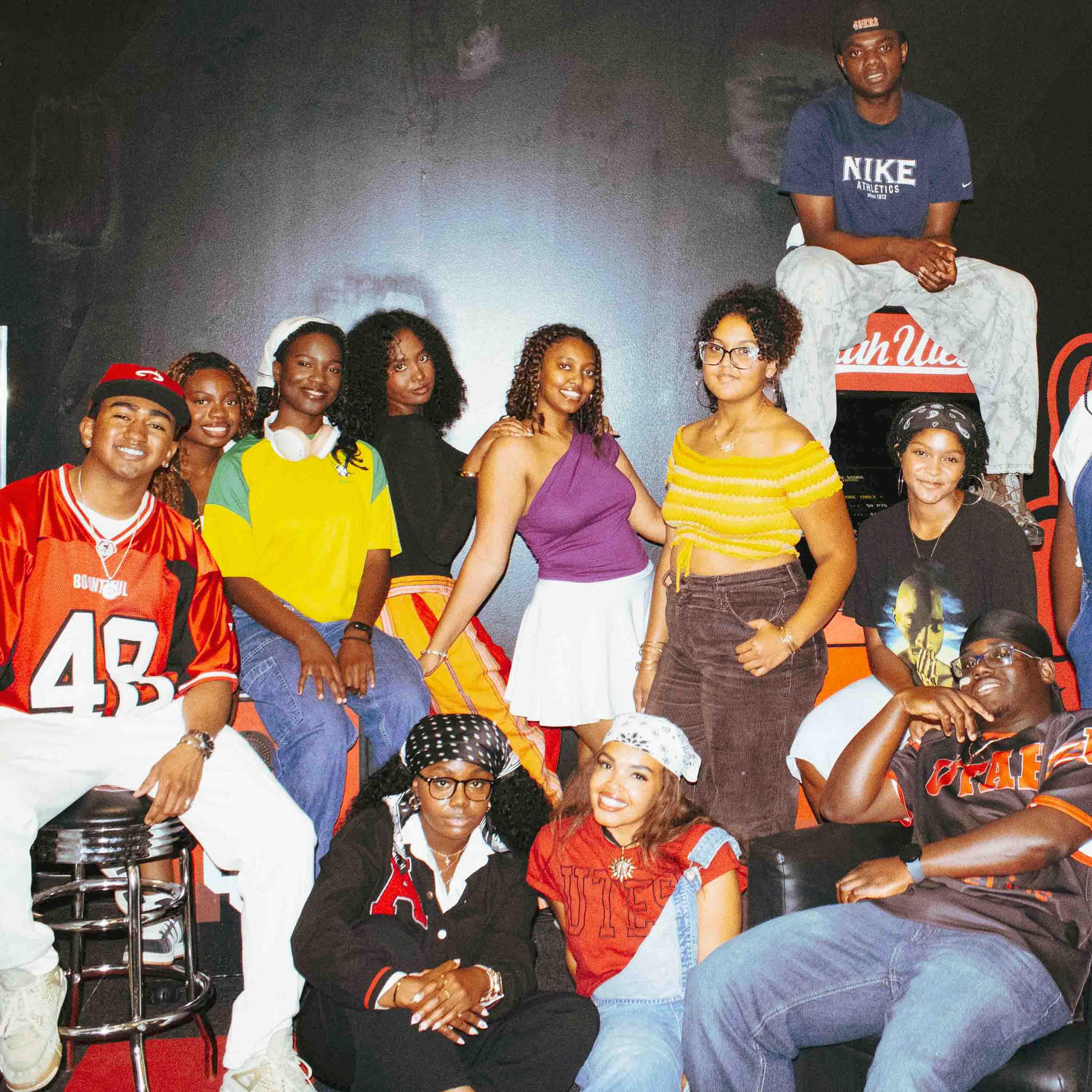
This American Life
867: College Disorientation
Things are different on college campuses this year. We see inside the drama, with students and staff.
Loading summary
Transcript200 lines
- [00:00]
Ira Glass
This message comes from Capital One. Banking with Capital One helps you keep more money in your wallet with no fees or minimums on checking accounts and no overdraft fees. Just ask the Capital One bank guy. It's pretty much all he talks about in a good way. Capital One, what's in your wallet? Terms apply. See capital1.com Bank Capital One NA Member FDIC hey there everybody.
- [00:24]
Emmanuel Berry
It's Ira with a message for our.
- [00:25]
Ira Glass
Life partners and our potential life partners, which hopefully is you. Our we're going to make another Ask Me Anything bonus episode where we'll answer your questions about the show or really just about anything at all that you want to ask. Email your questions to lifepartnersislife.org, seriously, ask anything. And like all our bonus episodes, this one is only going to be available.
- [00:48]
Emmanuel Berry
To our life partners.
- [00:49]
Ira Glass
If you are not a life partner yet, sign up and what you get is ad free listening. A library of greatest hits right in your podcast feedback. And you get all these bonus episodes. We've made a bunch of them that we are so proud of. Try this out for a few weeks.
- [01:02]
Emmanuel Berry
See what you think.
- [01:03]
Ira Glass
You can cancel anytime. Go to thisamericanlife.org LifePartners a quick warning. There are curse words that are unbeeped.
- [01:14]
Emmanuel Berry
In today's episode of the show.
- [01:16]
Ira Glass
If you prefer a beeped version, you can find that at our website, thisamericanlife.org.
- [01:22]
Emmanuel Berry
From WBEZ Chicago, it's cisamerican life. I'm Emmanuel Berry, filling in for Ira Glass. Okay, school's back. Come with me now. We're going to Tempe, Arizona. Hello, guys, can I have your attention? Guys, guys, guys. Arizona State University has set up everything you can think of. Karaoke, scavenger hunts, axe throwing, a mechanical bull to help new students meet each other and make friends.
- [01:47]
Ira Glass
Are you guys ready to rumble?
- [01:51]
Emmanuel Berry
This is international student orientation. There are almost 400 new students here from India, China and lots of other countries who arrived here alone looking for any excuse to make a connection. Like these two uncomfortable looking guys, Nile and Saud. One wears an ASU cap, the other has stylish black glasses. They both have braces. They talked to my coworker Miki Meek. We just met right now. You guys just met out? Yeah, we just met right now. We click. What made you guys click?
- [02:21]
Ira Glass
Well, he was standing there alone. I was standing there alone. So, you know, I was thinking, I'm like, should I go? Should I not?
- [02:27]
Emmanuel Berry
Was it hard to make yourself go up and say hi?
- [02:30]
Ira Glass
Yeah, a bit. You Know, but then I decided to. Yeah, so, you know, I just went up there, I said hi, asked him what his major was.
- [02:37]
Emmanuel Berry
Did you feel any relief when he came up and said hi? Yeah, of course.
- [02:41]
Ira Glass
There's a thing that I really like, I don't like about myself, that I don't really greet people or approach people. I need people to approach, approach me, but at the same time, I really want to meet new people, but I.
- [02:51]
Emmanuel Berry
Don'T know how to do that. Over 1 million students from all around the world study in the United States. ASU has over 14,000. Standing near the mechanical bowl is Anoushka and her newly made friend Krisha, both from India, both computer science majors. How many friends do you think you've made today?
- [03:09]
Nevaeh Parker
So, like, probably my Instagram's like, increased for like 100 followers or something today. How about you?
- [03:14]
Emmanuel Berry
How many friends have you made today?
- [03:15]
Nevaeh Parker
Do you feel like, I believe, like, 10, 15, 20? I'm giving, like, a rough idea, bro. You guys are saying 100 at least I'm giving a reasonable number.
- [03:25]
Emmanuel Berry
Anoushka is having a great time, but there is someone she was hoping to meet here who is not here. Her roommate whose visa was rejected just two weeks before school started. They made a bunch of plans making.
- [03:37]
Nevaeh Parker
Friends together and figuring out which clubs to join. I think that was our initial plan. Probably hiking and some sports kind of stuff. I'm a hockey player, so yeah.
- [03:49]
Emmanuel Berry
Does she know why she got her visa, got rejected? I honestly don't know.
- [03:54]
Nevaeh Parker
People are not that comfortable sharing why their visa got rejected because it could be, like, a very personal reason. Something has Instagram, something foolish being found out because they're like, screening everything. So if you have your Instagram four years back, you're just joining high school, you must have put something foolish on it that they did not like. So it could be that Krisha also.
- [04:12]
Emmanuel Berry
Had a friend whose visa was rejected. In fact, it was a person she went to for advice on her own student visa interview. She met him on an online ASU forum.
- [04:22]
Nevaeh Parker
My friend got rejected, so I was kind of bummed because I knew him and we had talked for a very long time, so we got along, you know, so him not coming. I was kind of bummed. And his visa getting rejected was, you know, kind of a shocking thing for me. I was already in US in my mind.
- [04:39]
Emmanuel Berry
This is her friend Karthik. That's not his real name. He talked to me from India.
- [04:44]
Ira Glass
Everything was done. I had my flight booked, I had my offer letter. I had Max scholarship. I Had my fund sorted. I was already in US, in my mind.
- [04:54]
Emmanuel Berry
Karthik had really planned out his life at asu. He chose the school because they had one of the few programs specifically for fintech in the country. He'd picked out his dorm room. He knew which clubs he wanted to join, what road trips he wanted to take. He wanted to go to la. He'd even researched where he was going to eat. Picked out an Indian restaurant called Chaba that he decided would be his go to. What he didn't account for was a shift in policy by the Trump administration, which wants fewer foreign students coming to the United States. So this year there are stricter screenings, more visa rejections. Estimates are 150,000. Fewer student visas will be approved. When Karthik went to the US Embassy for his visa interview, he saw this play out. He waited in a long line for hours, dressed in a light blue button down shirt, suit jacket and trousers. His research showed that you were supposed to dress up. Finally, he almost reached the interview window.
- [05:50]
Ira Glass
I had five guys in front of me and I can hear everyone. I can hear them. The visa officer was a lady and she rejected all five of them. Under two minutes. She did five wait.
- [06:04]
Emmanuel Berry
Under two minutes, under two minutes, five people. She's like, rejection, rejection, rejection, rejection. And of course, when he got to the window, she rejected him, handed him a slip of paper, sent him on his way. Karthik had to scramble to try and enroll quickly in a school in India. He really didn't understand why he was rejected. He knew lots of kids got rejected each year, but he thought he was the perfect candidate. He had good grades. He had bank statements that show that he had money to cover his expenses for all four years. And he planned to return to India to run his dad's business. They want proof that you're likely to return home after study. His rejection, it just didn't make sense. He's not alone. Things are different on college campuses this year. And it's not just for international students. So many things about college have been upended by a wave of executive orders and lawsuits by the Trump administration. The rules have changed in a matter of months. There have been grant suspensions, frozen research projects and funding, DEI bans, accreditation overhauls, hundreds of millions of dollars of settlements with Ivy League schools, schools and personal battles that have ousted university presidents. Today in our show, we'll hear from people all trying to find their footing right now, puzzling out what's okay and what's not. Stay with.
- [07:43]
Ira Glass
This message comes from NPR sponsor Capella University interested in a quality online education. Capella is accredited by the Higher Learning Commission. A different future is closer than you think with Capella University. Learn more at capella. Edu this message comes from Mint Mobile.
- [08:03]
Emmanuel Berry
If you're tired of spending hundreds on big wireless bills, but bogus fees and.
- [08:07]
Ira Glass
Free perks, Mint Mobile might be right for you with plans starting from 15 bucks a month. Shop plans today@mintmobile.com Switch upfront payment of 45 dollars for 3 month 5 gigabyte plan required.
- [08:19]
Emmanuel Berry
New customer offer for first 3 months.
- [08:21]
Ira Glass
Only, then full price plan options available.
- [08:23]
Emmanuel Berry
Taxes and fees extra.
- [08:24]
Nevaeh Parker
See Mint Mobile for details.
- [08:28]
Emmanuel Berry
It's this American Life Today show college disorientation. But before we get started with our first act, there is one thing that I want to note. Today's episode is about college campuses and this week there was some big news from a college campus. Charlie Kirk, a founder of Turning Point usa, was shot and killed. Kirk was a key voice in pushing for a lot of policies and directives rolling out at colleges and universities right now. We've been working on this episode for months. It's not about Turning Point USA or anything related to what happened this week. Okay, so for the first act of our show, we're going to follow one student into college, a girl named Nevaeh Parker in Utah. This story takes place at the University of Utah, not to be confused with Utah Valley University where Charlie Kirk was shot and killed. This story predates all that. I started following Nevaeh a year ago. This is act one of our show. Act one, My Black President. I want to tell you about what happened when Avea went to college because I think it shows what this new college landscape might look like. But first, a little bit about who she was before. From a young age, Nevaeh has been the type of person to see a problem and say, we can fix that. Not just we can fix that, but I can fix that. I'll take that on. When she was 14 years old, she went to her first protest. George Floyd had just been killed. And she didn't just march, she got on stage and she read a poem about senseless hate and speaking up. She's like, I, a 14 year old black girl in Utah, have the power to combat this thing. In high school, Nevaeh created a black student union. She wanted a BSU because she and the 10 other black students, Utah is pretty white were constantly dealing with racist BS from other students and teachers. She'd promote the club's meetings on the morning announcements, part of her duties as Student body president. Of course she was student body president.
- [10:25]
Nevaeh Parker
I would say it with a lot of passion, like, come and join. Like, you know, like. Cause people, I feel like their teachers weren't really telling them about it. And so I wanted them to know.
- [10:32]
Emmanuel Berry
Do you have an announcer voice?
- [10:34]
Nevaeh Parker
Okay, wait, wait, wait, wait, wait, wait. Let me see, let me see. Good morning, Royals. Welcome back to a beautiful sunny Monday. This week is Friday, filled with lots of fun activities for all of us to be a part of. The Black Student Union is going to have a meeting up in room 302. Make sure to stop by and meet friends. And that's kind of how I started it.
- [10:56]
Emmanuel Berry
Nevaeh went to the University of Utah. She became the president of the Black Student Union, of course. And she continued to do what she'd done in high school. Eagerly try and bring in new students, create a community. Here she is talking to some freshmen while tabling outside the union. Hi, you guys.
- [11:13]
Nevaeh Parker
How are you? Good. What are your names? That's beautiful. And what's your name? Kiela. That's so beautiful. I love that. Have you guys heard of the Black Student Union here? Yes. Period. Have you been to any of our events? Okay, see? All right, so you don't need the whole spiel, but do you guys want a tote bag?
- [11:33]
Emmanuel Berry
The University of Utah is a big school with over 35,000 students. But only a small number of those are black students. Barely over 1% black students at the University of Utah do seem to have one thing in common, which is they didn't want to go to the University of Utah. I heard this from all of the black students I talked to, including Nevaeh. They wanted to go to Howard or somewhere more diverse or just get out of Utah. But they came around on the university in part because of the Black Student Union. Nevaeh had met some of her best friends at the bsu. They had a real community on campus. It's hard to feel welcome on a predominantly white campus. I know I went from an extremely diverse high school to a small, mostly white college to play basketball. And I struggled. I remember literally scanning the teeny campus as I walked to class, looking for any other black face and often finding none. I left that school. I never found a place where I felt like myself. When Nevaeh and the other students at the university talk about what the Black Student Union meant to them, I felt a little jealous. At Utah, they had bi weekly kickbacks and movie nights, study sessions and threw big parties. And they had the Black cultural center, the BSU's home on campus, a literal two story brick house. After a day of often being the only black person in classes, I could.
- [12:57]
Nevaeh Parker
Literally just walk around through the back door, and I felt like I was wanted there. I feel like having black friends at the U was really just like, okay, this is what you can hold on to. Like, I feel like everyone there wanted to be.
- [13:10]
Emmanuel Berry
You could just be a black person on a college campus is kind of what you're saying.
- [13:14]
Nevaeh Parker
Yeah, literally, pretty much, yeah.
- [13:17]
Emmanuel Berry
And then last year, all that changed. The state of Utah passed an anti DEI law, meaning no more diversity, equity and inclusion at any state institutions. The law bans devoting any resources, money, scholarships, mentoring, to any specific identity group like, say, a black student organization. If public universities didn't comply, they would risk losing their funding. Nevaeh was president of the black student union that was funded by the university. So she has to figure out, what does this mean for them? Can a black student union still exist under this law? These kinds of anti DEI laws are reshaping college campuses across the country. Utah was ahead of most of the country. They passed their anti DEI law a year ago. So they were figuring out how this worked before it went nationwide. And what happened with Nevaeh and the BSU is a preview of how this could play out elsewhere. So far, 28 other states have these kind of laws on the books. Earlier this year, the Trump administration sent an NDEI memo to all colleges and universities saying that diversity, equity and inclusion efforts violate civil rights laws. Specifically, it says DEI discriminates against white people and Asian people. And that, quote, educational institutions have toxically indoctrinated students with the false premise that the United States is built upon systemic and structural racism. The department will no longer tolerate the overt and covert racial discrimination that has become widespread in this nation's educational institutions. The new guiding principle on campuses across the country is now open to all. That phrase, open to all. It's at the core of anti DEI legislation. And from that perspective, the problem with a black student union is it doesn't seem like it's open to all. The laws argue that by serving black students, it's not serving other students. It's discriminating against everyone else. So what that means for universities across the country is programs are quietly disappearing. The University of Alabama at Birmingham got rid of its scholarships for black medical students. The University of Wyoming closed down its black Social Justice Summer Institute. Ohio University canceled its black alumni reunion. Indiana State University dissolved its black cultural center. So did Wright State and Texas Tech and Weber State and the University of Cincinnati and many more. Appalachian State University eliminated positions in the admissions office that were dedicated to black student recruitment. Tuskegee University no longer has a program dedicated to training black women to enter the computer science field. And in Utah last fall, Nevaeh started to see the new law play out on campus. The first big thing the University of Utah did was dissolve its equity, Diversity and inclusion office. Then no more annual conference for black high school students. No more scholarships or mentoring programs specifically for black students. The university didn't cancel the black student Union, but they did start to restrict what a black student union could be.
- [16:34]
Nevaeh Parker
And they basically just said that every single thing would have to be ran by them. And what that meant would be that if we wanted to make any Instagram post, we would have to send it in to them. I was like, well, can we say that? Like, we don't support this bill, like, publicly, right? No, you couldn't do any of that. You can't go against the bill at all. You can't talk about anything having to do with, like, racism. And so we were like, okay, but, like, if we can't talk about, like, racism or, like, black history, can we, like, keep our name still? Like, can we still say, like, black Student Union?
- [17:06]
Emmanuel Berry
They were like, change it to what?
- [17:08]
Nevaeh Parker
No, literally, that's what. Like, we were like, how would you change the name? And their response was basically like, we're gonna have to run that by people. But, like, we're really gonna fight for you to be able to say that. And so it's like, you can maybe just do whatever you want once. They just don't hear the word black.
- [17:24]
Emmanuel Berry
So every time Nevaeh wanted to host an event, she now had to run it by the university. And when the word black came up to advertise those events, and they would.
- [17:33]
Nevaeh Parker
Just be like, let's think of other ways to say this, like, so that people don't get upset and so we don't get flagged by the university.
- [17:39]
Emmanuel Berry
Like, say what? What's like, an example?
- [17:41]
Nevaeh Parker
Oh, radical. They would like to say radical joy. Radical love.
- [17:46]
Emmanuel Berry
Radical love. Radical joy. Instead of black love.
- [17:49]
Ira Glass
Black joy.
- [17:49]
Nevaeh Parker
Yeah. And so they would just be like, yeah, just, like, do that. That's the one term I can, like, I can hear her saying it. One of the staff.
- [17:57]
Emmanuel Berry
What does radical joy even mean?
- [18:03]
Nevaeh Parker
I mean, like, I don't really know. Honestly, I don't even know. And, like, I just. I don't know.
- [18:10]
Emmanuel Berry
Nevaeh kept hearing that anything they did needed to be open to all, which was confusing for Nevaeh because everything the BSU did was already open to everyone. Nevaeh was like, this law is coming for us. She needed a way to save the bsu, so she made a choice. She thought the only way they could survive as the BSU she loved would be to become an independent organization to separate from the university, not to be a university sponsored club. They were going to go it alone. This meant losing all their funding, their advisor, the status they had as the official club for black students at the University of Utah. How did it feel to finally make that choice?
- [18:52]
Nevaeh Parker
Terrifying, genuinely, because I was like, if I'm making the wrong decision, it felt like it would all fall on me.
- [18:58]
Emmanuel Berry
To run the BSU independently, they needed money. Nevaeh has to set up a GoFundMe so the BSU can do basic things. She has to figure out where they can meet. Before the law, one of the places they met regularly was the Black Cultural Center. But after the law, it was unstaffed and didn't have any funding. Nevaeh was told she'd have to make a reservation to book the space.
- [19:19]
Nevaeh Parker
So we couldn't really. We didn't really know how to, like, book the space with the Black Cultural center because for a couple months there they were telling us, like, we're not sure if it would be free to students. So they were just basically saying we might have to pay for it. And we were like, we can't pay for it. We don't. We don't want to pay for it. That's crazy.
- [19:33]
Emmanuel Berry
And that is crazy to ask students to pay so they can gather on a campus they are already paying thousands to go to. They have their first kickback of the year in a classroom they can use for free. At the student union, Nevaeh tries to organize events that are fun and will bring out students, but won't cost any money. She emails the Utah Jazz to see if she can get free tickets for a BSU event. It works. They go to a game against the Heat. It's a chaotic start to the semester. The club is happening. Nevaeh's life is full of tasks, some of which she expected and some of which she really didn't. For instance, now that the club was no longer part of the university, she was fundraising to keep the BSU alive. Random people from the Salt Lake community saw that and wanted to share their ideas for how she should run things. So now she was also a private fundraiser, taking calls before, between and after classes. She didn't want to miss a possible Opportunity. One time she got a message from a man who said he was retired and had a background in strategic planning. So she got up early before class to get on Zoom with him.
- [20:37]
Nevaeh Parker
He was like, in his, like, home office, I remember. And he was this old, old white guy. And he was like, I just hate to see that this is happening. And he was like, our government has, you know, gotten really off the rails and they're not understanding that DEI is a good thing. And, you know, I was like, okay. Like, you know, we were jiving right? Like, it was great to see someone like him speak the way that he was and support us in the way that he was. And so he was like, this is what you need to do. You need to rebrand. You need to talk to this person. You need to go to the LDS Church because they have a big stake in the decisions that are made within the government. And he was like, a lot of people hated this bill. And he was like, you just need to get the LDS Church on your side because they love this, this and this. And he's a member as well. And he was like, you can talk to him. Like, they'll listen to you. Like, you need to go and tell them.
- [21:26]
Emmanuel Berry
He's like, you got to get out there and start lobbying.
- [21:29]
Nevaeh Parker
No, genuinely, he was like, march up to the gates.
- [21:31]
Emmanuel Berry
And he mentioned to Nevaeh that he had money.
- [21:34]
Nevaeh Parker
He was like, eventually a donation would be in the future, but we need these things to happen first so that more donations can come. And I remember calling my mom and being like, I don't really know why. This white guy just like, wanted to talk with me for an hour about bsu. Like, I'm not really sure, like, what's going on. And she was like, is he giving you money? And I was like, I think eventually if we do what he wants us to do, like, I don't know, this.
- [22:01]
Emmanuel Berry
Goes nowhere, does not lead to any donation. Nevaeh and the man never talk again. Calls like these took a lot of time, time that she didn't have. For the first time, Nevaeh's grades, which had always been perfect, started slipping. Nevaeh started anxiety medication. She was making calculations like, do I do this thing for BSU or do I do this thing for school? If I skip this assignment, I'll still pass this class, so it's okay. Right before the DEI law, the work of making the BSU exist was handled by adults with full time jobs. Last year, that adult became 19 year old Nevaeh. Of course, Nevaeh had the support of other BSU members. They told me they really appreciated Nevaeh and that the BSU wouldn't have continued without her. But Nevaeh says people would also text her and say they were too busy or stressed to help out. Nevaeh would always respond kindly.
- [22:59]
Nevaeh Parker
Please let me know if I can do anything for you. Like, I appreciate what you've been able to do. I know this has been a hard year. Like, that would be my response. And, you know, I just felt like I couldn't say anything else. Like, I didn't really know what else to say because, like, I don't know, I wanted to beg them to stay, and I wanted to, like, tell them that we really needed help, but it just felt like. I don't know. I felt like I couldn't do that.
- [23:25]
Emmanuel Berry
Were there moments where you were like, I don't want to do this anymore. I can't do this anymore? Like, yeah.
- [23:34]
Nevaeh Parker
This is so hard to answer because, yes, there were many, many, many moments, like, where I would just be, like, going to sleep at night and being, like, very, very overwhelmed with the week ahead or, like, the day, the next day, honestly. And I didn't know how to communicate how bad I was struggling mentally. And so it was kind of just this thing where, like, I had to deal with it on my own and just, like, keep pushing through, I guess, because that just felt like my only option.
- [24:14]
Emmanuel Berry
The University of Utah has had a BSU since the 1960s. Students created it during the fight for civil rights. This new law had wiped out so much of what the BSU had created over seven decades. Nevaeh felt like it couldn't end with her. She felt like she was president of the only organization left to specifically support black students at the University of Utah. And it had to keep existing. Nevaeh and the BSU made it to February Black History Month, which meant Skate Night. Skate Night was always one of the biggest events of the year. This year, Nevaeh had thrown a ton of money they'd fundraised into the event. She bought 70 tickets at the local roller rink, and that's how many people she needed to show up for it to be a success. If they could pull this off on their own, it would feel like the BSU was still thriving on campus. So it's a Saturday night, and the event starts at midnight. Hey, guys, it's me and Nevaeh here. We're almost at full capacity, so if you're coming with your friends, come soon. Nevaeh and her vp Sandrine, are Posting on Instagram. Neon purple lights glow in the background as they talk. The two are dressed up. College night. Dressed up. That is cute. Tops and jeans. Nevaeh has straightened her usually curly hair. Sandrine's is picked out. They seem giddy.
- [25:32]
Nevaeh Parker
Please, please, please. Especially u of you students. We have a limited amount of tickets, but it's so much fun, so please come immediately.
- [25:39]
Emmanuel Berry
It's packed. There's a line out the door. And now Nevaeh's biggest worry is that they won't have enough tickets.
- [25:45]
Nevaeh Parker
I was sitting out, like, the front, whatever, and I was basically like, oh, my goodness. Like, I knew the check coming back was gonna be thousands of dollars. Like, I knew it because they were like, the office too. Like, the people who were working. The workers at the Classic Fun center were being like, so you're running out of the wristbands you paid for. Like, we're gonna have to, like, either you're gonna have to cut people off at the door or we're going to have to, like, keep, you know, charging you for more people. And I was basically just like, well, I can't turn anyone away. Like, somehow we're going to have to just make this work, right? Like, you know, we just got to do it because people just. This is like our big thing, you know, and everyone was so excited about it, too. And so, you know, I was a. People would say maybe a pushover in that sense, and I don't regret it.
- [26:31]
Emmanuel Berry
The night cost them thousands of dollars, money Nevaeh had to scramble to raise. But over 300 people showed up.
- [26:39]
Nevaeh Parker
I definitely felt like a big sense of, I guess, pride, you could say. Like, this is a huge event. So many people are having a great time and enjoying themselves. And, yeah, everyone's just happy and together, and that's what we want. That's what we want it to be.
- [26:56]
Emmanuel Berry
She pulled it off. She'd protected the thing that she cared about most, a place where black students could feel welcome. By the end of the spring semester, she tripled BSU membership. There's something insidious about the anti DEI laws. They present themselves as civil rights laws while eliminating so many of the things that the civil rights movement demanded. On university campuses, they present themselves as laws to promote inclusion, open to all, while disappearing all the programs and money and support that actually made black kids feel welcome. Nevaeh is constantly trying to create space for black students. The university is literally taking space away. I watched a university do this in real time one day. The Black Student Union used to have a home on campusthe Black Cultural Center. It had been one of Nevaeh's favorite places on campus. The house was still there, but the university wouldn't tell them what was going to happen with it. They just kept saying they were working on it and they'd try and reopen it. It just sat there the whole year, often locked. The old Black Cultural center staff gone. And then at the end of the school year, the university quietly renamed it. It was no longer the Black Cultural Center. It was now the center for Community and Cultural Engagement. Nevaeh and I drove by.
- [28:22]
Nevaeh Parker
Right to the left. Right here. Right, right here. So you can see that sign outside of it. Oh, the doors are open. Should we go in? Let's park.
- [28:29]
Emmanuel Berry
Let's park. Okay. It's a two story brick house. When we pulled up, the door was actually propped open. Okay, so I guess first just tell me. Oh, it still says Bicultural center on the door.
- [28:40]
Nevaeh Parker
Yes, on the door. But I think they're in the works of re. Like decorating and reassigning things. So all the door you can see, it's like a. What would it be? Like a vinyl. Like a vinyl. Vinyl words on the screen door. But then outside of it, the actual sign now says center for Community and Cultural Engagement instead of Black Cultural Center. And so I guess for right now, it's a good thing that the door still says it with the vinyl lettering.
- [29:06]
Emmanuel Berry
Okay. When did you hear that the sign was going to change? When that. That was going to go down?
- [29:10]
Nevaeh Parker
We never heard anything about that. Yeah, like, and still no one has said that. Are they renaming it now? And that's the questions I have. Because if they're changing that sign and saying that, then, like, what does it mean for everything else inside of it? Yeah, and I mean, it's just like, there's no communication or transparency. Once again, like, it's not like, you know, there was any, like, public notice. Like, we're so sorry to this community. We're taking away the sign and we're replacing it. Like, we are sorry and we wish we didn't. We wish we didn't have to do this. Like, that would go a long way.
- [29:38]
Emmanuel Berry
Yeah, but.
- [29:39]
Nevaeh Parker
Okay.
- [29:41]
Emmanuel Berry
We open the door and walk into the house. Nevaeh seems annoyed, but ready to show me around.
- [29:48]
Nevaeh Parker
How are you?
- [29:50]
Emmanuel Berry
I'm good, thank you. There's a white woman sitting behind a desk inside. She's one of the employees of the new center. Nevaeh brightly says hello to her and begins my tour. There's a little seating area and a library of Books, black history books, a signed copy of Langston Hughes. She shows me a meeting room, a kitchen filled with snacks, a bunch of closets all over the house. Like, in every room, there is a closet filled with BSU supplies. Things like notebooks, pencils, postcards, tables, buckets of candy.
- [30:23]
Nevaeh Parker
So you can see, like, the graduation stools right there.
- [30:27]
Emmanuel Berry
Kind of like African colored.
- [30:29]
Nevaeh Parker
Yeah, yeah, yeah. And then we have, like, this sign is used for tabling.
- [30:34]
Emmanuel Berry
So just like, Nevaeh was excited and proud to show me around, but I have to admit, it was also kind of eerie. So much of it is exactly as Nevaeh remembered it. Like, even the former director of the BCC's name is still painted above his office door because that's the most. That was like, a tour of, like, the house you moved out of or like, the house you grew up in, where you kind of still know where the stuff is. Yeah.
- [30:58]
Nevaeh Parker
But it's also somehow not, like, in your full. It's not fully in your hands. I don't know. It's weird, but it, like, is a part of our stuff.
- [31:08]
Emmanuel Berry
We end the tour at a beautiful mural by the entrance. It's a big white Sankofa bird with an African tribal pattern behind it. And then in big block letters next to it, it says, the University of Utah's Black Cultural Center.
- [31:22]
Nevaeh Parker
But I mean, yeah, I mean, it's interesting. I actually. Not that I'm just pointing out to you, like, yeah, the signs are still there. Yeah, it was.
- [31:28]
Emmanuel Berry
Because we did not know what was going to happen. The staffer at the desk interrupts Nevaeh's tour to explain the sign change with all of the bills and stuff.
- [31:40]
Nevaeh Parker
Yeah.
- [31:41]
Emmanuel Berry
We're hoping that we could still keep this name, the Black Cultural center, but we're going to have to change it.
- [31:47]
Nevaeh Parker
So it is confirmed. Yeah. I saw the sign outside.
- [31:50]
Emmanuel Berry
Yes.
- [31:51]
Nevaeh Parker
And I was like, huh. So when is. When was that decided? Like, recent, kind of.
- [31:58]
Emmanuel Berry
Yeah, it was a few months ago and it was decided that we do need to change it. And then we just haven't gotten around to it because there's still even more changes. And so the CCE will be taking over this building fully.
- [32:15]
Nevaeh Parker
Okay.
- [32:15]
Emmanuel Berry
So this will be, like, for BSU to use a lot, too, and, like, just everything else. But we're still gonna keep a lot of what's on the inside. But we do have to change the name.
- [32:26]
Nevaeh Parker
So, like, officially, like. Like in, like, Google Maps and stuff.
- [32:29]
Emmanuel Berry
Like, I don't know how all of.
- [32:31]
Nevaeh Parker
That'S gonna play out, but it'll Change. Do you know, like, about the decorations on the inside? Like, is that gonna have to be covered up?
- [32:37]
Emmanuel Berry
Nevaeh points to the mural with the bird and the words Black Cultural Center. This might have to go. We're not quite sure.
- [32:46]
Nevaeh Parker
No, that's okay. Thank you. No, yeah, I just have, like, is it because it says black? That's why. Okay, that's what I thought.
- [32:53]
Emmanuel Berry
Because we can't even use the word inclusive. Yeah, we can't say that. This is just for black students, so. Because, you know, we have to be.
- [33:02]
Ira Glass
Inclusive without saying inclusive, so.
- [33:05]
Nevaeh Parker
Okay. Yeah, no, it's. It's very sad. It's very sad to me.
- [33:10]
Emmanuel Berry
Nevaeh thanks the woman for her honesty, and we start to head out.
- [33:13]
Nevaeh Parker
I appreciate it. You, too.
- [33:19]
Emmanuel Berry
Oh, man. How you feeling?
- [33:21]
Nevaeh Parker
I'm gonna cry. This is horrible. This is actually, like, actually horrible.
- [33:25]
Emmanuel Berry
What about that, like, pushed you over the edge?
- [33:27]
Nevaeh Parker
They're officially changing the name, which, like, I didn't think was gonna happen, like, officially, Like, I don't know. That's crazy.
- [33:36]
Emmanuel Berry
You're really upset.
- [33:37]
Nevaeh Parker
Yeah, no, I am really upset, and I don't want to, like, take it out on her because, like, clearly it's not her fault, but, like, what is going on? Like, actually what's going on? And, like, wouldn't they think to, like, tell us? Like, they. And then she said it would be for the Black Student Union to use. If we don't even know, like, your plans. Sorry. If we don't even know your future plans for it, how are we supposed to know that we're welcome there? Like, how are we supposed to think, oh, yeah, we're going to be fine, when they don't even communicate any of that to us? And it's not like they don't have my contact. They do. Like, they can ask me to do other things. They can. They can let us know about this. And it's just very frustrating and sad to me.
- [34:15]
Emmanuel Berry
So it's like the sign out front, you're like, okay, it seems like they're changing it, but now it just feels like it's official. Official.
- [34:22]
Nevaeh Parker
Yeah, it does feel official now is that she just confirmed that they for sure are changing it. And it just comes back, like, it just to the exact thing I was talking about, like, the word black being so weaponized. Like, it is so incredibly weaponized. And that just. It. It blows my mind how. Like, I don't know. I just wish that, like, maybe their team or something would have just said no. Like, what if they just said no? What if they Just said, no, we're not changing the name. Like, what would happen then? Like, would they fire everyone? Like, I don't know. I just feel like now, like, what do we have to lose? Because now we're losing this. Like, officially. It's not just like a. It's not just a talk. It's not just a fear. It's, like, actually happening. And if they're changing the stuff on the inside too, then it's like, absolutely, you're erasing. You're absolutely erasing the center. Like, I don't know. I'm actually in shock. Kind of like, is it real? Like, is this real life right now? Because it just feels like very dystopian to me.
- [35:21]
Emmanuel Berry
Nevaeh is no longer the high school kid making chipper morning announcements. Nevaeh is only 20. She was three years old when Obama was elected president. Came of age in the era of black squares and Black Lives Matter protest. In her mind, the country was shifting to a more accepting place. And where we are now, the world she's navigating, it's so different than the one she grew up believing in. I talked with the university about the sign change. They said black gives the impression that the center isn't open to all. So I asked, can you say the word black? They said it depends. If it's cultural, educational, yes. If it's tied to resources, no. They said they had to be careful. They run all their events like Pride Week, Women's Week, black. Anything by lawyers. I just want to say one more thing about the word black. It's just a word. Who cares? But it's not. It's a word that was decided on by black people. There's a long list of shitty and degrading words that white people have lodged at us, enslaved and murdered us for. Black is. Is the word we got to add to the list, the one that we got to choose. Capital B. Black. We are black. It's very. Call us by our name. Removing black, taking that off the list of acceptable words is a way of saying, you don't decide, we do. Nevaeh, though she refuses to be erased. Even after that terrible year with the anti DEI law, Nevaeh is still pushing forward, still determined to keep the Black Student Union alive. She just started her junior year. On the first day of school, she's outside tabling for the bsu. A young woman approaches. She's a transfer student from Oregon.
- [37:25]
Nevaeh Parker
Hi, you guys. What is your name? I'm Daisa Deja. You're beautiful. Beautiful. It's so Nice to meet you. My name is Nevaeh and we're the Black Student Union here. Have you heard about us or have you like. No? Okay, well you should totally join. This is our Instagram right here. So if you just want to join our Instagram. Right now we're just working on increasing like our engagement and our presence on campus. After some things happened last year with the legislator, we got some of our funding taken away but now we have like a full leave function and we're going to do a lot of events.
- [37:58]
Emmanuel Berry
This year in this post DEI era, I think on a lot of campuses. How welcome you are as a black student. The difference between feeling like you belong or don't belong will depend on if you have a Nevaeh or not. Mickey Meek reported this story with me. Additional editing from Robin Simeon.
- [38:30]
Ira Glass
You know how much I need you.
- [38:36]
Nevaeh Parker
To have you really feel you. You don't have the chance change a thing no one knows the love you bring. Be real black for me.
- [39:02]
Ira Glass
Oh, be.
- [39:03]
Nevaeh Parker
Real black for me.
- [39:08]
Emmanuel Berry
Be real black for me. Coming up. Since he's away and I'm hosting, we're going to talk about Aira for 15 minutes. That's after the break from Chicago Public Radio when our program continues.
- [39:32]
Ira Glass
This message comes from Carvana. Explore Carvana's quick and easy financing and browse thousands of car options, all within your budget and timeline. Get pre qualified now@carvana.com financing subject to credit approval. Additional terms and conditions may apply. This message comes from Leesa. Leesa mattresses are meticulously designed and assembled.
- [39:55]
Emmanuel Berry
In the USA for exceptional quality and.
- [39:58]
Ira Glass
Each mattress is designed with specific sleep.
- [40:00]
Emmanuel Berry
Positions and feel preferences in mind.
- [40:02]
Ira Glass
Plus they back it all up with.
- [40:04]
Emmanuel Berry
Free shipping, easy returns and a 100 night sleep trial.
- [40:07]
Ira Glass
Visit leesa.com for 25% off mattresses plus.
- [40:11]
Emmanuel Berry
Get an extra $50 off with promo code NPR. That's L E-E-S-A.com promo code NPR. This message comes from Midi Health. Women in midlife face a healthcare desert, but MIDI is here to fill the gap, offering expert care for perimenopause and menopause covered by insurance.
- [40:29]
Ira Glass
Hot flashes, insomnia, brain fog, weight gain and moodiness don't have to be accepted.
- [40:34]
Emmanuel Berry
As just another part of aging. MIDI clinicians understand how these symptoms can connect to menopause and prescribe a wide range of solutions.
- [40:41]
Ira Glass
Book your Visit today@joinmidi.com that's joinmidi.com.
- [40:49]
Emmanuel Berry
It'S this American Life. I'm Emmanuel Berry sitting in for Ira Glass. Today's show college disorientation. In this hour, we're looking at some of the dramatic shifts in higher education. A flood of executive orders and memos from the Trump administration. Let me just run down a few of the new directives for America's colleges and universities. There was the January executive order called ending radical and wasteful government DEI programs and preferencing the Dear Colleague letter. In February, March, a new task force starts to investigate DEI and antisemitism. In April, the NIH starts requiring researchers to certify that their colleges do not have any DEI programs. Then in May, the Department of justice launches a civil rights fraud initiative. And one of the most dramatic and public interventions the Trump administration has taken on is with a few high profile elite Brown, Harvard, Columbia, and the University of Pennsylvania. And that's Act 2, Act 2, the art of the Deal. Something we've never really seen before is a presidential administration withholding millions in federal research money from schools it claims are centers of indoctrination and anti Semitism. Columbia University was the first school to have one of those showdowns with the administration. It withheld 400 million in federal funding until Columbia agreed to a settlement, one that came with a number of conditions. One of those conditions, the administration wanted Columbia to more formally incorporate a controversial government approved definition of anti Semitism. It's known as the International Holocaust Remembrance Alliance Working definition, ihra, or IHRA for short. The IHRA definition was already one of several definitions Colombia considered when it evaluated claims of antisemitism. But now IHRA was officially incorporated alongside some new, unprecedented government oversight. Professors at Columbia have been trying to figure out what does the IHRA definition mean for them and and their classes. This year, Ike Suresh Khandaraja has been talking to ones who are worried and making plans.
- [43:01]
Ira Glass
The definition itself is pretty straightforward. It's about the length of a tweet. Basically, antisemitism is a hatred of Jews. But it comes with 11 examples that expand on that definition. Most are pretty obvious, calling for the killing of Jews, denying the Holocaust. Those are anti Semitic. But where it gets tricky are a few examples that blur the line between antisemitism and criticism of the state of Israel. Professors told me that's the part they're worried about. They have to figure out how to teach under this new rule. I heard about three different strategies. First are the professors who say they can't teach. Mariana Hirsch canceled her class. She teaches Comparative Literature and Gender Studies at Columbia. So the course that I've taught before.
- [43:53]
Nevaeh Parker
Is called Imaging Imagining Peace.
- [43:56]
Ira Glass
And it's about images of war from.
- [44:00]
Nevaeh Parker
The Armenian genocide and World War I to the present.
- [44:04]
Ira Glass
Are these images really contesting war or.
- [44:06]
Nevaeh Parker
Are they still in some ways celebrating.
- [44:08]
Ira Glass
War and how the war of images is always part of war. One of the IRA examples on her mind when thinking about her lecture on the first day of class. Example 10 Comparing contemporary Israeli policies to that of the Nazis I didn't see how I could teach this course without teaching about the present day images of.
- [44:31]
Nevaeh Parker
The war in Gaza.
- [44:33]
Ira Glass
I thought about how I would structure my first class and it would have been about what kind of images of war become iconic. You know, little boy in the Warsaw Ghetto, the so called napalm girl during the Vietnam War. And putting those images of children in Gaza next to the little boy in the Warsaw Ghetto with Nazi soldiers pointing guns at him is implicitly a comparison of IDF soldiers with Nazis. Professor Hirsch has dedicated her career to studying the effects of trauma. She's Jewish and her parents survived the Holocaust and she's worried about IRA, partly because in 2023 a student formally accused her of antisemitism. It was in a class similar to the one she just described. She shared some recent articles related to the war and gossip that she thought were important. But a student complained saying they weren't relevant to the class and that some of the reading rationalized acts of antisemitism. The charge against Professor Hirsch was eventually dropped, but she came out of it feeling like she can't run her class the way she wants to. And that was before aira. So that's the first thing Columbia professors are doing, dropping their courses. One of the best known Palestinian scholars, Rashid Haledi, withdrew his course on modern Middle east history. The professor said in an open letter quote, it is impossible to teach this course and much else in light of Colombia's adoption of the IHRA definition of antisemitism. The second thing professors are doing because of tweaking what they teach. Professor Najm Haider teaches courses about Islam, including Islam in the post colonial world. He talks about scholars like other people talk about celebs. And one of his favorites is someone he is now concerned about assigning. Hannah Arendt was very ambivalent about the state of Israel and she was very critical of Zionism and Zionist organizations during Nazi Germany and the run up to the Holocaust. I gotta say, Hannah Arendt came up in nearly every call eight times alone in my conversation with Professor Heider. If you haven't read her, don't worry, it's still early in the semester. The CliffNotes version is she's an influential Jewish journalist and scholar who fled Nazi Germany. She came to America and famously coined the phrase the banality of evil to describe the mindset in Germany that led to the Holocaust. Like Professor Hirsch, Professor Hayder's also worried about that IRA example, the one about drawing comparisons to Nazis, which Arendt does. Now, how am I supposed to teach Hannah Arendt? Because her critique of the State of Israel and Zionism can then be spun as anti Semitism. So instead of me teaching Hannah Arendt, I have to find a way of getting around Hannah Arendt but making the same points. So then I go to Fanon and then I'm talking about Iran. And so what I end up with is a whole class on how Iranian Shiism has taken a religious tradition and made it into a political ideology. And if I make that critique of Iran, I can do that comfortably. But if I were to make a similar critique of Israel, it would be anti Semitism. And this is what the IHRA definition does. What it does is it creates an exception for Israel where any critique of Israel is treated differently from a critique of any other modern state. He's already dropped Hannah Arendt from his syllabus. And Professor Haider says his untenured colleagues are going even further out of their way to avoid controversy. I've had colleagues in Islamic studies who have said, you know, they used to teach modern topics and now they're going to go back and only teach classical Islam because they don't think that they're able to teach modern topics anymore. And what that does is it reinscribes Orientalism. Orientalism sounds like the ramen flavor, but it's a kind of racism. And one of the premises of Orientalism was this idea that you don't teach Islam as a living tradition. You teach it as something in the past that is ossified. Right. And so what happens when all your classes on Islamic studies now go back to that? The third strategy professors are trying is to do nothing. These teachers are not canceling their classes, they're not changing their classes, even though they think the material they teach will be in violation of Aira. Like Professor Theya Abu El Hadj. She's an educational anthropologist who focuses on Palestinians in the Diaspora. She's Palestinian and she's concerned about the ambiguity of the Ihra examples. She wondered if her entire class might violate the Ihra example number seven, denying the Jewish people their right to self determination by claiming that the existence of the State of Israel is a racist endeavor. I mean, there is no Palestinian scholarship. That is not questioning the, the settler colonial nature of the state. You know, how do I teach the 2018 Nationalities Law which states that only Jews have the right to self determination in the state of Israel? Can I teach that? Can I teach Amnesty's apartheid report? Your answer is yes. My answer is I have. If I'm to teach the things I know about and I'm an expert on, I have to be able to teach those things. Her sister, Nadia Abu El Hadj, is also a professor at Columbia. She teaches an Anthropology of War class and directs the center for Palestine Studies. And she says she's not considering revising anything for Ira. Not in her class, not in events at the Center.
- [50:44]
Emmanuel Berry
So I get.
- [50:44]
Nevaeh Parker
The choice we have is do we.
- [50:47]
Emmanuel Berry
Dance around it or do we just.
- [50:50]
Nevaeh Parker
Take it head on?
- [50:51]
Emmanuel Berry
And you know, this is my work and this is.
- [50:55]
Nevaeh Parker
There's nothing I can.
- [50:56]
Emmanuel Berry
I mean, we could either close the.
- [50:57]
Nevaeh Parker
Center of Palestine Studies or we can just take it head on.
- [51:00]
Emmanuel Berry
Right. And see what happens.
- [51:02]
Ira Glass
And your thought on this is the latter?
- [51:07]
Nevaeh Parker
Oh, absolutely. This has been my work for over 20 years.
- [51:11]
Emmanuel Berry
So this is so central to what.
- [51:13]
Nevaeh Parker
I do that I feel like you.
- [51:14]
Ira Glass
Want to fire me. Fire me. I mean, I'm not going to cave. She's already gamed out in her head how the consequences will unfold.
- [51:22]
Nevaeh Parker
There'll be a student in class, you'll sign a book, they'll say this is discriminatory. Now, the cumulation of those charges of.
- [51:30]
Emmanuel Berry
Discrimination, ultimately they can fire you.
- [51:32]
Nevaeh Parker
It's never been used that way before.
- [51:35]
Emmanuel Berry
But it's going to be used. And it's going to be the same.
- [51:37]
Nevaeh Parker
Thing with public events at the center. Someone will come to an event, they will launch a complaint against the center for antisemitism and will be in this cycle.
- [51:49]
Ira Glass
She's a tenured professor who theoretically they can't fire, except in the most extreme circumstances. Do you think you have a job this time next year?
- [52:00]
Emmanuel Berry
I think it'd take a while to.
- [52:02]
Nevaeh Parker
Fire me, but I don't think it's off the table. I mean, honestly, I have no idea.
- [52:08]
Ira Glass
She has no idea. And all these professors, they're just guessing because Columbia did not just agree to the IRA definition. Columbia agreed to have a monitor, a person who'd watch over everything that Columbia said it would do under its settlement with the government. But what will the monitor do? What's his budget? How many people can he hire? It's unclear. Columbia says the monitor does not have oversight over academic content or curriculum. But when I read the terms of the agreement, it says the monitor will have access to, quote, all agreement related individuals, facilities, disciplinary hearings, and the scene of any occurrence that the monitor deems necessary. Also quote all documents and data related to the agreement. That seems like a lot of stuff. The Monitor, Bart Schwartz, declined to answer our questions. Najm Haider, the religion professor, told me he's been asking his bosses, is this monitor going to be reviewing what I teach? You know, when this was brought up with Columbia administration, they said, oh, don't worry about it. But they always just say, don't worry about it. They don't tell you they're not going to be able to do that. Like, if you ask them a question and you say, can this person sit in on my classroom? Can they just walk in? They're going to be like, we don't think that's going to happen. They're not going to say like, no, they can't. There are no limits that have been set to the degree to which they have access to teaching at Columbia. Were there limits before, there would be no monitor. There's no monitors before. There's no one doing this work. I did talk to one faculty member who falls into none of these three categories when it comes to the IHRA definition. She's in a category that I call no big deal. And she comes to that conclusion based on the job that she's had on campus the last two years as co chair of Columbia's Task Force on Antisemitism, Professor Esther Fuchs. She didn't think the school should formally use aira. The task force had a different definition of antisemitism that they recommended. She doesn't like how the government is using antisemitism as a weapon to bully college campuses into all sorts of changes. But unlike her colleagues, she doesn't think IRA is that big a deal.
- [54:33]
Nevaeh Parker
I certainly don't want to give the impression that I believe this is simple. Of course it's difficult, and I understand why people are frustrated and I understand why there's differences of opinions. But I don't believe the Trump administration.
- [54:46]
Emmanuel Berry
Is going to be coming in and.
- [54:47]
Nevaeh Parker
Monitoring this level of detail at all. And it was very clear in the original agreement there is no involvement of the federal government in curriculum, in admissions.
- [55:02]
Ira Glass
Or in faculty hiring. The agreement does explicitly say the government won't, quote, dictate faculty hiring, university hiring, admissions decisions, or the content of academic speech. But the agreement also gives the government broad oversight over academic departments, complaints of antisemitism and admissions. And the agreement requires a review of educational programs to ensure they are comprehensive and balanced. So you can read it Professor Fuchs way, or you can read it the way the other professors I talked to read it. But let me just say this. For Professor Fuchs, the conclusion is unambiguous. There's nothing to be scared of.
- [55:51]
Nevaeh Parker
I mean, people, do your job, for God's sake. Instead of, you know, making students nervous, getting everybody upset, do your job.
- [55:59]
Emmanuel Berry
Figure it out. That's what we're supposed to be doing. Everybody turned themselves into martyrs here. What a bad joke.
- [56:11]
Ira Glass
So what is going to happen this year? Which way is this going to go? I read the agreement between the government and Colombia again last night. It's sprawling for a battle that started over anti Semitism. The document also covers trans students in locker rooms and international students and admissions and dei. And what the agreement does is it lets the Trump administration crack down on any of that. If it decides the university is out of line, maybe it'll choose ihra. Maybe it'll choose something else. Between the withholding of hundreds of millions of dollars Aira the Monitor this administration has given themselves a new set of tools to transfer transform higher ed.
- [57:09]
Emmanuel Berry
Ike Suresh Khandaraja is a producer on our show. There's no spark beyond belief.
- [57:35]
Nevaeh Parker
And there is no point definitively. Where do we stop? Where do we start?
- [57:48]
Ira Glass
Out in the dark.
- [57:49]
Emmanuel Berry
Our program was produced by me, Kimik and Emmanuel Jochi. It was edited by Hannah Joffe Walt. People who put together today's show include Fia Bennett, Zoe Chase, Michael Kamate, Suzanne Gabber, Sophie Gill, Valerie Kipnis, Catherine Raymondo, Stone Nelson, Nadia Raymond, Anthony Roman, Ryan Rumry, Francis Swanson, Christopher Swatala, Marisa Robertson, texter, Nancy Updike, Julie Whitaker and Diane Wu. Our managing editor, Sara Abdurrahman, and our Scene senior editor is David Kestenbaum. Special thanks to Malijah Garfield, Sandrine Mimsch, Sadie Werner, Catherine von Stockton, Alex Takeda, Karen Kwan, Bilal Kuchai, Maria Karimji, Mike Gavin, Azmat Khan, Mariam Alwan, Cameron Jones, Yani Kurtz, Ali Arziz, Melanie Story, Tennessee Watson, Madeline Beck, Kenneth Stern, Noah Lederman, Xavier Westergaard, Crystal Bell and Maya Perkins. Special thanks as well to the Office of International Student Services and the Office of International Studies and Programs at Michigan State University, and Arno Rosenfeld, who writes newsletter Anti Semitism Decoded at the Foreword. Thanks also to our this American Life partners. Sign up as a life partner and you'll get ad free listening a greatest hits archive right in your podcast feed, plus regular exclusive bonus episodes, including dozens that we've already released. Join us at this American Life.org Life Partners. This American Life is delivered to public radio stations by prx, the public radio exchange. Thanks as always to my boss, Ira Glass, who is off this week doing his side hustle as a personal assistant for Harry and Meghan. One of his most important duties is the wake up call. For old times sake, he likes to do it this way.
- [59:40]
Nevaeh Parker
Good morning, royals.
- [59:42]
Emmanuel Berry
I'm Emmanuel Berry. Ira Glass will be back next week with more stories of THIS American Life.
- [60:08]
Ira Glass
Next week on the podcast of this American Life, immigration judges usually don't talk to reporters, but a bunch agreed to go on the Record with us to describe what it has been like to do their jobs under the current Trump administration pressure to decide cases in the government's favor, firings. It was an assault. It was like an old medieval castle.
- [60:26]
Emmanuel Berry
That was under siege.
- [60:27]
Ira Glass
They were slowly cutting off our food supply. Now they're cutting off our air supply. That's next week on the podcast on your local public radio station. This message comes from NPR sponsor Rosetta Stone, an expert in language learning for 30 years. Right now, NPR listeners can get Rosetta Stone's lifetime membership to 25 different languages for 50% off. Learn more at RosettaStone.com NPR this message.
- [61:02]
Emmanuel Berry
Comes from Capital One. Banking with Capital One helps you keep.
- [61:05]
Ira Glass
More money in your wallet with no.
- [61:07]
Emmanuel Berry
Fees or minimums on checking accounts.
- [61:09]
Ira Glass
What's in your wallet terms apply.
- [61:11]
Emmanuel Berry
See capitalone.combank for details. Capital One NA Member FDIC.