← This Is Purdue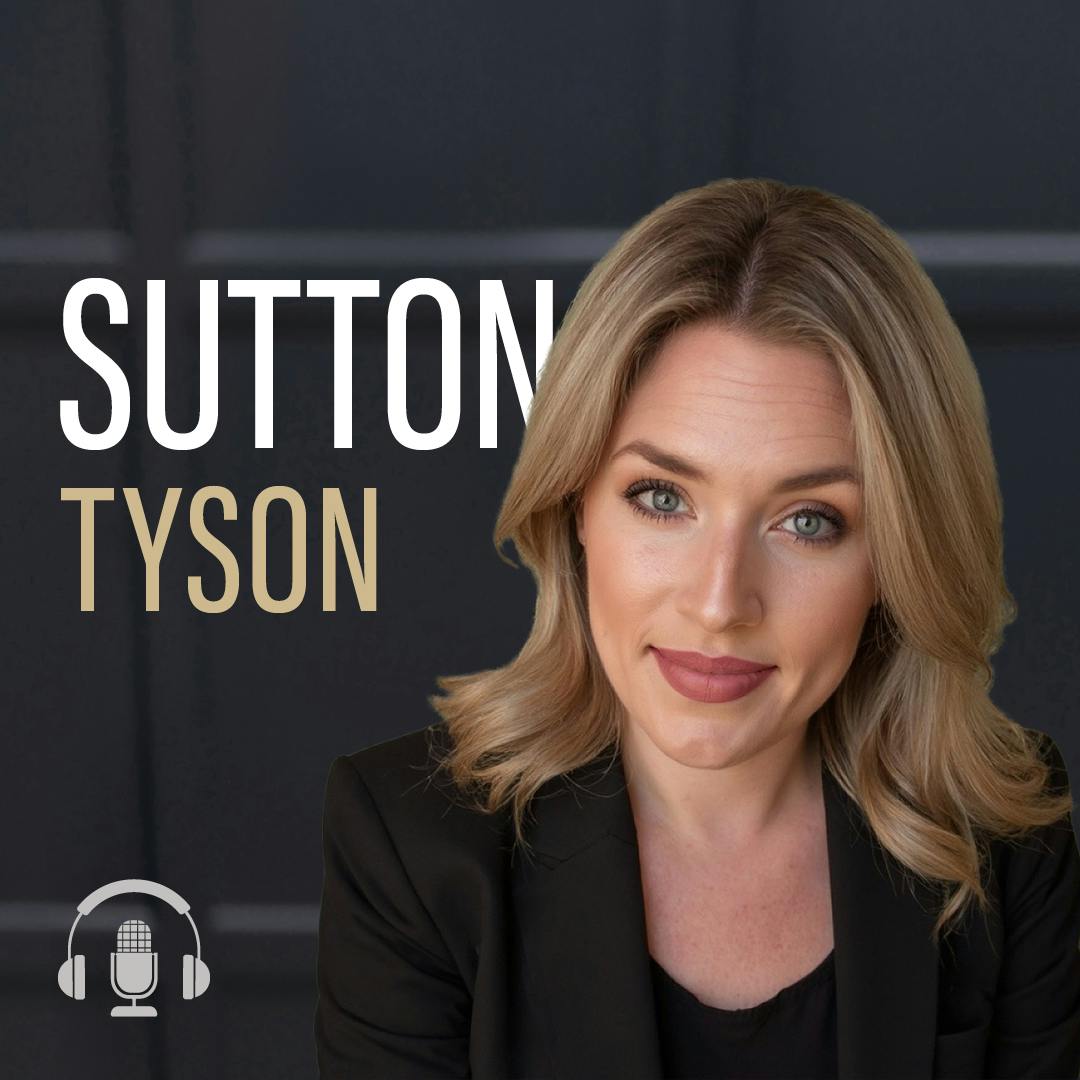
Loading summary
Transcript79 lines
- [00:00]
A
Foreign.
- [00:04]
B
Hi, I'm Kate Young and you're listening to this Is Purdue, the official podcast for Purdue University. As a Purdue alum and Indiana native, I know firsthand about the family of students and professors who are in it together, persistently pursuing and relentlessly rethinking. Who are the next game changers, difference makers, ceiling breakers, innovators? Who are these boilermakers? Join me as we feature students, faculty and alumni taking small steps towards their giant leaps and inspiring others to do the same.
- [00:40]
A
We're very used to at the 5 o' clock evening news where you sit down and you have that hour long packaged segments type of news programming. Streaming functions very differently in that it's on demand. You can access it at any time, whether it's any airing live or whenever you're able to watch. There's device flexibility. It's not just being cast from your television. You can watch it on your phone, watch it on your laptop. There's a variety of ways in which you can access this news content that didn't used to exist.
- [01:15]
B
In this episode of this Is Purdue, we're talking to Purdue College of Liberal Arts alumna Sutton Tyson. Sutton is a rising talent in the broadcast journalism field and is currently the booking producer for the takeout with Major Garrett on CBS News. She also previously served as the spokeswoman in the national press office for the FBI where she covered issues of national security, criminal activity, and counterintelligence. As the rise of social media continues to grow and less people are sitting.
- [01:46]
C
Down to watch the 5pm news on.
- [01:48]
B
Their TVs, Sutton shares what she believes the future of the news holds, especially for younger generations. Plus, we discuss her incredible career journey in Washington, D.C. and her firsthand experiences in the rapidly evolving news industry. Okay, let's get to it. Here's my conversation with Sutton.
- [02:07]
C
Sutton, thank you so much for joining us on this Is Purdue, Purdue's official university podcast.
- [02:12]
B
Welcome to the show.
- [02:13]
C
Thanks for coming.
- [02:14]
A
Thank you. Thank you for having me.
- [02:16]
C
So younger audiences and a specific generation is on a lot of people's minds lately. It's making headlines.
- [02:24]
B
It's Gen Z.
- [02:25]
C
And so you're someone who works behind the scenes at a major news network, cbs.
- [02:31]
B
What is your approach to meeting this.
- [02:33]
C
Demographic where they are Gen Z?
- [02:36]
A
They're not the up and coming generation anymore. They're the ones that we are really speaking to at this point. You know, the biggest thing that stands out to me about their generation is their ability to seek authenticity and transparency. We see they're the generation that grew up with influencers and catered content based on whatever their interests are, their passions. And so that really does shape from a new standpoint how we're really re envisioning delivering the news. You know, how do we give content that meets the demand, that is speaking to this authenticity and this transparency and catered to a younger audience. And so at least, at least for me personally, it's definitely forced me to kind of reimagine how we reach that demographic in a way that's tangible.
- [03:29]
B
They're used to kind of quick clips.
- [03:31]
C
They're on YouTube, they're on TikTok, they're on Instagram. How much do you take that fact into consideration when you're booking guests and shaping content for the takeout?
- [03:39]
A
A lot of my consideration when I'm looking to book a guest for our programming, it's not just who's going to give the best interview, but who's going to give content that can function both as a long form interview and be compelling, but can also be a bite sized piece that can go on YouTube, Instagram, TikTok. It's very multifaceted. I would say in my thought process in booking a guest to join us. You're wanting them to be able to again reach this generation on a variety.
- [04:12]
C
Of different platforms and have that authenticity too, I'm sure.
- [04:15]
A
Absolutely.
- [04:16]
C
You believe streaming is the future of news and that's something that the takeout is addressing. So they're streaming on CBS on the website as well as a podcast. So walk us through streaming. How is streaming different from, you know, sitting down and watching the 5 o' clock news every night?
- [04:33]
A
Yeah, I mean, there's a variety of ways that streaming differs from your traditional broadcast news. Very used to, as you said, the five o' clock evening news where you sit down and you have that hour long, packaged segments type of news programming. Streaming functions very differently in that it's on demand. You can access it at any time, whether it's airing live or 4, 5, 6 hours later. Whenever you're able to watch, there's device flexibility. It's not just being cast from your television set. You can watch it on your phone, watch it on your laptop, access it from a podcast platform. So there's a variety of ways in which you can access this news content that didn't used to exist. And it also, I think the streaming format provides a more casual, informal setting, which is neat because it gives the opportunity for us to have more long form, intentional conversations. You're not seeing Those cut down, two to three minute interviews that came from a, you know, 30 minute sit down. You can actually capture that entire conversation, air the whole thing on your streaming platform, and then, as I said earlier, cut those down into the bite sized pieces to put on your social media platforms like the TikToks and the Instagrams. So it's a very different way in which we're creating and packaging news, but it provides, I would say, vast opportunity in a way that traditional broadcast just doesn't.
- [06:05]
C
I know too, with podcasting, we always talk about, like, you can download it and it's, you know, there on a flight, or if you lose WI fi on a road trip, you lose phone service, like you can still access it, versus sitting in front of the TV like traditional broadcasting.
- [06:21]
A
Yeah, that's exactly right.
- [06:23]
B
I asked Sutton how she thinks broadcast news and news consumption will change in the next five to 10 years. Does she ever envision cable news going away completely?
- [06:32]
A
I think we're already seeing this change kind of play out with the iterations of streaming over the past few years. You know, it goes back to this new generation, these, these up and coming generations that are seeking the content that they want. Do I think that that will completely rid us of traditional broadcasts altogether? I doubt it. But the way in which we are providing news is going to constantly evolve. And so, you know, again, it's why I find streaming to be such a unique platform for us to really think outside the box, be creative and not just reach the younger generations, but reach all the generations based on the content that they're choosing to consume.
- [07:19]
B
Sutton reflects on the potential challenges that traditional news networks have to navigate. And now that streaming is growing in.
- [07:25]
A
Popularity, traditionally broadcast news, as it currently stands, its target demographic is just a much older age range than what you might see with a streaming audience. And so I think in that sense, crafting the messaging so that it's resonating with the audience that is tuning in, you know, it's really important. And that's something where, when it comes to the streaming networks, the streaming shows and segments that we have, it's a bit more diverse in the sense of the age demographic kind of ranges from young to old. You have more flexibility in your messaging and your strategy.
- [08:04]
C
So let's go back to your career path, your Purdue journey. You graduated from Purdue's College of Liberal Arts with a bachelor's degree in mass.
- [08:11]
B
Communications and then a minor in political science.
- [08:14]
C
And then you moved to D.C. you said, right after graduation.
- [08:17]
A
Yeah, I graduated and moved the next week.
- [08:20]
C
That is so cool. So you worked in the nonprofit Sector.
- [08:24]
B
And then you transitioned to a role.
- [08:26]
C
With the National Press Office representing the FBI. I know we talked before this interview. You said you had a bit of an unconventional career trajectory, which I kind of agree. And I'm also mass communications major from cla. But tell us more about your career journey after graduating from Purdue.
- [08:43]
A
I'll backtrack actually just a little bit before I even started at Purdue, just to give some context. So. So I'm from a one stop flight town in Indiana, proud Hoosier from southern Indiana, but I'll always be a boilermaker at heart. But right before I started at Purdue, I had the chance to go teach English in Thailand over the summer. It was really kind of a whim decision on my part. I was going to visit some friends, but once I got there, I realized that the kids who I was living and teaching and working with were rescued from human trafficking. That completely altered my views on life and humanity and certainly what I wanted to do with my career. It was an interesting way to start at Purdue because as you said, I was a mass communication major and it had been my dream since I was a little girl to be the Jane Pauley or the Barbara Walter. Now I had this newfound passion to raise awareness about this humanitarian issue and really work to try and create change. That's what shaped me over my four years at Purdue. That then launched me to D.C. as you said, I worked in the nonprofit sector that was working for an organization called International Justice Mission, which is one of the largest anti slavery nonprofits. You know, I kind of followed that passion here in D.C. but really always down in my gut knew that I wanted to pursue something that led to align with journalism and news. So the opportunity to work at the FBI came about a year after I moved to DC. I started in 2017. The bulk of my time I spent five years with the FBI. The bulk of my time was spent as a spokesperson in the national press office. And so that was a really unique opportunity for me for a variety of reasons. You know, it was very high stakes. It was having really the mouthpiece for this international agency. And it also gave me the chance to work firsthand and cultivate relationships with national reporters, international reporters, news outlets. So it aligned with really everything that I cared about. Mission focused, mission oriented, but also really tapping into my love for journalism. I really learned a lot from that role. Learning how to work under pressure, communicate with executives, prep executives for news interviews, communicate crisis events. Also really ensure that with all of these crisis events that you're speaking to as a spokesperson, you're implementing that compassion, that empathy. It was incredible opportunity.
- [11:23]
C
I can only imagine. Every day was so different from the previous day. What was a typical day, though, working for the FBI?
- [11:31]
A
Every day was different. You're exactly right. I was in the press office through a number of major historical events. Was there during the COVID epidemic, was there during the 2020 civil unrest. Also worked there through the course of two different presidential administrations. So there was a lot happening while I was there. And, you know, with each thing that was thrown at us, we really just had to work as a team and learn how to navigate it as an organization. For me, specifically, I was the one that helped lead our Covid fraud response. So I did a lot of work with our criminal division. That particular unit within the division oversees financial fraud. So they had a huge hand in doing a lot of the news interviews, the press releases, the press conferences, really raising awareness about all the different types of COVID fraud that took place over those three, four years. And it was really impactful to be able to help kind of shape the narrative and get that message out to help protect the American people. And then, certainly with the civil unrest that we saw in 2020, I had the opportunity to actually go help one of our field offices that was kind of in the middle of all of that and help shape their messaging strategy while work with the state and local law enforcement there to make sure that everyone was kind of operating in a cohesive manner. It ranged every day. And then, you know, on some days, FBI Director Ray would be doing an interview, and I'd be powdering his face before he went on camera. So you just never really knew what the day would hold.
- [13:10]
C
All duties as assigned.
- [13:12]
A
That's right. Yes, exactly. Serving the American people no matter what.
- [13:18]
C
What types of lessons did you learn in this role that you applied to your job as a news producer later?
- [13:24]
A
Learning how to work under pressure and also really prioritizing empathy and compassion in the way that I was communicating, Whether it was writing a press release, helping one of our public affairs officers out in the field who's about to go and do a press conference on a mass shooting, prepping the FBI director to do those 60 Minutes interviews. A lot of the time, the topics that we were addressing, you know, they impact real people. They impact people like you and me and our parents and grandparents. Right. So always making sure that no matter what the issue was at hand, we were putting information out for. We always kept that empathy and humanity at the forefront of our mind, and that's certainly something. Now, working as A producer in the news industry, it's so important when there's crisis events or really big news in the headlines that we're trying to make tangible and digestible to the average viewer. You want to be able to have that human emotion, that authenticity and transparency. So I'm really grateful to have learned that at my time at the bureau. Cause it's paid dividends now, being on the other side in the news industry.
- [14:39]
C
Itself, a lot of times it's bad news. Right. And so I know recently in January, you reported on the Army Black Hawk helicopter collision over the Potomac in D.C. what is it like in those breaking news moments to shape the content, shape the news in these high pressure situations?
- [15:01]
A
I think it's situations like the plane crash that happened in January that really show how make or break this industry is in the sense of it's critical that we do our jobs professionally and quickly and accurately and again approach them with that empathy and that compassion and humanity. The plane crash for me was a really challenging story to cover. I live here in D.C. as you know. And so I was one of the first on the scene, Reagan national. And you know, my job as a booker is to be one of the first people that these family members, these loved ones see and are confronted by to offer our condolences and also try and get information as to what exactly is happening. There is a definite amount of responsibility there, but also an immense amount of sympathy and acknowledgement to the human component of the, the tragedy that these people have faced that you, you have to be very mindful of. And I think more than ever that that plane crash, that story that we covered, really identified that for me. One of the people that I ended up going and interviewing was the manager of ice skating rink in Ashburn, Virginia, where a lot of the kids would train throughout the course of the day. I remember standing there, I'm holding my phone and I'm asking him questions, and you could just see in his eyes a immense amount of devastation. And that's something that I think when a tragedy unfolds and we're watching it play out on tv, sometimes, when you're just sitting on your couch watching, you sometimes don't always get that raw emotion. But that's something that I'll never forget because it truly solidified for me and reminded me just how real these situations are, how impactful they are and how important it is and my responsibility as a reporter, as a producer to tell those stories well and accurately.
- [17:05]
C
You shared with me previously too, that, and I know you just said that that crash specifically was a really tough one for you.
- [17:14]
B
How do you take care of your.
- [17:15]
C
Mental health, that workplace well being, when you're covering these horrific events?
- [17:20]
A
It's something that I think is really important for us to talk about because especially working in the news industry, it's constant, it's never ending. The news doesn't stop as they say. And it is true. It's so important working in this industry that we all prioritize our mental health and our well being. And so for me, I really do as best I can work to, you know the trendy saying work, life balance, you know, in the times where I can put my phone down and sit on the couch and watch a movie or cuddle with my dogs or take a walk, you know, I take that on. I really make sure that I'm maximizing my time, just prioritizing, taking care of myself, working out, eating healthy. You know, it's the things that everybody says you should do. It really does make a difference. Right, because just like with the plane crash, you know, once something happens and you're on, you're on until the story is told. You have to be on your A game and ready at any moment for breaking news. So that downtime is just critical to rejuvenate and recoup and make sure that you're at your best.
- [18:25]
C
I think that's super important what you just said about always being on and you know, it's your job to tell the story and finish out the story. So as details are emerging, you're on once again, right?
- [18:37]
A
Yeah, exactly, exactly.
- [18:39]
C
You mentioned a couple things. Working out, going for a walk, eating healthy, all the things we should be doing right. Any other go to tips, you know, methods for self care, especially if anyone's going through a challenging time at work.
- [18:53]
A
I think another thing that's been really important for me is really leaning on my community, leaning on my loved ones, being honest about my struggles and what I'm facing, not shying away from it, but just acknowledging that sometimes we do need our community to lean on. And I'm very lucky to have incredible friends and family who make that pretty easy for me to do. You know, they're invaluable and really help, I think, help me refocus in times where I'm just drained or need a break. So that's, I think for me, one of the biggest ways that I just refocus, recoup and get back on track and ready to keep going.
- [19:32]
C
You know, you've had this incredible career, all of these experiences the timing and relevancy of when you've served in these roles is super interesting too. What skills or tools, experiences that you had as a boilermaker really shaped and prepared you for these jobs today?
- [19:50]
A
One thing that I always tell people, and it was one of the best pieces of advice that I was given before I started at Purdue was from a dear friend of mine, Tricia Sorrels Doyle. She's also a reporter in her own right. And I remember she told me, right now, being from one separate town, you're. You're the biggest big fish in a little pond, and you're about to go become the small fish in a big pond. And so with that in mind, make yourself the big fish in the big pond. She gave me such great advice introducing myself to my professors, which was something I did. Beginning of every semester. I'd go just introduce myself, really investing in my relationships, both with friends, but also with guest lecturers, with professors, thought leaders. That's something that I think sometimes I might differ from other people. I don't really love the word networking, because to me, that's so transactional or intimidating, right? Yes, absolutely. For me, what I found to be most beneficial, certainly at my time at Purdue, was really cultivating meaningful relationships, sustainable relationships with professors, with friends, with bosses, with guest lecturers, you know, because that's ultimately, those are the people that then in turn invested in me and helped me get here. Without those connections and those relationships, it's fair to say I probably wouldn't be where I am right now. That was probably the biggest takeaway for me in my time at Purdue was getting the opportunity to learn that skill and see the importance and the value of it, and then, you know, come to a city like D.C. and continue to really cultivate meaningful relationships.
- [21:37]
C
On that note, is that some of the advice that you would give to boilermakers, whether they're hoping to pursue careers in media, any type of critical skills that they might learn during their time at Purdue. What would you tell them?
- [21:49]
A
Absolutely, absolutely. I. If there's one piece of advice I give to any student, it is this. And I. I believe in it because it's proven to be so beneficial and impactful to me. There are still professors at Purdue that we follow each other on LinkedIn. We'll message each other. You know, it's so important to not just be a face, but to be someone that people know. They know your goals and your heart and your intentions, and likewise, that you allow yourself to be that for others. Because once you keep going in your professional career, and even in your personal life too. It's those types of relationships that you can lean on and rely on and it shows who you are as a person. It kind of sets you apart. So, yeah, it's the biggest piece of advice that I can give to up and coming students, soon to be or recent grads. Just really, really take the time to invest in the people around you.
- [22:47]
C
I love that too, because in your role as a producer, you're speaking to connections that you formed, maybe relying on them or working with them to gather some of the things that you need.
- [22:58]
B
For your current job. Right.
- [22:59]
C
So it was important to cultivate relationships there for the next step in your career.
- [23:04]
A
It's the. Probably the biggest part of my job is building relationships with people, be it congressional members, their staff, agency executives. Being able to have those existing relationships and just send a text message or make a phone call on a whim. It's a game changer. It's a huge part of this job. It's a huge part of being in the news industry. And fortunately, that's a skill that I really value. So, you know, it's not difficult for me to.
- [23:33]
C
It's more and more difficult though, isn't it? Like, as you see people, they don't want to talk on the phone, they don't want to go to the doctor's office.
- [23:40]
A
It's true. Yes. Yeah. And you know, I think as we continue to become a world that's more reliant on things that communicate for us. AI, social media, dms.
- [23:52]
C
Yeah, totally.
- [23:53]
A
It's all the more important that we exercise that muscle and continue to prioritize those face to face sustainable relationships with other people. Because this will never fail you. That will only ever be a benefit.
- [24:07]
C
I love that. What is something people would be surprised to know about working in broadcast journalism and that 247 news cycle?
- [24:15]
A
You know, I think one of the biggest surprises for me was seeing just how much work goes into a television show as a viewer and a subscriber. You see the pretty neat finished package. Right. Of the news. What people don't realize is that sometimes we have a guest that'll cancel an hour before the show starts. And we're scrambling to find somebody who can fill the slide. Or breaking News will happen 10 minutes before we're supposed to go on air. And so we're scrambling to write scripts and make sure the anchor is read up on it. You know, it's kind of always a mad scramble. That's also such an incredible part of being in this industry is that it's such a team sport. There are so many people involved in making sure that the ship sails. And a lot of those people never really. Well, most all you. You won't see in front of a camera. Right. There's only a few who have that role, but there are so many individuals, the producers, the cameramen, the tech managers, the bookers. You know, we all play a really vital piece in making sure that the stories that we tell and the segments that we produce are top notch. So I always love to give a shout out to all of us who work in the industry because it's a crazy life that we live.
- [25:31]
C
The behind the scenes.
- [25:32]
A
So important. Yeah.
- [25:34]
C
And then you have to turn around and do it all again the next day.
- [25:36]
A
Right? That's right. That is exactly right.
- [25:39]
C
Well, I've loved this conversation. My very early career career was in local news in Indiana. So this has been super cool to talk to someone who really, you know, made it big and made it to that national stage. And I love all your advice about cultivating relationships too. I think that's so important. Is there anything else that you'd like.
- [25:58]
B
To share with our listeners?
- [25:59]
A
I'm so grateful for this opportunity. It's always a pleasure to be able to share the insights that I've gained over the past decade and I love being able to just invest and uplift our up and coming boilermakers who are going to enter the work field. So really grateful for you having me.
- [26:17]
C
Amazing. Thank you, Sutton.
- [26:18]
A
Thank you, Kate.
- [26:19]
B
It was a pleasure getting to know.
- [26:20]
C
This young boilermaker alumna on this Is Purdue. We're so appreciative Sutton could join us.
- [26:26]
B
You can check out additional content and bonus clips from Sutton's interview, like her tips on how to break the ice and make a great first impression when meeting new people on our podcast podcast YouTube channel YouTube.com/thisis purdue and of course, be sure to follow Thisis Purdue on Apple Podcasts, Spotify, iHeartRadio, or wherever you get your podcasts. This is Purdue is hosted and written by me, Kate Young. Our podcast videography for this episode was led by Thad Boone. Our social media marketing is led by Maria Welch. Our podcast distribution strategy is led by Carly Eastman. Our podcast design is led by Cheryl Glatzba. Our podcast photography is led by John Underwood. Our podcast team project manager is Rain goo. Our podcast, YouTube promotions is managed by Megan Hoskins. Additional writing and research assistance is led by Sophie Ritz and Ashvini Malshi. Thanks for listening to this Is Purdue. For more information on this episode, visit our website at Purdue. From there, you can head over to your favorite podcast app to subscribe. And don't forget, you can also check out all of our podcast content on our podcast YouTube page, YouTube.com/this is Purdue and as always, Boiler up.