
Podcast
Threshold
Hosted by Auricle Productions · EN
Threshold is a Peabody Award-winning documentary podcast about our place in the natural world. Each season, we take listeners on a journey into the heart of a complex environmental story, asking how we got here and where we might be headed.
Threshold is nonprofit, listener-supported, and independently produced.
29episodes
Episodes
Newest firstAll episodes
The Corridor | 6 | Justice Denied
5d ago00:45:05Tap to summarizeFor decades, the residents of St. John the Baptist Parish breathed in toxic chemicals from a massive complex that makes neoprene - a synthetic rubber. But while residents suspected something was wrong, they were still shocked when the EPA told them they had the highest risk of cancer in the nation. Why were they just now being warned? And what was the government going to do about it? In this episode, we follow one community’s search for justice.Threshold is nonprofit, listener-supported, and independently produced. You can support Threshold by donating today. To stay connected, sign up for our newsletter.
Transcribe →
The Corridor | 5 | You’ve Got To Fight
2w ago00:47:57Tap to summarizePeople have objected to the toxic side effects of industry in Louisiana and across the country for a long time. A swell of activism in the 70s and 80s connected civil rights with environmental issues and public health, so that by the 1990s, it seemed like the nation was entering an environmental justice renaissance. And yet, low income and minority communities have remained at risk. In this episode, we follow the history of environmental justice activism and how the corridor became a poster child for unevenly distributed pollution.Threshold is nonprofit, listener-supported, and independently produced. You can support Threshold by donating today. To stay connected, sign up for our newsletter.
Transcribe →
The Corridor | 4 | What Can Be Measured Can Be Changed
3w ago00:42:14Tap to summarizeWe know that many of the chemicals being released by plants in the corridor can cause cancer. We also know that the cancer risk along this stretch of the Mississippi is unusually high. But how do we know for sure that these things are connected? In this episode, we explore what we know about pollution and disease.Threshold is nonprofit, listener-supported, and independently produced. You can support Threshold by donating today. To stay connected, sign up for our newsletter.
Transcribe →
The Corridor | 3 | The Smoke of Progress
4w ago00:45:47Tap to summarizeAt the beginning of the 20th century, the corridor began a transition from one deadly industry to another—from sugar to petrochemicals. This transition wasn’t a coincidence. The history of industry intersects with the history of race in Louisiana all the way up to the present day. In this episode, we look at how and why petrochemicals came to the corridor.Threshold is nonprofit, listener-supported, and independently produced. You can support Threshold by donating today. To stay connected, sign up for our newsletter.
Transcribe →
The Corridor | 2 | Sugar Is Made with Blood
Jun 900:40:45Tap to summarizeBefore gas, oil, and benzene, there was sugar. This is the story of the first industry that exploited people in the Corridor, an industry that brought the ancestors of today’s residents to the area and laid the foundations for the modern petrochemical industry.Threshold is nonprofit, listener-supported, and independently produced. You can support Threshold by donating today. To stay connected, sign up for our newsletter.
Transcribe →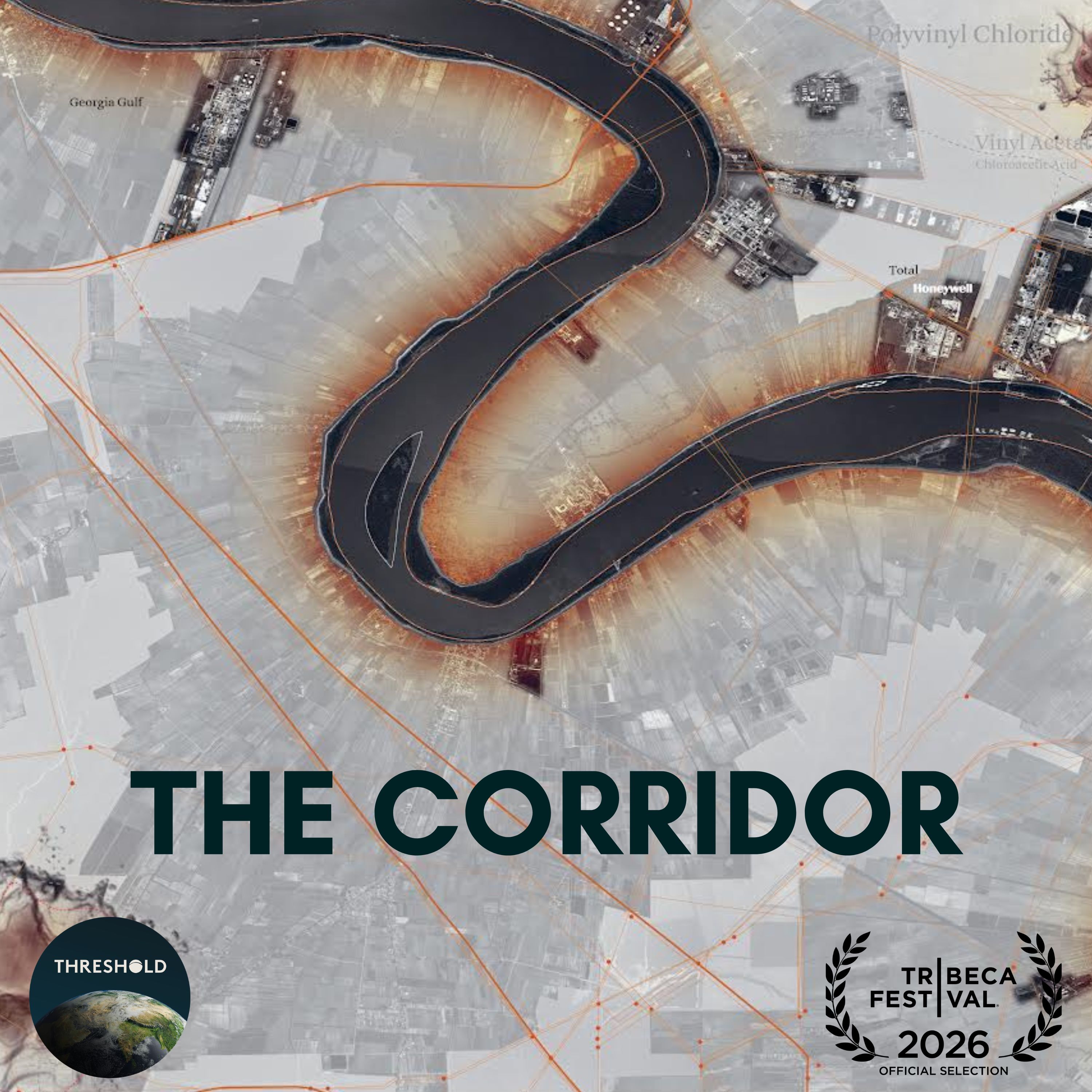
The Corridor | 1 | River Road
Jun 200:37:08Tap to summarizeOne of the largest concentrations of petrochemical plants in the country lies along the Mississippi River between Baton Rouge and New Orleans. Petrochemicals are made from fossil fuels. We use them to make a huge range of synthetic materials that are found in almost every part of our daily lives — but petrochemicals are made where people live. Here, amidst houses, schools, and churches, more than 150 plants release toxic pollution into communities that are often poor and black. In this episode, we meet residents and explore what it’s like to live - and love - a place at the center of our modern consumer culture.Threshold is nonprofit, listener-supported, and independently produced. You can support Threshold by donating today. To stay connected, sign up for our newsletter.
Transcribe →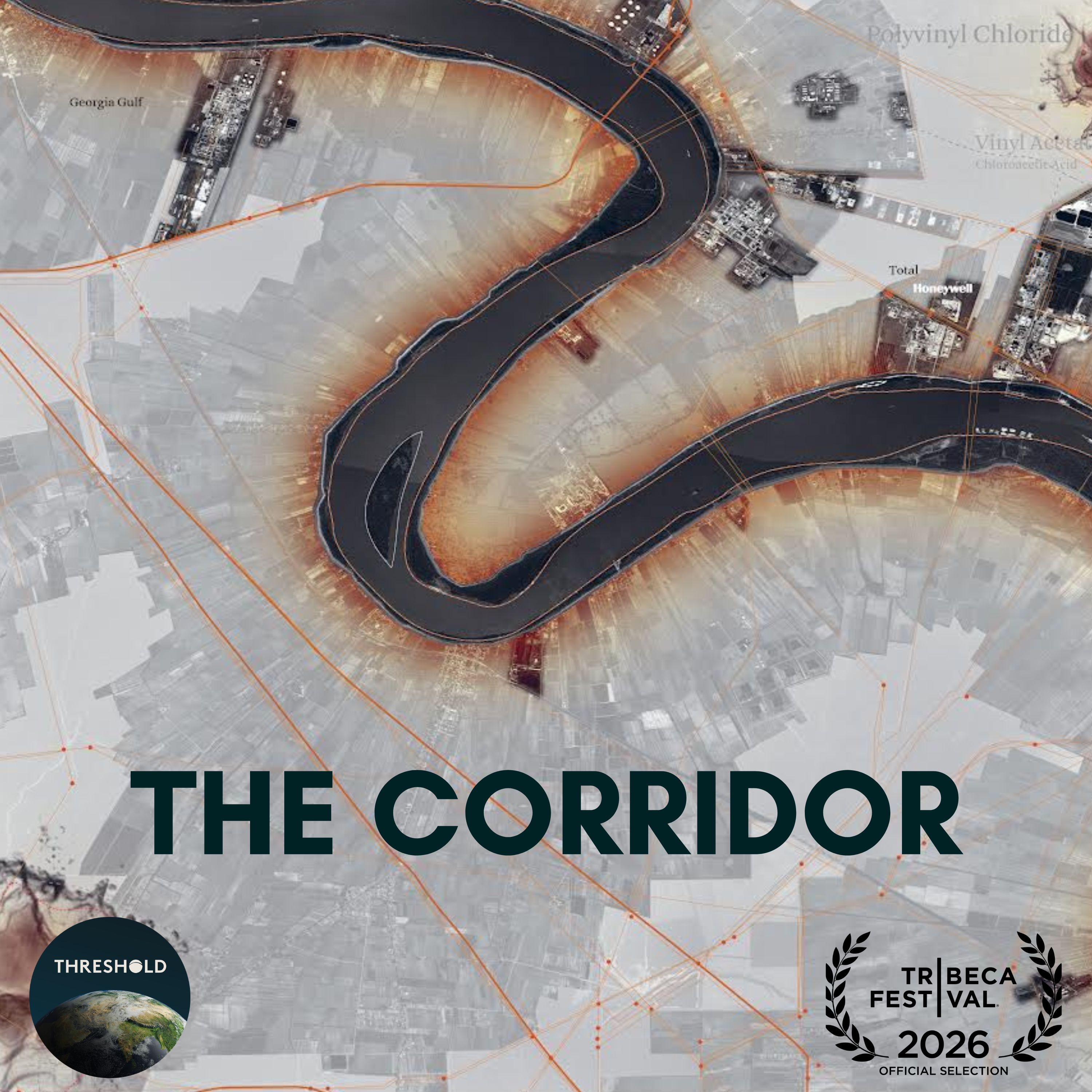
The Corridor | Preview
May 2600:04:24Tap to summarizeComing Tuesday, June 2nd: A podcast about history, pollution, and resistance on the frontlines of America’s petrochemical industry.Over seven episodes, The Corridor examines how Louisiana became a center of industry and an epicenter of disease, with some communities facing cancer risks among the highest in the nation. Everything that’s happening in the industrial corridor today has been shaped by history - from slavery and segregation to huge technological breakthroughs and environmental change. Across the series, we explore how residents have pushed back - against the destruction of their past, the construction of more plants, the lax enforcement of environmental regulations, and further harm to people’s health as they seek to claim their right to a prosperous and healthy future.Threshold is nonprofit, listener-supported, and independently produced. You can support Threshold by donating today. To stay connected, sign up for our newsletter.
Transcribe →Threshold Conversations | Water and War with Kaveh Madani
May 1900:23:51Tap to summarizeLike many countries, Iran has struggled with major water scarcity in recent years. Last summer its capital, Tehran, came very close to “day zero,” the day when the whole city runs out of drinking water. Now, with the United States at war with Iran, President Donald Trump has further threatened the country’s civilian water infrastructure, including dams, water treatment plants, and the electrical grid.Dr. Kaveh Madani is a water scientist and the former Deputy Head of the Department of Environment in Iran. He now leads the United Nations University Institute for Water, Environment and Health. He joins us to talk about his work on the concept of ‘water bankruptcy,’ his experience working on environmental issues in Iran, and the links between water and conflict.Threshold is nonprofit, listener-supported, and independently produced. You can support Threshold by donating today. To stay connected, sign up for our newsletter.Credits: Threshold Conversations is produced by Sam Moore. Our music is by Todd Sickafoose. Amy Martin is our host and executive producer.Resources and Links: Kaveh’s major new report on water bankruptcyThe United Nations University Institute for Water, Environment and Health
Transcribe →Threshold Conversations | Coyotes in the City with Christopher Schell
Apr 2100:23:17Tap to summarizeAs surprising as it may be to encounter a coyote in the big city, these wild carnivores aren’t passing through—they’re right at home. Whether it’s a quiet grassland or a downtown Quiznos, they’re adapting to their environment, and to us.Dr. Christopher Schell is an ecologist who studies city-dwelling carnivores at UC Berkeley, and he joins us to think about how wild animals live in the built environment, how human social dynamics shape the behavior of our nonhuman neighbors, and what lessons we can take from these resilient creatures.Threshold is nonprofit, listener-supported, and independently produced. You can support Threshold by donating today. To stay connected, sign up for our newsletter.Credits: Threshold Conversations is produced by Sam Moore. Our music is by Todd Sickafoose. Amy Martin is our host and executive producer.Resources and Links: The Schell Lab One of Chris’s papers: The ecological and evolutionary consequences of systemic racism in urban environmentsChris’s upcoming events in SeattleMapping Inequality, an interactive history of Redlining in America
Transcribe →Threshold Conversations | Walking Like a Curlew with Matthew Trevelyan
Mar 1700:17:27Tap to summarizeAll around the Northern Hemisphere, the evocative call of a curlew is a telltale sign of spring. With their tall, skinny legs and long, curved bills, this group of migratory shorebirds has earned a reputation in many different cultures—but now they’re facing serious threats, and one species is already extinct.Last spring, one man became so concerned about the plight of these iconic birds that he walked for two days across the English countryside inside a giant curlew costume. His name is Matthew Trevelyan, and in his day job he works to protect the pastoral grasslands of Nidderdale, a landscape in Northern England where Eurasian Curlews love to nest. Matthew joins us to talk about his long walk, the challenges facing curlews in the UK and worldwide, and why so many of us find the song of this slender bird to be so moving.Threshold is nonprofit, listener-supported, and independently produced. You can support Threshold by donating today. To stay connected, sign up for our newsletter.Credits: Threshold Conversations is produced by Sam Moore. Our music is by Todd Sickafoose. Amy Martin is our host and executive producer.Resources and Links: Matthew in the BBC in his giant curlew costumeMatthew’s new plan to climb the Yorkshire Peaks in the curlew costumeThe Nidderdale National Landscape where Matthew works to conserve curlewsCurlew conservation and news at curlewaction.orgCurlew Moon by Mary Colwell
Transcribe →