← Thriving with Addiction with Dr. Jonathan Avery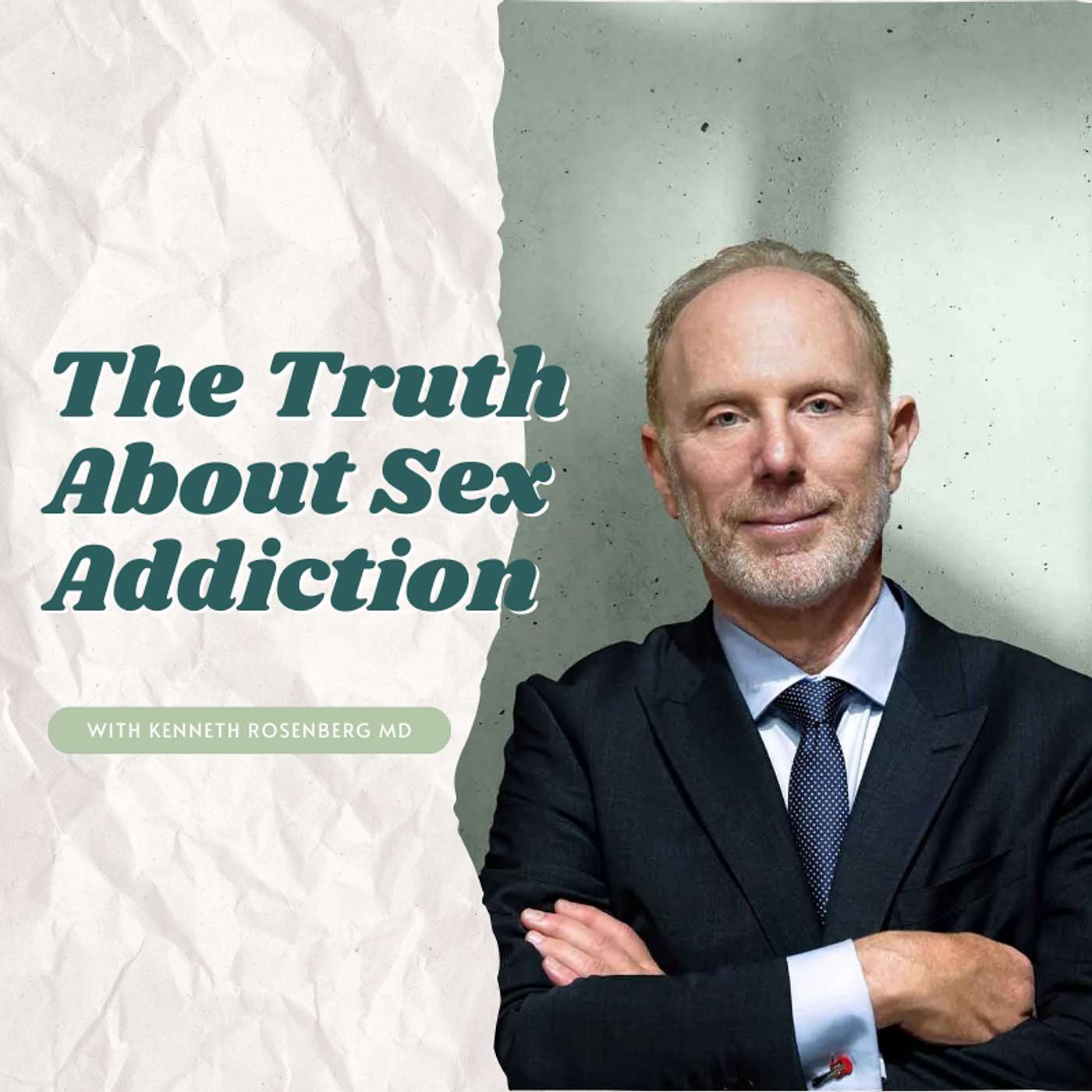
Thriving with Addiction with Dr. Jonathan Avery
The Truth About Sex Addiction with Kenneth Rosenberg MD
00:37:47
Loading summary
Transcript53 lines
- [00:00]
A
Welcome to the Thriving With Addiction podcast where we explore how recovery is not just about surviving, but about truly living. Each week we'll dive into the science stories and strategies that help people and families heal from addiction and build healthier, more resilient lives. I'm your host, Dr. John Avery. Let's get started. I'm John Avery and welcome back to Thriving with Addiction. Today I'm joined by Dr. Ken Rosenberg. Dr. Rosenberg is a general and addiction psychiatrist in Manhattan specializing in sexual compulsivity and is the co editor of the text Behavioral Addictions. He's the author of two books for the Infidelity why Men and Women Cheat and Bedlam. Dr. Rosenberg teaches at Weill Cornell Medical center where he has been a voluntary faculty member for the past 40 years. And I'll add a beloved teacher to our addiction psychiatry fellows here. He is also a filmmaker recognized by Emmy, Columbia, DuPont and Peabody Awards and one of his films was shortlisted for an Oscar. He's the winner of the Exemplary Psychiatrist award of the national alliance for Mental Illness and the proud recipient of the AAAP Arts and Advocacy Award. Ken, welcome.
- [01:17]
B
Great to be here. Thank you for having me.
- [01:19]
A
No, of course. I valued your expertise for so long. As I mentioned, our fellows always want more time with you. They always learn so much and, you know, we just don't teach them a lot about sex addiction and behavioral addiction. So doctors and the general public are, are hungry for this information.
- [01:36]
B
Yes, I agree. I agree.
- [01:38]
A
So tell us a little bit about yourself and, and how you made your way to this unique specialty.
- [01:44]
B
So I train where you are at Cornell and my two best teachers were in addictions and in sexual disorders. Dr. Millman in addictions. Helen Singer Kaplan. Dr. Helen Singer Kaplan in sexual disorders. This was, they were teaching in the 80s and I was, I, I, I did my residency and then fellowship there into the 90s. And you know, I was just kind of really drawn to them and, and, and worked closely with them. Of course. I did a fellow in fellowship in addiction. And the one thing that my addiction teachers and my sexual disorders teachers agreed on was that there was no such thing as sex addiction because they had come up in a time when, you know, it was very puritanical. A lot of people were, you know, trying to liberate the population. And so the idea that there was this kind of sex addiction, they were afraid, I think, and rightly so. There will be misused to keep people down and, and to really keep up very old antiquated and oppressive ideas. So that was, that's fine. I learned a lot from them. But then in the late 90s, I got. Because of my specialties in sex and in addiction, I was referred people who were famous or infamous sex addicts. And they came and they said, I'm a sex addict. And, you know, I couldn't say as a psychiatrist, we don't believe in that. So I really had to learn about that. And one of the ways I learned is I went to a wonderful, wonderful man named Patrick Carnes, who's a PhD and is really kind of the godfather of sex addiction. He's a psychologist who taught in the Midwest, you know, far away from us, Cornell and all the Ivy League centers, servant. And he had quite a following and he had written some wonderful books. And I. I studied with him. I. I trained with him. I took courses with him. We became very, very close friends. And. And within a decade, we actually ended up teaching courses to psychiatrists who, as you say, Jonathan, were very, very hungry for that. We taught us like, a course at the American Psychiatric association on sex addiction. It was always sold out. So, you know, the point is that it was something that we, our profession, our psychiatry and addiction profession didn't believe in, but became apparent that people really do have these kinds of behavioral addictions to sex. The foods, the Internet, to gambling, of course. And that's how I kind of got into it.
- [04:23]
A
Was there any pushback as you became the expert in it? Do people still question you or question it or. It's. It's. You find it generally more accepted these days?
- [04:32]
B
I think it's more accepted. I think that still, you know, when you go to a cocktail party and you say, you know, I treat sex addiction, people are like, really? Is that like, really a thing? Or. A lot of people say, oh, that's a great addiction, you know, to have. So I think it's. It's really. It is pushback, and it's misunderstood. Um, it's not. You know, there. There was a lot of pushback, really, in 2010, 2015, when the DSM Diagnostic and Statistical Manual number five was kind of being revised, and sex addiction was not included in the diagnostic category. And we tried. We Pat Carms and I tried to really petition the committee to. With no success. And a very wonderful psychiatrist, Amarti Kafka, also tried. So, yeah, I think there's pushback, but less and less so because it's more apparent that if you have a phone, you have an enormous potential to be a gambling addict and to be a sex addict.
- [05:43]
A
And so what is sex addiction then? I'm Hearing some of the things people get wrong about it. What is it? Help me understand.
- [05:51]
B
Any addiction is when you have, you know, you have a behavior which is, you know, within the realm of normalcy, is, you know, on a spectrum. It could be eating, it could be porn. You know, you have a behavior and it crosses over into the threshold of what most of us would regard as unhealthy. And you know this as a brilliant addiction psychiatrist. What does that mean? That means that it's crossed over into the threshold of being something that interferes with your job, it interferes with your relationships, it makes it, you know, hard to do anything. And it's like, I would love to do this podcast with you, but I gotta really, you know, I got some porn going, so we'll talk later, that sort of thing, right? You know, so it really starts to interfere in your life, and when it does, it's now become an addiction. And by the way, when we talk about sex addiction, we're, you know. So the first thing is that interferes in your life. Right. The second thing is the quality of what we're talking about. It's not just people who like sex. Sex is great. And I have, you know, I encourage my patients to do anything and everything, as long as it's consensual, as long as it's, you know, what they would regard as healthy. I have a lot of patients in my practice who practice non monogamous relationships. Non monogamous, sexual. And we talk a lot about that. And that's not sex addiction. Sex addiction is when it interferes in your life, firstly, but secondly, when it becomes the kind of behavior, it really is not what you want to be doing. So a fetish is a good example. Having a foot fetish, that's cool. But having a foot fetish where you're obsessed about things, where you're, you know, you like your wife, but you really love her feet, and the only thing you can really make love to is her feet. And the thing that you really, really, really want is not, you know, you like your kids, you know, you like your wife, but you really love her shoes. You know, when it kind of becomes that kind of compulsion. We're not talking about sex. We're talking. We're talking about kind of an objectification. And the same thing is true for people who are into porn. You know, they're not. It's not that they have like great, healthy relationships and once in a while they do porn. People who have addiction to porn, that's all they do. It's all they really want, they kind of can have a relationship, but it's really what they really crave is porn. So first, it's the interference with your life, and secondly, it's the nature of what you do. Right.
- [08:35]
A
And I hear it can take many forms. It can be to, you know, sex, to pornography, to different, more specific fetishes. Does the type of obsession matter or not really?
- [08:49]
B
Well, it doesn't really matter. It could take many forms, as you say, it could be fetishistic or, you know, you have an object that you like, it could it. Porn is very, very common because, as you know so well, you know, what makes an addiction is the availability and affordability, the accessibility of it. Right now with our phones, porn is so available. The average age of people looking at porn for the first time, what is that? Can you imagine, Jonathan?
- [09:19]
A
Oof. I think it's like even preteen, right? It's. It's 11. 12.
- [09:24]
B
Yeah, 12. Yeah, yeah, yeah, yeah. So, you know, by the time you're 14, 15, you know, you could really. That's your thing. That's your thing. Um, and. And, you know, for my patients, it often takes the form of sex workers. We, you know, we. Leo and I live in New York City, practice in New York City. It's not that hard in New York City to find a massage power, which really is often a place where you get a massage, but you get a happy ending. A lot of my patients go there continually. Once, twice, three times a week. Not so much good massage. They like the massage, but what they really crave is the happy ending. And in many places, that happy ending is not. Is not just vaginal sex, masturbation, but it's oral sex and even, you know, intercourse. Vaginal intercourse. Right.
- [10:17]
A
And we had Patrick Kennedy on, and he was talking about how hard it was for him to get people to interview for sexual addiction for his book, just because there's so much secrecy and shame around it. Do we have a sense how many people this impacts? Is it more men or women? Or what do we understand of how many are struggling in this way?
- [10:37]
B
It's a great question. You know, I think that if we. If I had to put a number on it, I would say 2 to 3%, but I think it really high.
- [10:45]
A
That's a lot of people.
- [10:46]
B
That's a lot of people. That's a lot of people. But. But, you know, I mean, when you talk about lifetime prevalence of alcoholism, we're talking about, you know, 10, 15. So, I mean, it's as high as other things. You know, I think it might be higher than that. And it really depends on what, you know, where people are at physically, what they have access to, what the rest of their lives are like. You know, we think it's about twice as high in men as women, but a lot of the sexual behaviors that are more risky behaviors and more challenging behaviors, women are kind of catching up. So I think that increasingly we see women who have sex addiction too. Just to mention, you know, when we talk about sex addiction, we also talk about love addiction, which is kind of, you know, very similar. You know, people who are craving relationships and. And relentless and dysfunctional relationships. And for that, I think, you know, you might see more women who are involved, you know, compared to sex addiction.
- [11:52]
A
I see. And that can look a little different. Love Addiction than. Than Sex Sex Edition. Maybe Tell me a little bit more about how that differs.
- [12:00]
B
Yeah, so, I mean, a patient of mine who has a love addiction as opposed to a sex addiction is, you know, someone who, like, craves a relationship, craves the affirmation, craves a connection, craves, you know, what I would call you relationship energy. You know, that when you get. When you first meet someone is like, oh, my God, where have you been my whole life? I'm so in love with you. The first three to six months of a relationship. But they crave that. They want that over and over again. They can kind of. And then it. Of course, you know, even in the best relationship, it. It peters out. But there are some people who really kind of want that they can and they can't be in. And it's not so much the sex. I have a number of patients, male and female, who are in. He's had obsessive relationships that they can't let go of. And it's. And they. If they're actually relatively, you know, number that are relatively less disinterested sex and really disinterested in orgasm, but the sex becomes the vehicle that kind of keep the relationship. So it's really, you know, very, very different from a sex addiction. I see.
- [13:18]
A
And the reason. One of the reasons I think you were arguing it should be included in DSM 5 and us in addiction field should, is that it's not just these behaviors, but you see some of these changes in. In the brain as well that approximate other addictions. Is that correct?
- [13:31]
B
Yes. Yes. When you look at it, when you look at the brain data, you know, you. You see that there's similar changes. But to be frank, I mean, the. The data is very, you know, it's. I'M not sure how much credence to put into it. And, you know, I, I, I think a lot of, I may say so. I think a lot, a lot of the biological data is a way to justify what we see or what we know. You know, kind of like if you can see it on a PET scan, if you see it in some physical ways, like it's real. But, you know, we, you and I know that these addictions, whether you see it on a brain scan or not, because we have no physiologic test for any of the addictions.
- [14:13]
A
Right.
- [14:15]
B
Certainly, you know, sex addiction, even in alcoholism, we have no way to really send someone to a brain scan, but we know it's real. Yeah, we know that there's really something going on. We know that the theory that, you know, we, we, we adhere to, which is that there's something wrong with the limbic system, our reward system, there's something wrong with the frontal lobe system that's kind of processing this information that, that, that really makes a lot of sense.
- [14:43]
A
In addition to these sort of brain neurocircuits, driving behavior, what emotional or psychological states do you think are involved in some of this as well?
- [14:53]
B
Yeah, I mean, look, I think that it's like all addictions, you need the access, it needs to be a really good fit. Right. That are patients with alcohol use disorder. Know, they, there are patients with alcohol use disorder, for the most part, they're not people who like, when they have two drinks, they go to sleep. The people who like, when they have like three drinks or four drinks, they're like, this is awesome. You know, give me more. So, you know, I think the same is true for sex addiction. You need to kind of, you know, the right fit. But we also know with all addictions, there are kind of factors that fuel it, that increase it. So people who are really anxious, they like alcohol because it brings them down. People who are really dulls, they really like amphetamines because it lifts them up. So people who are lonely, people who don't have other relationships, people who have autism spectrum disorders, they're much more inclined to, you know, be gravitating towards pornography and, and sex addiction. People who are risk takers, who have adhd, they're also much more likely to do, you know, wacky things, you know, be in places and have partners and have all kinds of affairs that us, you know, most of us would be like, sounds cool, but I would, that's so risky. You know, I never do that. And so there are certain things that certain psychological states, as in all addictions, that set us up, but certainly loneliness is a big factor. Sexual disorders are a big factor. Jonathan. A lot of my patients who have sex addiction, you know, they really can't perform very, very well with a polymer. They have erectile dysfunction. They, they, they get all freaked out and nervous when they're with a real partner. Give them a shoe, give them porn, they're, they're fantastic. But give them a real person, a real loving relationship and expectations. They freak out. So there's sexual disorders that also be addressed, you know, so I think that with sex eviction, maybe even more so than with the chemical addictions that you and I deal with constantly, you know, there's often other factors at play and other kind of pathologies, if you will, that are, you know, fueling sex addiction. Right.
- [17:18]
A
And certainly the way things have become digital over these, these last years sort of impacts people more and more with, as you said, with the access to phone and the pornography. And I mean, how do we know when we go from sort of like risky use to use. Like, is there, is there a sense of what's like, healthy in terms of, I mean, you sort of alluded to not impairing your function, but maybe if we're instructing our kids or young adults, like, how do we say what's sort of in the realm of normal?
- [17:47]
B
It's such a great question, Jonathan, because you talk about kids, you know, it's so hard to have conversations with kids about anything. I, I mean, I have kids. You have kids. It's like, yeah, I got kids. I have, I have kids right now, adults. And they're like, oh, yeah, dad, that's right. Thanks very much. You know, talk to them about sex in general. Talk to them about sex addiction is really hard. So it's really, really hard to know what, what to say to kids. But I, I, you know, all kidding aside, I think that, you know, giving kids phones and unlimited social media and access to porn when they're 11, that just seems wrong. I mean, it's like you're saying, I'm up for lots of problems. And we know that social media in of itself is not so healthy for, you know, yosters, let alone to have access to all that porn. So I think you, I think, you know, you do have to talk to your kids about it to talk about the kids section, but I think that, you know, you also have to be very thoughtful about giving them access to materials that are going to hurt that. And we don't really think of it. That way. Right. You know, we. We would never dream of giving our kids like, you know, putting bottles of vodka or gin in their bedroom when, you know, when they're 12 or 13. Right. But we put phones in their hands which have really enormous negative potential. So I think it's not what we say to our kids, but what we do. And you know, obviously there are countries now, Australia, I think being among them, that really, you know, prevent kids from having social media till they're. Till they're, you know, much, much older.
- [19:25]
A
Exactly.
- [19:26]
B
It's a fantastic question I want to tell our kids. But you know what how we those updates gone too far and it's not always so easy. We have to say as a general, general principle. You've always gone too far when that's what you were for. You know, when I. When you're pick your fetish, pick your phone, pick your porn, pick your sex boyfriend at that becomes like all there is the only way I want to get it off service video then you know, you got a problem. Certainly when you're like some of my patients where instead of going to work, you spend, you know, three hours of the day, four hours of your day in your office with the door shut looking at foreign. You got a problem. Or a patient of mine who you know, who's literally draw a wonderful, brilliant, fantastic person but can be so driven by his sex addiction that he drives on the highway looking at Ben and Master Base looking at porn and are obviously very risky, dangerous behavior. So you know, when you. There's ways of knowing and of course, you know, you talk to someone. You know, even it doesn't have to be an expert like you a bad, you know, a friend or clergy or someone. But you talk to someone and, and you say and. And you know, don't. You'll get a sense, you know. There's also a good way to know if it's gone too far, which is how much a secret keeper. Right. Like we all keep secrets. No one really tells everyone about the plumbing of a sex life. Yeah, we all, we all keep secrets. Right? But when you're like you're really holding on to this secret and this is concerning you, you know, we know there's a wonderful expression in addiction about you're only as sick as your secrets. When the secrets so powerful and so, so captivating. We know it got you like to have some kind of Right.
- [21:39]
A
And before we think about treatment, one more question about how it presents. How. How does it relate to infidelity or not? I know obviously some people Will cheat. And you wrote this great book on why men and women cheat. You know, some people cheat because they're in the middle of a sex addiction. But I, I imagine there's. Are there other separate factors that you pay attention to in terms of infidelity?
- [22:00]
B
Yeah, I mean, it, you know, infidelity is common in sex addiction. It also depends how you define fidelity. There's infidelity, there's emotional infidelity, and that's, it's kind of very, very variable. You know, my, my patient spouses often feel violated and feel betrayed by their spouse's sex addiction. And sex addiction doesn't necessarily involve sex workers or fair partners. It could be their phone, it could be pornography. It could be compulsive masturbation. And, you know, that might seem a little over the top, but I could understand that, you know, if your partner is really spending much more energy and time with their phone sexually than with you, you'd be like, you know, yeah, that doesn't feel right. So there's all kinds of infidelity that are associated with sex addiction. I would say you see a very, very common feature, but it's not, it's not the only feature. Right. Because a lot of my patients are not paired up. Because as I said, for my patients with sex addiction, very often relationships are really hard, really challenging. So there's like, no one to be unfaithful to. It's more like they're unfaithful to their own values and their own desires, their own intentions. Right.
- [23:31]
A
And so if someone's worried they're using pornography too much or veering into sex addiction territory in other ways, what, what are the treatments? How, how should a person navigate some of these, these behaviors?
- [23:43]
B
Yeah, I, I, I think as I said, you know, you talk to someone, you know, we have some really good treatments. You know, you and I know that as an addiction psychiatrist, there's really great treatments out there. The first and most important treatment is like, calling it out, right? You know, we can't really help anyone with any kind of addiction unless they, you know, do, you know, they say, I, I have a problem, right? So, so the first thing is to really kind of try to find your way to admit to someone, maybe not to your loved one even, but to someone you trust that you have a problem. That's the first step. When we send people to 12 step groups, right? First thing they do is they say, hi, my name is Ken. I'm an alcoholic, or whatever the extreme might be. So I think, you know, that is the first step, right to, to. To name it, to call it out. Um, we have very good therapies. You know, talking it through is extremely helpful. We have good behavioral therapies, techniques that we. Some of which we're talking about here, Jonathan, about how to stay away from the things that you stay away from and how to gravitate towards the healthier things that you should gravitate towards. Um, you know, how to have good relationships which are, you know, sometimes the antidote or at least the opposite of sex addiction. We have reasonable medications. One of the things that we're really good in psychiatry to do is we're really good at taking people's sexual desires away. And you know, as a consequence, we could actually leverage those side effects and leverage those things. We also have very, very good anticompulsive medications to psychiatry, so those drugs can play a role. And we also have good drugs to help people have sex, like erythogenics, like Viagra. And for people who have trouble in relationships, men, you know, sometimes women, we could help them with pro sexual drugs, pro dopaminergic drugs. And last but not least, you know, in, in any addiction, especially sex addiction and gambling addiction to behavioral addictions, we have very, very powerful 12 step groups. You know, like everyone knows about Alcoholics Anonymous, but what they don't know is about Sex and Love Addicts Anonymous. And I can tell you, you know, those are some of the most powerful groups I've ever sent patients to. And 12 step treatment is, you know, really remarkable, I think more so in for the behavioral addictions like sex addiction than even for alcoholism. Because, you know, it's very, very hard to find a bunch of people in a room where you could talk about sex. But in Sex and Love Addicts Anonymous you can do that.
- [26:30]
A
And for patients that have never been or never been to any 12 step, what's it like when you go into one of those rooms?
- [26:36]
B
Scary and overwhelming, of course. But I've rarely. Actually I've never. Not rarely. I've never had a facial. No, I've sent to that group and it's like, that's horrible. How could you there. You know, I think that it's. We like, oh my God, there's other people like me and we could talk about this stuff. They all talk about explicit stuff, by the way. You know, they don't talk about like sexually explicit material because that would be triggering. Right Room and having everyone talk about, oh, this is what I did and this is what I saw. And you should check out this one then. It would be triggering. But they, they talk about their, their internal strife and that's so wonderful. So, so, so powering power.
- [27:29]
A
Right. But it's nice to know there's a whole, there's a whole menu of options. I think if you ask someone on the street, you know, does sex addiction exist? They might say no. And certainly if we ask, do you think there are treatments for people that are struggling with sex? I think most people are totally unaware. And, and also that it's not just 12 step, even though 12 step is great. But that, as you said, there's therapy, there's medications that help with desire, medications to help curb desire. And, and so you're using for those meds like antidepressants and meds like naltrexone or, or can you provide a little specificity on, on which ones you're using to help?
- [28:06]
B
Naltrexone is something that has been studied. Some people like it. I, I rarely use it. I use it a lot for alcohol use disorders. I find it extremely helpful, reduces craving. And I use it for some other disorders, of course for opiates, of course for, you know, sometimes for marijuana. But for sex addiction I really rely more, if I'm going to rely on medications really more on the antidepressants which have the SSRI as the serotonin reuptake inhibitors and like the drugs like Lexapro sort of thing. I mean those are extremely helpful in calming people in reducing their anxiety, in reducing their depression, in reducing their irritability, in reducing their sexual drive, which is kind of a side effect, but we deal with it anyway. Um, you know, I find those drugs be very helpful and of course they're very anti compulsive drugs. It really curb compulsions. So I find the serotonergic drugs extremely useful. And you know, you know, you also have to treat. What else is there? As a clinician, you, you know, there's no FDA approved drug for sex addiction, but there's lots of FDA approved and well studied drugs where things that are associated with sex addiction, like anxiety, depression, things that your sex addiction will bring out problems you'll have, like anxiety depression. Um, you know, we, we talked about adhd. We should just mention that a lot of people with sex addiction often have adhd, so sometimes they need treatment for adhd. Uh, we have to be thoughtful about that because with those, you know, out there in the new audience who know about it, ADHD drugs like stimulants can actually increase sexual desire. They can be dope in the marrow chick and that's something you have to watch out for. But there's a place for stimulus. It's certainly a place where non stimulants the adhd. Right.
- [30:17]
A
And so it's nice that there's a menu of outpatient options. Do you ever send people inpatient when it's really consuming or how do you think about that?
- [30:25]
B
Yeah, yeah. You know, I do set people impatient, but I find that for behavioral addictions for end up a reason inpatient treatment. It's not my first choice. Um, you know, I. If I have someone who has a really bad gambling disorder, I'll send them inpatient for sex addiction for men. It's. It's more challenging, so. More challenging. There's some places that are good, but it's. It's not like what we do, Jonathan, with alcohol. I mean we have, you know, so many places we could think of and we have an alcoholic or opiate. So the answer is rarely. But it. But yes, I have sent people for inpatient for the sex picture. And that's when it's like so out of control. And also, you know, when people have other complicating factors. Like you know, it's not uncommon when people get discovered and that their whole world collapses that they. They. They're overwhelmed and they feel suicidal. But first up, I want to talk about one other important population with this. I'm thinking about the. About. About the. The spouses. The spouses of sex addictions. Us. The spouses of people with sex addiction really suffer an. Honestly.
- [31:41]
A
Yeah.
- [31:41]
B
You know, and I think that's really under. Appreciate it. And you just imagine, you know, you. You get married to someone for number of years and then. Or you're involved with them for a number of years and all of a sudden you realize that, you know, they're not very. They might love you, but they really are not so into you. They're really into. Know these three other affair partners that are keeping in three other apartments or they're into the massage power, they're into the sex workers. Or they're. They're more into their phone than they're into you. Or they're more into your shoes than they are into you. It's devastating. We can pull the light of a tear, but it's. It's devastating. And it's. It is super interesting to me because betrayal trauma, as we call it, is really just, you know, the worst trauma that I see. And I see a lot of it, of course. Right. I don't treat people who have been in or held hostage of Course, that's, you know, horrible beyond words. But when a spouse discovers that their, their partner really has this other life, it feels so betrayed. You know, that's why infidelity is so hurtful. You know, they may not even love their partner so much. They may not. They may be better off, you know, without this relationships, but, but they often feel so betrayed and so just so bad about themselves. So betrayal trauma is a serious, serious problem. And you know, in my patients who I treat for sex addiction, the more there are two problems that are harder to treat. The sex addiction. One is the spouse's betrayal trauma and that has, that we have a. Of the therapist who works in my practice who works with those spouses to really help them get through it. And the other problem just, you know, while we're talking about it, is that if you get rid of the sex addiction, you have to really help them with the sexual disorders. Help them with, you know, how helping relationships and that, that, that's a real challenge too. So it's not just psych, you know, like with our patients who have alcoholism or opiate use disorder and we get them to stop the addiction, but with sex addiction, you have to get them to start something new in terms of sexual relationships. And with sex addiction, I think much more than we deal with in chemical addictions, much more there is this betrayal that the people around the special spouse or a loved one or partner feels that's. That's reformable. Right? Yeah.
- [34:26]
A
No, they definitely. You mentioned that sex addiction often results in people not having partners. But for those that do, I. I can only imagine how, how devastating it is and how much support is needed. And I'm sure intense couples work or the.
- [34:39]
B
Yeah.
- [34:39]
A
You know, divorces, I mean, all sorts of consequences from. From this.
- [34:44]
B
Infidelity is very, very hard for people to, to manage. Yeah. There's a great Hallmark card that for divorce. It's kind of a funny part, but it's not so funny. Says on the front, you know, I'm sorry, you, you use. You broke up with me and you open it up, says, because I wanted to break up with you first. Right. The idea of being left, the idea of being abandoned, the idea of being, you know, not the one as important. Right. It really strikes that or evolutionary core, I would say.
- [35:15]
A
But luckily there's more treatments than ever and people do get better and you've helped many get better. What have you noticed it looks like on the other side for your clients that get a hold of this and get on to have healthy relationships, give us some Hope for those that are
- [35:31]
B
struggling and listening to this, there's enormous hope. I mean, my patients get better. And it's not just. It's not because I'm such a great doctor. It's because, you know, the treat, there's great treatments. And when people, you know, call it out, as I say, acknowledge a problem, get a little medication, get a little therapy and go to self help groups, they do. They do great and their relationships recover. But it takes a lot of work. It's not, you know, and as we keep on saying, it's still more complicated than chemical, but people do great. My patients have healthy lives, great sex lives, great relationship lives. They do super well. And that's why I do it, because it's, you know, it's very, very meaningful. You know, we. It's like, isn't it true, Jonathan? In addictions, people, we were like, oh, those people never get better. How you treat addicts, you're like, nah. It's like the one thing in medicine where people actually really do get better.
- [36:28]
A
That's what I'm telling people all the time. People that are struggling, but also people that are questioning going to addiction or helping folks. The delta with these conditions is greater than almost any other medical or psychiatric condition you might have. There's a really hopeful, good life on the. On the other side that, I mean, it's why you and I do it, right? I mean, it's. It's really inspiring.
- [36:46]
B
Yeah, yeah. People get better. I mean, because. Because, like, when you take away the addiction, it's like you're like doing surgery, right? It's like you're taking out the bad appendix, you know, and there's very few things in medicine, not to mention psychiatry, has such a strong impact that makes such an amazing change to someone's life.
- [37:06]
A
I'm lucky to be in this with you. I appreciate you coming today to share your wisdom and expertise with us. And I feel like I always learned something new about behavioral addictions and sex, and I just appreciate being in it with you. So thanks for coming today.
- [37:18]
B
Oh, great to see you, Josh. Thanks for having me.
- [37:20]
A
Thanks for listening to the Thriving with Addiction podcast. If you found today's episode helpful, please follow and subscribe wherever you listen to your podcasts and share it with someone who might benefit. You can also connect with me on Instagram, LinkedIn and YouTube or visit thrivingwithaddiction.com to learn more. Stay tuned for next week's episode. And remember, thriving is possible.