Podcast
Timeline: Vermont Public Classical
Hosted by Vermont Public · EN
Join Vermont Public Classical host James Stewart on a journey into the events, characters and concepts that shaped our Western musical tradition. We'll start at the very beginning and trace the steps of music through history. This music, and its history, is ours.
11episodes
Episodes
Newest firstAll episodes
Timeline - Chevalier Part 5 - The White Chevalier
Nov 10, 202300:05:24Tap to summarizeWe’ve been exploring the life of Joseph Bologne Chevalier de Saint-Georges, a multi-talented violinist, composer and conductor who was famous in France in the 18th Century. In the last four episodes, as we’ve relayed all of this history, I’ve left something out on purpose, but it’s now time to address the elephant in the room. Anyone who has studied or listened to the music of Chevalier will know him by a particular nickname, “The Black Mozart” a title given after his death.
Transcribe →Timeline - Chevalier Part 4 - Revolution
Nov 3, 202300:04:07Tap to summarizeJoseph Bologne Chevalier de Saint-Georges was a world-renowned fencer, a composer, violinist and conductor in 18th century France. Even with all of his success, there was a limit to what Chevalier was allowed to achieve.
Transcribe →Timeline - Chevalier Part 3 - Rising Star
Oct 23, 202300:04:49Tap to summarizeThis is our third episode exploring the life of 18th Century French composer, violinist and conductor Joseph Bologne Chevalier de Saint-Georges. We’re answering the question, why was this incredibly talented individual, who was quite popular in his day, barely known to us today. In the last episode we spoke about Joseph’s heritage, being the son of a Senegalese enslaved individual and French aristocrat. In this episode we’ll dive into the early life of this multi-talented prodigy.
Transcribe →Timeline: Chevalier Part 2 - Dear 'ole dad
Oct 13, 202300:04:43Tap to summarize***Just a quick content warning before we begin. This episode will make references to sexual assault and might be triggering for some listeners.*** Chevalier’s father, George, was born into a long line of colonists. The family owned extensive sugar and coffee plantations in Guadeloupe and beyond, meaning they were quite wealthy and had participated in slavery.
Transcribe →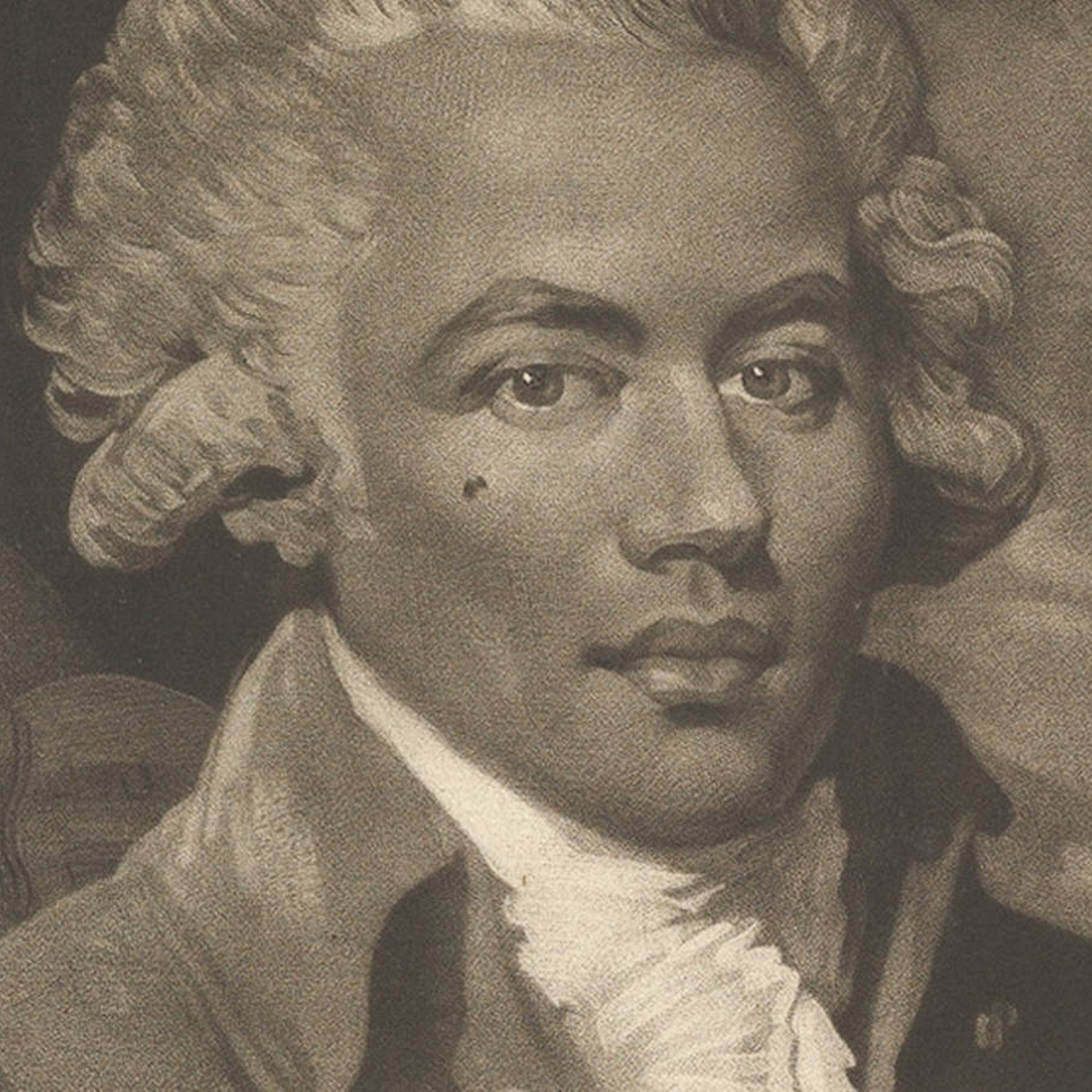
Timeline: Chevalier, reintroducing a Black genius
Oct 6, 202300:04:05Tap to summarizeJoseph Bologne, Chevalier de Saint-Georges was an 18th Century French composer, violinist and conductor of mixed race. Why was this talented individual, who was quite well known in his day, all but forgotten in ours?
Transcribe →Julius Eastman - Complete Series
Jan 31, 202300:39:43Tap to summarizeTimeline from Vermont Public Classical presents the ten-part series about composer Julius Eastman as one complete podcast episode. Explore the life and legacy of this amazingly talented composer/performer who died penniless and homeless in 1990, but whose work is finally getting the attention it deserves today.
Transcribe →Julius Eastman Part 10 - The Holy Presence
Jan 13, 202300:05:07Tap to summarizeThis is our final episode in our ten-part series on the life, music and legacy of composer Julius Eastman. Over the course of ten episodes, we’ve talked about art, race, sexuality, expression, and who gets to be in the classical canon. As we wrap up this discussion we remember Julius Eastman separate from his musical legacy, Eastman the person. And hear some stories told by the people who knew him.
Transcribe →Julius Eastman Part 9 - Righting the Canon
Jan 9, 202300:05:21Tap to summarizeThis is part nine of our ten part series on composer Julius Eastman. The Classical canon is a collection of pieces that are the most often played and studied; sort of like the greatest hits of classical music. It’s a curated list of quote/unquote “important” pieces, composers and works. This curation started in the 19th century and the list heavily favors white, European men. In this episode we'll talk about righting the canon by making room for more diverse voices and composers.
Transcribe →Julius Eastman Part 8 - Songbooks
Dec 19, 202200:04:40Tap to summarizeThis is part eight of our ten part series about Julius Eastman; a composer whose work has been experiencing a renaissance lately as a new generation is discovering his individual musical style.
Transcribe →Julius Eastman Part 7 - What's in a name?
Dec 12, 202200:05:15Tap to summarizeThis is the seventh of our ten part series about Julius Eastman; a composer whose work has been experiencing a renaissance lately as a new generation is discovering his individual musical style. In this episode we'll discuss the way that Eastman chose to title his works and push the boundaries of classical music.
Transcribe →