← To My Sisters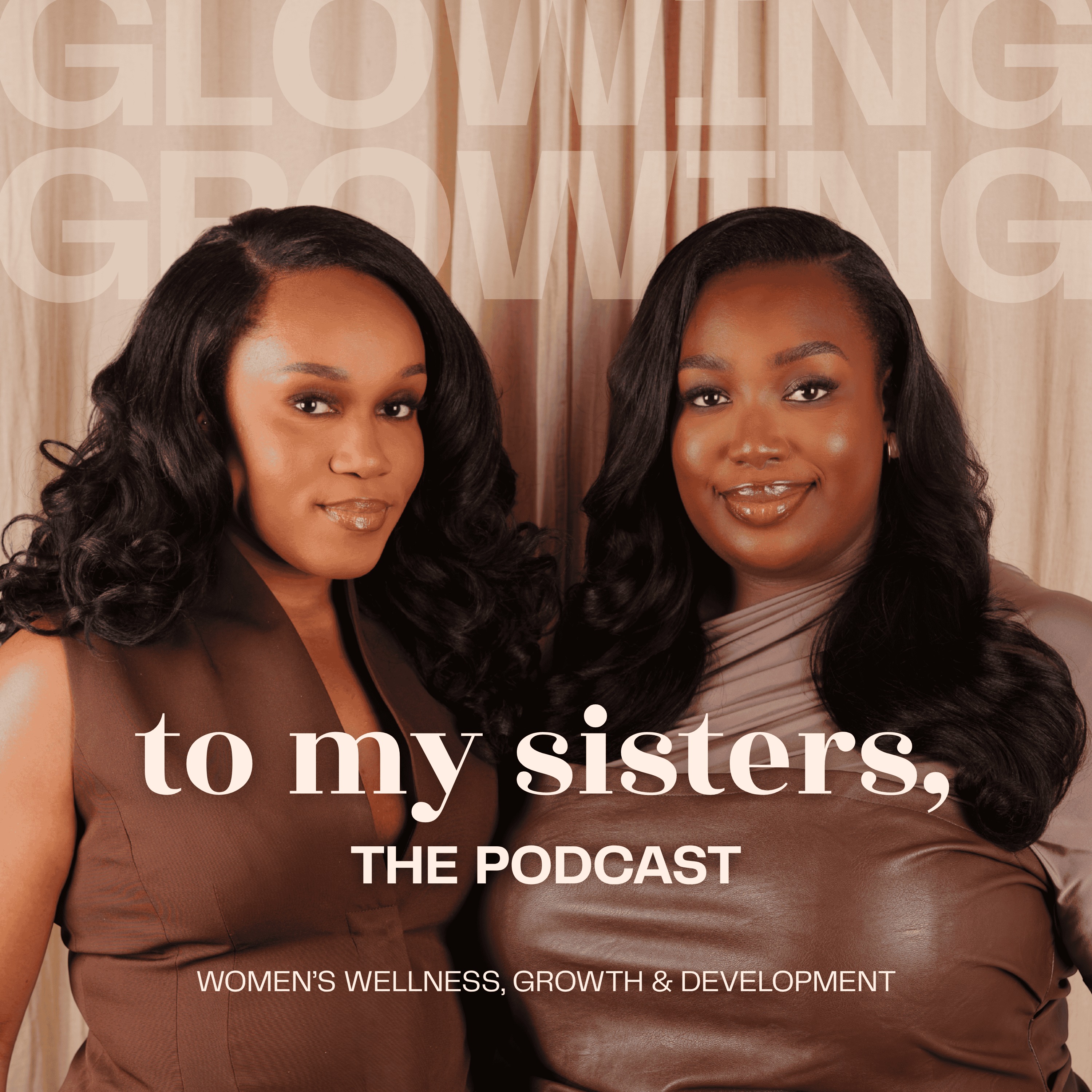
Loading summary
Transcript135 lines
- [00:00]
Farnoosh Tarabi
Hi, this is Farnoosh Tarabi from so Money with Farnoosh Tarabi. And today I want to talk to you about Boost Mobile. Quick money tip. Stop paying a carrier tax. If your phone bill feels trapped in a pricey plan, this is your sign to unlock savings. Boost Mobile helps you reset your spending. With the $25 Unlimited Forever plan, you can bring your own phone, pay $25 and get unlimited wireless forever. And that simple switch can unlock up to $600 in savings a year. And that's money you could put towards paying down debt, investing or something that actually brings you joy. Those savings are based on average annual single line payment of AT&T Verizon and T Mobile customers, compared to 12 months on the Boost Mobile Unlimited plan as of January 2026. For full offer details, visit boostmobile.com
- [00:52]
Mimi Kuffour
the financial system really was never built with women in mind.
- [00:56]
Courtney
I go deeper.
- [00:56]
Mimi Kuffour
Okay. Yes. I felt so unfairly treated because I felt like I wasn't given the support and they were looking for a scapegoat to pin it on.
- [01:04]
Courtney
You really know your stuff. Like even from just that, like the way you've told your story, I think it's very clear that you know this world.
- [01:11]
Mimi Kuffour
You have to really dig deep into yourself to not allow yourself to be dragged into a dark place. Well, I love that. At what point were women even allowed to vote, go to the bank, open a bank account on their own without their husband?
- [01:25]
Courtney
I wanted to kind of delve more into the crypto side of things.
- [01:27]
Mimi Kuffour
Sure.
- [01:28]
Courtney
I think like you were saying, crypto is just fate. Don't risk any money that you're not willing to lose.
- [01:33]
Mimi Kuffour
Yeah, right.
- [01:34]
Courtney
Crypto had dipped so much after like a huge surge.
- [01:37]
Mimi Kuffour
Maybe the problem is you. Maybe you need to go figure yourself out. You heard it here first.
- [01:41]
Courtney
Not this one.
- [01:42]
Mimi Kuffour
No, this one.
- [01:43]
Renee
She moving. Hello and welcome to the To My Sisters podcast. I'm Renee.
- [01:49]
Courtney
I'm Courtney.
- [01:50]
Mimi Kuffour
And I'm Mimi.
- [01:51]
Courtney
And we are your online sisters and hosts of the To My Sisters podcast.
- [01:55]
Renee
Now we are all about promoting the wellness, growth and development of a community of sisters across the the world.
- [02:00]
Courtney
And in today's episode, we are going to be talking with the wonderful Mimi Kufu. You are a woman of many exceptional talents.
- [02:10]
Mimi Kuffour
That's right.
- [02:11]
Courtney
But it would be amazing if you could introduce yourself to us.
- [02:15]
Renee
Sure.
- [02:16]
Mimi Kuffour
So my name is Nini Kuffour. I am Ghanaian by heritage and I currently live between London and Accra. I am also currently the global COO of a company called Coincoin and the CEO of The company branch in Ghana. So it's basically a digital assets exchange, primarily focused on Africa. So that's what I do as my day job.
- [02:44]
Courtney
Nice. I mean, what's your evening drive?
- [02:47]
Mimi Kuffour
You're going to have to pay me for that.
- [02:51]
Courtney
We are so honored to have you on the podcast. Podcast. Thank you so much. This season of our podcast, we are focused on some grown woman stuff. Yeah. And you are doing some grown woman stuff. And this episode we're going to be talking about all things finance, getting comfortable, investing, being a leading lady in Africa, and growing in your career as a financial leader within the continent. Because it very different. It's a different cultural landscape.
- [03:17]
Mimi Kuffour
Yeah.
- [03:17]
Courtney
So could you tell us a bit about how you got started? Started in this career bar.
- [03:21]
Mimi Kuffour
So I would say I started my journey many, many moons ago, but I studied financial economics at university, graduated with a first and realized, you know, I had a. I was good at business studies and economics and that's kind of where my passion was taking me. So I joined an investment bank at the time and, you know, kind of did my time there. But then I very quickly realized I was more interested in the sort of regulation and compliance side of things. So I spent many years in the chief risk office doing a lot of regulations for the banks, capital adequacy, stress testing. So, yeah, I got a really good overview of how capital moves, how institutions work. And then Covid came and I was like, right, you know, what next? What do I want to do next? And so I joined Meta, which is a technology firm, as everyone knows.
- [04:13]
Renee
Girl, we know Meta. Yeah, dropping it in there.
- [04:17]
Courtney
We know Meta.
- [04:20]
Mimi Kuffour
It was actually called Facebook at the time. There was so much, and there's so much secrecy with the name change. No one knew about it. So that was all unveiled as I was there. But I mean, it was such an interesting time to join Meta. We were just coming out of the lockdown, but I was, you know, driving and leading a lot of interesting sort of big data governance projects there. And then, you know, I unfortunately got caught up in their layoffs. So they did like a couple of rounds and eventually God was like, it's time for you to leave, girls. Time. So a friend of mine had started a crypto business and I think at the time digital assets was just picking up in Africa. So I could see where the trajectory was going in terms of growth in Africa and really just the real kind of adoptions. So Nigeria was at the time the second largest adopters of crypto globally after India. And that's like really telling you a lot. So I really kind of realized, okay, this is kind of where things are going. And I've always wanted to kind of work, work back home, move back home, back to Ghana. So it was just, I guess, a natural opportunity fit for me to then kind of, you know, leap into, into crypto. I mean, obviously I have a background in traditional finance, so I kind of understand how money works, moves. So it wasn't like, you know, a huge difference. It was kind of more just a pivot in terms of, you know, the next career move where things were moving just even across the world. You know, during COVID I mean, money has always kind of been digital, but during COVID like, nowhere was accepting cash really. So it was kind of, I guess the next layer and step to digital money really isn't it? And you know, at the time, crypto was a taboo. It was very unsexy. You know, everyone was like, it's a scam, don't do it. Or, you know, you had the crypto bros going, no, buy now. You know, and it was just so confusing for everyone. So I think I really joined at a pivotal time when people were still, it was still kind of picking up. I mean, obviously in Nigeria, people were using it left, right and center. You had the whole Binance scandal where they went into Nigeria and then they got kicked out and then crypto was banned in Nigeria. But, you know, since then, the regulatory landscape has really picked up, up. You know, South Africa is leading in terms of regulatory frameworks. You've got frameworks in Kenya, Nigeria, Ghana, Rwanda's emerging. Mauritius and Botswana have been one of the oldest sort of frameworks to exist around digital assets. And I believe Tanzania and Namibia will follow soon as well. So the continent really is picking up and there's a real need for us because remittance costs are high. You know, when you're sending that $100 back to your mother, inflation, just FX fluctuations across different countries. Me sending money to Ivory coast or even trying to even buy something in Nigeria is always such a nightmare. And I think digital assets really presents the opportunity for us to remove that friction, to really have a borderless Africa. I'm very much a sort of Pan African visionary. You know, like our, our leader Kwame Nkrumah was, you know, Gaddafi and many others. But really that's, that's the vision of the company. Coincoin is really to just have a borderless Africa and a borderless world when it, especially when it comes to financial infrastructure and wealth inclusion and like wealth creation and financial inclusion.
- [07:54]
Courtney
Basically, it's stunning as amazing. I mean, you, you really know your stuff. Like even from just that, like the way you've told your story, I think it's very clear that you know this world, you know what you are doing, and even the future of this financial space. Right. But my question is going back to graduating with your first class, right. Knowing that, okay, I want to move in finance. As a young woman moving into the financial industry, where it's kind of known as being male dominated, very fast place, very cutthroat. How did you find your footing in that landscape?
- [08:30]
Mimi Kuffour
So that's an interesting question. I think it was difficult as it always would be in the west, maybe not as bad because, you know, there's always been a push for women to be, you know, there's been a diversity push generally for black people and for women generally. So it hasn't been like, super hasn't been that bad in the sense of, you know, I feel like I wasn't able to make it, but I think there had there for me, there was a lot of intentionality in my career choices. You know, when I joined Credit Suisse at the time, after university, I was supporting a trader on the trading floor. And that's very male dominant. And you know, you have, you know, the, some of the traders looking at you sideways if you're wearing something a little short or if you're wearing something a little tight. So you have all those things. But I think you have to be really intentional about what you want to portray and how you want to kind of the impact you want to have. So, you know, you, you kind of just have to optimize for impact as opposed to safety. And I realized very early on that you have to advocate for yourself. You know, you have to. And I think initially I didn't, I didn't do that and I didn't have that, you know, But I realized actually my Caucasian counterparts were doing it. They were singing from the rooftop about all the wonderful work they were doing. And I was just sitting quietly, just getting on with it, and I realized you really have to self advocate, especially for women. You really have to be, you have to have that technical credibility and carve a niche for yourself, like be a subject matter expert, really know your stuff so that you have that sort of technical credibility. No one can come to you and, you know, try and knock you down by saying you don't know what you're saying. So I think that's also important, but also just finding people who can champion you within the workplace, mentors especially men who, you know, are big on championing women. I think it's important to have someone who's really, you know, who can really push you and believes in you. And I think the manager I had at the time was very, he, he really believed in equal opportunities. So he didn't, you know, there was no favoritism in terms of, you know, women versus men or men versus women. So he really championed all of us really to just get ahead. And if there were opportunities that we wanted to explore, he was very supportive. So I would say as a woman in a sort of male dominant workspace, find your allegiances, alliances with men. You know, you have to carve out your own space, make, you know, because sometimes you're not going to be invited to the boys drinks or the golf courses and you know, all of that stuff, you know, you have to create. Yeah, you have to create your own. Yeah, the boys club. You have to create your own network and you know, find a mentor who's going to be upfront and straight with you and just make decisions, intentionally map out where you see yourself in 5 years time and look at people who have done it, you know, and try and figure out how or what the best way is to do it. And you know, I've pivoted so many times, you know, so yeah, I've been fired from jobs. My contract has ended and they've not renewed it for whatever reason. So, you know, I feel like every knock or every blow has just made me more resilient, has definitely not taken the wind out of my sails. I was like, no, you're not, you're not going to hold me down. There's more out there for me. I think you also have to have that self belief, you know, whether that comes from your spirituality, religion, your family, your friends, you just, you really have to believe in yourself, you know, you have to have that confidence and if you don't have it, figure it out. They could see you make it. Read some confidence books, upskill, like try and get those skills that just build your confidence, build your self worth and your self value because everyone has value, you know. And you know, I know it's hard sometimes you come from a traumatic background and it's hard to kind of break free from some of those things that hold us back. But you have to truly believe in yourself, your value, your abilities and just knowing that, you know, you've, you've kind of, you've got that credibility in whatever you're doing, be, be the best at it. I think that's so no one can come and, you know, say, oh, you didn't do this properly, or you don't know what you're talking about. And I think as a woman, it's even more important. You know, there's a lot of, like, just policing even our tone. And it's like, oh, you sound a bit aggressive, you know, and it's like, no, I'm just assertive. Thank you. I'm not aggressive. Because, yeah, the tables were turned and it was a man, though they wouldn't say he's aggressive. They'll just be like, oh, he just wants it this way. And for women, there's all that, you know, policing our tone, you know, And I think even back home in Africa, because of the cultural sort of differences in terms of how traditional it is, and it's more hierarchy driven, you have to be very careful with that. You have to read the room, you have to understand whose presence you're in before you even react or speak. You know, you really have to be careful. But I think that's just something you learn as you go along the way. There's subtle ways of being influential without rubbing anyone up the wrong way. You can still be respectful and get your own way. You know, you can. People can be like, oh, you go to a boardroom and it's full of men and they're like, oh, yeah, I'll have tea and coffee, please. And then you can simply just. You can simply find the person who actually is the one making the teaser and just pass the message on. And, you know, there's subtle ways to, you know, still be powerful without being seen as abrasive or aggressive as they, as they say, you know, because I think ultimately your emotional intelligence, your femininity, those actually, those are your tools, your leadership tools, your skills. You know, people want to engage with you because you are human. You have that humane side of you. They don't. You know, I personally don't like leaders who lead with distance and ego. I don't. I want someone who's accessible. I'm not saying I'll be able to, you know, access everyone, but to some extent, at some point in your career, you do want to understand what you, you know, if you are a leader, you want to understand what the, you know, the people below you or your sport and its need and, you know, all that kind of thing. So you really have to be accessible to some degree. And you can't, you know, I can't really lead with ego. Yes. You just have to understand. I think for me because the goal of our business is really financial inclusion, wealth creation. I've got to get down to the roots. I've got to understand what the business need is, what people are actually looking for, and connect with people. So for me, I'm really big on human connection. I think that's really what kind of holds the world together, the fabric of our society.
- [15:22]
Renee
Yeah, that's stunning. I love what you were saying about advocating for yourself. I think there's so many women that are probably even listening.
- [15:29]
Mimi Kuffour
Yeah.
- [15:30]
Renee
I know that this is a topic of conversation that between myself and Courtney, we have frequently.
- [15:34]
Mimi Kuffour
Right.
- [15:34]
Renee
Just finding spaces and opportunities to advocate for yourself and feeling confident to articulate either a need or articulate your thoughts and opinions in a way that you believe that it will be listened to or heard. And I think just finding more opportunities to practice advocating for yourself seems to be one of the biggest steps that women can take to really getting to that place that you mentioned. I think it's also interesting that you mentioned human connection.
- [16:02]
Mimi Kuffour
People.
- [16:03]
Renee
We've been speaking a lot about career and just operating in that space based off of mentorship and that kind of stuff. But I would love to know what is Nimi's support system behind the scenes, you know what I mean, in terms of what does it look like to build that confidence, build that advocacy? Who are the people that are advocating for you? And how do you build those meaningful relationships behind the scenes that then propel you to such success, you know, in. In the boardroom and beyond?
- [16:33]
Mimi Kuffour
Yeah. I would say, if I'm being honest, I'm the last born. Oh, wow.
- [16:40]
Courtney
You don't give last energy at all.
- [16:41]
Renee
Not even a little.
- [16:42]
Mimi Kuffour
So I'm a little delusional about my self worth. That's where you get it from. Okay, I get it wrong. No, no, I'm joking. No. But I think like being the last born, you've all. I've always been allowed to be myself. I've always been the, you know, super, like, mouthy one and the one who do speak up without my parents, you know, berating me. So I've had that advantage. But of course, my family have also played a huge part in terms of my support system. My mother especially is a very strong woman. As you know, Ghanaian men are very Ghanaian women. Sorry. Very. You know, about the name. But my mom was. She sort of started making clothes on her own when she was younger and she kind of developed the passion for fashion. So she furthered that when we lived in New York, Manhattan, because my dad was a diplomat. So we Lived there as I was growing up. And she went to fashion school, and she just kind of developed her business off the back of that. You know, being a diplomat's wife, she wasn't really technically allowed to work, so she kind of had her own side business, and that was hugely successful for her. And my sister as well, she's like the mother hen, you know, after my mom. So there are two women that I really look up to in my life. They've, you know, just been such strong driving forces in my life. You know, my sister is extremely patient now where she gets it, but I'm slowly learning the art of patience in life. So, yeah, I have really strong pillars in my life when it comes to support. And my brother Kwaku, as well, is very, very supportive. And he's just like a listening ear for me or a sounding board. So I would say my family and then, you know, my friends. I have a great, great group of female friends. I even had. I had one friend here today, Tanya, who came to support me doing behind the scenes.
- [18:42]
Courtney
God, she was singing your praises when wearing hair and makeup. She's so amazing. She just knows her stuff. That's a good friend.
- [18:48]
Mimi Kuffour
Yeah. No, no. So we. We really have a. A very supportive group. I'm not going to say what the group is called on WhatsApp.
- [18:58]
Courtney
Keep in the reach out.
- [18:59]
Mimi Kuffour
Yeah. But we have a. I have a really strong and closely knit group of female friends who kind of keep me grounded. You know, if I am going wrong, they will check me instantly and just tell me the truth. And I think that's important. I think it's good to surround yourself by people who are singing your praises, but also able to give you constructive criticism because that's the only way you're going to learn and grow. You know, no one's perfect. No one's an island. You have to learn from your mistakes. You have to grow. And, you know, just know that there are better days ahead. You know, you might have one day that knocks you down. You might not feel great, but, you know, you're human. Those days are meant to happen. And it's meant to, you know, make you stronger, meant to grow you. And, you know, just hopefully those. If you have that kind of support system, it. It really just makes you feel like, okay, I can. I can do whatever it is I put my mind to, you know, and I think we just need to give ourselves grace. We were human after all. You know, it's. Sometimes you go down one path and you realize, actually, okay, this isn't for me, you just gotta pivot, accept that. Okay? There's something else better out there. And I must say, like, I know sometimes it sounds like airy fairy, philosophical, like nonsense, but I truly believe, like, what is meant for you will always be for you. Like the nothing, it will never miss you. So for me, when doors have closed, even though at the time it was devastating and like, what is going on, I realized an even better door has opened, you know, without even me realizing it at the time. So I've kind of lived life in that sort of on that basis, knowing, like, what's meant for me will never miss me. And if one door closes, there's a, there's a. Yeah, another door is ready, just waiting for me to jump in.
- [20:49]
Courtney
So I do dig a bit deeper.
- [20:52]
Mimi Kuffour
Sure.
- [20:52]
Courtney
Because I think there's something quite analogous here with digital assets and investing in crypto. Right. Because I cast my mind back to 2020 when everyone was like, crypto is a scam. And it was mainly because crypto had dipped so much after like a huge surge.
- [21:06]
Renee
Right.
- [21:07]
Courtney
Or this is around 2021, after a huge surge, it just dipped so much. Right. And I think what you're saying about sometimes we make mistakes, sometimes we get knocked down or knocked back, and suddenly this thing you realize, like, you need to pivot. I think it's like that in investing as well, where it's like, okay, what does these moments of the diplomatic kind of teach me about myself and about my investment in myself? So I wanted to kind of dig a bit deeper into you. Sure. And what you were saying about, like, having that anchor for your confidence, has there ever been a time where you have experienced this massive kind of dip or disappointment or drop in your life where you're like, okay, I, I know I need to pivot, but maybe it was a. Not to your confidence. Maybe it did feel like a mistake. Mistake. How did you bounce back from there? Because we, we all know crypto charts go like this. So how did you find, did you, how did you bounce back from that moment of a dip in your life?
- [22:01]
Mimi Kuffour
I mean, so there was a time when I was working with this financial consultancy and I was put on this project. I wasn't given much support at all. And at the end of my probation, I had just joined. So at the end of my six month probation or however long it was, they were like, you know, we just don't think you've performed, you haven't done well enough and we're just gonna let you go. And I was like, sorry, but do you know that I've got a first class degree and like I've been working in finance for like five or six years now. Like, this doesn't make any sense. You're like making the wrong decision. And I felt, I felt so unfairly treated because I felt like I wasn't given the support and they were just looking for a scapegoat to pin it on because the project had slightly gone wonky and they, they didn't do what was necessary to make sure they didn't put enough leadership on it to make sure that it was successfully run. So I was obviously the scapegoat. So I was really, really annoyed. But it still did dent my confidence because I, I then was, I started to second guess myself. I was like, it wasn't me. Maybe my work is bad, maybe I am crap, you know, So I was second guessing myself. But you know, I kind of just had to pick myself up. You know, I cried a bit, but you know, the next, after a few days I was like, right, okay, I've got to find another job because these bills are not going to pay them. So I then interviewed with a different consultancy and the woman was from South Africa and she just loved me. She just, we just hit it off like a house on fire. And you know, she hired me and the role that I was put into, I was there for like over two and a half years. The, the, the, the people that I was working with on that project even wanted, wanted to have me on permanently. So for me that was testament that, okay, there's some people who just don't see your value and never will. And sometimes you are just a scapegoat. Let's be honest, I do think a lot of black people go through that, unfortunately, and women as well. So it is hard. Don't get me wrong. I think you have to really dig deep into yourself to not allow yourself to be dragged into a dark place. Yeah, admittedly after three days of being depressed, I am just like, I need some sunshine. I need, like for me personally, this is just my personality. I don't think I can be down and sad for too long. You know, after a few days I'm like, okay, I just, I need to go shopping or I need to do something. But I think you have to find a pick me up and you have to find friends who will pick you up, who will come knocking at your door. And even if that is the case, you know, even if you've been depressed for two months, they'll come knocking at your door. They'll pull you out, they'll pull you out of that, you know, that pit. And I think it's important to, as I said, have that support system, have those friends who really, truly like both of you, like really truly have your back. Like, I'm not leaving till you come out this house. You are going to take a shower, you're going to do it, you're going to eat, you know, just really take care of you. You have to have friends that are family. I think it's, it's really important when. Because we're not an island, you know, we cannot, we're. We cannot live on our own. You, you need people. And if you think you don't need people, you're deceiving yourself. You're really in denial. So maybe the problem is you. So maybe you need to go figure yourself out.
- [25:15]
Courtney
You heard it here first. Yeah, this is, I think that's, I think that's it. One. I think that's one. Yeah, that is, that's what I would say.
- [25:23]
Mimi Kuffour
Yeah. Yeah, that is, it's tough, but I think, you know, just have that support system and do what you have to do to pick yourself up. If it's shopping, I mean, you know, don't go and buy designer stuff if you don't have the money, if it's a coffee a day that you need to make you smile, if you need sunshine, maybe go on a little holiday, pick up new habits, journal, hobbies, you know, just to keep yourself, keep your mind occupied. Yeah. Because the less you do, the more you're gonna like sink into your thoughts and the dark thoughts will start to form. So read a book, you know, watch tv, whatever, whatever it is that makes you happy, you have to double down on that. Yeah. And you know, if it's more severe than that, you, you should seek like professional help. Of course. Go to gp, counselor, psychologist, whatever it is. I think you have to. Again, back to the self advocacy. You have to push yourself to do it. You know, it's. Now, of course, it's more acceptable, but 10 years ago, seeing a counselor or whatever, you wouldn't admit that to anyone. Right. But now it's like, you know, mental
- [26:23]
Renee
health, we're getting self satisfied.
- [26:25]
Mimi Kuffour
I'm glad, I'm glad. The narrative has shifted.
- [26:28]
Courtney
I love that.
- [26:29]
Mimi Kuffour
Oh, I love that.
- [26:31]
Renee
No, honestly, thank you for sharing and actually piggybacking off. I hate to use that term so badly because I feel like it's one of them things that people always use. Cling back.
- [26:42]
Mimi Kuffour
If you cushion like bacon.
- [26:45]
Renee
I love bacon. So anything. But coming back to your point around investing and the reality of the dip, I love what you were saying around again, self advocacy, but also finding your pick me up. I think sometimes as women we have a bad reputation for being risk averse and I think the work that you do is inherently risky. You have to pick your moments, pick your opportunities and kind of go with it. Right. And I think the fact that you're also doing a lot of investment and a lot of working emerging markets. Right. In all of these wonderful places in Africa which whilst you were lifting them off, I was like, oh, investment opportunities there, there.
- [27:24]
Mimi Kuffour
Let me make sure I've got it
- [27:25]
Renee
in my notebook that said that this place. So to the women that are listening, that are risk averse, the women that you know, want to do scary, risky things, how do you get into that mindset of accepting and overcoming risk? So what were before you kind of like got into all of these opportunities or of course you had to make the decision that I'm going to jump and do this.
- [27:47]
Mimi Kuffour
Right.
- [27:48]
Renee
What kind of mindset did you have to get into in order to feel maybe not comfortable, but at least give yourself permission to be able to jump. Jump in.
- [27:57]
Mimi Kuffour
Jump in. Yeah. First and foremost I want to say that the financial system really was never built with women in mind. I mean, a lot deeper. Okay, yes. No, I mean at what point did were women even allowed to vote? Go to the bank, open a bank account on their own without their husband? Like it was never built for us in mind and so we are left out of the conversation. And I think that's how it was meant to be. That's how it was designed. Right. So we're naturally risk averse and because typically from a traditional setup or a standpoint, the man is a breadwinner. So what you don't need to know about money, you don't need to know about anything.
- [28:34]
Courtney
That's till he passes away and you're
- [28:36]
Mimi Kuffour
left with the bills. Yeah, exactly. So, you know, things have really changed. So I don't think anyone should be feel bad or uncomfortable about not knowing enough about their finances or investments. I obviously studied financial economics, so it's slightly different for me. But I think in sort of any investment you should start small. You should only risk the amount of money you're willing to lose. And I say that like I would really want to amplify that because don't go in thinking I'm going to get rich tomorrow. Crypto is going up, I'm going to invest 10k and that's all your savings. Don't do that. Start small. You can invest $10 a month, $10 a day, a dollar a day, or pounds, however, whatever the currency is that you're investing. So always start small. Do your research, find people who you can follow that are, you know, they obviously have the credentials to be able to advise you in terms of, you know, what investments to make. Look at your, you have to come up with a strategy as well. Maybe you want to invest 20% of your income or 30% of your income and try and stick to that for at least a year and then see how your portfolio grows. And, you know, after a few months you can always reassess and see how well it's doing. And everyone has an investment goal in mind. Some people want to invest long term, some people want quick wins, which is obviously a lot riskier. But I think if you do your research, understand the assets that you're actually investing in, then at least you kind of know what goals to have in mind and your strategy. There are a lot of women out there today who advise on pensions, advise on investments. So there's a wealth of knowledge. Like anyone who says they can't find anyone, that's just simply not true. Even if you go onto AI, ChatGPT will tell you what to invest in. So there's a wealth of knowledge out there. But I think find people within your, your friendship circle as well, people who could introduce you to, you know, women who advise on investments or invest themselves and then, you know, speak to them. Just get some, you know, advice, informal advice from them before you actually commit yourself. But I would say just start small and don't be in a rush, you know.
- [30:57]
Farnoosh Tarabi
Hi, this is Farnoosh Tarabi from so Money with Farnoosh Tarabi. And today I want to talk to you about Boost Mobile Quick Money Tip Stop paying carrier tax. If your phone bill feels trapped in a pricey plan, this is your sign to unlock savings. Boost Mobile helps you reset your spending. With the $25 Unlimited Forever plan, you can bring your own phone, pay $25 and get unlimited wireless forever. And that simple switch can unlock up to $600 in savings a year. That's money you could put towards paying down debt, investing or something that actually brings you joy. Those savings are based on average annual single line payment of AT&T Verizon and T Mobile customers, compared to 12 months on the Boost Mobile Unlimited plan as of January 2026. For full offer details, visit boostmobile.com taking
- [31:47]
Mimi Kuffour
care of your eyes shouldn't be a Hassle. That's why Warby Parker is a one stop shop for all your vision needs. Our prescription glasses and sunglasses are expertly crafted and unexpectedly affordable.
- [31:59]
Farnoosh Tarabi
Stop by a nearby store or use our app to virtually try on frames and get personalized recommendations. Did we mention we offer eye exams
- [32:06]
Mimi Kuffour
and take vision insurance too? For everything you need to see, head to your nearest Warby Parker store or visit warbyparker.com today. That's warbyparker.com have a, have a very measured risk appetite. Don't be, you know, oh, I'm just going to put 10,000, you know, into this and into that and then because the thing is also you can have a strategy but then the world will go crazy. I mean, look at the war in Iran. Like no one could, you know, foresaw that. Well, we kind of did, but you know, not as quickly as this. You know, and now airlines are not flying to Dubai. If you had invested in an airline stock, you know, or things like that, like there's that, all that exposure even during COVID you know, all the stocks dipped and then they went back up. So you can't really account for things like that. So I think like you should just invest small. Know the risks you're taking, know what you're investing in as well. Whatever companies you decide to pick for whatever reason, I would say no, you know, keep up to date with them if you're doing it more of a long term strategy. There are also a lot of companies that sell stocks and equities and they have like, I guess asset management services as well. I mean obviously they charge you a little bit more. But you can also seek like the wealth advisors, wealth investors. There's so many people on Instagram and you know, obviously be careful who you follow. Yeah, but take it with a pinch of salt. But you know, there's so many resources online. But yeah, just invest small, especially with crypto, just, you know, even if it's a hundred hundred pounds a month, just do that and see how you get on for two or three months and then you can slowly, slowly increase that. But of course you have to realize that the market has a mind of its own also. And no one controls that in a sense. So sometimes things, the market's down and you're naturally just going to lose money. So you have to take that, take that into account. But you know, there are other kind of more stable investments maybe like real estate, things like that that don't fluctuate as much as stocks and other investments like crypto. So those can be quite volatile, because then when the market's up, it's up. When the market's down, it's down. But I mean, real estate, to some extent, you know, similarly, but probably less so. So they're more stable assets that you can invest in as well. But you just do your research. I would say.
- [34:30]
Courtney
Yeah, I wanted to kind of delve more into the crypto side of this.
- [34:33]
Mimi Kuffour
Sure.
- [34:33]
Courtney
Because I think, like you were saying, there was that period where everyone's like, crypto is just fake. Like, it just is just a scam. Like, it's the concept of this digital money that everyone now puts their belief in, and suddenly it converts into real money. And I remember I made my first crypto investment in 2021, and I saw that thing tank so deeply. Oh, my God, thank God that I followed that, like, initial thing you said around. Don't risk any money that you're not willing to lose.
- [35:02]
Mimi Kuffour
Yeah, right. But.
- [35:03]
Courtney
And I was able to hold on to that for four years, and then I saw it skyrocketing.
- [35:08]
Mimi Kuffour
Right.
- [35:09]
Courtney
So it was a huge, huge, huge win for me. But I think to myself, around demystifying crypto and women who may think, like, okay, I'm getting into this, you know, investing thing, but really and truly, like, is this a scam? You know, or is this actually something? Is this where the future is going? Like, yeah, you hear bitcoin, and it feels like such a hot topic. But if this is actually where the future is going, then we need women to be in that boat so that they arrive at the future. Well. Right. So what would you say to the woman who's like, crypto, Should I really get into it? Shouldn't I? How did they kind of begin to get more confident with this idea of digital assets?
- [35:48]
Mimi Kuffour
I would say, again, do your research, because if you understand the fundamentals and the foundation of what actually crypto is, what cryptocurrencies are, you understand the underlying, I guess, premise behind it and how it actually works and functions. Okay, break that down. So digital assets are basically. It's digital money, but it's built on a blockchain, and it's secured by cryptography, which is actually used by the U.S. security Agency. So it's kind of like a secret puzzle of words that basically adds on to every transaction or block or chain on the blockchain. So it's a very secure way of, I guess, securing money. It's been used for decades, basically. So it's secure. So that is basically the foundation of any sort of cryptocurrency. Being built on the blockchain. But I think you have to look at. You have to understand the blockchain. And it's basically just a public ledger, which is immutable, meaning it cannot be changed, it cannot be reversed, it's permanent. And so it's basically the blockchain is just a network of computers communicating with each other to say, actually, I want to send $1 to Rene. Then it kind of asks you, does Renee have $1 to send to Amma and can Amma receive that dollar? And that's basically what the blockchain does. So when it secures that transaction, it's then permanent, so you then can't reverse it, you can't come out of it. I often describe blockchain as like a SUSU group. If you're of West African descent, you understand it's like a community savings group where everyone kind of pitches in, you write down what you've put in, everyone sees it, no one can change it, and everyone knows exactly who's done what and who's doing what. And that's basically a public ledger. Everyone can see it, it's transparent, it's secure, it's permanent. It's basically several different computers solving a puzzle and securing that transaction and then adding onto the block, which is what is called blockchain. So every transaction then becomes a new block, and then it keeps going, and then it keeps going and keeps going. And so that's kind of at a very basic level, without confusing anyone what it is, which is what makes it so secure. Because, you know, with your bank, with a traditional banking system, firstly, they can print more money. The one reason why bitcoin is compared to digital or considered or called digital gold, is because only 21 million coins will ever be mined, which means it has a scarcity element which is similar to gold. You know, gold is considered scarce, a scarce resource, so that's why it's often called digital gold. But because of that, it is probably the most secure because no more can be minted. You're not, it's not. You know, the government prints money all the time. Quantitative easing. When you know things are not going well in the economy, they just pump. They just print more money. Pump the economy with money. And then you kind of think, oh, there's more money in the system, but that just causes inflation. So it's not. It's not great. And inflation just degrades your money. You don't have more money, but the value of your money just diminishes because the price has now gone up from 100 to 200 and your salary probably hasn't gone up. Yeah, exactly. So I think when it comes to sort of looking at blockchain and cryptocurrencies, do your research, understand the fundamentals, understand what blockchain actually is, understand how it works, why it's even called a cryptocurrency, what a digital asset is. There's just so many resources in terms of like crypto101 or blockchain101 that everyone can learn. And actually it's quite simple. And I don't think you need to get into the real technicalities of how it's mined. From a soft software engineering perspective, I don't mind Bitcoin or any of that stuff, but, you know, from a what is money? Perspective, I think anyone should be able to grasp it. It's a bit like mobile money back in Africa, you know, it's a simple, I want to send you money, you want to receive money. That's literally what, you know, any sort of digital asset is. It's basically a digital form of a currency or a digital form of a real world, real world asset, like real estate or art or whatever it is. So. Yeah, yeah.
- [40:19]
Courtney
And why do you feel like it's important for women to get comfortable with the idea of digital assets at this point in history? Because of how things are changing in the world.
- [40:29]
Mimi Kuffour
I think it gives you that freedom and independence. You know, as a woman, you don't like traditional banks, they'll freeze your account if they want to. If you do something funny that they, they, they don't understand, even if it's not dodgy or whatever, they will just freeze your account. I think with crypto there's that freedom and that independence. Of course, once you understand it, don't go in blindly and make sure the platform that you're buying or selling crypto on is regulated so that there's some element of security there for you. You can call the customer service or whatever it is, but I think with anything, you have to be careful about what you're investing in and just make sure it's on a regulated platform. But I think crypto just gives you that, that sort of independence to kind of have your own money, know that no one's going to come take it away from you. You can, you know, you can, you can access it at any point in time. And I think as women, it just gives you that sort of confidence and knowing that this is where the future is. And, you know, the more I know about it, the more I'll be able to, to do things and especially for Africa, it just kind of where there's so many unbanked people, it gives them that access to the sort of financial rails that they need to be able to send money, to be able to trade, to be able to do things for themselves. And of course their regulations are catching up. So now if you do sign up to an exchange like the one I run, you have to be kyc. You'd have to have at least some form of identity to be able to transact on the platform. But I think, you know, eventually we'll get to a place, you know, because there are a lot of people in rural areas who maybe don't even have a passport, don't have an id, don't maybe don't even have a birth. They're probably quite old anyway, you know, at least in this day and age you'd expect them to have some form of id. So it gives you that ability to be included in the financial conversation, in creating your own financial future, you know, because it's, it's open to all, any, anyone you know who has an id. Whereas banks, you know, even certain financial instruments, they will look at your financial history, they'll be like, yeah, we don't think so. You don't qualify. Whereas crypto is in a place now that even your transactions on any given exchange can be looked at and assessed for whether they can even. You could even look, take a loan out based on your crypto, your transactional history. And similar to mobile money there I know there are a few companies that are basically looking at your transaction history on your mobile money statements because it's kind of like your bank account. Right. And offering credit based on that. And it's, you know, it's small loans, it's nothing big. It might be just to buy a phone or to invest in your business. Yeah, that. So I think for women it really just is the access and the financial inclusion and being able to take part. And crypto also gives you access to international markets to then, you know, exchange the money into a stablecoin which you know, can then be used to buy other, you know, transact internationally or you can basically send the money cross border and it just gives you just more access and it's just financial inclusion and wealth creation. Especially for women, you know.
- [43:56]
Courtney
Yeah, especially the freedom, the inclusion for women.
- [43:59]
Mimi Kuffour
Yeah.
- [44:00]
Courtney
If the future is digital, then we need to educate ourselves on how to be a part of it.
- [44:04]
Mimi Kuffour
Yeah, no, it's, it's, it's essential. I mean not just for women, just everyone. Yeah, everyone needs to. Even I want my mother to understand it. And my mom's like, yeah, just what. What should I do? Should I just invest in Bitcoin? Like, I'm like, calm down, calm down. You've seen dollar signs, See the dollar signs in your eyes. It's not. It's not a get rich quick scheme. And I think people need to also realize that there are people out there who can scam you. And if you invest in something you don't understand, someone will scam you because you don't know what they're doing. You don't really know what they're talking about, but you just hear money and you think, they're going to make me loads of money. If anything makes you loads of money in a very short space of time, it's too good to be true. Trust me. Being so just have your wits about you. You know, we all want to be millionaires, but doesn't happen in a day. Yeah, just. Just, you know, just, I think, be patient. Learn the ropes. Understand what you're investing in. I mean, it's like anything. If you go to. If there's a new shop that's opening, you'll do your research, you'll find out the opening times, you'll find out, you know, the prices, what you can buy, what you like in there. So why wouldn't you do that with money? You know, like, why wouldn't you do the research with your actually your hard earned cash? Because I know when there's a sample sale, I'm finding out opening times, I'm researching, I'm looking at what they're going to sell, what the price point is, you know, like all of that. So I think as women, we have to be a bit more savvy with investments and just kind of. And if you make a bad investment, you make a bad investment. People lose money all the time, yet sometimes you're not always going to get it right. And you shouldn't feel bad about that. Yeah.
- [45:44]
Renee
Thank you so much for that, Mimi. And we could listen to you talk forever, but unfortunately, we are coming towards
- [45:50]
Mimi Kuffour
the end of the conversation.
- [45:53]
Courtney
Boo for us.
- [45:54]
Renee
But before you go, we love to do a little quick fire thing with you. Called our glowing and growing check in.
- [46:00]
Courtney
Yeah.
- [46:01]
Renee
So very, very quick fire. I'm gonna start with the glow, and then I'll hand over to Courtney to talk about growing. What is one small luxury that you
- [46:08]
Mimi Kuffour
are loving right now? I would say it's hair perfume. So I was gifted some hair perfume.
- [46:16]
Courtney
Nice.
- [46:17]
Mimi Kuffour
And I didn't even realize it was a thing. Oh, yeah?
- [46:20]
Renee
Yeah.
- [46:21]
Mimi Kuffour
But now I don't have to spray my actual perfume on my hair, which has alcohol in it and can dry it. And I had no idea probably why my wigs are so dry.
- [46:29]
Courtney
Not this one.
- [46:30]
Renee
No.
- [46:30]
Mimi Kuffour
This one. Yeah.
- [46:31]
Renee
Is she moving?
- [46:34]
Mimi Kuffour
But that's. That's. I would say that's luxury, because, I mean, who puts perfume in their hair? Maybe the Egyptians, but, you know, we've come a long way.
- [46:40]
Courtney
And then my growing question is, what's one thing you're discovering about yourself in the season?
- [46:46]
Mimi Kuffour
I think I'm discovering just how important it is to be patient. Yeah. I am. I have zero patience. I'm not gonna lie. It's something I work on constantly, continually. I'm always like, breathe. Take time.
- [47:04]
Courtney
Take the time.
- [47:05]
Mimi Kuffour
You know, I'm very. I can be very reactive, and those are things that I'm working on. But I think, like, just being patient and sometimes just letting you know, being patient and letting things play out, even if you're. I think for me, there's the need to want to control the outcome.
- [47:22]
Renee
Yeah.
- [47:22]
Mimi Kuffour
So I'm always like, oh, I have to know. I have to know. I want to know. I want to. You know, and sometimes it's just. You should just be patient, and what's meant to happen will happen, and it'll all fall into place even better than you expected. So I'm learning that, you know, patience is really a superpower for anyone, and people who are patient are probably very well rewarded. I'm not one of them yet, but getting there.
- [47:48]
Renee
Work in progress.
- [47:51]
Courtney
Well, the last thing is, every guest on the two My Sisters Will podcast leaves a little tidbit with the sisterhood. So you have to start your statement off with to my sisters, and then insert anything you want the women listening to this to leave with, okay.
- [48:06]
Mimi Kuffour
To my sisters. Have unwavering belief in yourself. No one is going to write your story better than you. No one's going to sing your praises better than you. You are worth your weight in gold. You have value, and you should always run with that. And do not take no for an answer because someone's just being lazy. They don't want to do it. Just be resilient. Just see your. Your true worth. And, yeah, don't take no for an answer.
- [48:40]
Courtney
Thank you so, so, so much, Mimi. It's been an honor talking. Such a pleasure.
- [48:44]
Mimi Kuffour
Thank you.
- [48:45]
Renee
It's been an honor.
- [48:46]
Mimi Kuffour
Yeah, I'd love to come back with even more advice on the. So we need it.
- [48:52]
Courtney
Fantastic. Well sisters, we hope that you've enjoyed this episode with the wonderful Mimi Kuffour. We were honored to hear about her journey and get some tidbits on investing in digital assets because the future is coming. Hello. But honestly, we hope that you enjoyed this episode and if you did, make sure that you like this podcast episode. Give it five stars. If you're listening to us on Spotify and make sure that you subscribe, leave a comment and do all the things you know to do on the Internet. Girl.
- [49:20]
Renee
Hello and Mimi, where can we find you?
- [49:22]
Mimi Kuffour
Please share all of your social media
- [49:24]
Renee
so we can come give you a little follow.
- [49:26]
Mimi Kuffour
Yes, yes, yes. So I'm on Instagram as Mimi Kuffour and similarly on LinkedIn as Mimi Kufor.
- [49:33]
Renee
Luscious.
- [49:34]
Courtney
The name.
- [49:35]
Renee
The name, exactly. We absolutely love to see it. Well sisters, you already know where to follow us. For sisters old and new. Come. Come and follow us over at To My Sisterhood on pretty much all of our platforms. The LinkedIns, the Twitters, the Instagrams or Tick Tock. All the things we are everywhere you can find us. Sha. So just make sure that you follow us at To My Sisterhood. And of course make sure that you are signed up to our mailing list. If you want to be in with a chance with making sure that you know when the episode drops, as well as receiving weekly glowing and growing tips, you need to sign up to our mailing list over@ww.comysisters.com we absolutely love to see it.
- [50:14]
Courtney
Sisters, we hope you enjoyed this episode. We can't wait to speak to you next week, but as always, keep glowing and growing.
- [50:34]
Mimi Kuffour
Ra. Sam.
- [51:46]
Courtney
This message comes from Jackson.
- [51:48]
Mimi Kuffour
Taxes aren't something you can only think
- [51:49]
Courtney
about once a year with investments planning for tax days year round.
- [51:54]
Mimi Kuffour
Fortunately, Jackson offers tax efficient products. Visit Jackson.com for more information on how our products can make your tax bill a little bit less painful. Jackson is short for Jackson Financial Incorporated, Jackson National Life Insurance Co. Lansing, Michigan
- [52:08]
Courtney
and Jackson National Life Insurance Co. Of
- [52:10]
Mimi Kuffour
New York, Purchase, New York.