
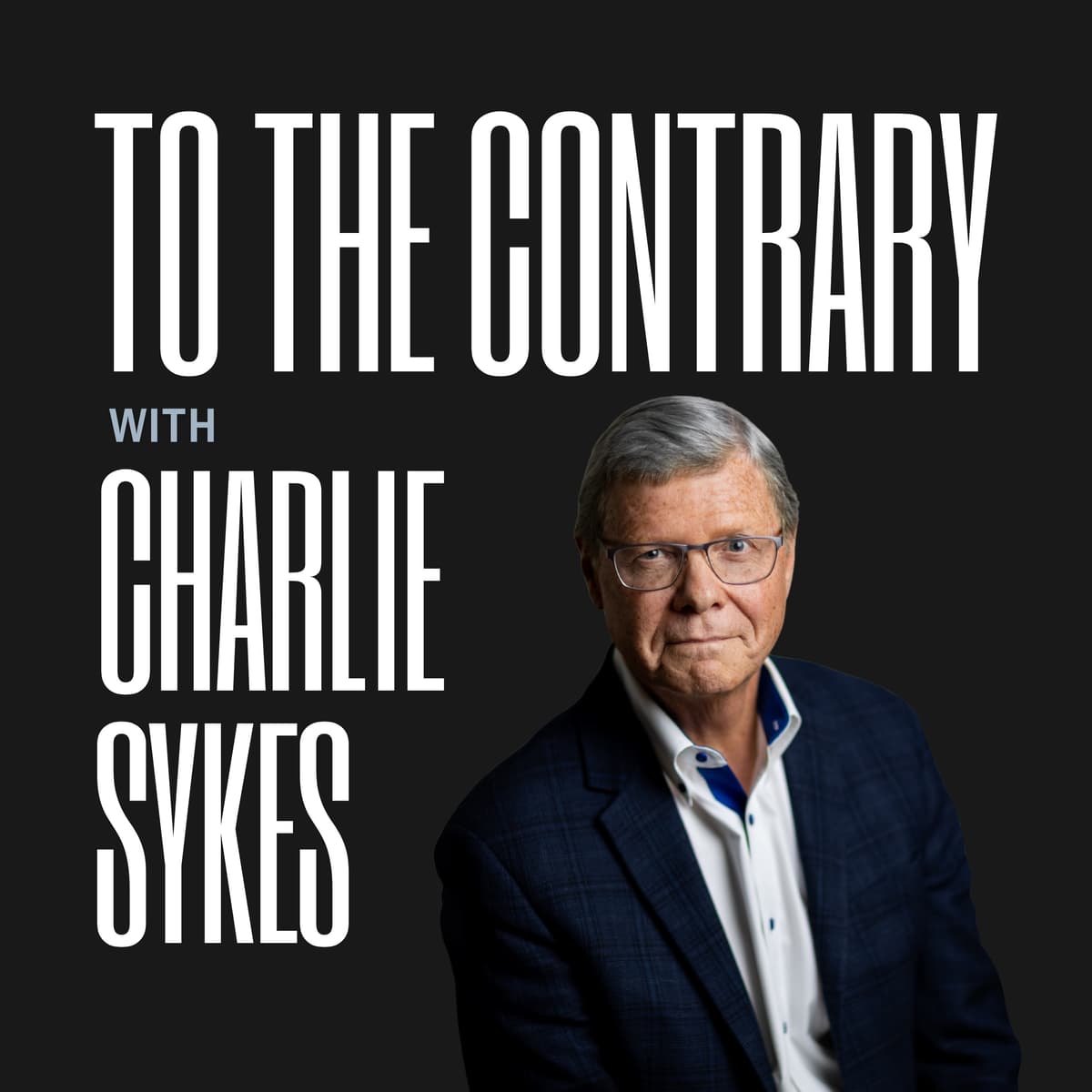

Podcast Summary: To The Contrary with Charlie Sykes
Episode: David Frum: The Grift, the Gaudiness, and the Guardrails
Release Date: May 17, 2025
Introduction
In this engaging episode of To The Contrary, host Charlie Sykes welcomes back political analyst David Frum to discuss a range of pressing political and policy issues. The conversation delves into themes of presidential corruption, foreign policy maneuvers, economic strategies, and the role of the judiciary as a safeguard against executive overreach.
Appearance on YouTube: A Nod to Professionalism
[00:45] Charlie Sykes:
Charlie opens with a light-hearted conversation about their unique presentation style on YouTube, noting that both he and David Frum are among the few hosts who maintain a professional attire, including ties and jackets. This choice is framed as an effort to "reclaim the space for grownups," distinguishing themselves from more casual or "hipster" presenters.
[01:25] David Frum:
David humorously describes his YouTube studio setup, likening the vibe to "Monsterpiece Theater with Alastair Cooke," highlighting the contrast between his formal appearance and the platform's typically casual atmosphere.
The White Elephant Plane: Corruption and Trump's Folly
A significant portion of the discussion centers around a lavish plane gifted to Donald Trump by Qatar, which serves as a symbol of both presidential corruption and Trump's propensity to be duped.
[04:05] David Frum:
Frum narrates the history of the plane, explaining how Qatar's royal family's mismanaged assets led to the sale of an extravagant, yet impractical, 747. When Trump accepted this plane, it epitomized both his susceptibility to corruption and his tendency to make ill-advised decisions.
Notable Quote:
"This is the most astonishing act of brazen corruption in the history of the American presidency."
— David Frum [11:01]
Frum emphasizes that Trump's acceptance of such a bribe not only reflects personal greed but also hints at deeper systemic issues that could lead to a constitutional crisis, especially if Trump attempts an illegitimate third-term run.
Trump’s Foreign Policy and Mideast Maneuvers
The conversation shifts to Trump's foreign policy actions, particularly his recent Mideast tour and interactions with key regional players.
[18:44] David Frum:
Frum analyzes Trump's unprecedented focus on the Persian Gulf during his first trips abroad, contrasting it with historical precedents where U.S. presidents typically visit Canada or Mexico first. He suggests that Trump's choices indicate a strategy centered on "retirement planning" rather than substantive diplomatic goals.
[22:14] Charlie Sykes:
Charlie points out the controversial lifting of sanctions on Syria and Trump's meeting with its president, Mohammed bin Salman (MBS). This move is portrayed as alarming, especially given MBS's involvement in the murder of journalist Jamal Khashoggi.
Notable Quote:
"If Barack Obama had done it, it would be intensely studied and debated as a potential win. But Trump is doing it because the Saudis told him to, and it's part of his retirement planning."
— David Frum [22:27]
Frum criticizes Trump's alignment with Saudi interests, arguing that it undermines America's moral standing and strategic integrity.
Economic Policies: The Regressive Nature of Tariffs
Frum delves into Trump's tariff policies, dissecting how they disproportionately affect lower-income Americans while offering minimal benefits to the economy.
[28:27] David Frum:
Frum explains that tariffs act as a "retail sales tax on imported goods" and are inherently regressive. He illustrates this by comparing how tariffs on everyday items like tableware and food impact poor families more severely than wealthier individuals who spend more on services.
Notable Quote:
"The tariff is paid overwhelmingly by the poorest people in society most heavily."
— David Frum [30:20]
Frum argues that Trump's tariff strategy is not only economically flawed but also sets a dangerous precedent for executive overreach in fiscal policy without congressional oversight.
Congressional Inaction and the Looming Tax Crisis
The discussion transitions to Congress's dwindling role in fiscal governance, particularly regarding tariff authorities, and the impending tax legislation.
[31:35] Charlie Sykes:
Charlie highlights the alarming trend of Congress abdicating its legislative responsibilities, leading to unchecked executive actions like tariffs.
[36:35] David Frum:
Frum predicts that forthcoming tax bills will exacerbate economic issues by favoring the wealthy and imposing burdensome taxes on the lower and middle classes. He warns of a "hostage-taking bill" where tax cuts are contingent upon re-election, undermining long-term economic stability.
Notable Quote:
"This is very Much a kind of hostage taking bill."
— David Frum [38:24]
The Federal Judiciary: Last Line of Defense
In the final segment, Frum and Sykes explore the role of the federal judiciary in maintaining constitutional checks on executive power.
[48:30] David Frum:
Frum expresses cautious optimism, stating that while courts can act as a safeguard, their efficacy is inconsistent. He criticizes the Supreme Court's convoluted approach to presidential accountability, suggesting that legal uncertainties may hinder effective checks.
[50:22] David Frum:
He laments the Senate's willingness to appoint ideologically driven judges without ensuring their commitment to constitutional principles, drawing parallels to authoritarian regimes' manipulation of judicial appointments.
Notable Quote:
"The way we get out of this is the Tea Party people of the 2010s predicted a fiscal cliff, a fiscal crisis."
— David Frum [41:31]
Frum underscores the judiciary's potential role in averting crises but remains skeptical about its ability to counteract determined executive overreach fully.
Conclusion
Charlie Sykes and David Frum conclude the episode by reflecting on the fragility of American institutional safeguards and the urgent need for political accountability. Frum emphasizes the importance of maintaining checks and balances to prevent the erosion of democratic norms.
[56:43] Charlie Sykes:
Charlie wraps up by reiterating the podcast's core message: "We are not the crazy ones." This serves as a reminder to listeners to remain vigilant and critical of leadership that undermines foundational democratic principles.
Key Takeaways:
-
Presidential Corruption: The acceptance of the extravagant Qatar plane by Trump symbolizes deep-seated corruption and personal folly, raising concerns about potential constitutional crises.
-
Foreign Policy Concerns: Trump's Mideast engagements, particularly with Saudi Arabia and Syria, reflect a retreat from traditional diplomatic norms, prioritizing personal and foreign alliances over national ethics.
-
Economic Implications of Tariffs: Trump's tariff policies disproportionately burden lower-income Americans, undermining the economic well-being of the most vulnerable while offering minimal protective benefits.
-
Congressional Abdication: The diminishing role of Congress in overseeing fiscal policies like tariffs highlights a dangerous trend towards executive unilateralism.
-
Judiciary's Role: While the federal judiciary remains a critical check on executive power, its effectiveness is hampered by partisan appointments and legal ambiguities surrounding presidential accountability.
Notable Quotes:
-
"This is the most astonishing act of brazen corruption in the history of the American presidency."
— David Frum [11:01] -
"This is very Much a kind of hostage taking bill."
— David Frum [38:24] -
"If Barack Obama had done it, it would be intensely studied and debated as a potential win. But Trump is doing it because the Saudis told him to, and it's part of his retirement planning."
— David Frum [22:27] -
"The tariff is paid overwhelmingly by the poorest people in society most heavily."
— David Frum [30:20]
This episode offers a comprehensive analysis of the intersection between executive actions and democratic institutions, urging listeners to remain informed and engaged in safeguarding constitutional principles.