← To The Point - Home Services VIP Room Podcast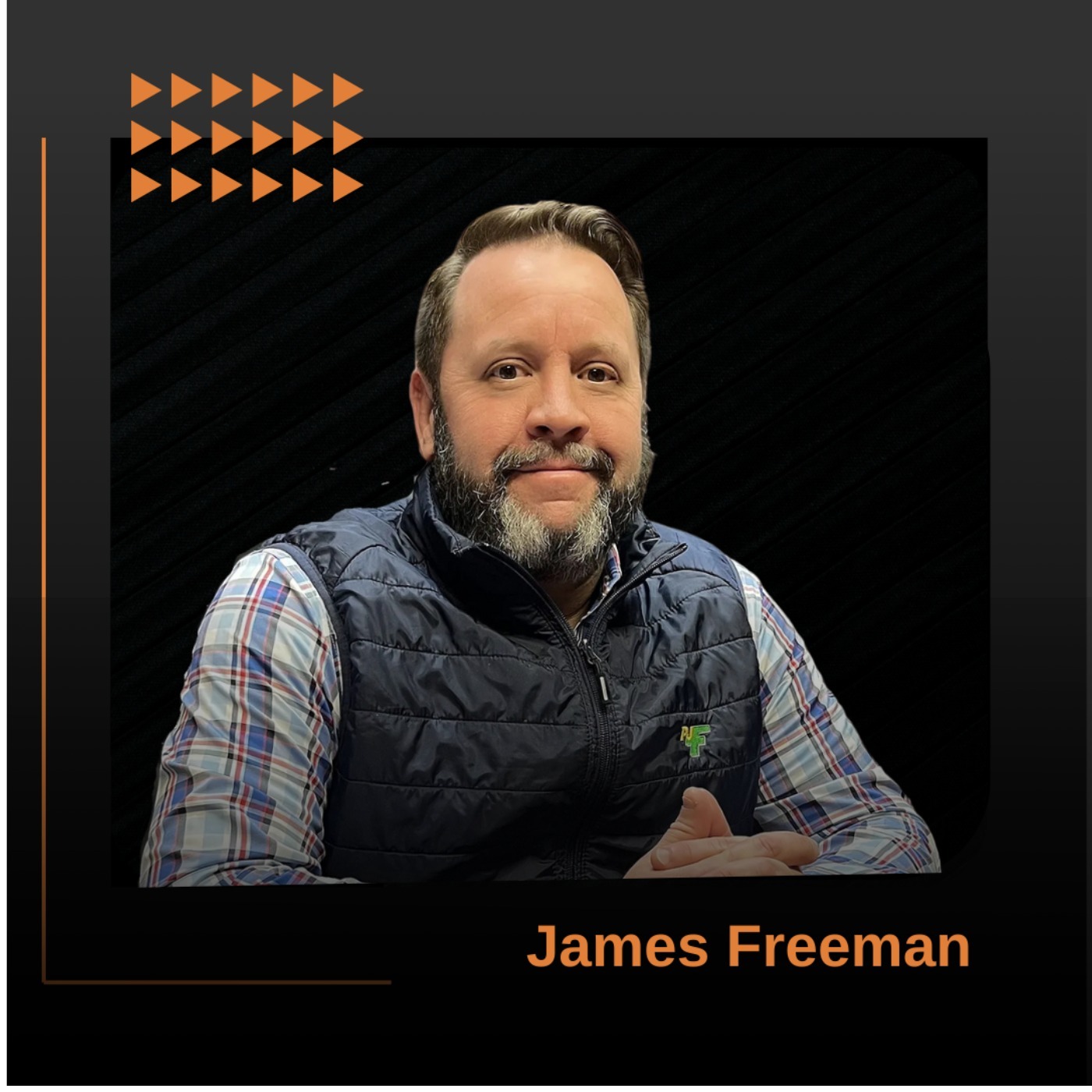
To The Point - Home Services VIP Room Podcast
A Proven Scalable, Repeatable Model For Growth Using Leadership Tactics | James Freeman
00:59:11
Loading summary
Transcript74 lines
- [00:00]
A
Listening to your team, talking to your team, being available, being transparent, and setting expectations that become reality. So when I got there in 2020, I told people, if you want to grow in your role, you're an installer apprentice that wants to become a lead installer. I want to help you be able to create that path to make that happen. You're looking to become a supervisor or you're looking to become a manager. I want to be able to put the tools in place to make that happen. And when you say those things, you make those commitments to people and you back them with action, and then they see the result. That energy and that buy in is contagious around the business. And so when I got there, there was 116 people. More than 60% of those people took progressions in their career. They moved forward within the role they were in or they moved into supervisory and management roles. This is to the Point a Rhino experience voted one of the top home services, marketing and operations podcasts. Cutting the and getting to the point.
- [01:10]
B
Hey, what's up to the Point listeners. It's your boy, Chris. This is an exciting episode.
- [01:15]
A
Why?
- [01:15]
B
Because it is our 250th episode. We have done 250 to the point podcast episodes, which is pretty Incredible. Since the second week of January in 2020, we launched this thing. So pretty cool. I'm excited about that. I had no idea until today when producer Ryan told me it was our 250th episode. So interesting enough, I. Our guest today, I met. I think it was probably like a year or maybe even two years ago. James, I can't remember, but the legend, as you guys know him, Mr. Dave Geiger, actually made the introduction and, and I, and I must. I think. God, James, was that. Was that two years ago that we met or was it even longer than that? I can't even remember.
- [02:04]
A
Yeah, I think it was 21 or early 22. Yeah, it's been a while.
- [02:08]
B
Okay, so our guest, James Freeman, who's the CEO of PJ Fitzpatrick out in. Out in Delaware, he'd been the CEO since 2020, which we'll kind of talk about that story a little bit. But you guys might notice I skipped right past introducing my co host. Oh, you can guess why. Because once again, he is not here. He's absent. He missed the 250th episode. And by the way, Chad, because I know he's going to go back and listen to this because he missed it. I knew it. You were down. You were down in Florida with Thanksgiving week sitting in the sand, probably drinking a cocktail, watching little Pete play in the sand. And you missed it. Right. And shame on. Because now I get to make fun of you again and you can do nothing about it. But you missed the 250th episode. But it's okay because thankfully Chad and I have actually had a conversation with James, our guest before, too, because Dave put us all in a group call and just talked about things. Interesting. Fun fact, though I will say for those who don't know PJ Fitzpatrick, fantastic business. I think roughly 114 million in 2023. More impressively, 10,000 plus reviews. That's sitting at a 4.8. Like, that's a good. That's a really great business. And it really shows when your customer base is leaving you that volume of reviews at that kind of a rating, which says a lot about the character of the company. But something that's interesting, you know, James, that I read, and if I'm wrong, then maybe I read it wrong, so you can feel free to correct me live on the air. But you and Chad were Both actually a 2023 finalist for the Ernst and Young Entrepreneur of the Year award. So you're Philadelphia region. Right. So both you guys have that in common. Pretty exceptional. I think the actual, like, award ceremony was in like, San Diego or LA or someplace over there at the end of the year because Chad went to it.
- [04:06]
A
Yeah. So if you. The whole process works. If you're a finalist and one of the award winners locally, then you're automatically entered into the national competition. And if you then win that, you're one of the finalists in the national competition. There's actually a world competition. World competition. It's. I think it's in Zurich. So it's, It's. It's just a really nice recognition. And it's really, I'm sure for Chad as well, just a true representation of his team in the way that they. They approach taking care of our customers.
- [04:33]
B
Well, anyway, congratulations, because you guys share in that.
- [04:36]
A
Thank you.
- [04:37]
B
That's not the only thing that we share. And we also have, you know, we also have some roofing businesses that yours. Slightly larger than ours, but nonetheless, we. We are in it. I do think I want our listeners, you know, just to hear a little bit of, you know, like, normal, you know, Dave. Dave had asked me, you know, us to connect and clearly thought a lot about you and your leadership and how you lead teams and how you've led through your guys's growth trajectory over the last four years since you've been you know, serving at PJ Fitzpatrick as CEO. And I want to get into some of those things, you know, during this podcast. But first I'd like for you to do is just, you know, let the listeners know. And again, like we talked about, we don't need like the whole long storybook. We just want, you know, the layman's version of give, you know, a little bit of your history leading up to PJ Fitzpatrick, and then I'll kind of share some things that Dave texted me this morning about you live on the air with all of our friends listening.
- [05:33]
A
So I've been in the home improvement industry for 25 years. I started my career with Dish Network doing satellite television. When you don't think of that as home improvement, but you're doing a lot of the same actions and work in terms of being on a customer's roof, doing delicate work within their home. Had an opportunity with them because they were really a high growth company when I joined them with a tremendous amount of energy and it was really exciting and invigorating and addictive to be moving at that pace and succeeding at that pace. I left Dish Network and actually went to work for one of their largest installation partners in the country, who was looking to start a sales division. Had an opportunity to launch a call center there. Launch feed on the ground salespeople across 15 markets in the Northeast and down into the mid Atlantic. As that business started to have some challenges going against the competition, triple plays and cable Internet, our owners shifted into kitchen and bath remodeling, specifically doing countertop fabrication. So.
- [06:35]
B
Wait, wait, wait, wait. Hold on. Pump the brakes. That, that. Okay, so that's a, that's a pretty different business going from, I mean, okay, so like, and maybe give me a time frame, like, what was the time frame of that shift happening?
- [06:49]
A
A year. A year. And the, the existing business year.
- [06:52]
B
I'm sorry, what was the year?
- [06:53]
A
2004. Okay, 2005. We continued the satellite business. The satellite business is still around today and it's a smart home services business. It's evolved. But ultimately we sold a customer a product, we installed a product for the customer, and we serviced them when necessary. And we did it with a smile and we did it with quality. So while there are complete fundamental differences between that satellite TV industry and the kitchen and bath fabrication industry, the whole premise of what we were trying to achieve was same. And it was, it was a, that was again, a very fast business. We went from zero to over $50 million in a three and a half year period. Really cemented ourselves as one of the best fabricators and top quality fabricators around the country. That same ownership group then obviously evolved into the smart home services that I mentioned. They started a standby generation company. We were one of the largest providers and installers for Generac and Cummins throughout the Midland Northeast and actually down into Florida. It just gave me a lot of different experiences across a number of different industries, all under one house. And it really, because of the ability to kind of work through the different parts of the customer journey, manage at the different levels of customer journey. It really set me up for 2020 when the opportunity with PJ Fitzpatrick came because I was prepared to be able to support leaders across the entire business because I had been in their shoes at one point or another.
- [08:18]
B
Let me ask a question on that. So I didn't know about the generator thing, so that's, that's great. Is it, is it you learned the Playbook insert service or insert insert vertical? Like it was like you had the satellite, you had the bath, you had the generator, but the Playbook was the Playbook.
- [08:36]
A
I think we focus too much on what's different about products, about different needs of customers and different workflows. And we don't focus on simplifying the process to be a consistent experience for them. And ultimately, you know, I said it earlier, we sell it, we install it, we service it when necessary. So the practices and policies and procedures were very translatable from product to product with small manipulation. But yeah, it was really create the plan, insert the vertical and grow it from there.
- [09:01]
B
Got it. Okay, so, so then you get into, in 2020, you now come into the PJ Fitzpatrick family who does at the.
- [09:10]
A
Time what, at the time they did exterior products like roofing, siding, windows and doors and gutters as well as they did wet area bath systems. So you think about, we have that tub and you want to convert it to a low entrance threshold and do a refresh of the overall look that's we do that product with Jacuzzi. From a product standpoint, we haven't really necessarily expanded the individual categories. We've expanded what we do in those categories and the ways that we can say yes. Because when you're a multi product exterior modeler, you're about as close as you get to a transactional relationship in, you know, in our, in our part of the industry. So you know, we really wanted to make sure that we had the right, the ability to say yes so that we don't have the, don't lose the ability to say yes to that customer in the future.
- [09:59]
B
Yeah, sure. Makes sense. Okay, so we're going to talk more about this process and then the adding of services. But where is, okay, so where is what, what size of business is, is the company today or, or where were you, were you guys projected to finish the end of this year? I mean, we're close enough.
- [10:20]
A
We're going to finish this year at 150 million. A little bit, probably a little bit north of there.
- [10:24]
B
Awesome. Okay. And still windows, doors, roofing, gutters, the bass.
- [10:28]
A
Like that's, that's the core products that were there when I got there. But as we go on, I can kind of talk about how we've created some differentiation from the past to today.
- [10:36]
B
Got it. Okay, so now I'm going to just walk it back for a second. So you know, I was texting, I told you, I was texting with Dave this morning and he was talking about how when him and Tim Humphries bought in, in 2020 into the business, that one of the first and best decisions that they made was finding a really good CEO and that person is you. Which I thought is like the compliment of all compliments from someone with a stature of Dave Geiger. And what he said was that you have a superpower and that your superpower. Well, what, what do you think Dave would say your superpower is? I actually have a couple, three different things that he had given me, two of which I think can kind of work together. But maybe let's see if you, what he says about you and what you know is your superpower are aligned. What is, what is your superpower?
- [11:35]
A
Pop quiz. If I, if I had to guess or what my instinct would be is I'm really good at taking complex information, complex thought and really high expectation related goals and being able to inspire my team, being able to empower them to be successful, to support them along the way and ultimately to get them to believe in themselves. Because I, I, I really truly think that what most people are, they, they really, they line with that self limiting thought and they're so much more capable than what they believe. They just need a push along the way and someone to tell them I got you and I believe in you. Um, I, that's what I think is one of my better skills. I don't know how that aligns with.
- [12:19]
B
It, so actually aligns perfectly. Um, and you know, typically we know what we're really great at. And, and so what he said to me was that you have, you know, great growth mindset, you're great at creating team Culture, which has come up so many times in all the previous episodes over and over and over again. I mean, also excellent communicator to the team. So I think it all kind of falls in line with what you just said on inspiring your team and taking complex things and breaking them down and simplifying them and then, you know, letting the team know that you're there to support them however you can, you know, and share the wins with them and. And when there's a loss, there's a learning opportunity to get to the next twin. So it seems like those things all pretty much, you know, align. The thing that I want to, I want you to open up and elaborate on is.
- [13:08]
C
Sorry for the interruption to the point listeners. Have you heard of Rilla? Are you using Rilla yet? If not, are you for what I did there? Rilla is the leading speech analytics software for the trades. It is on a mission to bring physical ride alongs to an end. You can coach your reps with virtual ride alongs now that are a hundred times better, faster and much more efficient than the physical ones. All you got to do is use the killa Rilla.
- [13:37]
B
That's R I L L a Rilla. You know, how do you. I think keeping a team, you know, motivated when it's hard or, or things slow or whatever is. Can be very challenging because you're dealing with different personality types. Now if you're in sales, I think sales. Sales people have a pretty similar DNA. So you know how to, how to manage a, you know, a person in sales. But last I checked, businesses more than just sales. So like, what is it? If you could give me some details, like maybe what are some of the things that you're actually doing that, you know, that lets you know that that makes Dave say, hey man, your superpower is, is these things, like you really, really know how to create an excellent team culture. And him saying that you're an excellent, excellent communicator makes me think you're not just good at like leading the team, but you're also good at communicating what to them or what kind of tactics are you doing or what kind of exercises are you doing or what are the things that you're doing that consistently gets them to follow you into the fire?
- [14:47]
A
Well, I'll hit a couple of things and I'll start with the growth mindset was one of the first things you mentioned. My entire career has been in high velocity, high trajectory growth businesses. Watching starting my career with Dish Network as a company that a lot of people didn't Even know who they were. We're trying to tell my family I'm working there. And, like, I'll DirecTV, no Dish Network. Being there and going from, you know, a nothing to a top four provider in the country, you know, that type of energy and excitement and hard work that it takes to get there. I mentioned it early. Was addictive. And I've carried that same style into each of the businesses. And I've been lucky to have ownership groups who not only believed in me, but believed in the capability of the companies to grow and to strive for more than what the average person, average company would do. So my whole career has kind of led to the moment with PJ to be prepared to take a business that had the foundation, all the right pieces in place, the leaders. We had leadership in place. We have technology in place. But the business needed a push. They needed someone that believed in their ability to do more than what they were capable of that day and inspire them to follow that path. And communication is an absolute key to that, because you have an option if you can shortchange things or you can take it the whole way and make sure that you build clarity for people, purpose for people. Why for people. And so I really try to keep that in mind when I'm speaking with my people, when I'm talking about the growth plans that we have, what I'm talking about the ways that we can be more efficient from an operational standpoint. We use a lot of aspirational language in the way that we speak. Operational excellence, operational. You know, we. The one word we don't use is perfection, because perfection is a commitment that one day you can hit your peak and can't be any better. And I don't believe that to be the case. I think it's actually one of the worst adages out there. But all of those pieces, there's confliction between growth mindset and effective communication and building a good culture. The effective communication is a natural driver to building a good culture, a good connection with your people. The growth mindset can build distrust if you don't manage it the right way and ensure that people understand what. What you're trying to achieve. So I will say this. I will take no credit for PJ Fitzpatrick's culture. Rick and Teresa Stover, who are the owners of the business. Teresa was the daughter of Peter John Fitzpatrick, P.J. fitzpatrick, who was our founder. They really have put this amazing, like I said, foundation in place. And I just was there to get the flywheel going and get people moving. But you have to Be there for people, not when you want to be there for them, when they need you to be there for them. So listening to your team, talking to your team, being available, being transparent and setting expectations, that become reality. So when I got there in 2020, I told people, if you want to grow in your role, you're an installer, an apprentice that wants to become a lead installer. I want to help you be able to create that path that, that to make that happen. If you're looking to become a supervisor or you're looking to become a manager, I want to be able to put the tools in place to make that happen. And when you say those things, you make those bold commitments to people and you back them with action and then they see the result. That energy and that buy in is contagious around the business. And so when I got there, there was 116 people. More than 60% of those people took progressions in their career. They moved forward within the role they were in or they moved into supervisory and management roles. And you know, I'm really pleased that with a few exceptions, the managers who I felt were really strong when I got there have become my directors and my VPs, and some of them even C level. They just needed to have the opportunity to show what they were capable of and they needed a person there to be able to support them as they did it. And it's a lot of hard work. And I will say this, it's lonely being a leader in many times because you're in your own mind and you're trying to find ways to be better from people. Um, but it really comes down to being present, being clear about what you want, and really making sure that people understand the purpose and the whys of what we're trying to achieve and how they correlate back to themselves. Because, you know, you don't, you don't work just to work. You work so that you can have balance and enjoy your life.
- [19:08]
B
Yeah, you're right. I mean that's, I will say people don't live to work, they work to live. You. So you said 116 when you came in. Where is, how, how many people are in the are, are employees today?
- [19:22]
A
Roughly as of last Saturday, 429.
- [19:26]
B
Holy shit. Okay, so that's a significant jump of people a little bit.
- [19:29]
A
And, and, and we just actually had an acquisition in, in Long island that's bringing on another 40 people into the mix. So we're, we're, we're, we're continuing to grow.
- [19:38]
B
Oh, that, that was Another that was one of the bath businesses. I'm going to ask about that a little bit later. So. Okay, so there's a lot of people there that you have to continue to want to, you know, go into the fire with you is going to require great leadership, you know, great leadership, great management, you know, and leading from, you know, getting all those that are, you know, even on the lowest tier bought into the overall, like, the overall why of the business and whatever you're doing is working. So Dave was telling me about the organic growth from the original Philly office and that you've had great organic growth from the original affiliate office, but then you opened three new locations from scratch and scaling them to 15 million bucks quickly. What, like, so assuming you know what he's talking about, talk me through that. Like, in the short stint, you know, short time frame, like, that's a pretty significant amount of growth from. Starting from scratch. From. What's the talk track there? Like how, like what. What happened there that made that, you know, that growth happened quickly? Was it the people? Was it that you had the process in place? Is it that you already knew what to do? You had, like, just. Maybe just talk through that with me so I can understand how that growth happened across the three locate. You didn't just get lucky with three, you can get lucky with one, you didn't get lucky with three. So, like, help me understand that a little bit.
- [21:15]
A
Well, starting with, and I'll call it the Philadelphia market, because New Delaware is part of the Philadelphia market. Operationally, PJ had been there for 40 years. They had a very strong brand and amazing reputation in the market. And for me, as I looked at the business, I saw so much opportunity was as. As I was going through the recruiting and onboard process, they were paperless. They had technology infused throughout the business. They had strong culture and an unmatched commitment to customer satisfaction. And that those components are what, you know, are really tied into how we perform the work, not the work we perform. So foundationally, Philadelphia was in a really, really strong position right when I got there. What they didn't really have was the belief that they were capable of more. And they had built some, Some. Some comfort guardrails around what they would say yes and no to. Because when you're not growing, you're not really focused on how you can continue to say yes and find more market share. And it did create some deficiencies for them. In, in. In. In the early days when I got there, I just spent. I spent almost 30 days just listening, not trying to sob not trying to provide solutions, just trying to understand what was going on in the business where the strengths and weaknesses were. And what I saw was that there was far more strengths than weaknesses and there was far more weaknesses that were fairly reasonable to solve and to create a better solution for than the alternative. So Philadelphia was, you know, really kind of just getting people to believe that, hey, we're about to do this, we're going to do it. And it's funny because 30 days after I started, I did a presentation for the management team and I said, By 2025, we're going to be a hundred million dollar company. So we're obviously a couple years early into that mix. But the deer and headlight looks of the management team was, I still laugh kind of out of the day because now if I say to them, hey, we got three projects going on and we're going to do this, they go, okay, no problem, we got it. And they do. And I think a lot of times people believe that being a micromanager, giving people instruction as opposed to giving them support is what you need to do as a leader. And what I found is that I have really smart people around me in Philadelphia, in that office originally. And it was a matter of just harnessing what they were capable of and allowing them to believe in that, in that capabilities. So when we made our first move from Philadelphia, we took a pretty safe move. We went to Harrisburg, Pennsylvania, which is a contiguous market. With that said, I'm from that area, so I knew that market pretty intimately and I believe that we could take PJ Fitzpatrick there and expand our brand. Because one thing that I say to my team often, and I truly believe this, is that when PJ Fitzpatrick comes to a market, customers win. And I don't think that's true with all providers out there because we bring a different level of a customer expectations, a different level of customer service, both leading up to the sale and post sale and post installation. So as we got into Harrisburg, it was a little bit of a safer. We, we have more lessons there than we probably had wins in the early days. But you know, you said it earlier, if you don't, if you're not winning and you don't win, sometimes just as much as you do win, you need to learn so that you're prepared for the next time. Harrisburg was a great opportunity to show that we could do it, we were capable of it. But the stress that I put on my team and six months after I got there was what led me to a different path. As we Made our next step into Pittsburgh as we acquired a company of 35 year old business bay roofing up in Northern New Jersey and integrated them into the PJ Fitzpatrick Group. As we've expanded down into the Baltimore and Washington markets in 2023 and 2024, the what I think we did is we trusted in what we knew. We trusted in our people to be able to develop and grow and learn with support. And we paid attention to the things where we fell short and instead of getting sad about them, instead of complaining about all the conditions that held us back, we were honest with ourselves, we were introspected and we found what we needed to do differently, what we needed to reapproach from a different thought plan in those moments where we weren't successful. And I think that's the biggest thing is we get caught up in our successes and we don't pay enough attention to the moments where we have an opportunity to learn and make ourselves a better person, a better company for tomorrow. So building that, that, that energy into the company, the wins and lessons type, we don't have w wins and losses. We have wins and lessons. Building the understanding that we have to push the business forward ways every day and do that on repeat. That type of energy, that type of communication and expectation setting with our team enabled them to do that with the new people they were bringing on in the market. And the biggest early lesson is the PJ culture needs to be infused in that market, in that office as quickly as possible and as thoroughly as possible. Because people think they understand what customer service is or high customer expectations are. But they are really shocked when they come to our house because we make major commitments to our customers and they need to match them. But that's also why I say when we come to a market, they win.
- [26:49]
B
Yeah, I mean that actually makes a lot of sense because you're. They only know from the experience that they've had and they've not had PGA experience. So that's what you're saying. So. So I want to ask. It's always fun to talk about the winds. And by the way, like it's. It is interesting too. I didn't realize that the other one, but. The other what? The other. Oh, I didn't know any of the actual locations in the cadence that they like that they started or that they opened. I didn't know Harrisburg was your first one. I didn't. Didn't know you were from Harrisburg. So that makes a lot of sense. And then going to Pittsburgh now knowing Harris, that does make Sense. So, like now it starts. I'm understanding, you know, where we always talk about the, the wins, you know, or you either win it, you learn it. There is a lot of lessons for those listening and like where the weaknesses were or where there were some of the learning moments. I think it's good to talk through that because, you know, those who are in the northeast or over on the east coast probably know who the company is because it's been around since what, the 80s, I think, you know, I've been around since 80s, great name, big business. And you know, it's. There's going to be plenty of people who, who have no idea. And so they're always interested in like, well, what are the, you know, if you're on the, if you do know who the company is and you're like, oh, well, the weaknesses. I'd really be interested to hear what the weaknesses were and see how I can relate to those weaknesses, you know, or those areas for, you know, correction. Maybe let's just share like what a few of those were and how you guys dug out of it because, you know, that's really where, where we can share like some of our experience of like, hey, this was the roadblock that we hit. It could be a people thing, it could be a leadership thing, it could be a marketing thing, it could be a sales thing, it could be a who knows what. But I think it's always important to just talk through some of those things. Clearly the business is successful today, so you worked through it. I just want to share. I just want to. And by the way, there will be more as you're going to 200. You know, like, it's just, I think it's worth talking about some of those, you know, some of those challenges that you ran into early that you had to figure out before going in to Pittsburgh. So if you wouldn't mind like just sharing like one or two of those things that you had to work through, you know that I think that our listeners would appreciate that.
- [29:09]
A
Sure. And the only thing I would add to your comment is we are always working through it. And I think that's what makes businesses stagnant and holds them back from their capability is believing that they've figured it out. And we really don't believe that we have it figured out. We believe we have it figured out for today. But change and adaptation is part of what's going to allow us to continue to grow and be successful tomorrow and beyond. Just, just to when we went to. And I'll use Pittsburgh and Harrisburg, because they were both Greenfield, taking PJ Fitzpatrick to those markets. We, we moved a lot of our resources, originally supported a lot of the Harrisburg growth via the resources that we already had within the business. And it really strained and stressed them while we were focusing on growing in our core market in Philadelphia as well. And we're experiencing really, really tremendous growth. Obviously a lot of that was, was tied into people who couldn't leave their homes. They were, you know, the period of COVID where there was only so many ways for the dollars to be spent. As we went to Pittsburgh, we hired leadership first. We didn't wait to get into the market and use the backbones of our existing team members to lift it and get it going. We put, we put sales representatives in place, we put leadership in place, we got an office in place before we actually launched our products. And what I also learned between Harrisburg and Pittsburgh, which while they're not the largest size markets population wise, they are large markets geographically. And when we launched Harrisburg, we launched it all. And when you don't have a penetration of leads and jobs in the early days, your people are all over the place. A lot of time in front of the windshield, a lot of inefficiencies that we didn't have within our core Philadelphia market. And I didn't want to take that same approach. So when we went to Pittsburgh one, we put a lot more front end work into making sure that we had the people in the facilities to be able to do that. But more importantly, we created a staggered launch plan where we took our core products so roofing baths and siding, excuse me, roofing baths and gutters. And we launched them day one in basically the five counties around Pittsburgh. And then three months later we expanded. And when we expanded to those new zones, they expanded with those three products. But we added window and doors to that first market. And then we had a third launch that completed the market. And when we did the third launch, we added window and doors to the second. And we created this staggered environment where instead of having we want to say yes to everybody day one, but we want to do so responsibly, where we're actually representing ourselves the way PJ Fitzpatrick believes we should be represented and the customer should be served. So creating that staggered plan allowed me to stand in front of a team and say, hey, I'm not going to be on a roof this year, I'm not going to answer a phone this year, I'm not going to be selling a job in a customer's home. But I hear you And I'm creating conditions so I'll take one step back. An opportunity is a set of circumstances that makes it possible to do something. That's what we as leaders need to be focusing on, that set of circumstances, the conditions that we put in place that will allow our team to thrive. And what I did in Harrisburg was going to butcher my team five hours away. So we learned and we made some different decisions along the way. Well, guess what? The next market we went into, I got that office in the management three, four months before we even got our launch date. And we created an even longer plan to stagger the growth and stagger the growth of the products because we consistently are listening to the feedback of our teams. So I'll, I can come back to that at a different point, but I would say that, that the, the, the lessons we learned many times were because we were willing to listen to our team. They're the boots on the ground. They understand the challenges more than, than we ever will. And my CFO says often I can make anything work on a spreadsheet. You know, we can make anything work in a PowerPoint presentation. It's the execution in the field that matters and why we don't talk to our teams and listen to them. From a guy, you know, we still gotta press them. People only kind of say they can produce and offer you to you what they believe they're capable of. But when people tell you what they need, listen to them. Because many times if you have a good culture and you have good people, they're giving you good, honest feedback that matters to the customer. Many times.
- [33:40]
B
Hey, let me ask a couple questions. Makes perfect sense. As you're going into these, these other markets, are you using one? Are you making any pricing shifts on anything, or is it all still the standard pricing that you had from the, from Philly? And then the second question to that would be, are you using the same suppliers, manufacturers?
- [34:03]
A
Yeah, it's pretty interesting. We, we, we have had to. I'll start with this. The, the latter question. We had to expand upon some of the, the suppliers.
- [34:11]
B
Just.
- [34:11]
A
We used an amazing boutique supplier here in the Philadelphia market called JL Building. Awesome company. Really had a very aligned. We're very aligned with us culturally and from how they, they, they believe the experience should occur. As we've grown into these other markets, we've had to expand out to other relationships. As we've expanded our, our, our window and door business, we've had to, to grow out into some other relationships. But for the most part, if you did business with us in June of 2020. You still do business with us in November of 2024. It's an expanded lineup for sure. But with that said, we've also like our core provider has now grown with us in the Harrisburg. They've grown with us in other markets. So our growth has provided some opportunities for some of our strong relationships and vendor relationships to grow their businesses along with ours. In terms of pricing itself, our core material pricing is the same whether we buy it here or there or anywhere. So those costs are the same. There may be slight labor adjustments based on the conditions of the market. But primarily we're selling the same price job in Harrisburg, Pennsylvania or Pittsburgh, PA as we're selling in Northern Jersey or Philadelphia.
- [35:23]
B
Got it. Okay. So which makes sense now when it, when shifting gear over to like sales pay, is your sales comp structure the same regardless of market or is it shift a little bit as well?
- [35:35]
A
Nope, same regardless of market. I it this goes back to what I said earlier. I think we spent a lot of time trying to talk about why things are different as opposed to trying to focus on why things are the same and how we have to adapt to the nuances and the differences that do exist. So we've kept it consistent though. We, when we go to a new market, we typically give a little bit more grace to those representatives in the early days because they're, they're learning not just, you know, the way we want it to be done, but we're new, they're developed, we're developing a brand. So we usually give a little bit of grace in the early days for our new markets. But once they've been open for six months, it's the same as the other five or six.
- [36:15]
B
Did you offer like chaos? So I'm going to talk through some real life scenarios with you. Obviously, I think. Well, you know, and I think most of our listeners know. You know, Chad and I launched our roofing business earlier this year back in late April, and we had some things to learn and we've been in, we've both been in business a long time, but we didn't haven't been in the proofing business a long time. But I wonder, you know, sometimes you, you get talent that comes to you and you're not ready for that talent yet. But you can't afford to not have that talent, whether it be a fantastic salesperson like sales, a absolute must. Retail sales, there's a difference between the insurance and retail business. But, you know, did you ever have to, you know, use like a Draw method while we were waiting on business to come in for your sales team. So that way they're getting comped the way they need to be comped to get the talent or, or something similar with your leadership. What I want the listeners to hear is if you're going into a market, you said, hey, we gotta have good leadership. We have to have a good sales and we have to have a home home base.
- [37:26]
C
In home services, speed to lead is everything. Chirp stands out. By transforming your communication strategy with chirp, accelerate your lead response time with instant sms, text messaging, email and ringless voicemail automation. Chirp's cutting edge technology ensures you're the first and the most persistent, helping you close more deals than ever. But that's not all. Say goodbye to missed opportunities with Chirp's incredible follow up system. Keep your leads engaged and moving smoothly through your sales funnel without lifting a finger. And with Chirp deep integrations with top CRMs like ServiceTitan, Housecall Pro and Jobber, you can launch laser targeted campaigns to connect with the exact right leads at the exact right time. Automation creates efficiency. Efficiency unlocks scalability. With Chirp, you can automate speed, delete, estimate follow ups, rehash abandoned call follow ups, cancel job follow ups, review requests outbounding to your list, annual reminders, membership expiration, followups and so much more. So stop chasing leads, capture them, connect faster and close more deals with chirp. Contact Chirp today and elevate your communication game.
- [38:49]
B
That doesn't mean you got a lot of op business coming in because you greenfielded it. It's not the same. There's no brand equity yet. So what did you have to come up with some, any creative like, like comp plans to get that leadership in place and then you had to ride it out or was it like a, you had like. I'm just curious to know because like we've had to do that with a few, you know, because it's a. From scratch, like there was no other brand. So it's from scratch. We could leverage Peterman Brothers a little bit, but it's a brand new business and so we had to, we had some great talent come to us and, and we needed to make sure we, we didn't have enough volume to support them. So we had to step up our marketing game a little bit to support them. But in the meantime they needed to be paid X amount to survive and we did. And now it's, now it's panned out but man, that was a pretty scary few. Three months, man. Of just letting it flow.
- [39:40]
A
Growth is scary. I mean that's, that's why a lot of companies and a lot of founders and owners don't, don't go down that path because they're risk adverse. It's easier to stay with that. That, that what, you know, we, I'll start with opportunistic hires. We've made multiple, I would say probably a half dozen opportunities. Opportunistic hires in the four years that I've been there. My director of it, I wasn't ready for her and we had an external partner we could have used, but she was too good to let go. And her worth has proven itself over the past four years. Probably more than two, threefold. Having an opportunity to bring in a procurement leader, being able to bring in a regional operations leader, somebody that had experience working for a national organization and working across multiple markets and supporting those teams effectively. When you find the right person, you need to find the right way to be able to utilize them so that you can get the worst from them. And that could be putting more into marketing, that could be putting more into your infrastructure. But people drive our business. We, you know, we talk about systems, we talk about automation, we talk about AI probably more than we should. I mean I. Great conversation. But like we, people are talking about, they don't really know what they're talking about. We don't talk enough that people drive our businesses. Relationships still happen between people. So when you find the right person, you just got to find the way to bring them in. And we've had to get creative a lot of times for leadership roles. They're in a salary scenario so we might have to have a guarantee period for their incentives. Um, for our sales representatives. We actually have created not only a training pace scenario because we have a very, very intense, what we call green carpet orientation GCO through training and through graduation and introduction to the team. Um, but even when they go out in the field, there may be gaps because you're developing that brand. Like you said, you don't have the penetration of leads to be able to give people effective routes. And so we've created an environment where if you're doing well with what we give you, but we're not giving you enough, they have some additional compensation in the early days available to them so that we can bridge that gap between that aspirational, that aspirational level of income that they're looking to get and the reality of the moment. And again, this is, none of these things have happened because I sat at my desk and Said we need to do this. It happened because I said to my leaders, we need to listen to our people and create solutions to the challenges they face if we want them to be able to create solutions to the challenges our customers face. And retention and onboarding and recruiting are such an expense that we all brush over. And we don't think about all the impacts downward that are connected to not retaining your people or not bringing on good people that don't show up on that line item. So we've had to be very creative. Um, and. And part of that growth has also been, hey, I might hire three bath installers for market, but I only need one. Well, they're hard to find, so grab them. And we've had to be able to create travel programs in ways where there's companies that say, hey, there's no work here. Go there. We don't do that. We've created programs that incentivize them to want to do it so that they tell the person sitting beside them in their office when they go back, man, that was a great experience if you get the opportunity to do it. And I mentioned earlier that I. We just acquired a company in Long island, and I have three crews going up from Harrisburg, Pittsburgh, and I think two from Pittsburgh, one from Harrisburg or vice versa up to New York. Next week I got two crews already committed to the next week. After that, I got a crew that committed to the week before Christmas. They are jumping at the opportunity because they've seen the expectations we've set become reality. But all of those things came because we just listened to them. What's hurting you? What's helping you? And I'll say one last thing in our monthly. Probably not last thing, monthly, one on ones. A really, really critical component of a start. Stop, keep. What should we start doing? What should we stop doing? What should we keep doing? And if I told you that more than 50% of the ideas that we've implemented in the business that have flowed from the teams in the field up through the management team, they've come from that start. Stop. Keep. It's not. In most cases, people aren't bitching because the energy's positive. They're just talking about what could. What could be. Um, so, you know, again, it comes back to listening and communication, and those are probably the two most challenging things for us as leaders.
- [44:19]
B
I'm pissed because there's like three things you said, and then you said another good thing and another good thing, and my ADHD brain kicked in and I only caught like a couple of Them. So I'm like, damn it. I gotta make sure. I know I gotta go back and re. Listen to this episode so I can catch those things again. I love when that happens. But you kind of just went on a little run there for a second with some really great information. And I'm like, I'm genuinely curious about what's involved in your green carpet orientation. I think you called it your gco. But hang on. There's a couple things. Whenever I'm thinking about Bay Roofing as the company that you guys acquired in Jersey. Right. And you're sending people over there. And I'm sure there's. They are aware of what the incentive is to go to travel and go perform the job. Are you. Are you in. Is it the retail. Is this. Is this all. All services? Is it. Is it. Mostly you're going there to do. They're just going to do the roofing business with. For Bay Roofing. Because Bay roofing is just roofing siding and gutters. Like just trying to understand.
- [45:22]
A
Was actually an acquisition in. In 2021 and they were primarily a roofing business. That was it. And we believed we could go to New Jersey and Northern New Jersey on our own. But we thought there would be an easier penetration if we were able to find a good partner to go into the brands.
- [45:38]
B
You kept. You kept their local brand.
- [45:40]
A
We know. We converted it over time. Okay. Partially because, you know, being initially.
- [45:45]
B
Initially you kept it and then you slow rolled the. Okay, got it.
- [45:48]
A
Yeah. And their founder is still with us. He's, you know, he's a critical component of our team up there. But that was one in the early days where a lot of the heavy lifting was happening from our people, from our managers. Because that. It actually went Harrisburg, that acquisition, then Pittsburgh. So the lessons of Harrisburg and that acquisition really led to how we changed moving forward. Recently we purchased a company up in Long Island. Bathroom Buddies Remodeling. And that group is the group that our teams are going up to support. But it's been the movement of the markets and the ups and downs of the business and creating solutions to have level for a level experience for a team is where was the root of these. These programs that incentivize them and motivate them to go into other markets.
- [46:32]
B
God, I'm so interested in this bath stuff too. We're already like 45 minutes into this thing too. But I don't know which path. Which one I want to take, which path I want to go. You know, one thing that you said I thought was also Intriguing is your start stop, keep, you know, exercise that you do in your one on one. You learn so much from it. It reminds me of a tactic that we've used for years in scaling, you know, our business is you do an anonymous. So we did do it in one on ones. But I like the idea of doing it freak more frequently in one on ones. It was, it was called right, wrong, missing, confusing. And it was an anonymous deal where you'd send it out to the, all the entire, you know, all the employees and they would fill out what they feel is right, what's wrong, what's missing, confusing. So basically it's like one positive, three kicks in the ass, right? Because, you know, wrong, missing and confusing are all kind of negatives, you know, at face value. But it was a great exercise because the leadership would also do the same exercise without seeing what the rest of the employees were doing. And we would see where the overlap was, how, how, how aligned were we on what we thought of, you know, across all four of those columns. And it really dictated, you know, a big part of what we did for that upcoming year. You know, where did we miss? We leaders need to own what we missed, but where are our blind spots that we're not thinking about as a company has scaled? And it was a great exercise that I, that I really loved doing and it was kind of painful, you know, at times to go through what's wrong and missing and confusing in your business, especially as a founder. But it was also so, you know, so helpful. And then how did that align with what our goal was, you know, and then how do we work it, you know, how do we work it backwards? So I really always love that exercise and it's an easy one into any of our listeners, you know, that, that you could do and I would encourage you to do frequently, as difficult as it can be to hear what you're doing wrong, it also can help you understand it, let them be heard and also can be a part of the solution in fixing it, you know, if it needs to be fixed, if it's truly something that needs to be fixed. So I love that you do that in your, in your one on ones and you're caught things from there because we've done the same thing. What I also wonder from that is, you know, you do people bring to you like some things that seem like, hey, why aren't we doing, you know, this and a whole new service that we're not currently offering whatsoever because, you know, client has asked me, customer has asked me, you guys Also do this. You should consider doing that. You know, how pans out. But do you get some of that pressure on? Like you should be adding yet again another service to the off? All the PJ offerings that you've had to turn down or one that's on the radar potentially.
- [49:26]
A
So I don't know, were they coming up to me or they're coming down to me? I got it coming from both.
- [49:32]
B
I'm just curious to know whether they're coming up or down.
- [49:35]
A
It's coming both ways. You know, our owners obviously want us to be able to grow and find new opportunities to say yes and create market share. Our teams are looking for opportunities to always create ongoing stability for themselves. And because we have a good culture and the team believes in the way that we approach the experience for our customers, they believe that when they have an understanding of something else or they've done this before, they believe that there's a good opportunity to talk about it. So we hear it. Um, you know, we've heard everything from garage doors to cabinet refacing to, you know, getting back into fabrication, which I wouldn't do. That's. That's a tough world to live in. And we do have some on the horizon. We've done some pretty heavy research in regards to garage doors. We've done some pretty heavy research and planning in regards to, you know, setting the stage for potentially cabinet refacing. But the big one is there's a significant amount of customers today who call us looking for a need in their bathroom, and we say no, because we don't offer any solutions for the dryer area. And so there we have a lot of focus right now, and we'll roll out an early part of next year. A bathroom refresh is what we call it. We're not changing your footprint. We're not doing every intricate piece of it in your electric and all these other things. But if you need a new floor and a new vanity and a new sink and countertop to complement that wet area remodel, we want to say yes to that customer. Because when you say no, many times, you don't get a chance to say yes. And we offer five, six other products that I want to be able to say yes to over the lifetime of that customer.
- [51:02]
B
Makes total sense. I mean, and when you said wet and dry area, I really had to think about what you meant. Now that makes total sense. Actually, you explained it pretty good. And I don't know if it was like you and I were talking. I believe it was pre podcast at this point. But how Dave was talking to me at Pantheon around this one day bath. One day's one day bath companies. And then I'm like, he's really interested in the success of the one day bath. I'm sure you probably played into that a little bit. But once, once we started talking about it, I swear to you. But if I scroll through my phone right now, I would see. I've never seen more One Day Bath odds ads popping up in my phone as I'm scrolling and I'm like, by the way, if you're listening and that's happening to you, it's not a sign. It's marketing. Maybe, maybe it's a sign, but it's damn sure marketing.
- [51:59]
A
Good marketing. Who's listening?
- [52:02]
B
So, but I see them and then you, you can rehearse some of the success stories from it. But is that, I mean, how. I'm assuming you guys are. This is just residential stuff that you're playing ball with, right?
- [52:14]
A
Correct.
- [52:14]
B
Correct.
- [52:15]
A
We're 100 residential.
- [52:17]
B
Okay, so makes total sense. But the. Actually, I'm going to piggyback this question. Don't let me forget to ask this question. I'm right down too, because I wanted to talk about if you leveraged any of Dave's brand equity with Horizon in building any of these businesses, which would make sense. That's what we're doing with Pierman Brothers in Indianapolis, in Indiana. Same thing. But this one day bath thing, I'm interested. Is it truly. Is it one truly one day bath? Sometimes two day bath. But how, how easy is it to find the. Find the person that can go and do the installation? Is this easier than. I mean, because I'm assuming in roofing. Are you guys w2 your, your installers or your. Or are they all contracted? Are you, Are you using subcontractors for installation?
- [53:11]
A
Exterior products, with the exception of windows and doors, are all subcontractors, all of our bath people who are inside the home, their own employees.
- [53:19]
B
Okay, and are those, are they, are they easy to find or easy to train to get them to where they can actually go out on their own and produce? Or is there like a timeframe that you're seeing there that gets them to kind of.
- [53:33]
A
It's been a labor of love, you know, again, that goes back to the belief in what we were capable of and then also having the supporting infrastructure to make it a reality. So when I got here, we had five queries and we had one basically production manager and a production. Like an assistant production manager and a production manager. Very quickly I saw that the production manager, he had it. He was so capable and so he had the ability to communicate, he had the ability to relate to his teams, he had the ability to motivate them to succeed and want more for themselves. And when you have the right person, that is really, I think, the Tinder that allows us to really get going. And that goes back to those opportunistic hires. You know, being able to have the right person at the right moment, that can push you in a direction you might not even thought possible. So we had the right leader in place and we had some initial systems and expectations around apprentices being brought on board and being developed into Journeyman and eventually into lead installers. It's hard to find the right people initially because you don't know necessarily what that right person is for you. That's why that leader becomes important, because they typically do. And our leader had been in the homes and is installed in the homes and he knew what they dealt with. So I would say it's pretty difficult. We have a very, very comprehensive training program now that has a very clearly defined expectations around how a person can progress from new off the streets, never installed the product or coming in with some experience or even more experience. And that's been adapted because initially the only way we did is we hired apprentices and then grew them into lead installers. But as time, as our business was growing and our backlog was growing, we needed to start hiring lead installers right from the get go. So we had to develop new training programs to be able to adapt and be ready for that. I would say we are not a BAF company. We're not an exterior modeling, we're an education organization. And one of the things we do really well is we focus on training, not just in the onboarding process to getting you out into the field, but the ongoing training, the continued onboarding, that's more than three months, more than six months, it's a year, it's two years. We don't think about all the institutional knowledge people don't possess when they walk in a door. Like even just wear the toilet paper is so like, you know, we, we had these expectations of time frames, but we hit them. You got to keep training them. And we're committed to getting people brought on the right way, supported and trained the right way, succeeding in the field right way and then holding, bringing them back to keep pushing them forward and allowing them to be better. And because of that, most of our jobs are one day best because we're really good at what we've done and we've created a pretty strong process that may not look like what we do five years from now, but it's the right process today that enable us to be successful.
- [56:29]
B
Got it. We Hope it's a one day because if it's two day, it cuts in the margin 100%.
- [56:33]
A
And you have to. And that's where you have to be honest with yourself when you're pricing jobs and make sure that when there are certain components that are in place. So the feedback cycle between our sales and production warranty and education operations, those four different departments in our business, is paramount to our ability to not only match our commitment, but to keep getting better on an ongoing basis.
- [56:51]
B
Yeah. And which is why culture is so. Across the entire organization is so incredibly important. Like, you want people to want to help and, you know, and help each other. Right.
- [57:02]
A
For us, it all starts with the green carpet orientation and that, that piece of. Whether you are a CEO or you're a call center agent or a sales representative, you're all starting sitting in the same room day one, hearing the same information presented the same way. That'll happen two weeks from now, two weeks after that, two weeks after that, and the investment of time from our leaders to be able to create that foundation. A house built on a bad foundation will crumble. But if you focus on the foundation, you have the ability to build whatever you dream of. And we really focus on that first moments for our people, but also those moments right after they get out and in the coming months there to ensure that they not only can get to a point of success, but they can sustain that success.
- [57:43]
B
Love it, man. That's great. You know, we just heard this a few, I think maybe a month or so ago from our. My friend, an incredible business leader, Jonathan Bancroft from Morris Jenkins, who said the same thing, you know, that they. What they learned on day one and day or day or week one and week three and month one and month two is the same thing that everybody else is learning. This the whole, like there's no variation in what they're learning. I love it. Well, man, listen, I really appreciate you, you know, giving me, you know, an hour of your time today, James, and even before just hopping on calls. I know you're always willing to. You said to Chad and I like to hop on anytime and help us. And I'm grateful for that. And now I'm going to take you up on that since I learned a couple of things that you've thrown out there that we are not actively doing. In our roofing business, but, you know, one being the green carpet orientation and, like, actually maybe some of the details of what that looks like, because I think that, you know, those are still some challenges that we have is bridging the gap between having enough volume, especially as we're navigating going into winter in our business. And, you know, I can get on a metal. I could do metal roofing, but I can't get on some of these other roofs. So we're going to learn a little bit. We're going to learn a little bit in these next few months about, you know, what we can and can't do or what we should be doing. But that's part of the journey, right? Like, we have to figure some of these things out. But another thing I've learned across all these years from guys just like Dave Geiger is, you know, I have a lot of resources I can reach out to to try and bypass some of those hurdles, which is part of the point of this entire podcast, is for the listeners to bypass, you know, some of these. These hurdles or to find solutions to the hurdles that they're inevitably going to run into in their business. Whether it's roofing, gutters, H vac, plumbing, electrical, bass, whatever. There's always going to be something. So, you know, but I appreciate you giving me the time, too. And, and again, I think that the, you know, what, what the business has looked like since you came on board in 2020 to where it is today speaks volumes in your leadership. And to have someone like Dave say something like that about you and mean to. To me, have knowing. Known Dave and understanding what he's about in. In his position as a og, you know, in the home services space, you know, says. Says a lot. So congratulations, you know, on. On your success at pj.
- [60:05]
A
I appreciate it. I. Hearing those words from Dave, they're very humbling. It's just, it's a. It's a great opportunity and I'm glad to be with you. And Congratulations on episode 250. 250. Thank you. I'm glad you got. You got the prime guest special episode.
- [60:19]
B
With James Freeman, episode 250. So, hey, man, listen, I appreciate you very much. And to our listeners, you know, hopefully you can take away something from here, too. And sometimes it's just the basics, right? You. Everybody fails, you know, on the journey. It's just what you decide to do with it, you know, you either win or you learn. All right, so you know, where holidays are coming up. I hope you had a. I hope you had a great Thanksgiving with your family and I hope you're getting prepared prepared for an awesome Christmas. But more importantly, I hope you are prepared for 2025 because if you not, you need to get your together and start getting a plan in place to at least get through the first quarter. Because next year I think is going to be a great year. As long as you are prepared and you have a plan and you have good leadership and you can capitalize on it. A lot of this stuff is mindset. Make sure you have a growth mindset. You don't have to do everything, but you got to do something. No zero days.