← To The Point - Home Services VIP Room Podcast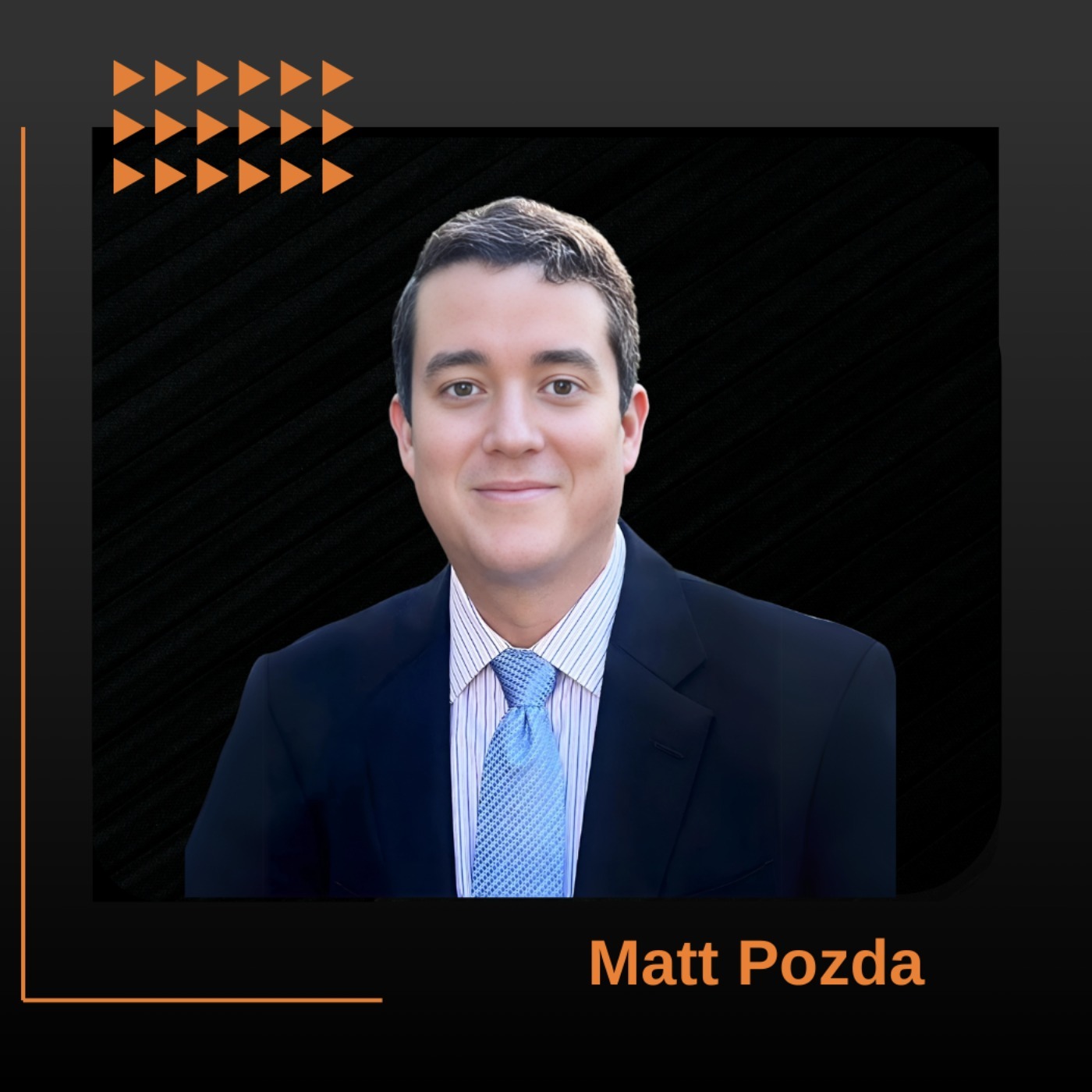
To The Point - Home Services VIP Room Podcast
Ex-Banker To A $20M Home Service Company with Matt Pozda
01:06:44
Loading summary
Transcript200 lines
- [00:00]
A
Are we protecting our employees or are we preparing our employees? And if we're not preparing them, you know, are they truly going to be ready to handle the challenges that customers are going to throw at them? Are they truly going to be able to handle the problems that life will throw at them? And you know, we complain so much about entitlement or this generation is entitled, blah, blah, blah, you know, all these business, nobody wants to work, they're lazy, but then they're out there talenting that they're going to focus on people first, then they're going to coddle them the same way that the parents did that created the generation versus I want every person who works at this organization to understand that your job is put the customer first. My job is the leader, is to put you first. And it's a, it's a very fine differentiator that I think a lot of companies are maybe confusing right now a little bit. And that's why I say it's taboo.
- [00:56]
B
This is to the Point a Rhino experience pulled in one of the top.
- [01:03]
A
Home marketing and operations podcast.
- [01:06]
B
Cutting through the. And getting to the point. What's up to the point listeners, it's your boy Chris. I hope you had a very happy Thanksgiving because I'm pretty sure this is the Tuesday after the Thanksgiving. Yes. Okay, I'm right. Yeah. I hope you had a great Thanksgiving and you got some great deals for the Black Friday and had a very relaxing football field weekend with family and friends. But now you got to get your ass back to work. Okay, it's go time. So I'm excited. We have a guest I met, I just met this guest this year. Well, I guess at a couple different events, but mainly at Tommy's Home Service Freeman events. We probably get to spend the most time talking together. And I hadn't heard of his business prior. No disrespect, just hadn't heard of it. Like there's a lot of companies, like a lot of you listening. If I haven't heard your businesses and, and I'm always intrigued by people's backgrounds and, and our guests, you know, how to, you know, investment banking, private equity background. And he's not private equity. Okay. I'm not saying he's private. He just comes from that, you know, finance world. Okay. And then decided to switch out his white collar for blue collar biscuits. Well, I guess you still got both, but, but it'll be interesting to hear his perspective. And you know, if you noticed, I haven't, I haven't introduced my co host and my, I Haven't introduced him because yet again, he is absent. I don't know how many of these marks he's going to get before he has to go. You get to in school suspension, but enough's enough. And so I actually thought he was going to be on here. And the producer, Ryan says, nope, he ain't gonna make it. And so I text him and he replies with haste, which is very unchad Peterman like. And I want to read to you all what his text message says to me on his. On the reason for his absence, which is unacceptable. And he shifted the blame off to his wife, Emily Peterman. So he didn't take credit. I mean, he didn't even take accountability for it. But here's his. Here's his message. And you guys know how, you know what, Chad loves to, you know, sing and that kind of stuff. Like, he's really, you know, really outgoing. His text message back to me when I said, you're not gonna make this episode. And he said, that's correct, Emily. And I just got to Louisville for the Justin Timberlake concert. Who knew Chad was a JT fan? I told him, you don't have to be so quick to walk away, but.
- [03:39]
A
This is very fitting for your in school detention comment, by the way, because that's about when JT was out there cranking song, right? High school days for Chad.
- [03:49]
B
God, man, he went to Justin Timberlake. He don't even know one song. And if he. If he does, you know, listen, Going.
- [03:56]
A
To Cry Me a River is his favorite.
- [03:58]
B
Here you go. I mean, there's so many we. I wish I would have known this that time. I could have prepared some different questions. Going to a concert with. With Chad Pearman's like, going to a concert with Tommy Mello. Like, Tommy never stands and sings anything. He just sits there and like, thinks about business. Like, he's the worst to go to a concert with. He basically just is like, hey, let's just go and like, get a drink and talk. Like, that's all he wants to do at a concert where all the rest of us actually want to, like, you know, enjoy the. Enjoy the artist. So I envisioned Jad being, you know, the exact same way. And listen, I've seen him on a few Rhino X concerts and he's not one for moving. Except for this pre. This previous Rhino X I did get him. I got his head bobbing a little bit like. And that's progress, right? And one of these episodes, I'm going to get Chad to sing something. I don't even care if it's one note. It's going to happen. Well, Chad, hope you're happy with yourself. We just wasted a solid five minutes on talking about your dumbass for not showing up for another podcast. Bastard. Okay, I'm, I'm done. Let's get back to our guest. Okay, so I have, I have my buddy Matt on, who's down the low country, by the way, and CEO of Call dad Heating and Air Conditioning down low country in the Carolinas for those who don't know what the hell the low country is, but also in seven markets, you know, both North Carolina, South Carolina. I love it down there. You know, recently my, you know, my wife and I have an investment property down in Seabrook Allen. Amazing down there. Absolutely love it. But our guest, you know, came from this, you know, the investment banking and private equity world like I was talking about, but, you know, is not a private equity company again, so please hear that. And they came over to the trades, you know, in 2017. I believe you, Matt. You purchased, you purchased the company and then did a rebrand on the company. Is that how that, how that went down?
- [05:48]
A
Yeah. Correct. And I can jump into the story if you want, but yeah, so, so.
- [05:51]
B
Let'S do this real quick. I, I'm gonna guide you into it here in just a second. I just want to make sure I didn't jack that up. And I know you personally financed it all, so it's not like you went and borrowed money because you kind of been an entrepreneur man since you were just a wee little man between, you know, mowing lawns and the rug dealer, not drug dealer, the rug dealer kind of done, you know, dabble. Like all the things that us guys do, we sell, we're selling something, you know, trying to make some money. But so it is cool that you, you know, you decide to go into, you know, the blue collar and trades world, but you personally financed it. So maybe let's do this. You know, it's, let's just go ahead and share with the listeners. What I like to do is just set the stage so they understand the size of your business. So I've kind of given them a little bit of your background, but you can elaborate a little bit more on it. And we're not going to go into, like, story time. It just, you know, let's just lead up to it quickly so that way they have an idea of where you're coming from. Because some of the, a lot of the questions I'm going to ask in this episode are geared are geared towards what's the difference? Or what have you brought to the blue collar business that you learned from the white collar business, you know, or you know, you know, something along those lines. I'm going to stay right in that lane for the most part. Yeah.
- [06:59]
A
So I'll try and keep, yeah, I'll try and keep super brief on background. But as you said, you know, my first business was selling paper airplanes in second grade because I found a way to make them better than the other kids. And we were racing, you know, pogs, golf balls, lawn oriental rugs, you name it. If there was a way that I stumbled upon it through grade school, high school, I did it. I was not a very good student. I wasn't engaged, probably undiagnosed adhd. Uh, but when I was in freshman year of, of high school, teacher said, hey, you should take an accounting class. Took an accounting class. And somehow that just clicked with me. It was like a language that I understood better than English, which doesn't say much. I mean, I'm terrible at English.
- [07:46]
B
You wanna, you wanna know what class stood out to me, Matt?
- [07:49]
A
What?
- [07:50]
B
Pe. PE stood out to me, Matt. You know which one didn't stand out to me? Math. Math. And not stand out to me.
- [07:57]
A
Yeah, yeah. See this was back when I thought I was cool in PE for wearing high socks when it short stocks were just coming in. So yeah, so that, that put me on a completely different life track. Accounting did. Became very focused on what I wanted to do for a career. Wanted to become a CPA, wanted to work my way up to Fortune 500 company that put me on a college track. Really turned around, you know, grades, focused on school because then I had a mission. I knew what I wanted to accomplish, got to college, did an accounting internship, realized that I absolutely despised accounting because, you know, it's letter of the law. And then started looking around and figured out that what suits my personality a little better is finance. And looked at what everybody at school was doing, which was chasing investment banking, private equity. So went down that path. And what I realized is probably that entrepreneurial spirit that I had at that time was short sighted, chasing money. And ended up chasing what I thought would be the most rewarding career for me monetarily, which I saw everybody else was doing, which was investment banking. So I was like, let's get into this, let's get after this. So did that for about a decade. I primarily focused on telecom, media and technology companies. So Internet infrastructure, data centers, fiber networks, you know, cell towers, all. Anything that has to do with, you know, data services, if you will, was my primarily primary focus. So leverage finance, equity capital markets, debt capital markets, M and A. I was part of a coverage team. So we kind of sat in front of all the products, so did everything. Investment banking, basically the full set, right? During that time, like all investment bankers, whether they admit it or not, we're always talking about investments. And we heard a rumor of some guy at another bank who had bought a bunch of gems on the side and he was still banking. We were like, man, that sounds like a pretty cool idea. We could buy small businesses. So we started looking at small businesses, thinking that this was just going to be a side project. But at that same time, there was a lot of things going on with my family, right at it started having kids. I was on the road seven days a week, or not seven, but six days a week. So starting in that family pressure as well. So it was like a perfect convergence where we were looking at small businesses on the side and starting to realize that, hey, I don't want to end up like my bosses, divorce multiple times, you know, away from the family all the time. So it was perfect convergence in the sense that we also started seeing some arbitrage, right? We could buy these businesses really small, really cheap. And you know, we're super smart investment banking guys. We can come in and just tell.
- [10:45]
B
Them, yeah, will you do this?
- [10:46]
A
And you know, all of a sudden we're going to make all this money. Which by the way, I say that is sarcastically as humanly possible if you can't pick up on that. And you know, found a few small businesses started looking at. But it would the, the, the real spark, if you will, or when I discovered my North Star was during that time in 2014, 2015, my H Vac unit at my house went out and this is in Charlotte, North Carolina. And I had, you know, the. Probably the biggest dichotomy that you could ever experience in terms of companies that showed up at the house to do the service. One was, you know, big company in town, unbelievably responsive. The joke that I say is, you know, when we called them, they were like, hey, we've got a tech in your driveway already. And you know, again, very professional, but the dude was just the most dismissive, arrogant person that I've ever, you know, interacted with in my life from a home service professional. Now looking back, that guy probably just had a bad day. And I know now that I'm that annoying ass customer who was asking too many questions, like, you know, standing over the tech shoulder. But the guy was just dismissive. Wouldn't entertain, wouldn't, you know, humor me, wouldn't educate me, wouldn't do anything. So then we started asking around, found another company who was referral from a neighbor, the exact opposite. We couldn't get a hold of them. You know, finally when we did, it was the wife who answered the phone. The wife went back in the shop, was yelling at her husband, you know, didn't take the phone or, you know, didn't put the phone off. Like it was not on mute or anything. Like, I could hear them arguing about when he could get to my house. And during that time, I was like, there's got to be a freaking better way. And then he showed up and he was actually genuine. Like, he taught me, he humored me. And that was when I already had that feeling like, hey, this is uncomfortable. I'm in more uncertainty than I've ever been as a homeowner about something that I have no clue about. This is not right. And then that's when the paper airplane model started kicking in. And I was like, hey, this is. This is the industry. This is what I need to chase. So I bought. You remember Ron Smith? Back then, there weren't a ton of books, so I bought H Vac spells wealth by Ron Smith. Yeah. Read that book and then just started hunting. I was like, let me. Let me find a business to buy.
- [13:06]
B
And that's how it went. So, so what was. So you bought the company in 17.
- [13:11]
A
Yeah.
- [13:12]
B
And what was. What was the. The business in 2007? What's the revenue size in 2017 when you bought the business?
- [13:17]
A
Yeah, and I, I have this conversation, I call it as many not be PC, but I say don't get deal pregnant. I say that to a lot of people where you get so invest deal that you don't care and you bypass maybe some diligence things that you otherwise would. Would kill a deal for. And I was, I was just deal pregnant on the industry. It didn't matter what it was at that point. I wanted to get into the industry. So they told me it was like, you know, 50, 60 residential new construction. I was like, okay, I'm cool with that. I get in there, it's like 98% residential new construction. Yeah. I. The. The story, like, this is how desperate I was to get into the industry. The I asked the guy for like, hey, can you give me customer records? He's like, I got something better than that. You know, meet me at the shop. And I thought he Was going to hand me like a flash drive or something, you know, like, hey, here's, you know, worst case, he was going to give me like a CD and be like, here's our customer records.
- [14:11]
B
What do you want to show you as war room with the boards or the papers or.
- [14:15]
A
Yeah, with freaking whiteboards.
- [14:17]
B
Of course, of course.
- [14:21]
C
Sorry for the interruption to the point listeners. Have you heard of rilla? Are you using Rilla yet? If not, are you for Rilla? See what I did there? Rilla is the leading speech analytics software for the trades. It is on a mission to bring physical ride alongs to an end. You can coach your reps with virtual ride alongs now that are a hundred times better, faster and much more efficient than the physical ones. All you got to do is use the killa.
- [14:50]
B
Rilla.
- [14:50]
C
That's R I L L A.
- [14:57]
B
That's paperless.
- [14:58]
A
Yeah. So here I am like with my computer, I'm like, okay, like let's get this customer information. But yeah, it was mostly residential new construction sub $1 million. So very small business with almost no. No retail or you know, residential service maintenance and install presence at all.
- [15:20]
B
Well, he was going to have a hard time if the IRS audited him. I mean, trying to make aliens.
- [15:26]
A
Oh yeah, yeah. You want to tell like that's where I go back to. Like I've learned this industry by fire because a few weeks after bought it, you know, the state comes knocking on the door and is like, let me see your W2s. And that's when I realized, you know, these, I need to understand this business. I need to really roll up my sleeves and get involved in the day to day. If I'm actually, you know, want to build a business that's reputable and want to build a business that's taken over the Carolinas.
- [15:54]
B
Got well, trial. Trial by fire. Okay, so did you share what the size of the company was like, revenue wise?
- [16:03]
A
Yeah, yeah. So when I 2016, the year before I bought it, sub 1 million and then my first year in business we did 1.5 million.
- [16:12]
B
Awesome. And so now looking forward to today, like now what is the size of the business today? So now the listeners will be able to understand the gap. Yeah.
- [16:22]
A
So we're breaking into 20 right now, trying to do hopefully finish, you know, north of 20, kind of 25 area this year.
- [16:29]
B
Cool. Awesome. So now we kind of know what you're, you know, what you're listening to. But it's cool to hear like what you came through and especially that shift from 90% new construction shifting back over to the residential item replacement service side of the business.
- [16:44]
A
Yeah, it was two, 2019 was when residential took over. And then 20 January of 23 we spun out residential new construction. So we do no new construction anymore this year.
- [17:00]
B
How, how has this. Are you still seeing some steady growth? Did you see steady growth or flat growth in 2003 or 23 or 24? Like kind of what. Give me a little bit of.
- [17:10]
A
So we're up just north of 50% this year. Oh, all, all organic. 100% organic.
- [17:15]
B
That's great, man. That's great. Is there like anything that you can hang your hat on to what you think that that is? I mean, or is it things like it just what stands out to you for that it's got to be something at 50% growth.
- [17:27]
A
Yeah, I mean for us, you know, we, we tend to ignore the market dynamics because we're focused on market share. So I don't care. Up down market, it doesn't matter. And a lot of this. All right, so this comes to. If you want to get into the rebrand. I intentionally. And part of the reason now I'll admit later in this conversation that this was stupid of me and looking back, I regret doing this, but there was some intentionality on me that I wanted to fly below the radar. I knew some guys that similarly were coming out of investment banking, out of private equity or starting funds or fundless sponsors that were going out there trying to do this roll up model. And I very early on believed in the thesis that this needs to be super regional, this needs to be brand ubiquity. You know, you've got to come at this from kind of building that central nervous system, that circular system approach. So I intentionally flew below the radar thinking I want to build all these markets up kind of equal size and then I want to really come up above the radar and, and build a brand. Now what I will say is my kind of aha moment as I was going through that process that kind of changed my trajectory on this was, you know, coming into to 23 was kind of personally struggling with what next steps were or where we wanted to go as an organization. If you talk to some of my leadership team during that time, I was probably more mantic and crazy than I've ever been. But that was when decided, all right, we're going to get in the world, we're going to start meeting people, we're going to start talking to people. And you know, it's. What's that old. What's the old Buddhist Saying when a student is. When a, When a student is ready, the teacher will appear. Right?
- [19:20]
B
So, sure, sounds great. I, I'm, I'm not up to snuff on my Buddhist terminology.
- [19:28]
A
Stick with that one. So, all right, well, how about this? Are you up to terms with your movie history? You remember shallow how.
- [19:35]
B
Yes, now we're talking.
- [19:37]
A
All right, now I'm, I'm. This, this will be the first time hopefully you ever hear this comparison. But you remember when Hal met Tony Robbins in the elevator? Yes. Okay, I'm gonna compare Ken Goodrich to, to Tony Robbins because I met, I met, I met Ken at ACA in 2023 and within a 10 minute conversation, 15 minute conversation, the guy completely changed my perspective on this industry and what it means to have a brand.
- [20:14]
B
Yeah, that makes sense. I, well, one, that's the only. Like I, I didn't go to 23. Like, I went to all of them before I didn't go to 23.
- [20:23]
A
Yeah, well, you missed, you missed Tony Robbins there, apparently.
- [20:27]
B
Were you guys in an elevator too? So, so. Well, by the way, like one of the best brand stories out there. So, like, that's great advice. Sage. Sage advice from Mr. Ken Goodrich. So, so that was your aha moment on like, I need to, I need to change this brand into something that's a, you know, that's a little bit more of a great story that everybody can get behind. And that happened in 20. Like, so that's. So we're not talking like this hasn't been that long.
- [20:55]
A
No, we're, we're 13 months into the new brand. But what it did for us, and this is probably way too long way of answering your question. What it did for us was I realized that I was building my vision around a brand is opposed to building a brand around my vision. And again, not that my vision is anything that special, but when you can align purpose pillars and all those things around a common brand and a common vision, it really empowers the organization to go a field and really get things done. And I would say from culturally speaking, it's been a special sauce for us over this. You know, really what most people have struggled in 24 and we've just been out there, you know, kicking ass and taking names.
- [21:41]
B
Everybody's got, everybody's on board and it kind of re. Energized for everyone probably. And, and, and if you roll out a new brand the right way, you can, that's what you, that's what can happen. Like you can get everybody re. Energized and it. And it's like a, you know, a refresh. Yeah.
- [21:55]
C
Can you.
- [21:56]
A
And then other things. Sorry, I just got to say is just a kick ass team. I mean we've got some phenomenal individuals that are really out there doing, doing a great job and really representing who we are and what we're trying to accomplish. And without them, I wouldn't be able to do any of this stuff.
- [22:12]
B
That was a very thoughtful shout out to your team. Shout out to Matt's team. How about that Real quick. I want to ask a couple questions on this and then I'm gonna move on. Can you share what the name of the company was before long? And I don't care who it is, I just want to know the drastic change from one to the next.
- [22:29]
A
Yeah.
- [22:30]
B
What was it?
- [22:31]
A
It was Sky S K Y H vac was the name of it.
- [22:35]
B
So again, this is Shift, dude.
- [22:38]
A
It was awesome because I had, you know, every market that we were in, I had the city skyscape in the back of the logo. I was like, this is so genius. We had, you know, all the trucks wrapped different for every market. I thought, man, this is such a great idea. Sitting up late at night designing these logos and like, and it's like, well, let's just blow that, all that up. So yeah, it was funny.
- [23:02]
B
So to then change it to call that so. So then tell me. I get like, I get like the whole feel of the. I mean, call dad there. So you kind of took the family approach. Like it's a family business and you know, if you need help, just call dad. That's what I do. But who was this, your brainchild that came up with this like. Or, you know, and then like, what's the story? Just so our listeners, most people who know Kim Goodrich know his story as he held the flashlight for his dad when he was 10 and he. And he was learning lessons at that time. And that's when his dad would tell him, you know, like, you know, kid, his dad would say, his dad Duncan would say, you know, when you help people, you drop what you're doing and you help people, you know, now not when it's convenient for you. And you always do things the right way. Like. And so his whole thing is he held the flashlight for his dad. And that story is a fantastic story and I still hear it on the radio to this day. Um, I heard on the radio at the airport yesterday. But then maybe tell me just real quick, like, what is that? Like, what is that story that you're attaching to everything for Called yeah, man.
- [24:09]
A
And this, this could go into a four hour conversation.
- [24:13]
B
So I just want the actual element.
- [24:15]
A
Yeah, the, the concept that we're sticking with is, you know, I'm on my way because that's what dad would say. So it's the concept that it's not a specific dad per se. Right. Someone once said that every child is either trying to live up to their father's expectations or make up for their father's mistakes. And what we're trying to do is realize that again, it's not that specific dab per se, but it's the concept of a father and a concept that when you're in a dire situation or when you're in need and when you go back to my origin story of being uncertain, you know, the worst thing that a customer can experience is uncertainty. And what we build the brand on is solving uncertainty. So when you call dad, the only response you should hear is we're on the way. Because that's what dad would say. And that's the whole mentality is that we put the customer sir first. You know, we put that uncertainty at ease. If you want to know specifically how Called dad came to be, that's a 14 hour long therapy session that we went through with Wizards of Ads and Ryan Shoot and that whole thing where they tried to get into why of me and what motivates me, what gets me up and all that.
- [25:36]
B
Which is, which is what they did with Goodrich when they came up with this story. It's the same thing through, you know, through Roy Williams and Wizard of Ads and all those guys. So. Well, we don't have that kind of time and I know our listeners do not want to hear go through all that. So let's get through it. By the way, I think it's important though they understand that you're still seeing that kind of significant growth after a major brand shift like that. So that says a lot. So it's, you know, I don't know if you expected the worst, you know, and you're like, oh God, this is going to be, you know, I don't know if you were sending things out ahead of time to your.
- [26:08]
A
Yeah, no, we did it the worst possible way, which was we planned the whole thing as a surprise to the whole company. So we brought every, we do these company wide meetings where we beat it, bring everybody to a central location. So we wanted rather than misconceptions of what's going on or why we're doing it or are we getting bought or everything that can possibly go on. We wanted to control the narrative of it. So we brought everybody together all at once and announced it. And then we handed out these awesome uniforms. Right. And while we were in the meeting, we got the wrap company to come in and actually wrap some of the vehicles during the meeting so we could go out and show them. And then we flipped the switch on the website. We did all that stuff, which again, it was orchestrated. Felt like it was a good idea. But man, we got our butt kicked that October because there was just so many things through the Google by business listing, through the customer base, through all that stuff that became very problematic in a very short period of time. So we, we definitely suffered in late 23 because of the rebrand. So it was a few months of, of pain. But 2024 has been spectacular for us.
- [27:18]
B
Good man. I'm glad to hear that. That's very encouraging. And you guys, it's, it's like, I don't know if you're experiencing the same thing over, over there, but it's just been like, it's been hot so much longer, you know, here in Phoenix and Texas and South Florida and I'm, and I over there, it seems like it's still like not saying hot, but it's still warm.
- [27:41]
A
It's nice. It's like it's perfect.
- [27:44]
B
Which is the enemy for us.
- [27:46]
A
Yeah, yeah. It's funny we won't say because everyone has that. Like, even my wife has that. Oh, it's beautiful out today. And then she'll look at me and she'll be like, oh, I'm sorry.
- [27:55]
B
Yep. Okay, so let me shift gear for just a second. I want to talk about your experience, you know, in the private equity and investment world and how that really prepared you or challenged you for running a hands on, you know, service oriented business. Like, what did you bring over? Well, you know, what is it that you brought over that you thought, you know, I think it's kind of, it would make sense that you have some financial, you get some skills on the finance side of things to help, you know, run, run a, a good business. But you probably got challenges quite a bit of things too, because it's a, it's a serious shift from white collar to blue collar, you know, and different customer base. Like it's all completely flipped. So, you know, what, how did your, you know, how did all that private equity and baking experience translate over this business and then also how to challenge you?
- [28:50]
A
Yeah, it did not translate very well. So I thought, you know, again, smart banker, I'm coming in here, I'm gonna, you know, tell these guys how to operate a business. Then I'm gonna go home and buy something else. You know, I, I thought that I was a lot smarter than I was. I will say that I have used very little of my skill set that I learned in finance thus far through this business. The biggest thing that I've used is grit and determination. And in those banking days, I mean, you get your butt kicked. I can't tell you how many weeks I worked more than 120 hours. And people don't believe you. I mean now like bank investment banking today, like they, the, the MBS are making, you know, analysts and associates clock hours and you got to report and they're making sure that everybody has work, life, balance and all. Not. Back in my day, my, my day was like, you got destroyed and you're on salary. Yeah, exactly. It, it's just, it was a different, you know, I'm a little older. It was different times back then. But you know, the grit that it, it taught me, the determination, it taught me, you know, the we, I can't tell you how many, how many deals we pulled, you know, all nighters for a week and then the deal fell apart. And what that teaches you is like, hey, it's okay to get kicked in the teeth. Hey, it's okay to fail. We'll get them on the next one. And I think that mentality translated very well. I thought I was used to being surrounded by type A people, so not that again. Some of these people, I don't want to sound like I was talking bad about them, but when you get there and you're around a bunch of blue collar guys who expect to go home and don't expect to be bothered when they got home, I was used to, you work 24 7, it doesn't matter, you're always available. So here I was typing up emails about all these things that are wrong that we need to approve 11:00 at night and send them out. I'm like, why, why aren't these people responding yet? So, you know, I had to tamper my personality quite a bit. But yeah, the grit and determination to figure things out. I learned that I had to roll up my sleeves if I wanted to do this different, if I wasn't going out there taking money, if I was trying to build this brand, I had to get knowledgeable. So I went out in the field. I had people teach me how to do stuff. You know, I've changed to TXB myself. I've Done some of this stuff, put hands on, which is very different than maybe some of my cohorts out there in this industry. Right. So I made sure that I understood this business. And I think that all of that came from grit and determination. Maybe a little stupidity sprinkled in there, but I was determined to figure this out and determined to succeed. Succeed.
- [31:31]
B
Oh, that's cool. I didn't realize that you did that. I, I think that you said you're a little bit, you know, you're back in your day, you're younger than me. I want to say you're like 39 or 40 or something like that.
- [31:40]
A
Yeah. Just turned 40. Yeah.
- [31:41]
B
So welcome to the 40 Club. It's a little bit weird up here.
- [31:44]
A
Thank you. Yeah.
- [31:45]
B
I'm 25, so respect your elders. So. But, I mean, it's you. I would have thought that, you know, the, the, the natural thing would have been you. Um, you come in to this business and if it's, you know, sub a million, you probably don't have many employees.
- [32:03]
A
Uh, I think there's maybe five total employees.
- [32:06]
B
So. But your major skill set is your. The financials. Like, so I would have thought the easy pression would be you just are like, okay, let's get this cleaned up. Like, let's get back to.
- [32:17]
A
Yeah, but the problem there is like, anybody, like, that's the problem with budgeting is anybody can put numbers and be really smart about putting numbers on Excel, but if you can't manage the people and you can't run the process to do it, it doesn't matter what you put in Excel. And that's what I learned very quick is like, if I don't earn the respect, especially on the construction side, if I don't learn the respect of these individuals, I'm never going to learn the trade, and then I'm never going to be able to take this company where it needs to go, at least in my opinion. I, I was just joking about this at our company meeting when I was saying what our goal is for next year, and I was looking at people and I said, I see those eyes looking at me crazy, because those are the same eyes that were looking at me when I told the team that we were going to do a million dollars this year, and when I told the team that we were going to do $3 million the next year, it's like, just kept going. It's like I've, I've experienced that pain. And at the end of the day, the financial side of it, like, that's that, that's my bible. That's what I understand. I know, I know financials, I know numbers. They don't scare me. It's the other aspects of the business that scares me. And that's where that determination really comes into play. Play. And my benefit is that I'm willing to roll up my sleeve and learn that now I'm learning that I'm can get in the way sometimes, right, by, by getting too deep or asking too many questions. But if I didn't ask questions, I didn't get deep. I would have probably gotten along with that first tech that showed up in my house and I would have known an H VAC business right now. Right.
- [33:44]
B
I love that you got in the market and would. I do think that that actually helps earn respect faster? No, because you got, you got in the market and did it. You know one thing that, when you're kind of talking through that, what I was envisioning was think about how many, and probably some of you listening right now run their business from their bank account instead of their financial statements. You know, like, which is, I think when you're smaller, pretty common. Like maybe more common than not. And until you can kind of like hit that next gear and actually start running your business from your financial statements. And yeah. If you don't know what the hell I'm talking about, one, use this as your, as the beacon for you to figure out how to get to financial statements. Like, yeah, get a good accountant.
- [34:26]
A
There's, there's a lot of people that do that and they don't realize that they're doing it, but they're logging into the bank account every morning looking at their balance and it's, you know, bank statement management. You're kind of just looking at that account balance every day, deciding whether you're doing a good or bad. And I'm not going to lie, like, there is periods, especially in, you know, some businesses during COVID where like you, you sneak some peeks because you're wondering what, what's going on? You're like, we're good, we're okay. Yeah, yeah.
- [34:54]
B
Very short sighted. Very short.
- [34:56]
A
Yeah. But no, we, we do that. But the way that we do bank statement management is we do a working capital snapshot every week on top of the financial reporting. So we're still using bank account management, but we're taking it from a total working capital view. And that's probably banking background. Right. That's where that comes into play.
- [35:18]
B
You probably have to be careful too because, you know, a lot of, you know, a Lot of people here who have not been acquired but hear about it because it's all over or people who have done it. One of the concerns was like, oh, man, like, having to report to a board sounds awful. In some cases it is. If. Especially if shit's not good. God, in my world, things are very good. So my board meetings are significantly easier, but they're still like, you know, it's a process.
- [35:51]
A
Yeah.
- [35:51]
B
You know, it takes a lot of focus, you know, and you have to be willing to answer a lot of questions. Yeah. But. But you have to probably be a little bit careful. Those who know that you come from the finance side of not making it feel like that, going over financial so frequently with, you know, with your team. So I'm sure it's probably a delicate balance. Yeah.
- [36:10]
A
And that's where it's. It's tough because I meet a lot of business owners that aren't very transparent. Right. And I have been probably too transparent since day one. Where we broadcast our financials internally. Every single person knows what we're doing, how we're doing it. Every market manager knows what other markets are doing. They know what corporate's doing. So for us, it's not. We've never had to balance that. Careful. We've just had to educate people on why we show everything to everybody. But once the culture becomes accustomed to that, it's not like there's nothing that ever really shocks them from a numbers perspective.
- [36:47]
B
But you're not like ESOP or anything like that, right?
- [36:50]
A
No. No.
- [36:51]
B
Okay.
- [36:52]
A
Yeah.
- [36:53]
B
The you you had said, I was trying to listen to. I just. I just flew back from Dallas today just in time just to interview you here back in the studio. Okay, Matt, so thank you. Thank goodness. It's on my way home from the airport.
- [37:08]
A
If only. If only Chad liked me as much.
- [37:11]
B
I know, but that son of a is down there dancing to Justin Timberlake right now. By dancing, I mean, he's literally sitting in his chair watching Emily dance probably.
- [37:19]
A
He's got front row seats.
- [37:21]
B
I know Chad. He's not in the front row, guaranteed. Depends on who made the decision, I'm guessing. So he could. There's a chance that this.
- [37:30]
A
A small chance, yeah.
- [37:32]
B
It was Chad. They'd be in the upper deck. But you. I. I cannot remember which one I was listening to, but I listened to one of your interviews and you had said something I thought was pretty interesting. I've never heard it explained this way like. Or used an analogy like this, but you had said, then I'll be curious for you to unpack this a little bit. That 50% of your day is baggage claim, and the other 50% is spent as a personal. As a personal therapist. Do you remember this statement first?
- [38:08]
A
Yes, I. I use that probably too much.
- [38:11]
B
Okay, so this is one. This is a common statement that, that you use. So I can put.
- [38:16]
A
I tried to stop using it. So thank you for bringing it back up.
- [38:19]
B
Welcome. I can put two and two together here and figure it out pretty quick on what you're talking about, but if you would, please indulge me in it. Just explaining to listeners, what do you mean when you say 50% of our day is bad is spent as personal therapists?
- [38:35]
A
So you know this about me. Sometimes I can go long on stories, so I'll try and be very brief, but this whole thing came about where, like, white my wife and I out, you know, at dinner parties or soccer games or birthday parties for kids, whatever it may be. And you know, the most common question that new people ask you is, what, what do you do? And I got so sick of people asking me that question and having difficulty answering that. I used to play around with different ways of answering the question. And that was the one that I came up with that I laughed about the most is I would say, well, I spend half my day doing baggage claim and the other half is a personal therapist. So that's how that kind of came about. But it was very true in the sense that if, number one, there's always going to be fires, and if you don't either do one of two things, attending to those fires or working on fire prevention, you know, you're never going to make progression or processes that avoid those problems. So that's kind of the, the avoidance of those problems. And that's probably the most thankless job of, of or thankless job aspect of the job. I can't remember. There's some comedian back in the day who joked about, you know, he would go into baggage claim and be like, thanks, got my bags. Like, nobody is ever thanking you for solving those problems. So that's kind of that way of saying, like, hey, it's a thankless job. It, it really is. You know, at the end of the day, like, we can get people who, you know, say that they praise us because we write their paycheck or whatever it may be, but if you don't attend to people's needs, you know, or at least try and solve the problems, you know, again, you're going to be dealing with baggage claim all day, every day. The personal therapist side of things is, you know, really, we've. We've gotten hardcore into what we call PDPs, which is personal development pathways. It's kind of that dream manager concept, if you will, that Tommy talks about all the time. So we're. We're very invested in developing people. And if you're okay with this, I want to do something which is maybe a little taboo, but is something that, you know, we as an organization have spent a lot of time on this recently, which is. I've heard you and I've heard a lot of people out there touting how their. Their business is people first, their business is employee first. And what, you know, this is where the challenge comes, which is our business is customer first, you know, and it's an unfortunate differentiator. But I say to the team all the time, and I just preached this very hard a few weeks ago at our company meeting, that your job is to focus on the customer, my job is to focus on you. And I think lately we've gotten so focused on talking about people, talking about employees, that sometimes we've lose. We've lost direction on who matters also, which is the customer. And I get like, hey, it's a chicken and egg situation, but if we don't take care of the customer, I'm not going to be able to serve you in this. All right, talk about my. My wife and I have this conversation about the kids all the time, which is, you know, are we protecting our kids or are we preparing our kids? And I think the same is true with employees. Where are we protecting our employees or are we preparing our employees? And if we're not preparing them, you know, are they truly going to be ready to handle the challenges that customers are going to throw at them? Are they truly going to be able to handle the problems that life will throw at them? And, you know, we complain so much about entitlement or this generation is entitled, blah, blah, blah, you know, all these business, nobody wants to work, they're lazy, but then they're out there talenting that they're going to focus on people first and they're going to coddle them the same way that the parents did. That created the generation verse. I want every person who works at this organization to understand that your job is put the customer first. My job is the leader, is to put you first. And it's a. It's a very fine differentiator that I think a lot of companies are maybe confusing right now a little bit. And that's why I say it's taboo.
- [42:59]
B
Yeah, I Don't think it's taboo. The way that you just explained it doesn't sound like taboo to me. I think it's. I think we're actually kind of still doing the same thing. It's just, you think about it from your seat versus other seats. Like from your seat, you are focusing on. On your team, your. Your, you know, your employees, but they're focusing on the customer. I mean, listen, my account managers, my, you know, people that are. Anything about his client facing. Yeah, that's who they're focused on, is making sure they're taking really great care of our. Of our clients. But I'm not in that seat. I'm in. I'm in a different seat that has to focus on them. And. And so that's where. Whenever I say that that's where I come from is, you know, from. That is my job. I need to make sure that I'm doing everything I can to, you know, keep the, you know, the engine running, running fast, you know, and feel him. It's got the oil changed constantly. It's always running good, you know, and, like, it's trustworthy. Like, I'm the one who's responsible for. For that. Me and leadership. Not just me, but for the sake of our conversation. And so I don't think in the way that you're explaining it. I don't think that we all think differently than that. It's just a different seat on the bus. Yeah.
- [44:15]
A
And I don't mean different. It's just. It's hard to. It's a really hard thing to navigate from a culture perspective. Right. Because when you say people, people first, culture. And that's what the company is built around, it's a difficult thing to navigate through. Through. Because. All right, serve like family. Right. And I. That's one of Dad's first pillars, is serve like family. And whenever you get challenged on that, it's like, okay, well, who are we serving and how are we serving them? And I say, like, you know, sometimes in this business, serving like family will create a personal inconvenience for you because we're solving the inconvenience of the customer. So I will put at times the customer's convenience above your convenience. But you have to understand that I'm putting your future above your convenience today by doing that. And I'm more focused on who you're going to be, where you're going, and if you can't understand that dynamic or I can't educate you on that, then there's going to be a problem. And you're going to feel like I don't care about my employees or I don't care about that. You know, you need Tuesday, Wednesday, Thursday, Friday off every single week. It's just this weird dynamic that you have to navigate as a leader and it's difficult whenever you put values as your organization is people first. Yeah, so sorry, I didn't mean to go down that rabbit hole.
- [45:40]
B
No, no, but. But you know, kind of going back to what I was saying earlier when we were talking about your rebrand, this kind of falls in line with what old Duncan Goodridge said was, you know, you do when it's convenient, you know, not when it's convenient for you. You. You do it when it's convenient for. For them.
- [45:54]
A
Yeah.
- [45:54]
B
Talking about the client. I mean, we're talking a long time ago, but you know, but that's the way that that brand runs. You know what I mean? Yeah. Okay, so God, we are like almost 45 minutes into this thing already. So I got, and I had like five more questions, but I can't get through all those. So I'm going to like try and sum it up to a couple more of these questions roll through real quick. So now that you mean you've been in it for enough now, I mean you got this thing to roughly $20 million business, which is a respectable business. Nice. But you know, a nice good, you know, big boy business or girl business for the ladies listening. In this case, it's a big boy business.
- [46:35]
A
Thank you, thank you for that clarification. I know Chad was good when he went back and listened. Was going to make sure to clarify.
- [46:42]
C
That in home services, speed to lead is everything. Chirp stands out by training. Transforming your communication strategy with Chirp, accelerate your lead response time with instant sms, text messaging, email and ringless voicemail automation. Chirp's cutting edge technology ensures you're the first and the most persistent, helping you close more deals than ever. But that's not all. Say goodbye to missed opportunities with Chirp's incredible follow up system. Keep your leads engaged and moving smoothly through your sales sales funnel without lifting a finger. And with your deep integrations with top CRMs like Service Titan, Housecall Pro and Jobber, you can launch laser targeted campaigns to connect with the exact right leads at the exact right time. Automation creates efficiency. Efficiency unlocks scalability. With Chirp, you can automate speed to lead estimate follow ups rehash abandoned call, follow up canceled job follow ups review requests outbounding to your list, annual reminders, membership expiration, follow UPS and so much more. So stop chasing leads, capture them, connect faster and close more deals with Chirp. Contact Chirp today and elevate your communication game.
- [48:08]
B
Are there. Who were your key players that you started to like through this process? Was it, you're like, hey, I've got my, you know, my COO or my VP of Ops or as I got my gm, like what was the cadence in which you started to like piece together your team, like your leadership team? Was it like, oh, I had this and then I got this and then I got this role or you know, like what, what did that look like as you're building it to 20 million? Yeah.
- [48:34]
A
So you're talking way back in the day or right now how we're looking at.
- [48:38]
B
Even if, even if it was, hey, we had this, you know, a person in this role and it didn't pan out and now we have a new person. The role's the same, the position's the same, we had the wrong, you know, right seat, wrong person type of thing. So I'm talking like when you're putting your, your leadership team in place along the way, you know, what were some of these that like really stand out to you? I'm like, hey, this is the one. And I had to make this change or whatever, like just so I can give the, the listeners, you know, they can kind of envision what you're building to lead this team, you know, along the way?
- [49:09]
A
Oh yeah. So, you know, there's a few guys, two of them I think you met out in San Diego, Matt Stewart, who's our coo, and Derek Wolf. Those guys, again, I can't say enough about how powerful they are and what's their. Derek is our head of operations, which I know can be confusing, but. So maybe this will help frame the answer better. We operate on eos. So you know, Matt and I, when we were very early on describing or kind of outlining and whiteboarding what we thought this organization would look like is we're constantly managing through org charts because of the EOS practice. So whenever we first started it was really, it was Matt and I kind of with our names in every single box across the organization. And then we've slowly used that framework to shift things around. What's been really complicating for us on the multi location side is where do we move? You know, local resources versus corporate resources. That's been the hardest thing, but it's constantly been a finagling. You know, back when we still had the residential, new construction side, it was how do you separate those businesses? And then you have to create roles that you know you're not going to have long time, long term. But if you don't do it in the intermediate term, you're going to cause friction and failure. So it's always been an open conversation that we've had at leadership of, you know, all right, what box do we need to fill right now? Does that box make sense? Is it make sense at the current scale or does it make sense at our next scale and what do we need to do in between? So it is an everyday conversation that Matt Stewart and I have with regard to positions and who we need and what we need and where we need to put people. I don't know if that answers your question, but it is always moving.
- [51:02]
B
It answers part of it because you. So you have your ops guys now. I don't want to assume because you know what they say when you assume makes that ass out of you and me. If you haven't heard that, you're free to use that. But that's like old school. I have to old school tool.
- [51:19]
A
But the have to whom to make me an ass.
- [51:24]
B
That's fair. Thank you for that.
- [51:26]
A
Yeah, yeah, I'm, I'm an honest person.
- [51:28]
B
I was going to assume. I almost forgot the hell I was going to say because I was assuming too much. But the. I would assume that you would have fell into like the financial role, like the lead on the financial role. Is that, is that, is that what happened and is that what it is today?
- [51:44]
A
Yeah. So I spend a decent amount on the finance side. I spend a decent, probably too much time on the HR side and I spend a lot of time on the marketing side. And I think the marketing side probably in that my personality on that comes just from again always looking at businesses from a very young age. Always that curiosity of market development. And then, you know, you focus so much on, on numbers, Chris. You know how much understanding numbers and understanding math and understanding attributes distribution can tie back to finance. So I actually find some satisfaction on the marketing side as well. So yeah, finance, marketing, hr. And then I probably dabble too much in operations till the point that the team tells me, hey, we got this. And I, I try and stay out of the way.
- [52:37]
B
What's your head? Why the hell are you in HR? What is your head?
- [52:42]
A
Right. Right now we're at 107. We've got our.
- [52:46]
B
We have to have somebody else over hr. That's not you.
- [52:48]
A
Yeah, we, we have a team. I just, I still get involved probably more than I should back to the personal therapist. Like the pdp, the, the dream manager. Like all that stuff is, is my baby. But we've got Todd who runs our HR department who kicks ass. But I just, I take personal development and I take the future of these individuals very personally which is why I spend a lot of time there. I came to this call from an HR meeting so that doesn't justify by the way. No, I didn't say it then.
- [53:23]
B
Well you, you wanted to make it a point. You knew you came from, you know you came from hr. Me and the dream manager. The PDP role like makes perfect sense like that you would, you know that, that you would lead. That I would. I would like that's the stuff I loved to be a part of is that and then seeing all those things happen and kind of being able to celebrate with people.
- [53:43]
A
Yeah. But yeah, we've always shared like we just this year worked on our 60 million dollar org chart. You know Matt and I and, and Derek and everybody on the team kind of look at what we need to fill, where we need to move things around, who's taken what role until we can fill it. But we are always looking for, for skilled people to, to join our vision.
- [54:03]
B
Yeah man, you need an all star team. Can is like the best, the best medicine for recipe for success. You know a players the. So okay, so you guys are. We'll call it 20 million for the sake of this. Whether it's 20, 21, 19, whatever. If it's 20, do you what so are you guys already working on budgeting for 2025 and plans for 2025? Are you in that process now or.
- [54:30]
A
Did you just go through it? Yeah. So we actually in December we have an off site where we go to the beach with the team managers all the way. Service managers, install managers, all up to regional managers and the whole leadership team go. And it's a two day process where we sit down and we build the budget as a team.
- [54:50]
B
I bet you love that, don't you?
- [54:52]
A
Oh yeah. Yeah. We were like you should hear some of those conversations where we get excited about how we're going to do it and what's good. It's like this. But this budget season, baby. Come on.
- [55:03]
B
Yeah, you're all excited. The other guys are like what the is this?
- [55:07]
A
And now. And now they're mad at me because I've got like. I've come out with like dad's budget which is. They're really aggressive. What? Yeah. So we have a lot of fun with that.
- [55:18]
B
Have you Ever watched Revenge of the Nerds?
- [55:20]
A
Oh, yeah.
- [55:21]
B
Oh, yeah, I figured.
- [55:22]
A
Yeah. Yeah, I'll take that reference. Relatable.
- [55:27]
B
So then my. Where I was going with that is, what are you. I mean, so do you know what your. Do you know what your Target is for 20, 25, what you guys are shooting for?
- [55:35]
A
Yes, but when is this coming out?
- [55:38]
B
This would be coming out in. Yeah. So you probably can't say.
- [55:41]
A
Damn it, I can't say it. Yeah. Because we're gonna. The way we're structuring it, we let the team take their first stab, and then we work together. So, yes, I know the answer, but that's fine.
- [55:50]
B
That's fine. I. I can get to what I was going to get to. Without that still significant, you're looking at a significant increase. Can you give me a. Yeah, we're.
- [55:59]
A
Trying to at least double next year.
- [56:01]
B
Okay. So big. So we're talking another big number.
- [56:04]
A
Yeah.
- [56:05]
B
So.
- [56:05]
A
Which sounds like a lot, but think about it. We're in seven markets right now. It's not a material jump.
- [56:11]
B
Right. Well. And where you're at, you could. There's also, you know, if you have the playbook, there's ways to expand even outside of your market into some other markets. It wouldn't be that difficult.
- [56:24]
A
Yeah.
- [56:24]
B
So we needed to.
- [56:25]
A
We've done.
- [56:26]
B
Not at another. Not at another industry. I'm just saying you can have rel.
- [56:30]
A
We. We've done both Denovo, Greenfield and. And acquisition. So we've. We've looked at both. In fact, we're working on one right now, so.
- [56:39]
B
Okay. Okay. So you've dabbled in a little bit of it, so you kind of got a feel for all of it. Yeah. So do you. Do you let your leadership in at your budget meeting? Like, they, you have, like, you guys say, hey, this is what we want to do. And then they work through it with you so they can almost develop their own plan. Yeah.
- [56:57]
A
No. So what? We're going this year. I'll share this, although it might get me in trouble. Damn it. Because we're not going to tell them until we get there.
- [57:04]
B
Don't say anything until you get. I'm just all. I'm all I'm trying to get from.
- [57:07]
A
Well, it's actually cool because I think it's a fun model that we're going to do, but we're going to give them the drivers. So we're going to say like, hey, here's what the drivers look like. And I'm making these up, so don't hold me to these but you've got leads, you got booking rate, you've got conversion average ticket. Let's just pretend that that's it. You've got that on service and install, you know, existing leads versus marketing leads. And you kind of break that down, tech leads, whatever it may be. Right. And show them and explain to them those drivers and then divide them up into groups and let them put together what they think those drivers look like in each of their markets for 20, 25 and see what that number spits out. And then we'll take that number and we'll together as a group challenge. Each group will challenge each other to say, hey, I think this makes sense. This doesn't make sense. That's buckshit crazy, you know, trying to work with each other so that they understand the drivers rather than me dictating drivers or me telling them, hey, this is where your numbers should be. So let them do that first. Work as a group to kind of, you know, normalize. And then we come in and we say, okay, have you thought about this? Let's tweak this. Here's the number. I need you to make those drivers work for this number. And then they understand the drivers and they can work through what, what their buy in is on their conversion, on their average ticket, all of those things.
- [58:29]
B
Got it? So it's a cool little working session like you. And then you just have to guide them to the number.
- [58:34]
A
Correct.
- [58:35]
B
But they're still doing the work.
- [58:36]
A
Yeah. And this is the first time we're taking it down to, you know, like I said, service manager level. We've never done that, that low before.
- [58:43]
B
You, you have to. If you haven't, you have to listen to one of the podcasts I did with Chris Hoffman. You know who Chris Hoffman is?
- [58:50]
A
Yeah, yeah, I've talked to Chris before that. I steal from Chris all the time.
- [58:54]
B
He's brilliant.
- [58:55]
A
He's 100 fast, 70. Correct.
- [58:59]
B
He's so good. I was sitting on a kind of random Chris story. I mean, he's like, this dude moves at a million miles an hour. Yeah, I sat on a meeting with him because we have. We brought. So there's a handful of us in our little LSD crew that have roofing companies. And so we brought our general managers together and their own peer group. And Chris set this up, by the way, so he's like, hey, guys, we have our peer group, you know, which is like me, Tommy, Chris, Chad, you know, Aaron, Ishmael. Like it's a. Well, we brought our GMs together or our leaders from Our roofing companies and then they created their own peer group. We're not involved. Like we were involved in the first one. We're not involved in them. But it was the first time I actually sat through a Chris Hoffman led meeting because he did kick it off. And I was like this, this is why Hoffman Brothers is so incredibly successful. It was just like A to B, A to B, A to B. Here's what you're gonna do. Here's the thing. Go.
- [59:53]
A
Yeah, it is his, his energy level and the cadence of which he brings the energy is just, it's awesome.
- [60:00]
B
The point I was getting to with all that is like one of the, whenever I did one of the podcasts with them and I can't. I'm sorry, if you're listening, I can't remember what the episode is, but you can just go to the podcast and do the search for Chris Hoffman. And it was around his budgeting process where he does a bottom up budget. And so he is doing that. He does work with those service managers and he has each of them kind of create their own plan that gets to the, you know, the, the plan or whatever the goal is. But it's a working session just like you're talking about where they're working it from the bottom up. So everybody's bought in because they created their own process. They created their own expectations. I think that's, I think that's awesome. But they're also involved in it, so there's some ownership in like, hey, this is what you said that you want to. That you were going to do. You create. We didn't create it. It still gets you. Gets them to the number. You know what I mean? It's a pretty cool process.
- [60:43]
A
Yeah. My coo, Matt and I, we're geeking over this thing. We're pretty, we're pretty excited for it.
- [60:50]
B
I. Oh, thank you. It was episode two, 203. So thanks for that, Ryan. Episode 203, that's the one I'm talking about with Hoffman on the budgeting process of it. But yeah, I mean it's. Listen, budgeting, I think is, is a. I just, I just went through it myself. I am now post. Well, I guess I'm still kind of in it because I'm waiting for board approval, but it's been presented. But it's a, it's a hard process because you got to be very thoughtful, especially at scale. Yeah. On. Does it, is it realistic? Does it make. Especially when you're reporting to a board.
- [61:25]
A
Because God's gonna say, yeah, and you've got the. The one guy who throws a haymaker that you didn't expect. You're like, oh, man.
- [61:33]
B
Yeah. And, you know, you think about my world, it's like, at least yours is consistent. My mind is, you know, I mean, it's the same. Like, you don't get a lot of things thrown at you. It could be weather patterns, it could be, you know, inflation, it could be cost, it could be whatever. But, like, in my world, you get like a hundred things thrown at you every year long. You have to try and figure out. Yeah.
- [61:54]
A
All the different markets, all that stuff. Yeah.
- [61:56]
B
And it is fun. It is. I still do enjoy it. I know it sounds weird. I do enjoy it. Because you're working towards the next goal, you know, like, that part's cool because you're creating the plan. Like the goal is the byproduct of the plan and the people who are executing on the goal. And that's the fun for me. But it's so important, man, to your business, to make sure you go through, like, a really good budgeting process and set a goal that's realistic and an actual work backwards plan to get it done, one that you can actually hold people accountable to. That's how you scale these things. And then to do that at size, you got to have good leadership. That's why I was asking you about your team, like, the people you had along the way is who's helping you build this thing. Because it certainly isn't you on your own, you know, or me on my own. So it's just always kind of cool to hear everybody's different perspective. And I love the fact that, like, when I. When I knew I wanted to have you on the podcast is when I. When I learned at home, service freedom about your financial background, because I didn't know that prior and then how you. That was translated over. So you and I didn't talk about this before the podcast. Like I normally have a conversation around it. I just thought we would kind of leave it raw, you know, in the episode and talk through it.
- [62:57]
A
Yeah. If you ever want to dig into finance, I'm. I'm ready, willing.
- [63:01]
B
That sounds like a really shitty day. I ain't gonna lie.
- [63:04]
A
I thought. I thought you just wanted me on here for the brand. I thought you were just like, man, call dad. That. That's freaking awesome.
- [63:11]
B
Yeah. If you want to. If you want to. If you want to have a podcast on finance, call Tom Howard, not dad. He's the one you want to call. Listen, dude, I had A great thought. We're an hour into this freaking thing already, man. Kind of, kind of flew by and I appreciate you coming on here and I know you've. I. It looks like you've done a few different episodes and by far this was your best one. I'm. Not that I've listened to the rest of them, but I just, I appreciate that.
- [63:32]
A
Yeah. Hey, every time we're getting better, right?
- [63:35]
B
Absolutely, dude, absolutely. This one, this one will be, you know, you have, you. You'll get some. You'll have some people reaching out to you from this podcast, you know, which is awesome. Yeah.
- [63:45]
A
I mean, if you don't mind, I'm gonna shout out for that if. Because we are constantly trying to pull together. There's a few guys that I'm working with trying to pull together more of a pure network for the pure brand. So brand independent peer group for multi location. So if we've been searching around, I think I've found most of them. But if you've got a multi location brand and you know, you're independent, I mean, you can be. Nothing against private equity, but you know, kind of not com. Not a consortium of a bunch of different companies under management, but just, you know, one. One brand. That's. That's something that, that we're looking for.
- [64:23]
B
Does it matter? Does it matter? Location, like where.
- [64:26]
A
Okay. No, no, no.
- [64:27]
B
Yeah.
- [64:27]
A
Because otherwise I feel like we're moving past that. Like the where people in market won't talk.
- [64:34]
B
Yeah, I just meant, like, do you care if you're on the west coast too? Like, does it matter? I mean. Yeah, I'm. I think we're past that too. Yeah, I wasn't even thinking about that.
- [64:43]
A
Yeah, sorry.
- [64:44]
B
Yeah, and I. And I know. And I know a few different people over on that side too, that are still private, that have multi location that I could make connections to you on too, that. I just didn't realize you're putting that together. I could, I could make some of those connections for you.
- [64:55]
A
Yeah, dude, that would be awesome. I'd appreciate that. Cool.
- [64:57]
B
Well, listen, man, I appreciate you giving me the time on here. You know, this was a. This was fun. I had a good time with it. I usually don't like talking about finance and it's actually fun, you know, so. So thanks for making a little more fun for me.
- [65:07]
A
Hey, I'm just proud you didn't bring up ebitda. That's usually where people go like, I just want to get EBITDA out once.
- [65:13]
B
I actually have it on here and I have it crossed out and then I, you know, it's like Ebida and then, you know, becoming. From a board meeting, I just hear Eba Da.
- [65:21]
A
Yeah, that's.
- [65:22]
B
That's the one that. So between Ebada and Eba Da, those are the two that really get me. So please never say that to me ever.
- [65:31]
A
We're going to bring this back to Justin Timberlake. That's his next release is.
- [65:34]
B
Hope you had fun, Chad. Hope you had fun bringing getting sexy back. That's never gonna happen, buddy. Sorry. That ship sailed a long time ago. All right, dude. Well, listen, I appreciate you, Matt. Like, congratulations on the businessman. I have have no doubt that you won't hit your goal for next year and I'm excited to watch you on that journey. And eventually we'll talk again here. I'm guessing probably in first quarter at some point. Yeah, we'll do a little check in, see where you're at. But I appreciate you giving us and the listeners your time, brother.
- [66:00]
A
I appreciate it, brother. Everything you do for the industry, man, you do a lot and mean a lot to all of us. So thank you.
- [66:07]
B
I appreciate that, man. Thank you very much. And to our listeners, listen, like, like you. You can come from the finance industry and come in and run the blue collar business. You just got to go ahead and get your hands dirty just like Matt did. If you're already in it, you know, listen, you have like, the industry is going to be another. It's not going that. Our industry is not going anywhere. AI can't install a furnace, okay? Like, it can't put an air conditioning unit, it can't unclog a toilet. Like, you still have to do these things. And there's a lot of opportunity out there. And, you know, the more the private equity space is buying up, you know, competitors in your market don't sweat that, Right. Because that doesn't necessarily mean they're going in and spending a bunch of money, you know, to. On marketing. You know, it all depends on where they're at in these cycles.
- [66:49]
A
Yeah. And hey, one more thing. Sorry to cut you off, but you say this a lot, and I wish that I knew it because I said this earlier in our conversation about intentionally flying below the radar. Like there was a part I thought that I was smarter than I was. And I think that's one thing that I brought with me that caused probably more challenge for me out of investment banking, was thinking I was smarter than I actually was. Because staying below that, that's one of my biggest regrets. I wish that I put myself out there earlier. I wish I went around, met people, talked to people, met you, did things like that. Because expanding your knowledge and expanding your network, there's so much benefit to that. So if you haven't done that yet, like me and you think you're flying below the radar, don't do it. Get out there, meet people, do things. It's so powerful. And again, like I said, thank you for everything you do for this industry, man.
- [67:39]
B
Yeah, yeah, man. My pleasure. That's. And that's a great point to focus on.
- [67:42]
A
I agree.
- [67:42]
B
Go. Like I always say, vulnerability. Being vulnerable is an absolute superpower. Like, why are we gonna, like, get your pride out the way and you can move so much faster and lose less money and do all the things, you know, just put yourself out there and go meet people. Even if you're an introvert, you know, even if you're an introvert, there's ways that you can go about getting connected to people, you know, comfortably. And maybe that's just reaching out to me and asking me to connect you, and I'm happy to do. But, you know, Matt, again, I appreciate having on here. Congratulations. I'll keep. I'll keep watching you, you know, on your journey and to our listeners. You know, listen, even if it's something as simple as just getting on the EOs, you know, the entrepreneur, operating system traction, also what is called. There's a great book for it. There's a lot of people who can facilitate that for your business, and I would absolutely recommend that if you decide to do it. But that will even help kind of get you a good foundation on how to scale your business with some layers of accountability and actual, like, plan. So maybe that's something that you can do. But whatever it is, you don't have to do everything, but you got to do something. No. Zero days.