← To The Point - Home Services VIP Room Podcast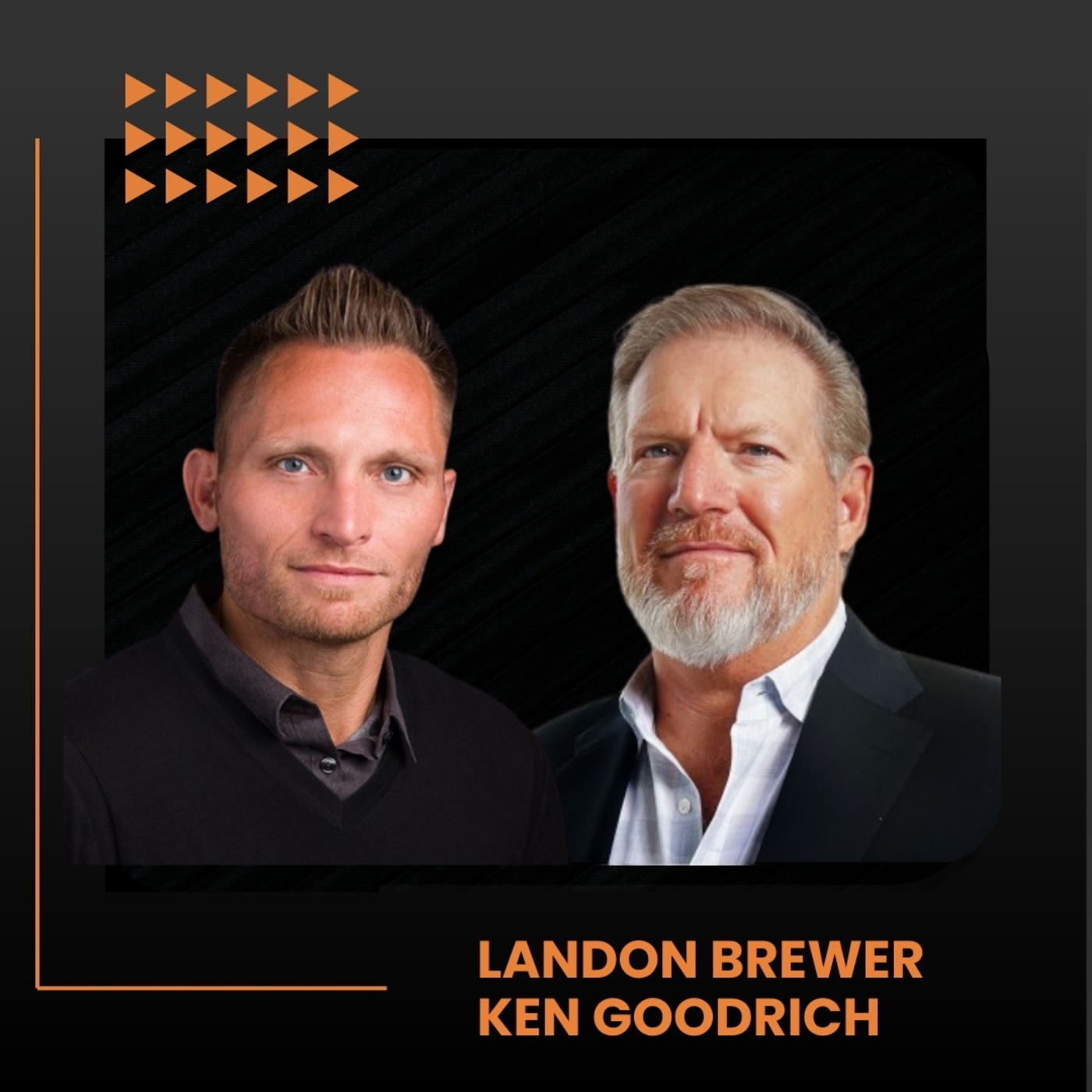
To The Point - Home Services VIP Room Podcast
How to Spot Future Billion-Dollar Talent with Ken Goodrich | Landon Brewer | Chad Peterman
01:14:15
Loading summary
Transcript120 lines
- [00:00]
Ken Goodrich
Most people think when you have this big stale culture that's all just metrics based and it's very systems based. And it's not about the people. Like there's usually two camps. There's like really solid business operators and then the people that just will, you know, go out and are great at recruiting and find the people and just pay the money and don't have the systems right. Neither one of them is a winning formula. The winning formula is a combination of it. So our business, as very structured as it was, people wanted to come work for our business, people wanted to come work with the business that we built, people wanted to come partner with us, people because, you know, we win, we enjoy what we do and we have fun and that spreads. And you know, we're not having to go and pay somebody, you know, excessive amounts to come join and work with us. It's like, are you, are you part of us? Do you want to be part of this winning formula or not? And so you don't have to have, you know, you don't have to be a stale, large scale organization that's only numbers based.
- [01:05]
Landon Brewer
This is to the point a Rhino experience voted one of the top home services, marketing and operations podcasts. Cutting through the. And getting to the point.
- [01:21]
Chad Peterman
This is going to be a unique episode. As you can tell, we've already started off pretty good and mainly because I couldn't get it together in time for the intro because Ken made fun of me for having. Apparently I've got too many drinks, didn't know there was a limit, but I have a water and I have a protein shake because this is, this is lunch.
- [01:38]
Landon Brewer
Okay.
- [01:39]
Chad Peterman
And I had to work all day long up to this episode. And so I'm. While you're talking, because you guys like to talk a lot, it's going to give me plenty of time to finish both these drinks, so. So that's why. Okay. Is that okay with you?
- [01:51]
Ken Goodrich
Well, can I just say that based on the protein drink and the amount of protein that you're drinking, I'm glad that we're not in studio.
- [02:01]
Chad Peterman
That's fair. But you know what, it doesn't kick into a little bit later. So I think we're all okay. So. Okay. So on the other end, really proud.
- [02:09]
Landon Brewer
Of all the, you know, the fancy lads in the industry, you know, getting all yoked up and roided out, cleaned up, jacked up.
- [02:18]
Chad Peterman
You know, look, as roided out at your age is a little bit different than roided out the younger age.
- [02:23]
Landon Brewer
That's true.
- [02:23]
Chad Peterman
And those Are the. Those are the hemorrhoids. So, yeah, they're not getting roided out. Okay. We're all just getting fit, Ken. Okay? Just like you're doing, like, you're just out walking all day long getting fit. All right? We're doing the same thing. So we're just following your lead yet again, following Ken's lead. Okay. It's the Ken Goodrich's world. We all just get to live in a Ken, who'd you vote for? Election just happened.
- [02:47]
Ken Goodrich
Well before he goes into that, because everybody knows who to vote for and his importance. But you know, what he just said is true. I've noticed that, like, you guys are all getting, like, super jacked and. And everybody keeps talking about, well, it's this trt, trt. I'm like, okay, so it is steroids, right? Like, how many people at the age of, I don't know how old you are, like 45, need. Need steroids?
- [03:15]
Landon Brewer
Yeah.
- [03:15]
Ken Goodrich
Maybe it's the first age, but you don't need to be adding trend and EQ and to like, become a gorilla. And that's like, that's the. That's the trend today, man.
- [03:27]
Chad Peterman
I'm not trying to be. I'll listen. I'm actually just working out six days a week, so you. And I'm not big like everybody else, but at least I've like, spent a year and a half not doing. And so now, at least now the last four months, I've been getting after it pretty hard, so I do feel better. I will say. Okay, I'm gonna try and get this out one more time.
- [03:45]
E
Okay.
- [03:47]
Chad Peterman
I got King Rich on here, and I've got Landon Brewer on here proudly wearing his MAGA hat. And if you follow Landon and you know, every single thing that's going on around politics and where he stands and his theories, some, you know, maybe right on some route, I. I personally enjoy it. I think it's really great. But by the time this thing here is we're post election, so let's just hope that that hat is our president.
- [04:13]
Ken Goodrich
Yeah.
- [04:14]
Chad Peterman
From my perspective anyhow. But we, you know, we originally had a conversation back on. Ken and I had a conversation having. Or had a conversation back on episode 235, which was at the end of August, and it was around. We were talking about personal brand. You know, some of the folks that work for you have a personal brand or trying to build their own personal brand versus maybe leveraging the company's brand or if they're doing both. And is there a controversy around that? Too. And a conversation or a conversation came up around back in the day when LB and Goodrich were together at. Yes, around like a certain someone, you know, a certain someone who thought he would just go, you know, he. I think it was a he. I think you said he was working on this or wanting to work on his personal, personal brand on a company time. And this would be one of those deals where maybe like the way that you're trying to promote your personal brand wasn't like, wasn't the proper way to go about that when it was trying to you know, put yourself in a good position for your now next move outside of the company. So you know, in pure fashion of both these guys, I can completely understand how the story would shake out. I don't know the story for all the listeners still. So we haven't talked about it since then but now it's story time. So the Prince of Indiana, Mr. Chad Peterman and I get to sit back and just listen to the story that is the Forbes man go.
- [05:47]
Landon Brewer
Well let me start by you know, the disclaimer. Okay, the disclaimer is the gentleman. This was, this was the result of April's fools joke. But this particular guy is very accomplished in the industry. He's done extremely well. He's bought and sold a lot of companies. He's a, he was a big innovator and I personally credit with him with coming up with the term and the process of call by call management in 2005. So really sharp guy. We'll keep his name out of this. But you know, this was all kind of in good fun and kind of an interesting management perspective. But you know, I'll start with. Landon and I have been working together for over 20 years on various projects together that we go and tackle. And this particular one was I had sold a number of businesses to Ars in, in late 2000. So actually January 2008 right before the Great Recession. And you know part of the deal was they gave us seven broken businesses that one of branches they had plus the ones that I had to build our own region or division they called it and we got an earn out to grow those businesses. Now again it's 20089 Plan the Great Recession which you know when we first started I don't think we had a high hopes of achieving much out of it based just on the economy alone. But then you know we just decided, you know, economy shamanomy and you know we're just going to attack it. So you know, lan and I kind of put our heads together and we said, let's just turn on the gas on marketing. So the world's retracting, everyone's afraid the world's going to end and we start turning on radio like no nobody else. So we had never used radio before and we turned it on and we literally took all the business in the markets that we served. And we grew during that time, a 35% CAGR over the years 2008, 9 and 10, and finished a successful earnout which was five times more than what the company had planned for us to make. So we really created a great team, a great culture, and executed well in that particular case. And so there was one guy who was a standout. He's a sharp guy, we all respect him, but he was young at the time, younger at the time. And Len and I find ourselves one day in Laguna Beach, California at lunchtime, sitting on a. Sitting on the outside patio having wine and with our lunch because we're kind of taking the day off. It was April Fool's Day. That's day off, right? And so we're having a good time and the pr, our PR agent calls us and says, hey, you know, this guy Jimmy called us and said, the owner of the PR firm called me and said, hey, I think you should know something. The Jimmy called and said that he's going to be develop. He's going to be starting his own company next year and he would like his name included in all the press releases so that he could get, you know, a little of his own brand out there before he starts business. And she says, I just don't think that's ethical that he's going to use your dime to, to, you know, leverage his brand and go start his own company. And now, you know, again, we knew the guy, we knew the character we were dealing with and I think he was actually kind of harmless, but it was April Fool's. So Landon, I'll let you take a little bit from here.
- [09:51]
Ken Goodrich
He was one of those guys and just to set it up more based on age, I don't know how old exactly he was, but he'd be what he would be in the category that Ken likes to call fancy lads. So he'd be, you know, the, the probably early mid-30s, you know, young, up and coming manager guy that just, you know, chest pound and wants to get to the next level. So, so we're sitting there and.
- [10:19]
Chad Peterman
He'S.
- [10:20]
Ken Goodrich
Also just one of those guys that, you know, when you, when you're, you're like really loud and boisterous that if you bring a lot of attention to yourself that you just kind of like are setting yourself up for this. So, so, you know, you knew it had to be coming. So, so we're sitting there and we're just kind of working up a strategy as well. It's April Fool's Day. Like, like we got, we have to leverage this, this, this guy's desire for notoriety and fame says, how do we do that? So we, we call the PR agent back and say, hey, we got this idea. We'd like you to invite Jimmy, Jimmy to the steakhouse at the Bellagio at 5 o'clock and tell them that, you know, we've had a couple of cancellations. They're doing this, you know, 40 under 40 thing. Forbes is doing this 40 under 40 thing, last minute cancellation, and we can get you in. I told him you'd be looking for publicity. Let's do it. And so it starts there and then Ken likes to, how he does everything. He likes to turn it up a notch.
- [11:26]
Landon Brewer
So it was a, it was a, he told him that was that Forbes magazine was searching for young, hungry entrepreneurs. And they were. And they, one of the guys fell out of the deal. And the possible cover story for Forbes, if he could get down to the Bellagio within one hour in this time, right? It was like 4 o'clock.
- [11:48]
Chad Peterman
There's a time limit. Okay, this is urgent.
- [11:51]
Landon Brewer
Through traffic, to get down there to get, to have this interview. And the PR company had a girl that used to work at the newspaper. So she was used to interviewing people. And so they said, okay, we'll set it up. So they set the girl up to meet him at the Bellagio in one hour at this place for the Forbes article, for the, for the potential of the COVID So then I, I called the manager, his gm, and I told him what we're doing and I said, don't let him leave the office. Just give him an assignment. Tell him he can't leave. So he's going on, so my phone's blowing up. I'm not answering the phone. It's him. He's blowing up. Blowing up, blow it up. And, and so the GM goes, jimmy is leaving to. And he says, where are you going? He goes, oh, Ken's got me doing something. Goes, no, you can't leave. We got to do this and this. You can't go. He's like, no, I really gotta go. He says, well, I can't, man. Ken says, we got to get this done. And so he's, I'm trying to call him. He Won't answer. So now he's got a bunch of urgency going. Then Landon has a great idea about what he's supposed to wear. Go ahead, Landon. Well.
- [13:12]
Ken Goodrich
Back up before, though. Before you also called the vice president of marketing at Ars and you had the vice president of marketing at Ars get in on the deal and call him as well and say, hey, the PR company reached out to me. Just want to say you're going to. You need to represent the brand. And so now the VP of corporate is calling him, trying to get in the action. And so then we have the PR lady call back and say, hey, you know, you got to go home and put on a nice suit. You can't just show up in your uniform. You have to. You look the part for this thing in which, you know, he lived across town, not anywhere near this. This steakhouse, right?
- [14:00]
Landon Brewer
So he rushes across town, he gets the suit on. He's blowing up me and the phone up. He's blowing the Paula up. The PR girl, the VP of HR is. I mean, VP of marketing is calling me. We're yucking it up about what he told him. And then I said, we'll call him back again on the way and say, Jeremy, this is the most important thing for this business. You have to. You really have to show well on this. Make sure you mention the brand and everything so we can continue to grow our brand yet. And he's like, yes, sir, I have. I'll take care of it, sir. And he's rushing to get across town to get his suit on. In the meantime, I got the manager calling me and he goes, it almost came to a. To most. Almost came to a brawl. He just rushed past me and pushed me aside, ran out the door, got in the arm, did a suit. So anyway, he go, he ends up. He finally gets to the Bellagio, right? And he sits down.
- [15:02]
Ken Goodrich
And so we had somebody set up to interview him.
- [15:05]
Landon Brewer
That's all.
- [15:05]
Chad Peterman
Yeah, I wonder who that was.
- [15:08]
Landon Brewer
Yeah, we had a. We. The PR lady had a. You know, had a. One of. One of their staff used to work at the newspaper, like I said. And so she sat down and interviewed him the whole time and talked with about it. And probably about an hour goes on. In the meantime, Landon texts everybody in our division, you know, our manager division, and he said at 6:15 or 6:05, everyone text Jimmy, April, don't worry, we'll leave it out. Well, he gets through the interview. 6405 comes at the same time, I don't know, 10 guys in, you know, text Him April Fools. And then he said that he, then he sends us a text back, you know, you mfers or something like that.
- [15:58]
Ken Goodrich
Absolutely irritated. He didn't, wouldn't, wouldn't talk to anybody.
- [16:02]
Unknown
For a little while.
- [16:03]
Ken Goodrich
And then finally when he does, he was like, I called my parents, I called my mom and told them I was going to be on the COVID reforms.
- [16:16]
Landon Brewer
The girl said he was eating it out. Like the, the, the reporter said that he was just talking about how he's going to do this and how he's the, you know, how he really is, is the visionary behind the yes brand that we had and this and that and all the great things he's going to do. He gets the interview done, he gets the text. He says some, you know, couple choice words, and then he goes dark. And I'm like, oh, did we push it too hard? And then, you know, Landon and I are getting another glass of wine and we're blaming each other for blowing this guy up. Yeah. And he calls back, says, I told my mom. And he goes, he goes, at the end, he was a good sport. He said, best April Fools joke ever.
- [17:06]
Chad Peterman
It's pretty solid.
- [17:08]
Landon Brewer
How long did you. There's, there's an example of a guy who, you know, wanted to ride on, you know, on the, the brand, you know, the brand investments that we made in the business. And it didn't turn out too well for him.
- [17:22]
Chad Peterman
All in all, though, you know, like.
- [17:23]
Landon Brewer
I said, he's a very successful guy and he's done well. And, you know, no, most people won't even know him in the industry. And he quietly has done six or eight, you know, flip, you know, business, flip deals on his own. Really quality guy. Yeah, but he almost was on the COVID of Forbes magazine.
- [17:42]
Chad Peterman
Well, I actually now know who you're talking about, so thanks for that. But we'll still bleep out the name so nobody else knows. Hey, but that's not the. But that's not the only Forbes encounter you had, right, Lyndon?
- [17:54]
Ken Goodrich
Oh, yeah. I was, I was telling them before. I said, what when you, you want to talk about Forbes, I'm like, which one is it? Because a couple years ago, as I don't remember what the, what the meeting was, but I was flying out to meet with you and the team and in Las Vegas, and I grab a Forbes magazine to read on the plane, and on the COVID of it is the founder of Greensky, David Zalek. And the title was 0 to 3 billion without a Penny of Risk. So I took a photo of it and posted it online because that's what I do with my life. And I said, well, I'll let you know what you know, if there's anything to learn as we go through this. I'm reading this. In the middle of it, there's a quote that's supposedly was a misquote that wasn't directly attributed, but it said, you know, the. The point was contractors are sticky. You know, once you get them on your software, once you get them on your platform, they're, you know, too busy to look around at other options. But. But the quote said they're inherently lazy, and I thought it was kind of offensive, so. And Ken and I made a big deal of it real quick on social media and just kind of like, you know, just, you know, talk to shit about it, I guess. And I would say within 45 minutes, you had one of the VPs of GreenSky calling your cell phone.
- [19:19]
Landon Brewer
Yeah. So I picked up the phone and I called the VP that dealt with our account. He said. He didn't answer. He goes, hey, this is. I go, hey, this is lazy Ken. Feet up on my desk, gonna smoke a big cigar. And I'm reading the Forbes magazine about how your customers are inherently lazy. You know, give me a call, let's chat about it. I got plenty of time doing nothing. And I know 10 minutes later, my phone's blowing up and, you know, the guy is profusely apologizing, saying that the reporter kind of took it out of context, and what he said was actually kind of true. And it wasn't David who said it, it was actually his partner. But he. What the guy said was, is, you know, contractors are inherently lazy. When they kind of get in an into something that seems to work for them, they're very hard to. To move. Right. But once you do get them to move over, then they're inherently lazy and more. And sticky. You know, they're a sticky customer.
- [20:29]
Chad Peterman
Yeah, just poor choice.
- [20:32]
Landon Brewer
He's probably right. But, you know, just kind of referring us to inherently lazy didn't work very well.
- [20:37]
Chad Peterman
Can't really put that out.
- [20:37]
Landon Brewer
Anyway, the guy, they call me up and they said, so, hey, what can we do? You know, I said, well, you know, I'm having. We were having a management meeting those next two days.
- [20:49]
Chad Peterman
I said, that's convenient.
- [20:51]
Landon Brewer
Call me. Like, I didn't know the guy. Go have him call me. Let's talk to the team. So, man, two minutes later, the guy calls me on my cell and we're in a meeting. We put it on speaker, we talked to all the guys. And he apologized profusely. He wanted to tell us how he admires what we do and we're his customers. And he would never say anything like that. You know, he goes, what can I do for you? What can I do? He goes, how about I fly out there and take y'all all to play golf? And I said, well, we got plans all today. Tomorrow, come out, fly out tomorrow and take us to dinner. So the guy flies out the next day, takes the whole management team to dinner. Really fun guy, really smart guy. And you know, we had a great evening and hanging out with this guy. He's over serving and buying wine and such and it was a great time, but he really kind of saved himself with that one. But I was, I was kind of, you know, I was act that he'd get on a plane and fly out here to.
- [21:53]
E
Sorry for the interruption. To the point listeners, have you heard of rilla? Are you using rilla yet? If not, are you fora see what I did there? Rilla is the leading speech analytics software for the trades. It is on a mission to bring physical ride alongs to an end. You can coach your reps with virtual ride alongs now that are a hundred times better, faster, and much more efficient than the physical ones. All you got to do is use the killa.
- [22:21]
Chad Peterman
Rilla.
- [22:22]
E
That's r I l l a Rilla.
- [22:25]
Ken Goodrich
Yeah, I was, I was pretty amazed and, and incredibly bright guy, very know, obviously super successful. He, he walks in and when I finally meet him, he's like, so you're the one that's like causing this ruckus? I said, yes, that's. That would be me. Would you mind we do it shout out tequila and so we can post it on, on the social media. Like could you, can it do a follow up? I'm like, sounds good to me. So, you know, we, we had wine and drinks, tequila and great food and you know, he covered the cost of it and we actually ended up drove in. You know, Ken had a Mercedes at the time. It was like, it should only have two seats in it. But it was a. I don't know what kind of car it was, but it was a small car. And we decided that, well, let's, let's take David back and like, let's see, let's make, you know, this a learning lesson. What can we learn? A guy's built a three billion dollar business which is, it's substantially larger than we'd ever built. What can we get out of it? So I sat in the back and laid down sideways while the two of them were up in front. And I was, like being a Cristiano interviewing two of them. But some amazing things came out of that. One of the things that I remember that he said was, hey, you know, we've never taken a company from, you know, we've taken a company from here to, you know, 30 million, 40 million, 50 million, but. But never, you know, to 100, 200, 300 billion, 2 billion. What are the different learning lessons? And he said something along the lines, you could. You could correct me or Ken, but it was like, the guys that get you to a hundred million aren't going to get you to 500 million. 500. The guys that get you to 500, aren't you going to get you a billion. The guys that get you a billion aren't going to get you to two and three, et cetera. And you said, but there are a place for all of those people, and, and you just have to figure out how to manage the culture to make sure that those people still continue to contribute and feel valued and invaluable while you bring in the guys that are going to get you to the next level. I accurately portray that.
- [24:40]
Landon Brewer
Yeah. 100. And matter of fact, I just. I just used that quote the other day. And, and what was interesting about it, what he said was, is that he. He manages those expectations from day one. You come in, say, listen, you know, you are perfect for the business the way it is today. There's a good chance that the size and complexity of the business may outgrow your experience and talents. But I just, I want you to know we're not going to leave you high and dry, but you have to be willing to make lateral moves and other roles to support, or we're. We're going to do. And my goal is to bring everybody along with us. So, you know, I kind of admired how he quit that, and. But that was a good learning lesson right there. You know, people, you know, your. Your key team that are operating when you're doing, you know, $10 million may not be the key team that you need when you're running $100 million in revenue, right? And you got to. You got to be willing to, you know, make those hard choices. That said, what he did, what I thought was really right and interesting was he managed the expectations from day one. We are a growth company. There's. There's going to be some times when you're, you know, people are going to have to shift some positions around. You know, this is about winning. This is not about ego. So everybody has to check their ego at the door and, you know, let's all get to the finish line together, regardless of what your business card says?
- [26:15]
Unknown
Yeah. Hey, just maybe a question, because I feel like I talked to a lot of people about this exact topic of, you know, the people that get you to one level may not get you to the next. Is there anything that you would say that you've learned is like, these are like the key indicators of, like, someone may not be that person. Because I think, you know, if from my experience, I always reacted too late. It's like, oh, God, we've been doing this for six months. We haven't gotten anywhere. Maybe you're not the right person. Have you guys found anything that's like, hey, this is a good kind of key indicator that this person may not be the person that's going to take me to the next level?
- [26:54]
Landon Brewer
What do you think, Landon?
- [26:55]
Ken Goodrich
Well, I would say the first thing that pops in my mind when you mention that is like, I'm always going to assume that I'm not the right person to get there. I'm always going to assume that I've taken. That I'm an outside investor. You know, I may be performing a function in this company wherever the function is needed at the time, but I'm an outside investor. So I'm always going to look for somebody that is, you know, could scale something beyond me, like, if I never found people, like, that's what I always use Ken for. No, I'm just kidding. If you don't go out and find people that are significantly better than you at all aspects of business, it's never going to grow. But having the ability to see those people and then, you know, when somebody walks in the room and is going to be an Elon Musk. Right. You can talk to an Elon Musk and say, that guy is going to get us from here to the moon, literally. Right. As long as you have that perceptive ability, I think you just always have to be looking for better people along the way. And the ones that are loyalist, hardworking and bought into the culture are going to continue to remain. And sometimes you'll occasionally see people that will surprise you and will invest in their own personal growth and will go a level higher than you thought. But usually it's what you said, Chad, it's the opposite. It's like they think they want to go here and they're just not capable. So you have to constantly be looking for that. From day one, it's not like, okay, they didn't work. Now it's time to go be in search of who's going to take us to the next level. You have to do it from the start.
- [28:33]
Landon Brewer
And you know, one thing that you got to be prepared for if you're going to grow a business is, you know, you have to, you have to be confident that you can still hire people that are smarter and better you at certain things and they're not going to take your business from you or you're not going to be able to lead them. You know. You know, you are the visionary and CEO and owner, major shareholder of your business and you need to take control and be a leader regardless of the talents of other people. And you're really, your obligation to the shareholders, you is to try to get the best talent on the bus at all times, right? Always upgrading the talent. And I wrote about this in my E Myth book about, you know, when I first got going, I got really excited when these guys, these 50 year old guys would come in, vice president of this mechanical contracting firm and they were looking for something new or they got cut from their old jobs. And I'm thinking these guys are gonna, I mean I get a guy like this on my team, he's going to take me all the way to the top, right? And you know what I, what I did was kind of let my guard down and just say, okay, you do it. I mean you're the VP of, of you know, Jones Mechanical or something, you can do this. And most of the time they were washouts, right? And you know, what a great learning lesson. But what I got garnered from that is one, the confidence to be able to hire somebody with that kind of pedigree at a young age and two, being able to make the hard decision of cutting them and seeing the tears and as they walk out the door and being able to replace them. So over a course of time I just kind of really understood that, you know, your success really depends on, on the level of talent of the team around you and your ability to, you know, direct that talent into the most efficient manner, productive manner. Right. Well, in one particular instance I was at a barbecue in California. 08 we were doing this earn out deal. I started talking to this guy, 50 year old guy, he said he was retiring from Otis Elevator. And I said, oh, tell me about that company. We start talking a little bit and he tells me the history behind Otis, which was something that we all should hear in what we're trying to do in this industry. So back in the late 70s, early 80s, there was a brand called Otis Elevator and it got acquired as a platform, what you see is going on today. And then they started acquiring other businesses and they got up to about a billion dollars in sales in elevators. But it was the same challenges that we see in our business today, which is, you know, you got, you know, kind of a non traditional business, guys running the business, trades guys, heavy duty tribal knowledge inside the business, not standardized processes, things like that. You know, people holding on too tight to the business and not letting it grow, not letting them bring on additional talent to push the organization up, things like that. Right. Same thing that we're all dealing with and trying to scale these kind of businesses, this H Vac, plumbing service businesses like we have today. And I said, well, what was the remedy? He goes, well, the remedy was, is they hired a guy from Bain Consulting who came and did a study and he decided that if they went out to all the Ivy League schools and hired 200 MBAs right out of Ivy League schools. He was from Harvard, he was one of these guys. And they brought him right in and they said, we're going to build this multi billion dollar company. You're going to be part of it, you're going to get your, you know, stock options as you grow, blah, blah, blah, and start some in sales and then puts them into operations or something like that, takes them this course of, of learning the business and ends up in a management as managers of these branches and regions and you know, all the above. And that's how they took the company from 1 billion in sales to 14 billion in sales. Being the, the leader of the Lyft business, right? So he tells me this story and I'm thinking, I'm gonna get me a Harvard MBA on my team. Just so I said it, just so I can say I did it right? And so I go, you don't want to be. I go, what are you going to do now? He goes, I'm going to, I'm going to go get a president's job somewhere. I go, you don't want to be a president of some dipshit corporation. You want to be an H Vac. That's where all the fun and money is. And you know, he kind of snickered at me. And then I worked this guy for about three months. I'm chasing him around, chasing him around, chasing him around. And finally I said, look, I'm going to give you the greatest gift that anyone's ever given you in business. If you come on my team he says, what? What's that? I go, I'm going to show you how to own your own small business and make five times more money with that than you ever did with your Harvard fucking MBA degree and your big corporate position at Otis Elevator. So he goes, paused a minute. He goes, okay, deal. So we took the deal. And then we had, we had this business in San Diego. It was a million and a half dollar was. It was a million half dollar H vac business tucked into a plumbing business. And I couldn't have the plumbing business at the time for my ear out. So we literally pulled a million and a half dollar business and opened a new branch with it. And the first, the first year the guy did 6 million with it, then he did 15 million, then he did 25 million. I mean, the guy was a superstar, but he created a lot of the fundamental tools or certainly augmented the fundamental tools that both Land and I use today in our ventures. You know, because he just had a unique perspective and added the business. But I will say we wouldn't have had that if I didn't have the confidence to go and try. I just wanted the Harvard MBA on my team. So don't, you know, I talked any bit of talent I ever find, I try to get them on the team. I don't care if you're the CEO of MGM grand or whatever, I'm going to try to get you on the team if I think you're talented.
- [35:34]
Ken Goodrich
Yeah, we wanted too many Harper people in the space. So they're starting to come in. They figured it out. You got your, you got your Legacy guys that, that are your buddies. The Harvard can. Can used to. When I first introduced him, Ken called him. I, when I told him that, you know, Legacy had done a transaction, scaled and did all this stuff, he's like, who is that? I said, you know, the guy I introduced you to at the show, he's wearing the backpack. He goes, the backpack kid? And I said, yep, that's the Harvard NBA. Let me go full circle on something real quick with that. The guy that actually was quoted in the Forbes magazine in the Forbes article was a guy named Robert. It was, he was on the board of. GreenSky wasn't the CEO, even though it didn't say that. And this is. We're going to go five years, six years later, I joined the board of Legacy and I get introduced to some of the early investors. And this guy is a very successful entrepreneur and one of the primary investors in Legacy. So I get on and I'm like, you're the guy and I'm like I got some stories for you.
- [36:55]
Chad Peterman
Wait, is it the same Rob that I know?
- [36:57]
Ken Goodrich
Horseshoft? Yep.
- [36:58]
Chad Peterman
Oh, okay.
- [37:00]
Ken Goodrich
Yeah.
- [37:02]
Landon Brewer
Geez.
- [37:04]
Chad Peterman
Interesting. That actually brings up a good point. Do you guys think that we are starting to see a shift in talent that's available now with some of these people leaving from some other, you know, from some other deals like since the earnouts are done and people are kind of going through like, I mean they're, they're, they're going out and doing their own thing again or maybe they're running out like are there, are you guys seeing like the talent pool starting to shift a little? Shift a little bit again like for mothers exiting some of the other competitive businesses that are kind of fair game now.
- [37:38]
Landon Brewer
I think there's been, you know, some, I don't know what the term would be, you know, some management talent or not talent management that came out of some of the scaled roll ups that have, that have traded hands like VPs of marketing this and that. But I don't know man, I'm always suspect of some of that stuff. What do you think Landon?
- [38:02]
Ken Goodrich
Yeah, I agree. I think, yeah, I think you're going to see a shift to some talent here and there. I think you're going to see a shift to some of these private equity backed organizations not really understanding or you know the ones that get rid of the talent or the ones that can't keep the talent are the ones that are going to be the least successful. But I think the interesting point that you might be making is like the shift of where all the people that sold going besides investing in roofing, where.
- [38:37]
Chad Peterman
That'S fair, that's fair.
- [38:39]
Ken Goodrich
And, and then generators. Yeah, but where, where are they going? And, and it's, you know a lot of them have just kind of been sitting on the sidelines maybe, who knows maybe doing some side deals. But a lot of them are you know about to emerge from a extensive non compete and will they do it again in this market? And let's be honest, a lot of them got lucky and it was just amazing timing. So you know, we'll see.
- [39:07]
Chad Peterman
Well, that's why I asked him the question like you know it's coming so I'm just, you know, and, and an entrepreneur can't sit still, I don't think. I mean I can't sit still. So you could sit there for a little bit and enjoy it but then you got to get back to doing it because that's the fun. Like Ken doesn't need to keep doing it, but he keeps doing it because he enjoys doing this and, like, this is fun for him. But I know there's that talent pool that's about to come out of you, and I just wonder how that's going to look, how this thing, you know, how people will still reach out to me. Just asking for my. My perspective of, you know, are we still going to be able to sell our businesses, you know, next year? What are your. What are you thinking? Well, I think that you're. There's always going to be an opportunity to sell your business.
- [39:45]
Landon Brewer
It's just.
- [39:45]
Chad Peterman
At what. At what, you know, valuation, you know, what's the multiple at this point? I don't know, but I do think that, you know, to Ken's point, it took me a little bit in this business to understand that we are in a talent game, right? Like, you have to. It's out in the land. And if you ever heard this one of Gary Vaynerchuks, like, he put out this video a while ago where he's talking about how him and, like, five other guys on his team, we're gonna play LeBron, you know, Carmelo May. Anthony. Carmelo Anthony and. And Kevin Durant in a game to, you know, 35 on three, you know, who. Who would win? Well, yes, they have more, you know, more. They have five people versus three. But it's a talent game. Like, those three are going to whoop their ass because they're significantly more talented, regardless of the fact that there's just three of them. Right. They understand the game, they're the more talented players. And you think about, I don't know if you guys ever went through this. I for sure went through this sometimes. I know Chad went, you know, you. You went through this. But sometimes we just try to add more bodies, thinking that's going to offset the talent, and that doesn't offset the talent. So I don't know, man. I'm just curious because I think about, well, what does this thing look like next year, you know, in the year after that in regards to talent? Because you have. I have felt like I've seen a shift. At least that's from what I'm hearing from, you know, our customer base, that they're starting to pick up some nice talent that are leaving some of these rollups.
- [41:13]
Landon Brewer
Well, you know, every air conditioning tech and sales guy and in the industry now is a free agent and they believe they're, you know, they believe they're all worth a million bucks and $3 million of PI units now. But look, I've been a proponent of process, you know, building process in the business and making ordinary people do extraordinary things since day one. And we've done a good, great job at that. But I will tell you, if you want that extra little zing, if you want that 21 multiple, when you sell your business, you gotta sprinkle in some talent, too. And, you know, people ask me all the time, what do you think? You know, what's my core competency? You know, what. What do I do best in the business? And I find talent. I found Landon. You know, I found Landon was when he was a. Just getting started out in the industry, and we started, you know, collaborating, working together and. But, you know, I latched myself on him because he was talent.
- [42:22]
Chad Peterman
He came straight out of Chippendales. He clearly was talent.
- [42:25]
Landon Brewer
Yeah. And, you know, many, many others. There's been a lot of really talented people that have come from our ranks over the years because we go out and search out talent and we sell them on our brand and we, you know, we foster a culture of winning and success and a place where they can grow and flourish.
- [42:47]
Ken Goodrich
And again, they're all better than us at most everything. And we're just able to build a culture that we can control them through practical jokes and April Fool's jokes.
- [42:57]
Landon Brewer
Yes.
- [42:59]
E
And make it a part of the culture.
- [43:01]
Landon Brewer
I would want to start off the story. When I have this great story, maybe we'll save it to another one. It's called Landon's First Business Trip. And I don't know how he started talking to this girl. And she. She had her. This coffee filter thing. This. He wanted to invest in the coffee filter business and such.
- [43:23]
Ken Goodrich
But there, you know, Ken has a. Ken was reading the biography of Jeffrey Epstein, I think, and we'd be. We'd go out, you know, we'd be, you know, looking at businesses to acquire, doing whatever. And we found ourselves in interesting places. Right. One place we. I don't even remember where.
- [43:48]
Chad Peterman
What.
- [43:49]
Ken Goodrich
What state it was in, but remember the lady that we were. Her husband had passed away and she had a partner, and we were in her basement looking through her files to help her and try and acquire the business. Like at, like on Friday night at 10:30. Yeah. She ends up getting a tattoo. Because you convinced her that.
- [44:09]
Landon Brewer
Yeah.
- [44:09]
Ken Goodrich
Anyways, like, we. We do, like. We put ourselves in some odd situations. I think personal entertainment is part of it. And. And I, you know, I go along with it, but can. Can sent me a collage one time of various precarious positions that I put myself in over time. Called it Landon's first business trip.
- [44:34]
Chad Peterman
Wow. But there's some. There's some really good stories in landon's first business. 10:30 at night. Wow. I wish I would heard more of the tattoo story. You gotta talk to her. And you're gonna get.
- [44:50]
Landon Brewer
One time. One time. Landon goes. He goes, hey, I got this great guy. He's a little weird, but he's a great sales guy, and I think we should put him in over here. And I go, what's his name? He goes, roscoe. I'm like, oh, all right. Well, let's give him joy. So, you know, it didn't take. Didn't take long for Roscoe to wreak hav havoc on into our organization. You know, I think we got sued three times or something over this guy. And so I end up meeting Roscoe one day, and Roscoe was an opera singer. Sales guy.
- [45:33]
E
He's an opera singer.
- [45:38]
Chad Peterman
Chad, you sweetie. An opera singer. Chad. Don't ask. A couple notes on you.
- [45:41]
Landon Brewer
Yep.
- [45:42]
Unknown
No, no, not for me. Continue on. We want to hear the story.
- [45:47]
Landon Brewer
So anyway, you know, I. He. I'm coming in the office where Atlanta was in California, and I walk in and he introduced me, and Roscoe's little tense. He puts out. He goes, hello, sir. Roscoe. I won't say his last name. Roscoe Jones. Roscoe Jones iii. And I go, mean, there's three of you. And he got all offended and he quit.
- [46:15]
Chad Peterman
Hey, El.
- [46:17]
Ken Goodrich
I mean, there was one time there was a. A guy that came in for an interview, and he was a pretty successful sales guy. He said, but. But nobody will hire me. I've got a bad. I've got a background and went to prison. And I had to join a gang to survive in prison. And so, you know, it had this. This weird background, but, you know, literally, I'll kill for you. I'll kill for you. And. And I. So I got to Vince that this guy. If we just gave this guy a chance, he would be the most loyal and just, you know, work, you know, tirelessly around the clock. And. But I was getting all kinds of trouble from everybody else in the organization that, you know, he's not going to pay. He doesn't. You can't hire him. You can't hire him. And so I call Ken. I'm like, ken, you know, he. He's a gang affiliated. And. And Ken said, well, you had me at gang affiliated. Let's do it.
- [47:17]
Chad Peterman
He's reformed. He's reformed. Anyway, you had me again, always outside the box.
- [47:25]
Ken Goodrich
That's right.
- [47:28]
Chad Peterman
I don't, I don't 100% know what anybody's going to take away from this particular episode. But a few notables would be thinking outside the box, taking chances. And also the lesson in all this could be that if you just publicly shame someone for some gain, you can have a little bit of leverage if you just publicly shame some people.
- [47:49]
Ken Goodrich
But Ken and I never were like, we're always very big on numbers and metrics and systems obviously, but we never really talk about the fact that, you know, not to pat ourselves in the back, but I think we're pretty funny guys and I think that we've got a pretty solid sense of humor. And when you can, you know, we had nickname every, Everybody has nicknames, right? We had, remember creepy Map, the HR guy, or like everybody has nicknames, you know, and then there's stories behind all the, the nicknames. And if you, if you know, if you're too serious, if you're too metric focused, if you don't have fun with it, if you can't like build a. I think that's the, we never talked about culture, but it was just having fun and interesting experiences and people wanting to be a part of it and building loyalty.
- [48:40]
E
In home services, speed to lead is everything. Chirp stands out. By transforming your communication strategy with Chirp, Chirp, accelerate your lead response time with instant sms, text messaging, email, and ringless voicemail automation. Chirp's cutting edge technology ensures you're the first and the most persistent, helping you close more deals than ever. But that's not all. Say goodbye to missed opportunities with Chirp's incredible follow up system. Keep your leads engaged and moving smoothly through your sales funnel without lifting a finger. And with Chirp, with deep integrations with top CRMs like ServiceTitan, Housecall Pro and Jobber, you can launch laser targeted campaigns to connect with the exact right leads at the exact right time. Automation creates efficiency. Efficiency unlocks scalability. With Chirp, you can automate speed, delete, estimate follow ups, rehash abandoned call follow ups, cancel job follow ups, review requests out, outbounding to your list, annual reminders, membership expiration, follow ups, and so much more. So stop chasing leads, capture them, connect faster and close more deals. With Chirp, contact Chirp today and elevate your communication game.
- [50:00]
Landon Brewer
Yeah, I would say, I would say kind of like what I alluded to earlier, our culture that we always built together was just one of winning. You know, we built a winning culture. We, you know, we, we built brands that stood for quality and you know, experts in the trades and then, you know, a place where people can grow and thrive. And you know, there was no foosball tables and ping pong this and big couches and stuff. It was like when you come here, you come here to win, you come here to be on the super bowl team and you come here to grow. And you know, that was our, that was our culture. And we had a lot of fun. You know, we had a lot of, a lot of, you know, inappropriate joking around here or there, but just fun in general. Another thing that we always did is we celebrate our wins. You know, again, we were very, had a very high fidelity on our numbers. We had plans, you know, our business plans were very detailed and you know, if we won in a month or a quarter, we celebrated. We took the team out, we celebrated and celebrated our wins and talked about success or what it means to them and their family and things like that. You know, we've, everything we've ever built has been kind of a very dynamic, driven culture.
- [51:34]
Unknown
Yeah, I think that's a, I think that's a great point. I think it's something that we're going through right now and you guys may have experienced something. I feel like the bigger you get, and especially in today's day and age when data is so readily accessible, it's always just, we're in the data, we're in the data. Let's cut this report 18 ways from Sunday only to then try to give it to our frontline people. And they're like, I don't. What are you, what are you talking about? Like, that's, that's great or that's not good. But like, how does this involve me? And I think the one thing we've kind of realized that we'd gotten away from is to your guys point is celebrating those wins and I think more importantly is showing a technician how you win. Well, their scoreboard is maybe a little bit different than ours as a company. It's their paycheck. And so how do we show them that they can win? How do we support them? How do we move them forward? Because at the end of the day, if we do that with every one of our techs, well, the company's going to win too. But I think sometimes we, we sit in a, in a position where it's always just like top down of like, hey, this is what's going on, this is what we need to do. And we forget about like showing them how they can win. And it's almost Like a bottom up approach, like let's show them how they can win every single day. And if they go out and win well, then it's going to trickle its way up to the top and we're going to see the numbers that we want and we're going to be able to execute on the things that we're doing. But I think you make a great point in that it's got to be fun. Like, you know, we find fun in the numbers and the planning and all of this stuff, but not everybody on your team is going to find fun in that. And I think it's really kind of identifying what drives people. You know, Simon Sinek start with why and then catering to that so that everybody feels like it is fun and that everybody's winning at the same time.
- [53:20]
Landon Brewer
Yeah, you know, back in like 1990, I was struggling, had a little business, I don't know, maybe eight, ten guys and you know, fundamentally bankrupt. You know, just hand to mouth like some, like now you are sometimes at that size. But we're hand them out. And at that point I realized, look, in that game, when you're playing that game, cash flow is number one, right. I don't have any cash reserves, I don't have a line of credit. I have to bring in cash every single day to take care of some of my past obligations and my current obligations and keep the machine going until I figure it out. And so I created this thing called the goal system. And I brought the team together and I said, and we were all younger, you know, young at that time. You know, I was in my early 30s and everybody else was usually younger than me. And I said, look, I said we're going to create this goal system. We're going to track these things every single day. And really what our goal here is to keep the business growing and thriving. I need to have this much cash come in. And at that time I think we're doing some commercial work at the bill people and all that. So it was really important that we got to the business that brought in the cash flow. And so I said, if we hit this number, I'm going to take everybody out. We're going to go to a first class dinner, smoke some cigars, do whatever, have some drinks and really celebrate our wins. And everyone's going to wear a suit. You got to wear a suit to this. So the first month we hit it, we go out to like Morton's or something like that, get a private room, everyone's in a suit, you know, our cheap suits. And you know, I wanted them to experience what great customer service was about, right? So you go to these high end restaurants, most of those guys had never been any place like that. So just to see what first class service is like. And as they were doing it, I would try to talk to the guys about like, so look, see how they do this and, and see how you feel and, and how can we incorporate some of this stuff in our business? And then during the course of the meal, I would make sure, I would pick out, I'd start with talking about one guy and I'd say, you know, you know, you know, what Chris did for us this year or this month, you know, he really defined, you know, what the service agreement conversion should be. You know, he hit 42%, you know, 42% of every client he went to bought a club membership. And, you know, he's really a champion for the brand. And watch what he does. I'd pat him on the back, right? And I'd go around the room to each guy and give him some sort of personal touch like that. So. And everybody loved that. They loved that getting together with that, that group and yucking it up and. But really, I think what they came away with is that personal touch really meant something to them. So the next month we hit it. The next month we hit it. The next month we hit it. We hit it. 39 months in a row that I had to take these guys, and this is, we're spending five grand back in the 90s for dinner. And on the 39th time, they're like, our wives and girlfriends don't like this anymore. Could we do something different? Right? Because we kept on doing it. We kept on winning because of that formula. And, you know, even though we were technically bankrupt, meaning my, my liabilities are greater than my assets, I was keeping the cash flow run to keep the machine up and going to see if I could make up the difference. I promoted us as the best of the best. I got them the new cool uniforms and I said, we are the best in this industry. We're the most technically competent, we're the best service providers. We know the business better than anybody else. We provide solutions. Nobody else provides all this stuff. I took these guys and made them believe that they were the best of the best and that the prices that we were charging are appropriate because we're the best and the best, and that we get rewarded because we're the best of the best. They have a future here. I can see all of you in these positions in the future. I really promoted this thing and we put ourselves as the top company and sold that business for six times what my goal was through that process. Right. So I don't know where I was going with this, but. But that's how we established the culture. And we did that all while I was like sweating payroll every day.
- [58:27]
Ken Goodrich
And, and so, and here's what kind of flies in the face of what most people think. Most people think when you have this big stale culture that's all just metrics based and it's very systems based. And it's not about the people. Like there's usually two camps. There's like really solid business operators and then the people that just will, you know, go out and are great at recruiting and find the people and just pay the money and don't have the systems. Right. Neither one of them is the winning formula. The winning formula is a combination of it. So our business, I mean as, as very structured as it was, people wanted to come work for our business, people wanted to come work with the, the business that we built. People wanted to come partner with us people because you know, we win and we enjoy what we do and we have fun and that spreads and you know, we're not having to go and pay somebody, you know, excessive amounts to come and join and work with us. It's like, are you, are you part of us? Do you want to be part of this winning formula or not? And so you don't have to have, you know, you don't have to be a stale, large scale organization that's only numbers based.
- [59:36]
Landon Brewer
You know, when we bought Ghetto, So we bought Ghetto 2000, January of 2013, it was doing 11 million in sales, losing 3 million. There's a whole backstory of it to it, but you know, the business was just beat up. You know, the, the company that owned it had a business in Tucson that got in trouble with the attorney general and some of that bad reputation because they were common ownership got over on get a little bit. And then the mat, that PE firm that owned them said until we get through this, we're trying to raise a fund. So do not market gettle anymore and do not fire anybody. Just leave it alone. And so you're not marketing, you're not letting anybody go. It just killed the business. And then, you know, and then every competitor wanted to jump on the bandwagon and take their last kick on it, kick together, right? So I decided I was going to buy it. I bring Landon in and most people in the industry are saying, oh, this is, this is going to Be where he fails. This is where Ken's going to, you know, take a dump, right? This is. He should never buy this. So we came in first day, I think we trimmed the team down, you know, maybe 40%. And from day one, we started with we at Ghetto. We have an important mission to carry on this legacy, this legacy of this company that started in 1939. They invented the residential air conditioner. Here are the patents. They invented the residential air conditioner. They're credited with invented inventing the heat pump, they invented the gas pack, all this kind of stuff. The evaporative cooler. Like, you know, they were real inventors. And that's who we are. This is where we're going. And we are the best of the best. And literally in one day, we turn the culture back on by everybody leaning into the brand and the legacy of Ghetto. And same situation, as I said earlier, when I'm technically bankrupt. I bought this bankrupt company and used the same formula and we took that thing to one of the, you know, the crown jewels of the industry in a pretty short period of time. But it was really about how we rallied the team around it made sure that we brought the right talent in, had a very disciplined approach to our numbers and how we ran the business. And we also had a lot of.
- [62:20]
Ken Goodrich
Fun doing it and then rewarding them as well. Right. You know, because we. That's the one thing that I think a lot of people don't focus on. I don't know how many people in the businesses over the years, dozens of people have become millionaires that were otherwise plumbers and you know, like mid, mid, mid level managers that would never have a shot at something like that. You know, you win together.
- [62:47]
Landon Brewer
So yeah, you know, and then we, we did our. I'll tell you this quick story. Do we have time?
- [62:52]
Chad Peterman
Yeah, go ahead.
- [62:55]
Landon Brewer
Just kind of sharing how we built all this stuff. We. So, so in 2008 we got our first pro. I mean sorry, 2018 we got our, our first private equity partner with get on and we had this big party. So we took the top 50, our top 50 employees and them, their, their, their spouses came and land. And I had this suite at the Red rock, like this 180 suite, just huge suite and had servers and everything. And it was just an incredible party. Get up in front of the team and I start talking about what we accomplished and everything. And I said, you know, I go in. Since I've been in business many years, anytime I hit a milestone or achieved a goal, I would get myself a Present, just my own memento of that moment. And so this time, I want to show you what I got. And I held up my watch. I go, I got this Rolex watch. And everyone's like, ooh, ah. And I said, and it's called the Air King. And you know why I got this one? And I said, why? I go, because I'm the Air King. Please start screaming, right? And I said. And I said, you know, I said, but then I started to realize I didn't build this thing on my own. This really was least the lead. I'm the least part of this whole team. And it was really you. You top 50 people that run this business. You built this business. So you are the Air Kings. And everybody gets an air cape.
- [64:42]
Chad Peterman
Oh, that's cool.
- [64:44]
Landon Brewer
And then the band starts playing some Rolex song. And then, you know, they. The servers come out with little carts with all the watches stacked up on them. And then we. And I took every watch and I said something about every person and gave them the watch, shook their hand, and they got in line. The jeweler was there to size the watch, give them their warranty, you know, get it all really ceremonial process and make them feel part of this team, right? And so over the years, we've kind of done this same system, and I think, you know, now we're up to over 400 Rolexes that I bought in my career and given out to the team members with engraving and such. A lot of people have them, but again, it's part of that, you know, a winning culture. And everybody gets to win and. And, you know, accomplishments way out from a typical business organization. I really think that, you know, one of the struggles with the. This new PE roll up is. Is. And again, I don't know. And maybe Chad has some insight on this. I don't know if our industry is so people centric because that's what it is, or is it people centric because we made it that way as opposed to kind of a real stale corporate environment. HR ran, kind of rigid environment. You know, when you come to some of the creeps and characters that we have to deal with in this industry and the things that we have to maybe turn the other cheek on and. Or, you know, coach them through where a typical corporate HR department department would just boot them. It just. Anybody that seems to head to corporate seems to fail at this. What do you guys think?
- [66:39]
Unknown
I think you're spot on. I think that if anything, this industry and I mean, I think this podcast is a great example, right? It's A bunch of people sharing what worked and sharing across company lines and stuff like that. And I think we take that same mentality into our businesses. It's, you know, hey, I don't care who are. I want to help you. I want to give you the benefit of the doubt. You know, there's a lot of people here at our company that this isn't their first stint here. They left, went somewhere, came back, and we welcomed them, you know, like, hey, I get it, man. You thought the grass was maybe greener over there. I get it. Hey, we have all thought that at some point in time, but I think that's just it. I think that the reason why our industry is so special, and I think that we have to be protective of that. If you do bring on a partner or, you know, something like that is like, are they going to fit what's made us so successful? Because you guys said it earlier, it wasn't the. I mean, like, you got to have the data piece for sure. You got to know where you're at, but there's also the cultural piece that helps build these companies to what they are. And I think if you look at some of the biggest and the brightest in the industry, it's. They have a fantastic culture. And a lot of people are always asking, like, how'd you build that? What'd you do? And to me, it's just about consistency. It's about taking them to dinner every single month without fail. It's about doing all of these little things that seem very inconsequential but done consistently in my mind, is what builds the company. And, yes, you have to go execute, but, like, people are incentivized to execute. They're excited about executing. If you have that culture to kind.
- [68:16]
Chad Peterman
Of back it, I think I will say that one. I think people really love public acknowledgement. I think that's always a win. Sounds like you've been doing that since early on and still is working. Where you talk about that person, individual, that means a lot to that person. And for you to say it out loud in front of other people is great. It's like, sales guys love that type of stuff, public acknowledgement, but so does most everyone, I think. But everything keeps coming back to this culture thing. I certainly didn't expect this conversation to go down the culture path, but it really did, which is kind of interesting because, Chad, you. Like, last time when we had our. We had conversation with Bancroft and Kevin Comerford, like, I think it was maybe a couple weeks ago, and I swear it all came Back to culture. And they said that's like one thing you can do to differentiate yourself from somebody you know, from, from all your competitors. I mean, little things, you know, that, that you can do. And yet so many people roll their eyes at culture. Like, oh, we're talking about culture again.
- [69:13]
Landon Brewer
But look, or uncle to that point, I want to make sure everybody hears this. When I hear culture, I hear foosball machine, foosball tables and yeah, big couches.
- [69:26]
Chad Peterman
I hear, we heard hugs, hugs, you.
- [69:29]
Landon Brewer
Know, it's okay, buddy, we'll get them next time. You know, motivational correct floats all over the building. You know, that kind of stuff. You know, we had a culture, but it was a man's, man's culture. Man, you gotta, you know, welcome to the Thunderdome is our culture. And you know, we grew. We've done some tremendous stuff in the industry, but I align myself with just drivers. And that was our culture. And some people didn't fit in it, but a lot of people wanted to be in, be involved with it because it worked. And so I guess the point is it doesn't have to be all hearts and flower culture. You know, it can be like we're the champions culture and we're going to be accountable to each other. We're going to accountable to the plan and countable to the vision, every one of us here. And we're going to do it. In the meantime, you know, we're going to do what like any pro athlete, team, you know, pro team would do, right? You know, you got your grab ass times, fun times and kind of keep it, you know, like a team. That's how we always did it.
- [70:40]
Chad Peterman
Guys, I'm gonna wrap us up because we are a little over an hour into this thing, but I wanna, I think this is a good. Well, first off, both you guys, I as much as like, I love listening to stories, so, so this was fun and especially when there's stories I haven't heard before. So I mean, this was one of the easiest podcasts I've done. I don't know about you, Chad, but I just had to sit here and listen. It was pretty, pretty good.
- [71:01]
Unknown
I just wanted to, I just wanted people to make sure that they knew that I showed up. So I spoke every once in a while because you give me a hard time for not being able to make the time slot sometimes.
- [71:10]
Landon Brewer
And let me say this, you know, we started this, we started this conversation about the Forbes guy, right? But again, when it comes back to our culture, the Forbes guy and I are good, great friends and the Forbes guy. And I, you know, like I said, he's done some tremendous stuff. And I'll just tell you, his name is Jeremy Prevost and he's done many businesses in this industry and does not put himself out there. You wouldn't even know. But even with that, you know, we had a culture that was so strong at that time with, through that venture that we, we pulled that April Fool's joke on him and he laughed and he thought that was the greatest joke. That was the greatest. No one will ever top that April Fool's joke.
- [71:55]
Chad Peterman
Right.
- [71:56]
Landon Brewer
And so, you know, we were just pulling for the team and we created some real outsiders results because of that.
- [72:06]
Chad Peterman
Yeah. So I actually had to talk to him, I think, towards the end of last year. I know he's doing his own, his own thing too, but when you said that, that's meant that's when it clicked on who it was. Because I remember him telling you not about that story, but I knew there was a connection there. But you're right, like he was doing his own thing and like I never even heard of him until I started sawing his, seeing his shit pop up down here in Phoenix. And then he reached out. But again, I want to come back to you actually just validated, Ken, that culture is a differentiator. It's just the way you did it might be different than the high five participation trophy type guys versus the hugs and all that type of stuff. You just were like, hey, man, like we win. Like we are winners and we're, you know, and we're going to go and win the day. And that's who you surround yourself with. That's culture. That's the culture you had in that business. So again, people roll their eyes at culture, but it is that. I think it's that big of a difference. And clearly you guys have been able to prove that over and over again, you know, throughout your careers. So at least culture you have complete control over, right? Especially when you're small like you, you have complete control over your culture and changing it, you know, and so there is no, no excuse, you know, but, you know, it seems still you can roll your eyes at it, but you've heard the best of the best on this podcast time and time again say that this is what has really differentiated them. You know, you've heard Ken talk over the years about systems and processes. That's we're not. I mean, plenty of that's in place already. You got to have the right A players who know how to run the systems and processes to Landon's point. But, my God, you have complete and total control over your culture and how you go, how you go to market and use that leverage to go and win the day. So, guys, thank you for giving us your time today. Before Ken jumps in, tells another story, makes me late. I want to make sure I hop off here. Lb, it was good to see you, brother. Chad, thanks for making this one. I'm always appreciative of that. Kg, I appreciate all the stories. We got to do this again because this was a hell of a lot of fun if you guys are down. But to our listeners, you got to do everything, but you got to do something. No zero days.