Loading summary
Transcript41 lines
- [00:01]
Host
Have you hit up any of the big shows this summer? I managed to catch Queen Bee in New Jersey before she went and betrayed me by closing out her Cowboy Carter tour by reuniting Destiny's Child in Las Vegas instead of doing it in New Jersey where she should have. The Gallagher brothers buried the hatchet after 19 years, to the delight of mostly shirtless European men, Kendrick Lamar and Seza's grand national tour is now the highest grossing co headlining tour in history. Drake is also on tour, but there's one ticket that's a little harder to get because if you want to get it, you gotta book a plane ticket too. On Today explained from Vox, we're gonna talk about how Bad Bunny managed to make Puerto Rico the center of the universe this summer.
- [01:00]
Sponsor Voice
Support comes from ServiceNow. We're for people doing the fulfilling work they actually want to do. That's why this ad was written and read by a real person and not AI. You know what people don't want to do boring, busy work. Now with AI agents built into the ServiceNow platform, you can automate millions of repetitive tasks in every corner of your business, it HR and more. So your people can focus on the work that they want to do. That's putting AI agents to work for people. It's your turn. Visit servicenow.com Jack Daniels is proudly served.
- [01:32]
Jerrell Melendez Badillo
In fine establishments, questionable joints, and everywhere in between. So no matter where you go in.
- [01:40]
Host
Every bar, you'll always know someone by name.
- [01:44]
Sponsor Voice
Jack Jack and Coke Shot at Jack. Jack Daniels please.
- [01:48]
Jerrell Melendez Badillo
Right away.
- [01:49]
Host
That's what makes Jack Jack. Please drink responsibly. Responsibility.org Jack Daniels and old number seven are registered trademarks. Copyright 2025 Jack Daniels. Tennessee Whiskey 40% Alcoh by volume 80 proof.
- [02:06]
Andrea Gonzalez Ramirez
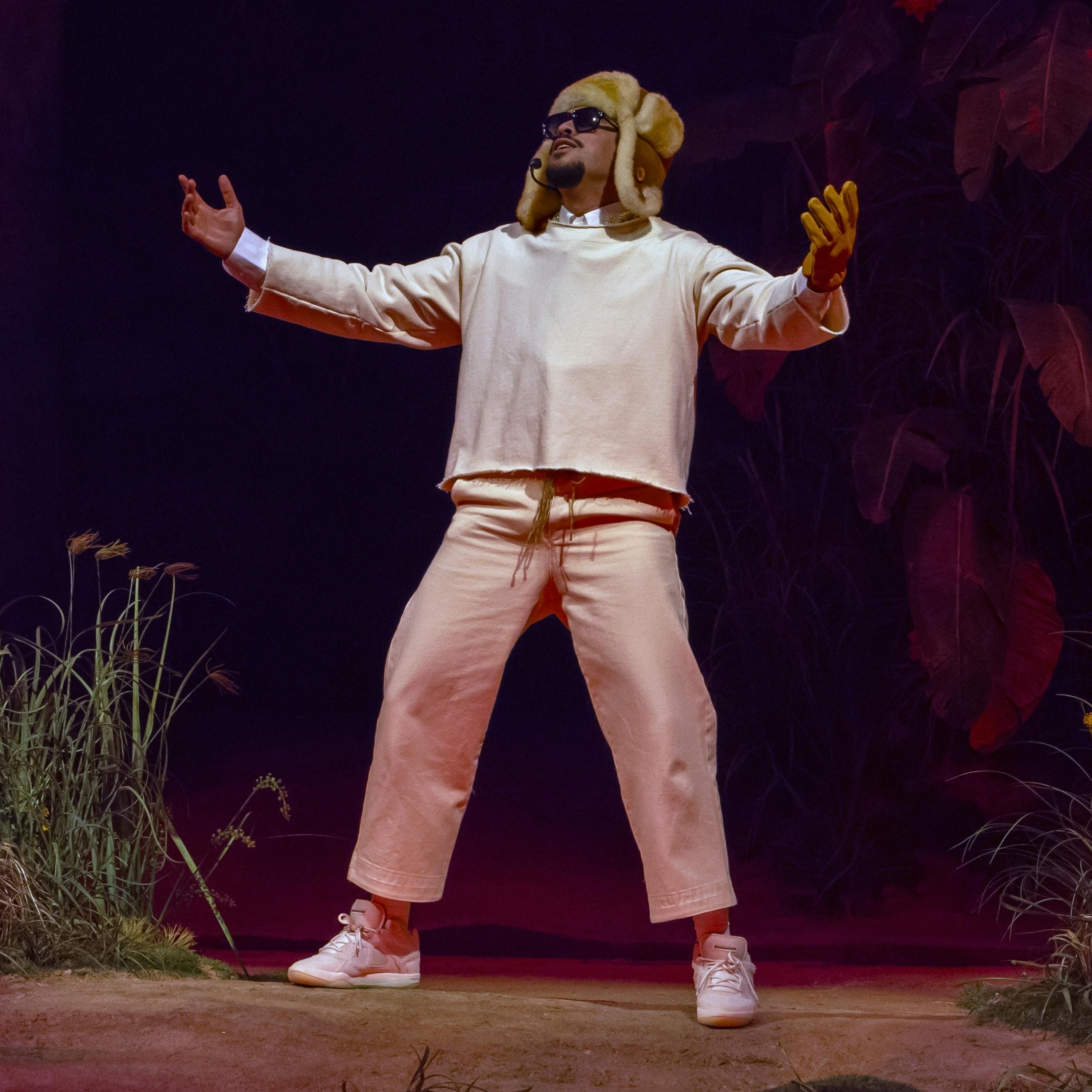
Estana escuchando a hoy expelcado. You're listening to Today Explained. My name is Andrea Gonzalez Ramirez. I'm a senior writer at the Cut and I grew up in Puerto Rico. I would say it's like one of the biggest cultural events that we've seen, I think in the island. Bad Bunny, born Benito Antonio Martinez Ocasio, for those who would like his legal name too, is holding a 30 show residency in Puerto Rico pegged to his most recent album. The first nine shows were open only to residents of Puerto Rico. You had to go in person to purchase tickets at different selling points across the island and then from August 1st onwards. So like the next 21 shows, those you could purchase the tickets online, which is how I was able to do it. The experience of trying to get tickets for it. Now I understand how Taylor Swift fans felt during the ERAS tour. It's me because that morning I did not get a code and I went through the five stages of grief before I actually got one to get tickets. Right. But once we got there, I went with my husband outside El Choli, which is what we call the arena. This was kind of like a. A town festival, a fiesta padronal. You could get like beers, you could get your hair done, you could get your makeup done. And once you come in, obviously the arena holds about like 18,000 people. So it's a lot of people. And the energy is unhinged. I think like everyone's really excited to be there. There's a screen with a projection where they're like showing like Puerto Rican facts. Like Puerto Rico is a US colony. Salsa was invented between Puerto Rico and New York. There's two main areas where he performs. In the main stage, he kind of recreated rural Puerto Rico. And then the second stage is a pink casita that resembles a lot of homes in Puerto Rico. And that's where like the really filthy perreo happens. Like that area is reserved for the songs that you would probably not play to your parents because they're so, so filthy. I was pretty high up. I was in the last, literally the very last row of the top section. Closer to God than Bad Bunny, but you can see everything. And yeah, like, it's really incredible because like a lot of people are wearing traditional clothing like powas or jiwara dresses. I was wearing a Roberto Clemente jersey. And then when the music starts, like basically you get a musical arrangement of his newest song, Al Ambre Bua that sounds a lot like Bomba and Plena, which are two traditional burgan music genres. And then he comes in with a bunch of like dancers in traditional garbs. And it just, you know, everyone went a little bit crazy when he was on stage. But it really looks like you are transported back in time to a puerto Rico from 100 years ago. But also kind of like what a school performance would look if you celebrated Puerto Rican week. Like La semana de la puerto de at school, right? It was insane. I cried, I danced, I laughed, I was very sweaty by the end of it, you know, it was so much fun. He plays over 30 something songs from his nearly decade long catalog over three hours. You know, he kind of divided the show in four acts, I would call it. You have that first couple of songs where he's kind of marrying his modern music with some of this traditional musical Arrangements. And then you have, like, a second section, which is almost like an acoustic set. And that was kind of like the sad Bunny came out, where he's just, like, singing a bunch of his most popular songs about heartbre. After that, usually, like, you have a VIP guest or someone from the audience say one of the phrases from one of his new songs, and you have someone saying, like, acho pere otracosa, like, Puerto Rico, something else. And in that section, that's usually you have, like, the musical guests. And then the last section is kind of like his salsa portion of the evening. He's dressed very much like Hector labo in the 1970s and has, like, a live band of, like, 20 people up there, and it's, like, incredibly fun. His last two songs are the lead song of the album, and then La Mudanza. And during talking about, like, oh, I don't want my people to move, and it's like a really. It's like a really moving song. You had, like, people hugging all over and, like, you know, singing with their families. Like, there was so much joy. I could not stop crying, because I think that as someone who left Puerto Rico, it just felt like a level of grief that we carry a lot. If you are in the diaspora. And then being there feeling so at home, I was just like, this is the best thing. And also, I'm so incredibly sad right now. And I cried throughout, like, the entire song. And then he wraps up with La Mudanza, and I was still crying throughout. He's saying, like, no one's gonna take me out of here. Like, it's a very. It's like a. It's a very fun song. It's. But it's also. I think, as the closer in the album and the closer in the. And the show, there's, like, a level of defiance and, like, pride that comes with that song, and it's very emotional. And I think that once my husband and I walked out, we're coming down the nosebleeds. You had, like, people chanting, yo soy boricua tu los pas. Like, I'm Puerto Rican. Just so, you know. Just felt very lovely and empowering to be surrounded by so many of us. And, I don't know, I think there was, like, this sense of community that was, like, very beautiful and also very fun, and it kind of, like, healed me, whatever. Like, trigger. I had had two songs prior. Like, definitely when we walked out, I was like, oh, I kind of love this a lot.
- [10:04]
Host
What does it mean to have one of the biggest artists in the world do an Exclusive residency on an island. What's the population of Puerto Rico? I don't even know. Is it like fewer than 5 million people?
- [10:17]
Andrea Gonzalez Ramirez
Yeah, it's like 3 million people at this point. Like there's 5 million Puerto Ricans living in the U.S. like stateside. It's like a smaller population than many, many states.
- [10:29]
Host
Right. What does that mean for the island?
- [10:31]
Andrea Gonzalez Ramirez
It's a declaration he's making, right, that you can be the biggest artists in the world or one of the biggest artists in the world and you don't have to compromise or change your art or attempt to cross over to appeal to an English speaking audience. And instead you can just bring everyone to your home and show them what Puerto Rico is about. It's an incredible economic influx, but I think it's also like a, a political statement. In a way, we are an American colony. He very intentionally said that he was not going to tour in the US and instead he was going to do a global tour elsewhere after the residency. I think it's just like demonstrating his love for Puerto Rico and reminding us that it doesn't matter if we're a tiny island of 3.5 million people or so, that you can do like really impressive art in there too. The concert itself is a love letter to Puerto Rico. I think it's also a love letter to our generation of boricuas, people who, like me, are millennials or Gen Z and who grew up in like a very different island from our parents. A lot of experts call us the crisis generation. We've lived through political changes, financial crisis, climate disasters. A lot of us like me have left. So yeah, I think that the show itself was like a celebration of who we are and also a way to give people hope that you don't need to leave the island to pursue your dreams or, or to work for a better Puerto Rico.
- [12:30]
Host
Andrea Gonzalez Ramirez's piece in the cut that inspired us is called Letting Go of My Diaspora Grief at the Bad Bunny residency. You can read and support her work@nymag.com we're gonna hear what exactly Bad Bunny's trying to do in Puerto Rico from a guy who helped him do it when we return on Today Explained. Support for today's show comes from OpenPhone. Mine's locked right now. All of us know how frustrating it could be when you need to get in touch with a business and can't get through. And for the companies, leaving your customers hanging and frustrated is just bad for business. With OpenPhone, you'll never miss an opportunity to connect with your customers. OpenPhone says they can streamline and scale your customer communications. It works through an app on your phone or computer so your team can collaborate on customer calls, calls and texts. That way, any teammate can pick up right where the last person left off. So whether you're a one person operation drowning in calls and texts, or have a large team that needs better collaboration tools, OpenPhone could be a good option for you. OpenPhone is offering our listeners 20% off their first six months at openphone.com explained. That's O P E N P-H-O-N-E.com explained. And if you have existing numbers with another device, OpenPhone will port them over at no extra charge. Open Phone no missed calls, no missed customers.
- [13:56]
Home Depot Sponsor Voice
Labor Day savings are happening right now at the Home Depot. So what are you working on? Prep for fall with our wide selection of cordless power tools that make it easy to clear your lawn starting at $79. And once the leaves are clear, keep your yard looking fresh with colorful mums that bloom all season long. Shop Labor Day Savings now through September 3rd only at the Home Depot. See select stores for details.
- [14:26]
eBay Sponsor Voice
This episode is brought to you by ebay. We all have that piece, the one that's so you. You've basically become known for it. And if you don't yet fashionistas, you'll find it on ebay. That Miu Miu red leather bomber, the Cousteau Barcelona cowboy top, or that Patagonia fleece in the 2017 colorway. All these finds are all on ebay, along with millions of more main character pieces backed by authenticity guarantee. Ebay is the place for pre loved and vintage fashion ebay things people love.
- [14:56]
Jerrell Melendez Badillo
My name is Benito and.
- [15:01]
Host
I'm very excited to be here on today, explains Sean Ramis, firm here with Jorrel Melendez Badillo, author of Puerto Rico A National History. And he's a Bad Bunny collaborator.
- [15:17]
Jerrell Melendez Badillo
Last December I was on vacation with my family in Portugal. I had left my computer behind and I was contacted via Instagram message from someone in Benito's team saying that they were working with Bad Bunny and they were interested in knowing if I was interested in having a conversation about a potential collaboration with Benito. My heart dropped. As you can imagine. They sent an NDA, an undisclosure agreement.
- [15:44]
Host
But wait, you had to say no because you're on vacation with your family in Portugal, right?
- [15:48]
Jerrell Melendez Badillo
Exactly. Yeah, no, but my family understood. They're all Bad Bunny fans. We also have an altar, a shrine for Bad Bunny in our house.
- [15:56]
Andrea Gonzalez Ramirez
What?
- [15:56]
Jerrell Melendez Badillo
And so I had to say yes five minutes after we were on the phone. And they were telling me that Benito was gonna drop a new record in a few weeks. They talked about the sensibilities of the record, how it was an homage to Puerto Rican culture, how history was going to be central to the album's narrative. And so they were interested in incorporating Puerto Rican history into the visualizers. So visualizers are the ways that artists monetize in YouTube. And so each one of the 17 songs in the record has a historical narrative that goes all the way from pre Columbian history to the current political and social moment in Puerto Rico.
- [16:40]
Host
Wow.
- [16:41]
Jerrell Melendez Badillo
Yes.
- [16:44]
Host
Tell us about this history.
- [16:46]
Jerrell Melendez Badillo
Yeah, absolutely. So Benito wanted for me to write about the general history of Puerto Rico, but he was also very adamant that there were certain things that he wanted to include. Like, for example, the history of surveillance and repression in Puerto rico Throughout the 20th century, the history of colonial governance in Puerto Rico, the history of La Plain and Bomba, which are two Afro Caribbean rhythms, and how it influenced reggaeton. In addition to the Visualizer videos, I also collaborated with Benito in the residency in Puerto Rico. The team wanted me to write about 40 historical texts of Puerto Rican history and Puerto Rican culture itself. So it was an opportunity for me to highlight certain things that don't usually get mentioned in Puerto Rican history. Punk bands, Tito Trinidad, our boxer, and.
- [17:39]
Host
The record for Felix, Tito Trinidad, well known to most boxing followers.
- [17:46]
Jerrell Melendez Badillo
Our basketball team, and how they beat the US Dream Team in Athens in 2004.
- [17:51]
Andrea Gonzalez Ramirez
Yeah, they were called the Dream Team, but now some people are calling them the Cream Team.
- [18:02]
Jerrell Melendez Badillo
Which Benito talks about in one of his songs. So for me, it was also mind blowing to see my work not only in Benito's Visualizers, but also to be part of the residency in Puerto Rico, which is a historic residency.
- [18:24]
Host
When this album came out, I remember streaming it all weekend, that first weekend and feeling like, oh, wow, this is, like, incredible, comprehensive survey of, like, the history of Puerto Rican music. You can just tell that from all the genres that are incorporated into the album. But I know nothing, zero about the history of Puerto Rican music. How did it feel to someone like you who's, like, dedicated their life to this?
- [18:51]
Jerrell Melendez Badillo
You know, I became an academic and a scholar, the first in my family, because I wanted to take these knowledges out of the ivory tower of academia. I wanted to democratize access to our history, to knowledge. And so it was mind blowing to when the record came out January 5th at noon, just to put the YouTube visualizers and see Puerto Rican history accompanying these sounds. The record is very political, even in the soundscape that it creates. Mixing plana, salsa, all these sort of Caribbean rhythms. It was mind blowing. You know, Benito did not have to do this. He could have kept talking about expensive cars, you know, his life in Monaco.
- [19:43]
Host
Flying in private jets, dating a Jenner.
- [19:46]
Jerrell Melendez Badillo
Dating a Jenner. That was a. Yeah, that was a tragic moment in his career. A lot of in Puerto Rico, you know, Benito's like that primo, that cousin that made it. And, you know, cousins sometimes do things that you do not agree with, but you still love him. And he spent time in L. A, but then he came back to Puerto Rico. And I think he's also. There's something about being, you know, in diaspora, in exile, about connecting with your roots and your identities. And I think that this record is sort of an exploration into what it means for him to be Puerto Rican. And here you have arguably the. Or empirically the biggest star in the world. You know, move to the side Taylor Swift or Queen Bee, be Beyonce. You have the biggest star in the world. Using his platform to amplify Puerto Rican history and Puerto Rican culture.
- [20:40]
Host
I'm glad you brought up the world because after Bad Bunny finishes his stint in San Juan, he's taking this show on the road, and he is one of the most streamed artists in the world. Like top five, typically. He's been number one before. What do you think he wanted the world to learn about Puerto Rico by putting out this album?
- [21:01]
Jerrell Melendez Badillo
So in a sense, I think that Bat Bunny wanted his listeners to understand the colonial reality of Puerto Rico. You know, when we think about Puerto Rico, it's always joy, it's beaches, it's tropical paradise. But there's other realities, right? And Benito is, I think, using his platform to highlight the colonial dimension of Puerto Rico to the United States. You know, Puerto Rico has been undergoing a fiscal and political crisis since two, and it has exacerbated throughout the last two decades, particularly after 2015, when the US federal government, in a bipartisan bill, it was a bill created by Republicans and signed by President Obama, created a fiscal oversight board of unelected members that have more power than the executive and legislative branches in Puerto Rico. And it just came out a few days ago that President Trump fired five of the members of this board, which triggers a conversation about the colonial relationship of Puerto Rico. That first, we can all elect the president of the United States, and second, that we cannot elect the people in this highly unpopular fiscal oversight board. And so, in a sense, I think that Benito's record. Songs like La Mulanza or Lo Que Le Pasua, Hawaii are songs that are talking about the colonial reality that Puerto Ricans are living through. But if we look also at La Mulanza, the music video, Benito's also highlighting the resistance to that colonial situation, How Puerto Ricans have never stood to the side. Puerto Ricans have never been docile, but Puerto Ricans have always dared to imagine themselves as something beyond their colonial rulers. And I think that that is very clear in the record. And it's part of the conversations that have been triggered by the residency, by the record, and also by the aesthetic project that these two bring together.
- [23:00]
Host
Do people in Puerto Rico look to Bad Bunny to actually affect change, or are they happy enough with what he's done, which is put them on the map in a way that they weren't on it before, or constantly bringing himself and his music and his message back to the island?
- [23:19]
Jerrell Melendez Badillo
Absolutely. I think that everyone in Puerto Rico is in love with Bad Bunny at the moment. Even my grandmother, he used to say that he was mala blao. He was always swearing, and she disliked him. Now she sings his songs. And I think that people are happy. But I think that more importantly, there is a generation that has been coined as the crisis generation, which Benito is part of that generation, that the only thing that they know is crisis. Those kids that were born in the late 90s, early 2000s, through the fiscal crisis that began in 2006, austerity measures, the implementation of an undemocratic fiscal oversight board by the US government. In 2015, school closings, Hurricane Maria, we had an earthquake swarm. We lose power on an almost daily basis, corruption, et cetera. So the only thing that this generation knows is crisis. And I think that that generation is becoming politicized even more and more. In the last election, it was the first time in Puerto Rico's modern history since the 40s and 50s that the pro Independence Party got to second place, a party that was supported by Benito publicly, and Benito was there at the closing of their closing event. So people are happy, people love Benito. But also I think that Benito represents a generation that feels disenfranchised and that is becoming more politicized. And so I think we needed an artist in the mainstream to amplify the conversations that are happening around colonialism, displacement, and crisis in Puerto Rico.
- [25:03]
Host
One last question before we go. Both you and our previous guest, both Puerto Ricans, refer to Bad Bunny, the artist known as Bad Bunny, as Benito. Does everyone just call him Benito on the island?
- [25:18]
Jerrell Melendez Badillo
Yeah, Benito. I think it's a term of endearment, Benito. You know, you dated a Jenner. We still love you. When we go to that residency and we're or when we've been in the residency, we're not only celebrating Benito, but it feels as we're celebrating ourselves. And so that's why we are so happy to see him succeed. And so, yeah, I think it's a term of endearment Benito.
- [25:50]
Host
Jerrell Melendez Badillo is an associate professor of Latin American and Caribbean history at the University of Wisconsin, Madison. Abhishai Artsy produced today's show. Amina Al Saadi edited Laura Bullard, checked the facts and Patrick Boyd was on the ones and twos. The rest of La Familia includes La Jefa, Miranda Kennedy, La Reina, Noel Ray, Jolie Myers, Peter Balanon Rosen, Gabriel Burbe, Miles, Bryan, Hadi Mwagdi, Andrea Christensdottir, Devin Schwartz, Denise Guerra and Rebecca Ibarra. We didn't today, but we typically use music by Breakmaster. Cylinder Today Explained is distributed by wnyc. The show is a part of the Vox Media Podcast Network. You can and should check out our other shows@podcasts.voxmedia.com and if you want to listen to this show ad free, you can sign up for that@vox.com members think about it.