← Today in Focus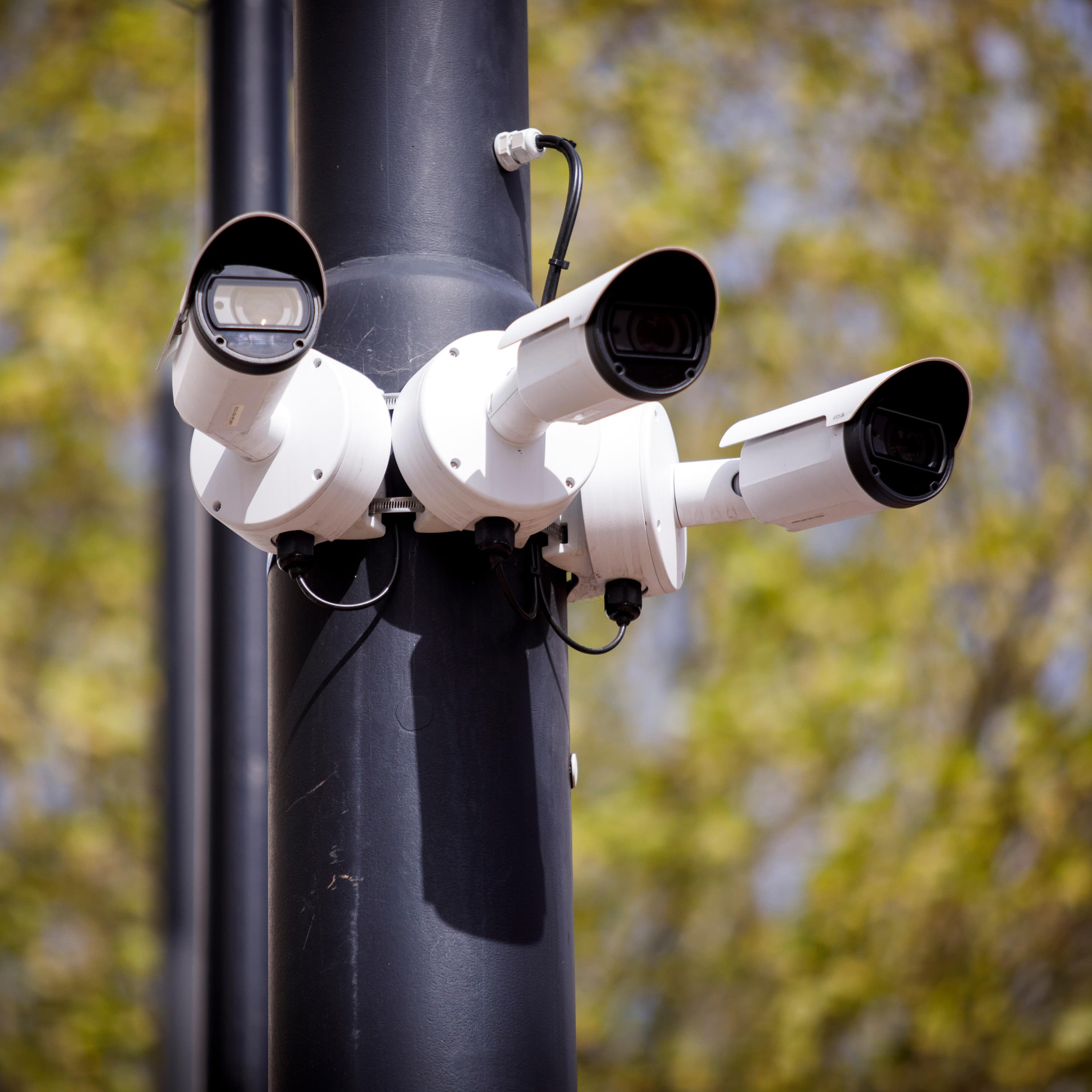
Today in Focus
Is Big Brother watching you shop?
00:27:32
From supermarkets to corner shops, live facial recognition could be coming to retailers near you. Jessica Murray on the AI systems increasingly used by the police and stores
Loading summary
Transcript94 lines
- [00:00]
Annie Kelly
This is the Guardian. Today, coming to a store near you. The rise of live facial recognition.
- [00:23]
Barclays Investment Bank Advertiser
From globalization to innovation, sustainability to market volatility, there's always more than one side to a story. Explore different perspectives on today's most important business and economic issues with the Flipside podcast from Barclays Investment Bank. Hear two research analysts in a lively debate and get insights from every angle to further inform your view. Listen to the Flipside on your favorite platform.
- [00:57]
Shopper 1
So it is the middle of the day, around lunchtime to do my daily shop as I would normally do.
- [01:05]
Shopper 2
Anything that fits in a basket. As far as I'm concerned, I don't need an awful lot of things. I know what I need. I'm in and out.
- [01:11]
Shopper 3
There's a couple of things that I was thinking of getting. But as I entered the store and I noticed almost straight away that the security guard was following me.
- [01:22]
Shopper 2
So I'd gone down the second aisle and I noticed a lady and was sort of drawn to the fact that she was looking at me.
- [01:31]
Shopper 1
And three people surrounded me. It looked like one of them was a security guard.
- [01:37]
Shopper 3
So at that point I felt like I could confront him and ask him if he was following me.
- [01:43]
Shopper 2
And then briskly walked towards me and said, excuse me, do you mind just putting everything down, leaving the building now?
- [01:50]
Shopper 3
So I was really upset. It was in front of loads of people. It's a busy store on a Saturday. I was really embarrassed you didn't shock
- [01:58]
Shopper 2
and your head's spinning, you're trying to make sense of the whole thing.
- [02:01]
Shopper 1
So I then asked, why? Can you at least explain to me why?
- [02:06]
Shopper 3
And he said, I have had a notification on my phone to follow you because you are a shoplifter.
- [02:13]
Shopper 2
And then I even question. In the end I was thinking maybe I did steal something, maybe I've actually put something in a bag and I don't didn't know I'd done it.
- [02:21]
Shopper 1
And outside of the store was a poster that I've never seen before which had a QR code. And all she said was, scan that and they will explain everything to you. And she just left me outside.
- [02:32]
Shopper 3
And he said, you're on face watch. I'd never even heard of it.
- [02:40]
Annie Kelly
These stories sound like they happened in the same place, but they didn't. They're three different shoppers in three different parts of the uk, all flagged by AI systems they didn't even know were watching them. And it could be happening to you too. Every time you walk into a supermarket or down the street, live facial recognition is being hailed as A powerful new frontier in the fight against crime, not just by police, but private companies, too. And as it spreads, it will expand surveillance into more and more public spaces. And the problem is, it doesn't always get it right.
- [03:23]
Shopper 1
It's very, very Orwellian. And that moment of me trying to prove I am who I am was very, very Kafkaesque as well. He's just going into this, like, weird cycle of no escape. It's very, very. It's disconcerting.
- [03:42]
Annie Kelly
From the guardian, I'm annie kelly. Today in focus is big brother watching you shop? Jessica Murray, you're the Guardian's social affairs correspondent. Welcome back to Today In Focus. You have recently done this reporting where you spoke to different people who were very abruptly asked to leave a shop by security guards because they'd been identified by something called live facial recognition, or lfr. You know, none of us are any strangers to cctv. We all know we're being filmed when we're in supermarkets. But can you tell us what is LFR and how is it different?
- [04:29]
Jessica Murray
So facial recognition technology can be quite simple. So all police forces, for instance, across the country, have access to technology that can sort of map faces in, for example, CCTV footage or dashcam footage, doorbell footage, to a sort of police database of mugshots, essentially to try and find criminals or a potential offend. What's increasingly being used, and which is causing quite a lot of controversy, is the use of live facial recognition technology. And that is where cameras are scanning faces in real time. So people walking down the street, doing their shopping at a supermarket or attending, you know, a big event, and it's scanning, you know, thousands, millions of faces and sort of in real time, mapping them to police databases so that police kind of within seconds could spot someone in a crowd, you know, match them to the database and arrest someone, sort of instantly growing at such a rapid pace that there's a lot of concern about whether there's enough oversight and regulation of this.
- [05:28]
Annie Kelly
And tell me how that would play out in that supermarket setting. We've heard from, you know, those three people that experience this firsthand. But can you tell us how it is that supermarkets are using this?
- [05:39]
Jessica Murray
Yeah. So a lot of supermarkets and shops are using this technology called Face Watch. And what that essentially means is if there is someone in the shop who they believe to be a shoplifter or exhibits some kind of antisocial behavior, is violent or aggressive towards staff, they can use the CCTV footage, the cameras in store, to kind of flag their face on the system. And that Means if that individual then goes into the shop again or to another branch of the shop when they walk in, their face will be scanned and it will flag on the system to a security guard. And that means they can instantly find that person in the shop, ask them to leave or, you know, follow them around the shop to, you know, keep an eye on them or whatever it is they deem to be acceptable to do.
- [06:18]
Annie Kelly
Can you tell us which supermarkets and other shops are using this technology?
- [06:24]
Jessica Murray
So Sainsbury's is one of the biggest shops to have rolled out last year, but also Morrison's, Daily Sports, Direct, Cost Cutter, B and M, Home Bargains, Spa. I mean, there's quite a few and it tends to be, yeah, those kind of high street stores, supermarkets, corner shops, who maybes are kind of at the front line of, of shoplifting. So, yeah, so it's quite a few shops and it is growing all the
- [06:47]
Annie Kelly
time and millions of people going through those shops every year. I mean, that's millions of faces that are being scanned every time you're going in to buy a pack of butter or whatever.
- [06:57]
Jessica Murray
I was going to say, yeah, if you're popping into sort of home bargains to buy, you know, just a couple of bits, I think the vast majority of people will not realize that their, their face has been scanned and yeah, they're potentially, you know, being added to some sort of watch list. It's, it's quite crazy.
- [07:21]
Annie Kelly
It's like not necessarily something that you'd expect to see or indeed become unwittingly part of when you're, you know, doing your weekly shop in Sainsbury's. How long has this been going on for?
- [07:33]
Jessica Murray
So it's from around 2017 that the first facial recognition software started to be rolled out in shops. But I see it's really sort of from 2020 onwards that we've started to see it becoming much more commonplace. And big retailers like Sainsbury's only just started using it last year in 2025. So it's still fairly early days, but I think it's growing quite rapidly and
- [07:53]
Annie Kelly
they must have a duty to tell shoppers that this is happening when they go in to buy something. How is it that they are communicating, or perhaps not particularly effectively communicating, that this technology is being used?
- [08:07]
Jessica Murray
So, yeah, most shops will have a poster in the window or somewhere in the store, but, you know, I imagine the vast majority of shoppers would not spot these. There's so many signs up in a typical supermarket, you're probably unlikely see something like that.
- [08:20]
Annie Kelly
And the reason that the supermarkets have decided to use this, Is it just because the technology's now widely available? I mean, I can imagine that this could alienate a lot of people who might be quite surprised and really not that happy about the fact that this, that their faces are being scanned every time they go into one of these retail outlets. You know, why have they decided to go with this?
- [08:42]
Jessica Murray
Yeah, well, I think it's a combination of, you know, as the technology has become more accessible, it's become cheaper, it's become easier to get. But also, I mean, shops are having to deal with a huge surge in shoplifting and antisocial behaviour. Security guards are having to deal with a lot more violence and aggression from customers. So you can see why it is an appealing option. It's a good way of being able to try and clamp down on that.
- [09:03]
Annie Kelly
You talked about shoplifting. Do we know if it's led to a drop in shoplifting for the companies that are using it?
- [09:10]
Jessica Murray
I think the thing that needs to be sort of emphasized is that Facewatch does claim that its technology is 99.98% accurate. And. But obviously there is still a margin of error here and it's up to these members of staff to essentially look at the match, look at the person in front of them and make that judgment call of, actually, yes, this is the person who has been flagged on the system as a, you know, potential shoplifter or whatever the issue might be. They have to make that judgment call in person. So I think it depends on who you ask. So Face Watch obviously will say that it's been hugely successful. They said that in 2025, they triggered over 500,000 alerts of known offenders in shops across the country. They haven't released the data on how many alerts, kind of false alerts or inaccurate. Whether that data exists, I don't know. I mean, there's been no data to suggest that it has led to a decline in shoplifting yet. Although, as I say, the technology is still very new, the amount of shops it's been employed in is, you know, still relatively small in the grand scheme of things. So I think we're still a little way of being able to see what its actual impact is on crime.
- [10:10]
Annie Kelly
Do you know what happens to those face scans when your face is scanned? What happens? Does it just go into this giant database that's then accessible for any retailer that has access to that technology?
- [10:21]
Jessica Murray
No. So if your face is scanned and you're not a match on the system, then it's instantly deleted. And discarded. So your face isn't kept on the system unless you are one of the people who's been flagged. For instance, if they believe you have been a shoplifter or you've committed some sort of offence, then yes, your. What's called your biometric template, which is your kind of face scan, will be kept on the system, but not if you're just, you know, a sort of innocent shopper.
- [10:48]
Annie Kelly
Unless, of course, you're misidentified, which happened to some of the people that you met. They experienced the rough end of this technology and they were all, as we've heard, asked to leave the shop. It sounded like all of them were pretty surprised, but also pretty humiliated by that whole experience. Tell us what happened to them next.
- [11:09]
Jessica Murray
Yeah, so they were all obviously, as you said, pretty stunned, shocked. I think all three of the people I spoke to said they wish they'd kind of asked more questions and been more curious at the time the incident happened. But I think when something like that happens to you, you're often so kind of shell shocked that you don't know what to say.
- [11:25]
Annie Kelly
It's embarrassing as well, isn't it, to be escorted out of a shop by security guard.
- [11:30]
Jessica Murray
So I think for all three individuals, they were literally just pointed to the poster that I mentioned, the facewatch poster, which will essentially say that this shop is being monitored. Watch technology. But I think it led them to very little information and it took all three of them quite a lot of calls, various different avenues that they went down to try and get to the bottom of what had happened to them, why they were on this system and how they could kind of clear their name.
- [11:54]
Annie Kelly
So presumably they would have been worried that their faces would have ended up on a database. That meant the next time they went into any of the shops that used this technology, something similar could have happened.
- [12:06]
Jessica Murray
Yes. I remember one woman I spoke to, Jenny, she said she went on the Face Watch website, she saw how many shops were using this and she just thought, you know, I'll never be able to shop in in person again. I'll have to do all my shopping online. Because she just thought, every time I go into a shop, am I going to be asked to leave? Am I, you know, sort of blacklisted?
- [12:24]
Shopper 3
So I walked back home really upset. But then I got more upset when I realized what Face Watch was and realizing that I wouldn't be able to shop at. I mean, the list is massive. It's sports, direct, home bargains, burgeons, there's flannels, B M There's all sorts, and they all share this same database of alleged. You're gonna say alleged criminals.
- [12:50]
Annie Kelly
And one of the other people you spoke to, Ian, he was. I mean, he kind of seemed to end up in a bit of a bureaucratic nightmare over after this experience. Can you tell me what happened to him?
- [13:01]
Jessica Murray
Yeah. So Ian, like all the people I spoke to, he found a phone number for facewatch which he tried to call, but was just directed to a message which basically said, facewatch doesn't take calls. Please contact us via the website. Which I think he found really frustrating, the difficulty in not being able to talk to a human being about this. So he then reached out to facewatch and they wouldn't sort of give him any information until he'd provided a copy of his passport to prove his identity. And that happened to a couple of the people I spoke to who found it really sort of odd and frustrating that, you know, there's this private company that they've never heard of before which has this information on them and they're having to provide a copy of their passport, just. Yeah, yeah, exactly. And so Face Watch say that's kind of for essentially data protection reasons. They can't give out information if they don't know who they're talking to, which you can sort of understand. But it does feel, you know, like a bit of a bureaucratic nightmare to be in. And that eventually led him to find out that he'd been sort of wrongly flagged on the system as being shoplifter. And that was because he was sort of inadvertently stood next to someone who was shoplifting on a previous visit to the shop.
- [14:07]
Shopper 2
So now we have the truth. So she says, what do you want to happen? What do you want to do next? I said, well, I said, right, now I want proper apology. I want it in writing.
- [14:18]
Jessica Murray
He did eventually get the apology from home bargains that he wanted, but there we go.
- [14:23]
Shopper 2
Can I read this to you, please?
- [14:24]
Jessica Murray
Yeah, yeah.
- [14:26]
Shopper 2
A formal letter of apology has been sent to your home address as provided. In addition, we would like to offer you £100 as a gesture of goodwill without admission, acceptance of the payment will constitute your agreement to these terms.
- [14:42]
Shopper 1
Really?
- [14:43]
Shopper 2
You wish to buy my silence? I don't think so.
- [14:47]
Jessica Murray
I mean, how did that make you feel?
- [14:49]
Shopper 2
They did want to buy me silence for £100. It's just absolutely right.
- [14:55]
Annie Kelly
And who should be looking out for people like Ian?
- [14:57]
Jessica Murray
So the Information Commissioner's office are the body at the moment who are responsible for kind of overseeing this, because they. You sort of monitor and regulate how people's data is used. And obviously your, your face is. Is a form of data, but there are concerns about, you know, how much power and resource it has to deal with this. So, you know, one of the people I spoke to, Jenny, she said she, she did sort of send her compl to the Information Commissioner's office with all the information she had and she didn't hear back. And, you know, someone else I spoke to said he didn't even bother because he just thought, well, what? They're not going to be able to do anything. So I don't, you know, I want to, don't want to go to the effort of doing that. So there is a feeling that there is, there is something missing here, that there needs to be a sort of a proper regulator, a body who can, who can deal with this. You have kind of the power and the resource to sort of sanction companies if they're not using this technology correctly.
- [15:59]
Annie Kelly
So, Jess, shopping is one way LFR is being used, but where else is it happening?
- [16:03]
Jessica Murray
So the main ways that it is being used at the moment are through police forces. And about 12 police forces in the UK are now using live facial recognition technology. If you're out and about, you know, you might be at a big event or just walking down the street, you know, you'll see these big vats very well kind of signposted that this is a facial recognition van. But already the technology is moving on and actually, you know, those cameras are soon going to be more, you know, like CCTV cameras, just sort of stationary on a post or a lamppost somewhere. When the future arrives, there are always doubters.
- [16:36]
Shopper 3
A hundred years ago, fingerprinting was decried
- [16:39]
Jessica Murray
as curtailing our civil liberties, but today we could not imagine policing without it. I have no doubt the same will prove true of facial recognition technology in the years to come.
- [16:51]
Annie Kelly
And we don't know if the supermarket shoplifting is declining because of this, but do we know if the police are actually successfully using this to catch criminals?
- [17:03]
Jessica Murray
Yeah, so police forces are really optimistic about this. They say that it's going to help them massively and that, you know, it's already leading to a number of arrests. So I think so the Metropolitan Police in London are. The police force, I'd say, have used this the most. In the first five months of this year, they scanned over 1.7 million faces, which was an 87% increase from the same period last year. And between September 24 and September 2025, almost a thousand people were arrested following the Use of live facial recognition technology.
- [17:34]
Annie Kelly
So you're being arrested because you're shown
- [17:36]
Shopper 2
once in a police national computer for involved in a GBH criminality harm where you've.
- [17:42]
Jessica Murray
So, yeah, the police are. They say it's really effective. And, you know, they, for example, they, you know, I think it's over 100 sex offenders they say, have been arrested as a result of. Of using this technology. You know, they have gave one instance where, you know, a registered sex offender was found alone with a young child as a result of. Of being detected by live facial recognition cameras. You're under arrest because you've reached your sexual.
- [18:05]
Annie Kelly
Someone's going to answer me now. Can you listen to me?
- [18:07]
Jessica Murray
Okay, you're under arrest because you've breached your sexual harm prevention order, which states
- [18:12]
Annie Kelly
that you're not allowed to be. Yeah, I know that.
- [18:13]
Jessica Murray
I told you, I know that. So, yeah, so the police say that it's helping them massively. But others. It's worth noting that other experts say, yes, it is a useful tool, but it has its limitations and we shouldn't sort of get carried away with, you know, how transformative this can be.
- [18:29]
Annie Kelly
So how has it proved unreliable so far? You mentioned it was way less reliable in differentiating the faces of people of colour, for example.
- [18:40]
Jessica Murray
Yeah. So there's no denying it is. It is rare. But there have been cases of false arrests where people have been either falsely apprehended or falsely arrested as a result of their face kind of being picked up on live facial recognition technology. And early evidence suggests that it is people of colour who are more likely to be falsely arrested for that because the technology isn't as effective as detecting those faces. So one case that hit headlines recently was Alvi Choudhary, who was arrested at his home in Southampton for a burglary in Milton Keynes. And that was because his face had been picked up on live facial recognition technology that was being used by Thames Valley police. But it was completely incorrect. It was another person of South Asian heritage who had committed that crime. And, you know, the software had obviously just made a mistake and made a false match. Never been to Milton Keynes before. It was 100 miles away from where he lived. You know, you would think that there was some kind of sort of human judgment that would have gone into that to determine that that was sort of an incorrect match. So one of the people I spoke to, Warren, you know, he expressed concern that, oh, you know, although Face Watch say that their technology is 99.98% accurate, there's no kind of breakdown of how that changes between different groups of people. So, you know, research on facial recognition technology more generally has found that black and Asian people are more likely to be misidentified.
- [20:01]
Shopper 1
That's one of the reasons why I wanted to speak up. Not because I'm a person of color, because I look at it at a much more broader umbrella, people that are vulnerable. I have the ability to go online and do research. I have the ability to take up my phone and click on a QR code and now to work it. What happens with the older people? What happens with people that are blind? So if we as a society don't care about those people, we are no longer a civil society, because that's what a civil society is. No one should have the right to have that much information about anyone. And again, if you think about the stores that are using it, think about who they targeting. They're targeting people of lower socioeconomic status. And that's when it becomes a class issue. And that's a very, very British thing to do.
- [20:44]
Jessica Murray
These examples are still few and far between. And, you know, the technology is quite effective. But I think, you know, if it comes to the point where, you know, millions and millions of people are being scanned every single day, even if there's only a small margin of error, that does equate to quite a lot of people. So as this becomes more white, widespread and more and more police forces across the UK start using it, I think those cases of, you know, misidentification, wrongful arrest, I think we could see more of those
- [21:14]
Annie Kelly
coming up. Is live facial recognition here to stay?
- [21:33]
Barclays Brief Advertiser
Today's markets move fast. Get the insights you need in 10 minutes with the Barclays Brief, a new podcast from Barclays Investment Bank. Through sharp dialogue and scenario based analysis, our leading experts analyze key market themes each week. So whether you're managing a portfolio or leading a business, the Barclays Brief podcast can help you make smarter decisions. Stay sharp, Stay brief. Find Barclays Brief. Wherever you get your podcasts,
- [22:03]
Barclays Investment Bank Advertiser
running a business means juggling a lot of moving parts. And when your communication tools can't keep up, things start to slip. Missed calls, slow replies, scattered conversations. They're not just frustrating, they're lost opportunities and revenue left on the table. That's where Quo comes in. Spelled Q U O, Quo is the number one rated business phone system on G2, trusted by over 90,000 businesses. One shared business number for calls and texts so every conversation stays visible, organized and accountable. It works from an app or computer. You can keep your existing number, add teammates and sync your CRM letting you scale without adding complexity. And with built in AI, Quo logs calls, summarizes conversations and flags next steps. Even after hours. Stop missing customers. Stop leaving revenue on the table. Try Quo free and get 20% off your first six months@quo.com tech. That's quo.com tech quo no missed calls, no missed customers.
- [23:17]
Annie Kelly
So whenever there's a story about surveillance, you know, you normally come across this line, well, if you've got nothing to hide, then there's nothing to worry about. But having reported on this, do you feel that there is some concern around the fact it's being rolled out so quickly? Maybe not with enough stops in place or enough consideration of how it really might be checked.
- [23:42]
Jessica Murray
Yeah, so I think a lot of the critics of live facial recognition technology very much want to see some sort of framework in place that would ensure that it's only used, I guess proportionally. So if they can go and kind of knock on someone's door or do kind of other manual checks, that they should always opt for that over just using facial recognition technology. You know, I think there's a concern that police will just rely on this all the time, that it will become just almost the default for any background check or anything like that. I think it's also what kind of crimes it's being used for. As I say, I think the, the general public probably wouldn't disagree that if it's being used to kind of catch terrorists or sex offenders, then, you know, that, then okay, that's, that's something that we should be doing. But if it's kind of being used to, you know, find people who haven't paid a parking fine or something like that, it's, you know, where's the limits of, of how it's going to be used.
- [24:32]
Annie Kelly
And, you know, reading your reporting, it really made me think that we've got ourselves to a place already where we are monitored all the time. I mean, you know, you walk down the street, there are multiple cameras watching you. There are door cams now tracking your movements. Your own phone in your pocket is, you know, GPS tracking every possible step you take. So is this any worse? And have we got ourselves to the position where it's a done deal and there's nothing really we can do to stop this technology being rolled out?
- [25:03]
Jessica Murray
Yeah, I think the thing that makes this a bit different is the power imbalance of it. I guess it's people in positions of authority like the police, like the, you know, the security guards at your supermarket who can use this. I mean, they can use it against you if they want to. They can use it to arrest you, they can use it to ask you to leave a shop. Which I guess is what sets it apart from other forms of kind of video monitoring. I think ultimately it's only going to become more advanced, it's only going to become cheaper as more and more companies kind of get these algorithms and learn how to rule it out. And that's why I think the big push is now we need regulation, we need oversight, we need the law to kind of catch up with the technology itself. And there's a lot of fear that law in this country takes a long
- [25:47]
Annie Kelly
time to come about.
- [25:47]
Jessica Murray
It could be at least three, four years really before we actually see any sort of new regulatory body to keep track of this.
- [25:56]
Annie Kelly
And thinking back, what were your interviews with those people that found themselves on the sharp edge of this technology? What did that leave you with?
- [26:02]
Jessica Murray
I was shocked at how significant an impact it had on their lives and how it really upset them. And the way they describe their experiences of, you know, just going about their daily life and all of a sudden, you know, in front of a shop of people being asked to leave, not being given any explanation from that. The sort of, the fear, you know, that sick feeling in your stomach where you go home and you don't, you don't understand what's happened and you don't understand of being falsely, you know, identified as a criminal. I really kind of felt that. I thought like, God, that is actually really quite traumatizing.
- [26:33]
Shopper 2
I'm certainly hyper aware now with every camera everywhere. I sort of zoom in on them, you know, like a hawk because I'm so aware that they're there. Is anyone looking at them? All they'll see is these two eyes staring back at them.
- [26:49]
Shopper 3
I always think you can control your morality. You can control who you are, whether you steal or whether you don't. And actually I couldn't control was just something that was happening to me. I find it quite, quite scary now. You almost want a balaclava up. But you'd look even worse then you'd look like a criminal, wouldn't you? Or you'd maybe makes me look more guilty. I've got no idea.
- [27:15]
Annie Kelly
I was really struck by the responses. It seems like they now feel like they're being constantly watched. And I guess the answer is they are. You are. Right?
- [27:25]
Jessica Murray
Yeah. Yeah, exactly. You know, it's, there's a. I think there'll be a big realization across the country in the coming weeks, months, years where people realize that this is happening because, as I say, you know, I've never thought, when I've been walking around Sainsbury's or anything, I've never thought about the fact that my face is being scanned, that I'm being recorded. You know, I think maybe there will be just kind of more conversations around what this means for us, for, you know, civil rights, for privacy, for things like that. I think, I think that is, is definitely a conversation that's going to be growing.
- [27:55]
Annie Kelly
Thanks so much for coming in today.
- [27:56]
Jessica Murray
Thank you.
- [27:58]
Annie Kelly
And that's it for today. My thanks to Ian, Jenny and Warren for their stories and to Jessica Murray and you can read all of her reporting on lfrtheguardian.com A spokesperson for the Information Commissioner's Office said, we recognise the harm and upset that can be caused by misidentification. For this reason, use of facial recognition technology must strictly comply with data protection law and be handled with care and transparency. It said that anyone who is concerned about how their data is being collected, used or shared has the right to raise a complaint with the ICO and that it will continue to issue regulations and guidance to retailers to ensure that the public is protected. This episode was produced by Tom Glasser and presented by me, Annie Kelly. The sound design was by Brian McNamara and the executive producers were Homa Kleely and Sammy Kent. And before we go, I just wanted to tell you about a new video podcast that our New York office is launching. It's called Stateside with Kai and Carter and it's hosted by our colleagues, Kai Wright and Carter Sherman. Each week they're going to be trying to make sense of some of the biggest stories happening right now. The show will feature conversations with some of the smartest thinkers and reporters, not just from the Guardian, but across the world. World it's launching on the 13th of May, with episodes every Monday, Wednesday and Friday. You can find it in full video on YouTube and wherever you get your podcasts. And we'll be back later on today with the latest. This is the guardian.
- [29:45]
Shopper 2
Foreign.
- [29:51]
Barclays Brief Advertiser
Markets move fast. Get the insights you need in 10 minutes with the Barclays Brief, a new podcast from Barclays Investment Bank. Through sharp dialogue and scenario based analysis, our leading experts analyze key market themes each week. So whether you're managing a portfolio or leading a business, the Barclays Brief podcast can help you make sense smarter decisions today. Stay sharp, stay brief. Find Barclays Brief wherever you get your podcasts.
- [30:20]
Aura Advertiser
Most people don't realize how much of their personal information is being bought and sold every day. Data brokers are making billions, pulling details about you from public records and the Internet, then packaging and selling it, usually without your consent. That's how your information lands in the hands of scammers, spammers, even stalkers. It's why you get endless robocalls and why ads seem to follow you everywhere. That's where Aura comes in. Aura actively removes your data from broker sites and keeps it off. They also instantly alert you if your information shows up in a breach or on the dark web. But Aura goes beyond data protection. With one app you get a vpn, antivirus, password manager, spam call protection, dark web monitoring and even up to $5 million in identity theft insurance, all backed by 24. 7 US based fraud support. Other companies might sell just credit monitoring or even just a vpn. Aura gives you all of it together at the same price competitors charge for just one service. Start your free trial today@aura.com safety. Protect yourself now@aura.com safety.