← Today in Focus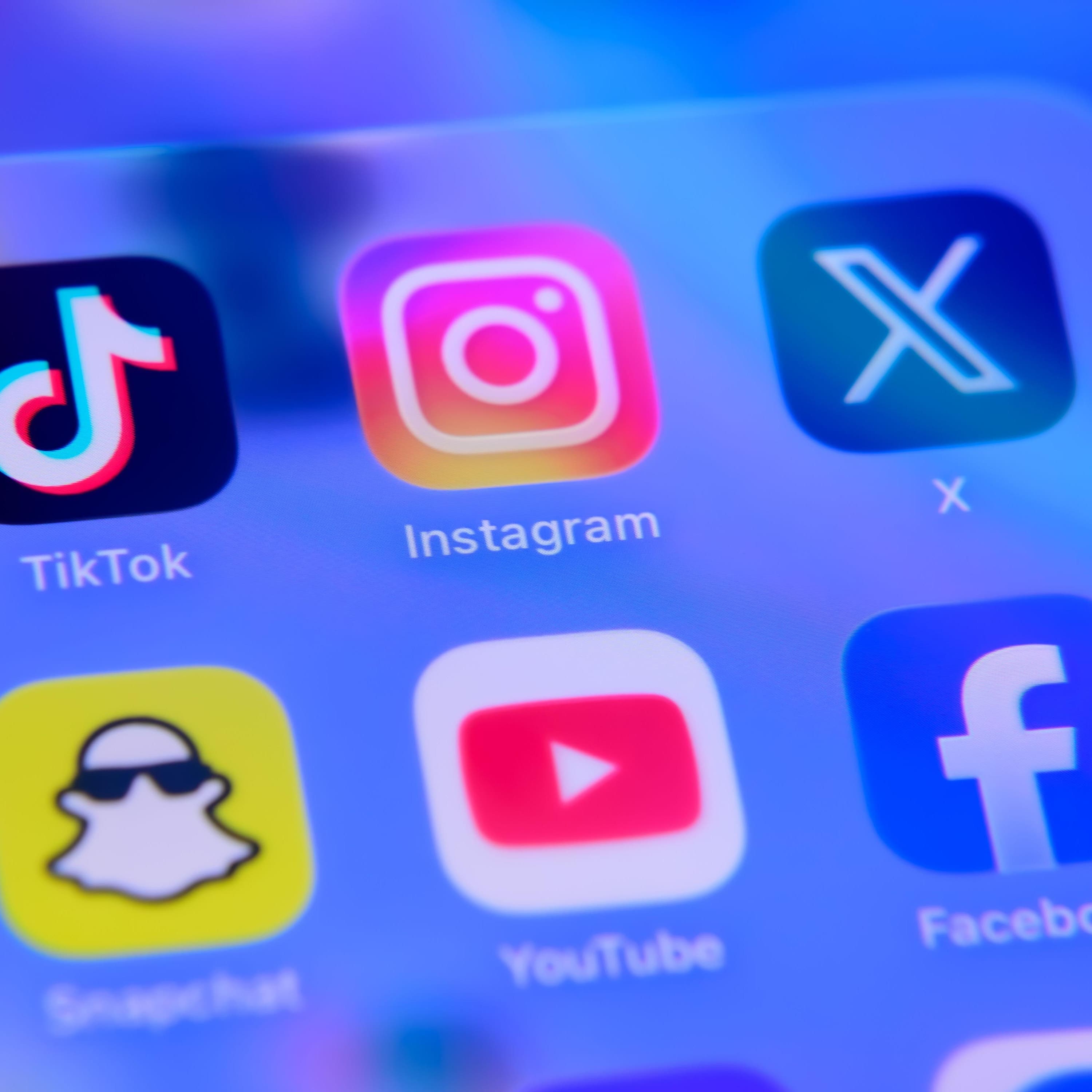
Today in Focus
UK plans social media curfew for teenagers – The Latest
00:11:53
Sixteen- and 17-year-olds face an overnight social media curfew in an extension of the social media ban for under-16s. But the measures will not be mandatory and teenagers can choose to opt out, so will it achieve anything? Annie Kelly speaks to social affairs correspondent Jessica Murray
Loading summary
Transcript36 lines
- [00:00]
Annie Kelly
This is the Guardian.
- [00:11]
Pura Advertiser
Summer smells like summer road trips, ocean breezes and long evenings under the stars. It's a feeling you want to hold onto. Restore your sense of place with Pura's new summer fragrance collection. We've captured the magic of the season in clean premium scents that transform your home into your favorite destination. Discover the art of scentscaping and and bring the summer in. Visit pura.com to explore the collection.
- [00:42]
Jessica Murray
This curfew is essentially like placing, you know, a bottle of alcohol in front of a teenager, but just sort of keeping it out of arm's reach. It is a lot to ask a young 16 year old, 17 year old to not just go into their settings and change it. What teenager is going to be able to resist that? Parents feel like they're fighting a losing battle. There is some hesitation about upsetting tech companies too much by coming in too hard.
- [01:03]
Annie Kelly
With Restrict from the Guardians today in focus, this is the latest with me, Annie Kelly. So the government's already announced a ban for social media for under 16s. They've now announced this new social media curfew for slightly older kids, 16 and 17 year olds. Jessica Murray, you're the Guardian's social affairs correspondent. How is this going to work and how is it different to the measures they've already announced?
- [01:33]
Jessica Murray
Yeah, so what this is is a voluntary curfew on social media apps, which will mean from the hours of midnight to 6am certain apps will be blocked for 16 and 17 year olds. It will also include features like, for instance, the most kind of addictive elements of social media. So autoplay videos, where the video just kind of automatically keeps scrolling to the next one. And also infinite scrolling will also be automatically blocked for that age group, 16 and 17 year olds. But the most important thing to note is that this is all voluntary. It's just it will be a sort of default default on the app, but it takes just a few clicks for a teenager to just go in their settings, switch all this off and essentially completely override it.
- [02:13]
Annie Kelly
Right, okay. And how is, how does that kind of fit with that suite of measures that they've already announced this ban on under 16s being able to access social media at all.
- [02:23]
Jessica Murray
Yeah, so the reason they're doing this is because they're concerned about, you know, teenagers hitting the age of 16 having never been allowed on social media in their lives and suddenly they get unlimited access and they're worried that, you know, teenagers will essentially be scrolling into the middle of the night, which, you know, a lot of them already are. So they're trying to kind of tailor it so that teenagers get a more gradual introduction to social media. But yeah, there's a, there's a lot of critics who think it's unlikely to play out that way.
- [02:48]
Annie Kelly
So let me get this straight, this is not mandatory and you can go into your settings and disable this in a couple of clicks. So basically the government are asking 16 and 17 year olds really nicely not to use their phones at night. Is that pretty much the extent of this?
- [03:02]
Jessica Murray
Yeah, essentially, yeah. And I think the government's own research has showed that 10% of children have used VPNs, virtual private networks to get around age verification on certain websites and social media. So if already 10% of children are doing that, I think it's highly likely that much more than 10% will be able to easily get around these. Especially if it's just, you know, going into your settings and changing it.
- [03:24]
Annie Kelly
It's pretty horrifying the idea that you've got a generation of kids on their phones all night. Anyway, you mentioned the fact that the government wanted to do this because they wanted to prevent this kind of cliff edge of social media use when kids are finally allowed onto social media platforms at 16. Could you tell me a bit more about their reasons, their rationale behind this curfew?
- [03:45]
Jessica Murray
Yeah, so there has been a lot of research that shows that children's sleep can be really disrupted if they're on social media late at night. And I think parents feel like they're fighting a losing battle essentially and trying to get their children to switch off. They did some sort of trial runs of different types of social media restrictions with about 300 teenagers and they, they say that this one worked particularly well, it had a lot of benefits. So yeah, and I mean, obviously, you know, children are accessing really harmful content online, we know that. And it's hard for parents to monitor that if their child is, you know, scrolling on their phone at one o' clock in the morning in their bedroom. So I think parents sort of would, would broadly kind of welcome this. But, and you know, and there is sort of genuine need for stuff like this, but obviously there are, you know, a lot of limitations.
- [04:28]
Annie Kelly
Yeah, why make it not mandatory, like just enforce this legally, that they can't be on social media, you know, throughout the night.
- [04:36]
Jessica Murray
There are arguments that 16 and 17 year olds who can, you know, make really major decisions about their lives, I
- [04:41]
Annie Kelly
suppose, will be able to vote, will be able to vote.
- [04:43]
Jessica Murray
You know, they, they, you know, they should be able to make these decisions themselves. Some People would argue. So, yeah, I think that's why they've kind of held back from that. And I think also, you know, there is some sort of hesitation about upsetting tech companies too much by coming in too hard with restrictions. But, yeah, it's difficult to know.
- [05:00]
Annie Kelly
So they just announced what we've kind of discussed as a fairly pointless curfew if, you know, very tech savvy teenagers can opt out of it in a few clicks. It doesn't put, as you said, really any onus on the tech companies to change their products at all that we all now know are inherently really harmful to kids, to all of us, really. Why is it that the government seems unwilling or unable to actually take on the tech companies over this if they really are committed to reducing online harm?
- [05:32]
Jessica Murray
Yeah, I think there's a sense that these tech companies are just so big, they're so powerful, so wealthy that, you know, they just won't do it, essentially. I think also there's, you know, the government doesn't want to put off kind of investment. It wants to become, you know, a big tech superpower. So, you know, it doesn't want to kind of deter social media companies from doing that in, in the uk. But it's also worth remembering, you know, all of these big social media companies are based in either the US or China. We've, how Donald Trump has reacted to some previous kind of comments on this. He, he sees this, these kind of restrictions as a censorship. You know, he's threatened kind of tariffs when on, kind of on the digital services tax. So I think, you know, it's, it is quite a big thing to take on and I think there is just a bit of hesitation about it. I think it's also worth thinking about the global picture. Obviously, Australia have gone ahead with a ban, but the UK is kind of a front runner in this. We are, you know, going further than the vast majority of other countries. So I think they're, they're, they're treading quite carefully because of that.
- [06:29]
Annie Kelly
Aside from the fact that, that there are concerns that this curfew that they've just announced just won't work. There are wider criticisms, aren't there, of this kind of idea of banning or prohibiting use of social media and all of that onus being on the end users, the kids, the teenagers. Could you just tell me what, what are some of those arguments that this kind of approach isn't going to work and what might be some of the unintended consequences of this approach?
- [06:56]
Jessica Murray
Yeah, I think one of the main concerns is that it will kind of push children into sort of the dark, the dark web, you unregulated, unmonitored parts of the, of the Internet. I mean, as I said, we already know a lot of children know how to use these VPNs to get around this kind of thing. So they're not kind of using the traditional social media apps that we're using. You know, where are they going to go instead? They're probably going to find ways around it. There's also concerns that it, you know, there are certain groups, certain children who really rely on social media. For example, disabled children are much more likely to use social media to make connections, to find role models, to find support. If you take that away from them, you're kind of pushing them further into isolation. So I think there are a lot of unintended consequences that we kind of probably won't fully realize until this comes in.
- [07:41]
Annie Kelly
Yeah, and I think as a mother of teenagers myself, you know, you see how much social media is integrated into every aspect of their lives. And you can try as hard as you want to reduce the time that they spend on it, but realistically, with this particular age group, the kids that already have these social media platforms, is there really anything that we can do to, to prevent those online harms and to reduce their usage? Or is the point more about, like, making it easier for parents of younger kids to say, I'm sorry, you can't have TikTok because it's illegal for you to have it till you're 16?
- [08:16]
Jessica Murray
Yeah, I think to some extent these kind of restrictions are just delaying the inevitable. I mean, if you're a child and you're growing up around parents and adults who are constantly glued to their phones, then you're always going to want to seek to have that access too. You'll, you'll find, find ways around it, or as soon as you hit 16 or whatever, you, you will instantly kind of become addicted in this, in the way that a lot of people are. I do think there is a strong case for, for limiting access for younger children. We've seen cases of children who've taken their own lives or had really other really adverse impacts from, from viewing content online that as an, as an older person, you might be able to understand what it is you're viewing and not kind of take on in the same way that a younger person would. So I think restricting access at younger ages is really important. And as you say, it will help parents who feel like they're, they're in a losing battle. You if they're saying something but their child's best friend at school is allowed something else, then, you know, how can they kind of fight against that? So doing something kind of collectively that sort of applies blanket across society I think, I think is really helpful. And I guess it's probably, you know, it's the start of a conversation, it's the start of regulation, you would think, you know, I think these kind of restrictions, if you think five years ago would have seemed completely improbable, we would never ever sort of introduce bans. So we've come a long way and I think in five years, 10 years in the future, we could have even more kind of restrictions or, you know, tech companies might have been forced to act in ways that, you know, we still haven't thought about right now. So yeah, I think it's just, even just having the conversation as a society about what, what should we be doing? You know, how can we be making social media better and safer? I think that is a good start and I think people are welcoming that. But as we've said, I think the restrictions that we're seeing right now are not going to be that effective.
- [09:59]
Annie Kelly
And you've done a lot of reporting on the way that social media can, you know, be harmful to children and young people. What do you think of this curfew? Do you think that there's any merit at all into signaling to older kids that they shouldn't be on their phones at 3 o' clock in the morning?
- [10:15]
Jessica Murray
Yeah, I definitely think it will help parents make the case to their children that they shouldn't be on social media past a certain time. You know, as I said, a lot of parents feel like they're fighting a losing battle.
- [10:26]
Annie Kelly
Yeah.
- [10:26]
Jessica Murray
How do they make their children listen to them? But I do think, you know, a lot of parents do think that it will be futile. You know, I was listening on the radio this morning to Ellen room, whose 14 year old son Jules died after doing an online challenge that went wrong. Really, really awful case. And she was basically saying that, you know, she felt that this curfew is essentially like placing, you know, a bottle of alcohol in front of a teenager, but just sort of keeping it out of arm's reach, basically. And you know what, what teenager is going to be able to resist that? And I think that is, is a lot, you know, to ask a young 16 year old, 17 year old go into their settings and change it. I think, you know, even I have restrictions on my Instagram that basically tell me after I've used the app for a certain amount of time a day to, to switch off. You just close the app now. How many times do I go back on the app after that?
- [11:15]
Annie Kelly
After I. Yeah, I mean you just
- [11:16]
Jessica Murray
click, you know, click.
- [11:18]
Annie Kelly
Ignore this.
- [11:18]
Jessica Murray
It's very easy to get around it. And so I, I think asking, asking teenagers to kind of have that, that self will, to not, to not get around these restrictions is a lot and, and I, and I don't think many will.
- [11:29]
Annie Kelly
Thank you so much for your time, Jessica.
- [11:30]
Jessica Murray
Thank you.
- [11:31]
Annie Kelly
And that's it for today. My huge thanks again to social affairs correspondent Jessica Murray and thanks for listening to this episode of the latest Today in Focus. We'll be back in your feeds tomorrow morning and the latest will be back tomorrow night. This episode was produced by Angus Neil. The senior producer was Ryan Ramgovin, the executive producer was Zoe Hitch and the presenter was me, Annie Kelly.
- [12:01]
Max Rushton
The World Cup's entering its final stages and if you want football punditry from a podcast that's been overanalyzing the game for more than 20 years, then join me, Max Rushton and a host of football experts as we keep delivering shows every day until the end of the World Cup. The Guardians World Cup Daily available wherever
- [12:15]
Jessica Murray
you get your podcast, this is the Guardian.
- [12:27]
Pura Advertiser
Summer smells like citrus in the sun. Turn your home into a daily getaway with Pura's new summer collection. Find your flow and fragrance and explore
- [12:36]
Aura Advertiser
the scents@pura.com Most people don't realize how much of their personal information is being bought and sold every day. Data brokers are making billions, pulling details about you from public records and the Internet, then packaging and selling it, usually without your consent. That's how your information lands in the hands of scammers, spammers, even stalkers. It's why you get endless robocalls and why ads seem to follow you everywhere. That's where Aura comes in. Aura actively removes your data from broker sites and keeps it off. They also instantly alert you if your information shows up in a breach or on the dark web. But Aura goes beyond data protection. With one app, you get a vpn, antivirus, password manager, spam call protection, dark web monitoring, and even up to $5 million in identity theft insurance, all backed by 24, 7 US based fraud support. Other companies might sell just credit monitoring or just a vpn. Aura gives you all of it together at the same price. Competitors charge for just one service. Start your free trial today@aura.com safety. Protect yourself now@aura.com safety.