Podcast
Top of Mind with Julie Rose
Hosted by BYUradio · EN
Tackling tough topics in a way that will help you feel more empathy and empower you to become a better citizen, kinder neighbor, and more effective advocate. For people who are turned off by the divisive nature of the news, but still want to engage with important issues. Hosted by journalist Julie Rose, Top of Mind is a production of BYUradio.
29episodes
Episodes
Newest firstAll episodes
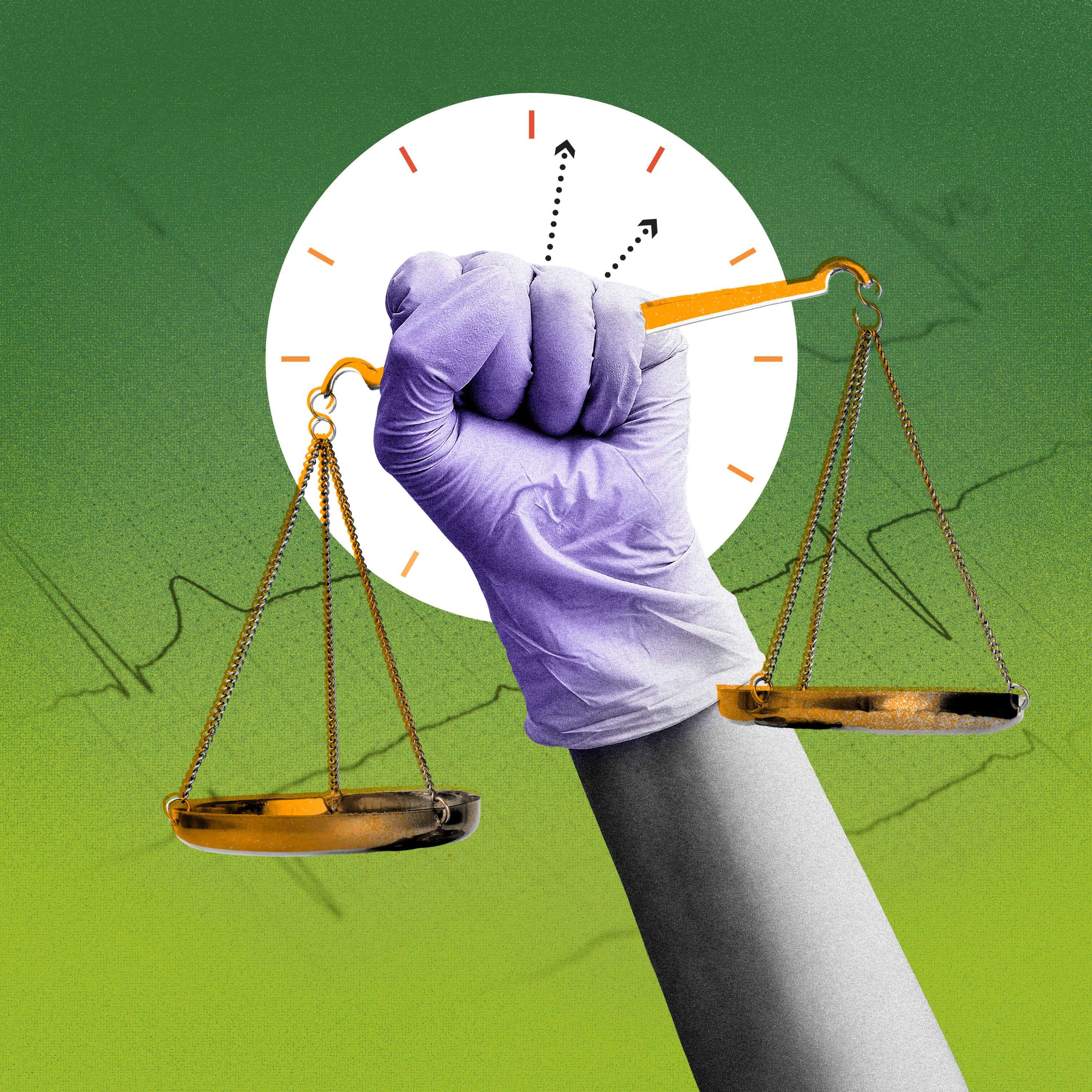
Justice in Healthcare: Who Deserves to Be Healthy?
Mar 2900:54:09Tap to summarizeWho deserves to be healthy—and who’s responsible for making that possible? In this episode of Top of Mind, we explore one of the toughest questions in modern healthcare: how we decide who gets care, compassion, and lifesaving treatment. A doctor reflects on a moment with a patient that changed his understanding of kindness in medicine. A widow shares the devastating consequences of a transplant policy that kept her husband from getting the organ he needed. And a bioethicist walks us through the uncomfortable reality of deciding who gets lifesaving care when resources are scarce. Original airdate – March 13, 2023 GUESTS Dr. Michael Stein, primary care physician and Chair of Health Policy at the Boston University School of Public Health (https://www.michaelsteinbooks.com/home) Debra Selkirk, Chief Advocacy Officer at the USC Annenberg Center for Health Journalism and widow of a liver failure patient (https://centerforhealthjournalism.org/debra-selkirk) Dr. Jacob M. Appel, psychiatrist and bioethicist at the Icahn School of Medicine at Mount Sinai (https://jacobmappel.com/) Dr. Dayna Bowen Matthew, Dean of the George Washington University Law School and expert in public health and civil rights law (https://www.law.gwu.edu/dayna-bowen-matthew) CHAPTERS (0:00) Introduction (0:57) Beatrice and the Broken Promise (3:17) Kindness Over Judgment (5:47) Empathy Improves Outcomes (8:35) Public Health vs Individualism (13:03) Alcohol and Transplant Fairness (26:09) Social Worth Taboo (27:32) Stewardship and Past Choices (29:07) Vaccine Refusal Priority (31:28) Manufactured Medical Scarcity (34:27) Just Health and Family Story (47:16) Racism Stress and Community Action
Transcribe →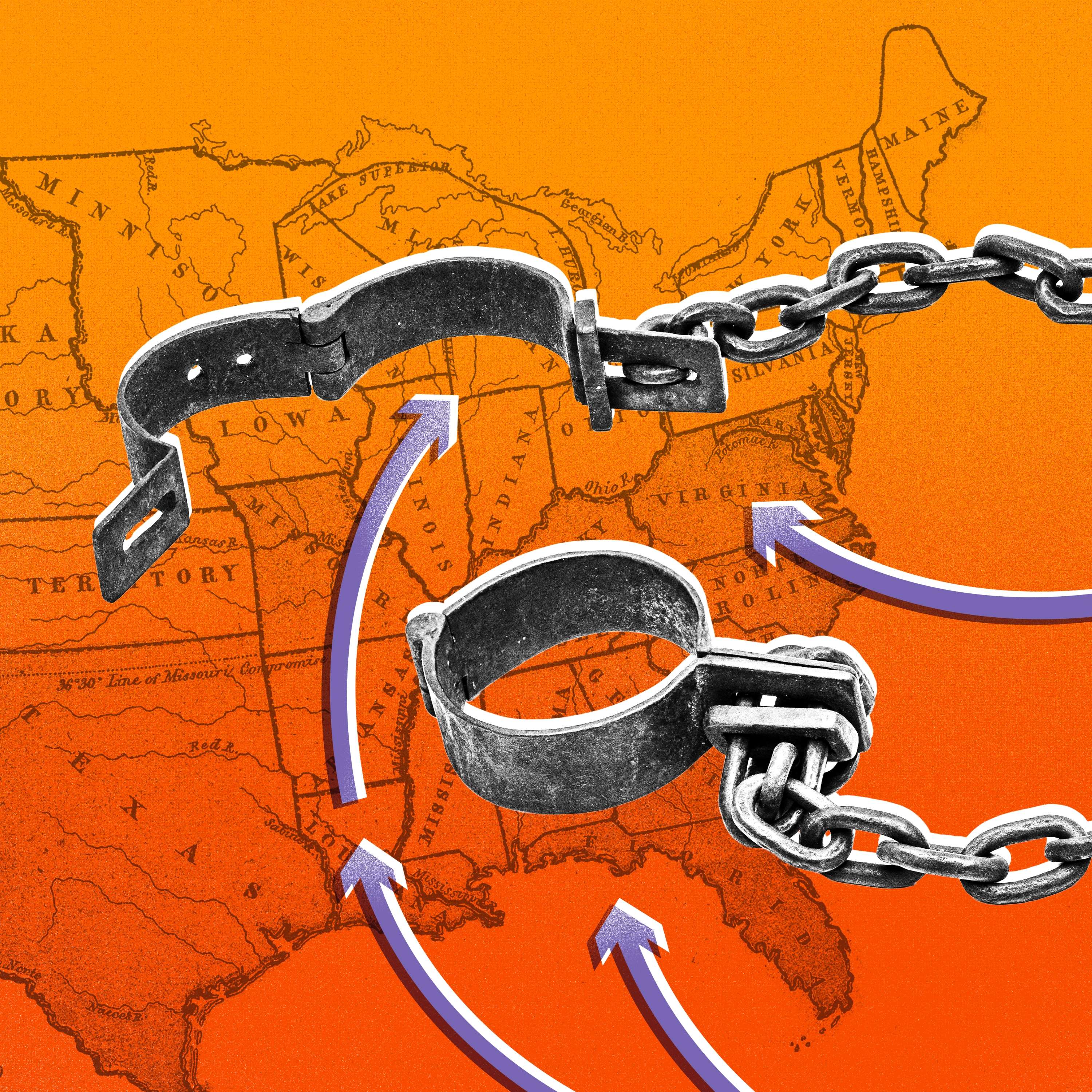
Can We Repair Historic Injustice?
Mar 1600:54:15Tap to summarizeCan a nation truly heal from historic injustice, or does there come a point when it’s simply too late? In this episode of Top of Mind, we explore what it really means to repair the harms of slavery, segregation, and systemic racism — not just through money, but through truth, relationship, and repentance. A genealogist and descendant of enslaved people and a descendant of the largest slave-trading dynasty in U.S. history share the powerful story behind their book, “Gather at the Table,” and the unlikely friendship that grew from confronting their families’ painful pasts. We also examine how other nations have attempted repair. A leading expert explains what South Africa’s Truth and Reconciliation Commission got right (and what it didn’t), and a rabbi outlines a five-step process for repentance and repair that challenges America’s tendency to rush to forgiveness without doing the deeper work. GUESTS Sharon Leslie Morgan, founder of Our Black Ancestry and co-author of “Gather at the Table” (https://gatheratthetable.net/) Tom DeWolf, director and manager at Coming to the Table and co-author of “Gather at Table” (https://comingtothetable.org/) (NOTE: Sharon Morgan died suddenly on Feb. 24, 2026. Read Tom’s tribute to her here: https://tomdewolf.com/2026/02/25/remembering-sharon-leslie-morgan/) Eric Wiebelhaus-Brahm, professor of Genocide and Mass Atrocity Prevention at Binghamton University (https://www.binghamton.edu/i-gmap/people/core_team.html) Rabbi Danya Ruttenberg, author of “On Repentance and Repair” (https://danyaruttenberg.net/) Original airdate: December 12, 2022 CHAPTERS (0:00) Introduction (0:52) Meet Sharon and Tom (1:55) Unearthing Family Histories (6:07) Coming to the Table (9:16) Parallel Worlds Exposed (12:13) Alabama Cemetery Reckoning (26:53) TRC Impact on Victims (27:25) Reparations Promises and Reality (28:01) Did the TRC Worsen Race Relations (28:26) Limits of Truth for Healing (30:22) When Truth Commissions Work Best (31:10) America’s Patchwork Truth Efforts (33:17) What Individuals Ca
Transcribe →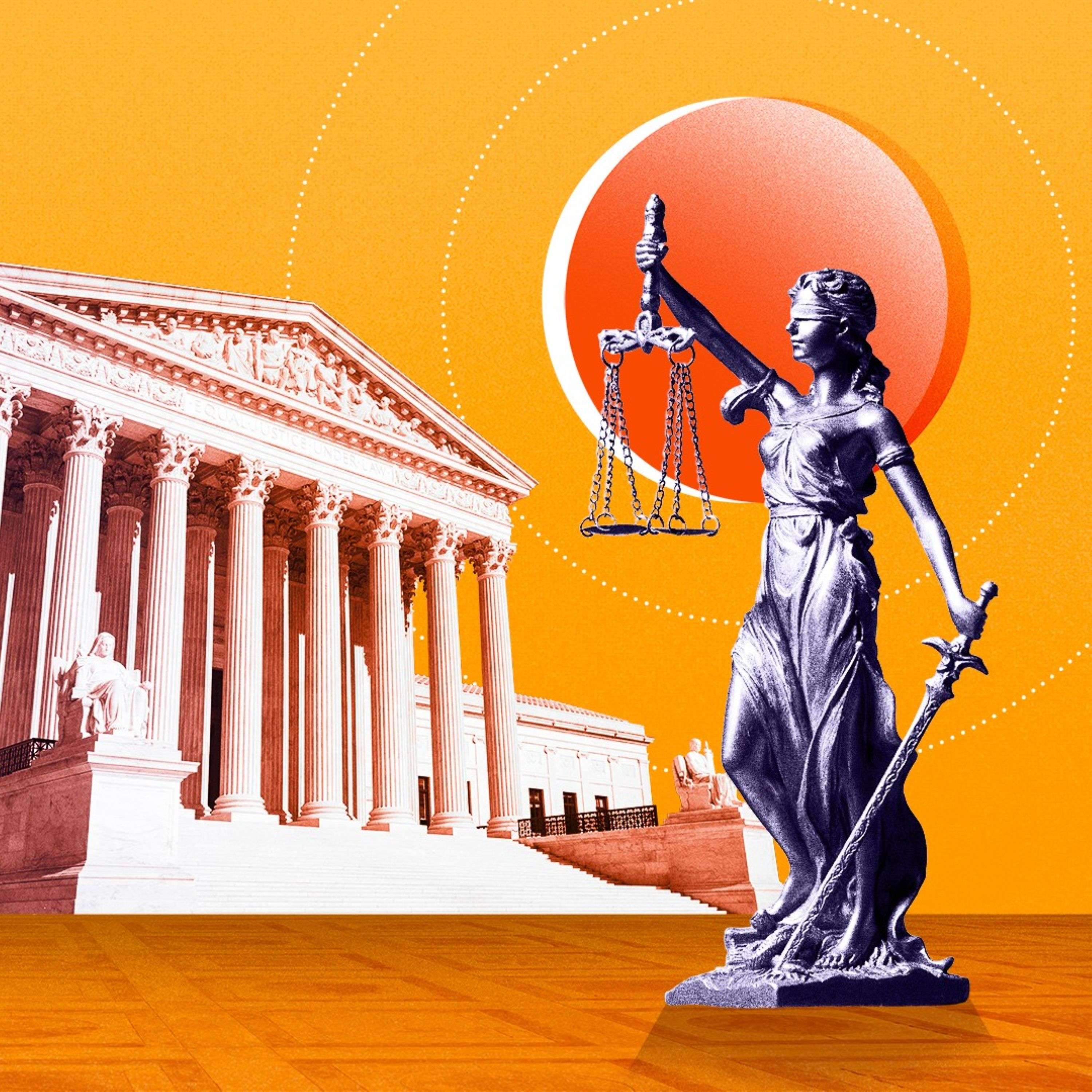
Should Christians Support the Death Penalty?
Mar 200:54:13Tap to summarizeThe death penalty - maybe more than any other question of crime and punishment - poses a conundrum for America as a majority Christian nation. Since colonial times, Christian ministers and believers have been among the strongest supporters of capital punishment for murder. Today, American Christianity is more divided. And the Bible offers seemingly contradictory guidance. From the Old Testament’s call to justice and retribution to the New Testament’s emphasis on grace and forgiveness, Christians wrestle with what kind of justice system reflects the will of God. In this episode of Top of Mind, host Julie Rose seeks for clarity on the matter as a Christian herself. She speaks with a Baptist pastor who ministers to death row inmates and opposes capital punishment, a Presbyterian pastor who considers the Bible clear in its support of the death penalty as God’s law, and a Southern Baptist seminary graduate and trial lawyer who questions America’s ability to implement capital punishment as God intended. GUESTS Pastor Kevin Riggs, senior pastor of Franklin Community Church. Co-author of “Today! The Best Day of My Life” with Pastor Kevin Burns, who is on death row in Tennessee. https://www.amazon.com/Today-Best-Day-My-Life/dp/B0DBJNP92T Reverend Rom Prashkapalan, pastor at Zion Presbyterian Church in Fredericksburg, Virginia https://www.zion-presbyterian.com/ Matthew T. Martens, Southern Baptist seminary graduate, trial lawyer and author of Reforming Criminal Justice: A Christian Proposal https://matthew-martens.com/ CHAPTERS (0:00) Introduction (1:38) History and Modern Divide (4:43) Case for Abolition (9:02) Restorative Justice and Victims (18:32) Pro Death Penalty Theology (27:34) Why God Punishes (28:55) Life in Prison vs Execution (30:38) Repentance and Exceptions (34:27) Wrongful Convictions Debate (44:13) Reforming Justice with Love
Transcribe →
How Work Became Our Identity in America
Feb 1600:53:54Tap to summarizeAmericans work more hours than people in nearly every other wealthy country—are we better off for it? In this episode of Top of Mind, we unpack the deep roots of the American work ethic and why so many of us feel overworked, burned out, and unable to step away from our jobs. From the rise of “meaningful work” to the hidden costs of hustle culture, this conversation explores how work became central to our identity—and what that’s costing us. GUESTS Joshua Fields Millburn, co-founder, “The Minimalists” (https://joshuafieldsmillburn.com/) Jamie McCallum, author of "Worked Over: How Round-the-Clock Work is Killing the American Dream" (https://www.jamiekmccallum.com/) Alex Soojung-Kim Pang, author of "Shorter: Work Better, Smarter, and Less—Here's How" (https://www.4dayweek.studio/) Ursula Mead, founder, and CEO of InHerSight (https://www.inhersight.com/) CHAPTERS (0:00) Introduction (2:38) From Corporate Climber to Minimalist (7:44) America's Work Culture (13:55) Evolution of Work in America (18:23) Income Inequality and Overwork (19:33) Less Work and More Meaning (22:21) Unions and Corporate Responsibility (23:18) Four-Day Work Week (40:18) Paid Time Off and Flexibility (41:56) Unlimited Paid Time Off (49:15) Work-Life Integration During the Pandemic (51:18) The Societal Impact of Working Less
Transcribe →
The Risks and Rewards of Doing Family History
Feb 200:54:11Tap to summarizeFamily history can sometimes feel distant, irrelevant, or even risky. Why look back when the past may hold stories we’d rather not claim? In this episode of Top of Mind, we explore why learning about our ancestors matters—how their stories, traditions, and struggles can shape our identity and strengthen family bonds. We also wrestle with a harder question: what do we do when our history includes dark or painful truths? Together, we consider how facing the full story of our past can foster resilience, understanding, and growth. GUESTS Christopher Jones, BYU History Professor (https://christophercjones.com/) Libby Copeland, author of “The Lost Family: How DNA Testing Is Upending Who We Are” (https://libbycopeland.com/) Edward Di Gangi, author of “The Gift Best Given: A Memoir” (https://www.digangiauthor.com/) Gaynell Brady, owner of Our Mammy’s (https://ourmammys.com/) CHAPTERS (0:00) Family Reunion Memories (1:23) Discovering a Complicated Legacy (6:43) Teaching and Reconciling History (8:02) A Personal Family History Project (15:03) Adoption and Biological Roots (19:53) The Search for Biological Family (24:18) Unexpected Discoveries (26:15) Connecting with Ancestral Roots (27:59) A Dream Visit from Grandmother (28:31) Uncovering Family Tragedies (30:06) The Popularity of Genealogy (31:41) American Identity and Genealogy (39:02) African American Genealogy Challenges (48:56) Healing Through Genealogy (53:21) Conclusion Original airdate: August 29, 2022
Transcribe →
Why We Feel Disgust—and What It Reveals About Us
Jan 1900:41:37Tap to summarizeDisgust is one of our most primal emotions—hardwired into the brain, yet shaped profoundly by culture, upbringing, and personal experience. While we often associate it with spoiled food or foul smells, disgust reaches far deeper into the human psyche. It influences how we judge others, how we draw moral boundaries, and even how we vote. In this episode of Top of Mind, we explore why we feel disgust and the surprising power it holds in shaping our lives. From an artist who uses revulsion to prompt deeper conversation, to a pioneering scientist studying the psychology of disgust, to a political scientist tracking its influence on policy preferences—and parents navigating everyday moments of discomfort and connection—we uncover why disgust deserves serious attention in a time marked by division and distrust. GUESTS Samuel West, co-founder of the Disgusting Foods Museum in Sweden (https://disgustingfoodmuseum.com/) Andrea Hasler, London-based sculptor (https://www.andreahasler.com/) Paul Rozin, retired professor of psychology at the University of Pennsylvania (https://psychology.sas.upenn.edu/people/paul-rozin) Samantha Aeschbacher, mother of two Cindy Kam, political science professor at Vanderbilt University (https://as.vanderbilt.edu/political-science/bio/cindy-kam/) Jane Andersen, mother of 4, Arizona State Director of Mormon Women for Ethical Government (https://www.mormonwomenforethicalgovernment.org/staff/jane-andersen) How sensitive to disgust are you? Try this quiz: https://www.idrlabs.com/disgust-sensitivity/test.php CHAPTERS (0:00) Introduction (1:00) Exploring Disgusting Foods (2:37) The Science Behind Disgust (4:16) Art and Disgust (8:46) The Fascination with Disgust (23:15) Disgust in Politics and Society (31:43) Overcoming Disgust (41:03) Conclusion
Transcribe →
What We Get Wrong About Autism — Told by Autistic Voices
Jan 500:54:16Tap to summarizeWhat if the world believed you couldn’t understand it—while inside, your mind was full of thoughts, poetry, and frustration you had no way to express? In this episode of Top of Mind, host Julie Rose sits down with Emily Grodin, who spent 25 years unable to speak, and her mother Valerie Gilpeer, to share the extraordinary story of the moment Emily finally found her voice through typing after a devastating meltdown on a transatlantic flight. Emily’s poems and reflections challenge long-held assumptions about autism, communication, and intelligence. Her story is paired with insights from journalist Eric Garcia, psychologist Dr. Monique Botha, and nonprofit executive Sarah Nannery, each offering perspective on what life is really like for autistic individuals in a world not built for them. GUESTS Emily Grodin and Valerie Gilpeer, co-authors of “I Have Been Buried Under Years of Dust.” Eric Garcia, journalist for The Independent and author of ‘We're Not Broken: Changing the Autism Conversation.” Monique Botha, community psychologist and researcher at the University of Stirling Sarah and Larry Nannery, co-authors of “What to Say Next: Successful Communication in Work, Life and Love with Autism Spectrum Disorder.” CHAPTERS (0:00) A Turbulent Flight (1:58) Introduction to Top of Mind (2:45) Emily's Journey (4:39) Emily's Reflections on Communication (6:42) Valerie's Belief in Emily's Potential (10:41) Emily's Breakthrough (17:32) Eric Garcia: Autism and Advocacy (26:52) University Challenges (27:21) Universal Design for Disabilities (28:11) Accommodations? (30:37) Cure Research? (32:58) Mental Health and Autism (34:34) Challenges for Autistic Researchers (38:38) Workplace Dynamics and Autism (42:13) Personal Experiences and Coping Strategies (53:17) Conclusion
Transcribe →
The Power of Nostalgia: How Community Traditions Shape Who We Are
Dec 2200:54:04Tap to summarizeWhat makes you nostalgic for home? In this episode of Top of Mind, we explore the surprising science behind place attachment — why certain places feel like home, and why traditions, parades, festivals, and quirky community rituals bring us closer together. Writer and researcher Melody Warnick joins the conversation to unpack what connects us to the places we live. Through stories from around the country, we dive into: - A 63-year-old factory whistle concert that entertains an entire town early on Christmas morning - How a tiny Colorado town doubles in size for beloved bluegrass festivals - Why preparing strawberries with strangers can make you fall in love with your community - The surprisingly deep meaning behind quirky traditions like earmuff parades and “cutest little chick” contests GUESTS Melody Warnick, author “This is Where You Belong” and “If You Could Live Anywhere” Don Ryan, Whistlemaster of York, PA Penny Meservier, former director of the Franklin County Chamber of Commerce in Farmington, Maine, home of “Chester Greenwood Day” Marie McCusker, Executive Director of the Petaluma, CA Downtown Association and Visitor Program, home of “Butter and Egg Days” Zach Tucker, Vice President, Planet Bluegrass, Lyons, CO Stephanie Driggs from Pleasant Grove, UT home of “Strawberry Days” Natasha Szilagyi from Seattle, WA Ralph Tobias from Reading, PA CHAPTERS (0:00) Intro (1:00) Melody Warnick on place attachment (6:00) Listener stories (14:00) The factory whistle that unites a town (22:00) How local traditions evolve (27:00) Music festivals and community identity (36:00) Celebrating agricultural heritage (46:00) Why participating makes you love where you live (51:00) Final thoughts Originally aired on December 19, 2022
Transcribe →
Is Higher Education a Good Investment for American Taxpayers?
Dec 800:53:54Tap to summarizeConfidence in America’s higher education system is slipping, even as the government spends nearly half a trillion dollars a year on it. The average US taxpayer invests $1,700 a year in higher education – whether you went to college or not. And frustration with the system runs across the political spectrum – from anger over high tuition and student loan debt to concerns that universities are too liberal. In this episode of Top of Mind, host Julie Rose explores what it would take for more of us to feel like we’re getting our money’s worth from our tax investment in higher education. We’ll look at new ways of defining success for universities, trace the history of government funding for higher education, unpack some of today’s biggest criticisms, and highlight a little-known college that tops the list of “Best Schools for Your Tuition and Tax Dollars GUESTS Paul Glastris, editor-in-chief of Washington Monthly Magazine, publisher of alternative college rankings (https://washingtonmonthly.com/) Christopher Loss, professor of education and history at Vanderbilt University (https://press.princeton.edu/books/paperback/9780691163345/between-citizens-and-the-state?srsltid=AfmBOoqHJIpoSu23FIEujBxu66SPPNrRJM1oh1uValB1A8y6aZGu3jk-) Renu Mukherjee, fellow at the Manhattan Institute (https://manhattan.institute/) Cullum Clark, director of the George W. Bush Institute-SMU Economic Growth Initiative (https://www.bushcenter.org/) Cheryl Nixon, president of Berea College (https://www.berea.edu/) Jordan Shands, Berea College alum and administrator of Ultimate Test Prep in Lexington, Kentucky (https://ultimatetestprep.com/lexington/jordans-schedule/) CHAPTERS 00:00 Introduction 04:06 Historical Funding of Colleges 05:44 WWII, The GI Bill & Post-War Education Boom 09:56 Modern Criticisms & Political Pressures 13:15 DEI Policies in Universities 22:13 Return on Taxpayer Investment 30:35 Advice for University Research Priorities 32:54 Alternative College Rankings 40:18 Berea College: A Unique Educational Model 41:17
Transcribe →
How Small Acts of Service Saved a Life and Changed a Family (#LightTheWorld)
Nov 2400:50:06Tap to summarizeFrom a small town in Wasatch County, Utah, comes the remarkable true story of the Karren family — a journey through illness, unlikely connections, and the quiet evidence of God in the details. On Memorial Day weekend 2020, Brady Karren suddenly became gravely ill and was diagnosed with liver failure. Around the same time, his wife, Meranie, had been searching for information about her birth parents, hoping to uncover the story behind her adoption. With the help of a distant relative passionate about family history, she finally learned her biological parents’ names—but hadn’t yet planned how to contact them. Unexpectedly, Brady’s illness set in motion a series of miraculous connections that helped Meranie uncover the truths she had waited a lifetime to find. In this special episode of Top of Mind, host Julie Rose and guest host Amber Borowski Johnson of KPCW radio share the stories of the people whose faith, service and love brought light into the Karren family’s darkest season. In a world that can feel divided, their story is a reminder of the shared humanity that quietly connects people through small acts of kindness. The episode highlights Light the World, an initiative by The Church of Jesus Christ of Latter-day Saints that encourages bringing light to others this holiday season. Visit www.lighttheworld.org GUESTS Brady Karren, husband and father from Daniel, Utah diagnosed with liver failure in 2020. Meranie Karren, wife and mother from Daniel, Utah. Tammy Felt, distant relative of Meranie, passionate about family history research. Curt Clyde, local farmer and neighbor of the Karren’s from Daniel, Utah. Kenneth Kimber, military pilot in the military for 21 years and husband of Meranie’s cousin. Brock Beebe, biological half-brother of Meranie. Cynthia Blades, neighbor and friend of the Karren’s from local congregation in Daniel, Utah. Featuring: Amber Borowski Johnson of KPCW in Park City, Utah.
Transcribe →