← TranscendingX - Raw Conversations and Practical Tips to Break Through Stuttering, Communication Fears, and Become Who You Truly Are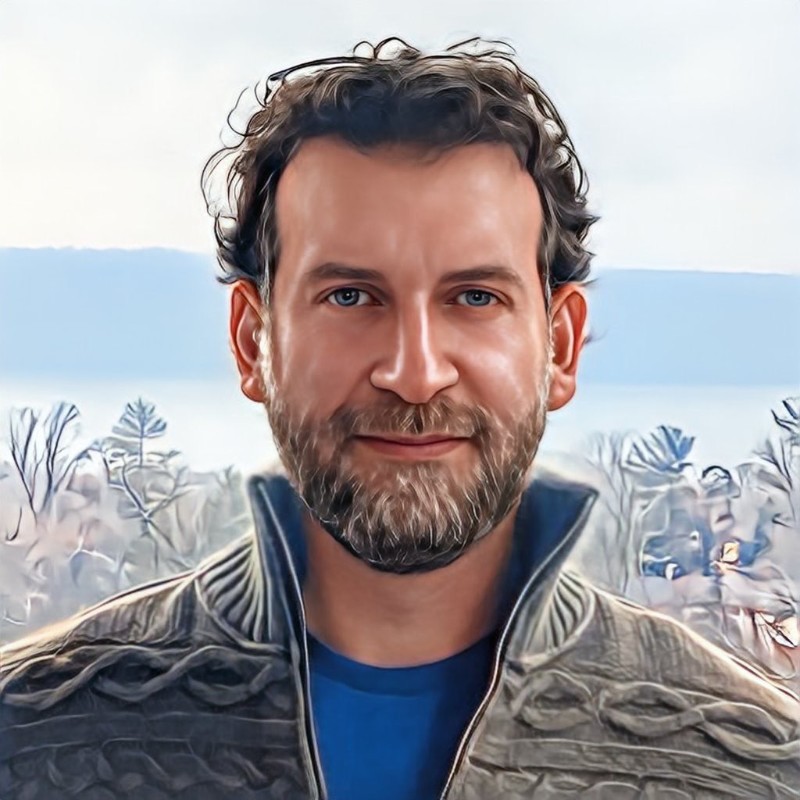
TranscendingX - Raw Conversations and Practical Tips to Break Through Stuttering, Communication Fears, and Become Who You Truly Are
#87 Finding Flow to Beat the Fear of Speaking with Dan Greenwald
00:55:06
Loading summary
Transcript101 lines
- [00:01]
A
Welcome to TranscendingX. Whether it's stuttering public speaking or crucial conversations, all of us have something that holds us back. What if there was a way through it? I'm Uri Schneider from Schneider Speech, where we help people talk more and fear less. And I'm the host of the TranscendingX community. Join me as we talk to high performers, researchers, and everyday heroes to discover how they transform their challenges into breakthroughs. And most of all, find ways for each of us to transcend X in our own lives.
- [00:45]
B
The idea is that it's not about trying to fix it. It's about how do I get beyond it? How do I make sure that life doesn't stop me in living the life that I want to live? We are social creatures. We people act as, like mirrors, as we said before, who are our right fit people.
- [01:05]
C
Well, here we are for another amazing episode. Third time. You're now the leader. No one else has been on three times. Dan Greenwald, I was telling here in the studio, you know, this is not a regular guest. This is like a soul brother. And it's great to have you.
- [01:22]
B
Thrilled to be back, thrilled to do the work that we do together. You know, it's really powerful. And, you know, as you know how I see it, people act as mirrors. So you want to be around people that give and you get a certain type of, you know, wisdom, perspective, experience. So always psyched to be with you.
- [01:44]
C
One of the people that has been the most influential for me personally, professionally, and certainly with this podcast is Dan, evidenced by his appearances on the podcast. But so much more so behind the scenes, and today what we'll get into is kind of like, yeah, some of that mirroring. And you can't. One of the things I've said recently is self awareness is very difficult. You need some sort of mirror. Sometimes it's a physical mirror to see how you're looking, how you're doing, what you're at. And sometimes it's a good friend or a coach. And so you've been that for me. And so how do you see where we began with this project and where we've arrived? And that also might inform where we're going.
- [02:24]
B
Sure. So, I mean, what, maybe four years.
- [02:27]
C
Ago that we started the height of COVID Right?
- [02:29]
B
Height of COVID It's like a marker for most of us, right? Yeah. You know, a little bit. A little bit of backstory here right now. We met you have this really successful stuttering practice happening. Right. You have. You yourself, your father, obviously, but you yourself People, parents, people who also stutter are looking for you. And then you have a whole team working with you of like rock star SLPs. And the question was, there's more you were trying to figure out. There has to be more to this. And it was what we did. We did a deconstruct, kind of taking all the stuff that you have going on. We put it on the table and we were really intentional. You were really intentional. We about rebuilding that, figuring out what do you really want. And I think that was the start of where you are now. Right. Kind of. You know the threads of that in which you have an incredible team around you. Very impressive. Every time I get to spend time, do some workshops with them. Always just really hit by different incredible team.
- [04:01]
C
Just to anchor and validate. It's not just platitudes. We've spent a lot of time together as a team. Brought you in jammed around breakfast, brunch, lunch, dinner, workshops. You've really gotten to meet everybody.
- [04:14]
B
Yeah.
- [04:14]
C
And everybody adores you.
- [04:15]
B
Yeah. Well, I mean, again, mirrors, right? You want to find your right fit people. And when you have that. And then from there, what evolved was almost say, like framework that you were working on that when you shared it with me. I'm a big systems and framework guy, you know, because life is really. We often think life is really complicated. Systems and frameworks is what helps us navigate. It's also businesses, you know, thrive versus, like, survive based on their systems. So you have this framework. And it was. So it was, it was, it was. It was great. And the idea was that it wasn't just about bringing it to people who actually stutter, but it was like, what if we could bring it to the people that work with people who stutter? And that turned into this transcending, stuttering idea and vision that was. It's not about fixing your stutter. I stutter on stutter a lot today. Interesting.
- [05:30]
C
It's a rough word. People who stutter often say, like, you had to pick that word with that ST combination and whatever addition of the T, like come up with a different word. It's the same as lisp. Whoever thought of making people who have a lisp have to say lisp? Like, pick a word that doesn't have an S in it, but got it. Obviously the old school speech pathologists were out for the people that had these things. Labeling it with such words is ridiculous. But yeah. So stutter however you need or want, you know, because I didn't even hear you stutter. I was listening stutter.
- [06:00]
B
I know the world of people who. Who stu. Stu. Stutter. Right. It's. It's in our brain. It's like, oh my God, those are seconds, minutes when it's just a microsecond.
- [06:15]
C
So like a five alarm fire.
- [06:16]
B
Absolutely. But I don't.
- [06:18]
C
Yeah.
- [06:19]
B
Is what it is transcending stuttering. The idea is that it's not about trying to fix it, it's about how do I get beyond it, how do I make sure that life doesn't stop me in living the life that I want to live. And that turned into transcending the stuttering. And the idea of it's not just about the individual people, it's also about the people. Let's equip. It was really your idea. Let's equip people, SLPs, speech language pathologists, with this framework with a way to. To guide people that it's not about fixing, it's about helping them transcend. Moving beyond that, like stutter doesn't stop them. And then. Which was cool as I love seeing and being a part and watching you evolve here. It's like, wait a second, I love this work. I do. I love working with all of these people from, you know, you know, you know, you know, like clients to other SLPs. But there's a world even beyond that. I've learned so much from this stuttering that it's not just about like stuttering, it's about human. It's about human dynamics. And a lot of these things that I've learned from working with like stutterers applies to all people, which evolved into this concept of transcending X, which I think is just brilliant. I love it. And I also love the fact that the world of stuttering that you've really brought so much to has also brought you somewhere.
- [08:04]
C
Kristin Kamela has a line that I really like. She says, every life you change changes yours. And there's this reverb. So the privilege and the opportunity that I've had to meet extraordinary people and play some part side by side with them as a guide, as a mirror, as a therapist, whatever, it has changed me. Like, I'm more courageous, I'm more ready to take risk. I'm more aware of when I'm holding back and when I'm encouraging someone else to take bold steps to flex their courage muscle. You know, I can't do that effectively if I'm not practicing what I preach.
- [08:45]
B
That's right.
- [08:46]
C
And so I. Yeah, so true. And so every. What you've helped me do is to see, like every time I Think, okay, that's it. Well, wait a second. Now something new has appeared on the horizon that wasn't even visible, wasn't even imaginable before. So first it was maybe directly helping people who stutter and making that more accessible, more understandable, more actionable. Wait a second. But maybe we can really inform and empower therapists so that people who are going to public schools and getting therapy from public school therapists and the therapists want to do good. They want to do the right thing. They want to change lives. They don't know how. It was really, really helpful to start thinking, well, how can we do that? And then they started doing that. And now we've got these two audiences, two communities that are alive and thriving and online communities jamming on the same framework and both finding it a way to simplify and as you said, like, creating a system to organize what was otherwise like this amorphous mountain. That was so overwhelming. And that's been extremely gratifying. And looking now, as we stand at, like, my own personal. Going beyond just speech therapy and stuttering and working with individuals in finance and working with a hedge fund and a whole team, with the principals and with the partners and with the analysts. Wow. A lot of this has, like, informed me and empowered me to meet people with all kinds of things that they're facing and being a problem solver, to transcend X, whatever X is. They're the same mechanics. It's the same framework. It's the same systems that I use to manage myself and my own fears and my own insecurities and watching those stories show up and thinking when and how. Don't think, just do. There's so many things I picked up from you, but they're also things that I've kind of baked in in my own way, in my own language and have become very real.
- [10:35]
B
I love it.
- [10:36]
C
Very real.
- [10:37]
B
And I love the fact. I love the idea that stuttering. What has, like, stuttering taught you? Yeah, that's such a. That's. I love that idea around. Specifically you, someone who has brought so much to us, so to speak. And. Yeah, I would love to hear your thoughts on that.
- [10:58]
C
I think fundamentally, stuttering is a condition in which people know what they want to say. They have it lined up and there's just that hiccup. There's that block. There's something that doesn't allow them to just get it out. There's that last. Press the red button and send, and there's that hiccup and hesitation. And then I just would walk People through that, and it wasn't in the textbooks, but it started to resonate with me. Like, I don't stutter, but there are so many things that I have that I'm not expressing. There are so many ideas. There's so much in me. There's so much potential that I feel like I'm living with and I'm sitting on. And for one reason or another, that's not my degree or that's not me. I don't fit in in that club. Or, you know, they would never listen to me. But I do think I have some contribution I could really make over there. And I realized, like, that's my ex. That's my stutter. And the same structures and the same frameworks. Just recently, I just ran the Tel Aviv half Marathon.
- [12:00]
B
Nice.
- [12:00]
C
Who made me run it? My friend Roy Zoaretz. He's the national triathlete champion of Israel. He's living in Connecticut training others. He's sponsored by Samsung and others. They're making a documentary about him. Greg Pandeis, who's a D1 lacrosse, former D1 lacrosse player, financial sales guy. Unbelievable ultra marathoner. I can go on and on. We have a great, great regard for one another. And they all were watching me posting on Strava, like, 5Ks three times a week. And, like, at my age, if I can run 5Ks three times a week, like, I was pretty proud of myself. And both of them said, like, yo, you know, good for you, man, but I think it's time to step it up. And I realized I had this glass ceiling. And it would happen on every run where I'd get to the end of a 5k and I felt like I was totally gassed, like, done. And once I accepted their challenge and I went into a training plan and I went into a training mode, and I looked two months out, and I said, I've done a half before. What's it gonna take? Once my mindset shifted and I shed that glass ceiling of, like, okay, it's 4.95 kilometers. You're almost done. You know, Good thing you didn't kill yourself and go, like, five and a half kilometers. Boom. Like, the training plan said, the next day, you're gonna run for 45 minutes. That's it, whatever happens. And actually, it was a slow pace. I just followed the plan. Don't think, just do. I'd wake up and I'd be like, I don't have 45 minutes today. I had all these resistance and all these thoughts, and I just said, I told Greg And I told Rohi, I'm not gonna back out of this. I'm committed. And I just trucked along. And the coolest thing that happened was at the Tel Aviv half marathon, I did something I shouldn't have done. I tried something new on my watch to set up like a pacer. Totally messed everything up. So the watch was recording the run, but I couldn't get data. I didn't know how fast I was going, I didn't know my pace, so I just winged it. And I was like, what feels right? What just feels right? And at that point I had built a sense of. I knew what it felt like to be at a comfortable, mellow pace. I. I knew what it felt like to be at a quicker clip, but I also knew if it was too fast for me to sustain. So I kind of found something in that middle zone for about three quarters of the run. And then when I realized There was about 5, 6 km left and I realized I got a lot of juice in me, I stepped it up. My target was to break two hours for the half marathon. Nailed it.
- [14:30]
B
Awesome.
- [14:30]
C
Two hours, half marathon and the last five. And I set records for all of my runs, meaning it was the fastest 10k for me, it was the fastest 10 miler. It was amazing. And it was all because of just shift in the mindset.
- [14:41]
B
So few things I just want to point out really quickly. Number one, the power of like, people, right? And so the idea that really we are social creatures, we people act as like mirrors, as we said before, who are our right fit people. And the reason why it's so critically important, you just actually demonstrate it, right? These two people in your life saw, you recognize, they gave you the perspective like Uri, like push it up. And if you're the type of person, which I know you are, if anyone's the type of person that you're really determined to be, someone who's about growth, which is, that's really the key to. That's really the key to a fulfilled, happy, meaningful, impact oriented life. If that's you. So then you're like, people are critically important. And so here's an example. Who are your right fit people? You surround yourself with the people that are giving you the perspective that support the growth. And I know you do that for a ton of people. So that's number one. Number two is the power of story watch. Yeah, right. Is that I can't do that. That glass ceiling, all of us, we all have them. And it's how our minds is designing our way of the world to keep this being safe. Right? And so it's gonna do this powerful, like, computer we have is gonna do everything it can to be like, no, you can't run more than five or do whatever, do whatever. And then you have people and then you have the self awareness, and then you have we gain self awareness tools that allow us to push through if that's what we want to do. So it's awesome example. I love that and I love the idea. Getting back to the question of what stuttering has taught you, that we speak all the time. My whole thing, stuttering, growing up as a stutterer, recognizing that there was something I was different at five. At age six, stuttering was what it was termed throughout my life. I was very in tune that I was in flow and then not in flow. And then figuring out how I wanted to change and stop or not stutter and be someone that was feeling all that shame all the time or having to be on guard all the time. The way that I kind of navigated forward was like, hey, I don't really stutter when I'm in flow. Maybe I invest energy figuring out, how.
- [17:30]
C
Do I be in flow, be intentional to support, facilitate, and cultivate more flow.
- [17:37]
B
State, flow, state, what have you. You know, people call it different things, but that's what it's about. So when you were telling me your story about your running and then your watch broke, and then you got to follow your inside gut, your intu. It's being in flow.
- [17:54]
C
The other thing that was cool is it wasn't an end. It was a means to an end. I knew that taking this on, taking on this challenge and this run and this target would open up and ignite and bring energy to all my other projects. So I knew that I was going into a phase where I wanted to reignite the podcast. I knew I was in a phase where I wanted to go into doing better things for some of my kids. And I knew it was going to be challenging, and I knew it was gonna be taxing. And so, like, instead of thinking of the scarcity, I started to think, well, what are things that would give me a stronger state going into these things? And it was just so profound, so profound that when I was committed to a training plan, training plan, which means I was taking time away out of my packed day, taking time for me, I ended up being able to show up and give more quality and be in a stronger state. And sometimes it meant I showed up for a zoom meeting with a private client in a hat and A sweaty shirt. But I said to them, I went for a run before our meeting because I knew I would be better for you. And I thought you'd rather have me in a strong state than in a button down shirt, but feeling all stiff and totally drained. And it worked. And the results were like just remarkable. And then, and then again, that for me became almost like modeling for the client. The same way I'm telling them, listen, what's your state as you're going into this performance, this interview, this TED talk, this crucial conversation that you're gonna have with your team? You know, you wanna make sure, what are you doing that morning or that night before? It's not just the preparation of what you're gonna say. It's also like, how are you gonna be, are you gonna go in on low sleep, not fueled up, not hydrated, not greasing your, your muscles in your mind, or you're going to go in, in like the strongest state you can. And that became like 80%, 80% of the performance. And the results is like that state became.
- [19:49]
B
So let's just back up for a quick second because I love it all. You're talking about the importance of the like energy state, the strong energy state. You work with a bunch of people, helping them kind of navigate. And I know you have all of these different tools and systems in which you, you know, guide folks. You know, you know where I stand on that. You know, the idea of it's all about making it immediate and practical impact. Now what if it was easy? What if it, what if it was easy?
- [20:16]
C
I like to think I am the world's greatest complicator, meaning I have the greatest gift for making simple things complicated to the point that they don't get done. But I've found that other people have that gift too. I'm not the only one.
- [20:30]
B
Everybody does.
- [20:30]
C
Every did.
- [20:31]
B
And the idea why, where that comes from, at least from my point of view, is that we, you know, like human creatures with this human mind whose sole, sole purpose of our mind is to keep this creature safe. And it does so in three ways. Three ways. Homeostasis, right? Organizing levels. Number two, file cabinets of experience don't go here. And number three, it creates these like, stories, beliefs that guide us to stay safe. One of the key ways is that we like to overly complicate, to not do things that are hard. That's our default mode, every one of us. Case in point, I can't work out, I don't have the right sneakers.
- [21:18]
C
Start running. I just need to get the right sneakers and the right shorts. I also need a hat.
- [21:22]
B
Yeah. And. Or I only do live classes. Yoga, I can't. But that's what ends up happening. Or when we try to sit down for a day like business plan, our mind's going to try to keep us away from doing things that are really really difficult. Which is why systems and processes are very helpful for all of us and so much so like you just talked about when you went out for your run, you understood how to do it. You understood your energy state. So much so that when you start to recognize this and I know you live like this. I live. I aim to live.
- [22:03]
C
Try. We aim.
- [22:04]
B
Aim. I don't like try. We aim to live like this. We know that if we're, if we have to show up right, we should be in a. We want to aim to be in a bigger energy state, a larger, stronger energy state. This is what I started doing before each zoom. If I have a zoom, I do a set of push ups beforehand. No matter what. No matter what. So my zoom, not only am I trying to show up with the stronger energy state, a zoom. Hey awesome. It's going to help me get stronger every single time. So small things like that really help. And when you start to do them, when you start to focus on the importance of our energy state, everything in our life shifts. Especially if we as. As you as you know. I have a question for you because this is something that I've always thought about regarding energy state. Aside from Story Watch and Courage Muscle and all of these awesome self awareness tools, I would love to see there be a study out there of the level of like fluency and like stutterers when they are intentionally working on keeping their energy state in a strong, in a strong place. What would be their shape? Because I know what it's done for me. I know like for like for me stuttering is a light on my dashboard, right? It pops up all the time. But usually it pops up when I'm not in a strong state. I don't get enough sleep. I haven't meditated, I haven't, you know, my mental, spiritual or like physical actions that support my strong state. Energy farming usually I could directly, I can directly correlate my stutter coming out when I'm not in a strong state. I would love to see if that's the case with other stutterers. What do you think?
- [24:09]
C
Yeah, well first of all I think it's important to recognize that many things like stuttering, it's one title, one label but it Manifests very differently. It's not a homogenous kind of a condition and people are not all the same. So the way the same stutter affects two different people is very, very different. So there's no one size fits all that's number one. But if we think about it.
- [24:31]
B
I.
- [24:31]
C
Think that one universal truth is that stuttering behaves like this. And many things are like this. This is the work of Dr. Eric Jackson and Dr. Chris Constantino. The more you don't want this thing to show up, it will show up. And the more you don't think about it, then it's a little less likely that it's gonna show up. But like, the more you try to push it down, the stronger it pushes back. So I think one of the universal things that is applicable about stuttering and has been helpful for me and my work and relates to what you're talking about is when you have systems. So instead of getting caught up with wrestling with this one thing that's part of whatever the task is, let's say you're going to give a presentation, a TED Talk. Just had this guy, Asian guy with a stutter, who's going to give a TED Talk. He's a rock star rockstar at one of the top AI companies and he's an AI engineer and he's going to give a TED Talk. And he's so fixated on his accent and on his stutter. We started doing the work, we start realizing, you know what, let's look at making you a great communicator. You got great content, people want to hear from you. Let's figure out how to connect and have empathy with the audience. Let's figure out what's the appetite they have, the amount of content, the packaging, the delivery. Two weeks later gives the talk. Suddenly stuttering and his accent have like melted into the background. He's not even thinking about it. When we did the post conversation, that's exactly what he said. So to me it was like all about if you focus on the purpose or even anything else, the thing that you're hoping doesn't happen will happen less than if you get really hyper focused on that thing. So I think that's where systems are helpful. So I would work with him and make like a communication dashboard. Like how's your body language, how's your messaging, how's your phrasing? And if you can optimize those things, whether or not the stutter shows up, it will be overpowered, it will be much less prevalent, less distracting to the audience and to the speaker because you're amplifying all these other great things. Awesome accents are the same thing. If you focus on putting on an accent, you could mask a stutter, but that's not really a healthy adaptation. Singing is another one. There's some neuroscience to that, but there's also the fact that you're not really communicating. It's not spontaneous speech. So anything that moves away from focusing on the speech actually is often very helpful for the speech flow. But some of those things can be maladaptive, so we gotta stay clear of those.
- [26:58]
B
Cool. Cool.
- [26:59]
C
The energy is a big thing. Like if you're tired, a lot of people are tired or agitated or overwhelmed, their performance shifts.
- [27:09]
B
So let me even back up from my question then. I have a belief, as you know, that when someone knows what they really, really want, I call it 30. Your 30,000 foot view of what is it that you really want? Not just the generic air is good. Money, love, family, revenue, whatever it is. But we know what we really want and we could connect with that in a specific way every day. That that becomes our guiding light. That or our north star or our 30 or our true self, whatever terminology you want to use. But it's real. When one is connected with that, it activates another level of human flow in which that shows up in all sorts of different ways. No matter what, no matter what type of person you are, whether you're working on speech therapy or running or a TED or a TED talk, it's living with this inside out way of living versus outside in, which is what you're talking about. Of. And as they like stutter or growing, what are they gonna think of me? The perception of my speech or how I look or the this or the that. And that's a big thing. I, I mean I've learned from like stuttering and moving. And when I have worked hard to transcend my stutter, a big reason why was that being able to connect with something that I care more about than caring about what other people think about my stutter. And that's a big part of what like 30100 as you know, is lined up for. Right. That when we're in tune with that, a lot of other things become easier.
- [29:19]
C
So I'll just be the speech therapist for a second.
- [29:21]
B
Sure.
- [29:22]
C
And say that I want to be careful that people don't get the feeling that for everybody, if you just know what you really want, then everything else is going to click into place. For some people, that's true. That when you really get clear on what you want, and you're really focused and you're optimizing everything you can optimize, things start to click. That's absolutely true for a lot of people and for others, whatever the quirk might be, whether it's a person's tendency for ADHD or executive functioning or a stutter or whatever it is, getting angry, having rage, the more they are clear on what they really want, and they allocate 80% of their energy to that and a lot less managing this thing. That thing might still be there, but it starts to fade into the background of their consciousness, of their attention, and also for the person that they're talking to. So, like, when you put 80% into connecting with the other, whatever interference there might be becomes a lot less pronounced, even if it's still there for some people, it actually melts completely. There's a story I was thinking about sharing that you know, and I totally relate to this on so many levels. I read it. Ray Biederman wrote this story that a speaker gets up to speak to a high school audience, and all of a sudden, a donor steps up to the podium and tells the speaker, and the speaker announces to the group of high school kids, says, this donor has just said that we're gonna have an arm wrestling match. Everyone's gonna pair up, have an arm wrestling match, and however many sets you win, you're gonna get a dollar. All the kids are excited by the competition. So everyone pairs up. Everyone has an arm wrestling match. Afterwards, they all come up and report how many rounds they won. So this group was, this guy won four, this guy won five, this guy won five, this Guy won four. They were $4. $5. Another group comes up. This pair, 100. He won 100, and I won 100. So either they're fibbing. No. Said, well, how'd that work? Well, we realized that instead of fighting and spending so much time struggling and eating up and consuming time with this wrestling match, going back and forth but going nowhere, if I help him win 100 times, he helps me win 100 times, we both win. So much of life is this wrestling match, and so much energy is consumed by that. And when we just decide what we really want and we get behind ourselves, what if it was easy? How can I win easy with myself? And what is it that I'm scared of? What is it I'm worried is going to happen? What am I trying to stay safe about? How can I satisfy that piece of me that needs to be told, you're going to be okay? I hear You. There's a reason that voice is coming up. There's a reason that story served you well. We need to update the story and make sure that you're comfortable with the outcome here. But I'm going to take care of you. You're going to be okay. Less. Less wrestling with ourselves. For me, that's been a breakthrough.
- [32:06]
B
And I would say, what if there was a system that helps guide us to, like, figuring out. This is such a. This is a like, shameless pitch right now.
- [32:15]
C
I'm sorry, go for it.
- [32:17]
B
But what if there was a system?
- [32:18]
C
It's not shameless. It's authentic.
- [32:20]
B
I don't know.
- [32:21]
C
There's no shame. We're going to take the shame off of it.
- [32:24]
B
Okay. We're taking.
- [32:24]
C
This is just you because you're not pitch. You're sharing something that is a part of you.
- [32:33]
B
I was hit with what if there was a system that could guide humans to define what it is that they really want and create and then create a weekly plan that almost creates rails. Not a path, but rails for them to go on doing specific actions weekly. Core weekly actions that are measurable, that support them getting what they really want once they uncovered what they really want. Now a plan to go and get it and showing their growth towards it. I was determined to figure out how to do that for me. And then that's really what I've. That's the work I've been involved with, as you know, you've.
- [33:25]
C
So let's talk about that. Because when we first did it together and you. You shared this with me, on the one hand, I was eating it up. Like, I've tried so many, you know, personal work and different systems and habit trackers and this and that. On the one hand I crave them and on the other hand, I abhor them. Like, I have such a resistance. It's like a trigger. Oh, I have to do that. Like, what do I have to do? And then I'm gonna feel like a failure when I don't hit the mark or like, I'm gonna be a monster with my family because I got to get in my. My 10,000 steps, you know, So I have a love hate relationship with systems. Do you remember how that went and how you negotiated that with me? Or maybe if I say that to you now, I think that the nuance is you didn't present a system that was the path. Like you said, they were rails. It was like navigation. Navigation. It was, how do I stay focused on my true north? And then in terms of the actions you didn't prescribe the actions. You kind of had a menu and then the person. Myself.
- [34:26]
B
Yeah.
- [34:26]
C
Picked which of those is relevant for me, which of them is applicable. Meaning it's going to give me what I want. It's going to give me the energy and it's easy. Like it fits.
- [34:35]
B
Well, part of this, I mean like part of the system is that you have to create it.
- [34:39]
C
Right.
- [34:39]
B
It has to be you and self.
- [34:42]
C
It needs to meet self generated.
- [34:43]
B
Yeah. It needs to meet you where you're at. Unless you're not going to do it. Exactly. No one wants to be told what they have to do.
- [34:48]
C
And a lot of systems don't do that. A lot of systems are some book that someone wrote that they have all the answers and just do their playbook.
- [34:55]
B
You know, that doesn't work. You know, I got very annoyed. I got very. No, I love, I love reading and you know, experiencing seminars and like meditation retreats and, and like, like films or that you learn something. But then how do you practically infuse it into you? I got really frustrated with that. And so I know that that's a key piece of what doesn't exist. So that's baked into this 30100 system that we're talking about in which it's designed not telling you what to do, but for you to take what is important for you. Energy wise. Right. People wise, being a master of time specific actions. It's designed for you to take where you're at, what you know about you and to like organize it into a personalized guidance system so that life does become a little bit like easier and more powerful and give and you're able to gain greater control of self to help move you towards what you really want. And just, you know, to your point with like, if you know what you want, everything's going to be solved. No, no, no, no, no. That's not.
- [36:21]
C
I know that's not what you meant. I just wanted to make it clear.
- [36:24]
B
I'm going to make it even more clear because you're right. The reason why it's so hard for us to figure out what it is that we really want, that we can answer the question, how does working on stuttering help me get what I really want? How does running a podcast studio help me get what I really want? That's the bigger question. The reason why it's so hard. A lot of what we were talking about before is because as creatures were designed to figure out how to stay safe. Right. How to have our glass ceilings that a lot of Our stories, beliefs were formed between ages 4 and 12. Right. And so unless we do the work to then go and understand that we're gonna have those glass ceilings, we're not gonna be able to define what we really want. When we could undo that and define what we really want, that's when things start to shift. Just to be clear.
- [37:31]
C
You know, it's an interesting twist like the 80, 20 principle that so many people spend 80% of their energy trying to control like 20% of what matters. And what if we could like flip that? If we could just put like a lot less energy into those things that are really not that important, but allocate 80% of our energy into things that really make a difference. And the same is true in communication, the same is true in work, same is true in productivity, all of it. And I think systems, my love hate relationship and where I'm at now in a healthy tension with that is not to be too rigid but also develop a system, see how it goes, get the feedback, both see how it's helping me get what I really want. Amazing. Squeeze that, lean into that, tighten that. And on the other hand, things that are just giving me more stress but not really getting me what I want. Update, update the plan, you know, adapt. And the same was true with training for the runs. So I was better for training for running because of the work we did together, for sure. So tell me what's happening with 30100, which was where you were at. We talked about how transcending, stuttering, transcending X has evolved.
- [38:37]
B
Yeah.
- [38:37]
C
So 3010 0. Can you just break down what's the 30, what's the 10, what's the 0?
- [38:41]
B
Sure. It's really, it's really for my like altitudinal hiking, flying on an airplane, but it's the idea that like 30,000 foot view, it's your target, 10,000 is your focus and zero is your day to day, weekly, measurable actions. You put it together, target, focus, actions, and the idea of your 30 is when you're in an airplane, you're looking down and you're seeing those perfect box fields. There's so much clarity and there's no noise. You know what you really, really want. And there's a way, there's a way to ensure that that's what you really want. And the idea is that when you have it, you write it out and there's a process for you like refining it. You say it every day out loud and if it's not where you need it to Be you could also start to tweak it. But that's a whole different discussion. But it's your target, focus, action. And so everything, you're able to zoom in and zoom out on every part of your life really, really quickly. So you know what your daily actions, you know how they're connected to what it is that you really want, your higher purpose. Cool. So the way that it works with this tool and this system and this overall framework is that it works on your foundation of self. That no matter what you aim to do, whether you're a doctor, a broker, it works on, it works on, it works to define your target of how does being a doctor help you get what you really want? How does being a broker support you getting what you really want? And then the idea for your 10,000 foot view, it's your energy farming, ensuring that you are in a strong energy state no matter what it is, no matter what kind of work you do. A mom, dad, doctor, SLP teacher, there's the like master of time is another area of focus. Your 10,000 master of time, it's energy farming master of time, people who are the people that you need to connect with in order to get what you really want. And the fourth is this idea of a craft. What are you creating for yourself that's gonna support you getting what you like, really want? So it's designed for people to achieve no matter. It's not about what specific way you're going to achieve it, it's about creating a like foundation that you're doing specific actions that are gonna support your like energy, your weekly time management, your people connecting as well as your creative energy that if that's not put into use, it's kind of like a fire hose that's not in control. There are these specific things that work for virtually anyone. And then it's going to help refine the larger guiding question of how does blank job help you get what you really want. And so that's kind of the breakdown. Usually we think how does our job is our top ultimate 30,000 foot view? It's not. That's only our 10,000 life is too short to make it all about our job. Job is very important. Money is critically important, especially if we don't have it. But it's a function for what it is that we really want.
- [42:26]
C
Tell us about, you know, where your Evolution's at with 3010.
- [42:29]
B
Yeah. So really grateful to be able to have worked with a number of people over the last chunk of years about this, you know, this like systematized framework that I call it a human guidance system. Right. That you. That you would create for yourself. And that system applies to businesses, applies to individuals, to leaders. But where we're at now is I realize that I'm not good at everything, right? No, no, we're not. We're not all good at everything. So I. So there are things. So I. I'm starting to work with someone who.
- [43:07]
C
She's good at everything.
- [43:09]
B
She's great. She is great at, at. She creates these amazing apps that, that like, support human growth. Have. She's done a number of them and really I've been in touch with her for years. And now she's ready. We are starting to work together to figure out these first sketches. And the app that she's building out is really. I mean, it's just about there to start with, like, testing. The aim is how do we scale 3010.0 to bring this system to as many people as we can to help them get what they really want, to live a life that's fueled by growth that they are not the world. This attention economy that we live in now, that's designed to suck our focus, fuel our global dopamine addiction. What's a path, you know, what's a way to kind of take back control of self and do it on our terms? And what's the way to do it so that it meets us where we're at on our phone? What's a way to use, like, technology to give us greater control of self again? And so, yeah, we are now in the process of building out a tool that is going to support3010.0 living. And we have started to sign up people to test it out, which is exciting. And I really encourage anyone who, if this rings a bell, to come to 3010. That's spelled out 3010. And sign up to be on this wait list or to become a tester, fill out the form and if you're a good fit, we will reach out to you right away. It's very exciting. It looks like we're growing out also this like, larger community. So once you create your system and you start to live it, then you're a part of a group of other people that are also living that life, that way of life together. And as you know, you've been in it, you know, for, you know, right. Right at the beginning of it. That's really what the aim is to figure out how to make it easier and really make it an extension of people. Right? People just need to be who they are. That's where they need to be. They don't have to pretend or want to be something more than who they are. By living who you are right now. That is the juice, that is the power that when you're able to tap into that using 3010 0, it's designed that that becomes your power plant to move you forward.
- [46:11]
C
I'm excited. I'm excited when people call me, when people call me, I like to make it very clear, you know, there's no one size fits all. There's nothing that's for everybody. And I'm not for everybody. Our practice Schneider speech is not for everybody. Transcending X is not for everybody. I designed it that anybody that wants it, it's available and we're here to serve. But I like to tell people, like, what makes us a good fit and what might make it not a good fit. What would you say is something about 30, 10, 0, like who's the right fit candidate and who would be? Maybe this isn't the best fit.
- [46:44]
B
Sure. So, number one, you have to want to change and grow. You have to want it. If you don't want that, it doesn't matter what tool you use, right? You're gonna do something. You're gonna be the type of person that I want to be able to want it. But I don't really want growth and change. If you're someone who really is, I'm ready to shift my life forward, to grab back control. We make it as simple as possible, but for someone else to walk the walk, you're going to have to lean into your courage. You're gonna have to do things that sometimes don't feel good to get what you really want. So there's that. This is a great fit for, you know, like for the. As someone just said to me the other day, busy dads or moms as they were shining a light back on me because I use this every day, right? This isn't something I create for the world. This is something I use. My partner Jenny, who she's the one building out these apps, she is also living.
- [47:58]
C
It's.
- [47:59]
B
You know, anyone who is involved in growing 3010 is living 3010. So busy moms, dads, entrepreneurs that have a lot to balance and juggle, it's very helpful to know what you really want. And that dictates your 30 dictates. How does this story that I'm capturing help me get what I really want? How does going out at night or doing whatever action that may not be the best help in getting what I want. It helps organize your decisions really quickly. So we work with the gamut. We're now working with a bunch of students, medical students, which is interesting people. Common. It applies to anyone who is a. As I call them, hungry people, I guess.
- [48:58]
C
People that wouldn't apply for wouldn't be a good fit. Someone who thinks, oh, I'm inspired by this. I like the way that Dan sounds. If I could download an app and that'll happen to me, awesome. So just have another app on your phone and think they're just gonna buy osmosis. Go through your pocket and into your guts and into your. Mm.
- [49:14]
B
Not happening, not happening, not happening, not happening. If you think things should be really. If you think and want things to. Only easy. Not for you.
- [49:24]
C
Yeah. As we come to the final lap.
- [49:28]
B
Yeah.
- [49:29]
C
What would. What's Dan looking forward for maybe the next, like, five years from now? What would be something you'd like to be seeing?
- [49:36]
B
Good question. In five years from now. Personally, I would love to be involved in a bunch of ventures that support the growth of people and working with other people that inspire me and push me beyond comfort, pushing me to flex my courage muscle. I would love for there to be thousands of people living this, like, 30, 10, zero way. And it's a way of life, really. It's a way of life in which other people are the guides to support other people doing this and living it. And I really would love to see this designed for, like, teenagers.
- [50:33]
C
Amazing.
- [50:34]
B
Yeah.
- [50:34]
C
I'll take a stab at my own question, please.
- [50:36]
B
Let's hear. Let's hear five years from now.
- [50:40]
C
Well, thanks to my friend at Anthropic, I think we're going to be living in a world with a lot, a lot of agents and whatever is going to come after that. I think we're going to. I want to be in a place where we're integrating and leveraging all the incredible power and utility and accessibility of AI and recognizing the. The premium and the everlasting value there always will be for that human experience. I can do a lot of tasks like I can do a lot of analysis. AI can create more accessibility, but it doesn't often make you feel something. The feeling that we can create with one another. A hug, an inspiring moment, the oomph of a piece of art. Whether it's music, whether it's art, or whether it's just the magnificence of having a great conversation. There's something uniquely human about that and human pain and the nuance therein. And I'm interested and fascinated and obsessed with how much of what I do with people I can offload to AI and train LLM to be able to do that. And at the same time, where do we position ourselves with a team of exceptional people in our core team and empower a whole legion of people that are waving the flag of like, we want to help people be the best people they can be. Leveraging the world as it's evolving, not moving backwards and not trying to freeze time. And where we stand today, the world is accelerating very quickly and changing very quickly and at the same time creating opportunity for those human encounters that make you feel something. And that feeling is the often the cathartic feeling. It's not like you said, it's not reading a book or listening to this conversation is going to change your life. This is a magnet. This is something that gives you a taste. To do the work takes time, takes effort, and humans have to do that. No AI can wave a magic wand over your head any better than you or I could wave a magic wand over someone's head that needs human touch.
- [52:49]
B
I would even go in double down on that. I would say that because things are speeding up, you know, like AI tech, it's just Moore's Law. It's speeding up at such a pace, there is this almost a return of people are craving the return to authenticity that like simplicity, the self, the inner. And that's coming with people spending time in nature, people. To your point, no matter what tools are out there, the interactive people to people connection is part of our health sustainability. That's becoming more clear. So as the rise of all this awesome technology. I love technology. The ballpoint pen was once the most profound piece of technology. I view it the same way now. Right. But as that gets up, as that continues to grow in our world and almost like take over, it feels like in 2025, the need for people to reconnect with their inner true self and live life guided by that is just going to continue to grow. So I think you're dead on with what your aim is and I look forward to seeing it.
- [54:16]
C
Cheers. L'. Chaim.
- [54:17]
B
L'. Chaim.
- [54:18]
C
You know, the reason we say l' chaim is cause as Jews, we try not to drink alone, so we drink together. So cheers to you. Cheers to life. Cheers to everything that you're doing, to you and your family. And let's keep talking.
- [54:29]
B
I love it. Can't wait for the next one.
- [54:32]
A
Thanks for listening to TranscendingX. If you enjoyed this episode, Share it with someone who could benefit from it. If you want free tips to help you talk more and fear less, sign up@transcendingx.com email until next time. Remember tomorrow's breakthroughs. Start with what we do today. Let's keep talking.