← True Crime Garage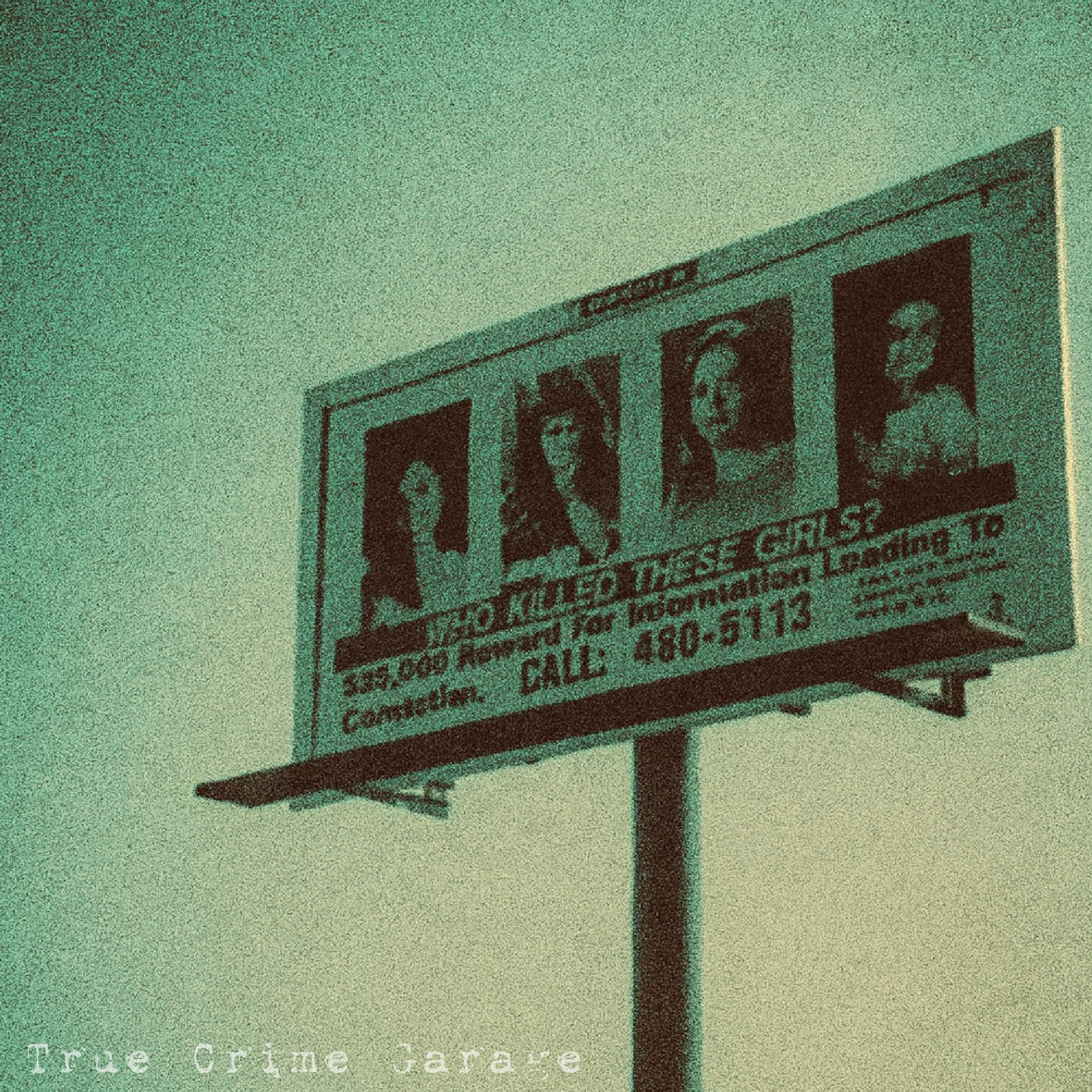
True Crime Garage
The Yogurt Shop Murders /// Part 1 /// 866
00:59:46
This week we take a good solid look at a case that has weighed heavy on the hearts and minds of everyone in the Lone Star state’s capital city. The Austin Yogurt Shop Murders is one of most infamous cases in Texas history. Despite the efforts of the APD it remains unsolved. In 1991 four girls were killed at the I Can’t Believe it’s Yogurt near the Northcross mall. Victims - Amy Ayers (13), Eliza Thomas (17), Jennifer Harbison (17), and Sarah Harbison (15) were shot and killed in the shop’s backroom before the business was set on fire. Police had many leads, some that turned into arrests, and two accused were charged, convicted, and released. Just this month HBO released a four part documentary titled The Yogurt Shop Murders.
Loading summary
Transcript89 lines
- [00:01]
Host 1
It's Wednesday. Adams, I see you're trying to distract yourself from your own banal thoughts. Let me help.
- [00:08]
Adams
Here's a recording thing made of my.
- [00:09]
Host 1
Latest root Canal.
- [00:23]
Adams
Wednesday Season 2 is now playing only on Netflix. Hey neighbor. It's the Labor Day sale at Birch Lane happening August 23rd through September 2nd. Save up to 60% right now on classic furniture and decor. Update your space and create a home you love with great deals on made to last sectionals, chairs and more. It's classic style for joyful living. Plus enjoy fast free delivery Shop the Labor Day event at Birch Lane, a Wayfair Specialty Brand through September 2nd at birchlane.com.
- [01:05]
Host 1
Welcome to off the Record.
- [01:07]
Nichols
I'm your host, Nichols. It's good to be seen and it's.
- [01:12]
Host 1
Good to see you off the record.
- [01:15]
Nichols
Thanks for listening. Thanks for telling a friend.
- [01:18]
Host 1
True Crime Podcast Podcast. Be good, be kind and don't live. Gather round, grab a chair, grab a beer. Let's talk some true crime. Welcome to True Crime Garage wherever you are, whatever you are doing. Thanks for listening. This week we're doing a little bit of an off the record style here because we were incredibly excited about the docu series that recently came out on a case that we have been neck deep, nay, eyeballs deep into for quite some time. And we are talking about the Yogurt Shop Murders. We are drinking some beer, of course, here in the garage. Today we're excited to be featuring Home Ec Partners brewed by the fabulous folks at Moore Brewing Company. Home Ec Partners is a double coffee stout aged for 36 months in Weller Special Reserved and Eagle Rare barrels. That's some very fine bourbon barrels and then they mix in some vanilla beans and cocoa and dark matter coffee. It's ABV 16.2%. So make sure you drink this one at home or share it with your friends. But speaking of friends, this beer is a nod to one of my favorite movies and that movie is super bad. So this beer Fantastic Four and three quarter bottle caps out of five.
- [02:46]
Nichols
His eyes are crying. That's a little nod to Superbad.
- [02:50]
Host 1
Exactly. Thank you for flexing the golden pipes here for us, Captain. The yogurt shop murders in 1994 for teenage girls were brutally murdered at a frozen yogurt shop in Austin, Texas. This month. HBO just released a documentary on the still unsolved case, the Yogurt Shop Murders. This is a four part docu series that explores the case and the enduring mystery that forever changed the city of Austin, Texas. The victims here, Captain, are Jennifer Harbison Eliza Thomas. Both were 17 at the time they worked. They were employees of the I Can't Believe It's Yogurt, which was located on West Anderson Lane in Austin. Jennifer's sister, Sarah Harbison, was 15 years old and Amy A. Was just 13. The two of them arrived at the yogurt shop around closing time on December 6, 1991. This with plans to attend a sleepover together. Amy was in an 8th grader at Burnett Middle School. The other girls attended Lanier High School. And the murders occurred after the girls had finished cleaning up the shop and were preparing to close the shop for the night. Before they could leave for that evening, unfortunately, they were forced to the back room at gunpoint. There they were shot in the head. Some were gagged, some were bound, and some were controlled with their own clothes. And we can get into some of the details that we know about this case as we go through. Their bodies were stacked on top of one another and a portion of the yogurt shop was set on fire. The fire was likely set to destroy evidence. The crime was particularly shocking for Austin, which was considered a relatively safe city at the time. The case has remained a source of grief and pain for the families in the community for all of this time.
- [04:53]
Nichols
And we've covered this case extensively. We recovered it when we were heading down to Austin for CrimeCon a few years back. And it's one of, I'd say, one of your pet cases.
- [05:07]
Host 1
Yeah. So we looked into this case in 2017 and then reexamined again when it hit the sad 30 year anniversary in 2021, at the start of December of 2021. I'm excited that HBO is doing the docu series because if you go to Texas, especially of course in Austin, it's a case that cannot receive enough attention because there's so many people that say, and this was publicly announced by the mayor and folks on the news at the time, that this is when Austin truly lost its innocence forever. And so there are many people that live in this area that will tell you this is a big marker, a big event on their timelines and of their lives, where there are things, events that occurred before yogurt shop and there are things that were after yogurt shop. So I was excited to see that while we have covered it, probably about four hours or so of coverage of this case in our own regard. But I, I don't shy away from viewing, listening, or reading anything that comes out about this case. In fact, in 2017, when we covered it, we relied on different materials and such than what we used for the 20211 coverage. So we were able to kind of go back and re examine it through a different angle, present information that we did not present the first time around. There's no shortage of information out there about this case. There's no shortage of speculation about this case. And anybody, if you don't know anything about this case at all and you started to watch the first episode or two, you'll see immediately why there is so much speculation about this case.
- [07:05]
Nichols
One thing I think people are surprised to learn is that we don't always, when the new crime book comes out or the new true crime documentary comes out, we don't always dive in headfirst. A lot of the time it's because we're working on a case to present it to you the following week. But when it's a case like this one that is, like I said, probably arguably one of your top cases that you've looked into, there's some excitement because, well, one, HBO does it right. And I think this documentary is very important. So if you don't watch a ton of true crime documentaries, this one I think is really important. And I think Margaret Brown, which is the director and I believe like the producer of this, but we're kind of discussing this idea back with the Amy Bradley case is true crime documentaries have changed a lot since the 90s. And HBO has been on the front lines of putting out some of the best true crime documentaries of all time. And I think this one, there's a. There's a nostalgia to it. And I think it's done more in the. In the old school way where I think true crime documentaries have become more about not so much the information, but more as an entertainment. And we see that with true crime podcast. Some true crime podcasts are more about the facts and putting out information about the case. And I think other ones are about just being entertaining and not sticking always to the facts. I think we're probably a mix somewhere in between. We try to lean heavy on just the facts, man. And then obviously we have this individual in the garage that keeps showing up this drunken captain that says ridiculous horseshit from time to time. But this one hits you so hard, it's very emotional. Like I said, it's really important. And there's something about that HBO intro where it goes to the static screen and just from the word jump, I just really think this one isn't important.
- [09:23]
Host 1
The case very early on was had several different names. The Icby Murders. The Icby case, the Yogurt Shop Murders. The one that seems to have stuck here is the yogurt shop murders. And in fact at the local level it's often just referred to as yogurt shop. It's such a depressing and devastating case that that most folks in Austin just remove the word murders from it and it's just you can say yogurt shop and anybody there knows immediately what you are referencing. The new HBO docu series is also titled the Yogurt Shop Murders. The docu series explores the case, its impact on the community and the ongoing investigation. The series includes interviews with family members, investigators and others that were involved in the case over the years, as well as footage from the original investigation. The series delves into the complexities of memory and how it can be both a source of comfort and a trap. Particularly in a case like this where false confessions and misremembered details play a pivotal role and in fact a huge role in this case as this is one that has drug on for many years. Like said, like we said, we covered it once it hit the three decade mark. As much has been learned about this case during the course of that three decades and beyond. Again, there's still so many questions about it. The the first episode here, Captain, from the great folks over at HBO was titled Fire and Water. And the HBO description of this episode is in 1991, the murder of four teenage girls rocks the city of Austin, Texas. But a lack of hard evidence soon thwarts the investigation.
- [11:27]
Nichols
Four victims, possibly and most likely more than one killer. But because of the fire and because of the firefighters trying to put out the fire, the crime scene becomes very compromised and contaminated.
- [11:41]
Host 1
Yeah, the folks over at Rotten Tomatoes give a lengthier description which will give us a bit to chew on here. So from rotten tomatoes.com they say in 1991 the murder of 14 age girls rocks the city of Austin, Texas. Amy Ayers, 13, sisters Jennifer Harbison, age 17 and Sarah Harbison, 15, and Eliza Thomas, 17, were at the yogurt shop where Jennifer and Eliza worked at closing time but never returned home. They were found later that night in the rubble of the store which had been set on fire. One week after the murders, 16 year old Maurice Pierce is arrested at a local mall carrying a gun. Under questioning, he implicates his friend Force wellborn Robert Springsteen and Michael Scott in the crimes. As the families grieve in the community comes together to find ways to heal, the police are thwarted in their investigations by the lack of hard evidence. So let's Dive in a bit here. I want to start with talking about the portion of our Rotten Tomatoes description that says one week after the murder, 16 year old Maurice Pierce is arrested at a local mall carrying a gun.
- [12:58]
Nichols
Well, the thing about the gun is it matches the caliber of one of the guns used in the murders.
- [13:04]
Host 1
Exactly. That's exactly correct. So Maurice Pierce, all four of these dudes are, I think Detective Jones refers to them as dudes without dates. And he kind of means like guys that don't keep up so much on their hygiene. They're not overly impressive guys to girls. They're kind of hanging out at malls and up to no good. Yeah.
- [13:26]
Nichols
One of the quotes is one of the individuals couldn't put together a two.
- [13:30]
Host 1
Car parade that was said about Forrest Welborne. Maurice Pierce is, I hate to use the term badass, but I think that's how, at least how he carries himself or probably thinks of himself. Yeah. And really these four are just two of them are already high school dropouts by this time. And eventually when they are arrested many, many years later, it will be reported that all four of them are high school dropouts. Now one of them went back and actually got a ged, but that is sort of the state of things in 1991 and 1992 as far as their lives go. Now one thing that I find really troubling here is this, let's say first confession, because it truly is Maurice Pierce who is exactly like this description says, implicates his friends as having some kind of level of involvement in the crimes. Okay, so he's picked up, he's arrested, and when he's arrested with this gun, well, why do you have it on your person? Just to be carrying it is what he says. Just to be carrying it. I wish this young man would have known at the time the consequence of that statement. And as you said, Captain, it matches the caliber of gun that was used in the commission of these four homicides. So police want to know right away, how'd you get this gun and is it the gun, the gun that we are looking for in this case? There were several items of hold back information and a lot of that holdback information found its way to leaking out to the public and kind of little tidbits of knowledge and information over the days, weeks and months and years that this case lingered on at this time. I think what was regularly reported was that it was a small caliber gun was used to kill the girls. So I don't know if it was as specific as a.22, but that is what he is carrying on his person when he's picked up at the mall. Maurice Pierce tells the investigators, this is Sergeant Polanco. His initial story is so different from where this thing ends up several years later. And that's one of the very first items that I question and think about so much when trying to dissect and examine this case. Because he says very simply to Polanco that we were driving around. He says, where he got the gun from. I don't have it in my notes, but. But that. That person is named. They know who that person is, who he got the gun from. I think it was just as simple as we're some teenage kids, we're kind of up to no good, and either he traded something or purchased the gun off of another teenager that he knew, and that teenage. That teenager had stolen the gun from his father. It's Texas. A lot of people have guns. So he gets this gun. And his story to Polanco is, well, we were. The night of the murders, we were driving around. We drove up behind the yogurt shop, which is in a strip plaza shopping plaza. So you have store after store after store. Behind the store, there's a back door. There's a back door to each one of these stores that are part of this plaza, and each one of them has its own designated dumpster. Behind the plaza is a creek, which will play a role in the docu series as well. But it also plays a big role in this first confession or admission of having some involvement in the crime, if you will. So Maurice Pierce tells Polanco, you. You know, we were driving around, just trying to have a good time. It's a Friday night in Texas. It's getting late. We're just having a good time. My buddy Forrest told me earlier that, you know, we got this.22 gun,22 caliber gun. I want to do something with this gun. And that's his exact words. I want to. What do you want to do tonight? I want to do something with this gun. Maurice Pierce tells Polanco that he then dropped his friend off. Forrest Welborn. With this gun, the.22 caliber, behind the shopping plaza, Force went down to the creek to hang out with some skinheads and later tells him that he had something to do with the murders. To clear a few things up here. Yes, all four of these young men are friends. They're riding around together. That night. They hung out together a decent amount. But the dynamics of their friendship. Maurice Pierce and Forest Wellborn are very close. They're those two Are like best friends, if you will, at this time right now. The other two men, Robert Springsteen and Michael Scott Paper Co. Those two are. Are best friends. So when you think about this foursome here, kind of think of it as more as 2 and 2. In fact, Michael Scott and Springsteen are living together at this time and both had essentially dropped out of high school already. They. While it's not been official, they've both stopped going to class. In fact, I think Michael Scott or Springsteen or both had at some point said that the last time they remember going to school prior to the murders, which took place in early December of 91, was sometime in September of 91. So they'd not been going to school for a while. It's unclear how much their parents knew of this situation. The other thing that is not presented in this first episode, which again, you can examine a lot of the stuff and not know if it plays a role in it or not, but it's. It's always important to take in as much information and details as you possibly can and then later try to figure out if it means anything to the case. But Robert Springsteen was from. I believe from. Yeah, he's from West Virginia. He was only in Austin, Texas for less than a year. I believe it was a very short period of time. You'll see some reports that come out and I don't know, I don't think that this is trying to make him look more guilty than he potentially is or if it's just bad information. But Robert Springsteen, it's often reported early on in this case that he moved back to West Virginia just weeks after the murders, which. Which is true. But when I hear the words weeks, that sounds to me like two, three weeks. And this dude got out of Austin, Texas. Oh, why do you want to get out of there so quick? Who knows? He probably has. Probably wants to get out of there to avoid capture identification.
- [20:40]
Nichols
Right.
- [20:41]
Host 1
He actually moved back sometime in January. There's so weeks still apply here. But he moves back to West Virginia in January. And that's reported and confirmed by several different sources, in fact, sources that are closer to him than the earlier sources were reporting. He and Michael Scott are living at Springsteen's dad's condo. And the way I remember this captain, I believe they actually had two condos and the boys were living in one and the dad and his girlfriend were living in the. The other side by side.
- [21:19]
Nichols
Parent of the year.
- [21:20]
Host 1
Well, there's a lot of things that go into pointing to these guys as being involved in this, in these murders and One part of that will be Springsteen's father actually calls Family Services, the Department of Family Services, and reports his son, as, you know, not knowing where he is. That will tie them back to this case time and time again as well. So. But in think about this initial statement that Pierce gives to police that he dropped off his friend Forrest Welburn with the gun. Forrest then goes down to the creek. The docu series refers to these people as creek people, which. Which is a strange label to have.
- [22:09]
Nichols
These individuals are supposed to be skinheads. And, and so that's what's confusing about this whole scenario is you go, okay, so if this guy had the gun and he gave it to this guy and he went to hang out with skinheads, how do the four friends get tangled up in this whole. That they're guilty of the, the crime and where did these skinheads go?
- [22:32]
Host 1
Exactly. So a couple things that happen here. We, we will later learn that there were two guns used in the commission of these murders. Forest is dropped off, if we are to believe this. He goes down and he hangs out with these skinheads. Later, Forest will tell Maurice Pierce that. That we went in there and we killed them, meaning the girls, and we lit the place on fire. And he says, Pierce reports to Polanco that Forest told him that he liked watching the girls burn. So pretty damning stuff, right? But ultimately, what takes place in 1991, mind you, this is what, nine, ten days after the murders, Polanco and then Detective John Jones, who, I would say he's the lead on this. But this is a case that saw many different detectives and oftentimes teams of detectives working this case together.
- [23:29]
Nichols
Well, I really like John Jones's demeanor. He seems like a detective that is looking for the truth. He's not just looking to close the case, he's looking for evidence. And he keeps, throughout this docu series, he keeps on saying, are these people the killer or. Or is this other suspect the killer? I don't know. Show me the evidence of that.
- [23:51]
Host 1
Yeah, he's a very evidence driven detective. What's interesting to me here is the docu series kind of cites that Pierce told Polanco one version of the story and, and told Detective Jones a completely different version that has no involvement at all. HBO presents it as that is why they moved on from this theory, this possibility, this potential suspect or suspects.
- [24:17]
Nichols
And what we have in this other detective, Hector Polanco, is he's a pretty scary looking dude with a porn star mustache. Just seeing a picture of the guy or seeing video of the guy, he doesn't really present himself too much in this documentary because he was eventually kicked off this case because they were convinced that he was. I don't know how you would want to frame this, but in my mind, if I'm his superior, I'm looking at Hector going, well, that's great that you can get confessions, but you seem to be too good at getting confessions.
- [24:56]
Host 1
Well, and speaking of superiors, he's. He's a detective sergeant rank at this time, so he's a higher ranking detective. And he's actually Jones's superior at this time and the superior officer to many of the detectives in that bureau. Now, of course, he's got bosses and bosses above them and bosses above them as well. So he does have folks that he has to answer to. But to put it short and sweet, without having to get into the details too much, he was able to pull false confessions out of many different people. That. I'm trying to figure out the most proper way to present this and to say this, because I know for fact, and there's been evidence to show this, at least in one situation. He manufactured confessions and sent persons to prison. I believe both of them were sentenced to life in prison. And then later it was determined that those confessions were manufactured by him, by Hector Blanco, and that was proven by another confession and by DNA evidence. So you can't argue against that too much. As far as some other cases, I know that other cases were cited throughout time. Keep in mind, I've been reviewing this case on and off again periodically since 2017. So there were other cases that people have suggested, I don't know if they were proven, that he manufactured confessions during those. But the general statement that's provided here in the docu series was Detective Polanco could get a confession out of an innocent person. And because he couldn't get a great confession from Maurice Pierce, well, then Pierce has got to be innocent. And so that it's kind of presented that they move on from Pierce and from Forrest regarding that. But the truth here, Captain, is they actually move on from Maurice Pierce and Forrest Welborn because they mic up Maurice Pierce and they send him to go talk to his best friend, Forrest Welborne. And they say, get it on tape, man, get it on tape. And he's asking him, he's probing him, question after question after question to Forrest about the case. Hey, remember the other night you said you killed those girls, you lit them on fire. And the best that they get from force, he's like, yeah, you know, I was joking about that. Yeah. You. You have obviously know that I was joking about that.
- [27:43]
Nichols
Yeah. He says, I'm playing around. And. And then his friend says, well, that's not something you should really play around about. He's like, yeah, but you know, I'm playing around. You know this. And then he goes, I couldn't have done these murders because I was with you.
- [27:59]
Host 1
Yep, I was with you. And then the two of them go into a recorded argument that night about who is more scared, sad or angry about the murders or being accused of it. That is primarily why they move on from these two, because it sounds like once they put in the investigative effort and resources and the time that when they review this recorded conversation, when no police or detectives are present between Maurice and Forrest, there's nothing to work with there. In fact, it appears that Maurice probably just told Polanco something that he thought that Polanco wanted to hear. And when he sits down with Detective Jones and gives a written statement, that statement is completely different. You may think that feeling safe at home means having good locks and alarm that makes loud noises, but the truth is true. Security takes more. With Simplisafe's new Active Guard Outdoor protection, you get a system that works to prevent that break in that violation of your space from ever happening in the first place. AI powered cameras plus live monitoring agents detect suspicious activity around your property. If someone's lurking, agents talk to them in real time, turn on spotlights and can call the police proactively deterring crime before it starts. I tell my friends and family the reasons you should get a security system is it's all good. It's all good. I go to bed, I set the alarm. I leave the house, set the alarm, leave the garage, set the alarm. I'm on vacation. My alarm is on. Oh, I'm at a baseball game, forgot to turn on the alarm, set the alarm, check the cameras, look around. It's all good. I'm on vacation. I know it's all good. It's not about guessing. It's not about hoping. Simplisafe lets you know that it's all good. Visit simplisafe.com garage to claim 50% off a new system with a professional monitoring plan and get your first month free. That's simplisafe.com garage. There's no safe like Simplisafe. You know what doesn't belong in your epic summer plans? Getting burned by your old wireless bill. While you're planning beach trips, barbecues and three day weekends, your wireless bill should be the last thing holding you back. Make the switch to Mint Mobile. With Mint, you can get the coverage and speed you're used to, but for way less money. And for a limited time, Mint mobile is offering three months of unlimited premium wireless service for 15 bucks a month. So while your friends are sweating over data overages and surprise charges, you'll be chilling, literally and financially. I have had many cell phone service providers over the years and I can tell you if you make the switch to Mint Mobile with one of two things is going to happen. Either you will get better, more reliable service than you currently have and save a bunch of money, or you'll get the same quality of service that you currently have and save a bunch of money. Either way, you win this year. Skip breaking a sweat and breaking the bank. Get this new customer offer and your three month unlimited wireless plan for just 15 bucks a month at mintmobile.com tcg that's mintmobile.com tcg upfront payment of $45 required equivalent to $15 a month limited time new customer offer for first three months only. Speeds may slow above 35 gigabytes on unlimited plan taxes and fees. Extra cement Mobile for details I can't.
- [32:08]
Howie Mandel
Tell you how often I hear oh, I'm a little ocd. I like things neat that's not ocd. I'm Howie Mandel. Know this because I have ocd. Actual OCD causes relentless unwanted thoughts. What if I did something terrible and forgot? What if I'm a bad person? Why am I thinking this terrible thing? It makes you question absolutely everything and you'll do anything to feel better. OCD is debilitating, but it's also highly treatable with the right kind of therapy. Regular talk therapy doesn't cut it. OCD needs specialized therapy. That's why I want to tell you about NO cd. NOCD is the world's largest virtual therapy provider for ocd. Their licensed therapists provide specialized therapy virtually and it's covered by insurance for over 155 million Americans. If you think you might be struggling with OCD, visit nocd.com to schedule a free 15 minute call and learn more. That's n o c d.com why drop.
- [33:09]
Host 1
A fortune on basics when you don't have to? Quince has the good stuff. High quality fabrics, classic fits and lightweight layers for warm weather. All at prices that make sense. Closet staples like cozy cashmere and cotton sweaters from just $50 and comfortable lightweight pants that somehow work for both weekend hangs and dress up dinners. The best part? Everything with Quince is half the cost of similar brands. Quint's gives you luxury pieces without the markup. I'm actually wearing a T shirt from Quints while I read this ad and I just got done shopping quince.com garage earlier today. I'm often on there shopping for things I need like socks and pants. I'm getting the cotton chino drawstring pants, but also things that I want like the 100% European linen utility shirt. And because the price was so good and it looks so great, I went ahead and got the 100% European linen relaxed long sleeve shirt. Keep it classic and cool with long lasting staples from quince. Go to quint.comgarage for free shipping on your order and 365 day returns. That's Q U I N C E dot com garage to get free shipping and 365 day returns. Quint.comgarage.
- [34:45]
Nichols
All right, we are back. Tall cans in the air. Cheers, mates. This beverage is strong, my friend.
- [34:52]
Host 1
It's from super bad and it's super good. Cheers to everybody.
- [34:56]
Nichols
Yeah, but here's one of the things, like I said, I think this is a very important documentary. I think if you are an armchair detective, I think if you are fascinated with true crime, if you're a true crime addict like we are, I think you learn a lot about not just the investigations, but the demeanor of different individuals. And like I said, I think Detective Jones is going, I'm trying to find the truth. Detective Polanco to me is a guy that wants to win. Doesn't matter if I get the right guy, as long as. If as long as I get a guy for the crime. So they wire up Maurice and they don't get essentially a confession, but we have this confession that he kind of gave to Polanco. But what I hate in all these stories, and I've been saying it for 10 freaking years, is I hate narratives that are. That are horseshit, my friend. And one of the things in this case, when you're looking at it and you go, well, here's these four individuals that were accused and. And later we get confession that people say is a false confession. Some people will look at this case and go, they had a false confession and that's all they had. No, that's not true. And I'm not saying that these guys are guilty. But what I'm saying is the narrative is horseshit. You have one within a couple weeks of the murder, this guy walking around with a loaded gun at a mall. That's kind of weird. That's kind of Bizarre. The day after the murders, these individuals stole a car and drove to San Antonio. When they are talked to by law enforcement and if you talk to their family and friends and everybody, these guys, and we all know these types of guys, these guys that got out of school or didn't finish school, they didn't know what the heck to do with their lives. They didn't know where they fit into the world. Now, that doesn't mean that they killed these four girls and lit the place on fire. But I think when you're looking into these cases, we can't have these horseshit narratives of just, well, they had this confession and that's all they had. There's more to it. And, and you, you see that with other cases. You see that with the West Memphis three, you see that now with the Delphi murders, people saying all you have is this confession. That's not all you have. We have, you have to build up these little piles of evidence. And I think there is some evidence against these four in this case. Now, does that mean that they, that they're responsible? No. But to say that there's no evidence at all other than a false confession, I think is nonsense.
- [37:45]
Host 1
I don't mean to challenge you on this, and I agree absolutely. In other cases, that is exactly the situation. But here I, I fail to see where there is any evidence beyond the, the confessions.
- [37:58]
Nichols
Okay, so do you think having a gun the same caliber within a couple miles of the crime, within a couple weeks of the crime is, is nothing?
- [38:09]
Host 1
No, I think it's absolutely something. And I think that, that it is something that is worth investigating. And then they did investigate it and nothing came of it. What I mean by that is it's something, it's absolutely something. You're 100 spot on with that. But you investigate it and you investigate it and when they moved on from it, they move on from it. Because it turns out that that lead never developed into evidence. It was simply a lead, but it wasn't evidence.
- [38:40]
Nichols
I, I agree and kind of disagree because I also think that lead also leads you to whether or not initially they confess to the crime. They end up putting themselves in the vicinity of the crime the day of the murders. They're also within a 24 hour window of a mass murder. They're stealing a car and driving to another town. And I just think this has, you just have to pile this up.
- [39:11]
Host 1
But then returning back to Austin the very next morning, you know, they're not, they're not leaving to go to San Antonio and, and stay Gone. They're. They're just going to try to hang out with some friends. Right?
- [39:23]
Nichols
But if I'm a detective, I'm not. I'm not viewing it so much that they didn't. I'm not viewing it as they stole a car and they went on the run. I'm going, but these guys stole a car. This is criminal activity. So you have a gun now, what makes no sense to me, and I don't know why the documentary doesn't explore this, but you have the gun. Can't you do some ballistic test on this gun?
- [39:49]
Host 1
Well, see, that's where I'm saying the lead never developed into evidence, because they actually did. They ran ballistics on it twice, and both times it came up negative. No match.
- [39:58]
Nichols
And I think the other problem with this case and so many other cases, I mean, the Delphi case is so frustrating because it's a crime that happened outside, and part of the crime possibly happened within water.
- [40:14]
Host 1
The.
- [40:14]
Nichols
The West Memphis Three case, a crime that again, outside, and the victims were found in water. And the yogurt shop murder case, you have fire and water that destroys so much evidence. And I did think one of the most fascinating things, again, like I said, and somebody's going to go, enough with this already. Captain, you keep telling us it's important. I thought it was really important to go.
- [40:40]
Host 1
It's.
- [40:41]
Nichols
It's 91, and DNA is not much of a thing, but they basically. The detectives on the scene had to basically fight to say, hey, hey, we got to try to collect this evidence before you take the bodies. If they would have took those bodies without letting them collect that evidence, would have almost nothing in this case.
- [41:00]
Host 1
Oh, absolutely. Yeah. That was fantastic. That was great police work by them back then in 1991, there was. I'm not going to say that this was a perfect investigation. Look, there are perfect investigations out there that don't lead to somebody behind bars. Just because something doesn't get solved doesn't mean that it wasn't handled correctly and worked to perfection while they did that. And that was really important to the case and how the investigation will morph and advance and devolve throughout time. That the DNA collecting was incredibly important. They. They were working against all kinds of obstacles. Fire and Water, the. The first episode appropriately titled Fire and Water. And I make sure. I want to make sure we dive into that. Let's get into the fire part of it here. Yeah.
- [41:55]
Nichols
Can you explain to me how the fire was started?
- [41:58]
Host 1
I'm going to do my very best. Okay. One thing That I hate is fire science, because I've seen it presented many different ways over the course of many different cases, and sometimes many different ways within the. In one case itself, when we say fire science, I don't look at it so much of a science, But I also think that people overcomplicate trying to figure out fire. And I think if you break it down to its most simplest of forms, you will have your answer. So the episode's titled Fire and Water. Let's start with fire. Okay. This is from a October 1999 Austin American statesman article, and I'm just going to pull a couple pieces here from it. So there's a senior firearm examiner from the North Carolina State Bureau of Investigation who is quoted a few times in this article, as well as several other investigators. And here's what they have to say. The fire was only the first threat to evidence in the yogurt shop. Quote, then when the fire people came, they got out the hoses and washed everything away. This is from an expert. His last name is Bayardo. And he goes on to say, by the time they found the bodies, they were in several inches of water. When firefighters responded, one of their first goals is to douse the fire, not to save evidence. And in doing so, they can move bodies and disrupt evidence such as fingerprints, bits of hair, pieces of clothing, and blood. And this is according to the state fire marshal.
- [43:43]
Nichols
Yeah, not to be gross, but also semen.
- [43:45]
Host 1
So they go on to say, your evidence can even run out the front door with the hose stream. Now, when the firefighters arrive on the scene, they check the front door before they pry it open or bust through. And when they check the front door, the door is locked. Okay? And so now we got to put out this fire. The back door to this. To this business is not locked. It's found unlocked. They go on to say in this article, it's just the risk we have to take. Meaning when we show up, our job is to put out the fire. It can destroy evidence. And keep in mind, when they responded, they were responding to a fire, not to a quadruple homicide. They don't know that there's a body in there until the firefighters are in there working. When one of them spots a foot, and then later they spot a piece, a portion of another body. And that's when one. Then one of the firefighters say, look, we gotta. We need to stop here. There's something wrong with this scene. There's something wrong here. We need. We need to stop. We're. We're destroying evidence. One thing that is often and regularly left out of this story, which aggravates me to no end, is a very. I think it's a very important detail.
- [45:03]
Nichols
Yeah.
- [45:03]
Host 1
When the firefighters opened up the back door to start to go in before they had hosed anything.
- [45:10]
Nichols
Right.
- [45:10]
Host 1
Do you know what they were met with? Not just fire. They hadn't seen the bot. They don't see the bodies till they're inside. But opening up that back door, do you know what they're met with? Not just smoke and flame. Water. They were met with water. There was already water damaging that crime scene before the firefighters damaged it further with the water. The flames were so hot, the, the fire was so intensely hot that it caused a PVC pipe to burst. And so you just had flowing water. They said when they opened up the door, water came rushing out. They speculate that it could have been as much as 1 inch to 2 or 3 inches of water that was already covering that back portion of the store before they even got there. You have the PVC pipe, water destroying the crime scene. You have the fire destroying the crime scene. And then you have the fire department just doing their jobs, further destroying the, the crime scene and evidence.
- [46:08]
Nichols
I think one of the things that was so powerful in this documentary is the 24 year old, I think she was the manager and she had to go identify the bodies. I was telling you earlier, I, I really like broke down multiple times watching this docu series. And when she says that she knew it was better that she identifies the victims than to have family members have to do it, she says victims didn't have faces.
- [46:48]
Host 1
Where you burn the fastest is where the skin is the tightest on the body. And unfortunately, if you, I mean, you can just like kind of pinch around on parts of your body and guess where it's really hard to pinch is your forehead. So oftentimes you will find at these scenes that when a person is burned up, and there's no polite way of saying it, but that's what happened here. Three of the victims were. Were incredibly burned up. It's. It really, it really starts to. You really start to burn up quickly at your forehead because there's not a whole lot to grab onto there. And another part is like the center of your chest, especially for. For males, and then maybe like the bottoms of your feet.
- [47:34]
Nichols
So my love handles would last through probably two or three fires, probably weeks.
- [47:40]
Host 1
Of, of a forest fire. We would just find your haunches.
- [47:43]
Nichols
Yeah, you just.
- [47:45]
Host 1
Body. Just haunches. To expand on some of that, I go back to this article where they say, quote, your evidence may even run out the front door with your hose stream. That according to the Travis County Fire Marshal, which Travis county is where Austin is located, quote, it's just a risk we have to take. The article goes on to say, still, experts said said clues will survive even the worst fire where temperatures reach 1500 degrees or more, quote. Does a fire completely obliterate everything? No, says Jerry Niles, the vice president of the International association of Arson Investigators. Quote, there is always something there. It just may take a lot of hard work and a lot of time to dig it out. But another part that's interesting here, too, Captain, is while we. When we hear about the fire, and even when you see it on the HBO documentary, I think oftentimes our imaginations can start to run wild. We have to go back to what they were saying in 1991. The officials responding to the scene in 1991 said that although three of the girls were burned beyond recognition, the fire was relatively minor and was quickly extinguished, which is bizarre.
- [49:00]
Nichols
Which makes me think that there was some kind of accelerant placed on the victims.
- [49:06]
Host 1
Yes. And I think that's where most people's minds would go.
- [49:10]
Nichols
Right, but. But you're telling me I'm wrong.
- [49:13]
Host 1
Yes. So the thing here is it goes back to how things burn. We are organic matter, and everything burns differently and at different temperatures, and it takes different lengths of time for things to. To burn up. In fact, like you see in the crime scene photos, you. You see things that have completely burned up. You see some items that have melted. A human body won't melt. We will get burned up. We will char. And in fact, our bones actually never really burn up. They just. They just really start to break down and disintegrate and break into smaller and smaller pieces. The responding officers saying that the fire was relatively minor and quickly extinguished makes sense when you. If you have that in mind when you're looking at those crime scene photos, because what you see is there was. Was little to no fire in the front of the house of this business. Very little fire that made its way to the front of the house.
- [50:12]
Nichols
And can I talk about this layout just a little bit?
- [50:15]
Host 1
Yeah.
- [50:16]
Nichols
Because again, we've covered this for hours. In the docu series, they talk about how they have the four victims pictures up in the police department, and they actually have a model of the yogurt shop in the police department. I know that we have talked extensively about the layout and I've seen pictures before, but there was maybe a 10 second clip where they show the inside. And what's shocking to me is when you think of a ice cream place, even like a froyo. There's the counter. You got the little glass thing, you got the toppings. You normally have the ice cream where people scoop. Obviously, this is not ice cream. Can't believe it's not ice cream. Can't believe it's yogurt. One of the worst names ever. Not even a good logo. But to me, this looks like almost like a DMV or a bank where you have this wall that's separating the employees from the customers, and you have tables and chairs and all that, but you have this, and it's just like a wood panel wall with these. I'm guessing they're glass, but these two little glass windows. And so I don't know exactly what the importance of all this, but obviously law enforcement thinks that the layout is somewhat important. And I don't know if the locked front door and the unlocked back door really implies anything other than maybe the killers left through the back. I don't think just in and tell me if I'm wrong, but I don't think the lock front door tells me anything about how they entered. And we do have some eyewitnesses that see some individuals because we have customers, so we have those eyewitnesses. And then there's. It's. It's. The other problem, too, is it's a strip mall. What do teenagers do on a Friday night? You might just hang out by the strip mall, but what you also do on a Friday night when you're a teenager, you go visit your other teenage friends, working at public locations like a yogurt shop, where you might not be a customer, but you might just swing in to say hi because you're bored and you're driving around town.
- [52:35]
Host 1
Well, the back of the house for the ICBY contained bathrooms, stock room, and the office for the business. Oftentimes, when this case is reported, Amy was found away from the other three victims. And it's often said in a way that I think implies that she's this great distance from the other three victims. Remember, the three were very burned up. Amy, not so much. Yes. It tells us a part of the story that we need to learn more about. Why is her body positioned here and found here away from the other three victims? When we look at something and say, oh, well, the. The other three victims were stacked on one another. What's the significance of that? I say, who cares you. Some of this stuff you have to Move on and move past. Right. Because you collect as much information as you can and then you see where it may factor into what actually happened. What was. What did the fire expert say when he was talking about. Our first job is to put out the fire. And then we figure out what happened. He said, how pressurized that pressurized water, powerful water coming out of those fire hoses can even move bodies. Not just destroy evidence. Move evidence, but it can even move bodies. So what I think we have to look at here is we can say that there's evidence to back up the idea that Amy was here and died here and the other three died over here. I think that's absolutely factual. Based off of the fire damage that was done. What. What I say we have to move on from and not put much weight into at all was the stacking of the bodies. Because it's not absurd to think that the fire hose may have rolled one of those bodies on top of the other. So you have to look at what was going on before the fire hoses started disrupting your scene. What was going on was a fire.
- [54:35]
Nichols
Right.
- [54:35]
Host 1
Okay. And you had asked, well, where did the fire start? Did they. Did they set the girls on fire? We're organic matter. And think about what we are made up of. We're mostly made up of water. So while the general public doesn't think of it this way, we're a person is very hard to burn up.
- [54:54]
Nichols
While I'm 65 coffee and another 35 jelly donuts.
- [55:00]
Host 1
And that's one thing that I think that they got wrong here, because the average Joe. And we actually see this with Michael Scott when he is being interrogated and he starts to break down and he starts to lose his mind. What does he say? He goes, where did the fire start, Michael? Where did the fire start? You know, I lit them on fire. No, you didn't. I. I don't believe that the fire started on top of the girls. I do believe the fire was absolutely set to destroy evidence. But I. But it was clearly, to me, set on the. The portion of the stock room that had all of the. The items that they would need to restock. And the. A lot of these items are paper items, too.
- [55:41]
Nichols
Yeah.
- [55:42]
Host 1
And so if I'm at a scene and I know what I'm doing, I'm like, I'm putting my accelerant and my flame on that shelf. And so what we see here with the fire, those shelves were melted.
- [55:56]
Nichols
The shelves that were holding paper products.
- [55:58]
Host 1
Yeah. Those are stainless steel shelves. If. If we learn nothing More about this case than this detail here. This is one thing that we need to walk away from this episode with the general understanding. And a lot of this is pretty obvious stuff, but in the chaos of the scene, you don't take it in as the viewer or as a reader or as a listener. Sometimes things have to be laid out, even if they're obvious. But stainless steel melts at a temperature range between 2,500 degrees Fahrenheit and 2,800 degrees Fahrenheit.
- [56:36]
Nichols
Jesus.
- [56:37]
Host 1
Human bone. During the cremation process, they only use temperatures of 1400-1800 degrees Fahrenheit. So for those stainless steel shelves to melt, that fire was, at the very least, and this is a concern, this is very conservative, at the very least, 1,000 degrees hotter than what it would take to use in the cremation process. The fire wasn't set on the three victims. It just means they were so much closer to the fire. And then to back up, the statement of the fire was relatively minor and extinguished rather quickly. Let's go back to the distance between the victim that wasn't burned up and the three that were unrecognizably burned up beyond recognition is what they say. The fact of the matter is she's only like 4 or 5ft from the other victims. So that would make sense that the fire was relatively contained to a very specific area and portion of this store before it was extinguished by the firefighters. But tell me if they tried to start the fire on those girls. Sorry. And there's again, I need to quit apologizing. But I can't help but picture the girls and think of their families when saying these horrible things that we have to say sometimes. But if the fire was. If they attempted to start the fire on the girls, either they moved on and set the fire elsewhere very quickly and learned that that's not going to work. Remember, they're not wearing any clothing at this time. The clothing is going to be what would burn up and help to start the fire on the girls. The. They would have been there all night trying to burn that building all night. They. The police would have arrived on scene and found the perpetrator still in the back of the building trying to get some fire going. If they would have just stuck to that.
- [58:23]
Nichols
That's one of the things I find odd, though. Okay, I'm going to start this fire to destroy evidence, but the victims don't have their clothes on. You would think if you were trying to just burn the victims that you would want them to have their clothes on because we know the clothes will catch fire. I'm glad that you pointed that out, because in the docu series, there's a filmmaker, and I'm sorry, I don't have her name, but they use a lot of her footage because she was planning on making a documentary about false confessions, I believe, and using the yogurt shop murders as the subject or the case subject. And during the filming, she's showing some video footage that she has, and she has one of the victim's mothers. And the first question she ask of the victim's mother is, so, tell me about how your daughter died. And she shuts off the. Because she's playing on her laptop or whatever, and she shuts it off really quickly, and. And she's kind of disgusted with herself. But this. This docu series made me question, what the heck am I doing with my life? Because sometimes we say stuff that, like, I know what we're trying to do. I know that we're trying to put out information about cases, and hopefully that leads to solving the cases or at least keeping these stories. This. This shit's important. When you hear that manager say, I knew that I had to identify these victims so the family members didn't have to. And so whatever those girls went through, it's important that this gets solved. I'm glad that you said that, because there's sometimes that we're recording and talking about stuff, and I. Sometimes I feel like a big. And then sometimes I feel like a. For saying something that's kind of silly or whatever, but it's like I'm. I'm only doing it for my own mental health and maybe some of the mental health of the people out there listening to this stuff.
- [60:26]
Host 1
Well, the very best detectives, in my humble garage opinion out there that I've studied over the years, will they. They all kind of echo the same general statement of our number one job as a detective is to try to walk in the shoes of the victim. So when we're presenting these cases, once we flip on the microphone, sitting here in the garage, the thing I keep in the back of my mind, I tried. I just visualize the victim looking over my shoulder the entire time. And when I'm up against it and I'm conflicted on should I say something or not, I look to the victim. And a lot of times I think they're telling me, no, say it. Especially in these unsolved cases, because just like you said, what can this tell us about? We have to learn as much as we can. About the details of the crime. Because one of those details or many of those details, whatever could lead us to the person responsible or tell us something about the person or persons who did this.
- [61:22]
Nichols
Right.
- [61:23]
Host 1
These girls were burned far more severely than third degree burns. But to put things in perspective here, third degree burns on skin and tissue is typically at just 165 degrees Fahrenheit. And so I just keep going back to the, the idea that it. All that tells us is that they were much, they were closer to the fire than the victim. They were burned up significantly more, but that distance was only 4 or 5ft. And so that does back up that whole statement of the fire was relatively minor. It was easily, it was quickly extinguished because it was somewhat contained. It hadn't taken off yet. The PVC pipe itself, while it can, you know, start to melt at a lower temperature than this, but the ignition temperature for PVC pipe is around 730 degrees Fahrenheit. So without having pictures to explain this to me, because we only get to see a couple of the pictures of the crime scene, this tells me, and we know anybody that, that has walked inside of a home or building can, can knows this. The PVZ pipe was probably located very close to that shelf, that shelving unit. The shelving unit set on fire. And the, the most intensive, the most intense portion of that fire is on that shelving unit that is melting the shelves themselves. And then the, the offshoots and cast of that. The closest one would be the PVC pipe that then burst and shot water down there. Then the three victims are a little bit further away than that. And then the fourth victim is even further away, but only four or five feet. I want to make sure too that we talk about, so let's talk guns and bullets here. All four victims had been shot in the head with a 22 caliber gun. As we said previously, the gun that is pulled off of Maurice Pierce at the shopping mall is later run through four ballistics twice. Both times comes up as not a match. There are complications with the evidence which I, I think could point you in any kind of different direction or it also could just make you question everything. But let's also keep in mind Amy Ayers was actually shot by a second gun. So all four victims shot with a 22 caliber. But the, the one victim that's found further than the others was shot with a second gun. So a.22 caliber in a 380 pistol were both used to commit the murders. The condition of the bullets, as regarding the condition of the bullets. Firearms experts say many factors, including the intense heat of a fire, could make it impossible to match a slug to a gun. One such expert quoted as saying, in my experience, shots to the head with a.22 bullet are going to distort a lot. That's all fair statements. Let's. We can circle back to that. As far as the.380 pistol goes, a shell casing was found at the scene. Where did they find that? In a drain. So either the, the fire hose water or the PVC pipe water moved that shell casing to a drain. The gun itself was never actually ever located. So there's a good chance here that with this.22 you run the test twice and it doesn't ever match up and the.380 never being found that they've never found either murder weapon.
- [65:01]
Nichols
Right.
- [65:02]
Host 1
Regarding the.380 pistol, this is where they flubbed up the investigation early on. When I'm told that Forrest is dropped off with the.22 and he goes down to the creek that's right behind the murder scene to hang out with the skinheads and then later tells his buddy that me and some of the skinheads killed him and burn up the shop. You better be down there looking for that pistol in that.22. The obvious place to discard them if you wanted to get rid of them quick would be in that creek. Now, if you're not down there searching right away, well, you're up against it because I think it was two weeks later this whole area flooded that month. December of 1991, Austin, Texas. And this may not be true to date, but it was true to the time periods in 1991 received more rain in that month than it had ever, than it ever in the history of that city. 14 inches of rain in that month is what I believe the reports were, which is crazy because.