← True Crime Garage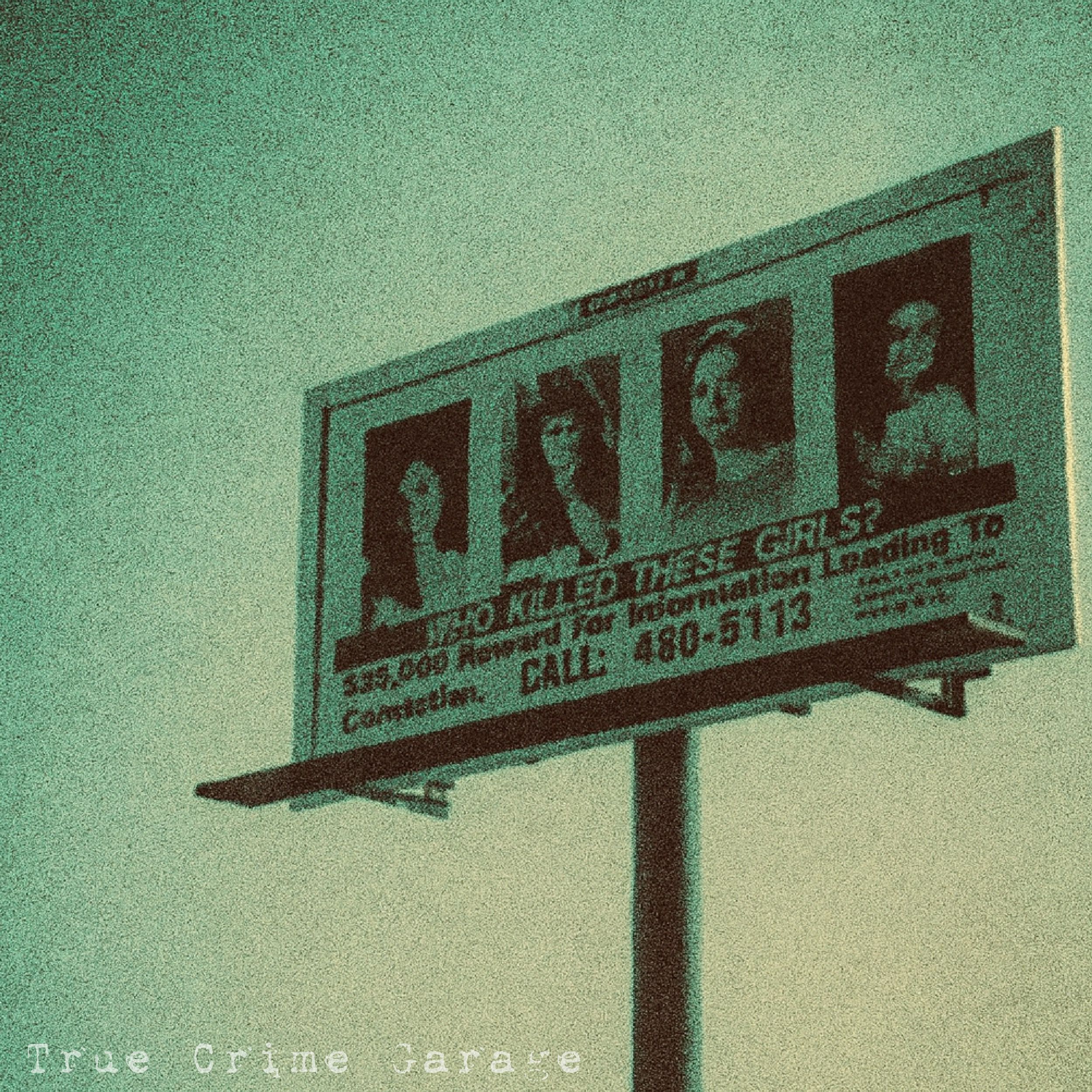
True Crime Garage
The Yogurt Shop Murders /// Part 2 /// 867
01:02:53
This week we take a good solid look at a case that has weighed heavy on the hearts and minds of everyone in the Lone Star state’s capital city. The Austin Yogurt Shop Murders is one of most infamous cases in Texas history. Despite the efforts of the APD it remains unsolved. In 1991 four girls were killed at the I Can’t Believe it’s Yogurt near the Northcross mall. Victims - Amy Ayers (13), Eliza Thomas (17), Jennifer Harbison (17), and Sarah Harbison (15) were shot and killed in the shop’s backroom before the business was set on fire. Police had many leads, some that turned into arrests, and two accused were charged, convicted, and released. Just this month HBO released a four part documentary titled The Yogurt Shop Murders.
Loading summary
Transcript121 lines
- [00:00]
A
Hey everybody, it's Rob Lowe here.
- [00:02]
B
If you haven't heard, I have a podcast that's called Literally with Rob Lowe. And basically it's conversations I've had that really make you feel like you're pulling up a chair at an intimate dinner between myself and people that I admire, like Aaron Sorkin or Tiffany Haddish, Demi Moore, Chris Pratt, Michael J.
- [00:26]
A
Fox.
- [00:28]
B
There are new episodes out every Thursday, so subscribe, please and listen wherever you get your podcasts.
- [00:37]
A
Have you ever had to put your plans on hold due to symptoms of generalized myasthenia gravis or gmg, like taking that weekend trip, talking with friends or enjoying a meal? Learn about a treatment option that may help. Visit treatgmg.com to learn more. That's treatgmg.com welcome to off the Record. I'm your host, Nicholas.
- [01:19]
B
It's good to be seen and it's.
- [01:21]
A
Good to see you off the record.
- [01:24]
B
Thanks for listening. Thanks for telling a friend.
- [01:26]
A
True Crime Podcast Podcast. Be good, be kind, and don't let Gather round, grab a chair, grab a beer. Let's talk some true crime. The second episode in the series was titled the Fifth Victim. Rotten Tomatoes. Description of this episode is Trauma continues to haunt the community as family members search for healing, resolution, and ways to hold on to the memories of the girls. The initial suspicions around the four teenage boys lead nowhere. After several false leads and wrongful arrest, homicide supervisor Hector Polanco is found to have coerced a suspect into a false confession and is reassigned. Lead investigator John Jones is diagnosed with PTSD and is taken off of the case. That's something you were talking about earlier in our conversation here, seeing Jones, Detective Jones in his struggle and what this case has done to him on a physical, emotional, probably even a spiritual level. And I when we catch up with Jones later, so I don't know, they didn't go into this. If they did, I missed it. So we see Beverly Lowry a couple times during the docu series and she is just such a brilliant author. Brilliant true crime author. If you're for the folks in listener land. If you watch the documentary and you loved it, read her book. If you watched the documentary and you hated it, read her book. If you thought it was okay, read her book. The book is if you are are into the case and want to know a lot more about the case, the actual case information, read her book. And why I say she's so brilliant is the way this is a very complicated and a very lengthy story. And what makes her brilliant is the way that she constructed the story. The. The order that she chose to take the reader on this journey with her was absolutely brilliant. But in her book, again, I don't know if the docu series covered this with Detective Jones, who I seem to. I like. I don't know why. I just feel like I like this guy. Yeah, I feel like he's the kind of guy like, hey, let's have a couple beers and shoot the. Like, I think. I think he. He just seems like that kind of guy. But he. From my understanding, if I'm remembering from her book correctly, I think this case in his job cost him more than just what we see on the screen. He. He ends up getting a divorce. You see, at one point, you know, you see his daughters there. And I think he said something in Beverly. So he would meet with Beverly Lowry, and they would have breakfast, like, many, many mornings in a row, and they would go over the case together so she could write the book. She said that when they were meeting and going through the case file and talking about the case, some of it was hell for this guy because he was having to, like, relive stuff in front of her and experience things almost again, you know, you have a case here where four victims are all female victims, young, female victims. Detective Jones is the only male in his home. You know, it's his wife and it's his daughters. And. And he said something to Beverly lowerly to the effect of, I was the only guy in the house. Well, there was the dog, but he ran away. And, you know, I think you would dig Jones. I. I believe he was a music major in college, and he was. He was going to school for. I don't remember what instrument he played, but he was a music major at a college in. In the area there, and he needed money, and he. They. The Austin PD were hiring right when he got. I believe he graduated college, and he's like, you know what? I'll just. This is a job that will pay well and have good benefits. I don't know that he intended to be there for. And make a career out of it. Yeah, he. He was a music major.
- [05:49]
B
Well, a lot of that probably has to do with what he saw. It's one thing to examine these cases from afar, but for the individuals, the first responders that showed up at that scene that night that forever changed their lives and. And probably their.
- [06:08]
A
Their futures, and it's the. It's the terrible burden of feeling like you let the victims down and you let the families down. Hell, he says. And he said look, maybe I did get too close to it, but again, how could you not? Right? You can't fault a guy for getting too close to a case, especially one like this one. He said at some point that one of the victim's parents told him, like, we think you need to take a vacation and kind of get away from this for a while. Like, can you imagine the grief stricken parents have to tell the detective to take a break because they can see what it's doing to him.
- [06:49]
B
Well, I was thinking about this. There's a handful of cases that we have covered. Maybe we've covered them multiple times, but. And I won't say which cases those are for me, but there's two or three cases that if somebody brings up in conversation, I, I really just don't want to talk about it anymore.
- [07:08]
A
I didn't get the. Maybe I get it now that we're having our conversation, but the title, the Fifth victim. Maybe. Maybe Jones is the fifth victim.
- [07:17]
B
No, I think it's everybody.
- [07:20]
A
Everybody.
- [07:21]
B
It's the family members, like the, it's.
- [07:24]
A
The four boys that get accused.
- [07:26]
B
Yeah, I mean, look, I think there's people that are out there that can still look at these guys as viable suspects. And I, and I think that's okay. One of the things about this documentary that irked me a little bit. I don't know how you feel about this, but whether it's the prosecutors or it was the defense team, didn't seem like a lot of people wanted the truth as much as they just wanted to be right.
- [07:56]
A
I agree with that. I, I don't know. I don't know if I agree with it across the board, but I definitely.
- [08:02]
B
Look, definitely not across the board, but like, you see that over and over and look, it could just be at that time and maybe that person changed their stance on some of this stuff later. I think there's many moments where people are making statements where you're like, are you just. Do you just want these four guys to be guilty? Are you trying to find the truth of what happened?
- [08:25]
A
Well, and that, that is why I think I like Jones so much. Because with every theory that's out there or every possible suspect, he always goes back to, well, you. Where's the evidence? We got. We got to be able to. And we got to be able to prove it. It doesn't matter what we think. We got to be able to prove it. Where Johnson, who's received a whole lot of praise and look, he does have a great career. I'm, you know, he's taken on a lot of big cases. But with Johnson, I'm not going to say that I dislike the guy, but it's. But you can easily see that when something doesn't, when parts of the confession don't. Does not fit the evidence, he will then rework it to fit, to make things fit, even with the fire. Remember, he's the one that goes back and says what we talked to the fire guy. And the fire guy said, you know what? It, it could have started over here, or it probably did start this way. And when the gun doesn't match multiple times, then it's like, well, those.22 bullets get all messed up and they're, they're easily damaged and it would be too tough. No, that's like. I get what you're saying, Johnson, and I get what maybe the conversations are behind closed doors about the bullets aren't going to. You're going to have a tough time testing these bullets or getting a match on them. But I've also heard other people talking about this case, people that are qualified people in law enforcement in, in the two books that were written about this case that very flat out say the bullets didn't match, the ballistics didn't match, and they were tested multiple times. And, and they don't sit there and try to rhyme or reason why they didn't match. It just didn't match. Like it. That's not your gun. That's not your gun. And even when presented with that, Johnson later says something or somebody presents the idea of, well, we know Maurice Pierce had access to other guns.
- [10:23]
B
Yeah. I think you have to have a level head about you. And I think he says in episode four, I wish I would have wrote it down. But he basically said, I had a thought of what happened. And then the confessions prove that. Okay, so you had a theory and then you got people to confess to the theory that you thought was plausible. That's not how it works. That you should interview these guys and then if they do confess, that points your investigation into a certain direction.
- [10:55]
A
Now this, this is not proof of anything, but it's, it's very interesting. So at least I find it to be interesting. I think everybody will here. Before we started talking today, I gave you a picture in, in. In our fury here you in frenzy. You may have. You may have lost it, but is.
- [11:16]
B
It the one where you're. You're hung just above the knees right.
- [11:22]
A
Now?
- [11:24]
B
My trousers down, I'm just hung below the knees.
- [11:27]
A
Call me Low knees Nick.
- [11:30]
B
Long Ball.
- [11:31]
A
When they're talking, when they're talking with Springsteen, one of the accused, and he's the one that ends up going on death row. And when they first sit him down years later and they said, you know, what were you doing that night? And he goes, well, I was doing what I did almost every Friday and Saturday night I went to the Rocky Horror Picture Show. And they go, well, you couldn't have. He said, why not? Says, well, it wasn't showing that night. Well, I gave you a picture. And we'll put this on our social as well. That's a lie. I mean, I have, I have the newspaper advertisement of the show Times. You know, when, when we were kids, you didn't have to get online. You would either call the movie theater to hear the show Times or you would look in your newspaper and it's right here, North Cross 6 the. At the North Cross Mall, right? And it says, Rocky Horror Picture show, rated R. Midnight showing at midnight. So it doesn't mean that. I'm not saying that this picture here means that they didn't kill the girls. I'm not saying that this picture here proves that he couldn't have been at the yogurt shop because he was at the Rocky Horror Picture Show. Because what we do know is when the flames were reported. So when the call goes in that there is a fire at the yogurt shop before they even know that anybody's dead, that call, we have the bus, we got the fire truck on the way at 11:47pm so what do we know about that? We know the killers were gone from the yogurt shop and it was on fire at 11:47pm we know that the no sale button was recorded as being pressed to open up the register giving access to the money at 11:03pm and this is something we went through extensively in our previous episodes. Here's the thing. You, if you didn't, you got to go back and listen to those episodes and we'll, we'll give you some information on those, on how easy it will be to find them here in a minute. But one of the things we went through was everything, all these horrible things that happen inside of that tiny little yogurt shop happened between 11.03pm and 11.47pm that's not up for debate. There's so much shit that's up for debate in this case. That's not up for debate. That's. Those are facts. So everything that happened, every horrible thing that happened in that yogurt shop happened in the course of 44 minutes. Conceivably could somebody have done that, set the place on fire and then went the, what, two miles from the yogurt shop to the North Cross Mall and gone and seen the Rocky Horror Picture show at midnight? Absolutely right. But what we can say is that statement from police to Springsteen that got him jammed up real quick because you saw how quickly that frazzled his brain. That, that, that statement is not accurate when they say, well, it wasn't even showing that night, so you couldn't have been there. Well, it actually was and I, I have the newspaper here to prove it. Friday, December 6, 1991 North Cross Mall North Cross 6. Rocky Horror Picture show midnight.
- [14:43]
B
And we have to go a little deeper here. You have four individuals, when they're talked to by law enforcement, almost all four of them say, well, what war are we most likely doing? We're probably hanging around the Mall. What would be connected to the mall? The, the cinema. So it's not a definitive alibi by any means. My, my argument against these four boys is if you went to the show, where's your receipt? It's not uncommon, especially during this time. You go to movies that you kept.
- [15:19]
A
Come up until like seven years later, though if they have a movie stub from seven years ago, I, you know what I mean? So that, that's where, when Springsteen gets jammed up on this.
- [15:28]
B
No, I understand that, but I'm saying when they're initially question, if you have four individuals that you think were somewhere and they can prove that they're somewhere else. Normally when you get a, stick it, when you get a ticket stub, not only does it say hey, Rocky Horror at midnight, the midnight showing, it normally also says when they printed out that ticket. So if that ticket was printed out at 11:30, that would almost be an alibi. So what I'm saying is I, I get your point. It jams him up seven, eight years later. But when they're initially questioned, I think.
- [16:07]
A
There'S, but see, I would have to go back because I'm, I'm not convinced that Michael Scott and Springsteen were even spoke to originally. Remember they, the, the, the whole idea of what happened days later when, when Maurice Pierce is arrested with a gun in the mall, when he spoke to their, the police, if they, if they thought these guys were involved in any way, shape or form, it, Their theory then was completely different than what it was seven or eight years later. I'm not, I, I would have, we would have to ask the officers, but I would want to dig through it. Maybe I'm misremembering. Or maybe there's a part of the docu series that I'm not remembering correctly, but I believe from everything I've reviewed, that only Maurice, Pierce and Forest were talked to back in 1991. Right.
- [16:57]
B
But if we just take their two statements, both of them were. We're probably at the mall, two of them. So if you do investigative work, if you do your freaking job and you call these four guys in, then we're going to get some kind of answer of where they're at. And it's. It's not crazy to think that seven, eight years later that these kids don't remember what they were doing that night.
- [17:25]
A
Yeah. So that's where they get jammed up is. Is when they're talking to him seven years later. And this is where you got to give Johnson some credit, because he's like, all four of the guys say that they were. They were together that night, but each one of the four says they were in a different place or doing a different activity. So he's like, their alibi is no good, because it would appear that all four of them, yes, they were together, but three of them are either misremembering or incorrect, or all four of them are misremembering or incorrect, or all four of them are lying, and they didn't know what lie the other one was going to tell us.
- [18:00]
B
Right.
- [18:01]
A
And so that. That's where you got to give Johnson. Correct. Where you. Where you really got to question the investigation early on. And keep in mind, they had so much stuff going on you get. The closer you go back. The more you go back, and the closer to the actual murders, the more of a frenzied INV. Investigation it is because you have everybody, all these investigators getting torn and. And pulled into 9,000 different directions.
- [18:28]
B
Well, I think it's. I think it's a good move to pull Polanco off the case, because this individual was not interested in the truth.
- [18:36]
A
This.
- [18:37]
B
This individual was good at interrogation and getting people to just say whatever they thought he wanted to hear. And again, it's pretty simple. We got these four individuals. If they were properly questioned and properly vetted within a month of the crime, we wouldn't be sitting here with all these unanswered questions today.
- [19:06]
A
Well, we wouldn't have the. I think one thing that has made this case way more complicated than it is or should be is, are these four actually guilty? And for a lot of people in law enforcement and people close to this case, there's still people out there to this day that believe that the four. These four guys did it.
- [19:30]
B
Right. And I think there's some family members which would be part of the fifth victims, that still think that these guys are guilty. I. Again, we look at these cases through our lens. In my mind, I can't understand without physical torture, somebody confessing to a crime, a heinous crime. Now, if you said, well, this. This kid stole some bubble gum from the local corner shop and we brought him in for questioning, and there's real. There's really no penalty, no severe penalty. So you got them to confess. Okay, I see that my brain will always have a hard time wrapping its head around confessing to a heinous crime.
- [20:21]
A
Oh, yeah. Especially when we're talking about rape and murder and multiple murders. And it. Look, but here's the part where the docu series failed, I thought, because they really went into exploring false confessions. And I'm glad that they did, because that's the most difficult part for me to wrap my head around, too. When I. When I watch portions of Michael Scott confessing or. Or getting, you know, them dragging the confession out of him, when I watch portions of Springsteen going through the same thing, I say, I'm like, there's no way. There's no way that they would say this. But where the docu series failed is they need to have those guys because what we. What we don't understand, what gets. They're sitting down with the cops, and both Scott and Springsteen believed that if I just tell them what they're trying to get me to say, that at some point I'll get out of this room and then we can start. Sort it out later. Like, they'll hook me up to a lie detector. They'll. They'll further investigate the things I said, and they'll find out that. That. That I'm not correct. Because, I mean, you saw the part and they. I wish they would have expanded on this part here because I've seen longer versions of these interrogation. And I. That's what I call it. This. This is an interrogation. This isn't questioning. Michael Scott is telling them over and over again. He's like, I. I'm either lying or I don't know. I.
- [21:53]
B
Or I can't remember.
- [21:56]
A
And it's like he's. He's trying to tell everybody. Like, I'm saying the. You guys want me to say, because I'm lying to you. I'm lying to you because I. That's the only way I think that I'm getting out of this room. The Docu series does talk and throw a lot of shade on. Well, you know, the cops. The cops are allowed to lie to you. The detectives are allowed to lie to you. And if you don't know that, well, then you're going to make a false confession. I don't give it. I don't care. I'm. I'm totally fine with detectives lying to suspects. I'm totally fine with that. I have no problem with that at all.
- [22:35]
B
Right.
- [22:35]
A
And I. I actually like that they can. That they can lie to the suspect or the innocent person or. Or witness or whoever. I like that. Why? Because most of the people they talk to in interview are lying to them. So let's keep. Let's keep it an even playing field here. What I don't. Well, where I will not get on board with is when that cop takes the gun and pokes Scott in the back of the head with it. No, no, no, no, no, no, no, no, no. I cannot believe anything that comes. Any word that that poor man says after you stick a gun to his head. I can't believe any of it. I can't believe any of you can't do that. That's.
- [23:16]
B
I. I mean, I question that individual's character and their integrity. And again, you. You can lie. Sure. There's also ways about doing this job where you don't have to lie. You can give little bits of information that would imply something, but you don't have to flat out lie. But real quick, one of my problems with any of these confessions or any confession in general, is if we have two killers. Well, have you ever gone to a party and then you come back from the party and your. Your friend says, oh, man, you. You almost got into a fight with this guy, and you go, well, I don't remember it that way. I mean, it got a little heated for a second, but. But their story becomes different than your story. Right? So that's. First of all, also this notion that people commit crimes, especially a crime like this one. Let's just say, hypothetically, this was done by individuals that are more peers of the victim. These are not psychotic killers that are going around killing people for some demonic entity or some fantasy world that they made up in their mind. We know of cases where serial killers remember the victim's names and their height and what they smelled like and where they. And they remember all these details. This, to me, if it. If it is a killer of their peers, these people, because it's a traumatic situation. Even though it's a traumatic situation that they're causing they're not going to remember all the details anyways. So you got the whole, well, your story is going to be different than mine. And then I didn't remember everything that happened. And then you have, well, after interrogation, if you get these individuals so worked up, and then afterwards you go, hey, let's take a lie detector test. They're going to do shitty on the lie detector test. I mean, this is one of the reasons why we don't interview certain individuals right after a crime because they're not in a good emotional state. So you're not going to get a good reading. And then you have another problem is that in confessions, people will lie to minimize their involvement. So you have all these things working against you, but on top of that, you have these law enforcement agents that don't have a level head. They lack character. And, and I say lack character because I don't think these guys were interested in getting the truth for these victims. They were interested in getting a result that they already determined in their mind.
- [25:59]
A
Well, when. When Jones says maybe I was too close to it, I actually think that the other guys, some of the other detectives, were too close to it, because I think that at some point, I do think that Johnson. And this is why I try not to fault him so much. I do think that Johnson really thinks that these four guys did it. And I think that that is. That he's too close to it, that he's got. He. He locked into this idea and he's got blinders on. And remember the original. When they originally speak with Pierce in Wellborn in 1991, when, when they originally speak with Pierce, the best they could get Pierce to agree to is that they drove up near the. The yogurt shop up by the plaza, and Forest said he wanted to do something with the gun. And he. He let Forrest out, and Forest took the gun and then he went down to the creek with the. With the skinheads. That's what Pierce told them. And then Pierce left that vehicle, left with. With Scott and Springsteen in it. And so that's what they were working originally. And we talked and I know I'm kind of going. Circling back to something we've already discussed, but, you know, they wired up Pierce and tried to get him to get forced to say that same stuff on a recording. And, and that didn't happen. Forced. It was like, no, I was joking around, man. You know that. So with Johnson, though, it's like the fire information's wrong. Well, okay, well, here's an investigator that says, well, Maybe the fire did start on, on the girls. It didn't. Okay, well, the gun doesn't match multiple times. Well, the, the bullets are probably too damaged right now. That's not what other people are saying. The DNA doesn't match. Oh well, it's contaminated. It's, that's where I have problem with Johnson. It's like, dude, you've, you've, you've had time and time again science telling you that these, these aren't the guys and you refuse to believe it. You, you, you have an answer for that. And it's, and I, I can understand that's one thing the docu series did great with, with the, with the DNA. They should have gone a little more into why it's not contaminated because I think there's still people walking around that believe that it could be contaminated. Here's the deal and I, you know, we recorded our other episodes years ago. You know, one in, in, in 2021 when we did 30 years later, we went into some of this information here and I'll tell, I tell you what, if you want to know more about the, the DNA and the investigation and, and those parts, we did a great job with that in, in our 2021 coverage.
- [28:43]
B
That's goddamn right. We're giving ourselves a pat on the back.
- [28:47]
A
We did really good with, in our first two episodes in where we received. And thank you for the emails. I remember 2017. We got, we got all these emails and like your guys's theory on, on who did it is the best I've ever heard. We kept pointing to the fact that there were two individuals that were still in the yogurt shop when it was closing time.
- [29:12]
B
Right.
- [29:12]
A
Those two people have never been identified. Those two people have never been talked to by police as far as we know. So what happened was the, in their investigation, they went back and they were able to identify and give names to every person that entered, that walked in and out of the yogurt shop that night, with the exception of these two men. One thing the docu series doesn't talk about is. And here's the other problem. So these two men, when these, when the DNA doesn't match any of these four guys, well, then you have Johnson go. Well, there must have been a fifth guy with them. You know, he's got two answers for the DNA. It's either contaminated or there was a fifth guy. No, no, no, no. We are looking for two guys. There was two different types of, There was two different male donors. If you want to hate that they call that term. There were two different rapists. Let's call them that. There were two different rapists there that night in the yogurt shop bags. You're looking for two guys, so you, so you're not looking for your fifth accomplice. You would be actually looking for number five and six. And I'm here to tell you four people didn't kill these girls. Two guys did. Two guys killed the. That's what the DNA tells us. And why can I tell you that it's not contaminated? Because there was other DNA that was found at that same scene that was. They were able to trace who it belonged to and confirm where it came from. So if that, if that DNA wasn't contaminated, then it stands to reason that the other two wasn't as well. It was two guys that killed these four girls. And I'm sorry to say this too, but they didn't kill him for money. They didn't kill him for money. I'm sorry. I wish, I wish it would have been. I wish these people would have been less evil. I wish what was done to these girls was less cruel. But I'm convinced that these two guys saw two young girls working behind the counter and thought, you know what, we're going to stay in here tonight. We're going to do some terrible. And then, oh, when they started to put things into motion, we didn't realize there were two other girls in the back here. I think going off of my old notes here, Captain, I think it was $540 that was in the register. They didn't do all this evil in 44 minutes for $540. They didn't. They. This was, this was absolutely sexually motivated homicide. 100% Pandora makes it easy for you to find your favorite music.
- [31:55]
C
Discover new artists and genres by selecting any song or album and we'll make you a personalized station for free. Download on the Apple App store or Google Play and enjoy the soundtrack to your life.
- [32:06]
A
You know what doesn't belong in your epic summer plans? Getting burned by your old wireless bill. While you're planning beach trips, barbecues and three day weekends, your wireless bill should be the last thing holding you back. Make the switch to Mint Mobile. With Mint, you can get the coverage and speed you're used to, but for way less money and for a limited time, Mint mobile is offering three months of unlimited premium wireless service for 15 bucks a month. So while your friends are sweating over data overages and surprise charges, you'll be chilling, literally. And financially. I have had many cell phone service providers over the years. And I can tell you if you make the switch to Mint Mobile, one of two things is going to happen. Either you will get better, more reliable service than you currently have and save a bunch of money. Or you'll get the same quality of service that you currently have and save a bunch of money. Either way, you win this year. Skip breaking a sweat and breaking the bank. Get this new customer offer and your 3 month unlimited wireless plan for just 15 bucks a month at mintmobile.com tcg that's mintmobile.com tcg upfront payment of $45 required equivalent to $15 a month limited time new customer offer for first 3 months only. Speeds may slow above 35 gigabytes on unlimited plan taxes and fees Extra cement Mobile for details Curious if who you've been talking to online is who they say they are? The sea of love is filled with catfish. Make sure one doesn't hook you with lies. If you're trying to confirm the identity of someone you're talking to on dating apps, you need truth finding. With Truth Finder, you can check public records to see if they're being deceitful about their age, identity, past divorces and more. Make sure you're not wasting your time and energy on a scammer with truthfinder.com dating today.
- [34:09]
C
Planning a trip this year? Travel smarter and connect deeper by learning the local language with Rosetta stone. With over 30 years of experience, Rosetta Stone's immersive, intuitive method helps you live the language, not just memorize it. Choose from over 25 languages, including Spanish, French, Japanese Truaxent Speech recognition technology gives real time feedback to help perfect your pronunciation. No translations, just natural learning that builds from words to phrases to full conversations. Whether you have five minutes or an hour, you can learn anytime on desktop or mobile. Get a lifetime membership and unlock all 25 languages. Learn as much as you want whenever you want. Rosetta Stone. Learn confidently. Connect authentically. Don't wait. Unlock your language learning potential. Now listeners can grab Rosetta Stone's lifetime membership for 50% off. That's unlimited access to 25 language courses for life. Visit Rosetta Stone.com pod50 to get started and claim your 50% off today. Don't miss out. Go to Rosetta Stone.com pod50 and start Lear.
- [35:23]
B
All right, we are back. Cheers mates. Thanks for telling your mother. Thanks for telling your brother. Tall cans in the air. Onward and upward. Heated colonel Spicy colonel I'm just praying.
- [35:38]
A
That I can get out of the garage today without before I Have a heart attack.
- [35:41]
B
A couple things on, on this investigation. I agree with you somewhat. You go, well, we got this fire. This expert says it started here, but this expert says it could have started this other place.
- [35:55]
A
Okay, go ahead and call one of them not an expert because I already explained why the fire didn't, didn't start on the, on the victims, but go ahead.
- [36:02]
B
Right, but you're also the one that said, well, I don't think it's a science. So if it's not a science, then maybe it could have happened differently. And we're only getting this other information again from these confessions. So it's an investigator trying to make it fit, but let's just give him the benefit of the doubt. Let's say he's not trying to fit the narrative, you're just investigating it. I got these confessions. Some of what they said is true and some of what they said is not true. But this fire thing, okay, it kind of, there's, there's two points of thought, so I just can rule that out. Moving on to the next one. All this gun, this gun evidence. Well, one expert says this, this, the other, this other expert says this other thing, okay, just cross it off the list. But there's more and more investigative work that you have to do. Once you find that this expert says this evidence is right, a different expert says it's wrong, it's just in the nothing pile. And if you keep doing that, you get less and less stuff pointing towards these four individuals. And again, it goes back to the initial interview that you brought up that I think is really important. You go, well, the initial confession was, well, I gave this guy my gun and he left the car and we went somewhere else. I think they just messed so many things up. And I also think it's a, it's a mistake sometimes to go, hey, we got a hundred thousand dollars. Come, come give us your tips. Because the amount of nonsense tips that you have, and unless you have all hands on deck and multiple, you know, agencies working this case, you're not going to have the time or the effort to track down all these quote unquote leads.
- [37:53]
A
I can get on board with that. I mean, I know I said that in the Amy Bradley case, but that's, that's a whole different scenario. You're, you're introducing a hundred thousand, two hundred thousand dollar reward to a piss poor country. Sorry, but that's the situation filled with, with the population of that country. 95, 90 of the people, they're poor. Like that's different than No, I understand.
- [38:18]
B
That, but I'm just saying, if I was an investigator, I would stay away from it. I. I think we've seen in the yogurt shop murders. I don't know if that helped, and I don't think some of what they did in the Delphi murders case helped as well, because they were getting so many leads coming in from all over the place. I mean, one of the leads that they show you in the documentary is just some lady sitting there in their office going, well, my theory is that they set the fires to cover up the crime. Like, no, Sherlock, but. And all I'm saying is you run the risk. Yes. You could have a big payoff. Somebody could come forward with some more information, and maybe it would make more sense, and maybe I could get on board with it. In the fact that you think it's more than one individual, and we have evidence that more than one individual. So the probability of them telling somebody else is. Is more likely, obviously. But. But I do think there's just so many freaking mistakes made.
- [39:26]
A
The DNA evidence says it was two people. That, that, that at least two people were there that night.
- [39:33]
B
Yeah, I mean, I think the DNA evidence points to that, and I think the gun evidence points to that.
- [39:38]
A
And then there, there's other people. You know, there's a. A theory that has somehow managed to stick around over all of these years and kind of float out there, and I don't know why it's not been squashed and quashed, but. Because A380 was involved, that it. That it was police. There are people that, that think that there's some kind of police involved, that that police committed this crime. That's, that didn't happen. I mean, if. If there were. If there were some sexual deviant cops, then, then maybe that's what happened, but I, I really think it was still the two guys that were in there when they closed, because.
- [40:21]
B
Yeah, but that could be a, A cop that is not on duty.
- [40:25]
A
No, I, I get that. I, That's. I wouldn't expect it to be a police officer in uniform.
- [40:30]
B
Yeah, but we have cases where law enforcement has picked up.
- [40:36]
A
Oh, no, I'm not, I. Again, I'm not saying that it's not a possibility. I said that. I said if you have a sexual deviant cop, then, yeah, absolutely. But, yeah, I mean that, again, this is what, this is what aggravates me about the yogurt shop case is that it. It gets, it's easy for it to get very, very complicated, and that's where everybody gets so far away from what actually happened.
- [41:04]
C
It.
- [41:04]
A
And, and it's where this case has been made to be way more complicated than it absolutely needs to be. And that is why. That in large part is why this case hasn't been solved. Well. And, and I, I firmly believe that. And I think that. And I don't. It's so difficult. I get it. It's so difficult. But you got to just be able to push this crap aside because that's. At the end of the day, a lot of it is crap. And you just got to get to. To the bare bones of what we know happened.
- [41:37]
B
Yeah. And. And to that point, I think one of the things the documentary doesn't do well is all they're presenting is that there is. There is a DNA sample from a unknown male and they're not saying two men.
- [41:55]
A
Right. That's why. That's why if you want to know a lot more about the, the actual case, the investigation, what happened at the yogurt shop that night, that, that a lot of this stuff is not a mystery. A lot of this stuff is known, it's been documented and it can. And it is well known to the people that have gone looking for it. I've gone looking for it. We covered a lot of it in 2017, covered more in 2021, and we're dipping our toe again here today. But if.
- [42:22]
B
Well, I said online and I was telling you this before we started today was I watched the documentary, then I rewatched Part three and Part four. I was telling a bunch of people, if you haven't seen this documentary, it's well worth watching. I do think it's well worth watching, but at the time I was thinking, oh, it's probably a four and a half bottle caps out of five. But after re watching the. The third and fourth and just thinking about they have this platform four hours. They could have left un. No stone unturned as far as getting out the information to the public. And I think the more information you get out to the public, the more you're able to possibly get this case solved. But they didn't do that. And I think they took more of an emotional stance. Again, it's not a bad documentary. I like the way it was produced. I like that it was a little more raw than what has been coming out. Like the Amy Bradley case. But again, goes back to the Amy Bradley docu series. They just leave about a bunch of shit out. You make a whole documentary and you don't explain that there's Been a ton of other sightings of Amy not in distress and Amy by herself and Amy not by her captors. Like, why didn't you want to tell that part of the story? Why aren't you telling us? In this documentary, not only do we have one sample of one man, we have another sample of a different.
- [43:59]
A
And that's the thing. We, we've talked about this on, off the record plenty of times with, with when we've had behind the scenes looks at, at these documentaries or these true crime shows and how they do things. They're, they are. Look, we may look at it as it's their job and their duty to tell us everything and do a really great investigative piece.
- [44:23]
B
They're like the cops. They can lie to us, but they're.
- [44:26]
A
But they, the way they look at it is they're creating something that's entertaining and not that they're doing an actual investigative piece. And that's why, that's why. And I'm not trying to be some nerd or some snob or something when it comes to these cases, but that's why I've, I often say, like, I don't watch much true crime on tv. I don't because I have never, very few times have I found it to take me to the next level on a case. I liked this docu series because this case is one that I always kind of return to. The reason why I like the docu series was it fired me up and it got me looking at the case again. Oftentimes I'll watch a docu series or, or if I happen to catch a show on something that, a case that we've covered 95% of the time, man, it never, it never inspires me to go back and look at the case.
- [45:22]
B
Yeah, but I think you would agree with this sentiment. I think these documentaries are really important if you are, if you're unfamiliar with the, the location. I think the armchair detective out there, if you're fascinated with a case, if you're trying to solve a case, and I know to some people listening out there, that's silly. Oh, these armchair detectives think they're going to solve stuff. Well, they, they help out a lot more than I think they're ever going to get credit for. But I do think it's really important to see, to visually see the crime scenes, to visually see these different locations. I mean, you learn a lot about the layout of this location, not so much about the inside of the location because that's been covered a lot, but you learn a lot about the parking lot and behind in the, in the creek and how it's not that far from the mall. I mean, you, you do learn a lot about the location. I think that's why it's important. But again, it's very frustrating when you and, and I'll make this statement. It's very frustrating to me because when I watch a documentary and you think you've learned so much and then you start diving in, you realize how much they left out. But most of the time when I read a true crime book, I'm not walking away, doing a deep dive and finding a ton of new information. Unless it's a very old book.
- [46:56]
A
Correct. Yeah. You usually don't put down the book and go, I wonder what they chose to leave out. But yeah. So again, thanks for the emails when we covered it in 2017. But truth be told, that theory, as great as it sounds and as convincing as it may have been in 2017, it's the one that I still stick to. But that wasn't ours. We didn't come up with that on our own. That was actually.
- [47:18]
B
Well, I did that.
- [47:20]
A
Well, no, it came. It was that one of the defense teams actually came up with that. And it was, it was a group of people that worked on that. And it wasn't just to defend one of the accused. It was also, it involved, I believe, a magazine or some periodical, I can't remember which. I'm sure we probably said it in 2017. I think that's still the best theory that's out there. Then regarding the fifth suspect. Right. Well, it has to be a fifth guy episode. True Crime Garage, episode 529, the Beatrice 6. The Beatrice 6. Listen to that episode because. And I think that was part of Mind Over Murder or something like that. I. And you know what? Here's what I wondered. I wasn't going to go watch that because again, read the book on it. That's another HBO docu series and I think they did six episodes. So here's what I wondered about. Captain. The yogurt shop is four episodes, four victims, four accused. Did they just do four episodes? Because 444 kind of fits like the Beatrice six. Six people accused. They did six episodes. I think to tell the, in HBO's defense, to tell the full story and really examine the yogurt shop murders the way that I think it should be examined would be about eight to 10 episodes. And maybe they just didn't have. Just weren't able to dedicate that much to it. I hope that they didn't pick the four episodes because there's four victims and four accused. I hope that they didn't pick six episodes for the Beatrice Six, because there were six that were just. Because of. The number is already there for them. Because here's the thing. We told the Beatrice 6 story in about an hour's time. We've, we're, we're probably what, six hours on yogurt shop?
- [49:19]
B
Easily.
- [49:20]
A
Yeah. So here. But back to the Beatrice Six. So in Beatrice, Nebraska, 68 year old Helen Wilson was murdered and they had DNA in her case. So what happened was they arrest the wrong person, get this person to give a false confession and then years, then as time goes by, they figure out that the DNA doesn't match this person. Well, then the investigator is like, cool. That means they had an accomplice. So there has to be a second person involved that matches the DNA. So they arrest another person, get a confession out of them. That DNA doesn't match them either. This happens till they get six people. The DNA matches none of them. Like when are you going to stop just pulling in people and tying them and saying, well, what, a whole half a dozen, more than a half a dozen people broke into this home in the middle of the night and did this. That's what the investigator came up with. That's the best that they could come up with. When the DNA didn't match. Didn't match. Didn't match. Yeah, it doesn't match here either. It doesn't mean there was a fifth guy. It doesn't mean there was a sixth guy. It was two people that murdered all four of these victims. Maybe there was a third one there. But I, I would wager, Franklin, that it was two people. Now I wanted to make sure we included a couple things before.
- [50:42]
B
Well, I think you can make some argument that we have two individuals that were in the yogurt shop around the time the yogurt shop was closing. This is definitive by eyewitnesses.
- [50:55]
A
Yes.
- [50:56]
B
But then also what is a possibility is that these individuals left through the back.
- [51:03]
A
So one could argue unless they climbed through the ceiling, they left through the back door.
- [51:08]
B
Right. And so I think somebody could argue, well, maybe there was individual in a car that, you know, once everything started going down, that they moved the car around to the back and then they picked him up. Someone could make that argument. What is fascinating though is the fire should have and could have destroyed all evidence. The water could have and should have destroyed all evidence. But it's a miracle that it didn't. And we have two samples, so that's the minimum, right? Yeah.
- [51:44]
A
And I. You know, I wouldn't be surprised if the kid. So I think the killers walked in through the front door. I think they were there when it closed. And when you have two guys that are there at closing time that have not been identified, have never come forward, the no sale button is pressed at 1103. Like those two things happening in that quick succession and them not being the killers, that's a difficult hurdle to clear.
- [52:11]
B
I agree.
- [52:12]
A
That's a very different. And then 44 minutes later, the place is burning and everybody's dead. Total chaos. Total. What did Jones call it? Wholesale carnage. 44 minutes later, I wouldn't. Be. They. They. They went in through the front door during the time that the store was open. They stayed there when it was closed. They set things into motion. Pulled the gun on one of the girls and left the Coca Cola in the cup on the counter. That's what set that into motion. When she turned, I think they ordered a Coke. One of them said, hey, I'll take a Coke before we leave. And when she turned around, the boom. Gun in the face. And that started everything. They left out the back door. After they set the place on fire. I wouldn't be shocked if they lived in those apartments that were over there. I wouldn't be shocked if they arrived on foot. If there. If there was no car, no driver, and if there was a third guy, great. I mean, maybe you could sell me on that. But I. I have a hard time believing that the air quotes. Getaway driver waited outside for an hour for. No, I'm not saying you. I just. There's other people that presented this. I have a hard time thinking that the getaway driver just sat out there patiently for an hour waiting on these guys. Yeah.
- [53:24]
B
And my gut feeling, because of. On the movements of these individuals, because we don't have eyewitnesses talking about. We have eyewitnesses talking about these two individuals that were seen in the yogurt shop. We don't have these eyewitnesses of. Of some car driving, driving away from the scene, you know, erratically. And because of the age of the victims, it's just my hunch, but I'm saying that this individual is closer to their age, as opposed to being in their 30s or 40s. This is just in.
- [53:59]
A
The FBI profile will agree with you on that. The FBI.
- [54:02]
B
I did not know that, but.
- [54:03]
A
And so the. Here's the thing real quick. Before, with the books, if you want to know a lot More about what happened that night. What they do know, absolutely happened that night at the yogurt shop. You have to read Beverly Lowry's book who Killed these Girls? If you want to know more about. And I apologize to Corey Mitchell for saying this, he's. He's a great true crime author. But some of his information in the early part of his book Murdered Innocence is just factually wrong, like a couple. But, but in his. His book came out about a more than a decade before yogurt shot, before who killed these Girls did. So Beverly Lowry had access to better information.
- [54:47]
B
Yeah, she had the advantage.
- [54:48]
A
Yeah. He reports in early in the book that one of the witnesses who spoke at length with law enforcement stated that he overheard one of the girls. There was a boy that went to the back of the store. And police have always been interested in that. That young man, I call him a boy, but he's, he's not a young man. He goes to the back of the store. Yes, you should be concerned about him because their theory on how the four guys that they accused of doing it to. That they actually took to trial was that that boy who went to the back was one of these four guys and that what they did was they unlocked the back door so they could go in through the back door as soon as the store closed. That makes sense. It's. It's a. Could be. But he reports something as the witness overheard one of the, the worker girls telling this young man that he tried to order Coke. And she says, we only have Sprite. Well, we know that that's not correct because we know that there was a, a Coke that was on the counter after the fire was put out. So we do know that they had Coca Cola. So there's, there's some details in there that are questionable about what he reports of that night. But again, he limited information. What you want to read Murdered Innocence by Corey Mitchell for is he goes way into. Very deep into the. The mech. The two Mexican men that were. That were arrested and were. That said they were tortured by Mexican authorities. He goes way. Nobody else goes that deep into that portion of the story, which was a huge deal at the time because everybody thought that they had solved Yogurt shop. I know that the docu series doesn't talk much about it, but that was a huge deal in this story and that was shortly after the murders. And again, we talked about this already in our conversation here today that it wasn't those Mexican guys because their details, even when it was beat out of them were incorrect.
- [56:49]
B
Yeah, but that's the problem. If you do things that are ethical, putting a gun to the back of suspect's head, beating and trying to beat information out of these individuals, then this person always has a defense. And so I would love to say, well, these, these three individuals, they're not responsible. These, the, the guys that were deported back to Mexico, that they're not involved at all. What I can't say that 100%, but what I can say is I don't have that answer because the situation wasn't handled correctly.
- [57:29]
A
Yeah, and see, that's. Again, this, it's over. Complicating this case, the DNA tells us that the four that were accused didn't do it. And I know that that's, it's, it's very difficult for people to, and even myself, I circle back on times and go, well, maybe that. Then I have to remind myself, no, the DNA says they didn't do it. And again, so if these four were involved, now you have to have two more people. You have to have six people that did this and six people didn't do this. Four people didn't do this. The Mexicans that were arrested and confessed to it didn't do it.
- [58:04]
B
Certain that this DNA information tells us more. I mean, sometimes the DNA will tell you, well, it is a, it's a man. We know the sample is from a male, and we know that the sample is from a white man. Do, do we, do we have information.
- [58:24]
A
No.
- [58:25]
B
That we know that comes from the DNA sample other than it's a man?
- [58:28]
A
It's no other than it's two men.
- [58:30]
B
Right, sorry, I misspoke.
- [58:32]
A
No, that's. As far as what's been released to the public now, I, I can't say that they don't have more than this, but everything I've examined, only. We only know that it's, it was two men. We, we don't know ethnicity, we don't know their background. You know, they can do the snapshot. DNA is the lay term for it. But wanted to real quick read two, two things here. The holdback information, which you can see very quickly, the, the, the investigators created a list of 13 pieces of evidence that they were going to hold back. You can see even in the docu series how quickly a lot of this information leaked out. But what's interesting about this holdback information, the reason why we know it today, is because two of them went to trial. And so ultimately some of these smaller details came out eventually. So all 13 pieces of holdback information are now public. If, if you want to review them, it's in Beverly Lowery's book. And so straight from her book one, how and where the fire was started was hold back. So they know, or at least they firmly believe how and where it was started.
- [59:42]
B
Right.
- [59:42]
A
So you don't need to go back to a different expert and get them to say something differently. This was part of your holdback information from the very beginning. How and where it was started. Now what was. What's interesting to me is I would hold my hand to God and swear that I know where the fire was started. How it was is interesting. Was there some type of accelerant? If there was, do they know what that accelerant was? Number two, the key in the front door there. That's how we know that they had already started their closing duties. They stuck the key in the front door. How much money was taken? That wasn't. That was never made public. I believe that I've dug it up and I think it was $540. Number four, how the girls bodies were arranged. We now know that that's been public obviously and that that started to leak out very quickly. What was used to bind the girls, their own clothing. We know that. That the office was not entered. The office was not entered. That's why I'm telling you this is a sexually motivated homicide, not robbery motivated homicide. If money was their number one concern and they got distracted by rape and torture, murder, they would then maybe they just lost their minds and didn't go into the office. If robbery was the number one motive, they would have figured they would have entered that office looking for more money and valuables. They didn't. The office was never entered. That the office key was still underneath the cash register. So the girls had access to this key to get into the office. The caliber of weapons, which of course we know is a.22 and 380. That two pairs of the victims underpants were missing. They never recovered two pairs of underwear from the scene. They're gone. That Amy's leather bomber jacket is missing. Her leather coat. Her leather jacket gone. One of the killers took it. Trophy Amy's. Amy was bruised under her chin from a blow of some kind. So that's where they got Springsteen to say that he hit her.
- [61:46]
B
Right.
- [61:47]
A
12 that Amy was strangled and what she was strangled with.13 that Amy was shot twice with two different caliber of guns. That was the original holdback information. Now to your credit, my friend, my dear captain, the FBI profile. Oh, I do want to give it. We gotta say something here. I found this to be incredibly awesome. So the FBI agent that was brought in to lead the FBI agents, the Mind Hunters, if you will, that were brought in to put together this profile, the leader was Judson Ray. Okay, that or Judd Ray. Some people just call him Jud Ray. Judson Ray. That name may sound familiar to you because when we covered the forces of evil Killer, he was part of that investigation. And in fact, when we've talked Mindhunter, the series before, the character Jim Barney from series from the second series is based off of Judson Judd Ray, the African American FBI agent at the Atlanta field office. So I, I thought that that was cool that the, they, they didn't just bring in somebody we've never heard of. They brought in Judson Ray, was part of this outfit that put together this profile. And it reads more than one person was involved, one of them with a dominant personality. Keep in mind they had no DNA when this was put together. They. This was put together in 1992. The assailants are probably white, in their late teens to mid 20s. See you. Were you working for Judson Ray?
- [63:22]
B
Judson was working for me, but I, I'm learning stuff throughout the years.
- [63:26]
A
The one with the dominant personality in all probability did not finish high school and school would have been considered an underachiever with less than average grades. Resents discipline. Would have been a discipline problem for school officials and parents. Has an explosive personality. Angers easily, especially when drinking alcohol or using drugs. An impulsive person who acts without considering the consequences. Will engage in physical confrontation only when he has the advantage. Will not engage in any confrontation with an adult male without friends present. Probably unemployed or working in a menial job. Will have a history of changing jobs. Is not dependable as an employee with a high degree of absenteeism. Lives in a dependent relationship with an older person, possibly a parent. Frequents the area of the icby shop. Familiar with the streets and stores in the area. Probably a resident of neighborhood. Wow, I haven't read this in a long time. I and I referenced those apartments earlier. I, I think, I think that there's a good chance that that person is in that area. Was in that area in late 91. Probably has a criminal record. May be abusive to women. May seek out women who are younger and less adequate than himself. Has no remorse about killing the victims, but is under tremendous stress from fear of apprehension because crime may not have gone as planned. Also very concerned about loyalty of his accomplices because they may be feeling regret. Disharmony may be developing between the offenders. As stress level rises as well as increased paranoia, because of which they may maintain close contact with each other in order to keep a close watch. In time this may change into a falling out leading to violence. Number four. Immediately after leaving the crime scene, offenders would have gone to a secure location to clean up or change clothes, although the crime scene does not indicate they would have had a lot of blood on them. 5. Offenders may have returned to the area that night to watch police and fire departments or they may have left town, may have missed some work days. End of profile and of course that describes thousands and thousands of people, but you know, if they were local to the to the level of being in the neighborhood, they could have easily watched the fire department and the police trying to make heads or tails of that horrible, horrible crimes.
- [66:35]
B
I want to thank everybody so much for joining us here in the garage each and every week. If you listen on Spotify or Apple podcast app, please leave a five star review. It really helps out the show. And and until next week, be good, be kind and don't litter.
- [67:12]
A
Foreign.
- [67:16]
B
Peacemaker is back on Peacemaker the.
- [67:18]
A
Official Podcast with James Gunn. Hear exclusive season two insights and break down every new episode after it airs on HBO Max. James Gunn and co hosts Jennifer Holland and Steve Agee share outrageous behind the.
- [67:29]
B
Scenes stories, answer fan questions and more.
- [67:31]
A
You'll also hear from special guests like Peacemaker himself on his favorite moments throughout the season. Listen or watch Peacemaker the Official Podcast.
- [67:39]
B
With James Gunn on HBO Max, the.
- [67:41]
A
HBO Max and DC YouTube channels, or wherever you get your podc.
- [67:43]
B
Podcasts. Stream Peacemaker on HBO Max.