
Podcast
TRUE CRIME with Bratterstein
Hosted by BRATTERSTEIN · EN
As someone who has been personally effected by homicide, I approach every True Crime case I cover with the goal of balancing facts with empathy—giving victims a voice while exploring the larger cultural and societal implications of the cases.
I want you to leave my episodes not only knowing that the people who I talk about are real.. what happened to them is real but also acknowledging that they are much more than just their deaths.
Each audio file from this podcast is taken from my videos on YouTube. If you want to see me in action, you can search "Bratterstein" there.
53episodes
Episodes
Newest firstAll episodes
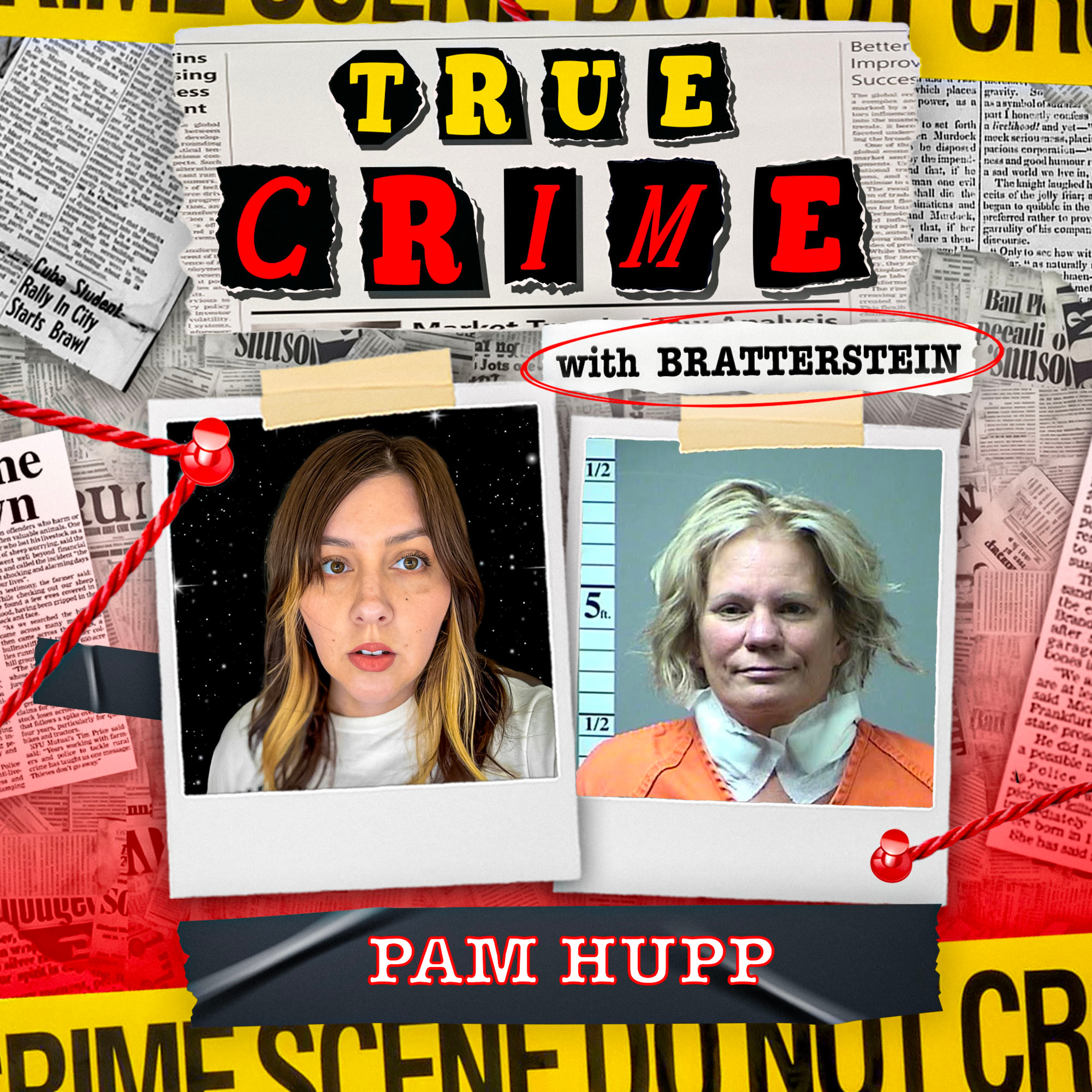
The Thing About Pam is.. She’s a Killer
5d ago00:33:00Tap to summarizeAs always, thank you for hanging out and remembering Betsy Faria, Shirley Neumann, and Louis Gumpenberger with me today. In December 2011, 42‑year‑old Betsy Faria was found stabbed more than 50 times in her Missouri home, and suspicion quickly fell on her husband Russ even though he had a solid alibi. Pam Hupp, Betsy’s close friend and the last person known to see her alive, had recently become the sole beneficiary of a $150,000 life‑insurance policy, and prosecutors later said she used that advantage to frame Russ and divert attention from herself. Russ was wrongly convicted at first, but after new evidence emerged he was acquitted at retrial, turning the case into one of the most notorious wrongful convictions in recent memory.The investigation then widened when Hupp killed another man, Louis Gumpenberger, in 2016 and claimed self‑defense; prosecutors said she staged a fake kidnapping scenario to make him look dangerous and to support her version of events. She ultimately pleaded guilty in 2019 and received life in prison without parole, and in 2021 she was separately charged with Betsy Faria’s murder, a case the state says was carried out for money and covered up with a deliberate frame‑job. The whole story became the basis for The Thing About Pam and remains infamous for its blend of murder, deceit, and a wrongful conviction that sent an innocent man to prison.
Transcribe →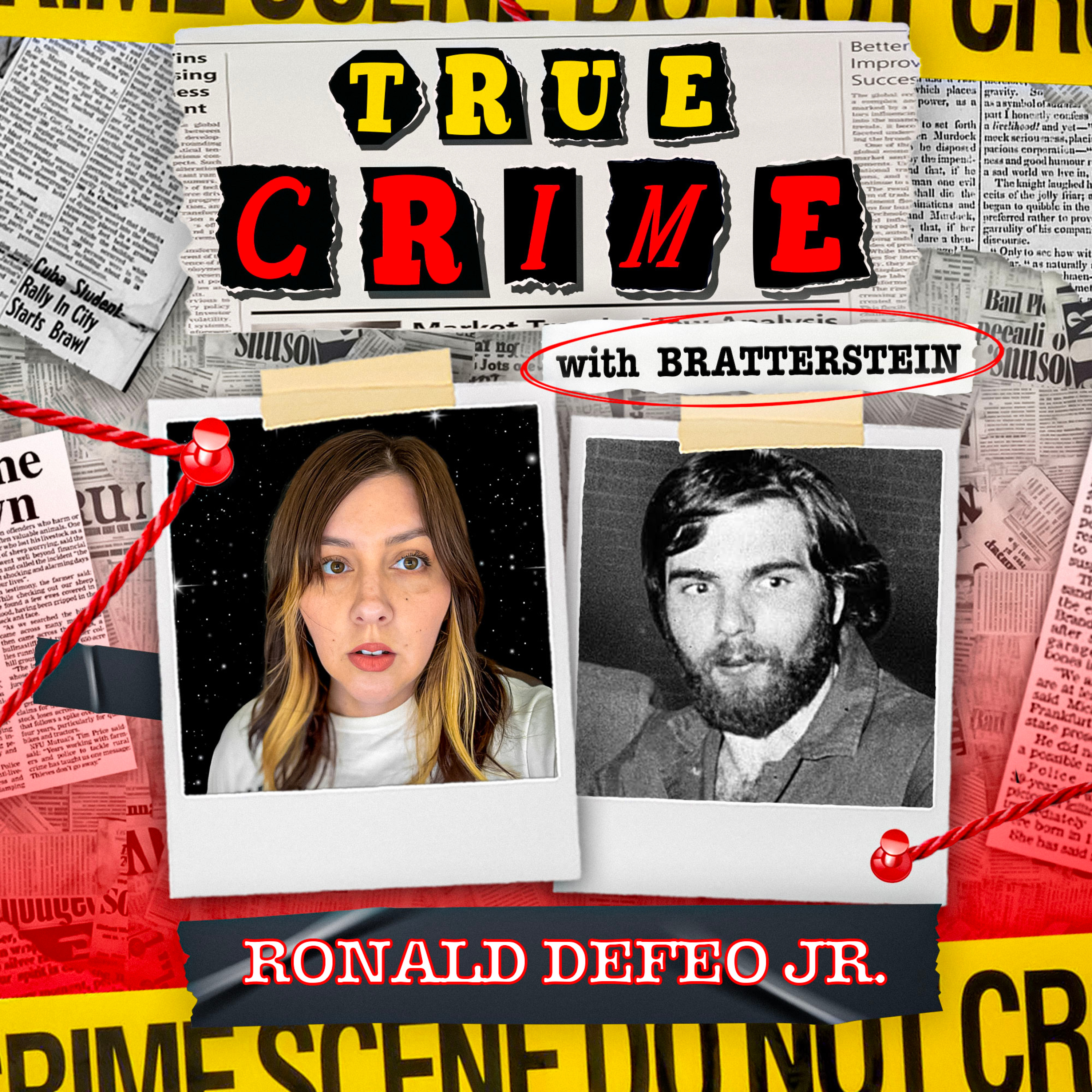
High Hopes Dashed : The Defeo Family Destruction
1w ago00:44:34Tap to summarizeAs always, thank you for hanging out and remembering the Defeo family with me today. In November 1974, 23‑year‑old Ronald “Butch” DeFeo Jr. murdered six members of his family in their Amityville, New York home as they slept: his parents, two brothers, and two sisters. DeFeo later admitted he was the killer, but his story shifted over time as he blamed the mob, then claimed the house itself and “voices” pushed him into it, while investigators found all six victims face down in their beds with no signs of a struggle.The crime became infamous because it was later turned into the Amityville Horror myth, but the real case was a brutal familicide, not a haunting. After trial, DeFeo was convicted of six counts of second‑degree murder and sentenced to six consecutive terms of 25 years to life, meaning he would spend the rest of his life in prison. He died in 2021 while still incarcerated, and the house at 112 Ocean Avenue remains one of the most notorious addresses in American true crime.
Transcribe →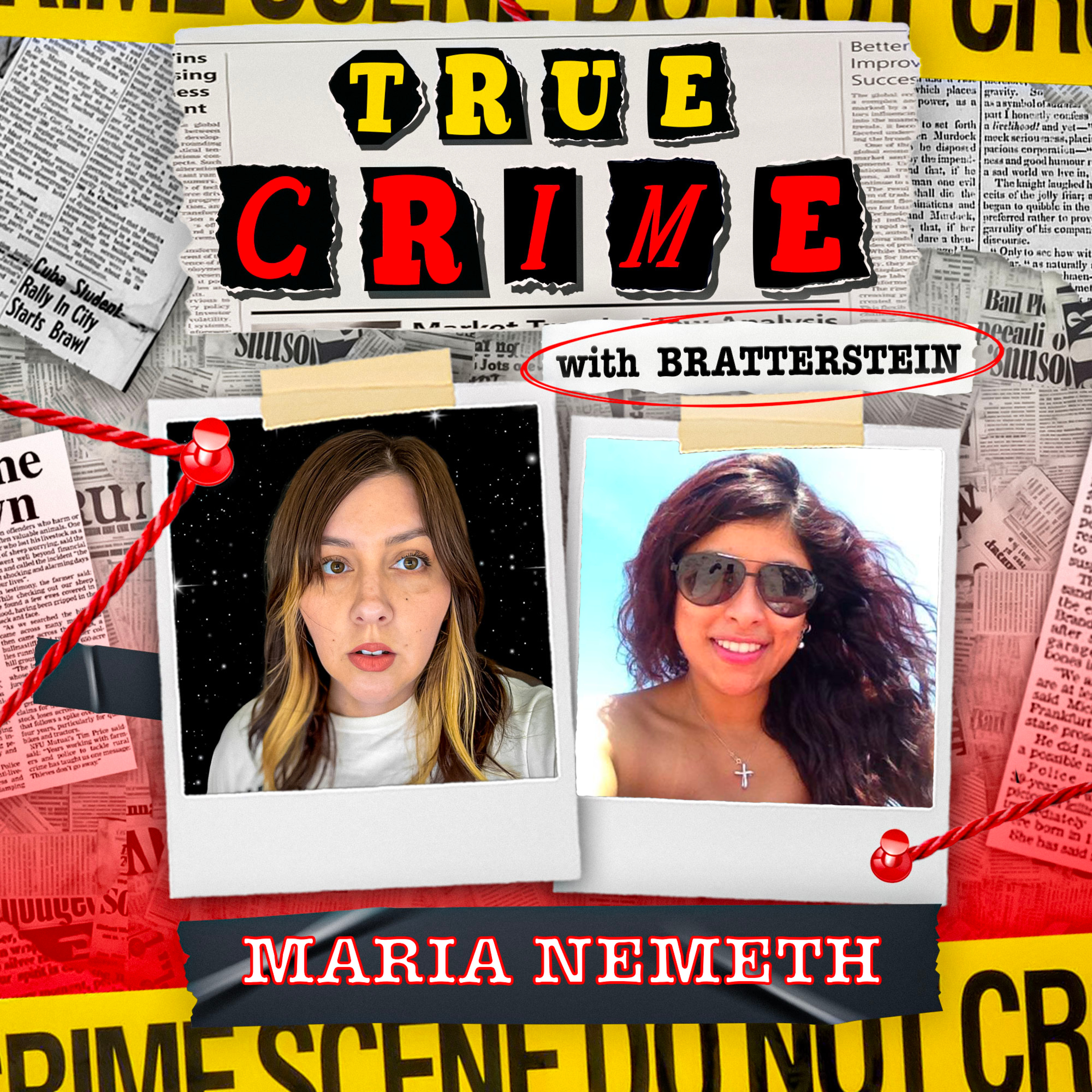
He Called 911 Begging for Help… But He Had Already Killed Her
1w ago00:46:54Tap to summarizeAs always, thank you for hanging out and remembering Maria Lizette Nemeth with me today. In this true crime documentary, we examine the brutal 2015 murder of Maria Nemeth in Sunrise, Florida. What began as a frantic 911 call from her boyfriend, Fidel Lopez, claiming she wasn't breathing quickly turned into one of Florida's most shocking homicide investigations. Detectives uncovered a horrific crime scene that contradicted Lopez's story, leading to his arrest, guilty plea, and life sentence without parole. This video explores the full timeline of the Maria Nemeth murder case, the police investigation, interrogation, forensic evidence, and the disturbing events that led to her tragic death.
Transcribe →
Deadly Love Triangles : 3,5 Hours of True Crime
2w ago03:28:27Tap to summarizeAs always, thank you for hanging out and remembering Kendra Hatcher, Robert Limon, Keiona Braxton, Heather Elvis, and Adrianne Jones with me today.
Transcribe →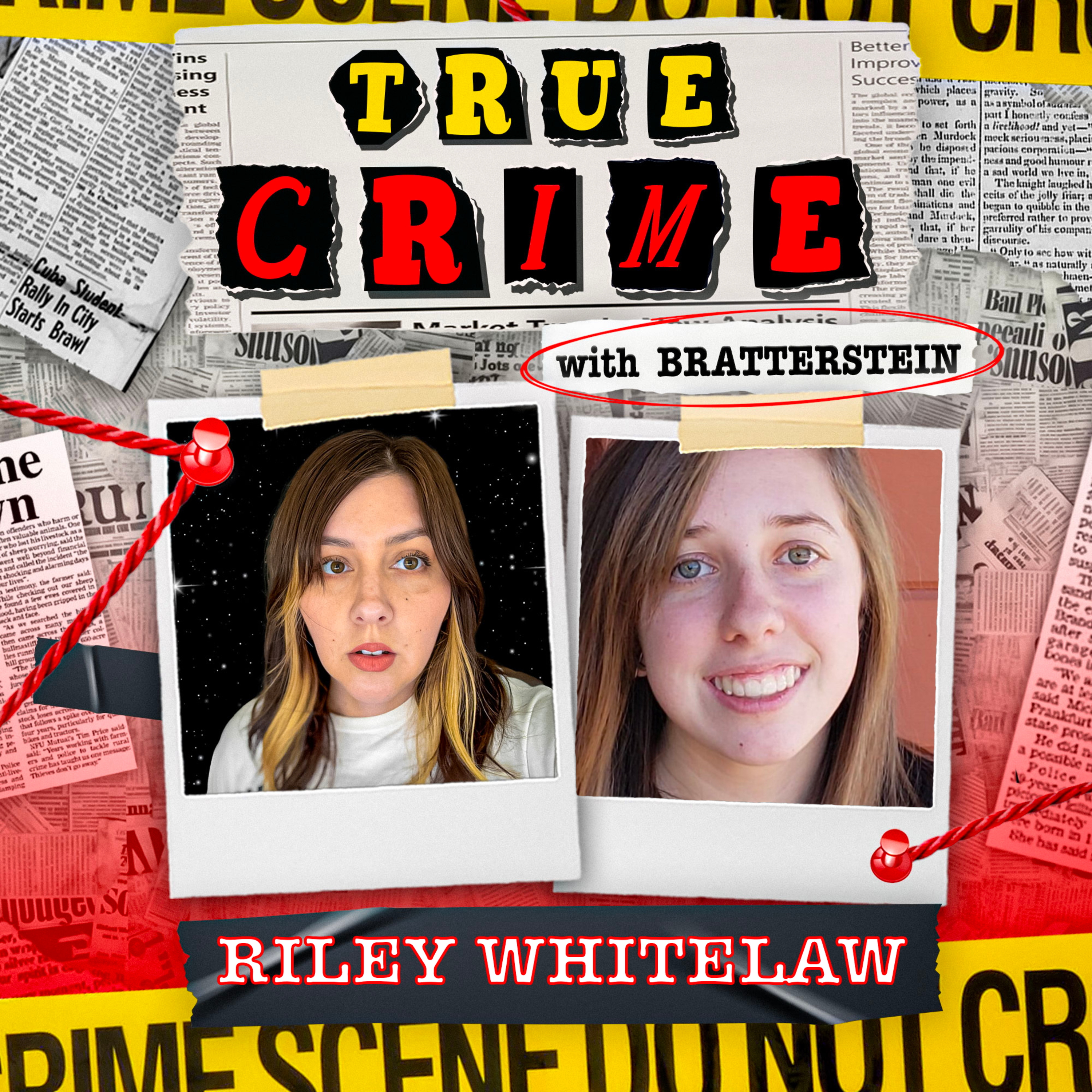
Teenager Murdered AT WORK by Obsessed Coworker
2w ago00:33:14Tap to summarizeAs always, thank you for hanging out and remembering Riley Whitelaw with me today. In June 2022, 17‑year‑old Colorado Springs high‑school student Riley Whitelaw went to her part‑time job at a Walgreens and never came home. When she didn’t return from a 15‑minute break, her manager went looking for her and found Riley dead on the floor of the store’s break room, with blood pooled around her and dozens of wounds to her neck and body.Detectives soon focused on 28‑year‑old coworker Joshua Johnson. Riley had already complained that Johnson made her uncomfortable and asked to be scheduled away from him, but when her hours increased their shifts overlapped again. Surveillance footage showed Johnson stacking plastic bins to block the camera’s view of the break room, and an autopsy later revealed 42 sharp‑force injuries and defensive wounds to Riley’s hands, along with “asphyxial wounding” from a lack of oxygen, consistent with a combination of stabbing and strangling. Johnson was arrested the next day walking along I‑25; prosecutors argued he’d become fixated on Riley and killed her over an unreturned crush, pointing to a multi‑tool with both their DNA that they said was used in the attack.In October 2023, a jury needed barely an hour of deliberation to find Johnson guilty of first‑degree murder, and the judge sentenced him to life in prison without the possibility of parole. Riley’s name now lives on through an art scholarship and, in Colorado law, through “Riley’s Law,” which was signed by the governor to better protect the identities of underage crime victims and witnesses in public records.
Transcribe →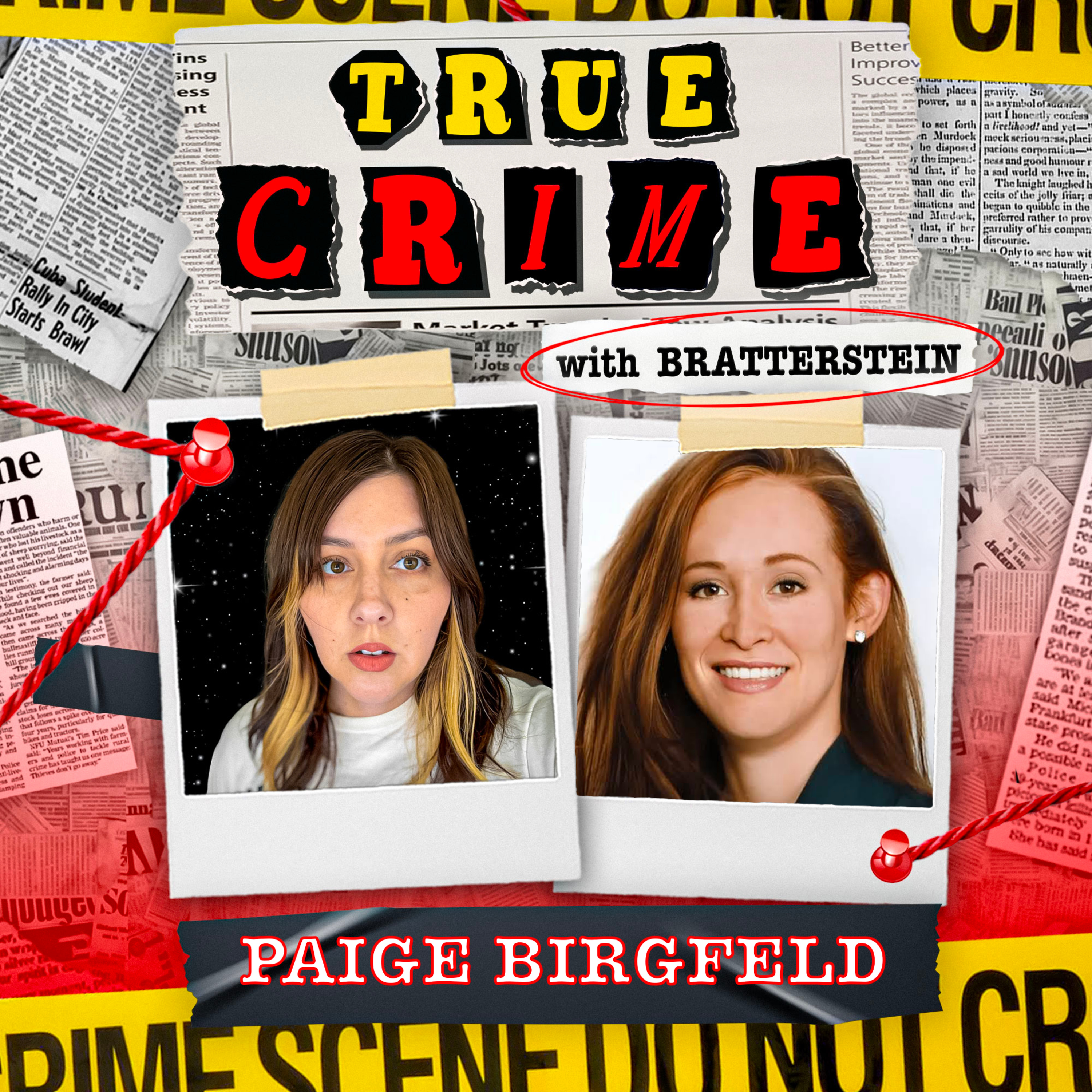
A Mother’s Car Was Found in Flames… But Paige Birgfeld Was Nowhere to Be Found
2w ago01:13:22Tap to summarizeAs always, thank you for hanging out and remembering Paige Meredith Birgfeld with me today. In June 2007, 34-year-old Paige Birgfeld disappeared from Grand Junction, Colorado, leaving behind her three young children and a mystery that would grip the community for years. When Paige's car was discovered burned and abandoned in a parking lot, what began as a missing persons case quickly transformed into one of Colorado's most shocking true crime investigations. As detectives searched for the missing mother of three, they uncovered a secret life hidden beneath the surface, opening the door to a growing list of suspects and countless unanswered questions. The investigation into Paige Birgfeld's disappearance and murder would span years, leading to multiple trials, a convicted killer, and a case that continues to fascinate true crime audiences today. In this video, we break down the complete timeline of the Paige Birgfeld case, the investigation, the evidence against Lester Jones, and the heartbreaking story behind one of Colorado's most notorious unsolved mysteries turned murder convictions.
Transcribe →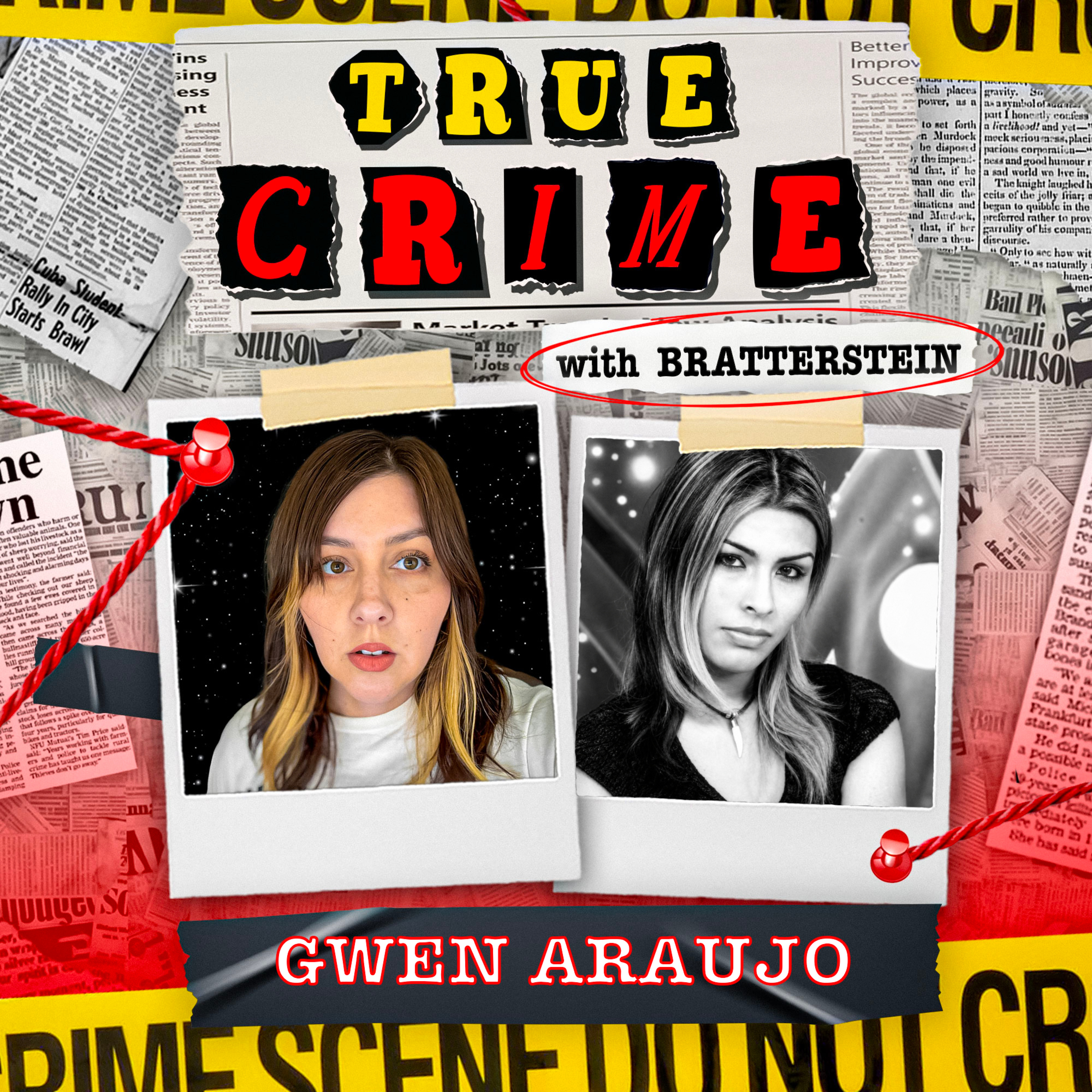
A Horrifying Display of Hate : The Gwen Araujo Case
3w ago00:51:38Tap to summarizeAs always, thank you for hanging out and remembering Gwen Amber Rose Araujo with me today. In October 2002, 17‑year‑old Gwen Amber Rose Araujo, a transgender girl from Newark, California, was attacked at a house party by a group of young men she knew after they forced a “sex check” and discovered she was trans. What started as taunting turned into hours of violence: they beat and choked her, struck her with household objects, strangled her, then hog‑tied her body, drove it into the Sierra foothills, and buried her in a shallow grave.Four men were charged; one cooperated and led police to Gwen’s body, while two, Michael Magidson and Jose Merel were ultimately convicted of second‑degree murder and sentenced to 15 years to life, and another accepted a manslaughter plea. The defense’s attempt to use a “gay/trans panic” argument sparked national outrage and helped prompt California’s Gwen Araujo Justice for Victims Act, which tells juries not to let bias about a victim’s gender identity or sexuality excuse violence. Gwen’s mother, Sylvia Guerrero, became a prominent advocate for trans rights, and Gwen’s name is now invoked every year in conversations about anti‑trans hate crimes and remembrance.
Transcribe →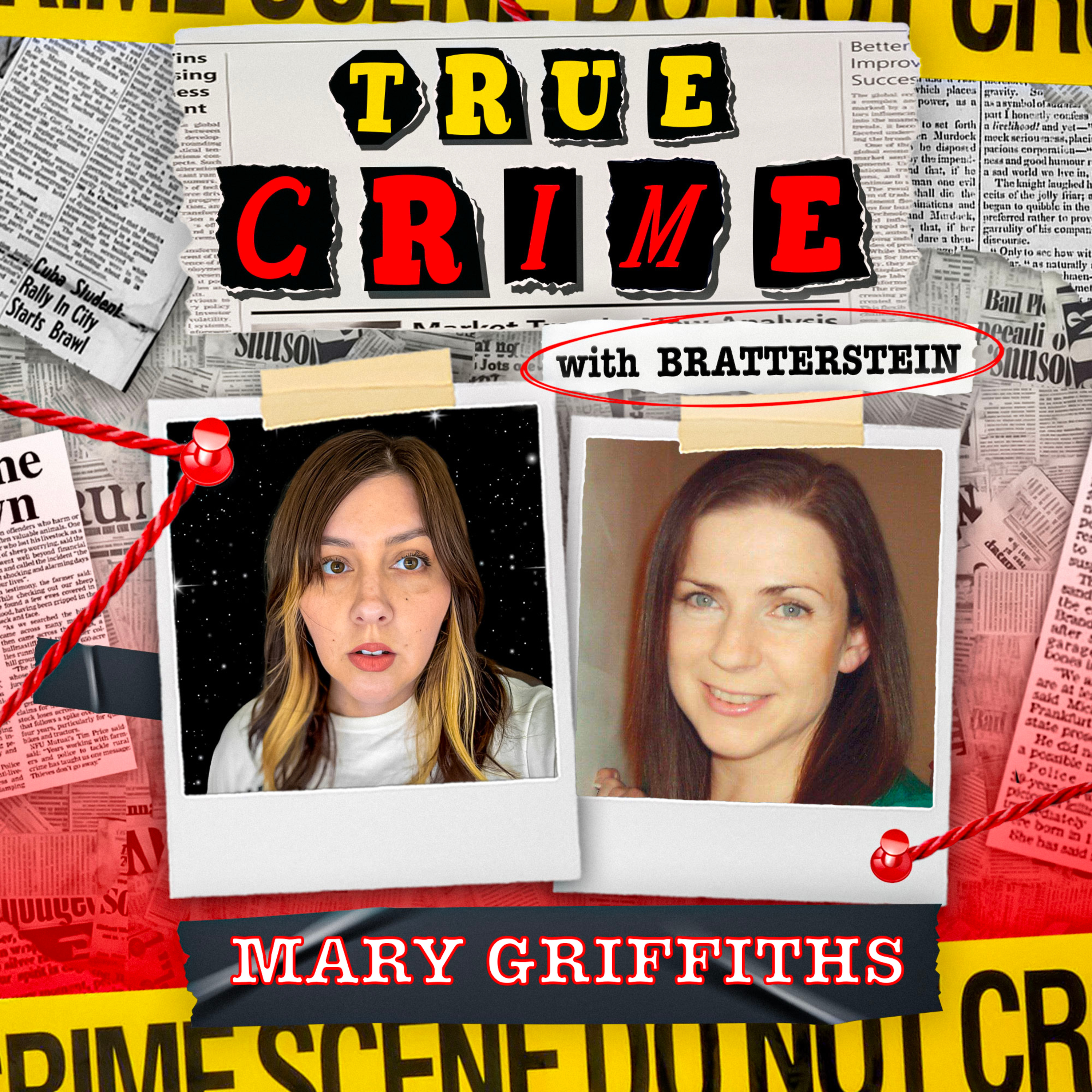
SLAUGHTERMAN Shoots Mother with BOLTGUN in Front of her KIDS
3w ago00:43:13Tap to summarizeAs always, thank you for hanging out and remembering Mary Griffith with me today. In 2009, 38‑year‑old Mary Griffiths was murdered in her home in Bury St Edmunds, England, by a man who had turned from rejected suitor into obsessive stalker. Mary had worked with John McFarlane and made it clear she did not want a relationship, but he began harassing and following her, to the point that she contacted police the night before her death to say she was scared and felt in danger. In the early hours of the next morning, while Mary and her three daughters were asleep, McFarlane broke into the house, cut the power, and stormed upstairs armed with an axe and a captive‑bolt gun of the type used in slaughterhouses.He dragged Mary from her bedroom and, in front of at least one of her children, fired the bolt gun into her at close range, killing her almost instantly. The sheer brutality of using an industrial animal‑killing device on a mother in her own home horrified the public and highlighted how quickly stalking can escalate into lethal violence when warnings aren’t acted on in time. McFarlane was arrested and later convicted of murder, receiving a life sentence with a minimum term of 20 years before he can even be considered for parole. Mary’s case has since been used in discussions and legal commentary about stalking, coercive control, and the duty of police and mental‑health services to respond urgently when a victim reports escalating harassment.
Transcribe →
14-Year-Old Girl Plotted the Murder of Her Own Family
3w ago00:48:50Tap to summarizeAs always, thank you for hanging out and remembering Bennie Jo Tibbets and her son Billy Ray Tower with me today. In 1998, a devastating house fire in rural Oregon claimed the lives of Bennie Jo Tibbets and her son Billy Ray, but investigators soon discovered this was no tragic accident. Evidence revealed that both victims had been attacked with a hatchet before dying from smoke inhalation, launching a shocking double homicide investigation that led police to an unthinkable suspect: Bennie Jo's own 14-year-old daughter, Jessica Tibbets. Prosecutors alleged that Jessica conspired with her 23-year-old boyfriend, Raymond Eddings, to murder her mother and brother in one of Oregon's most disturbing family murder cases. In this true crime documentary, we examine the complete Jessica Tibbets case, including the house fire investigation, the evidence against Jessica and Raymond, the trial and convictions, and the controversy surrounding Jessica's eventual release from prison years later.
Transcribe →
Bullying leads to Bloodshed : The Laurie Show Case
4w ago00:47:39Tap to summarizeIn December 1991, 16‑year‑old Laurie Show was ambushed and killed in her bedroom in East Lampeter Township, Pennsylvania, after months of jealous harassment from 19‑year‑old Lisa Michelle Lambert, who believed Laurie was trying to take her boyfriend, Lawrence “Butch” Yunkin. Laurie’s mother briefly left home because of a fake call posing as a school official; when she returned, she found Laurie on the floor with her throat slashed and multiple stab wounds, and Laurie was able to whisper “Michelle did it” before she died.Investigators concluded Lambert and 17‑year‑old accomplice Tabitha Buck had used the ruse to get Hazel out of the condo, then attacked Laurie together, with Buck restraining her while Lambert carried out the stabbing, and that Yunkin helped set up the plot. Lambert was convicted of first‑degree murder and conspiracy and sentenced to life without parole; Buck, tried as a juvenile, received a life term for second‑degree murder but was later resentenced and eventually paroled, while Yunkin pled to a lesser charge and served a shorter sentence. Laurie’s mother went on to fight for anti‑stalking legislation, and Pennsylvania’s first stalking law, often called “Laurie’s Law”, was passed in direct response to her daughter’s case.
Transcribe →