
Podcast
True Crime with Elli Mac
Hosted by Elli Mac · EN
This is a True Crime podcast with me, Elli Mac.
32episodes
Episodes
Newest firstAll episodes
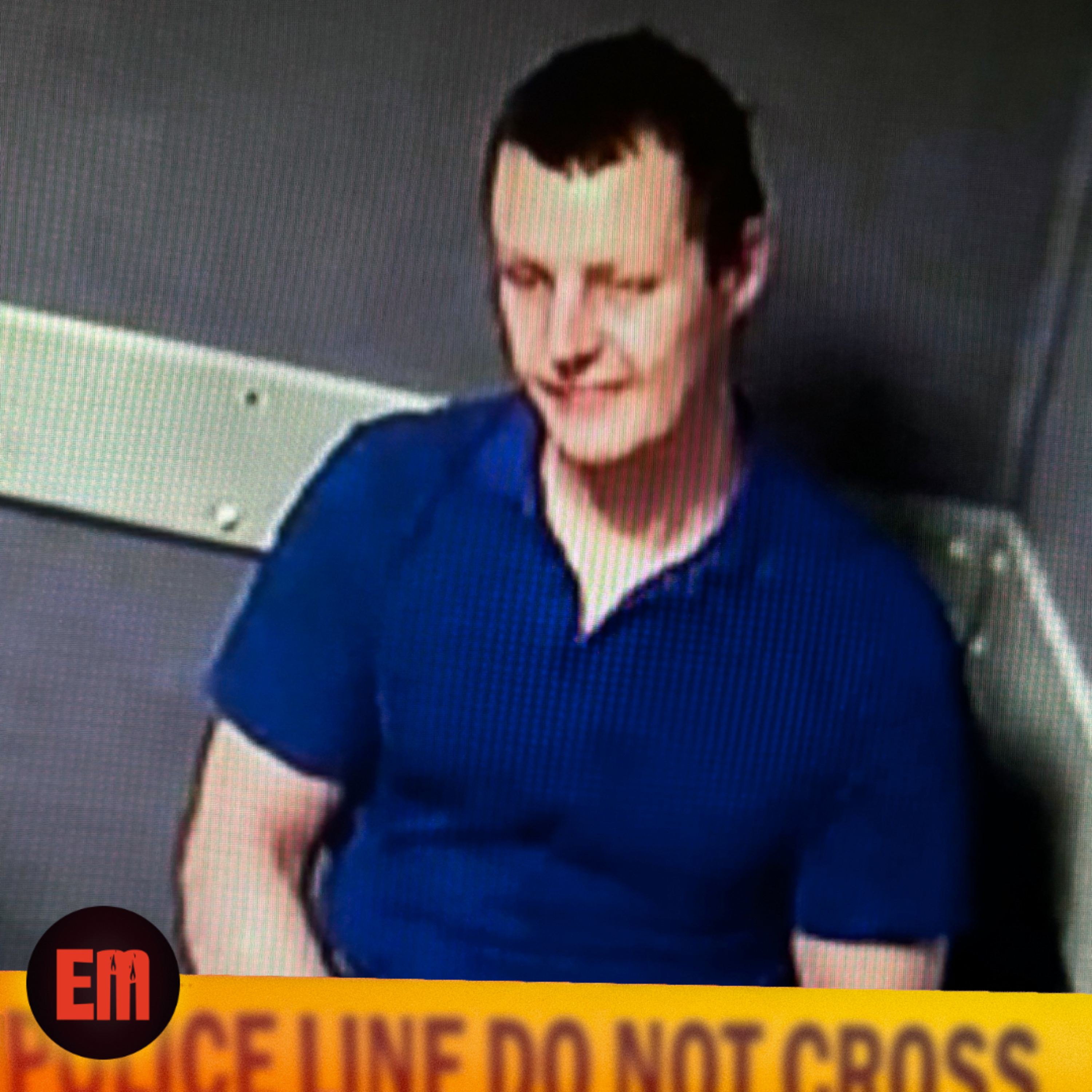
The Murder Of Julie Reilly: Betrayed By The Man She Trusted
Mar 1300:37:14Tap to summarizeOn 6 February 2018, in the Govan area of Glasgow, 47-year-old Julie Reilly was captured on CCTV inside an Aldi supermarket. Julie was a mother of four, known by those around her as a caring and trusting woman.After leaving the store, Julie disappeared. When days passed without any contact, her family reported her missing.Then, two months later, the investigation took a shocking turn. Human remains were discovered.Two thigh bones were found in different locations across Glasgow, and DNA testing confirmed they belonged to Julie Reilly.But the rest of her body was still missing. What had happened to Julie? Who had done this to her? And would investigators ever find the rest of her?=============================================📩 For business inquiries: ellimacproductions@gmail.com
Transcribe →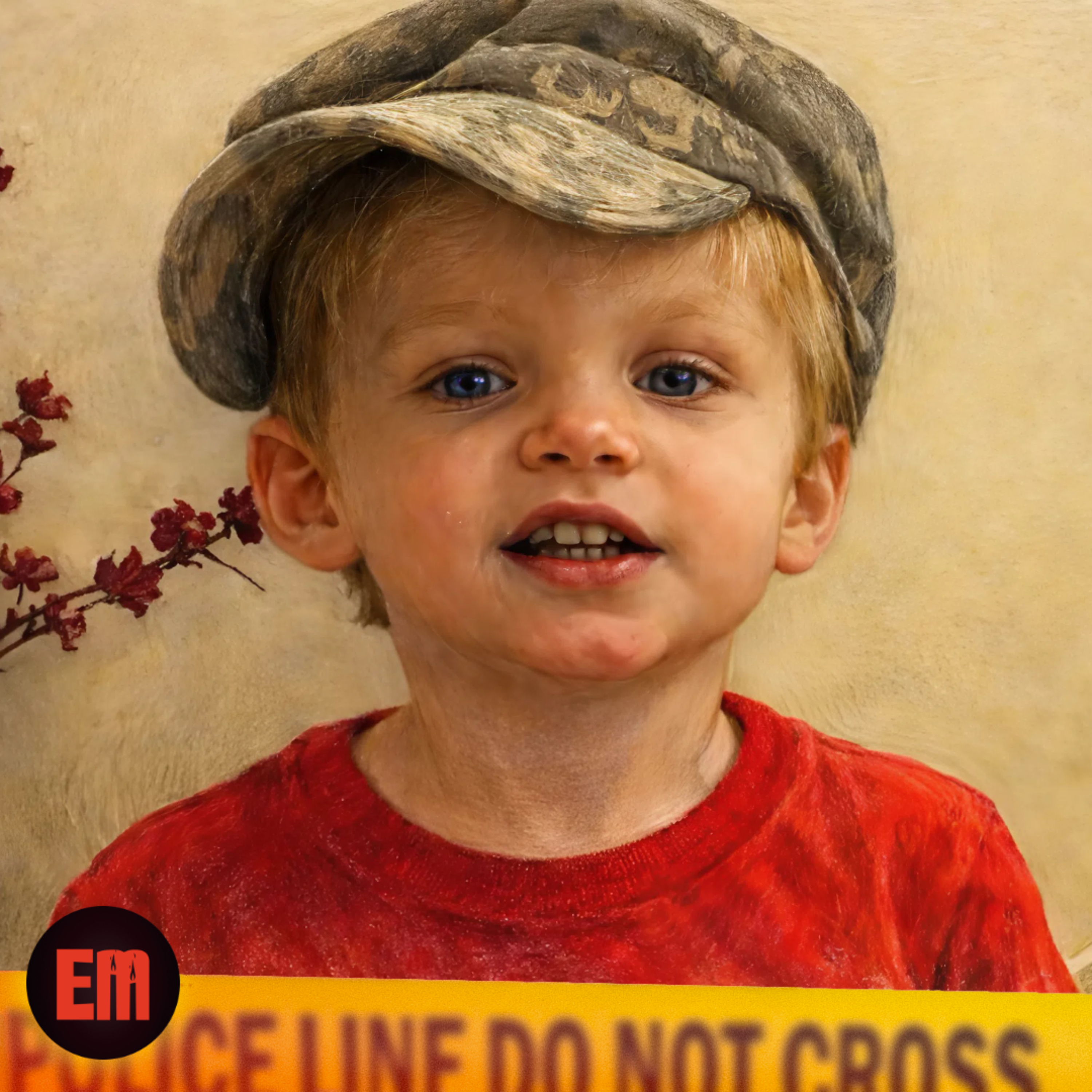
Dylan Schumaker: The Killer Babysitter
Mar 200:31:28Tap to summarizeOn the evening of March nineteenth, 2013, Ashlee Smith was halfway through her shift at Pizza Hut when her phone rang.Just hours earlier, she had walked out the door after leaving her two young children in the care of her sixteen-year-old boyfriend, Dylan Schumaker.At that time, both boys were unharmed. There were no bruises. No signs of distress. Nothing to suggest that anything was wrong.Now, on the other end of the line, Dylan’s mother was telling Ashlee she needed to come home immediately — that an ambulance was already on the way for her toddler son.Her twenty-three-month-old son, Austin Smith, was in critical condition.By the time she reached the house, an ambulance was already pulling away, rushing Austin to hospital without her.What had unfolded during those few short hours inside the home — and would Austin survive?=============================================📩 For business inquiries: ellimacproductions@gmail.com
Transcribe →
MURDEROUS MOTHERS - 4 HOUR TRUE CRIME COMPILATION | 9 Cases
Feb 2303:46:18Tap to summarize00:00 Case 1 - Karissa Boudreau19:50 Case 2 - Amy Hebert45:32 Case 3 - Garnett Spears01:09:37 Case 4 - Rekha Kumari-Baker01:23:23 Case 5 - Jailyn Candelario01:52:27 Case 6 - Patricia Ripley02:07:45 Case 7 - Joshlin Smith02:50:43 Case 8 - Ayesha Ali03:18:44 Case 9 - Naomi Hill=============================================📩 For business inquiries: ellimacproductions@gmail.com
Transcribe →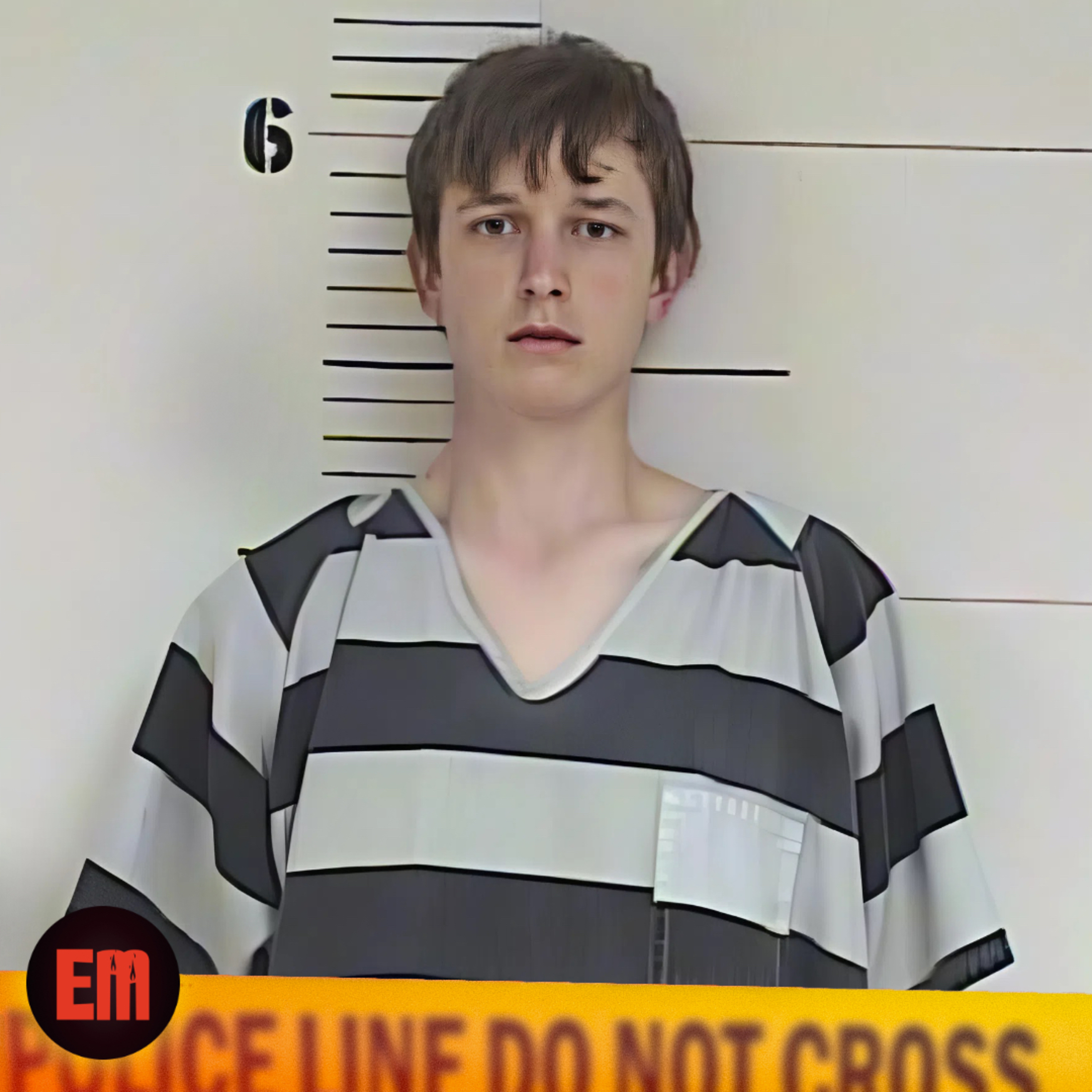
The Crazy 911 Confession Of 17-Year-Old Jake Evans
Feb 1600:38:58Tap to summarizeWhen a 911 call came in at 12:34 a.m. on October 4th, 2012, from seventeen-year-old Jake Evans in Aledo, the dispatcher wasn’t met with panic. She was met with calm.On the other end of the line, Jake, speaking clearly, admitted to the unthinkable. He told her he had just shot his mother. And his sister.How could someone so young sound so composed after committing such violence? What could possibly lead a seventeen-year-old to turn a gun on his own family?=============================================📩 For business inquiries: ellimacproductions@gmail.com
Transcribe →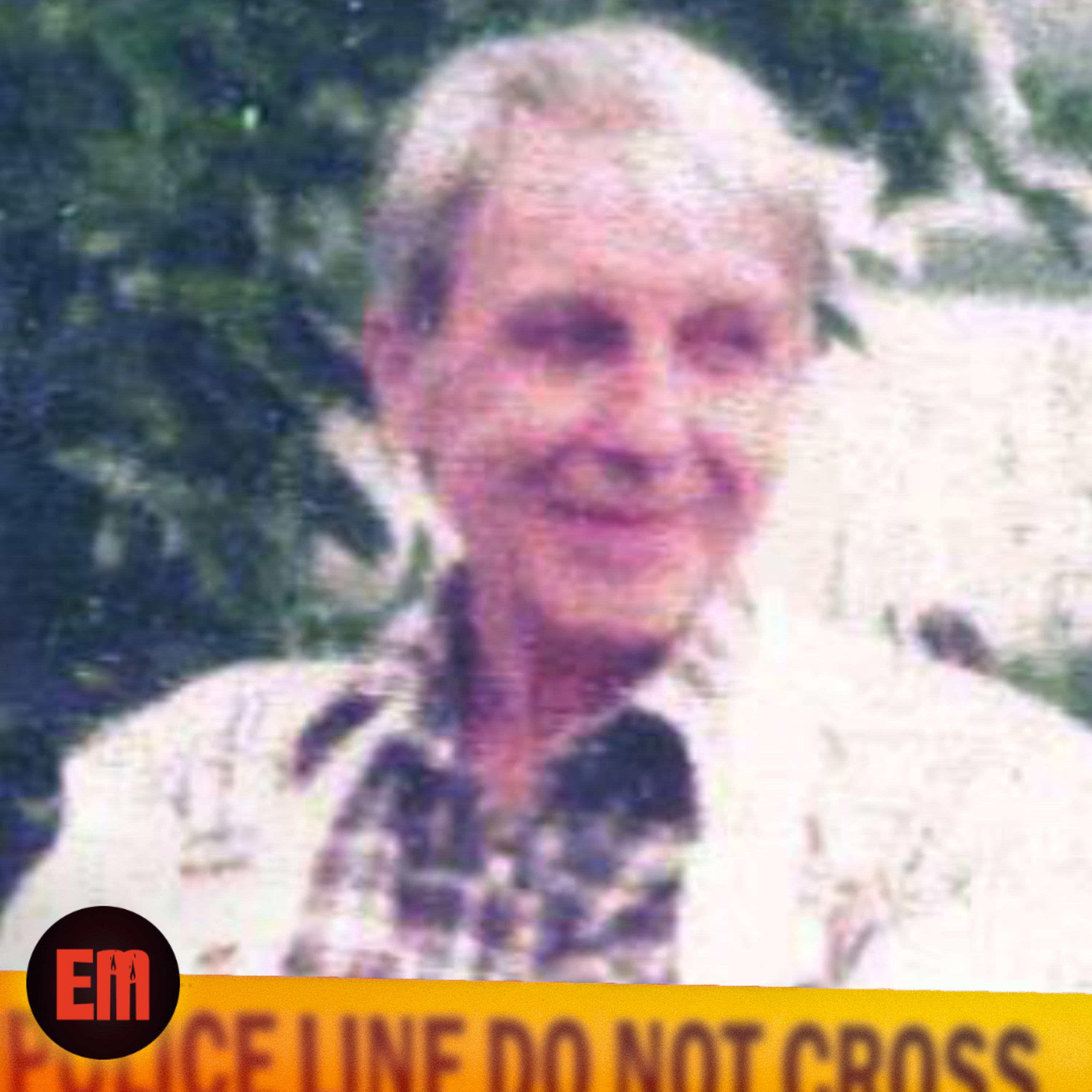
Buried in Their Own Garden: The Wycherley Murders
Feb 900:27:14Tap to summarizeWhen 85-year-old William and 63-year-old Patricia Wycherley vanished from their home in the quiet village of Mansfield, no one seemed to notice or question their disappearance. Their bills were being paid on time, the house appeared to be looked after, and their family continued to receive postcards signed by the couple, which assured everyone they were alive and well.Fifteen years passed without any suspicion, and eventually, the Wycherleys’ house at 2 Blenheim Close was sold to a new family, who moved in unaware of the secrets hidden beneath their feet.It wasn’t until William Wycherley’s 100th birthday that questions began to surface. When an attempt was made to organize a congratulatory telegram from the Queen—a tradition for centenarians in the UK—there was no response from William. This prompted further investigation into the couple’s whereabouts, leading to the shocking revelation that the Wycherleys had never left their home.Their bodies had been buried in their own back garden, where they remained hidden for over a decade and a half.Who had murdered this elderly couple? And who was pretending to be them, sending letters out to loved ones, saying they were alive and well?
Transcribe →
The 'British Fritzl' And His 25-year Reign Of Terror
Feb 200:32:46Tap to summarizeThis is a difficult case to tell. To protect the victims, no names are used, and some identifying details are withheld. Even so, it is important to tell this story carefully and truthfully, because what happened did not occur in isolation. This case exposed profound failures across child protection, healthcare, and safeguarding systems—and led to significant changes in how such cases are now handled. In its aftermath, multiple independent inquiries were launched to examine how authorities missed years of warning signs.The case became known as the Sheffield case, and was widely labelled by the media as the “British Fritzl.” The comparison was drawn to the Austrian case of Josef Fritzl, which had come to light only months earlier and shocked the world. In that case, it was revealed that Fritzl had held his own daughter, Elisabeth, captive for 24 years, resulting in the birth of seven children. The Fritzl case revealed unimaginable abuse hidden behind the façade of an ordinary family home, forcing the public to confront the reality that extreme harm can exist undetected for decades.The similarities prompted outrage, disbelief, and urgent questions: how could something like this happen again—here, in the UK?At the centre of this case was the conviction of a 54-year-old Englishman. For more than 25 years, he evaded detection by authorities. He fathered seven surviving children.What makes this case particularly harrowing is not only the scale of the abuse but the number of times it could have been stopped.This is the story of how it wasn’t.
Transcribe →
KIDS WHO KILL - 4 HOUR TRUE CRIME COMPILATION | 8 Cases
Jan 2603:50:01Tap to summarize00:00 Case 1 - Mary Bell17:40 Case 2 - Tyler Hadley38:47 Case 3 - Alex & Derek King01:03:22 Case 4 - Eric Smith01:35:38 Case 5 - Brenda Spencer02:03:49 Case 6 - Zander Lyda02:38:01 Case 7 - Noah Crooks03:03:38 Case 8 - Corey Breininger
Transcribe →
Coral-Ellen Burrows: The Little Girl Who Never Made It to School
Jan 2000:42:42Tap to summarizeOn a quiet September afternoon in 2003, in a small New Zealand town, Jeanna stood waiting at the bus stop for her children. The doors opened, but only one child stepped off. Storm was there. Six-year-old Coral was not. Coral-Ellen Burrows had not come home from school. As it would soon emerge, she had not even made it there that morning.What followed were ten days of unanswered questions and growing dread. A town stopped everything to search. Farmland, creeks, roadsides, and bush were scoured. Helicopters circled overhead. Volunteers walked until their boots were soaked through. Then came the first chilling discovery. Coral’s backpack, found floating in a creek, had her lunch still inside.Then, ten days after Coral vanished, she was found, but not in the way anyone had prayed for.What happened to Coral-Ellen Burrows? Where had she been that day? And who took her?
Transcribe →
Dismembered Into 12 Pieces: The Murder Of Hayden Miles
Jan 1200:33:19Tap to summarizeIn Christchurch, on the South Island of New Zealand, 22 August 2011, 15-year-old schoolboy, Hayden Miles, disappeared after drinking with older people in the city. That night, he never came home.For 111 days, police searched while his family waited for answers. Then the tragic discovery was made.Hayden had been killed, dismembered, and sealed inside bin bags. His body parts were found buried in Christchurch cemeteries and at the very location where he had last been spending time.So how did a vulnerable teenager vanish without a trace? Who were the people he was with that night—and what really happened behind closed doors?
Transcribe →
Edmonton’s Bloody New Year’s Massacre
Jan 500:22:37Tap to summarizeIt was the final days of the year, that quiet stretch between Christmas and New Year’s when the city usually slowed down. Instead, Edmonton was about to face one of the worst crimes in its history.On the evening of Monday, December 29, 2014, police were called to a home in southwest Edmonton for a weapons complaint. Inside, they found a woman dead. At first, it appeared to be a single homicide.But hours later, officers were sent to a second house in north Edmonton to check on the occupants. When they entered, they found seven more bodies inside the home, including two young children.The person believed to be responsible was missing.As police worked through the night, they were left with urgent questions—where was the suspect, what had happened in the hours leading up to the killings, and why had so many lives been taken?
Transcribe →