Podcast
Trumponomics
Hosted by Bloomberg · EN
Tariffs, crypto, deregulation, tax cuts, protectionism, are just some of the things back on the table when Donald Trump returns to the Presidency. To help you plan for Trump's singular approach to economics, Bloomberg presents Trumponomics, a weekly podcast focused on the Trump administration's economic policies and plans. Editorial head of government and economics Stephanie Flanders will be joined each week by reporters in Washington D.C. and Wall Street to examine how Trump's policies are shaping the global economy and what on earth is going to happen next.
47episodes
Episodes
Newest firstAll episodes
The Tariff Trade-Off
5d ago00:26:17Tap to summarizeUS President Donald Trump's trade war may be here to stay, despite the fact that billions of dollars in tariff revenue has been refunded to companies after the Supreme Court ruled his initial levies illegal. Stephanie Flanders is joined by Bloomberg senior writer Shawn Donnan and Anna Wong, chief US economist at Bloomberg Economics, to explore what if anything the policy has delivered for US manufacturing and the federal budget, and why the biggest consequences may be the ones no one predicted.See omnystudio.com/listener for privacy information.
Transcribe →
Can the US Actually Tax Billionaires?
2w ago00:23:33Tap to summarizeAs wealth becomes increasingly concentrated — and artificial intelligence threatens to shift even more income from workers to investors — has the US tax system become outdated? Stephanie Flanders speaks with Harvard professor Jason Furman, a former economic adviser to President Barack Obama, and Bloomberg reporter Caitlin Reilly about wealth taxes, capital gains, inheritance and whether taxing America's richest is politically or constitutionally possible.See omnystudio.com/listener for privacy information.
Transcribe →Are We Being Priced Out of Happiness?
3w ago00:24:12Tap to summarizeAmericans are spending less time with friends, nights out are getting more expensive and even major sporting events are becoming harder to afford. Stephanie Flanders speaks with Bloomberg reporter Ben Steverman and economist and author Richard Layard about what the "fun shortage" says about the economy, rising inequality and whether loneliness is becoming a political and economic problem.See omnystudio.com/listener for privacy information.
Transcribe →
The $2 Trillion Global Arms Race
4w ago00:26:39Tap to summarizeA new, $2 trillion global arms race is underway — but this time it's being driven by artificial intelligence, drones and hypersonic weapons. Stephanie Flanders is joined by Becca Wasser, a geo-economics analyst with Bloomberg Economics, and Gerry Doyle, a senior editor for Bloomberg News, to explore how rising defense spending could reshape economies, redefine warfare and alter the future of global security.See omnystudio.com/listener for privacy information.
Transcribe →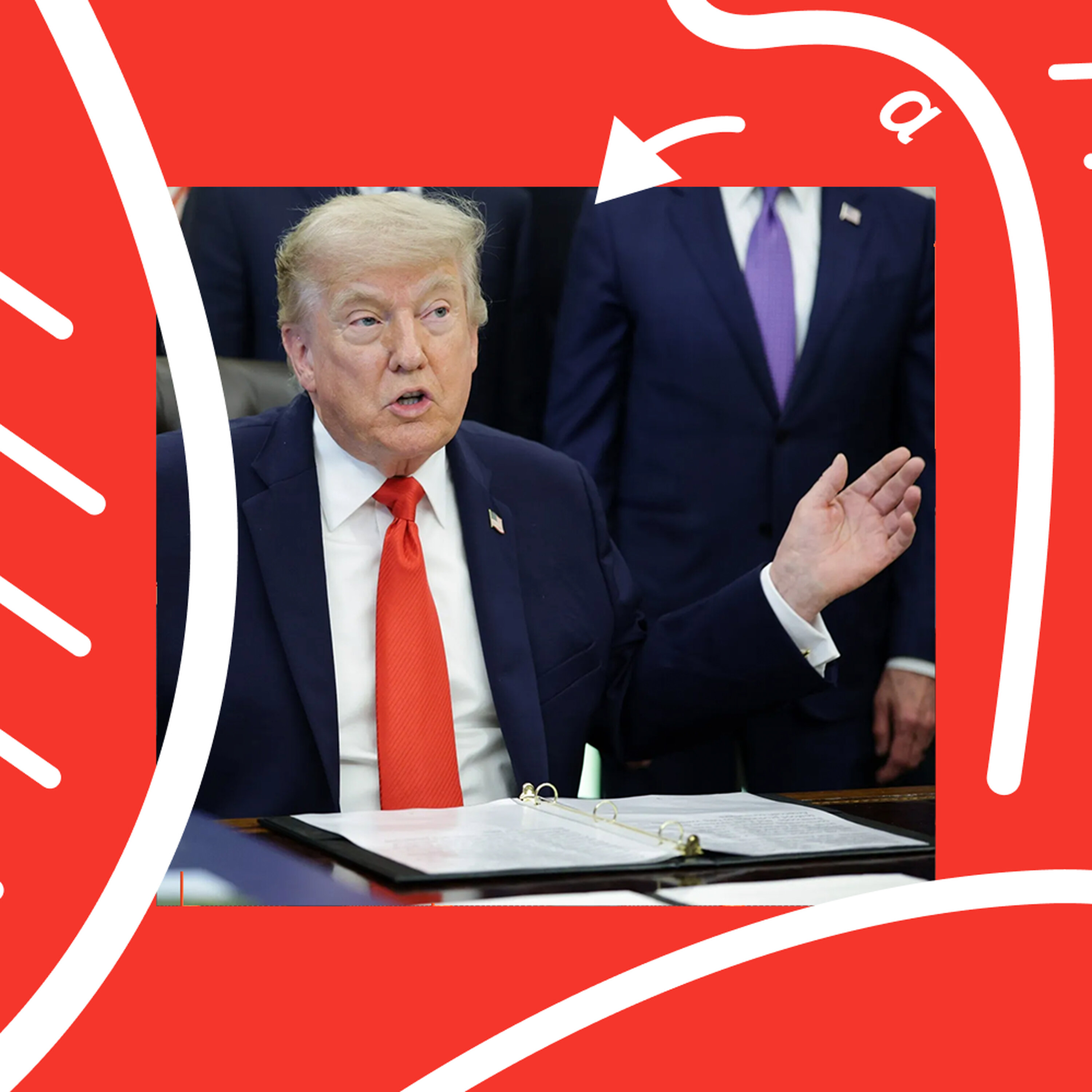
The Midterms May Hinge on One Thing: How the Economy Feels
Jul 100:23:30Tap to summarizeThe economy may look resilient on paper, but voters aren't buying it. Bloomberg's senior national correspondent Nancy Cook and Stuart Paul, who covers the US and Canadian economies for Bloomberg Economics, break down why affordability, gas prices, and lingering economic anxiety could reshape the battle for Congress—and whether Republicans can change the narrative before November.See omnystudio.com/listener for privacy information.
Transcribe →
What If AI Simply Ruins Your Job Instead of Taking It? (with Sarah O'Connor)
Jun 2400:29:02Tap to summarizeArtificial intelligence is often discussed in terms of how many jobs it will eliminate, but Sarah O’Connor argues the biggest concern may be not what it does to the quantity of jobs, but the quality. Speaking on Bloomberg’s Trumponomics podcast about her new book, We Are Not Machines: The Fight for the Future of Work, the Financial Times columnist said AI and automation are increasingly reshaping jobs around the strengths and limitations of machines, leaving workers to perform narrower, less-rewarding tasks. See omnystudio.com/listener for privacy information.
Transcribe →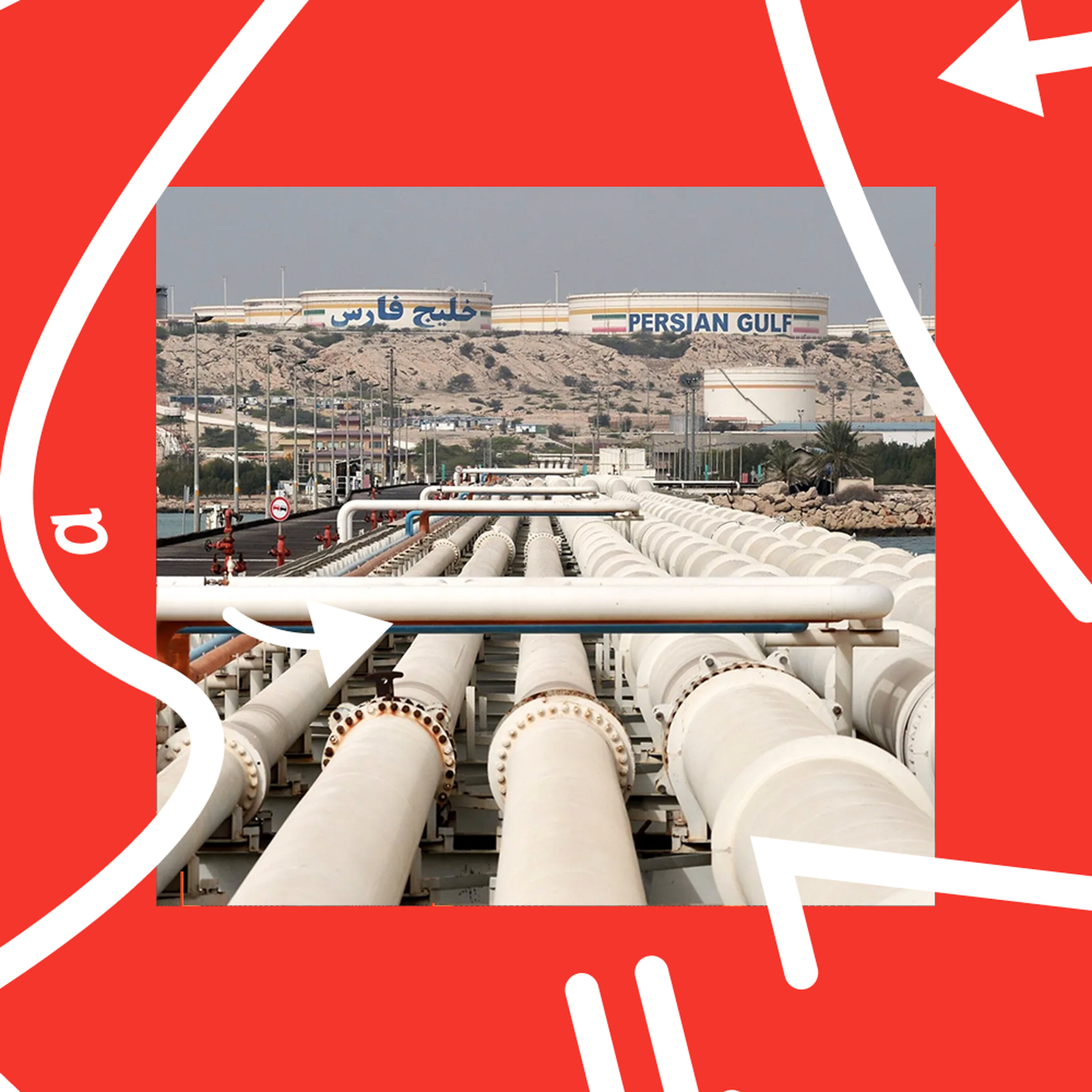
How Fast Can the World Recover From a Hormuz Shock?
Jun 1800:35:39Tap to summarizeFor 100 days, the world watched as one of its most important energy chokepoints got choked. Now, as the Iran war appears to be easing, Bloomberg Opinion columnist Javier Blas and Jamie Rush, Director of Global Economics, debate how quickly oil markets can recover, and what we've learned about China's growing influence over global energy demand.See omnystudio.com/listener for privacy information.
Transcribe →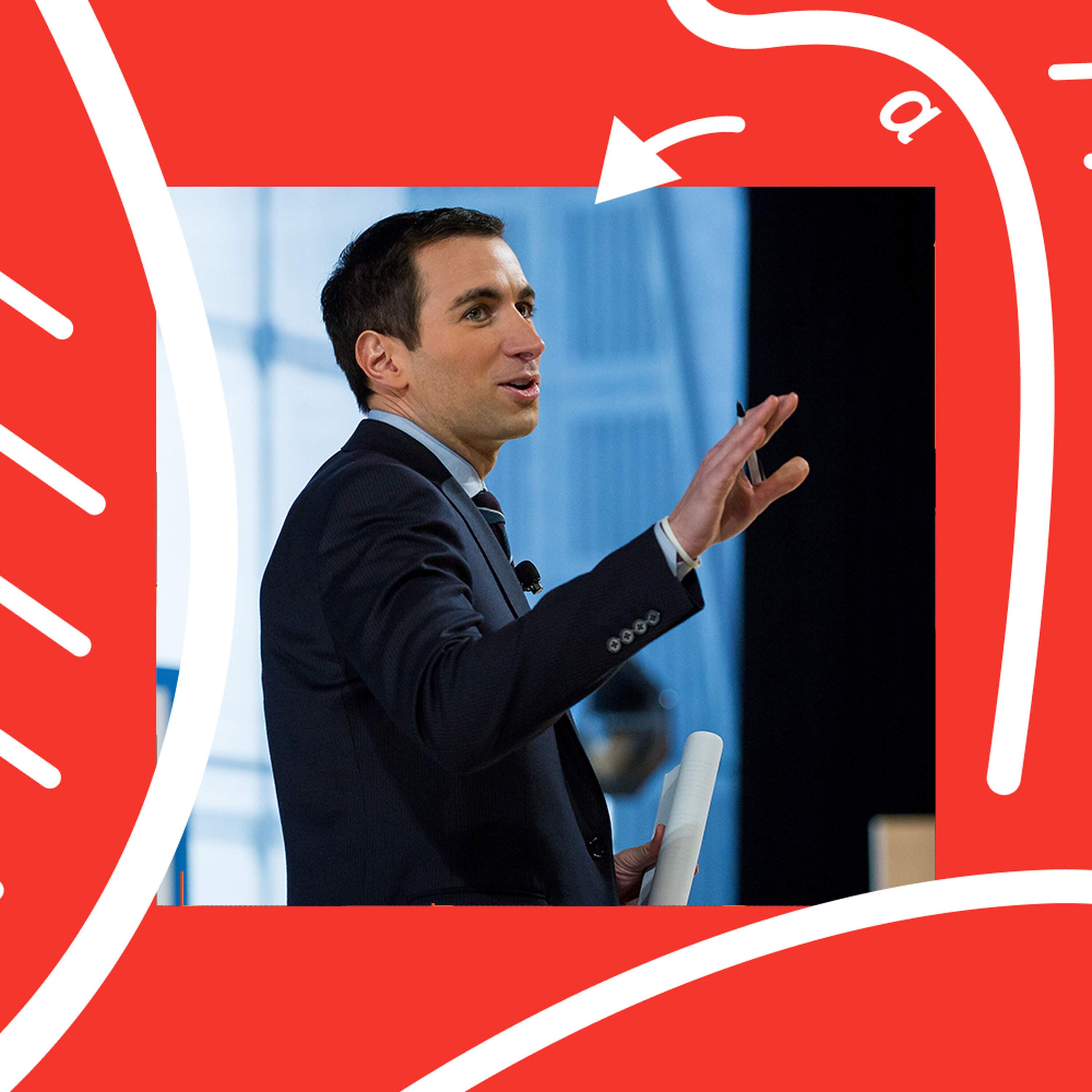
Why 2026 Is Beginning to Look Like 1929 (with Andrew Ross Sorkin)
Jun 1000:36:54Tap to summarizeAlmost a century after the Wall Street crash of 1929, Andrew Ross Sorkin says he believes some of its most dangerous ingredients are reappearing. Joining Stephanie Flanders on Trumponomics, the financial journalist and author of 1929: Inside the Greatest Crash in Wall Street History argues that today’s market is filled with “eerie parallels” to the late 1920s. These include a transformative new technology, a flood of retail investors and a growing willingness to loosen the rules.See omnystudio.com/listener for privacy information.
Transcribe →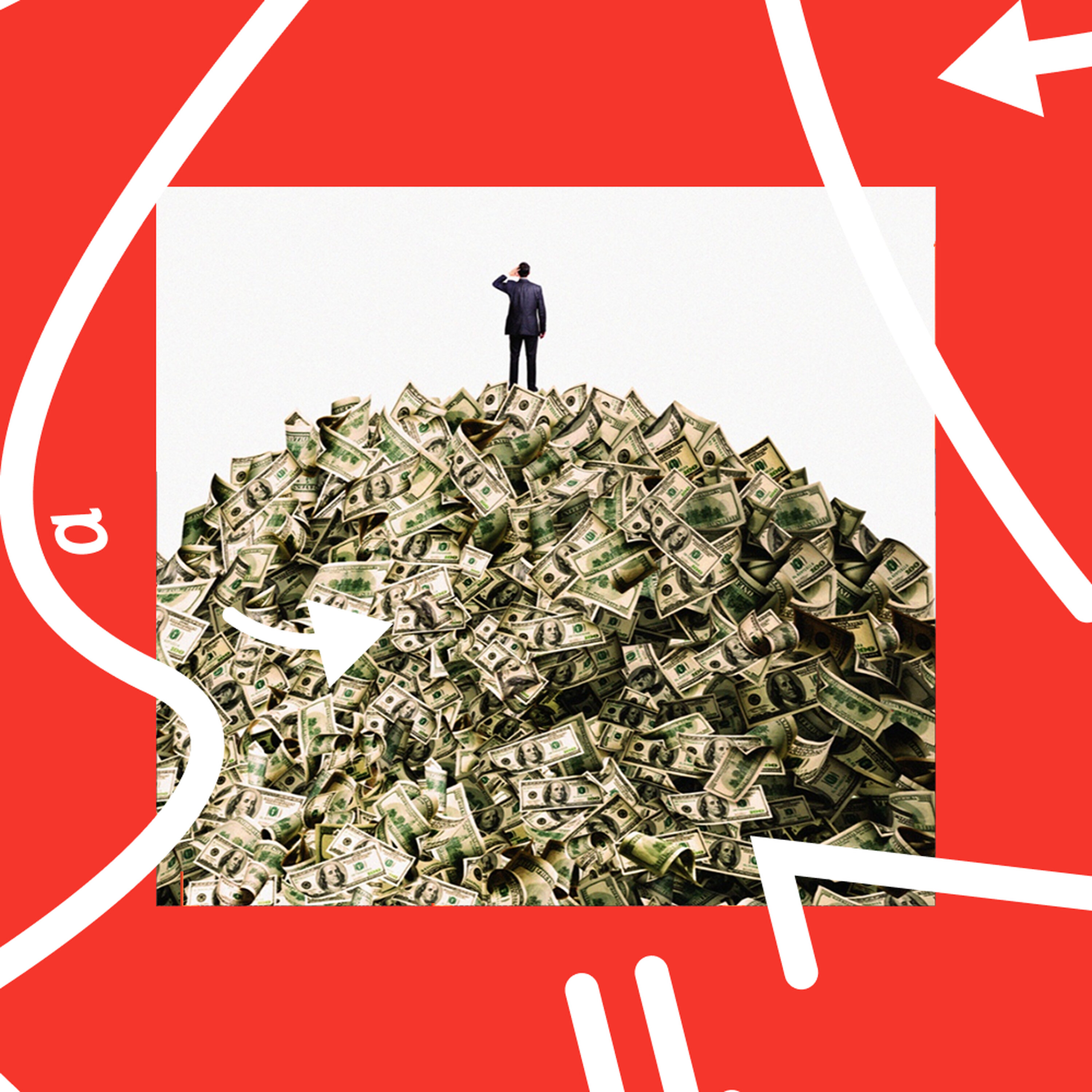
Is the US Economy Dangerously Dependent on the Rich?
Jun 300:22:31Tap to summarizeThe idea of a “K-shaped economy” has become one of the most persistent themes about the US economy: While some households continue to thrive, in particular the wealthy ones, everyone else falls further behind. On this episode of Trumponomics, host Stephanie Flanders, Moody’s Analytics Chief Economist Mark Zandi and Bloomberg Economics’ Andrew Sacher explore whether that narrative is simply another way of describing that longer-term American phenomenon of inequality — or whether it points to a deeper vulnerability.See omnystudio.com/listener for privacy information.
Transcribe →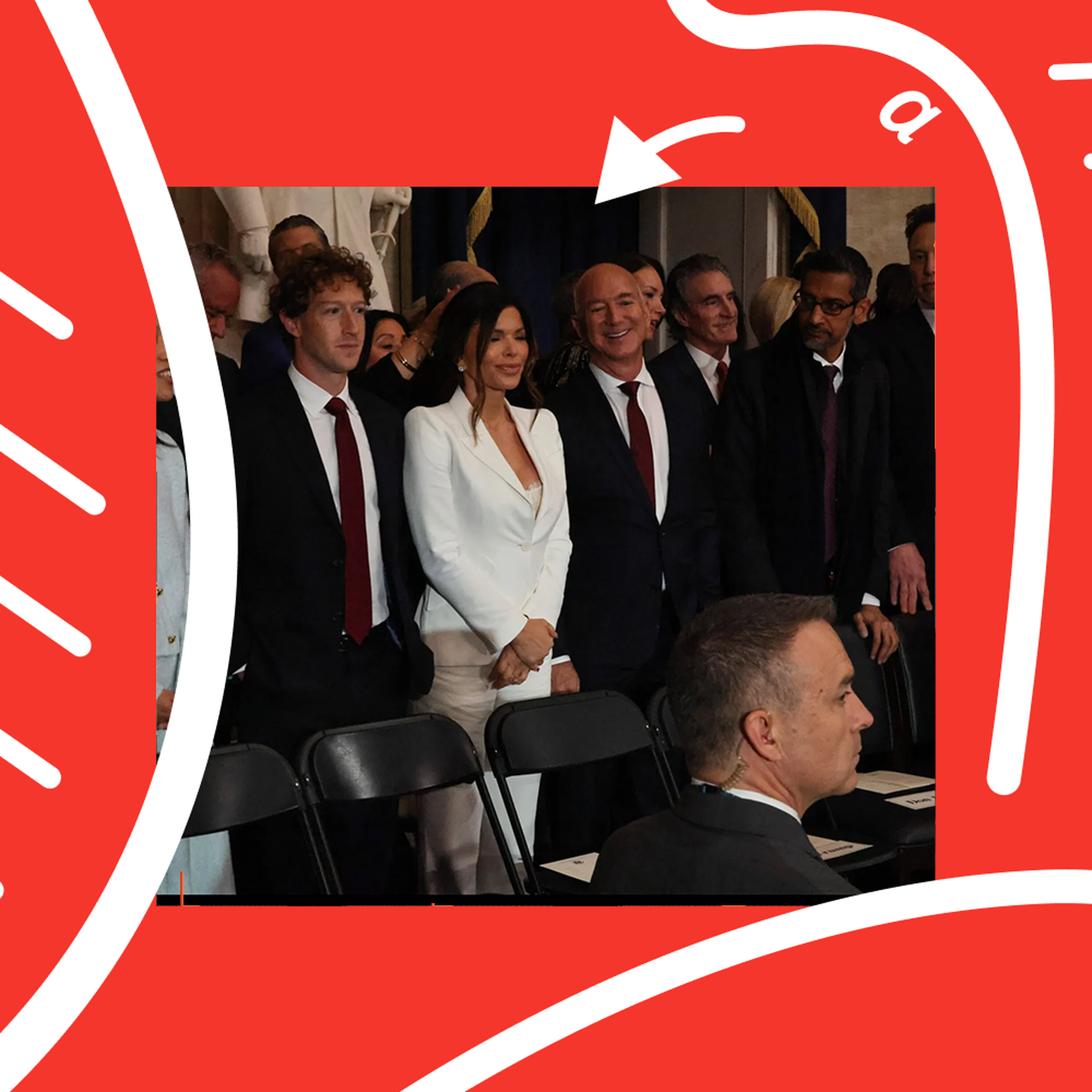
Why Is America Turning Against Big Business?
May 2700:25:18Tap to summarizeA Gallup poll reported last year that just 15% of Americans said they had a great deal or quite a lot of confidence in big business, a record low. Since then, fear of artificial intelligence has made matters worse. So why is big business increasingly unpopular in Donald Trump's America? What does it tell us about the state of the nation and the long-term strength of the world's largest economy? On this week's Trumponomics, host Stephanie Flanders explores those questions with Bloomberg Opinion global business columnist Adrian Wooldridge. He says the root of this malaise may be a US corporate culture that's shifted from genuine risk-taking entrepreneurship toward a mix of oligarchic tech elites and bloated bureaucracies, fueled by market concentration and declining competition. Later, Flanders and Wooldridge explore whether AI will in turn disrupt these dominant firms or further entrench their power — and what the backlash against tech could mean for politics, capitalism and American democracy.See omnystudio.com/listener for privacy information.
Transcribe →