← Truth in the Barrel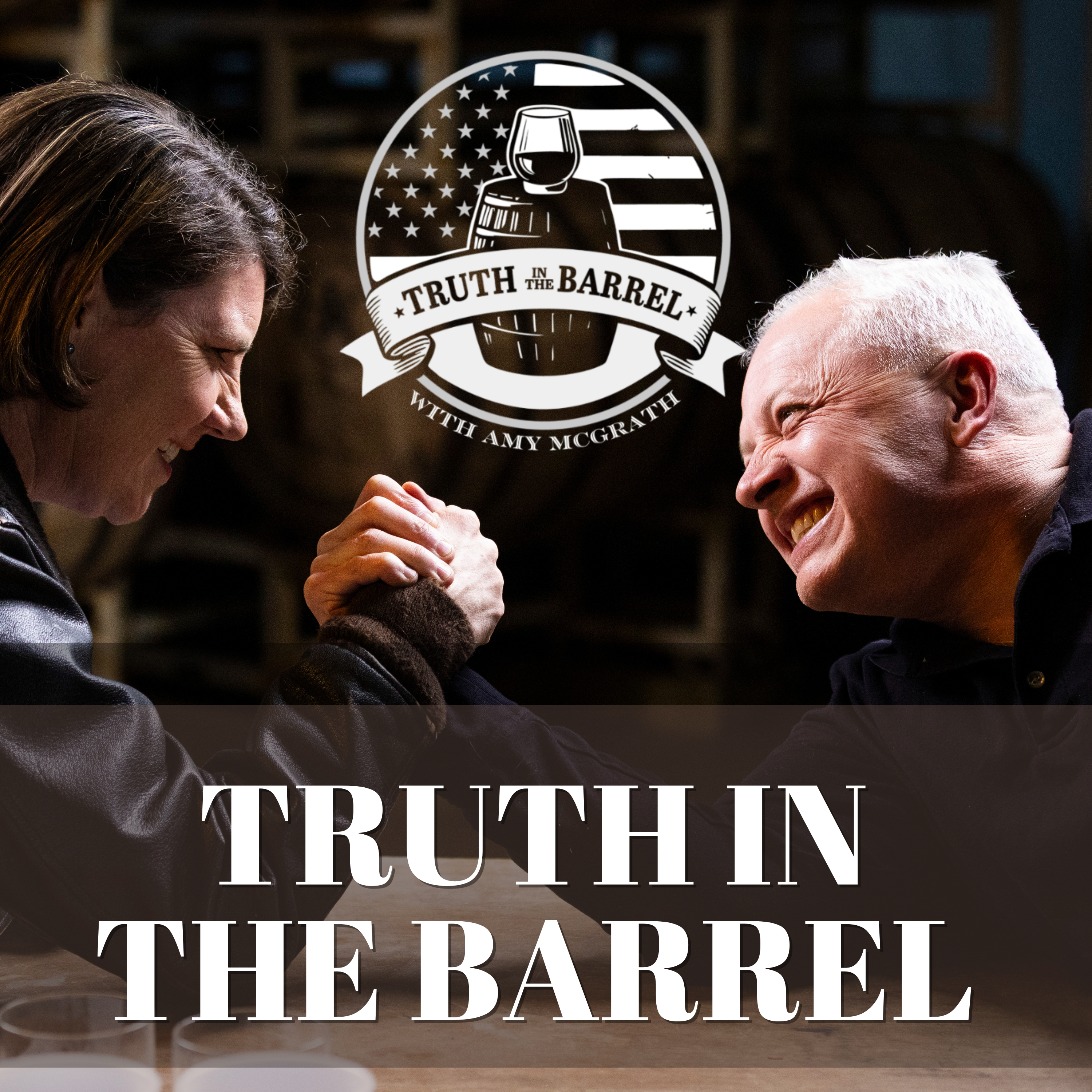
Truth in the Barrel
Small Batch | Tariffs Hit Home
00:09:14
Truth in the Barrel Small Batch Episode : Tariffs Hit Home Our own Denver Riggleman tells Amy McGrath what his own distillery has been going through since President Donald Trump’s tariff stunt. Amy points out that according to her own pocket...
Loading summary
Transcript12 lines
- [00:00]
A
Foreign Hi everyone. I'm Amy McGrath. I'm here with Denver Riggleman and this is Truth in the Barrel Small Batch. Today we are talking about tariffs and how they affect small businesses. And it is no joke. And this is such an important topic. Denver, you run a small business. What is going on?
- [00:28]
B
Amy, I'm not happy. You know, you talk about small businesses and how they're affected. As you know, my wife and I own Silverback distillery here in Affton, Virginia. And we've had to deal with a lot of weird things. You know, when Covid happened, we had all these Covid surcharges and all of our flow downs and all of our supply chain stuff. It almost ended us during COVID with it, with the shutdown the same time. But we were able to sort of get through because we had stockpiled on accident. By the way, it wasn't because we were brilliant. We just were in a really good place before COVID and we had stockpiled and got bottles cheaper at that time, which if you're smart, you'll up your inventory when prices go down. This is economics 101. So anyhow, I get a call from my wife about three days ago. Now we're still paying on many of our. I know, Amy, this is going to shock you. We're actually still paying Covid surcharges from 2021 and 2020 today. So she calls me and she's beside herself and we had just gotten two pallets delivered to us in bottles and she goes, honey, I got to tell you something, I'm like, oh, because we just got retroactive tariff charge. What? Yeah, yeah. Our bottle prices went from 101 a bottle to 155.
- [01:38]
A
So they're preacting, preemptively jacking up the prices on you. Is it because of the uncertainty?
- [01:47]
B
I think when you see instability at this level, talking about tariffs that can affect manufacturing supply chains all over the country, there's absolute terror. There's two things that happen. There's terror from the actual company itself, either on the wholesaler distribution side. Right. On the shipper side. But there's also this profit taking up front that they're going to do on goods that weren't already. Right. Identified with those tariffs. So that's interesting. Right. And we're really angry about it. The issue is, is you, you can't accept, they won't let you accept the bottles unless you pay. There's, it's not like we can, we could just say, oh no, we want the original Price. It doesn't work that way. And you're like, well, why is that so bad? When you're working on small margins, there's a cascading effect to employees. You got a budget. So there's a couple things I can do. Number one, right? We try to. There's three things. We just. We try to go with existing inventory until we think things are going to go better. It's really hard, really hard. Maybe we can make it through. The second thing is you decrease labor, right? You fire people. Yeah, right. Cut jobs. Third thing is you pass the costs on the consumer. Now, we're not even to tariffs yet, but people are like, oh, wait a minute. Tariffs haven't happened. Retail, Denver and Christine, how dare you? We're already getting charged on supply chains. Just not bonds. It's corks. It's shrink wrap, right? People have no idea, right? Corks. Shrink wrap are specialty bottles. Wax labels.
- [03:30]
A
What people maybe don't realize, and I didn't even realize it until now, is, you know, we read about tariffs and, oh, when they go in effect, and this is, this is who they're going to impact. But the reality is it's already impacting because it's the uncertainty of this, like, man in the White House who doesn't know what he's doing, who's just throwing everything into upheaval. And that has cascading effects. Even. Even if. If tomorrow he waved his wand and said, ah, just kidding, I'm not going to do these tariffs. It's already, like, it's already having a damaging effect.
- [04:09]
B
What's he going to do the next day, though? Amy can change his mind again. And, you know, this is a guy who doesn't pay his vendors, right? A guy who I don't actually think understands supply chains. You know, people think car building. Oh, God complex. You know, you think about Ford, Ford, the day that he came out with the tariffs, they had their stupid thing where they came out and said, oh, you could buy our vehicles at employee prices. Prices. Guess what Ford just announced yesterday. We're gonna have to up our prices. We're building stuff like the. The. Come on. Right? The reason they could do that at that second is they were hoping to dump inventory as fast as they could before the tariffs kicked in. So it was again, you know.
- [04:51]
A
You know, then all the, all the mega, you know, Trump people were like, oh, look, it's already working. Look at Ford prices. Smart people are like, yeah, they're working.
- [05:00]
B
All right. I actually saw, I think it was ABC morning news. Amy, talk about Ford doing that because of the terrorist and but are they reporting as heavy and as, as propaganda D. You know, as ridiculously, you know, why did I just think. I don't know why I just thought of Zoolander. But anyway, so I just, I don't understand, you know, the ridiculously good looking. But I don't understand, you know, now the news isn't blaring out the negative news from all this as hard as it was like oh look what happened there. So it's just interesting to me but personally Christy and I had to talk about who to cut if this continues. And people we love, yeah, they don't get it. And if I, I told Chris okay to, to make up 54 cents on a bottle and the small pennies, maybe it's 90 cents to a dollar five more. We're paying on wholesale gross for a bottle, corks, wraps, all that. Do you know how much I have to charge more for a bottle in order to make just that money back? $4. And now start to multiply that over your whole inventory schedule. And I think that's what people need to understand is that small businesses, right. And our business is probably valued. I don't want to say it out but I mean it's in the few millions right. Small businesses that have for us between 20 and 25 full time and part time employees that are working in the manufacturing space with a supply chain line, absolutely devastating. And it's because of economic uncertainty. And when the tariffs hit, we're going to get more charges and then the cascading effect is an absolute nuke.
- [06:36]
A
This, this, this policy is so dumb. But here's something that we, we could actually drink on. Okay. That I think is a positive. Recently a group of small business owners have filed a lawsuit this past week arguing that Donald Trump is that these tariffs are illegal. Governor Gavin Newsom in California has filed a lawsuit arguing the President does not have the power under the Constitution to enact these tariffs. And actually you know what? I pulled out my pocket Constitution the other night because I was thinking the same thing because you know, I taught the Constitution. I thought to myself, gee, nowhere do I ever remember the President in Article 2 having any of these powers. So I looked up Article 1, Section 8 in the US Constitution actually says that Congress has the power to quote, lay and collect taxes, duties, imposts and excises, and grants Congress the power to regulate commerce with foreign nations. And also that all relates to tariffs. In addition, Congress Article 1, Section 9, that clause prohibits states from imposing tariffs on imports and exports without the consent of Congress. So here's the thing. Nowhere does it say the president has this power. All of the powers reside within Congress. So in my mind, all of these lawsuits are going in the right direction. It's just a matter of one, will the courts read the Constitution, and then two, will our president follow it?
- [08:19]
B
Well, maybe the Tickle Me Elmo Congress shouldn't roll over and show their belly to Trump and give away all of their article on responsibilities to somebody who doesn't know what he's doing. And I think that's where we're at. And, Amy, I want to say one thing. Thank you for, Karen, for doing this small batch for me to show people how tariffs affect real businesses and real people and how it can affect people's lives in a way that people cannot understand unless they're running a business with a supply chain issue and tariffs that affected. And for that, ma'am, cheers to you. Amazing. Thank you. And I tell you what, if people aren't actually subscribing to the show on YouTube or they're not downloading us on their favorite pod, they don't get to drink with us anymore.
- [09:05]
A
And we got.
- [09:08]
B
We got a lot more coming. Amy, it's good to see you. Thanks. Cheers.