
Podcast
Turan Tales
Hosted by Agnieszka Pikulicka · EN
Turan Tales is a weekly podcast covering underreported stories of people, politics and social change in Central Asia by journalist and author Agnieszka Pikulicka
turantales.substack.com
turantales.substack.com
24episodes
Episodes
Newest firstAll episodes
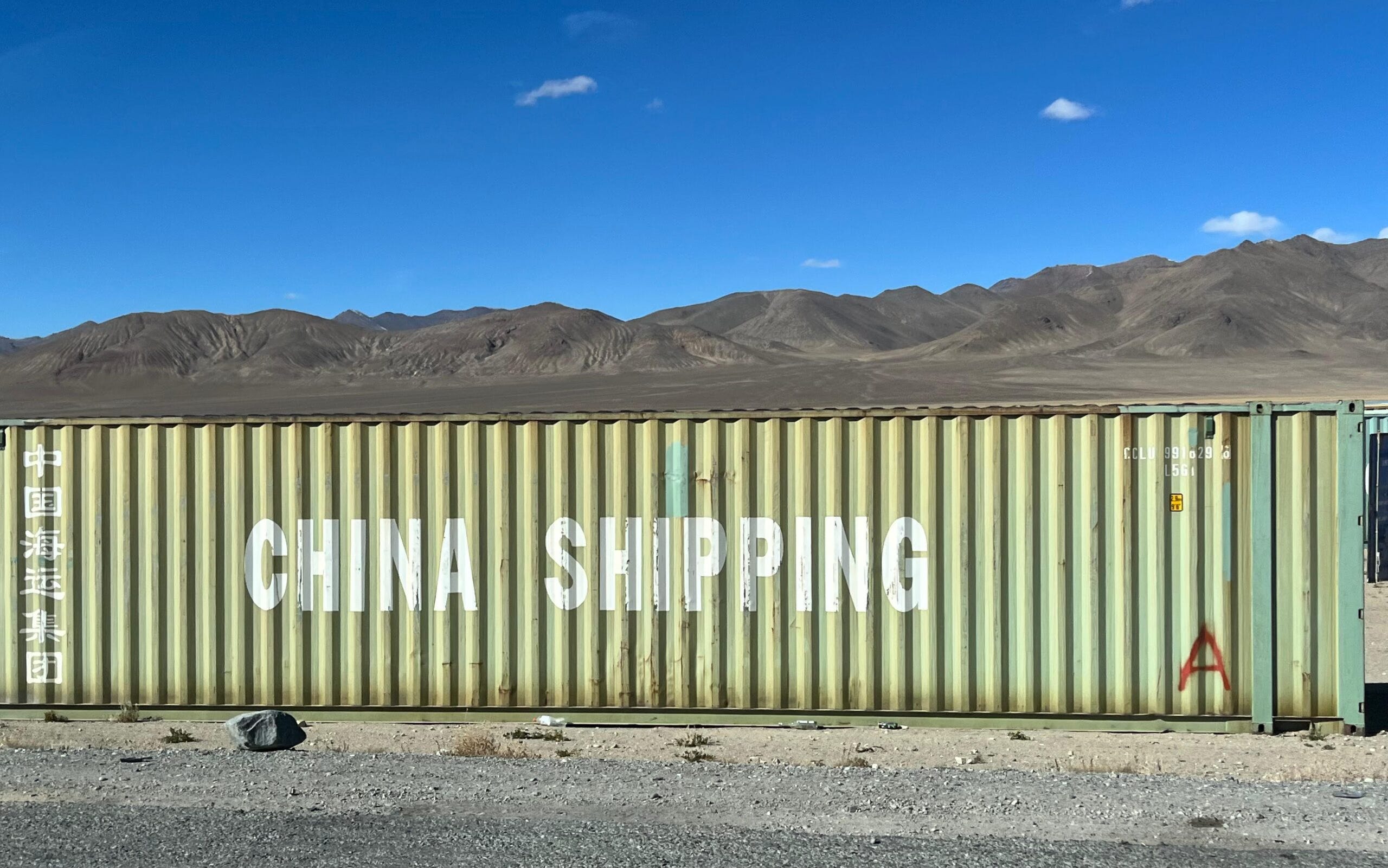
Episode 44: Why does China have an image problem in Central Asia?
3d ago00:39:18Tap to summarizeChina’s presence is increasingly visible across Central Asia. Chinese-made electric vehicles are becoming more common on the roads, Chinese companies are investing in the local markets, and more young people are choosing to study in China.Yet research by Edward Lemon and Bradley Jardine found that China is viewed less favourably than any other major power in Central Asia. Why is that? How has Beijing responded to the challenge? And how important is Central Asia to China’s Belt and Road Initiative?To answer these questions, we're joined by Ed Lemon, co-author of Backlash: China’s Struggle for Influence in Central Asia, Research Assistant Professor at the Bush School of Government and Public Service at Texas A&M University and President of the Oxus Society for Central Asian Affairs. Get full access to Turan Tales at turantales.substack.com/subscribe
Transcribe →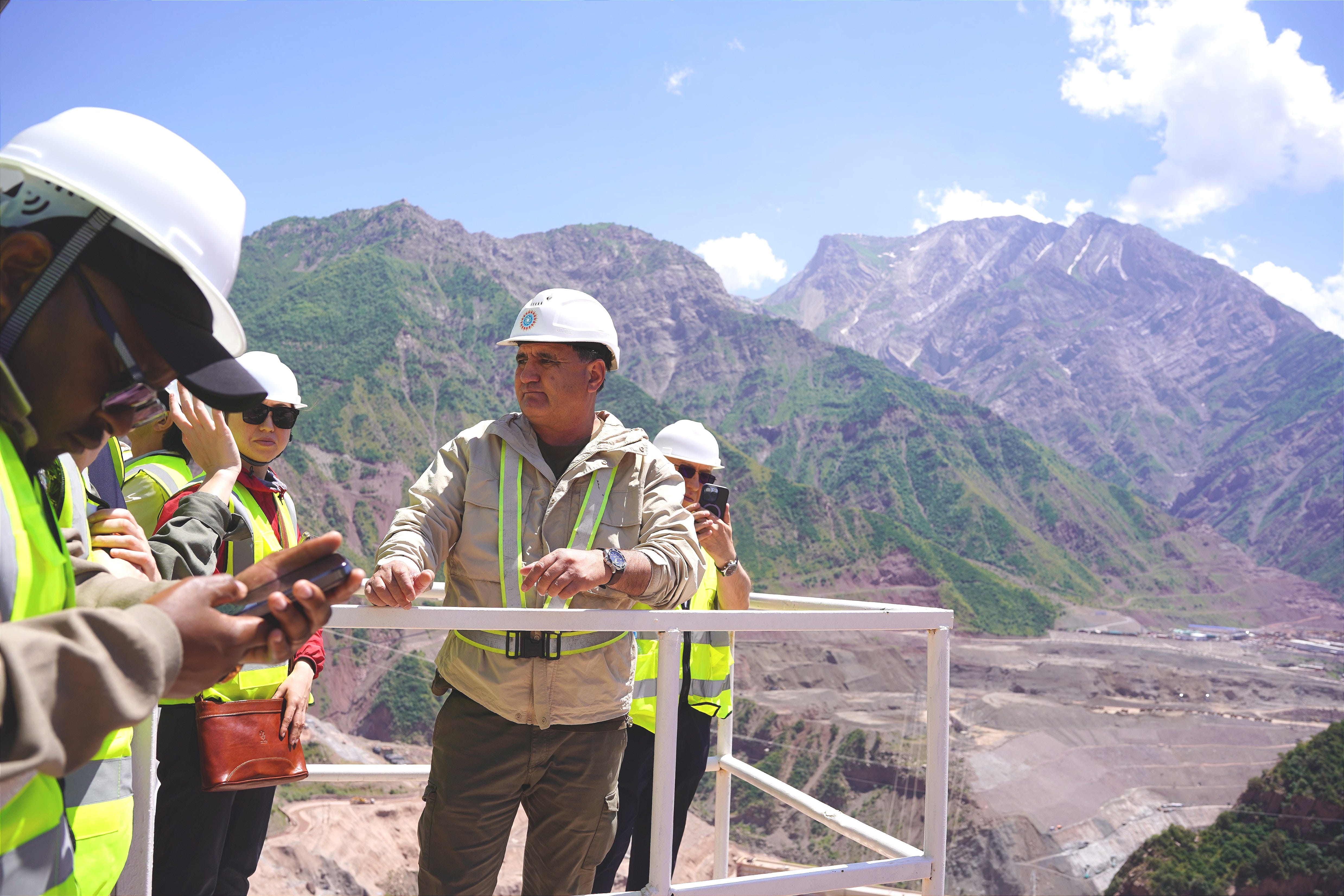
Can Tajikistan fix Central Asia’s water crisis?
Jun 2500:32:32Tap to summarizeTajikistan has emerged as a leading advocate for global water cooperation. Yet as the water crisis worsens across Central Asia and beyond, finding solutions has become increasingly urgent. Get full access to Turan Tales at turantales.substack.com/subscribe
Transcribe →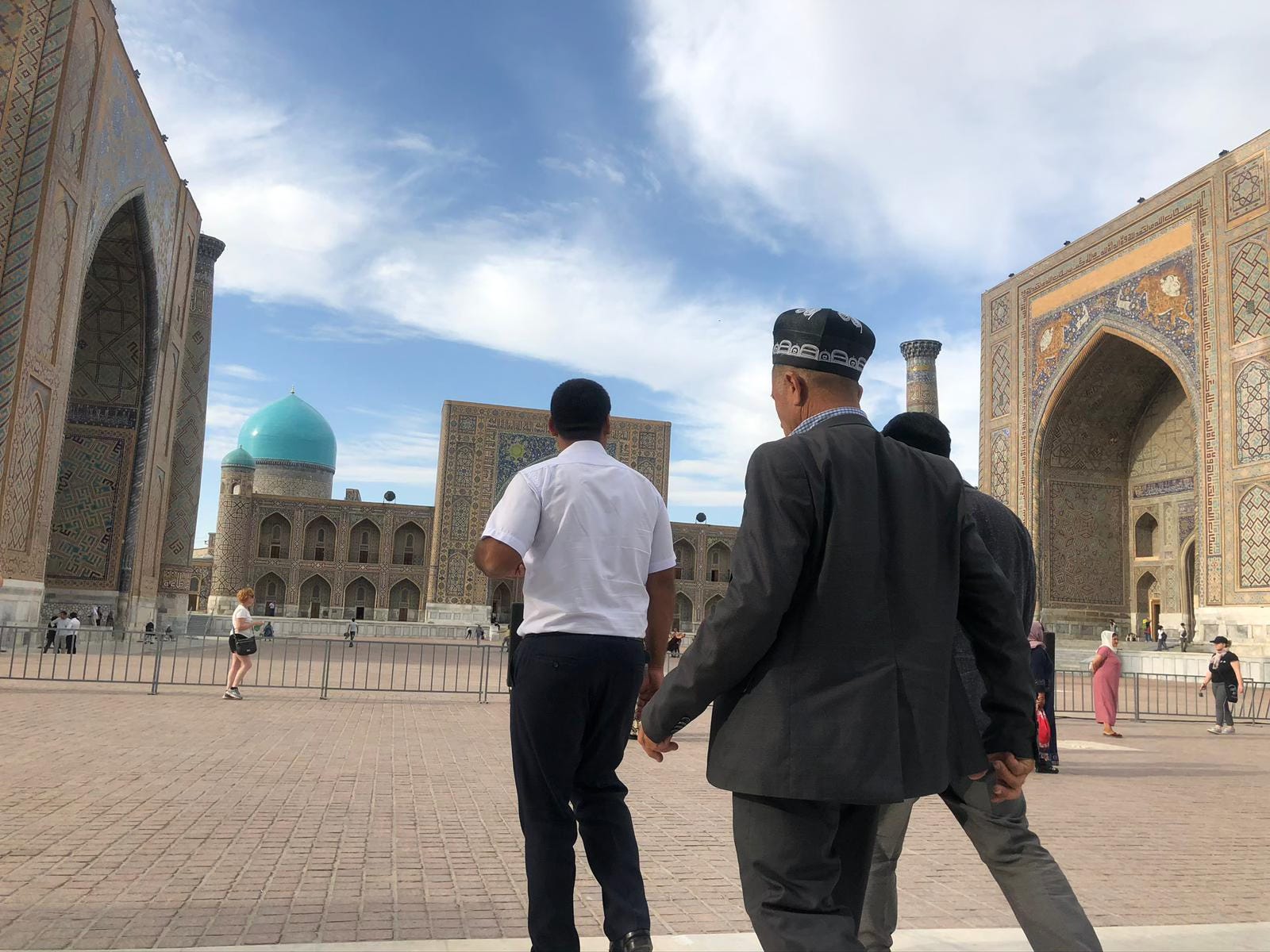
Episode 43: Has Islam ever posed a threat to the Uzbek state?
Jun 1800:44:22Tap to summarizeIn the last interview before the summer break, we speak with Bagila Bukharbaeva, the author of The Vanishing Generation: Faith and Uprising in Modern Uzbekistan. We discuss Uzbekistan’s turn toward religion, unpack the events that led to the Andijan massacre, and examine whether religion has ever posed a genuine threat in the country. We also talk about Bagila’s own experience covering her community, which ultimately led to a years-long ban on her entering Uzbekistan. Get full access to Turan Tales at turantales.substack.com/subscribe
Transcribe →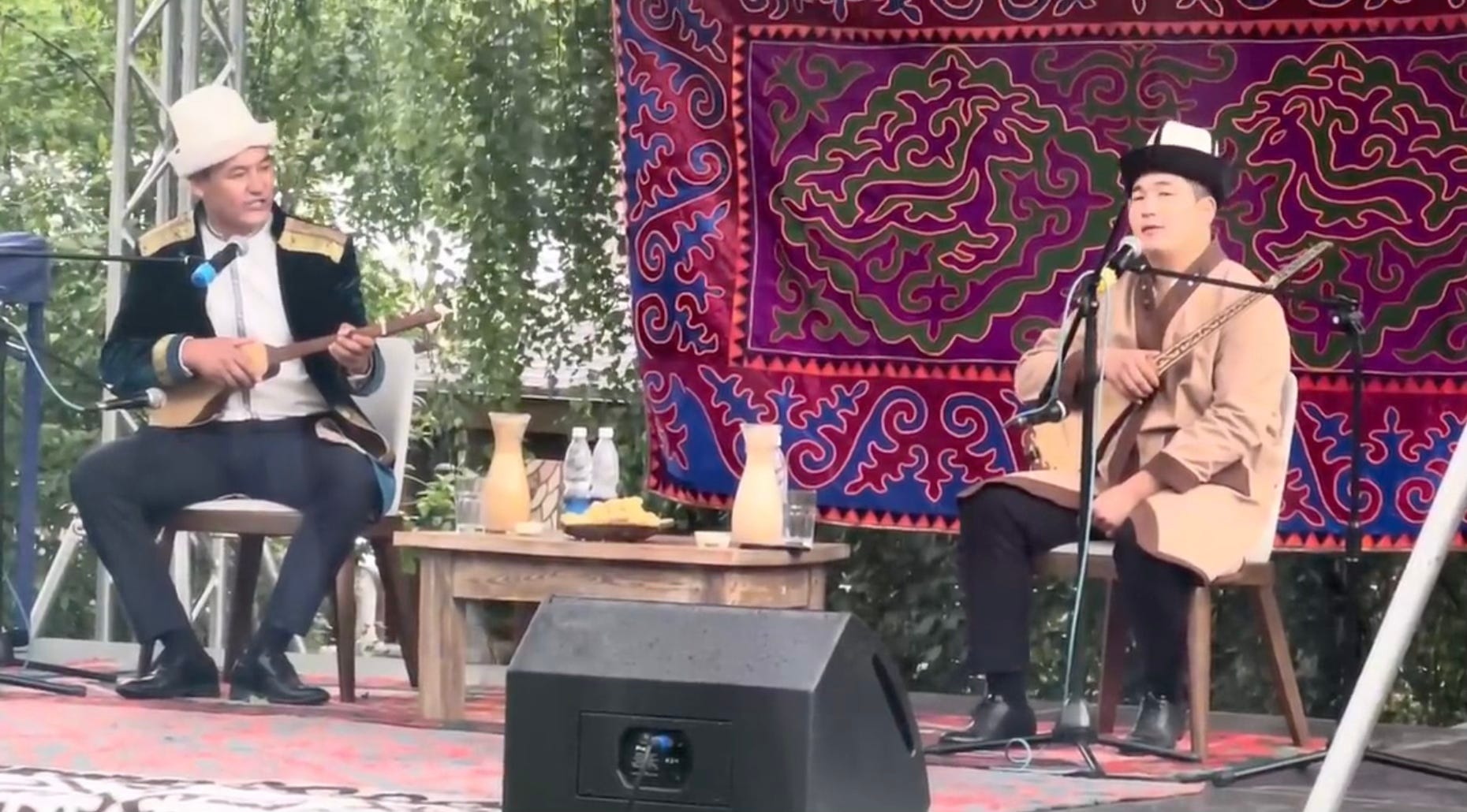
Episode 42: Why Central Asia still needs akyns - the poets who speak truth to power
Jun 1100:37:50Tap to summarizeThis week, we discuss the craft of akyns and aitysh, their poetic duels. We look into the history of this art form, its historical functions, and how these have changed during the Soviet era and since the collapse of the USSR. We also examine the social significance of aitysh and the differences between traditional akyns and those who have turned to journalism.Joining us is Akylai Otkulbek kyzy, a Kyrgyz researcher who focuses on aitysh as a living civic and epistemological practice. She holds a MA degree in International Public Policy from the University of Tsukuba, Japan, and an MA from the OSCE Academy in Bishkek. Get full access to Turan Tales at turantales.substack.com/subscribe
Transcribe →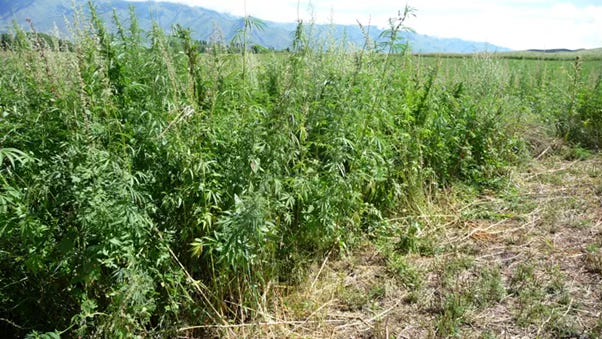
Episode 41: Hashish and survival in rural Kyrgyzstan
Jun 400:32:42Tap to summarizeThis week, we look at cannabis economy in Kyrgyzstan: how the harvesting began, who benefits from it, and how local authorities respond to the phenomenon. Is there any incentive in Kyrgyzstan to legalise the crop? Joining us is Gulzat Botoeva, Associate Professor of Criminology at Swansea University and an expert on illegal economies in Eurasia, including cannabis production in Kyrgyzstan. Get full access to Turan Tales at turantales.substack.com/subscribe
Transcribe →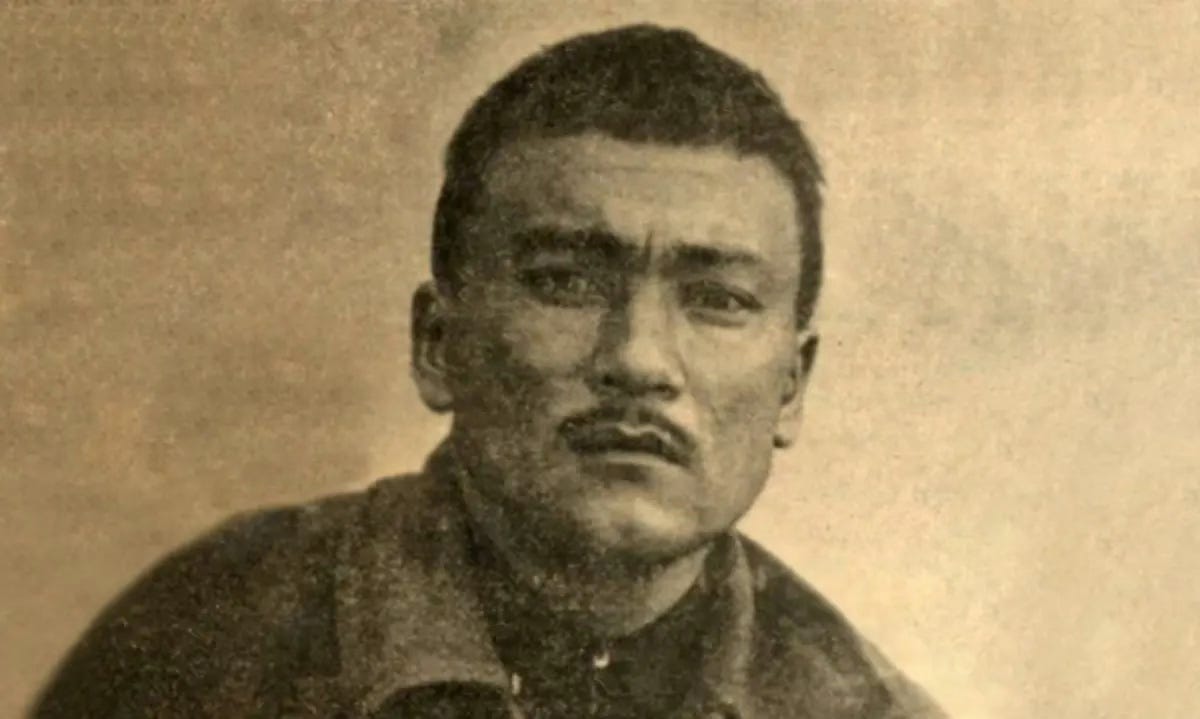
Episode 40: Abdulla Qodiriy's "Bygone Days" and the fight for intellectual property rights
May 2800:46:16Tap to summarizeThis week, we're joined by Mark Reese - translator of Abdulla Qodiriy's Bygone Days from Uzbek to English, academic and entrepreneur. We talk about the cultural and social significance of Bygone Days, the message it conveyed about the past, present, and future of the region, and the lessons we can draw from it today.We also discuss his early days as a Peace Corps volunteer in Uzbekistan, his love for Uzbek language and literature, what he thinks about Mirziyoyev’s reforms, and why he decided to fight for the rights to his translation in court. Get full access to Turan Tales at turantales.substack.com/subscribe
Transcribe →
Episode 39: What cinema can tell us about Central Asia
May 2100:45:48Tap to summarizeThis week, we’re diving into the fascinating history of Central Asian cinema and the ways Central Asia and Central Asians have been portrayed in foreign films. We’ll explore colonial tropes in portrayals of the region during Soviet times, how these representations influenced Central Asians’ self-image, and how they changed after the fall of the Soviet Union.We’ll also talk about different waves in Central Asian cinema throughout the 20th century and into the present day.Joining us is the best possible person to discuss these issues: Assiya Issemberdiyeva. She is a Kazakh film critic and researcher currently completing her PhD at Queen Mary University of London, where her thesis examines representations of Central Asia in Soviet wartime cinema. Get full access to Turan Tales at turantales.substack.com/subscribe
Transcribe →
Iya’s lifelines: A Jewish journey to survival in Central Asia
May 1300:38:03Tap to summarizeIn the 1940s, Tashkent became an unlikely centre of Yiddish culture as Eastern European Jews were evacuated to Soviet Central Asia during World War II. Yet the story has remained largely forgotten. Get full access to Turan Tales at turantales.substack.com/subscribe
Transcribe →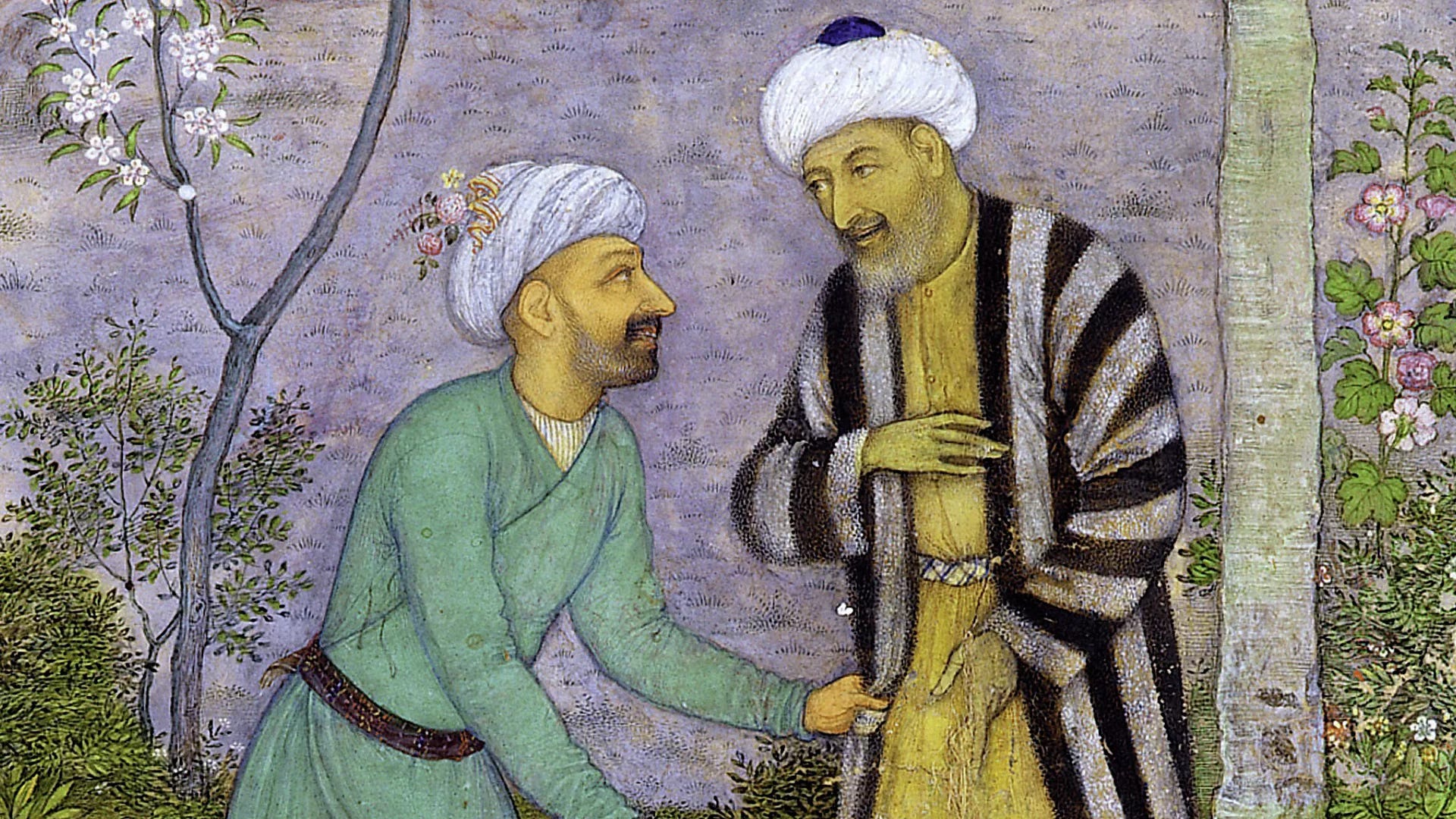
Episode 38: Inside Turan. The Persian legacy in Central Asia
May 100:44:05Tap to summarizeThe word Turan, which appears in the title of this podcast, has Persian linguistic and literary origins -- something we’ll be talking about today. We’ll look at Persian influences in Central Asia, how the language spread across such faraway lands, why Persian culture became so fashionable, and how this influence eventually faded. Joining us is Ruben Nikoghosyan, a lecturer in Middle, Classical, and Modern Persian language and literature at the Ferdowsi School of Persian Literature, which he founded. Get full access to Turan Tales at turantales.substack.com/subscribe
Transcribe →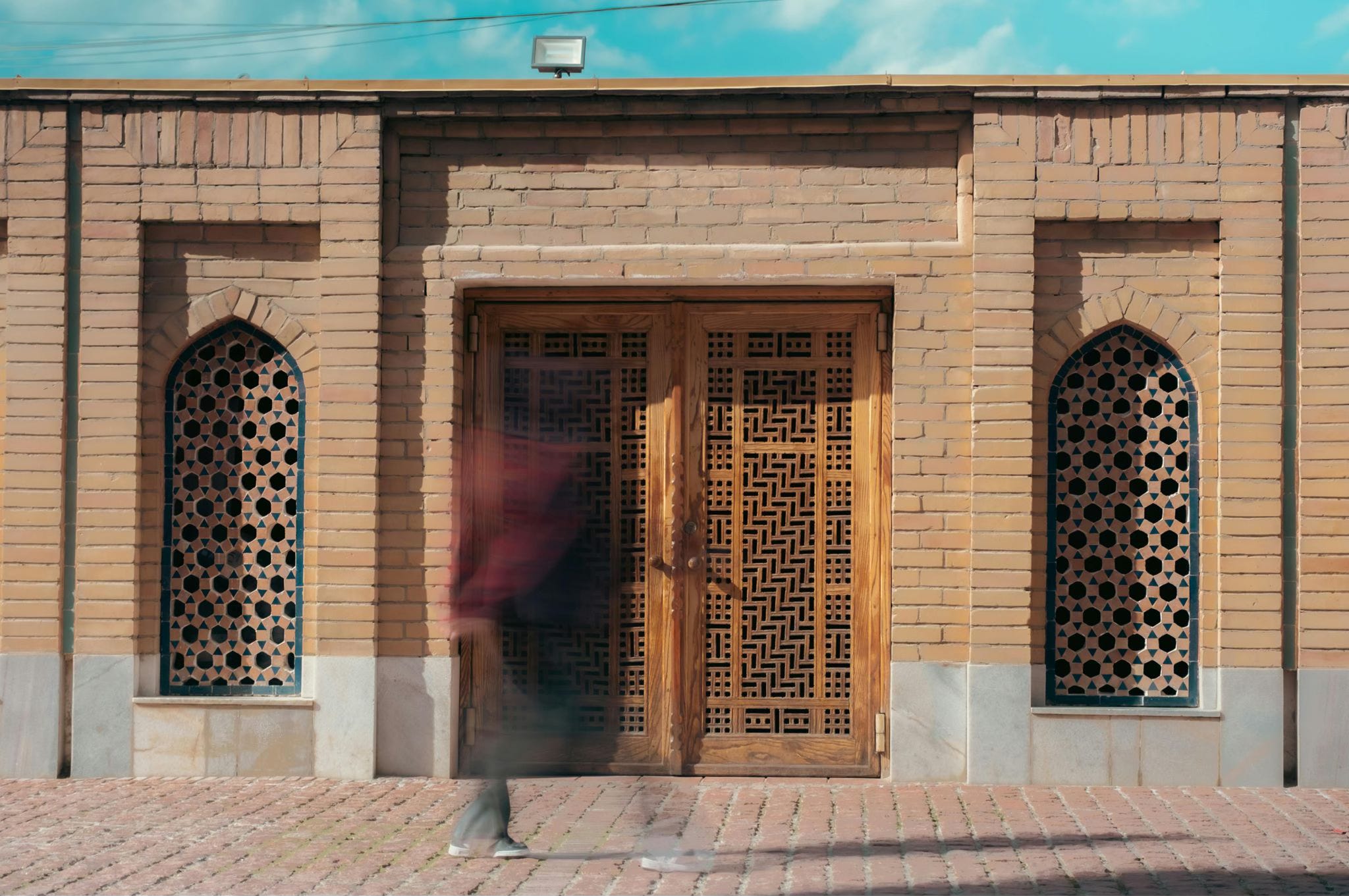
Episode 37: What has become of Russia's Wartime exiles in Central Asia?
Apr 2400:44:11Tap to summarizeThis week, we look at Russian wartime migration into Central Asia: how it unfolded, what motivated Russians to choose the region as their destination, how they rebuilt their lives there, and how this movement has reshaped Central Asia.Joining us is Yan Matusevich, a journalist and Ph.D. candidate in cultural anthropology at the Graduate Center of the City University of New York. His doctoral research focuses on the experiences of Russian exiles who have relocated to Central Asia since Russia’s invasion of Ukraine. Get full access to Turan Tales at turantales.substack.com/subscribe
Transcribe →