← Under the Influence with Terry O'Reilly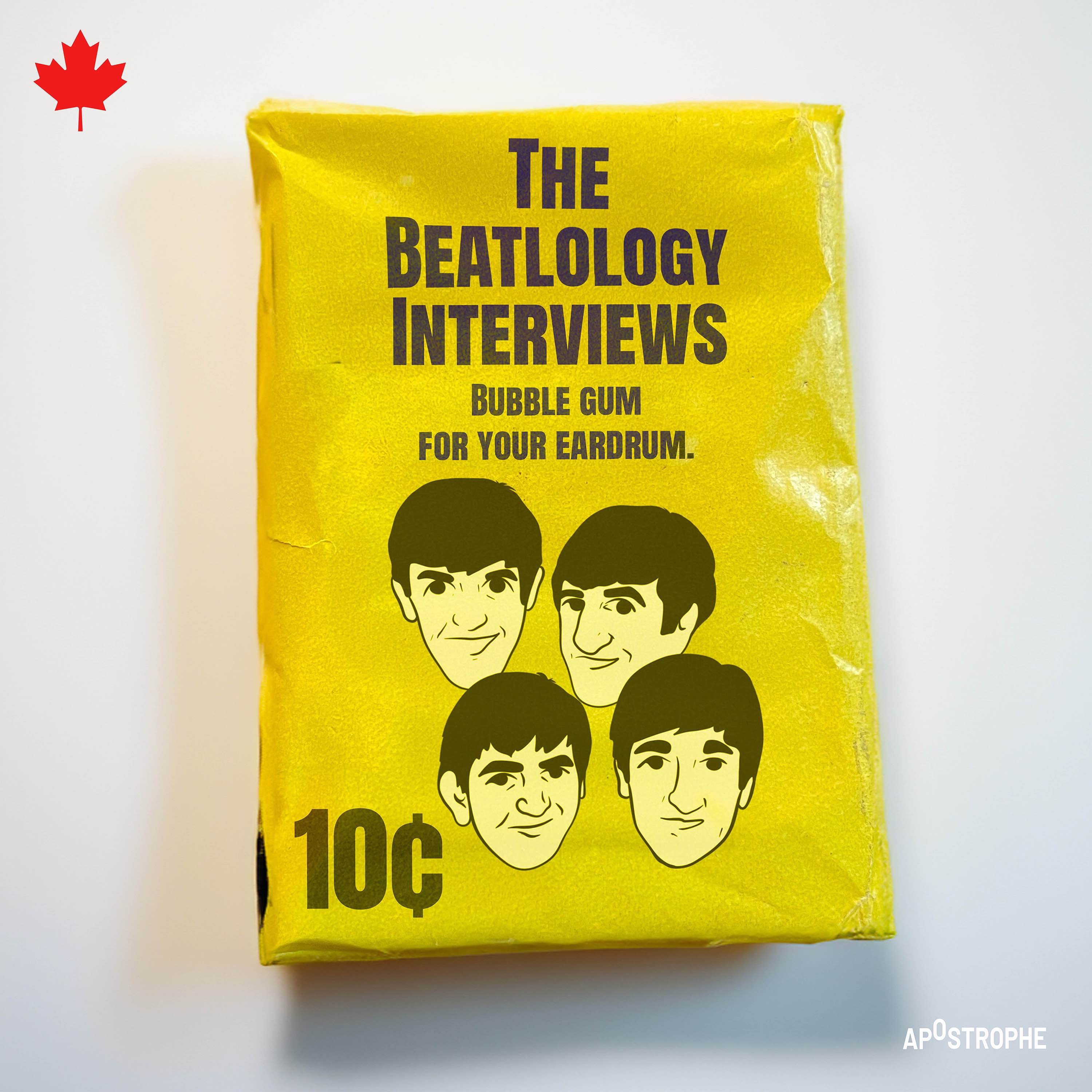
Under the Influence with Terry O'Reilly
Double Fantasy Guitarist Earl Slick Talks About Lennon
00:51:09
December 8th is the 45th anniversary of John Lennon’s death. In this very revealing interview, I talk with Earl Slick, guitarist on Double Fantasy. Earl talks about recording John’s final album, Len…
Loading summary
Transcript167 lines
- [00:01]
Aramco Narrator
Who drives the world forward? The one with the answers or the one asking the right questions? At Aramco, we start every day by asking how? How can innovation help deliver reliable energy to the world? How can technology help develop new materials to reshape cities? How can collaboration help us overcome the biggest challenges? To get to the answer, we first need to ask the right question. Search Aramco Powered by How Aramco is an energy and chemicals company with oil and gas production as its primary business.
- [00:31]
American Red Cross Announcer
This holiday season, millions of families will pack their bags, load up the car, and head off for a family vacation. But not every trip is going to be somewhere fun. The American Red Cross responds to about 7,000 emergencies during the holiday season alone, from home fires to natural disasters, providing families a safe place to go when the unthinkable happens. But they can't do it without your support. Please donate@redcross.org Most people overpay for car.
- [01:02]
Jerry Insurance Advertiser
Insurance not because they're careless, but because switching feels like too much hassle. That's why there's Jerry, your proactive insurance assistant. Jerry compares rates side by side from over 50 top insurers and helps you switch with ease. Jerry even tracks market rates and alerts you when it's best to shop. No spam calls, no hidden fees. Drivers who save with Jerry could save over $1,300 a year. Switch with confidence. Download the Jerry app or visit Jerry AI Acast today.
- [01:34]
Earl Slick
This is an apostrophe podcast product.
- [01:55]
Beatlolology.
- [02:06]
Interviewer (Terry O'Reilly)
Today we talk to Earl Slick, one of the great rock guitarists and one of the most in demand session men. He played with David Bowie for years, from the Diamond Dogs tour to young Americans to Station to Station to many later albums. But today we talk to Earl Slick about his time with John Lennon. He was one of the two lead guitarists on Lennon's last two albums, Double Fantasy and Milk and Honey. Earl was born in Brooklyn, New York. He lived there until he was around 12. Then his father bought a house on Staten Island. But Earl hated it there and still considers himself a Brooklyn boy. His parents didn't play any instruments, but there was always music in the house. His father was a cop with crazy hours, but on his days off he played Glenn Miller, Tony Bennett, and Sinatra bands from the 40s. Earl's mother, who also grew up in Brooklyn in the 30s and 40s, listened to country music, specifically Patsy Cline. And that's where the guitar bug got into Earl's ear at a young age. But in 1964, his world changed. Where were you, Earl on February 9, 1964, where were you?
- [03:26]
Earl Slick
I was in my parents house, sitting on the couch, staring at the TV, waiting for it to turn 8 o'. Clock. When Ed Sullivan came on to see the Beatles, it's exactly where I was.
- [03:36]
Interviewer (Terry O'Reilly)
And how did that affect you?
- [03:38]
Earl Slick
It was the weirdest thing because, you know, we are so drenched and oversaturated with all kinds of sensory input now. Wasn't like that then. So when something like that happened, we weren't jaded at all. So when we saw that some weird infected every kid that I knew the next day and we all went to school and it's all anybody was talking about. And I hadn't learned guitar yet, most of my friends didn't play. But literally the next day after that Beatles appearance on Ed Solomon show, we were already putting bands together. Nobody plays. Okay. You're going to be the drummer, you're going to be the bass player. Yeah, it was profound.
- [04:20]
Interviewer (Terry O'Reilly)
And when did you pick up a guitar then? How long after?
- [04:23]
Earl Slick
A timeline, it's a bit fuzzy, but I would say it took me about five or six months to pound my father into submission to buy me a guitar. I mean, I was 12, I hadn't had a job yet, you know. Yeah, I would say the summer of 1964, I started playing, but I also was playing baseball because my goal, until the music bit me in the ass was I was going to be on the New York Yankees. That was my dream. And I played ball all the time. And that summer, you know, when kids play ball, they're not as careful as adults, they throw bats. And I broke a finger that summer and I couldn't play my guitar for like a month. And then I made kind of a decision at one point that was it for the baseball.
- [05:09]
Interviewer (Terry O'Reilly)
Ah. And then it was just music.
- [05:11]
Earl Slick
Yeah.
- [05:16]
Interviewer (Terry O'Reilly)
Before we get to Double Fantasy, I want to ask you about the Beatles for another moment. The progression from Rubber Soul to Revolver to sergeant Pepper just fascinates me. It's like warp speed, right. Like when you look at those three albums, what do you think, Earl?
- [05:30]
Earl Slick
You know what? From my own experience, right. Where my most successful art came from, whether it be my playing or my writing or anything, I always peak when it's 24 hours a day. And that's what they did, those two guys. I mean, I've seen some recent interviews with McCartney about every time they got together, the rule was we come out with at least a song. And that's what they did. You know, when it comes to writing, you have to treat it in A way, like if you would go work out to get in shape, you can't do it once in a while, you know what I mean? Every day. Every day. And I think that's what happened also. I think that there was anomalous thinking in those boys heads, because even if you spent that much time writing and doing everything for it to progress like that, it's something going on in the way they were thinking for it to go in those directions.
- [06:31]
Interviewer (Terry O'Reilly)
What about the genius of George Martin, too?
- [06:34]
Earl Slick
Oh, God, yeah. I mean, yes. When it comes to record producers, you know, you ask anybody in any band how many record producers that you've gone through in your career, and how many of them were terrible. And there's always one or two good guys. They got lucky because considering the. That George Martin was the kind of guy, when he engineered, he wore a lab coat like they used to do in those days. And he was a totally a corporate guy, but he could see something that other people couldn't see, plus his instincts. How do you take an acoustic version of Strawberry Fields and turn it into an acid trip psychedelic piece of music? How do you do that?
- [07:11]
Interviewer (Terry O'Reilly)
Or how does he listen to a song like Tomorrow Never Knows and say, I get it?
- [07:15]
Earl Slick
Yeah, absolutely. You know, think about that. It wasn't just edgy, it was from other planetary at that time. That track, that particular track was the first one that was really like that avant garde.
- [07:30]
Interviewer (Terry O'Reilly)
It's interesting too, Earl, how history converged to help the Beatles in that, you know, Kennedy was assassinated. Very dark period in time. And then the reason George Martin got assigned to the Beatles was he was having an affair with someone at Abbey Road. And his boss was so angry and appalled at the fact he was having an affair that as punishment, he assigned George to audition the Beatles.
- [07:56]
Earl Slick
I never heard that before. That's a great story, and that's great punishment. Yeah, I mean, we're gonna punish you and you're gonna become the biggest producer in the world and filthy rich.
- [08:07]
Indeed Advertiser
I know.
- [08:07]
Earl Slick
Yeah. Like, where do I sign up?
- [08:15]
Interviewer (Terry O'Reilly)
Earl Slick was actually born Frank Mandaloni. He got his stage name one night when he was playing in a band called BoJack. In the Mandaloni household, it was a mix of Italian and Brooklyn accents, so words like boil sounded like burl and oil sounded like earl. One day on the news, Frank saw that a ship had spilled oil in the New York harbor. When he arrived at the gig later that night, he told the band all about the ship accident. The more excited Frank got talking about this Earl Slick, the more the lead singer Laughed out loud. Finally the singer jumped up and said, it's Oil Slick, not Earl Slick. Frank just shrugged his shoulders. That night when the lead singer was introducing the band, he introduced Frank as Earl Slick. Earl kind of liked the sound of it. And that night he was Frank Mandaloni no more. So Earl became Oil and Oil became Slick. Oil Slick, Earl Slick.
- [09:17]
Earl Slick
Bingo.
- [09:24]
Interviewer (Terry O'Reilly)
Jack Douglas had been an assistant engineer on Lennon's Imagine album and had worked on two of Yoko's records. So he already had a relationship with the Lennons. One day Yoko arranged for Douglas to be flown out to Glen Cove on Long island in a seaplane which which landed right on the beach in front of the Lennons home. There, Yoko gave him an envelope that said for Jack's ears only. It was filled with cassettes of John and Yoko song demos. She told Douglas that John was going to call him once he listened to the tapes. John wasn't sure if the songs were any good. He even narrated the cassette saying things like, here's another one. Same old crap. But Douglas thought the songs were amazing and wondered if he could even top the sound of the demos. Douglas then booked time at the Hit Factory recording studio in New York under the name Rich DePalma. Nobody knew who that was. It turned out to be the name of the Lennon's accountant. It was a code name for the Double Fantasy sessions. Let's talk Double Fantasy. So how did you come to play on that album?
- [10:36]
Earl Slick
It's kind of an odd thing because my manager got a call from Jack Douglas about this record he was doing. And it wasn't like we have to talk to you about it. It was like they want me to do it right. But he didn't tell my manager who it was.
- [10:49]
Interviewer (Terry O'Reilly)
But Earl had a hunch it was Lennon. There had been a rumor floating around that he was back in the studio after a five year hiatus.
- [10:59]
Earl Slick
From what I understand from both John and Jack Douglas was that because of my work on Young Americans With Fame and that stuff, Lennon is on his memory of recording. That is why he wanted me there. Because the rest of the band were the cream of the crop. Session guys. You know, Hugh McCracken on guitar. I mean, I was doing down and dirty stuff and blues and it was good having Huey. But everybody was pretty much a very successful session guys talking about playing with top guys. They were the cream of the crop. John wanted one guy in there who was from a rock and roll street band to offset the session guys. So Jack Douglas referred to me as the wild card. And that's why I was there.
- [11:46]
Interviewer (Terry O'Reilly)
Many of Yoko's decisions were made with the help of numerology and astrology. I wondered if Earl and the band had to be vetted by Yoko and. And if they had to submit their birth dates to her.
- [11:59]
Earl Slick
She did, she did. I'm not sure if she had done it on Double Fantasy. I'm not sure about that. So there was Double Fantasy and Milk and Honey were all one big session. So Double Fantasy became his first picks. And then we had these leftover tracks that we were going to finish in January of 81, but that didn't happen. So those were released as they were. Then in March of 81, went in the studio with Yoko to do the Season of Glass record with the same exact band from Double Fantasy. And then about a year later or so, she wanted to do another record. So she called me and I said, yeah, I'm around, I can do it. So they flew all my gear to New York and I get a phone call about a week later saying that I wouldn't be doing the record. And then I said, what's going on? And then they talked about the numbers thing, the numerology with Yonko. So I spoke to her and she said that something's not good's going to happen if you do this.
- [12:55]
Interviewer (Terry O'Reilly)
Oh.
- [12:56]
Earl Slick
So they shipped my gear back and she sent me a nice big fat check with an apology. So, yeah, she was still doing it.
- [13:06]
Interviewer (Terry O'Reilly)
I thought it was interesting that Jack Douglas said that Lennon wanted contemporary musicians around him, his age, more or less, so you would have the same reference points. He didn't want kids in the room.
- [13:17]
Earl Slick
Right. I was the kid.
- [13:19]
Interviewer (Terry O'Reilly)
You were the kid.
- [13:20]
Earl Slick
I was the kid because Hugh McCracken was around his age, Tony Levin pretty close to his age. Andy Newmark's my age. Well, I was born at 51 and John was born at 40, so there was 11 year difference.
- [13:37]
Interviewer (Terry O'Reilly)
You said something I thought was also interesting, Earl, you said sometimes good news comes with a lot of anxiety. So when you got the call that you were going to play with Lennon, you said that it made you a little bit anxious.
- [13:49]
Earl Slick
No, actually I was fine until the night before the first day of recording. And then it happened. Yeah, and it really took me by surprise because I'm not like that, you know, even when I met Bowie and even with David, I mean, at the time, that was my first introduction at that level. So I was hanging out with people like Steve Marriott and Keith the Moon, you know, and all this. So I was used to that. But there was something about John, probably because out of the Beatles, I latched on to John. You know, everybody had their beat. Oh, are you a John guy? Are you a Paul? I was a John guy, and even with his Solar Records, you know, So I think that might have something to do with it.
- [14:34]
Interviewer (Terry O'Reilly)
Did you rehearse first at the Dakota before you moved over to the hit Factory?
- [14:37]
Earl Slick
I didn't. They did. John didn't want me there because he wanted me to get a fresh take on the stuff. He didn't want me to know the ins and outs of it like he did with the other guys.
- [14:54]
Interviewer (Terry O'Reilly)
When Earl Slick met Joan on the first day of recording, he noticed that Lennon was tanned and his hair was long, like on the Abbey Road cover. Lennon was also taller than Slick expected. Lanky. When you first met John, you had a funny little moment with him, right?
- [15:11]
Earl Slick
Yeah.
- [15:12]
Interviewer (Terry O'Reilly)
Tell me that story.
- [15:13]
Earl Slick
I don't know who you are. Moment. Yeah. Out of my sort of little bit of nervousness that I had on that first day, I got there early. I thought, you know what? David never showed up in the studio until hours late. So I just figured John was like that. So I got there early. I'll get there before he gets there. That way I can have a smoke and a cup of coffee and relax and gather up my anxiety. And I walked in the control room. Every place was empty. And I looked from the control room into the live room, and he was sitting in there all by himself. So I went and introduced myself and it gives me the, oh, it's good to see you again. And I was a little bit like we met. And he went through this whole thing about recording fame and everything. And that's the only period in my life that Young Americans record. Because, you know, I worked for, what, almost three years on my autobiography, the one that came out on Penguin in May. And I remember details about everything. I mean, I could describe almost day to day, station to station and the Diamond Dogs or all that. For some reason, there's big blank spots in that Young Americans period, and one of them was when I worked with John Lennon.
- [16:27]
Interviewer (Terry O'Reilly)
So there's a chance you might have met him.
- [16:29]
Earl Slick
You know what? If you're going to really blow it, you might as well go the whole hog.
- [16:35]
Exactly.
- [16:38]
Interviewer (Terry O'Reilly)
Lennon got a kick out of the fact Earl didn't remember meeting him, because that didn't happen very often to the Ex Beatle. It became a running joke during the entire Double Fantasy recording sessions. They would be in the middle of a take and Lennon would turn to Earl, look over his glasses and say, you remember me now.
- [17:04]
When we come back, we'll talk about why the Double Fantasy recording sessions were so top secret.
- [17:21]
Trivia Host
Trivia Question in the days following 911 radio stations made a list of 100 songs they felt were lyrically inappropriate to air in the aftermath of the tragedy. There were four Beatles songs on the list. Can you guess which Lennon solo song was included? Answer after this.
- [17:50]
Aramco Narrator
Who drives the world forward? The one with the answers or the one asking the right questions? At Aramco, we start every day by asking how can innovation help deliver reliable energy to the world? How can technology help develop new materials to reshape cities? How can collaboration help us overcome the biggest challenges? To get to the answer, we first need to ask the right question. Search Aramco Powered by How Aramco is an energy and chemicals company with oil and gas production as its primary business.
- [18:20]
Jerry Insurance Advertiser
Tired of your car insurance rate going up? Even with a clean driving record, you're not alone. That's why there's Jerry, your proactive insurance assistant. Jerry compares rates side by side from over 50 top insurers and helps you switch with ease. Jerry even tracks market rates and alerts you when it's best to shop. No spam calls, no hidden fees. Drivers who save with Jerry could save over $1,300 a year. Switch with confidence. Download the Jerry app or visit Jerry AI Acast today.
- [18:49]
Earl Slick
Hey, Ryan Reynolds here wishing you a very happy half off holiday because right now Mint Mobile is offering you the gift of 5050 off unlimited. To be clear, that's half price, not half. The service admit is still premium unlimited wireless for a great price. So that means half day. Yeah, give it a try@mintmobile.com switch up front payment $45 for free month plan.
- [19:14]
American Red Cross Announcer
Equivalent to 15 per month required new customer offer for first three months only speed slow 135 gigabytes of networks busy.
- [19:18]
Earl Slick
Taxes and fees extra. See mint mobile.com.
- [19:32]
Trivia Host
The Beatles songs on that 911 list included a Day in the Life, Lucy in the sky with Diamonds, Obladi Oblada, and Ticket to Ride. The one Lennon's solo song was Imagine because of the word sky in the line above us. Only sky.
- [19:58]
Interviewer (Terry O'Reilly)
When Earl, Slick and the band settled in, they didn't know what kind of album John wanted to make. There were Yoko songs. So was it a Yoko album or a John album? Double Fantasy turned out to be a dialogue between John and Yoko track by track. Earl said. In their songs, they yelled at each other, they made love, and they ignored each other. It was a concept album ahead of its time. What was the first song you recorded for Double Fantasy.
- [20:29]
Earl Slick
You know, it was one of two things. It was either just like Starting over or Nobody Told Me. But I think it was just like.
- [20:37]
Interviewer (Terry O'Reilly)
Starting over, which eventually became the first single.
- [20:39]
Earl Slick
Yep. Right. And I know that Nobody Told Me was definitely recorded at the beginning of the sessions because it stuck with me. I loved it, and I was a little disappointed that it didn't get on Double Fantasy.
- [20:52]
Interviewer (Terry O'Reilly)
Did you do all John songs first, then go to Yoko's, or did you alternate as the sequencing on the album suggested?
- [21:00]
Earl Slick
You know, we would do like a Chonz song or two and then a Yoko song. We kind of went back and forth.
- [21:06]
Interviewer (Terry O'Reilly)
You had said in a previous interview that they handed out music charts and of course you panicked a little bit because you don't read music.
- [21:13]
Earl Slick
I can't. No, they already knew that. Something tells me somebody was being funny. Jack knew that.
- [21:18]
Interviewer (Terry O'Reilly)
And you had that in common with John too, right?
- [21:20]
Earl Slick
Yeah. I mean, there were chords that we would play that Huey would know the chord, what the name of the chord was. Me and Johnny could play the chords, but we didn't know what the names of the chords were.
- [21:34]
Interviewer (Terry O'Reilly)
Earl and the band were sworn to secrecy because the Double Fantasy recording sessions were such a top secret project. But a funny thing happened early on. Bass guitarist Tony Levin took a cab to the studio one day, but got out a block early so the cabbie wouldn't know he was heading to the Hit Factory. As the cabbie dropped him off, he mentioned to Levin that the Hit Factory was just around the corner and that's where John Lennon was recording. Levin asked the cabbie how he knew that, and the cabbie said he heard it on the radio. When Levin later told the story, Lennon threw his hands up in the air. He just couldn't believe that even a cabbie knew where he was recording. It must have been very hard to keep that secret, Earl, when you've been hired by John Lennon.
- [22:23]
Earl Slick
Oh, it was explosive in my brain because, you know, it's the fucking Beatles. And in 1980. Think about this. 1980 is a really long time ago. From the Beatles hitting the states in 1964-1980 was not that long. It was only 16 years. So the Beatles were all still front and center on the radio, on the news, everything. Even though John disappeared for five years, from 75 to 80 when he decided to stay home, even though he was home, he was everywhere, you know, even though he wasn't making any records at that point. So, yeah, it was trippy.
- [23:01]
Interviewer (Terry O'Reilly)
You said you were A little bit nervous on day one. I'm sure the rest of the band was nervous, too. Did you detect that John and Yoko were nervous because they hadn't been around in a studio for five years?
- [23:11]
Earl Slick
No, I think the rest of the band weren't nervous because I'm sure that Huey might have played on something of John's before. John wasn't so much. I wouldn't say, like, nervous, but I can tell that as we were doing some of the tracks, he'd go, is that okay? Is that good? You know? Yeah, not an insecure thing. Just like maybe he needed to get some of the dust off, you know?
- [23:42]
Interviewer (Terry O'Reilly)
A funny studio story. The Lennons always ordered big sushi dinners for the band every night. Soon the band got tired of sushi and would sneak off to a maintenance room to eat hamburgers and pizza. One day, Lennon walked in, looked at all the food, and said, what the hell are you doing? Everyone went quiet. Then one of the band members offered Lennon a burger. Lennon said, okay, I'll have just one.
- [24:14]
What was his methodology like in the studio? Earl? I've read that he didn't like to do a lot of takes, that a lot of the tracks on Double Fantasy were early takes.
- [24:23]
Earl Slick
True. Yeah, there's a couple. We did a number of takes. But no, he. You know what I liked about that, because that's the way Bowie worked, too, is we never did a lot of takes. Because any really good rock and roll band, even if it's a bunch of session guys and me and John Lennon, or if it's the Beatles as a band or whatever, it's that no matter who the band is or the session guys are, when you first put the song down and everybody knows the parts and everything and you start playing it, the really good magic tracks are going to happen within the first five or six takes, tops. If you go past that, and I've done that with other people, and you listen to the later takes, and they're not perfect, but they got no feel, right? And also, if there was, like, a little glitch or a mistake, big deal. Big deal. Because once you start going to that perfection thing and doing a lot of takes, you lose. The most important thing is to feel.
- [25:24]
Interviewer (Terry O'Reilly)
At one point, Lennon said to Andy Newmark, the drummer, play it like Ringo. Which I assume he meant, play it simple. Did he ever give you a note like, play it like Harrison?
- [25:35]
Earl Slick
No. Never. No.
- [25:37]
Interviewer (Terry O'Reilly)
And what was John like as a leader in the sessions? You had said that a lot of people are talented but not great leaders, right?
- [25:44]
Earl Slick
John was both his also. I'll tie him into Bowie again. The way that they worked with us, we didn't feel like it was a John Lennon up here, and then there was all the little band guys here. We knew what he wanted, he knew what he wanted, but we would discuss it as we went along. It was like almost a band interaction, as opposed to having the artist and the producer sit there and bark orders at everybody. Because I'm not good at that. I mean, I've played on a lot of records, but they're mostly because people would bring me in, oh, we want you to do like you did on this record that you did. You know, they wanted what I do. I never got called in for all kinds of different records because my brain doesn't work like that. And also, most of those things, you got to read at least a chart, which I can't do.
- [26:36]
Interviewer (Terry O'Reilly)
Interesting to note that the Lennons didn't have a record deal when they started recording Double Fantasy. They wanted full control, so they paid for it themselves. When word got out about the album, all the record companies tried to sign John. They weren't interested in Yoko. They would always call the studio and ask for John. Then one day, David Geffen sent a telegram to Yoko saying he wanted to talk to her about the new record. John said, that's our guy. And that's how Double Fantasy ended up on Geffen Records. You said Lennon was one of the funniest people you've ever worked with, right?
- [27:16]
Earl Slick
Yes, he was. Yeah.
- [27:17]
Interviewer (Terry O'Reilly)
How so?
- [27:18]
Earl Slick
Very dry, even razor sort of humor. You know, the British Monty Python humor stuff, kind of that. A lot of irreverent stuff. And then sometimes he'd be in between takes and he'd start seeing him just like starting over with all different fucked up words in it to be funny. It was never a tense moment in there with us in the band. Never. I loved that.
- [27:47]
Interviewer (Terry O'Reilly)
Did he tell a lot of Beatles stories over the arc of the recording sessions?
- [27:51]
Earl Slick
Not much, no. No, not a lot of them. Matter of fact, once in a while, me and Huey, in between takes, or they were maybe getting drum sounds, we start playing their intro to a Beatles song. And you could even hear it on some of those box sets with the Altags. I think it was me playing something and he's going, stop playing that fucking thing. Then there's a little silence and he starts to sing it. I love it.
- [28:19]
Interviewer (Terry O'Reilly)
Did you ever have that moment somewhere in the sessions, Earl, where you had to pinch yourself and think, I'm in the studio with a freaking Beatle like 12 year old Earl Slick is in a session with a Beatle?
- [28:30]
Earl Slick
No, because from that first meeting when it was just me and him in the studio, by the time that little encounter with us just talking with nobody there, I completely lost all of that. It was fine. I felt like I knew him for 100 years.
- [28:48]
But that what you're talking about happened to me only one time. And it happened in England in 1986 when I was at a band called Phantom Rocker and Slick with the two ex members, Slim Jim, Phantom Lee Rocker from the Stray Cats. And we had a hit record here. So because of their rockabilly connection, they were friends with Carl Perkins and HBO was doing a special on Carl Perkins. So because I was part of the band, I was invited to play on this thing. And at rehearsals in London, I was standing on a rehearsal stage and I had this weird. I looked around, Ringo was behind me, Eric Clapton was to my right, George Harrison was to my left. Dave Edmonds was here, Carl was there. And I had this like. I looked around and yeah, it was that moment I'm going, holy shit. Yeah. That's the only time that's really happened.
- [29:47]
Interviewer (Terry O'Reilly)
Working with George and Ringo, how was that?
- [29:50]
Earl Slick
Great. And that's when, you know, sitting in a room with Ringo was when I realized how much grief he took about his drumming not being good. Bullshit, man. He had the groove from hell. He was amazing. Every lick, the grooves were great. And George, George was like one of the nicest men I've ever met in my life. Really was.
- [30:14]
Interviewer (Terry O'Reilly)
Every drummer says Ringo is one of the best drummers of all time.
- [30:18]
Earl Slick
And you're right, the two best rock and roll drummers to come out of England, out of the British Invasion was Charlie Watts and Ringo Starr. They did something. They took it from the 50s to the 60s and into the future. They were amazing because at the time and even through the years, if you have guys that were Neil Pert fans or Stuart Copeland fans or those kind of drummers, they almost looked down on Charlie and Ringo. Where is. Yeah, get in a room with those guys, you know, it's magical, really is.
- [31:00]
Interviewer (Terry O'Reilly)
Yoko said that John always complained that nobody ever noticed his guitar playing. I asked Earl about that. Speaking of playing, Earl, you said something very interesting in a past interview that I've never heard anybody else ever say. And you said you thought John Lennon was one of the best guitarists you've ever played with. Absolutely nobody has ever said that. That I've ever read, and I've read everything. Why do you say that?
- [31:24]
Earl Slick
I Don't know how many people have actually been in a room with him playing that weren't in the Beatles or something. Not many. And, you know, there's no such thing as who is the best rock and roll guitar ever. There is no such thing. You have the most innovative one. You know, you got the best blues player. Keith Richards is a dynamo of rhythm feel. It really is. I mean, if you look at any Stones concert videos, even from the beginning, a lot of times on stage, Keith is right next to Charlie and driving that engine. It was the same thing with John. His rhythm playing on some of the tunes, especially when we're doing the wrong tunes, was similar to that feel that Keith had. I love John's feel. I have much more fun playing rhythm guitar than I do with solos. I get bored.
- [32:15]
Interviewer (Terry O'Reilly)
Oh, wow.
- [32:17]
Earl Slick
Yeah.
- [32:24]
Interviewer (Terry O'Reilly)
What's your favorite song from Double Fantasy? What's your favorite tune that you played.
- [32:28]
Earl Slick
On Watching the Wheels? Is one of them. Nobody told me he's one of them. I don't want to Face it is one of them. I'm losing you. Because on the rare occasions that I will do, sitting with, doing a John Lennon song with somebody, they say, which one do you want to do? I'll pick one of those.
- [32:46]
Interviewer (Terry O'Reilly)
And what's your favorite Earl Slick moment on the Double Fantasy album?
- [32:53]
Earl Slick
I'm thinking, I'm losing you. You know, because it lent itself to more of a bluesy kind of a deal. It's one of those solos that I did. It's probably one of the most memorable solos in my career. And the way we did it was, is that John got me and Huey together. He said, look, there's this many measures and so slick. You do this measure that Huey, you come up for a bit for that one. So I came up with my bit, and he came up with his bit. And then we played them, and then we played them all together. So I had my bit, Huey had his bit, but we glued them together and we played them. So we each played each other's parts back and forth. And the way we recorded it, we got this really cool sound. And that was John's idea. He came up with the idea, we came up with the notes.
- [33:52]
Interviewer (Terry O'Reilly)
How did John present now new songs to the band?
- [33:56]
Earl Slick
Usually what would happen is, is we had a guy in there, I guess you could call him the musical director named Tony Devilio, and he played a little bit of keyboards and he had the charts. So we say, okay, what are we. Oh, we're doing just like starting off, you know, to get charts out and so while he was giving the guys the charts, John would be in the vocal booth sort of playing through it. That's how I was learning him. I was watching him.
- [34:18]
Interviewer (Terry O'Reilly)
Same thing with Yoko songs.
- [34:19]
Earl Slick
Yeah, with Yoko's songs in the control room, John was more hands on with her than Jack was. I think that had a lot to do with John really understood what she was doing better than anybody else did.
- [34:32]
Interviewer (Terry O'Reilly)
Did he play on her tracks or did he just produce them, if you know what I mean?
- [34:35]
Earl Slick
No, he played on some of them. Matter of fact, one of the last ones we did didn't get on either one of the albums, Walking On Thin Ice. So when we did that one, John was definitely with me doing the rhythm guitars and the solo on that. I do this weird backwards flangey thing in the middle. But the main solo in that is John and Walking on Thin Ice. So yeah, he played in a lot of Yoko stuff.
- [35:07]
Interviewer (Terry O'Reilly)
What was the John and Yoko relationship like as you observed it? You have said in a past interview that there were like two gears. There were the husband and wife gear and then the working team.
- [35:18]
Earl Slick
Yeah, sometimes when you'll go come up with an idea for us for an arrangement and Jod would intercede you, no, no, no, that's not how you do it. So the only time there was any headbutting with those two was during her stuff when he was trying to keep her somewhat on track, you know, but it was never. It was just, you know, like band argument stuff. But, you know, he was very hands on with her stuff though, to guide us through it.
- [35:43]
Interviewer (Terry O'Reilly)
I was reading also that because it was such a big secret, that session was done in secrecy because Lennon, according to Jack Douglas, didn't know whether he really had it again, if he really had an album in him and he didn't want to release it to the press and then not release an album and go through all of that. So it was a big secret.
- [36:00]
Earl Slick
Yeah.
- [36:00]
Interviewer (Terry O'Reilly)
Jack Douglas said it was when you guys had finished recording watching the Wheels, that John turned to Yoko and said, we've got something here. You can let the press know. Now, how deep into the recording session was that?
- [36:12]
Earl Slick
Do you think it was a way in? Because at the beginning it was mostly those up tempo, mid tempo ones. Watching the wheels was. Was a whole nother ball game. I mean, the ones we did at the very beginning, I know, was like, you know, just like starting over. Nobody told me. I don't want to face it. Those are the ones we did. I remember those at the very beginning. That's what we did. So, yeah, it was further down the line because we were really quiet about that for a long time.
- [36:44]
Interviewer (Terry O'Reilly)
When we come back, we'll talk about how John Lennon never really liked the sound of his own voice.
- [36:52]
Aramco Narrator
Who drives the world forward? The one with the answers or the one asking the right questions? At Aramco, we start every day by asking how? How can innovation help deliver reliable energy to the world? How can technology help develop new materials to reshape cities? How can collaboration help us overcome the biggest challenges? To get to the answer, we first need to ask the right question. Search Aramco Powered by How Aramco is an energy and chemicals company with oil and gas production as its primary business.
- [37:22]
American Red Cross Announcer
This holiday season, millions of families will pack their bags, load up the car, and head off for a family vacation. But not every trip is going to be somewhere fun. The American Red Cross responds to about 7,000 emergencies during the holiday season alone, from home fires to natural disasters, providing families a safe place to go when the unthinkable happens. But they can't do it without your support. Please donate@redcross.org Most people overpay for car.
- [37:53]
Jerry Insurance Advertiser
Insurance not because they're careless, but because switching feels like too much hassle. That's why there's Jerry, your proactive insurance assistant. Jerry compares rates side by side from over 50 top insurers and helps you switch with ease. Jerry even tracks market rates and alerts you when it's best to shop. No spam calls, no hidden fees. Drivers who save with Jerry could save over $1,300 a year. Switch with confidence, download the Jerry app or visit Jerry AI Acast today.
- [38:33]
Interviewer (Terry O'Reilly)
John was famous for not liking the sound of his own voice, always wanting double tracking and or doing his Elvis Orbison thing that he did. Did you notice that? That he really struggled with that?
- [38:43]
Earl Slick
He wasn't verbal about it. He just got on the mic and sang. And if I'm not mistaken, I think his voice was dry during the basic tracks. I don't remember hearing it. Could have been, but I don't remember hearing the Elvis slap back on it. The Elvis Echo, we call it. I'm not going to say it was insecure. After taking five years off, you could see that sometimes he was a little tentative, like he's going, man. He wasn't saying it, but you can almost hear his brain going, I hope I still got it. Which you know what? That is definitely a trait that every great singer I've ever worked with is.
- [39:23]
Interviewer (Terry O'Reilly)
Like that, that they're a little insecure about Their voice.
- [39:25]
Earl Slick
It's not insecurity the way you would think about an insecure person. It would be like, I hope this is up to my standards of what I normally do. I hope I still. You know what I mean? So I did Ziggy Stardust. Now I'm brewing Diamond Dogs. I hope that I still have it, kind of. I go through that sometimes when I make records, you know.
- [39:52]
Interviewer (Terry O'Reilly)
At one point, Jack Douglas brought in the Cheap Trick guys to play on a couple of tracks. He had produced Cheap Trick and thought they might be a good fit. At that time, George Martin was producing Cheap Trick and Jack Douglas was producing Lennon. Douglas called Martin and said, you got my act and I got yours.
- [40:14]
At one point, Douglas brought in the Cheap Trick guys to play in a couple of tracks, but they didn't make the album. Why is that?
- [40:21]
Earl Slick
Because it sounded too much like Cheap Trick. It was their signature was there. And I think John thought it was a little on the heavy side because he wanted more of the some of the 50s way we were doing it.
- [40:35]
Interviewer (Terry O'Reilly)
In 1980, when you were doing this album, punk was still in the air, new wave was in the air. Did you feel ever that John's songs were a little out of step with the Zeitgeist at that time?
- [40:48]
Earl Slick
You know, there's no way I was objective at the time, obviously. So every time he picked up his guitar and started teaching us a new song, I was thrilled. Everyone I go, I got this new one, you know, it's called Nobody Told Me and play it. That's great. You know, I loved every one of them as he showed them to us.
- [41:08]
Interviewer (Terry O'Reilly)
You have said that you felt the least like a sideman when you recorded with John. How so?
- [41:15]
Earl Slick
Yeah, the way John ran the sessions was that. And he even said it, he wanted to be part of the band. You see, I'm just the lead singer in the band. So he would take input from guys, you know what I mean? And everybody was included. So if we did a basic track like we did two takes, you go, let's go in the control and listen to it. Sicki. What do you think about this, Andy? What do you think about that? Oh, well, I think, well, these. Good idea, let's do this. Because I can be a little belligerent. And there's plenty of people that will attest to that. That I play the way I play. And it's not out of stubbornness, it's just. It's only thing I know how to do is the way I do it. So when I've ended Up inadvertently a few times in sessions where they wanted specifically to me sound like something I wasn't. Those sessions are hard. And then you feel like the disposable session guys.
- [42:13]
Interviewer (Terry O'Reilly)
Do you remember the last song you recorded with John?
- [42:17]
Earl Slick
Yes. We finished the record. We had the discussion about the tour.
- [42:21]
Interviewer (Terry O'Reilly)
So he was going to tour?
- [42:23]
Earl Slick
Yes, we had a discussion about the tour. And we had a discussion about coming back to the Hit Factory in January to take those tracks that became Milk and Honey. He was. Wrote a few new tunes and then we were going to finish those. Because the Milk and Honey record, those are not overdubs. And those vocals are the vocals he did during the sessions, obviously. And we were going to finish that and then we were going to tour.
- [42:47]
Interviewer (Terry O'Reilly)
John fully intended to go out on tour in 1981. He asked the band to keep their calendars free. And he had even drawn up plans for the concert staging.
- [42:58]
Earl Slick
So the last thing we did was we had those discussions. And I was living in LA at the time, so I was getting ready to check out of my hotel and going to the airport and I get a phone call saying, don't go anywhere from the office, we've postponed your flight. Get back to the studio. And John wanted to do this solo bit on I Don't Want To Face It. And if you listen to the final record, because the Ice solos I did live on that, that were really good. But John had a specific thing, which was this simple three note thing that me and him did together. So that's how the project ended for you, which was great. There was nobody there but me and John and Lee DeCarlo, the engineer, we played the thing at the same time. He had a little amp, I had a little amp. And they put a stereo microphone in the middle. Which asked John about that. He says, yeah, me and George used to do that sometimes. Like the solo on Nowhere man, stuff like that. That's how they did it. So that was it? Yeah, that was the end of it for me. That was the last day. And it's kind of good because the memory. I might not have remembered what the last song we did was, but I remember it because it was just me and him in the room.
- [44:19]
Interviewer (Terry O'Reilly)
Earl, how did you find out that Lennon had been shot that night?
- [44:23]
Earl Slick
Not the best way. Not that there was a good way, but I was in la. And funny thing was, is that I spoken to John the night before. Where was he? Ricker Plant, I think with Lee. They were touching up Walking On Thin Ice the night before. And yeah, I think that's what they were doing. The day that he was shot, he was coming back from the studio for no sessions. So I talked to John the night before and said, you know, I'm flying in in a couple of days. I'm going to be there for Christmas with my New York family. He said, great, you know, while you're here, you got to come to Dakotas, whatever. Great. And I had a call from a friend of mine from New York and he said, have you heard what happened to John? He said what? He said, I heard that he got shot. I just want. So I turned the TV on in the news and there was nothing there. There was a delay from the east coast to the west Coast. Maybe the delay was five minutes, but when I first put the TV on, there was nothing. And then all of a sudden, every channel had news flash on it. That's how I found out former Beatle John Lennon is dead. He was shot at short time ago outside his Manhattan apartment building while all.
- [45:28]
Interviewer (Terry O'Reilly)
Of us were completely shocked. It must have felt surreal to you.
- [45:34]
Earl Slick
It did. It really did. It affected me profoundly in hindsight, much more than I actually realized it did.
- [45:42]
Interviewer (Terry O'Reilly)
How so?
- [45:43]
Earl Slick
I mean, it still comes up sometimes, once in a while, around December 8th or so, there'll be a news story about it or whatever. And when I see that, it brings me right back to 1980, you know. Yeah, it comes back sometimes.
- [46:01]
Interviewer (Terry O'Reilly)
Andy Newmark said that he was so devastated by the news. He said it took him two years to climb out of that hole.
- [46:08]
Earl Slick
You know what? Yeah, me too.
- [46:13]
Me too. And I was drinking a lot at the time, you know, when I started drinking and using drugs when I was a teenager, I wasn't like some brooding teenager that was like medicating his teenage angst depression. I was just having fun. I had a blast. I'm not one of these guys that say, I regret it. I had a great time and then all of a sudden I didn't. And I stopped 36 years ago before I killed myself. But my drinking escalated. But it wasn't fun drinking. I was morose and I got moody. Yeah, I guess that was the way I dealt with the grief part of it and the shock. It wasn't just grief. It was shock because, okay, you lose a family member, that sucks. Even if you lose a family member unexpectedly that dies young, it sucks. It's a shock. But you don't put on the TV for year of the year of the year and see a picture of your loved one. And you did with that, and you still do. So it's one of these things that, you know, for quite a while after that assassination, every December 8th, it was huge news for a long time. All the stations would do like, you know, remembering John Lennon. All the radio stations that softened up in over the years. But, yeah, it definitely haunted me for a while.
- [47:28]
Interviewer (Terry O'Reilly)
And it really was Earl. The first rock and roll assassination.
- [47:32]
Earl Slick
Yeah, yeah, yeah. Because some of the other ones they self imploded. The 27 Club, beginnings. You know.
- [47:45]
Interviewer (Terry O'Reilly)
I read something really interesting. I wanted to know if you had any knowledge of it. So Yoko, as we said earlier, was always consulting astrologists and numerologists. And the arranger on Double Fantasy, Tony Devilo, said that he saw a note. He saw a note fall out of Yoko's purse one day that said, and I'm quoting here, no tour now, danger around John. Did he ever tell you about that? No.
- [48:14]
Earl Slick
And he saw that obviously when John was alive, obviously. Right, right.
- [48:18]
Interviewer (Terry O'Reilly)
During the Double Fantasy sessions.
- [48:26]
It seemed clear that John Lennon was very optimistic at that point in his life. If you look at the music he was writing, like, Grow Old with Me and just like Starting over and Beautiful Boy, where he says to his son, Sean, I can't wait to see you come of age. There was even a rumor that Lennon was beginning to write a Broadway play.
- [48:47]
Earl Slick
Yeah, the Broadway play I know nothing about. But optimistically, he was so excited about playing live because when he asked me to do it, I said, look, I just signed to Columbia with my band and I'm gonna have to make a rank and all. He says, what if I call them and I work it out? And he did.
- [49:03]
Interviewer (Terry O'Reilly)
Wow.
- [49:04]
Earl Slick
So he was excited about doing that. He was excited when the record came out. And if you listen to I have It Somewhere, the last interview he did, audio one, you know that they have the audio for. You can hear in his voice how happy and excited he was.
- [49:24]
Interviewer (Terry O'Reilly)
What was it like recording Season of Glass with Yoko just four months after losing John?
- [49:30]
Earl Slick
The beginning of it sucked. There were times when we got near the overdubs of that where we'd finished the sessions and I would go back to the Dakota with Yoko. She asked me to go back to listen to the tapes with her. I would do that maybe twice a week. I don't even know if she needed my ear for that. I think that she just needed somebody to hang out with after the session. Sometimes.
- [49:58]
Interviewer (Terry O'Reilly)
When he was leaving the Dakota those evenings, Yoko would call a limousine for Earl and send him back to his hotel with two big, fully armed bodyguards. That made Earl realize the stress and grief Yoko was experiencing. In the middle of the Season of Glass sessions, Ronald Reagan was shot. After what happened to John, it rattled everybody in the studio, especially Yoko. She canceled the session the next day.
- [50:36]
What do you think the legacy of Double Fantasy is now?
- [50:40]
Earl Slick
I think with the fans, that they still hold it very dear to themselves. Because all of us that played on that record, you know, I've only played that record top to bottom live twice, ever. Once was in 2012 or 13. Yoko curated the Meltdown Festival at Southbank center in London. And she didn't bring the band in, she only brought me in. A guy named Terry Edwards put together this great band for her. And so I came in and out like a guest on certain songs. And then the next time I did it live was with me, Andy Newmark, Tony Levin, and it was sponsored by the Cavern Club in Liverpool. And they found us the best musicians to put together the rest of the band. That was the only time I did it. But the fans reaction to that was pretty cool. I mean, to them, they hold it very close to their hearts, the fans do. So I think that's the legacy for that. I think it's, you know, that the last piece of work that John did was on a positive note. The songs were positive. It was a happy record. Had a little bit of dark here and there, but not nearly as some of his early 70s records.
- [51:59]
Interviewer (Terry O'Reilly)
What do you think your lasting memory is of John? What is the lingering memory for you when you think about him?
- [52:11]
Earl Slick
You know, whenever the subject of those records come up and I get a visual in my head, it's always of John in the vocal booth with his guitar singing. That's what I get every time that comes to my thoughts. Even more than when we first were talking about I didn't remember him thing, you know. Yeah, and the jokes and the fun, you know, and us sitting around at the end of the sessions, the tracking sessions, because we were working almost business hours. I think we started at 10 or 11, we finished at 7 in the evening, maybe 8 o'. Clock. And John, we go in the control room to maybe listen back to what we did. And then he'd fire up his little ash pipe and he'd start telling stories and jokes and making us fucking laugh. It was always positive. Always.
- [53:07]
Interviewer (Terry O'Reilly)
This year Earl Slick published a book with Penguin Random House titled Guitar Earl Slick. And it's a great read, all about his time with David Bowie and John Lennon, along with other great musicians. Earl is a terrific storyteller. It's available in the UK and Canada. And coming soon to the US and he just released a single that he did with David Bowie that has never been released before.
- [53:35]
Earl Slick
When it was recording the record, I had a funny phone call with Dave and said, I heard you're gonna be doing some recording. I said, yeah, says, I guess you wouldn't want me to help out. Maybe I could play a tambourine or, you know. He goes, hey, how about this? How about you send me some of the songs you're writing and I finish it and we do it together on your record. So I never took that one Bowie track out and released it as a single ever. Until now. So it was remixed by Bob claremountain. It hit the radio in the UK a couple of months ago and we did pre orders. The vinyls hit the stores this week. The name of the track is Is it an Evening? And Rump Trade is our main partners in crime over in uk. They're great stores. They got a great collection of vinyl and everything else. They also carry books. We did one red vinyl and one blue vinyl seven inch single. Yeah, that's the two things we're promoting now.
- [54:30]
Interviewer (Terry O'Reilly)
Okay, Earl, well thank you so much for this. This has been just an enjoyable conversation.
- [54:34]
Earl Slick
Yeah, good questions. It was more like a conversation than an interview, which was kind of fun.
- [54:49]
Interviewer (Terry O'Reilly)
That was our chat with the amazing Earl Slick. Do check out his book Guitar Earl Slick. The first chapter is about playing with Bowie in Prague the night Bowie had his heart attack on stage. It's a riveting chapter and a great book. And give Double Fantasy a spin tonight. Thanks to Earl and special thanks to Oliver geywitz. I'm Terry O'Reilly.
- [55:26]
This episode was recorded in the Tear Stream Mobile recording studio. Director Callie O'Reilly Producer Debbie O'Reilly Chief Sound Engineer Jeff Devine Tunes provided by APM Music let's be social follow me at Terry Oinfluence this podcast is powered by Acast and stay tuned for more Beetleology interviews coming up.
- [55:55]
Aramco Narrator
Who drives the world forward? The one with the answers or the one asking the right questions? At Aramco, we start every day by asking how? How can innovation help deliver reliable energy to the world? How can technology help develop new materials to reshape cities? How can collaboration help us overcome the biggest challenges? To get to the answer, we first need to ask the right question. Search Aramco Powered by Howe Aramco is an energy and chemicals company with oil and gas production as its primary business.
- [56:25]
American Red Cross Announcer
This holiday season, millions of families will pack their bags, load up the car and head off for a family vacation. But not every trip is going to be somewhere fun. The American Red Cross responds to about 7,000 emergencies during the holiday season alone, from home fires to natural disasters, providing families a safe place to go when the unthinkable happens. But they can't do it without your support. Please donate@redcross.org if you're a smoker or vaper ready to make a change, you really only need one good reason. But with Zyn Nicotine Pouches, you'll discover many good reasons. Zynn is America's number one nicotine pouch brand, plus Zynn offers a robust rewards program. There are lots of options when it comes to nicotine satisfaction, but there's only one Zyn. Check out zyn.com find to find Zyn at a store near you.
- [57:21]
This product contains nicotine. Nicotine is an addictive chemical Hiring isn't.
- [57:26]
Indeed Advertiser
Just about finding someone willing to take the job. You need the right person with the right background who can move your business forward. If you want candidates who truly match what you're looking for, trust Indeed Sponsored Jobs With Indeed Sponsored Jobs, your post stands out to quality candidates who actually fit the role. According To Indeed data, 90% are more likely to be hired and trusted by 1.6 million companies. Spend more time interviewing candidates who check all your boxes. Less stress, less time, more results. Now with Indeed Sponsored Jobs and listeners of this show will get a $75 sponsored job credit to help your job get the premium status it deserves@ Indeed.com podcast13 just go to Indeed.com podcast13 right now and support our show by saying you heard about Indeed on this podcast. Indeed.com podcast 13 terms and conditions apply. Hiring do it the Right Way with Indeed.