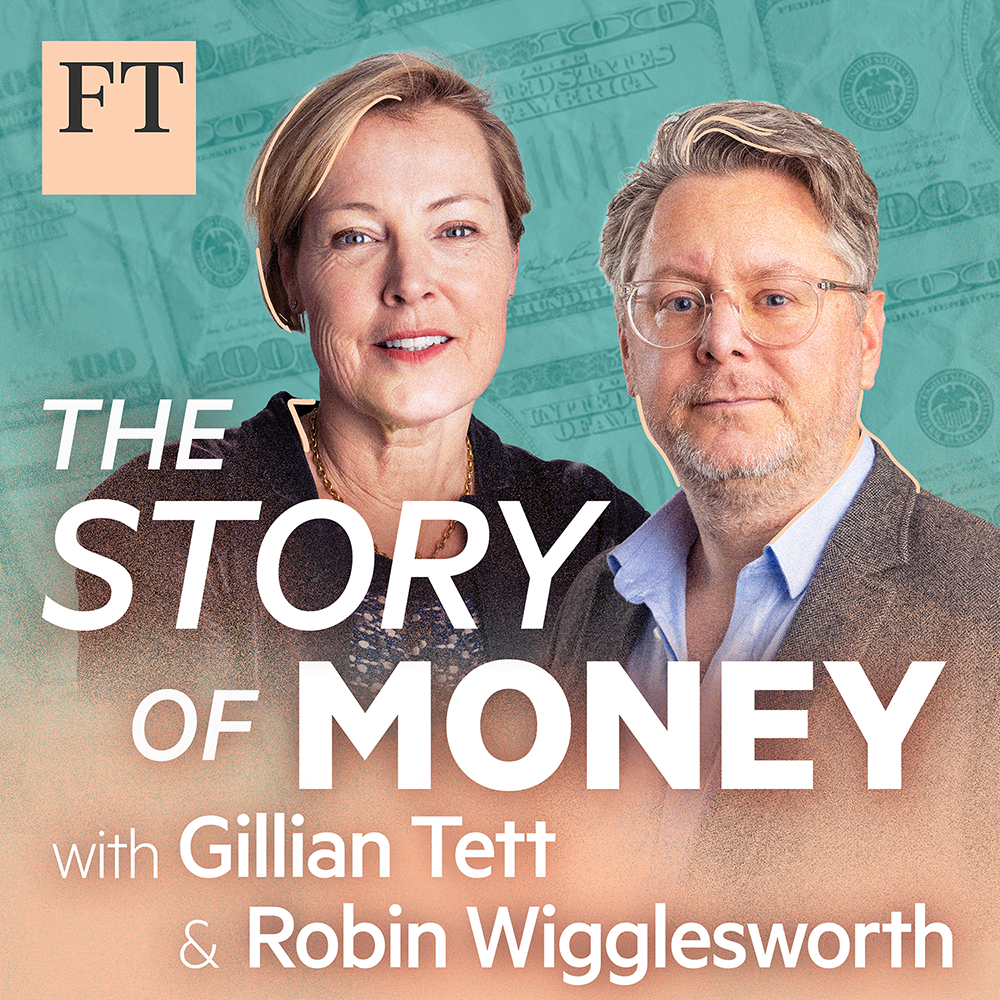
Podcast Summary: Unhedged – "Introducing: The Story of Money"
Release Date: May 1, 2026
Episode Overview
In this episode, hosts from the Financial Times announce and preview their new podcast series "The Story of Money." The episode teases the big ideas and historical narratives that shape how money functions in society—from ancient debt jubilees to wildcat banking in the American frontier—and makes a compelling case for why understanding financial history is essential for navigating today's volatile markets.
Key Discussion Points & Insights
1. The Intrigue Behind Money’s Evolution
- Money’s centrality:
- The hosts open with the phrase:
"They say that money runs the world. But the story of money itself, well, that's where things get really interesting." (A and B, 00:00–00:05)
- Historical anecdotes set the scene:
- Reference to wildcat banks of the American frontier, known for lax regulations:
"It was about as difficult to become a banker as it was to become a bricklayer. Many people viewed them as con men," (C, 00:08–00:15)
- Ancient debt jubilees:
"When a king came to the throne and Hammurabi did this himself, one of the very first things he did was to cancel everyone's debts. Lenders really did break the tablets on which the loans were recorded. People were free." (D, 00:18–00:29)
2. Recurring Themes in Financial History
- Cycles and repetition:
- Drawing a link between the past and present:
"History, but especially financial history, has an uncanny way of repeating itself." (A, 00:29–00:35)
- Modern parallels:
- Whether addressing AI bubbles or market crashes, the past provides a blueprint:
"Whether it's artificial intelligence bubbles or the next big market crash, chances are it's all happened before." (A and B, 00:53–00:58)
3. The Value of Historical Understanding
- Learning from the past to protect the future:
- A cautionary note on ignorance:
"If you don't understand the past, well, you just might lose money in the future." (A and B, 01:01–01:03)
- Educational mission:
- The new podcast aims to uncover the "forces that really shape the financial world we live in today" (A and B, 00:46–00:53).
Notable Quotes & Memorable Moments
- On wildcat banks:
"It was about as difficult to become a banker as it was to become a bricklayer. Many people viewed them as con men," (C, 00:08–00:15)
- On Hammurabi’s debt relief:
"When a king came to the throne and Hammurabi did this himself, one of the very first things he did was to cancel everyone's debts. Lenders really did break the tablets on which the loans were recorded. People were free." (D, 00:18–00:29)
- On the importance of history:
"History, but especially financial history, has an uncanny way of repeating itself." (A, 00:29–00:35)
- On the risks of forgetting:
"If you don't understand the past, well, you just might lose money in the future." (B, 01:01–01:03)
Episode Structure & Timestamps
- 00:00–00:15 – Setting up the intrigue: Money’s global influence and colorful history
- 00:15–00:29 – Vivid historical examples: American wildcat banks, King Hammurabi’s debt clean-slate
- 00:29–00:35 – The cyclical nature of financial history
- 00:35–01:03 – Introduction of the new podcast, purpose, and hosts
- 01:03–01:05 – Compelling call to understand history for financial survival
- 01:05–end – "The Story of Money" trailer and invitation to subscribe
Summary for New Listeners
This episode is an enticing introduction to a new podcast series promising to demystify the hidden forces and cycles that shape finance by examining its deep historical roots. With memorable stories—like bricklayer-bankers and debt-smashing kings—the hosts invite listeners to discover why the history of money is crucial to making sense of today's headlines. If you’re intrigued by how ancient patterns echo in modern market mania, this is an episode (and series) for you.