
Podcast
Unmasking Social
Hosted by Sharon Baum, MA, CCC-SLP · EN
Welcome to Unmasking Social – the podcast where autistic teens and young adults, families, and professionals come together to explore real, authentic ways of building friendships, community, and identity.
Hosted by a speech-language pathologist with nearly 15 years' experience with autism and ADHD and social communication, this show goes beyond basic advice. Each episode features candid conversations with self-advocates, educators, mental health professionals, and teens themselves – all unmasking the myths and pressures around “fitting in.”
Whether you’re navigating social expectations, supporting someone who is, or simply curious about how we connect in a complex world, Unmasking Social is here to empower you with strategies that align with our core values: empathy, curiosity, and self-acceptance.
🌟 Launching this summer. Hit follow and join the conversation!
Sharon's Linkedin:
Subscribe on Sharon's Instagram:
Instagram
Unmasking Social YouTube Channel:
Unmasking Social: The Podcast - YouTube
Listen on Spotify
https://open.spotify.com/show/0pJUS1hby5UtO7EAttixiA?si=882eba9b095c4db5
Listen on Apple Podcasts
https://podcasts.apple.com/us/podcast/unmasking-social/id1822086192
22episodes
Episodes
Newest firstAll episodes

52: The College Debt Nobody Talks About with Shellee Howard
5d ago00:41:26Tap to summarizeIn this episode, Shellee Howard, founder and CEO of College Ready, discusses how families can navigate the complex college admission process, negotiate effectively, and prepare students for lifelong success. Her insights challenge common misconceptions and provide practical strategies to optimize college choices, scholarships, and career planning. This formula is not based on a checklist, but rather on a young adult's values, passions, and thinking about return investments on their college choice and major.To follow Shellee:Website: https://collegereadyplan.com/meet-shellee/Books:https://a.co/d/04JEoxJ9https://a.co/d/0ilKwTLuFollow Unmasking Social at: Instagram: https://www.instagram.com/unmaskingsocial1YouTube: Unmasking Social: The Podcast - YouTube
Transcribe →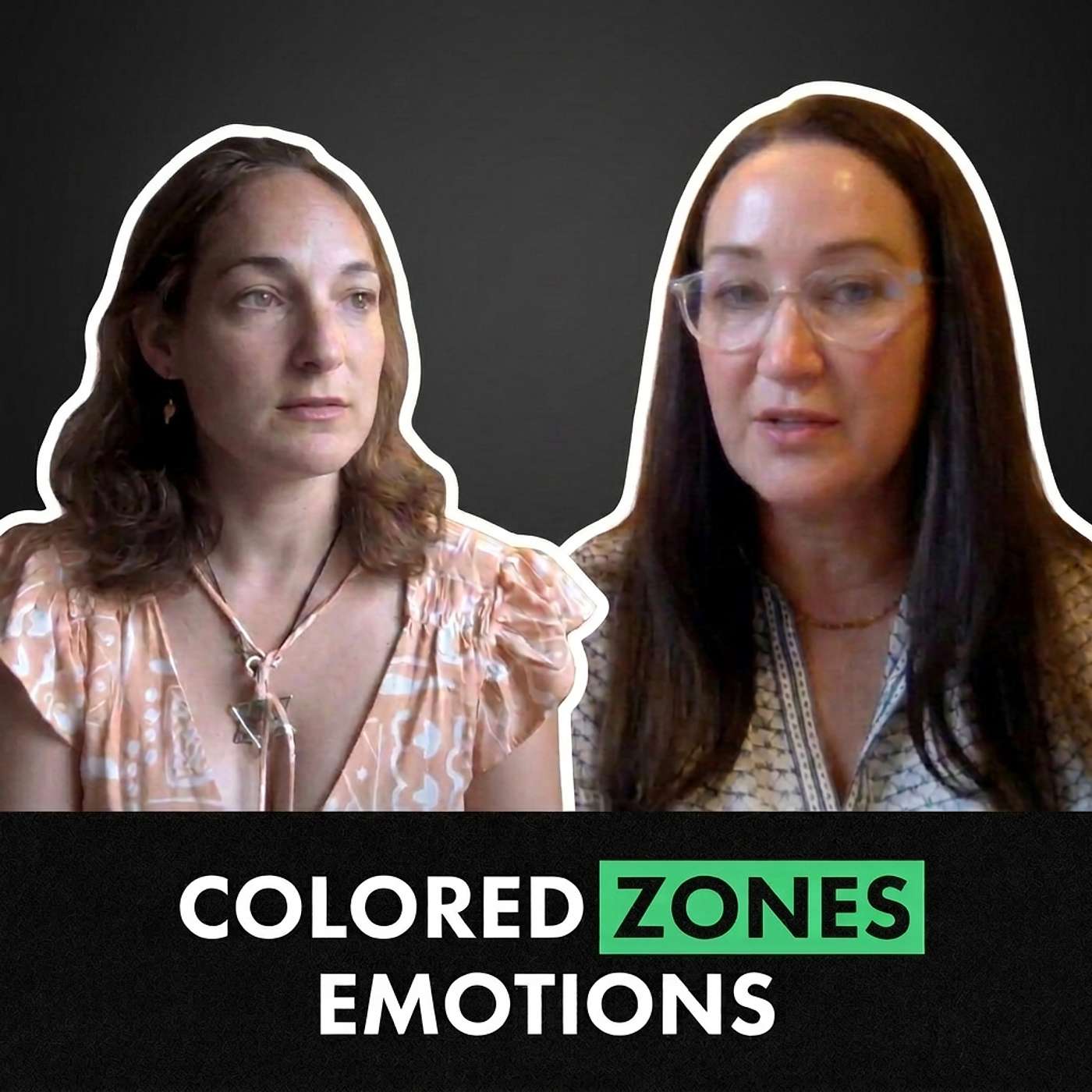
51: More Than Colors: Understanding the Zones of Regulation With Leah Kuypers
2w ago00:47:45Tap to summarizeIn this episode, we explore the vital importance of emotional regulation through the Zones of Regulation, for neurodivergent and neurotypical youth and adults with OT Leah Kuypers. She offers practical strategies to foster regulation and emotional self-awareness in children, teens, and educators alike. A key aspect of this is addressed: differentiating between dysregulation caused by trauma, sensory processing difficulties, or behavioral responses.The following critical points are expanded upon:How to individualize regulation tools, especially the Zones of Regulation, framework, and incorporate them into daily routines.The significance of emotion identification and interoception in regulation.Strategies for supporting regulation in classrooms, including environmental modifications.The role of social and emotional regulation alongside behavior management during adolescence.Follow Unmasking Social at: Instagram: https://www.instagram.com/unmaskingsocial1YouTube: Unmasking Social: The Podcast - YouTube
Transcribe →
50: Rethinking Feeding, Myofunctional Therapy & Communication with Hallie Bulkin
3w ago00:58:42Tap to summarizeHallie Bulkin, an SLP and expert in pediatric feeding and myofunctional therapy, reveals the interconnected web of mouth, airway, and systemic health that often goes unnoticed but impacts children and adults deeply. This episode isn't just about feeding ; it's about transforming how we see health from the inside out! It's about terapy that heals the entire system from the airway to the brain. Cross-disciplinary collaboration is explored further as it is an integral part of assessing, diagnosing and treating feeding and myofunctional disorders.Connect with Hallie:Instagram: @HallieBulkanhttps://halliebulkin.com/Follow Unmasking Social at: Instagram: https://www.instagram.com/unmaskingsocial1YouTube: Unmasking Social: The Podcast - YouTube
Transcribe →
49: Debunking the Clumsiness Myth: Dyspraxia Is So Much More With Rosemary Richings
4w ago00:34:54Tap to summarizeAre we mistaking dyspraxia for mere clumsiness? Absolutely. But the real truth? Dyspraxia is a profound neurological difference that affects million, yet it's misunderstood, overlooked, and often dismissed. Rosemary Richings, a fierce advocate diagnosed with dyspraxia at four, exposes the myths and reveals what truly lies beneath the surface - how sensory overload, stress, and neurodivergence create chaos in motion.This episode is a rallying cry for anyone who’s ever felt othered, misundersood or left behind because systems aren’t built for neurodivergent minds. Rosemary shares her journey from childhood diagnosis in Toronto to influencing education, workplaces, and communities across the globe.To connect with Rosemary and follow her work:https://rosemaryrichings.com/https://www.amazon.com/dp/1839972696?ref_=cm_sw_r_ffobk_cp_ud_dp_C4NCRAJE0HW0HXZSPPZC&bestFormat=truehttps://www.bloomsbury.com/in/studying-with-dyspraxia-9781350524651/https://www.youtube.com/@DyspraxicRosieWritesFollow Unmasking Social at: Instagram: https://www.instagram.com/unmaskingsocial1YouTube: Unmasking Social: The Podcast - YouTube
Transcribe →
48: The Bright Light of Maddie: A Conversation on Youth Mental Health With Chris Coulter
Jul 300:58:12Tap to summarizeIn this heartfelt episode, Chris Coulter shares the raw truth behind his inspiring journey of advocacy after losing his daughter Maddie to suicide. He reflects on the warning signs parents and professionals often miss, the importance of trusting your gut instincts, and how we can help families and employers recognize when something is off before it becomes a crisis.The conversation also explores the power of emotional intelligence, the need for safe environments, and why listening without rushing to "fix it" can make all the difference. Chris’s story is a call to action for parents, educators, and anyone who wants to support our teens with more compassion, connection, and care; allowing them to seek connection through the right guide.To get in touch with Chris THE MENTOR WELL | Empower Young Minds TodayHow are you feeling?Follow Unmasking Social at: Instagram: https://www.instagram.com/unmaskingsocial1YouTube: Unmasking Social: The Podcast - YouTube
Transcribe →
47: Back by Popular Demand: College Transition Strategies with Lorraine Wolf & Jane Thierfeld Brown
Jun 2101:12:06Tap to summarize🎓 Special Re-Release EpisodeAs summer begins and students prepare for the transition from high school to college, we're bringing back one of the most important conversations from the archives.Whether you're an incoming college student, a parent, educator, or clinician, the transition to college involves much more than academics. Success often depends on executive functioning, self-advocacy, independence, social connection, and knowing which supports to access and when.That's why we're revisiting this valuable discussion with Lorraine Wolf and Jane Thierfeld Brown, nationally recognized experts in college transition, disability support, and helping students navigate life after high school.In this episode, we discuss: Self-advocacy and disability accommodations in college Executive functioning demands beyond high school Building independence and daily living skills Navigating social life and campus involvement Common transition challenges for our neurodivergent students Although this conversation originally aired previously, the insights remain as incredibly relevant. As students head into the summer before college, now is the perfect time to begin thinking about the skills that support smoother transitions.If you know a student preparing for college this fall, consider sharing this episode with them and their family. https://collegeautismspectrum.com/Follow Unmasking Social at: Instagram: https://www.instagram.com/unmaskingsocial1YouTube: Unmasking Social: The Podcast - YouTube
Transcribe →
46: Solo: The Loneliness Epidemic: Why Connection Matters More Than Ever
Jun 1500:22:35Tap to summarizeIn this heartfelt solo episode, I dive deep into the heart of a silent crisis impacting teens, tweens, adults, and entire communities - loneliness. It's not just about being alone; it's about feeling unseen, unheard, and disconnected even amidst a sea of people. The invisibility. You will hear about practical insights will move you to re-evaluate how we connect and care for one another.Follow Unmasking Social at: Instagram: https://www.instagram.com/unmaskingsocial1YouTube: Unmasking Social: The Podcast - YouTube
Transcribe →
45: Authentic Connection and Mental Health: What Neurodivergent Adults Need to Thrive: With Dr. Daniel Wendler
Jun 501:03:11Tap to summarizeIn this episode with Dr. Daniel Wendler , we dive deeply into the world of mental health and authentic connections. Dr. Daniel Wendler is a proudly autistic clinical psychologist, two-time TEDx speaker, best-selling author, and workplace mental health expert.He combines hisclinical expertise with personal lived experience to help audiences better understand neurodivergent burnout, mental wellness, and human connection in a way that feels authentic and comfortable. He shares his own love story of meeting his current wife who has ADHD, and how the overlap brings thim closer together with a deeper understanding of one another. Prepare for a raw, honest discussion on building confidence, overcoming the shackles of learned helplessness navigating support, and fostering genuine relationship in both the personal and professional domains.To Follow Dr. Daniel:https://www.danielwendler.com/Follow Unmasking Social at: Instagram: https://www.instagram.com/unmaskingsocial1YouTube: Unmasking Social: The Podcast - YouTube
Transcribe →
44: Understanding Fear Through Psychiatry, Neurology, and Storytelling: With Dr. Randolph Schiffer
May 2900:50:49Tap to summarizeIn this deeply emotional and thought-provoking conversation, Dr. Randolph Schiffer, neurologist, psychiatrist, author and former founding director of the Cleveland Clinic Centre for Brain Health.and shares his extraordinary journey from enlisting in the Vietnam War to becoming a pioneering neurologist, psychiatrist, and advocate for resilience, responsibility, and ultimately courage.Through personal stories, reflections on medicine, and powerful insights into human behavior, Dr. Schiffer explores how courage is developed, and why facing fear, grief, and vulnerability is essential for both personal growth and compassionate leadership.This episode is a profound conversation about living through fear by facing it, while raising emotionally resilient children in an increasingly complex world.To follow Dr. Schiffer's work:https://randolphbschiffer.com/https://www.amazon.com/Bedtime-Stories-That-Terrify-Children/dp/1738339440Follow Unmasking Social at: Instagram: https://www.instagram.com/unmaskingsocial1YouTube: Unmasking Social: The Podcast - YouTube
Transcribe →
43: Breaking Down Apraxia: The Power of Research, Treatment, and Voice with Nicole Kolenda
May 2201:08:53Tap to summarizeNicole Kolenda (Lead SLP DTTC Treatment Research and Adjunct Professor) joins us for a powerful conversation exploring the world of childhood apraxia of speech (CAS), from groundbreaking research and evidence-based treatment approaches to the deeper impact communication has on every aspect of our life.Throughout the episode, Nicole shares how her passion for apraxia evolved over more than 24 years in the field and offers an inside look at the innovative work happening at the NYU Motor Speech Lab. We discuss the importance of structured research protocols, motor-based assessment, and evidence-based intervention, including the Dynamic Tactile Temporal Cueing (DTTC) approach developed by Dr. Edith Strand.Nicole also breaks down how clinicians can differentiate apraxia from other speech disorders using tools like DEMS and ProCAD, while explaining the critical connection between speech motor planning and principles of motor learning. The episode closes with an inspiring discussion about Nicole’s podcast, Voice for Possibilities, and the power of storytelling and advocacy, while empowering women through communication.To follow Nicole Kolenda and her work:Nicole Kolenda - Voice for Possibility | Nicole KolendaPeople | NYU Motor Speech LabFollow Unmasking Social at: Instagram: https://www.instagram.com/unmaskingsocial1YouTube: Unmasking Social: The Podcast - YouTube
Transcribe →