Podcast
Unsung Podcast
Hosted by Unsung Podcast · EN
If there was a definitive discography of classic albums, what should be in it? Hosts Mark Fraser and Chris Cusack, plus the occasional guest, discuss and dissect perceived classic albums to decide which albums would make this list. We also interview amazing artists, do genre deep dives and throw a journalistic lens on musical topics you might not know much about.
32episodes
Episodes
Newest firstAll episodes
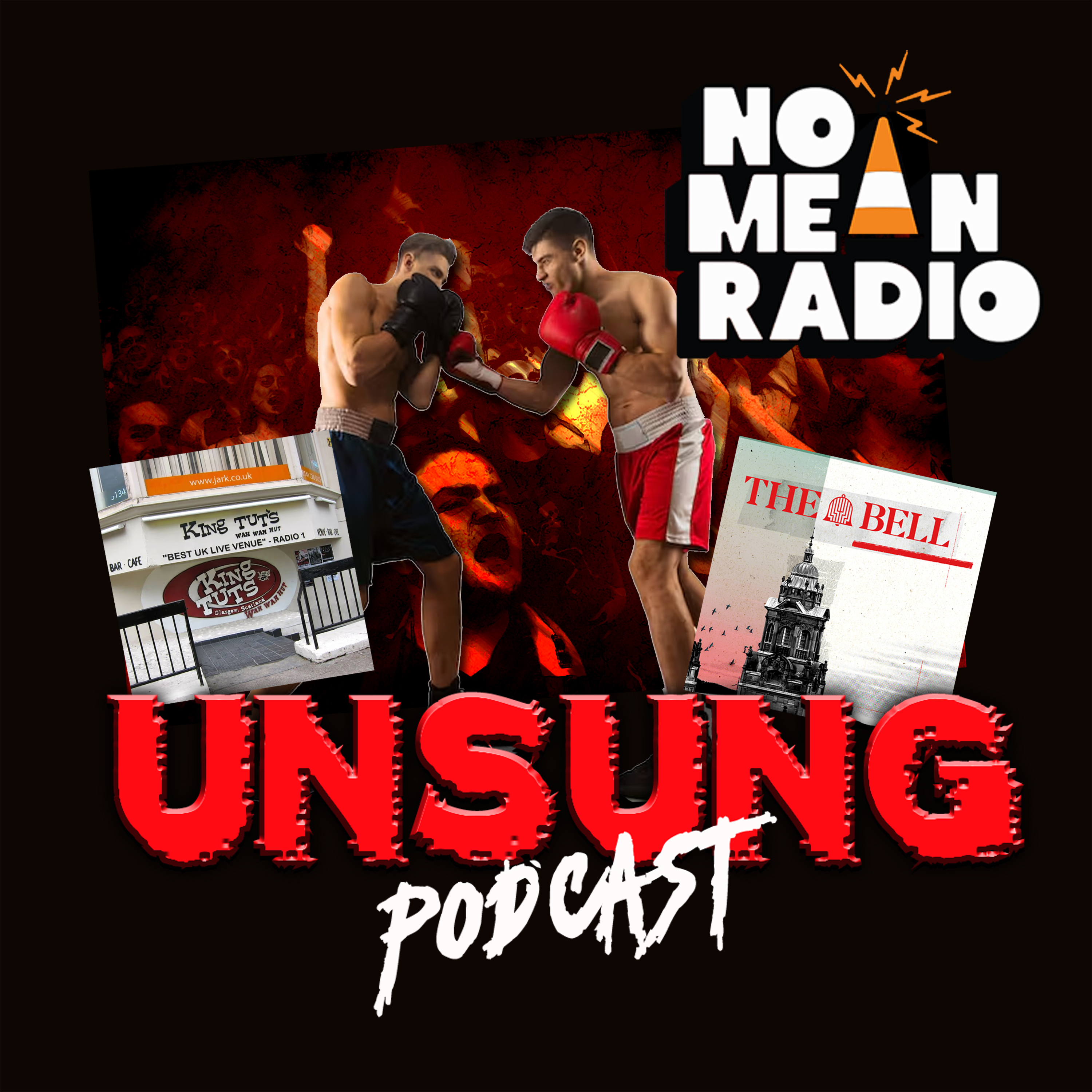
What Does the Explosive Reaction to King Tut's and DF Concerts Tell Us About the Growing Sense of Injustice in Grassroots Music?
4d ago01:47:34Tap to summarizeIf you've been tuned into the news around the Scottish grassroots music scene at any point in the last few weeks, you'll likely have seen there's been a bit of controversy brewing around King Tut's Wah Wah Hut in Glasgow and their owners, DF Concerts.Following a piece published in The Bell, where numerous people spoke out about the poor terms that King Tut's offers to emerging artists, various corners of social media were ablaze with righteous fury. It prompted DF to threaten to take The Bell to court, and also saw The Herald get in on the action. So we think it's fair to say that this is a blaze that might be threatening to run amok.The terms that King Tut's offers has been something of a known issue in the Scottish music community for a number of years, and whilst there are certainly reasons for small artists to be aggrieved (reasons which we share), the matter is not quite as clear cut as The Bell article would have you think.On this week's episode we draw from our own experiences as musicians and promoters to try to give a more complete picture of the issue. We also do a wee exercise where we map out whether putting on gigs yourself is more cost effective, using examples of the rates offered by many venues in Glasgow to paint a picture of what the costs of running a show yourself actually are.Which ultimately leads us to ask a few questions: is what King Tut's offer fair? Is it just better to put on gigs yourself? And if King Tut's parent company, DF Concerts, used their corporate backing to pay artists more, what might be the outcome of that on the wider grassroots scene as a whole?If you like this episode please consider subscribing to our Patreon at www.patreon.com/unsungpod
Transcribe →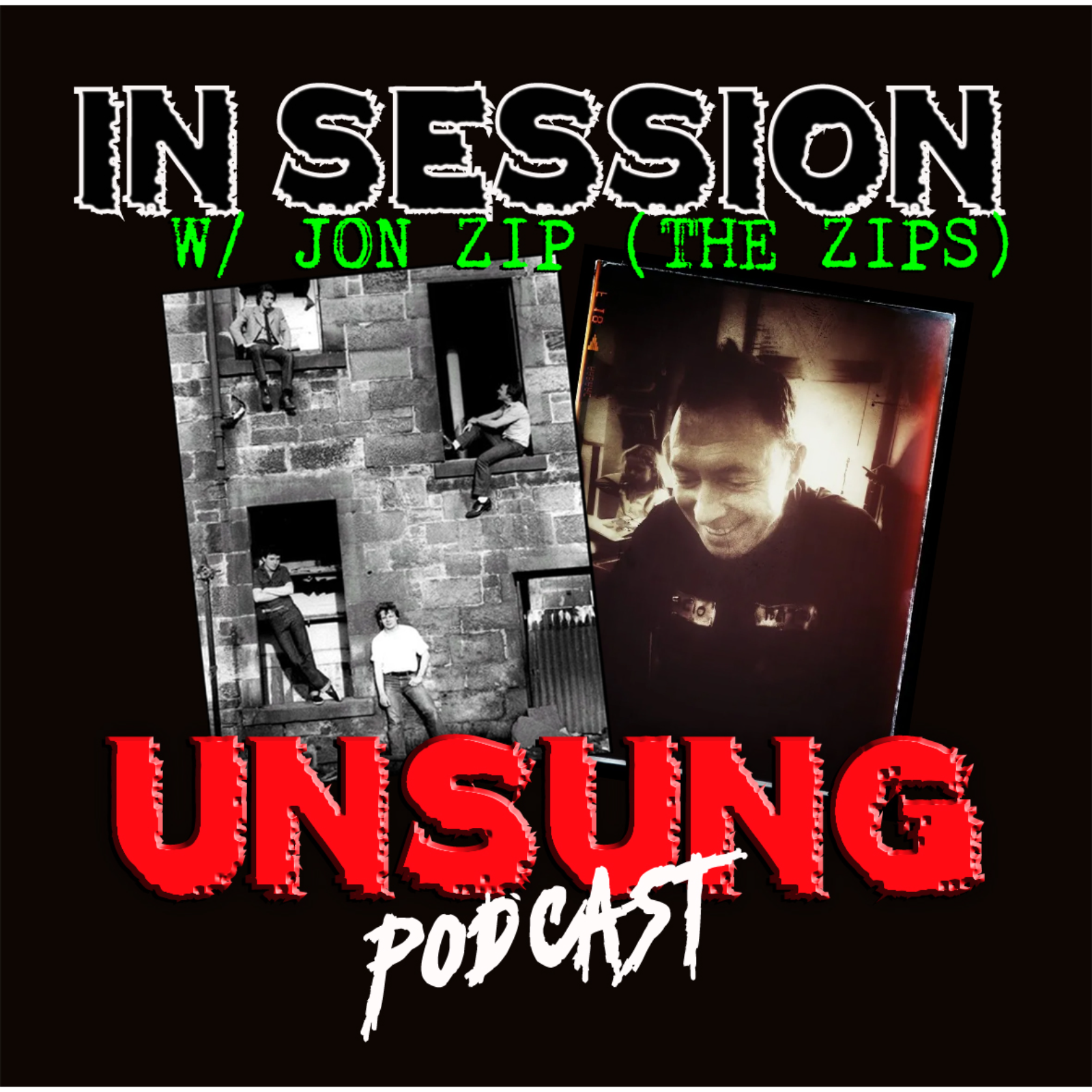
IN SESSION: Jonzip from The Zips Talks About the Life and Times of Being in Glasgow's First(ish) Punk Band
Jul 1301:34:03Tap to summarizeThis week we sit down with Jon Zipp of The Zips — one of Glasgow's original 1977 punk bands — for a conversation that doubles as an oral history of Scottish punk. The Zips' story is a strange and charming one. Formed in '77, gigging by '78, split by the end of 1980 after two small-run EPs — 500 copies of the debut, sold out in six weeks — the band lay dormant for over two decades until a record collector tracked down the drummer via the West of Scotland phone book. It turned out The Zips' records had been bootlegged all over Europe, their EPs had become prized collectors' items, and a new generation of bands citing the Clash and Buzzcocks as influences had made the world safe for them again. They've been at it ever since, complete with a "Zips USA" franchise lineup, European squat tours.But the real revelation of this episode is John's first-hand account of Glasgow's infamous punk "ban". In the late 1970s, Glasgow City Council — having decided after a Stranglers gig at the City Hall that the city "had enough hooligans without importing them from down south" — made it known that any pub or venue hosting punk bands risked losing its licence. The effect was chilling: a generation of would-be Glasgow punk bands strangled at birth, touring acts like Elvis Costello turned away on the day of the show, and a city now famed as one of the great music capitals of the world temporarily hostile to the most vital music of its era.Along the way we get John's reflections on punk's flirtation with fascist imagery and provocation, why John Lydon is his biggest disappointment (and Paul Weller one of his quiet triumphs), the surprising resurgence of very young audiences going wild for original 77-style punk, and a truly outrageous tale of how, with his post Zips band in the 80, how he blagged — via the Mitchell Library's phone books and Harvey Goldsmith's office — onto a 30,000-capacity bill at Ibrox with Rod Stewart in 1983.
Transcribe →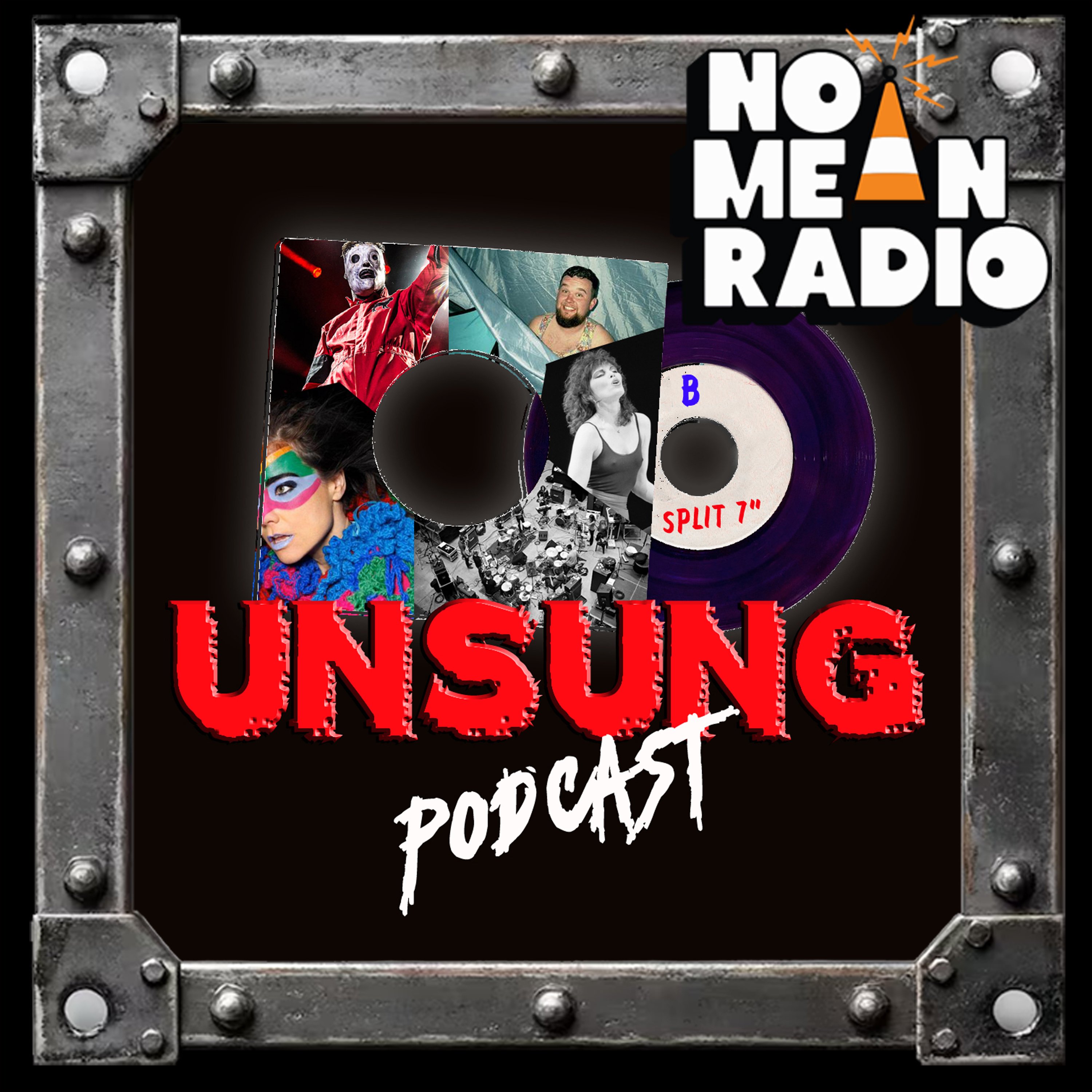
FROM THE VAULT: Split 7" - Our Perfect Festival Line Ups
Jul 700:35:46Tap to summarizeWe reach into the vault this week to extra an old bonus episode that has a fairly unique format we liked to called the Split 7". In this episode, we talk build our own festival line ups.ORIGINAL SHOW NOTEWe’re going to be 4 years old soon and for pretty much every single week of those 4 years (with the sole of exception of around this time last year when a technical issue made us lose an entire episode) we’ve been able to release an episode a week. However, this week we just couldn’t. Some life things got in the way and we had to take care of that. We couldn’t just leave everyone hanging though, so we decided to reach way back into our vault of bonus content and excise this little gem from back in October 2019. One of our subscribers, Chris Hynd, asked us what our perfect festival line-up would be and we duly obliged. So enjoy as Chris, Mark and Dave talk about who would play their festivals. We will return next week with special guest Neil from The Accordion Podcast as we talk about Finelines by My Vitrol.
Transcribe →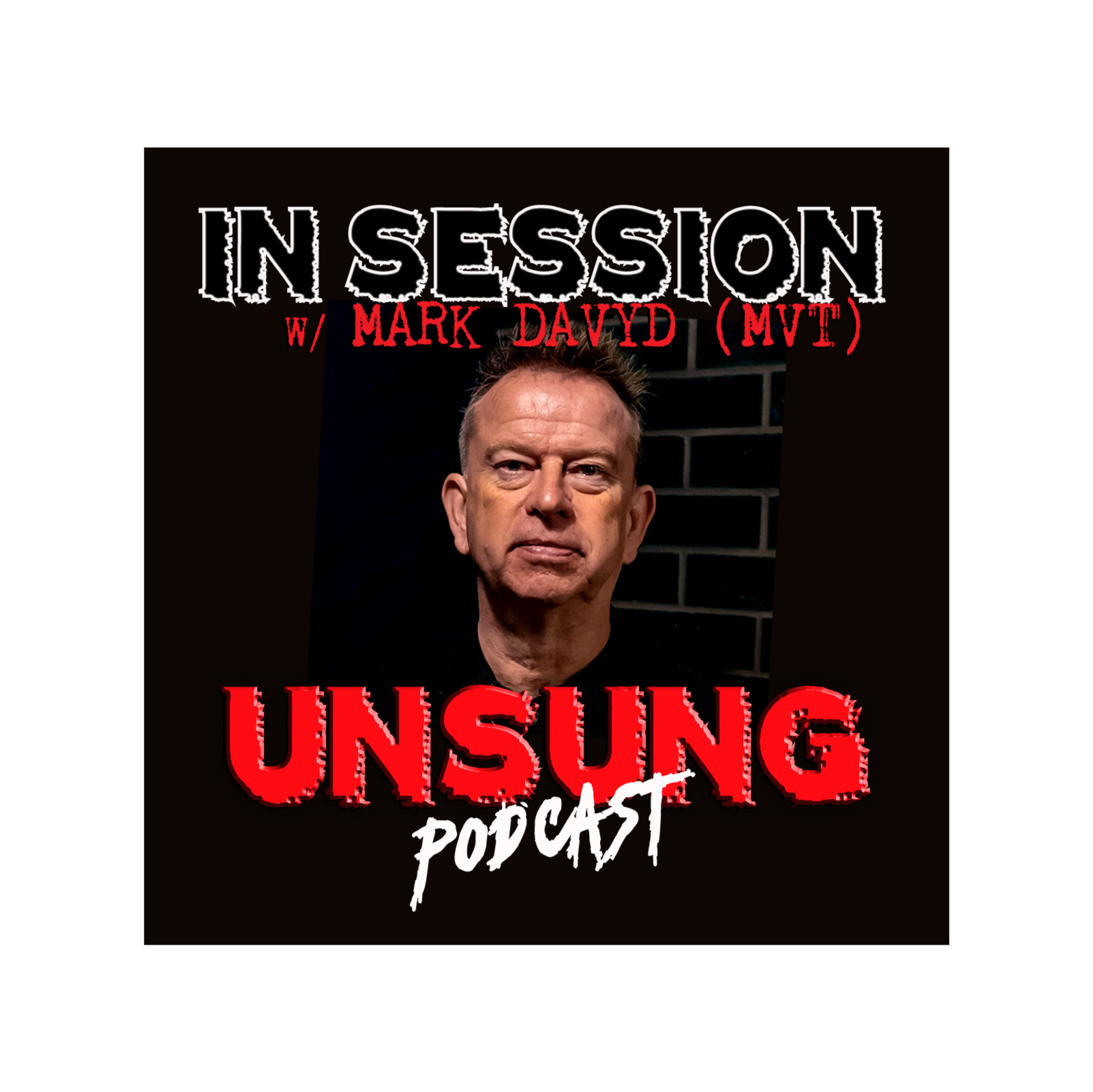
IN SESSION: Mark Davyd from the Music Venue Trust Talks About How PRS for Music Refuse to Show Artists The Money
Jun 2900:58:04Tap to summarizeIn this interview, Mark Davyd, founder and CEO of Music Venue Trust, mentions the "famous" and famously misattributed Hunter S. Thompson quote about the music industry. It goes "The music business is a cruel and shallow money trench, a long plastic hallway where thieves and pimps run free, and good men die like dogs. There's also a negative side."It's now common knowledge that Thompson didn't actually say this, or at the very least if he did it wasn't about the music industry. Mark acknowledges as much in this interview. And yet, it remains a perfect summation of the music industry at large even today, and in this interview Mark expounds upon that at length.In April 2026 he unleashed a series of 4 Substack posts which shone a light on the dodgy dealings of the UK's performing rights body PRS for Music. In them, he details how each year millions of pounds earmarked for artists who perform in grassroots music venues is "held" by PRS because they are unable to attribute it to anyone — ostensibly because many of the artists who are due it have never signed up to PRS, and thus the money goes unclaimed. After 3 years, this money is then distributed to the largest music publishers and most successful songwriters in the world.The true figure is difficult to ascertain due to the opaque nature of PRS' reporting, but it is estimated to be around £18m — more than the combined profit generated by all 800+ grassroots music venues in the UK each year. What's happening is, in effect, a reverse Robin Hood scenario where huge amounts of money are being transferred to the most high-profile, wealthiest musicians and publishers.In this episode we dive deep into those 4 articles with Mark, getting to the heart of all that is rotten with the current PRS model, the organisation's response, and some suggestions for how it might be fixed.You can read Mark's articles here: Part 1: https://markdavyd.substack.com/p/prs-for-music-and-the-grassroots Part 2: https://markdavyd.substack.com/p/prs-for-music-and-the-grassroots-5a0 Part 3: https://markdavyd.substack.com/p/prs-for-music-and-the-grassroots-618 Part 4: https://markdavyd.substack.com/p/prs-for-music-and-the-grassroots-3d9 Highlights:00:00 Grassroots Cash Grab00:24 Meet the Hosts01:46 What Music Venues Trust Does03:30 COVID Crisis Response07:23 Venue People Helping Venues09:16 Why PRS Matters Here12:45 How PRS Works16:02 Unclaimed Royalties Problem21:35 Archaic Setlist System23:22 Tariff LP vs Tariff P27:35 Real World Money Example30:40 Show Me the Money32:00 Unclaimed Royalties Black Box32:58 Venue Economics And Losses34:00 Rules Court Case And Publishers35:53 Broken Reform Promises39:20 Why PRS Won't Change42:00 Estimated Bills And CCJs44:44 Scale Of Grassroots Impact48:18 Audio Recognition Solution55:08 PRS Rebuttals And Backlash59:16 Wrap Up And Where To Read
Transcribe →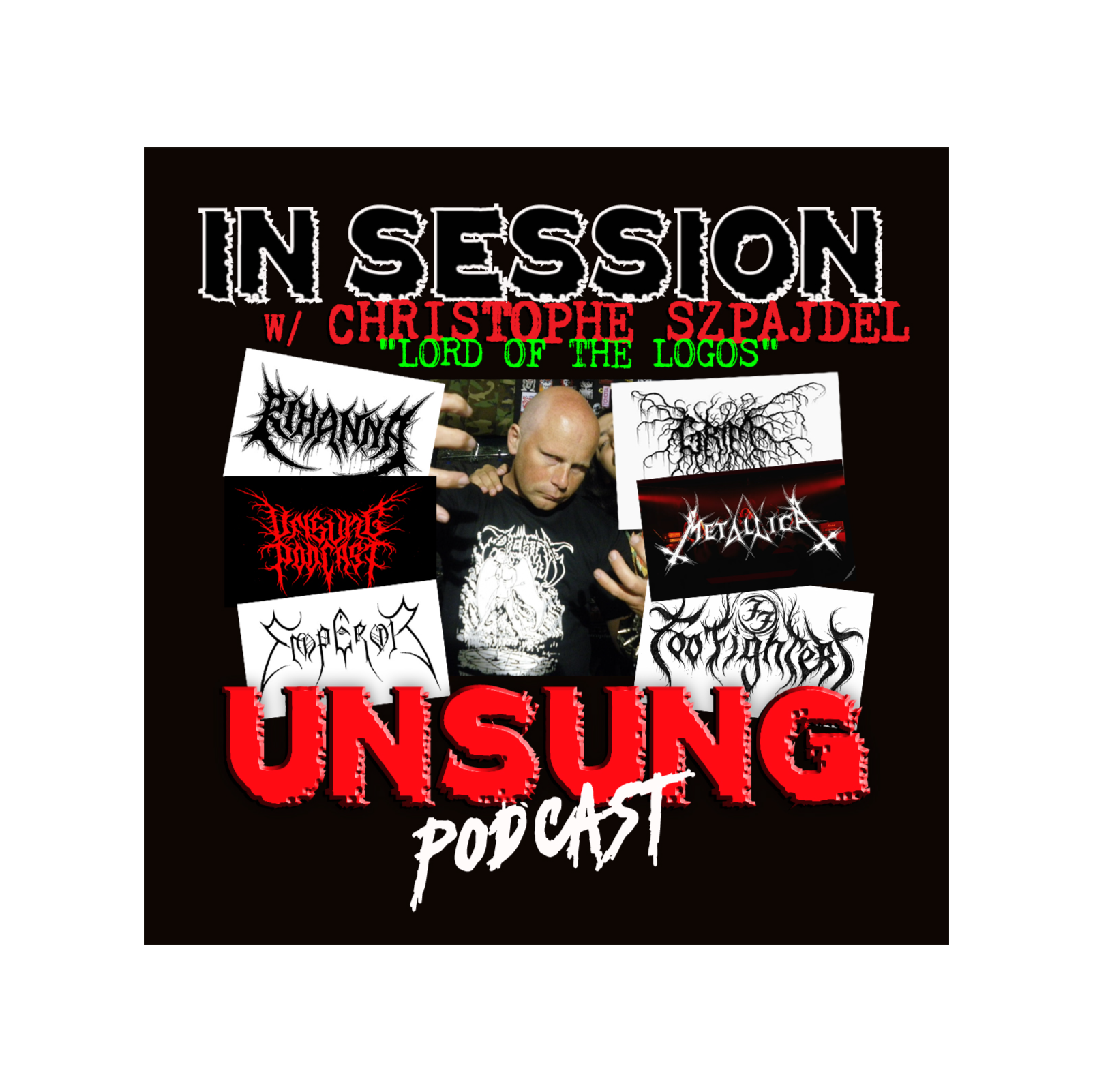
IN SESSION: An Interview with the Lord of the Logos, Christophe Szpajdel
Jun 1501:10:57Tap to summarizeYou might think you don't know Christophe Szpajdel's work. You almost certainly do. The Emperor logo. The Metallica Mankind clip. The Rihanna lettering that went a hundred feet high at the MTV VMAs. If you've spent any time near heavy music, his hand has been on things you've stared at without knowing his name.This week we sit down with the man known as Lord of the Logos — Belgian-born, Devon-based, currently on shift at the Co-op — to talk about a career that has produced somewhere between 10,000 and 15,000 logos, and counting. We get into his early years doodling in school notebooks in Liège, the Art Nouveau obsession that underpins everything, and how a chance encounter on the Tube ended with his work displayed at one of the biggest awards shows on the planet for £500 — a fee he only learned was for Rihanna after he'd already quoted it.We cover the Emperor logo that defined his reputation, the Metallica commission that required him to draw at Heathrow five hours before a flight to Japan, and the Foo Fighters Christmas jumper that was a mutilation of his work, and what he did about it. We also discuss the readability question that divides the scene, the three-month creative block triggered by a South Korean band, his forestry degree and why nature sits at the centre of everything he makes, and the political stance on Ukraine that has cost him ten logos in one go.The question running through all of it: how does someone this prolific stay original?Highlights 00:00 Intro 01:00 Meet Christophe Szpajdel — Lord of the Logos 04:00 Logo Count and the Goal of 20,000 by 2030 06:00 The Process Explained 09:00 The Unsung Logo and Chris's Tattoo 10:00 Background: Belgium, Poland, Ukraine, Devon 11:00 The Co-op Day Job and Why It Works 13:00 Side Projects: Murals and the Polish Calendar 17:00 Musical Influences: Kiss, Motörhead, Celtic Frost 19:00 First Logos and Early Career 21:00 The Emperor Logo 25:00 Chilean Influence: Rick Zuniga 26:00 Nature, Art Nouveau, and the Forestry Degree 28:00 Best Work Comes from Anger or Obsession with Death 29:00 Symmetry, Creative Block, and the Client Problem 33:00 Live: Working Through the Drag Logo 38:00 The Readability Debate 43:00 The Rihanna Story 47:00 Metallica at Heathrow 53:00 The Foo Fighters Bootleg Response 54:00 The Mandy Soundtrack 57:00 AI and Market Saturation 59:00 Ukraine, Politics, and the Russian Flatmate 01:02:00 Losing Ten Logos Over a Political Stance 01:03:00 Black Metal, Church Burnings, and Forbidden Fruit 01:08:00 The Trump/Putin Artwork 01:09:00 The Books: Lord of the Logos, Archaic Modernism, Oracles in Black
Transcribe →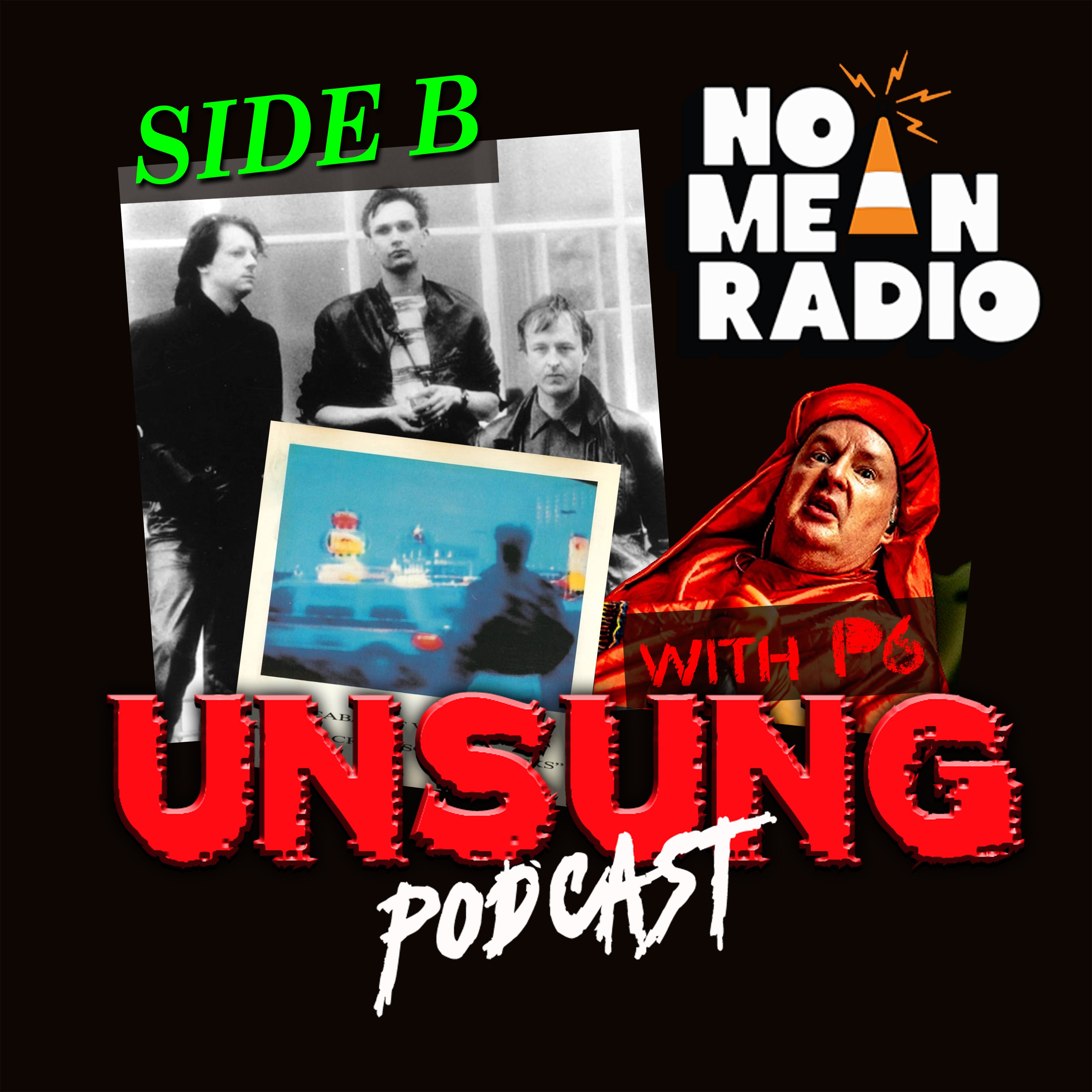
Are Cabaret Voltaire Britain's Most Pioneering Electronic Act? (Side B) with P6 from Stretchheads, Desalvo and OMO
Jun 102:10:28Tap to summarizeIn our previous episode, we went deep into the history of Cabaret Voltaire and their importance to UK industrial and, latterly, dance music. Now, we follow the trail we laid therein by taking a journey through the band's extensive discography, really fleshing out how they went from a Sheffield attic in 1973 to a Patagonian field site recording lizards for David Attenborough. Along the way, we take in televangelists, voodoo, Charles Manson samples, Velvet Underground covers, a near-miss with Todd Terry, and a Taylor Swift pressing-plant mix-up that turned a forgotten ambient track into a viral curiosity decades later.Phil Eaglesham (aka P6 - ex-Stretchheads and De Salvo, current OMO frontman) returns to bestow upon us his encyclopaedic knowledge of the band and British industrial music. We start in 1974 with the lo-fi bedroom experiments of Cabaret Voltaire 1974–76, work through the rough-edged early Rough Trade EPs, the spring-reverb wilderness of Three Mantras and Voice of America, the cult monument that is Red Mecca, and the band's stylistic pivots through Hai!, 2x45, The Crackdown, Micro-Phonies, The Covenant, the Sword and the Arm of the Lord, Code, and beyond. We also pick at the more controversial late chapters, including the major-label years, the slightly-too-late acid house pivot, and Richard H. Kirk's solo reactivation of the name.Along the way, we explore the band as a video production company that happened to make music; their roles as curators and tastemakers via Double Vision; the Burroughs-and-televangelism worldview that made them frighteningly prescient about Reagan-era Christian nationalism; and their unsung debt to Black American music and dub. Chris also offers a wider reflection on what it means to lose the egoless purity of your earliest creative work as ambition and industry pressures take hold.We get deep in the weeds talking about the producers they worked with (Flood, Adrian Sherwood, John Robie, Marshall Jefferson); the labels (Rough Trade, Some Bizzare, Virgin, EMI, Mute); their collaborators and contemporaries (DAF, Wire, Throbbing Gristle, Clock DVA, Soft Cell, New Order, The Shamen); and the bands that lifted from them wholesale (Nine Inch Nails, Ministry, The Rapture, White Zombie, and a generation of Glasgow acts you've heard but can't quite place).It all culminates in us taking a closer look at Eight Crepuscule Tracks, a record that Phil thinks is their best and a very pure statement of what the band can and did achieve. We also settle upon what is perhaps the most important lesson to be gleaned from the Cabs' music: the importance of never compromising on your vision. By entering the belly of the beast and somehow remaining intact, they became one of the rare bands in this corner of music history whom nobody has a bad word for.Highlights00:00 Intro01:18 Welcome Back, Phil02:46 1974–76: Egoless Experimentation04:51 Bedroom Records06:30 Extended Play and DAF07:37 The Velvet Underground Cover08:26 Nag Nag Nag10:20 Van With a PA11:38 Three Mantras12:24 Mix-Up14:50 William Burroughs16:48 Voice of America19:35 Peter Care and Double Vision21:41 Red Mecca24:25 Encyclopaedia Bands27:36 Hai!29:36 2x45 in New York32:07 Sheffield's Family Tree32:55 Chris Watson Leaves36:16 The Crackdown42:23 Micro-Phonies46:38 Covenant, Sword and Arm of the Lord49:48 Drinking Gasoline51:45 Code54:58 Listen Up and Reissues57:12 Groovy, Laidback and Nasty1:00:15 Body and Soul1:03:56 Shadow of Fear1:04:51 The Taylor Swift Accident1:08:27 Richard Kirk's Death1:14:50 Bus Shelter Bashes1:19:58 Sincerity vs Seriousness1:25:00 Debt to Black Music1:29:00 Eight Crepuscule Tracks1:51:00 Why Everyone Loves Cab Vol1:58:36 Coming Soon: Coil?!
Transcribe →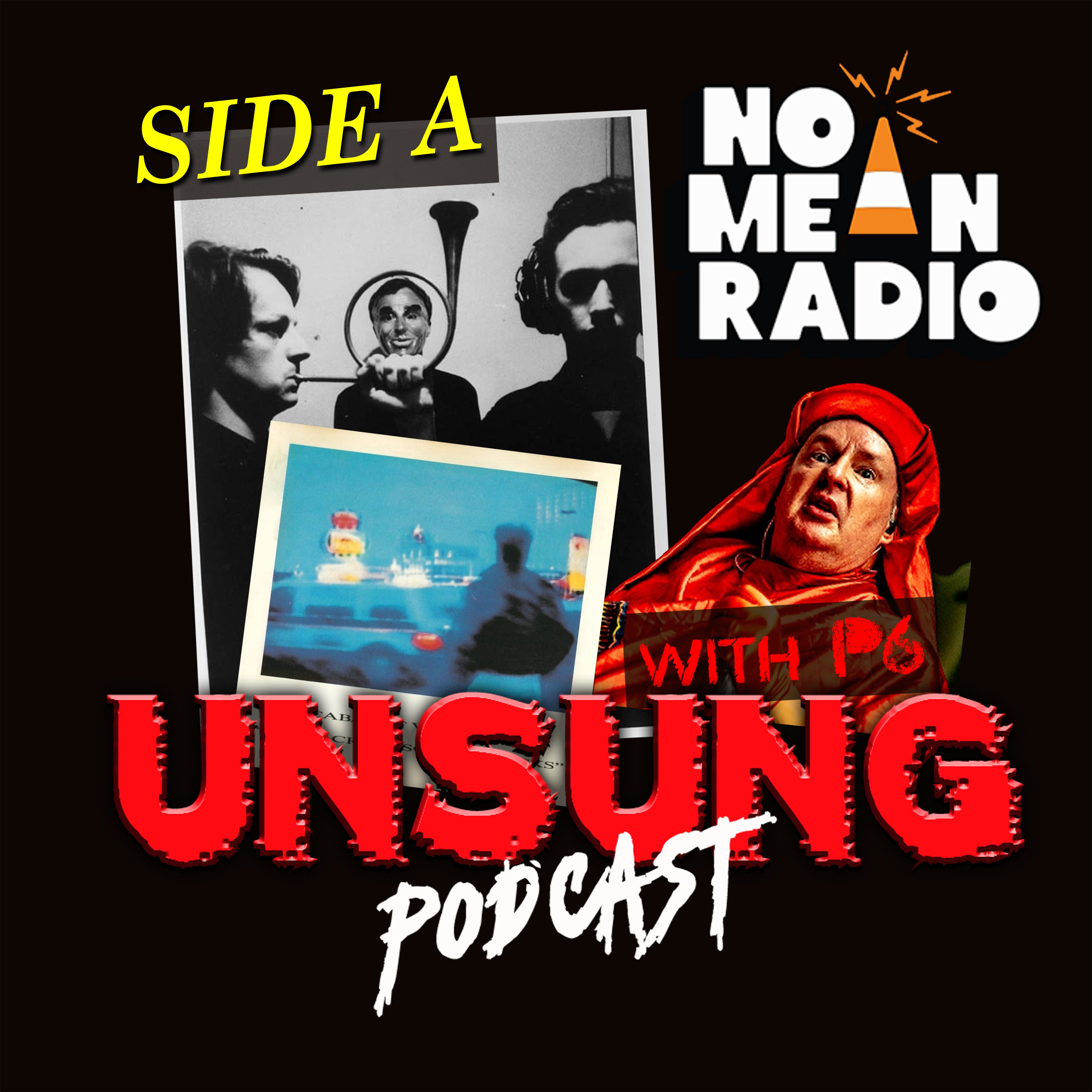
Are Cabaret Voltaire Britain's Most Pioneering Electronic Act? (Side A) with P6 from Stretchheads, Desalvo and OMO
May 1800:57:10Tap to summarizeCabaret Voltaire are no one thing. Depending on which corner of the internet you found us from, you might know them as the caustic Sheffield noise act who preceded post-punk, the sinister electro-industrial outfit with a penchant for evangelical samples and anti-fascist agitprop, or the dancefloor-adjacent act who fetched up on Factory's Belgian satellite label and made something close to club music. You're all correct.This week, we have a guide. Phil Eaglesham — P6, former front person of Stretchheads and De Salvo, current singer in OMO, musical walking tour operator, man of broad and alarming musical learnings — is here to help us navigate one of the most complex and wilfully uncommercial bands to come out of the UK, via their transitional compilation Eight Crepuscule Tracks.We trace the band's origins in a Sheffield attic in 1973, chart their debts to dub, Black American music, and the sci-fi soundscapes that shaped a generation of working-class ears, and make the case that Cabaret Voltaire — despite their apparent difficulty — were one of the most industrious and fundamentally political bands of their era. We also get into their time at Western Works Studio, which functioned less like a recording facility and more like the gravitational centre of an entire Sheffield scene; their complicated relationship with Rough Trade; and their connections to Joy Division, Lydia Lunch, Clock DVA, and the bands that would become the Human League and ABC.Along the way, Phil brings original artefacts including a signed 1979 TG/Cab Vol/Rema Rema poster from Tottenham Court Road, and the original 12-inches the album is built from. We also ask what would have happened to Cabaret Voltaire without punk — and conclude they'd likely have ended up an academic footnote rather than a foundational text. Highlights: 00:00 Intro03:56 Meet Phil Eaglesham07:47 P6 — The Name and the Character09:29 Queer Identity in the Industrial Scene12:55 Pseudonyms and Rockism17:44 Cabaret Voltaire: The Basics22:32 Sheffield, Western Works, and the Scene25:18 Rough Trade, The Fall, and Being Prolific29:10 Working-Class Roots and Industrial Culture32:33 Sci-Fi Soundscapes and Electronic Prehistory35:11 Musique Concrète to Cab Vol: How Close Were They?36:13 Dadaism, Situationism, and Confrontational Art38:40 Punk's Effect on Audiences (Not Just Music)40:11 The Counterfactual: Cab Vol Without Punk41:43 Black Music, Funk, and the DNA Nobody Talks About43:39 New Wave, No Wave, and New York Connections46:29 Factory Records, Crépuscule, and the Belgian Connection47:49 Original Artefacts: Posters, 12-Inches, and History50:31 Why Eight Crepuscule Tracks?52:54 Looking Towards Next Week and Outro
Transcribe →
Did Hollywood Kill Jóhann Jóhannsson?
May 401:22:15Tap to summarizeWe don't often cover classical or neoclassical music, as it’s a wee bit out of our wheelhouse. But that doesn’t mean we don’t enjoy it—often, our entry into that world is via film soundtracks. Jóhann Jóhannsson is a perfect example, having scored some of the most iconic films of the last 20 years.However, that’s only part of the story. Jóhannsson also released a series of acclaimed solo records; this week, we’re focusing almost exclusively on that solo output, while also providing an account of his life, his key cinematic works, and his tragic passing in 2018.We chart his path from early days in indie bands to the cross-genre think tank Kitchen Motors, and his meteoric rise as a composer for films like Prisoners, Sicario, Arrival, and The Theory of Everything (for which he won a Golden Globe and earned an Oscar nomination). From there, we take a closer look at his solo discography, including IBM 1401: A User’s Manual (built from his father’s vintage computer recordings), Fordlandia, and the short-film soundtrack And in the Endless Pause There Came the Sound of Bees, as well as posthumous releases like Gold Dust.We cap things off with a discussion regarding his death and the question of whether the pressures of Hollywood played a role in his demise, before focusing exclusively on his 2016 masterpiece, Orphée.00:00 Intro03:56 Meet Jóhann Jóhannsson07:47 Early Life And Indie Bands09:29 Labels And Influences12:55 Chris' Hildur Guðnadóttir Facebook Scam Story17:44 Solo Albums Breakdown22:32 IBM 1401 Masterpiece25:18 Fordlandia And Later Works29:10 Film Breakthrough And Awards32:33 Blade Runner Score Rejected35:11 Blade Runner Score Shakeup36:13 Zimmer Versus Vangelis38:40 Jóhann Interview Clues40:11 Who Made The Call41:43 mother! And The Scrapped Soundtrack43:39 Experimental Sound Design46:29 Final Projects And Legacy47:49 Last And First Men50:31 Posthumous Releases52:54 Death And Tributes55:39 Did Hollywood Kill Him58:48 Orphée Album Deep Dive01:08:32 Why His Music Matters
Transcribe →
Rock and Roll Killing Machine by Drowningman
Apr 2001:18:39Tap to summarizeThis week, we're talking about two things we think are quite interesting. First off, we chat about the early mathcore/metalcore band Drowningman and reflect on why they never quite reached the heights of their peers, such as Converge and The Dillinger Escape Plan—bands they often found themselves touring with in the late 90s and early 00s.While that story is compelling in itself, Drowningman can also count themselves among the artists who tried to sabotage a contractual obligation to a record label. As the story goes, they hit the studio with Kurt Ballou (Converge, God City Studios) to record a very weird album, tentatively titled Best Album Ever. The record was never officially released; it was allegedly created with the sole intention of being purposefully bad in order to satisfy, and terminate, their two-album contract with Revelation Records. In the end it never saw the light of day.This got us thinking about other artists who have tried to escape their contractual obligations. We use this lens to take a wee sojourn into the annals of music history, unearthing stories of several big-name artists who tried, and sometimes succeeded, in doing something similar.We hope you enjoy! Highlights:00:00 Intro01:27 Skipping the Discourse01:56 Viral Bands Debate02:59 Patreon Pitch05:37 Awkward Party Exits06:17 Meet Drowningman08:19 Origins and Scene12:00 Early Releases Breakdown16:07 Rock and Roll Killing Machine Era21:07 Later Records and Fadeout24:47 Did They Deserve Bigger27:05 Contractual Obligation Albums35:38 Ozzy Contract Loophole36:25 Speak of the Devil Drama38:05 Ozzy Album Aftermath38:57 Neil Young vs Geffen39:49 Beach Boys Owed Album40:55 More Contract Escapes42:40 Sisters of Mercy SSV45:46 More Obligation Oddities47:43 Rolling Stones Provocation50:31 Zappa Lather Bootleg51:25 Prince vs Warner Saga57:42 Drowning Man Review59:32 Track Highlights Breakdown01:02:56 Final Verdict and Wrap01:06:21 Outro and Thanks
Transcribe →
FROM THE VAULT: Corollaries by Lubomyr Melnyk
Apr 1301:34:36Tap to summarizeThis week's episode is another FROM THE VAULT as we travel back to one of our (sadly) many episodes that were recorded during the pandemic. This one is actually a condensing of two episodes on the weird/genius/odd/interesting music, and personality, of pianist Lubomyr Melnyk. Enjoy!Chris has been chomping at the bit to do this Lubomyr Melnyk album for a while. In fact, some may even remember that he brought it up during our Pandemic Mixtape. Well, the time has come to finally tackle this post-classical/minimalist work and in doing so we absolutely had to cover his…interesting thoughts on musical philosophy. Which cascades into his questionable thoughts on the actual science of how sound works. Which takes us down a big old rabbit hole, as I’m sure you can imagine.All of this to say that it takes us a while to get to the album as a result. Also, the dude’s done like 20+ albums (although we don’t cover all of them) so that’s another whole thing we had to deal with.We also talk about continuous music (the genre he reckons he’s in…of which he is the only practitioner), his incredible piano playing speed and a bunch more things.Our voyage into continuous music comes to a close as we dig into Lubomyr Melnyk’s eighteenth (!) album Corollaries. For the unfamiliar, Melnyk categorises his style as being something almost beyond classical music, yet this release sees him team up with neoclassical composers Nils Frahm and Peter Broderick. This album seemed to give Melnyk a new lease of life; upon getting together with Frahm and Broderick he stated “Where were you in my thirties?”, a statement that stands in stark contrast to his general aversion to playing with other musicians in the years before.There’s a lot to be said about Melnyk’s playing, and I think we cover most of that in the episode. Once again, potato quality audio from Mark but hey, it isn’t terrible.
Transcribe →