Podcast
Unsupervised Learning
Hosted by Merlyn Mind · EN
Conversations exploring AI, tech, and education with the team at Merlyn Mind.
4episodes
Episodes
Newest firstAll episodes
OpenAI drops ChatGPT, sending waves (or ripples?) in education
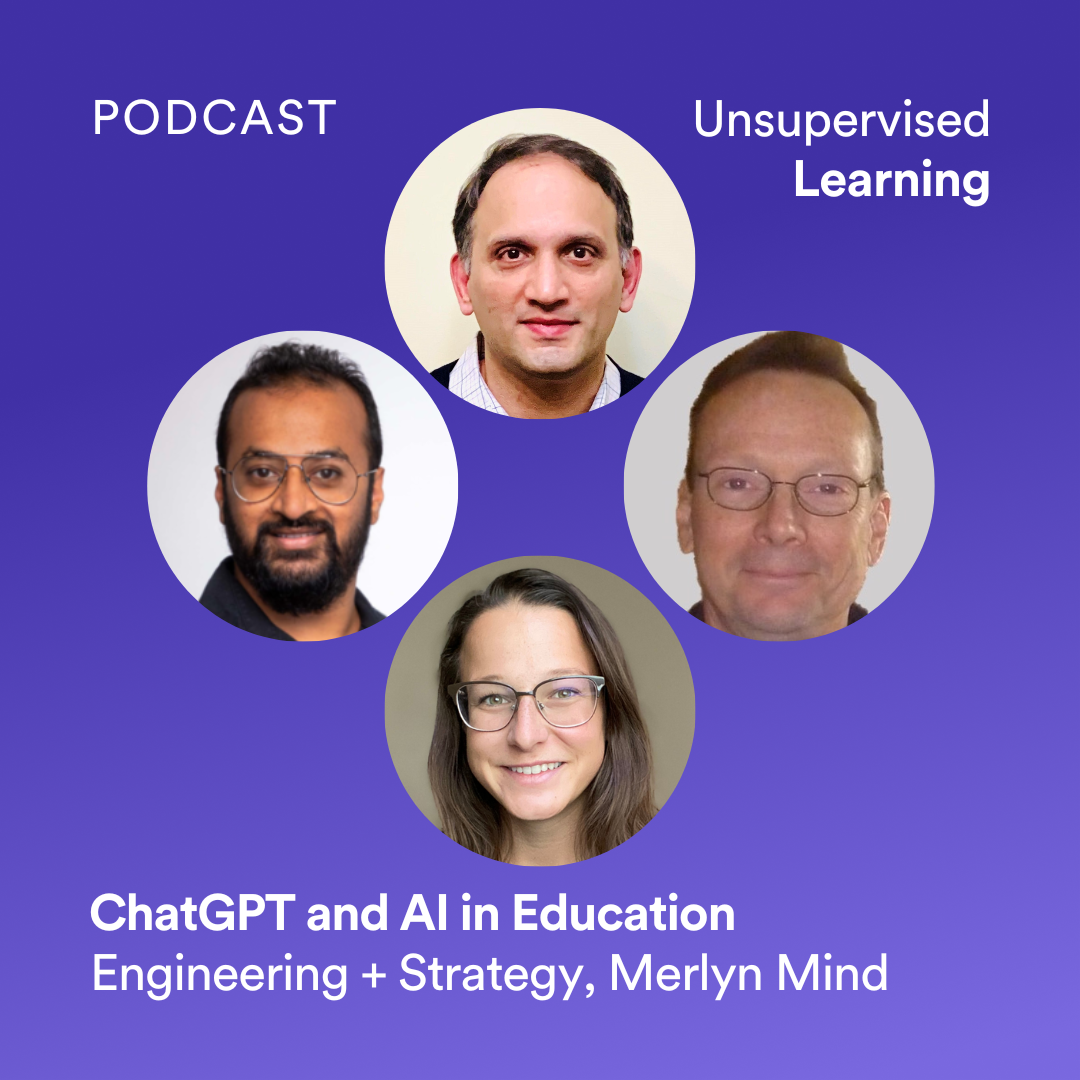
Dec 16, 202200:50:02Tap to summarizeChatGPT, the generative AI chatbot from OpenAI, recently took the internet by storm. It can write college-level five-paragraph essays on seemingly any topic and in any style. It can explain anaerobic respiration in 10 seconds from your biology homework prompt. It can write code and give coherent explanations to math problems, although not always correct ones. It’s no wonder students and educators are interested in how this particular AI tool changes the classroom. We, at Merlyn Mind, are leading the push for AI in classrooms by building the first digital voice assistant for teachers. In this episode, we gather our team of AI engineers to share their hot takes on ChatGPT’s impact in our wheelhouse: education and AI. Learn from experts on what makes ChatGPT special, what makes it not special, and what the implications are for teaching and learning.
Transcribe →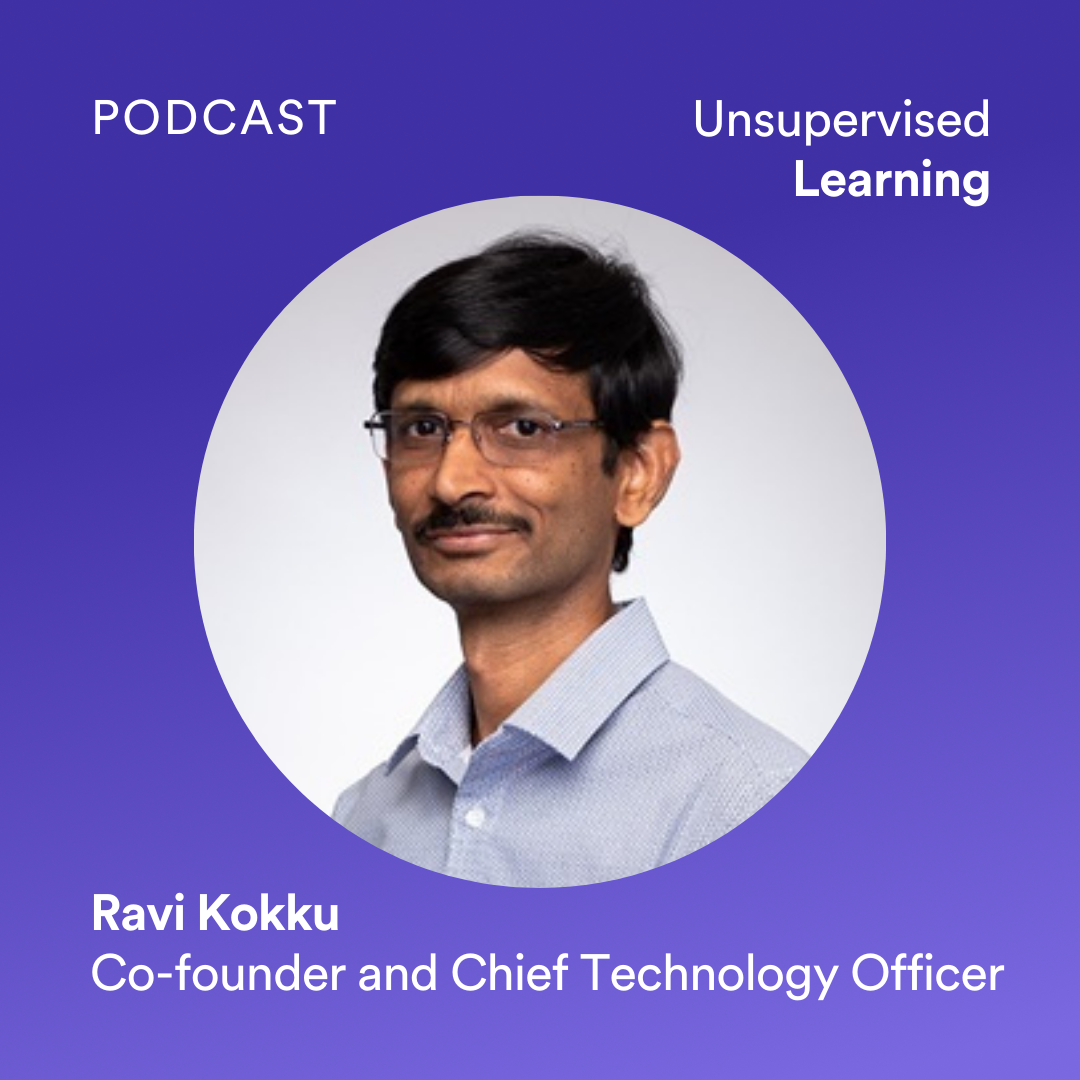
Is Merlyn Safe for Schools? A Conversation on Privacy & Security
Jun 15, 202200:33:44Tap to summarizeOur founders started Merlyn Mind with an unwavering belief in privacy, so we do things differently. "That's the fundamental premise of this company," says Ravi Kokku, Co-founder and Chief Technology Officer of Merlyn Mind. "We want to give these advancements of AI to classrooms, but we want to do it safely in terms of security and privacy." Go deep with Ravi as he discusses how Merlyn accommodates the unique needs of education, including the privacy and security needs of schools.
Transcribe →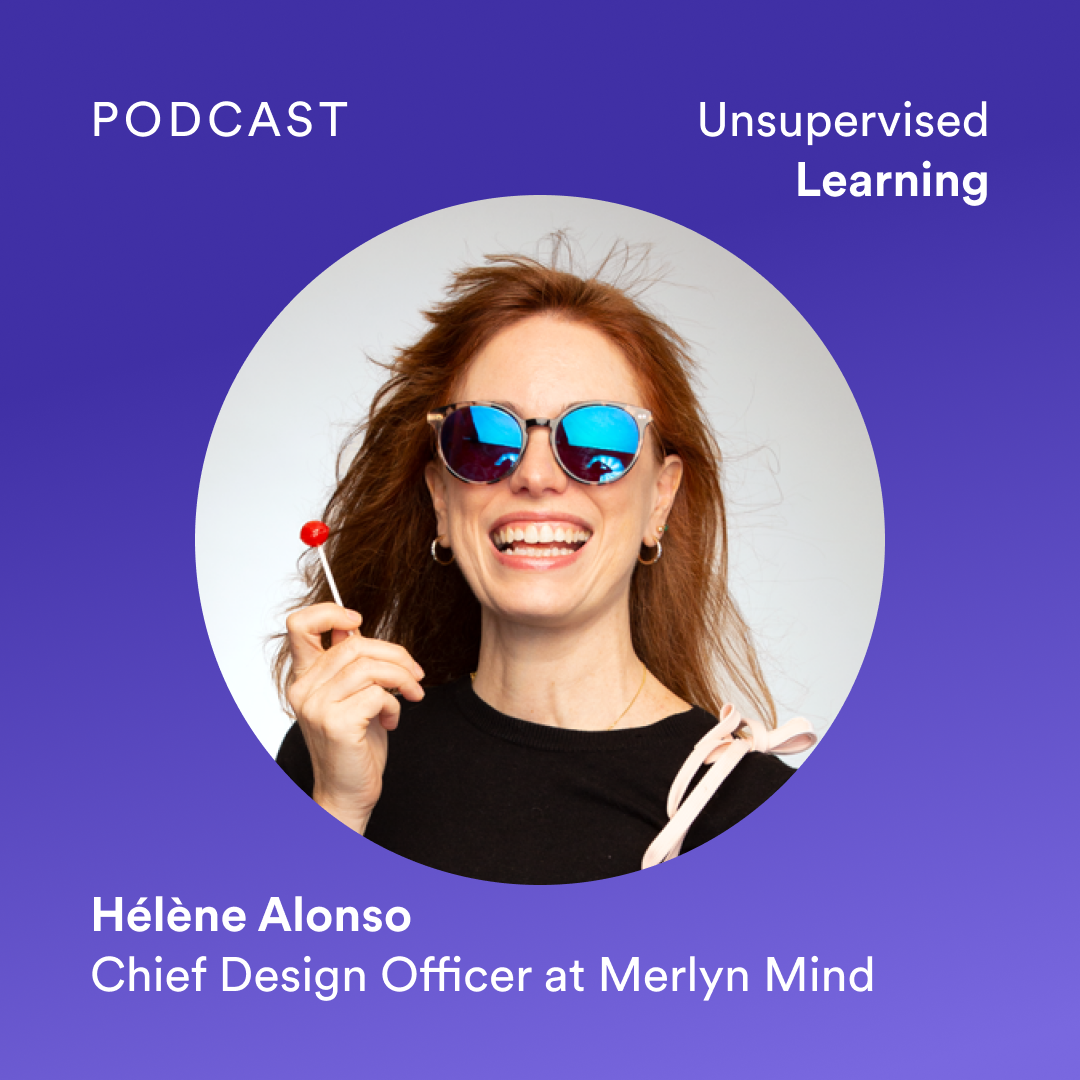
Gorillas, Dinosaurs, and AI ... A Designer’s Journey
May 17, 202200:36:03Tap to summarizeWho is Chief Design Officer Hélène Alonso, and how does she bring such beauty and inspiration to Merlyn Mind? Learn about her family's escape from civil war, and how her love for gorillas transpired into a blooming career in EdTech. Hear what she does to ensure design is at the heart of solving problems with AI solutions in classrooms and how she envisions the future.
Transcribe →“Thinking, Fast & Slow” and What It Means for AI and Teachers
Apr 13, 202200:18:17Tap to summarizeWhat can AI researchers learn from the different ways the human brain processes information? What does this mean for AI generally, and what does it mean for education and applications of AI in education? Aditya Vempaty and Levi Belnap from the Merlyn Mind team explore these questions as they discuss Daniel Kahneman's concept of System 1 and System 2 from his book "Thinking, Fast and Slow" and explore recent work from AI researchers applying this approach to artificial intelligence.
Transcribe →