
Podcast
Uptown Radio
Hosted by Uptown Radio · EN
This is a weekly Uptown Radio broadcast from Columbia University Graduate School of Journalism.
16episodes
Episodes
Newest firstAll episodes

The Other Side (Judge's Award)
Apr 1400:02:00Tap to summarizeIn the middle of breakfast, the ladies of the Community Park & Market henhouse wonder what it's like outside the coop, across the road, on the other side. Winner of the Judge's Award in Columbia Journalism's School 2026 Radio Race.
Transcribe →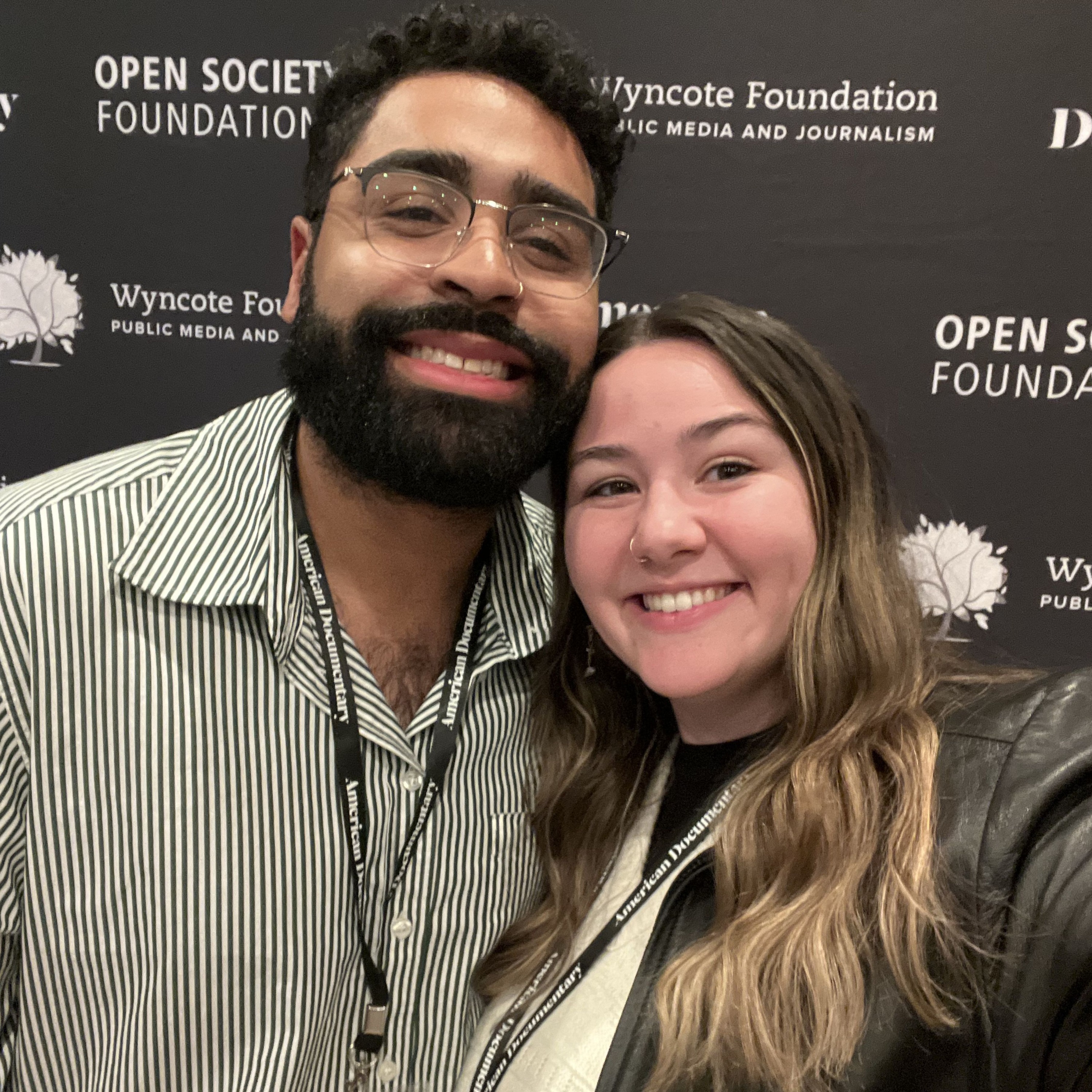
Little Guyana (Audience Award)
Apr 1400:01:59Tap to summarizeTravel to Little Guyana with Chris as he shops for his mom's favorite food from her home country, which she hasn't returned to in 30 years. A story about culture, food, and family. Created by husband-and-wife duo Chris Agbanyo and Kylie Miller. TRANSCRIPT CHRIS VO If you take the A train all the way to the end and get off at the last stop, you'll end up in Little Guyana. Little Guyana is a very small neighborhood in Queens where the A train rumbles above your head, where you can find great food, great culture, and great people. CHRIS And then can I also get six pine tarts? MOM Uh-huh. And one butter bread. CHRIS One second, Mom. CHRIS VO My mom's Guyanese. She immigrated to the United States in the eighties and she's always been craving and wanting many Guyanese things. So I always go to Little Guyana before I go to visit my mom in Pennsylvania to get her everything she needs. CHRIS What, what else do you want, mama? MOM Um, Pholourie mix and, and split pea flour. CHRIS Okay. All right. I'll get that. CHRIS VO She has a really, really strong cultural identity in her cooking, in her accent, the way that she acts and, you know, laughs and yells. STORE CLERK What your mom is? Guyanese? KYLIE Yeah. CHRIS Yeah, she's Guyanese. STORE CLERK And what the father is? CHRIS Uh, my father is, uh, Togolese from West Africa. STORE CLERK Well, he, she made a handsome son. CHRIS Thank you. CHRIS VO Food is so important to both my parents' cultures. It's the connective tissue that brings people together. CHRIS Can I get, can I get one, uh, one chicken patty please? STORE CLERK At least he could get something for himself, mom. CHRIS The lady said at least I can get something for myself, not just for you. STORE CLERK Because he buy all for you. CHRIS Thank you so much. CHRIS VO I go to Little Guyana, you know, and it's over an hour from my house taking the J all the way to the end of the A to get there. And the reason why I do it is like she hasn't gone home. You know, I do it so she has a piece of home. You know, I come from a place where, you know, that $800 flight, you know, is too much. So if I can spend a hundred dollars at a Guyanese supermarket and call her on the phone and hear her voice, how she's excited to get what she's getting and saying, "thank you, son". MOM Thank you son. CHRIS VO and just being happy. CHRIS Alright, bye. CHRIS VO That's what I do it for. MOM Bye bye.
Transcribe →
Sorrel with Rice
Apr 1400:02:00Tap to summarizeThis piece was a finalist in Columbia Journalism's School 2026 Radio Race. [Birds] VO: We’re in Grădinari, just outside Bucharest, in the courtyard of a ruined boyar mansion. Around 1900, this place would fill with guests spending their summers here. Marius: The parties they hosted here in Grădinari always had elaborate menus. These were exclusive gatherings. It wasn’t easy to get on the guest list. Parties here lasted a long time and were very lavish. VO: This is Marius Tudosiei. He bought the place and wants to give it a new life. He loves the cuisine of southern Romania and says that, especially during spring, you should start at the market to find its flavors. Marius: You should always look for seasonal ingredients, because they’re the freshest and the most nutritious. [Obor market ambiance] Vendor (RO): “Ten for you — I’ll give them for fifteen lei so you still have money for a coffee. And you should know — sorrel is more expensive.” Marius: For example, in spring you’ll find sorrel. Sorrel with rice is divine. It surprises you — you don’t expect such depth of flavor from a simple leaf that grows wild in the fields. Market seller: I’m from the countryside, but I don’t know how to cook sorrel with rice. You boil the rice, onion, and sorrel… right? [Phone playing archival TV audio] “This house of death…” VO: But this place has had another life. It used to be a hospital-orphanage for abandoned children. For a long time, their meals consisted mostly of porridge. [Museum team rummaging] Museum of Abandonment team: “There are more objects here… What you found in the archives comes back to life.” VO: Marius didn’t throw anything away from that chapter. Instead, he invited the Museum of Abandonment to gather what remains — and preserve the story. Marius: A toy… a ball… a doll’s head… VO: Soon, the mansion will fill again with old recipes, music, and life. But it will also mark the memory of the children who lived — and suffered — here.
Transcribe →Untitled
Apr 1400:02:00Tap to summarizeFinalist in Columbia Journalism's School 2026 Radio Race. Translated from Swedish to English: My baby has learned to babble. It's so damn cute. 2-year-old: You’re supposed to bite like a crocodile! We have breakfast. And put on clothes. I pack the diaper bag. I'm headed to the gym. My body is different now. Now that I've given birth to two children. I have to go to mamafit-classes. The trainer says our bodies start to deteriorate when we turn 30. I'm about to turn forty. The sky is clear blue and the sun is shining. Life really comes back in this city when the sun shines in March. Everything that is ugly becomes beautiful. The tower cranes at Slussen gleam in the sunlight. The Katarina Elevator looks small in comparison. Almost everyone at the gym is retired. And then there's us. The moms with our babies. We who are trying to wake up those inner abdominal muscles that apparently are still in there. It's just the neural connections that are missing, says the trainer. Outside the gym my dad is waiting, leaning against a tree. We’re meeting up to choose a picture for my mother’s casket today. She died two weeks ago. My dad looks younger than he is. He is retired too, like the people at the gym. My baby is not retired. She is brand new. Then we buy milk. And I forget to pay for the diapers. Tomorrow is Wednesday. Then it will be two weeks until my mother's funeral.
Transcribe →The Middleman
Apr 1400:01:45Tap to summarizeFinalists in Columbia Journalism's School 2026 Radio Race Transcript: AUTOMATED SELF-CHECK-OUT MACHINE: Thank you for shopping at Wegmans. [COLD WIND] TOMÁS: El invierno es donde más se gana. Winter is when you earn the most. [DOORDASHER BIKE ZIPS THROUGH THE WINDY STREETS] Ganamos por entrega. We earn by delivery. Estamos en contra del tiempo. We are racing against time. Mi nombre es Tomás. Soy de Guatemala. Trabajo de DoorDash de semanas y trabajo en ‘warehouse’ de lunes a viernes. My name is Tomás. I'm from Guatemala. On the weekends, I’m a Doordasher. And from Monday to Friday, I work in a warehouse. ¿Cómo lidiar con el cansancio? Ah, a mí me lidiana mucho el vino, pero Mi futuro es esto: trabajar duro. How do I cope with exhaustion? Uh. Well, wine helps me cope, but this is my future: working hard. Hay que andar con casco, las luces, y respetar las señales. Wear a helmet, use lights, and respect the signs. [SOUNDS OF TRAFFIC] Si usted respeta eso, no pasa nada. If you follow that, you’ll be safe. [CAR BEEP] Me la paso más en Manhattan. Mi área es bajo por la World Trade Center. I work mostly in Manhattan. My area is near the World Trade Center. Lo que más me gusta es que me distraigo bastante. En las calles. Entro en diferentes restaurantes [y] supermercados. My favorite part of this job is that I entertain myself a lot. I’m outside in the streets. I go into many different restaurants and supermarkets. [MONTAGE OF DELIVERIES] [BIKECHAIN LOCKS] Y lo malo es que los clientes no contestan, no abren la puerta, te toca llamar al servicio al cliente. Entonces ahí perdemos mucho tiempo. Eso es lo malo. And my least favorite part is when customers don't answer, or they don't open the door, and you have to call the App’s customer service. That’s where a lot of time is wasted. That's the bad part. [APARTMENT BUZZ] Muchos edificios así, viejos, toca subir, caminar seis [o] cinco pisos, [y] bajar. Many buildings like this, old, you have to go up, walk six or five floors, and then come down. Entre más hacemos, más ganamos, pero hace como dos años, ya no dan tips. Raro que te den $2, $3. Ya no. Ya nadie quiere dar tips. The more we do, the more we earn. But, it's been about two years since they stopped giving tips. Rarely do they give you $2 or $3. Nobody wants to tip anymore. [FOOTSTEPS WALKING UP FLIGHTS OF STAIRS] Hi. [DOOR OPENS] May I have your ID please? [HEAVY BREATHING]
Transcribe →Uptown Radio Broadcast May 15, 2025
Sep 2500:57:11Tap to summarizeUptown Radio Broadcast May 15, 2025 by Uptown Radio
Transcribe →
New York says goodbye to the MetroCard
Sep 900:03:45Tap to summarizeFirst came the token. Then the MetroCard. Now, a new chapter in New York City transit history is about to begin. The MTA plans to retire the MetroCard at the end of this year, replacing it with OMNY, a contactless payment system. Shirin Hakim checks in with New Yorkers to see how they feel about saying goodbye to a city icon.
Transcribe →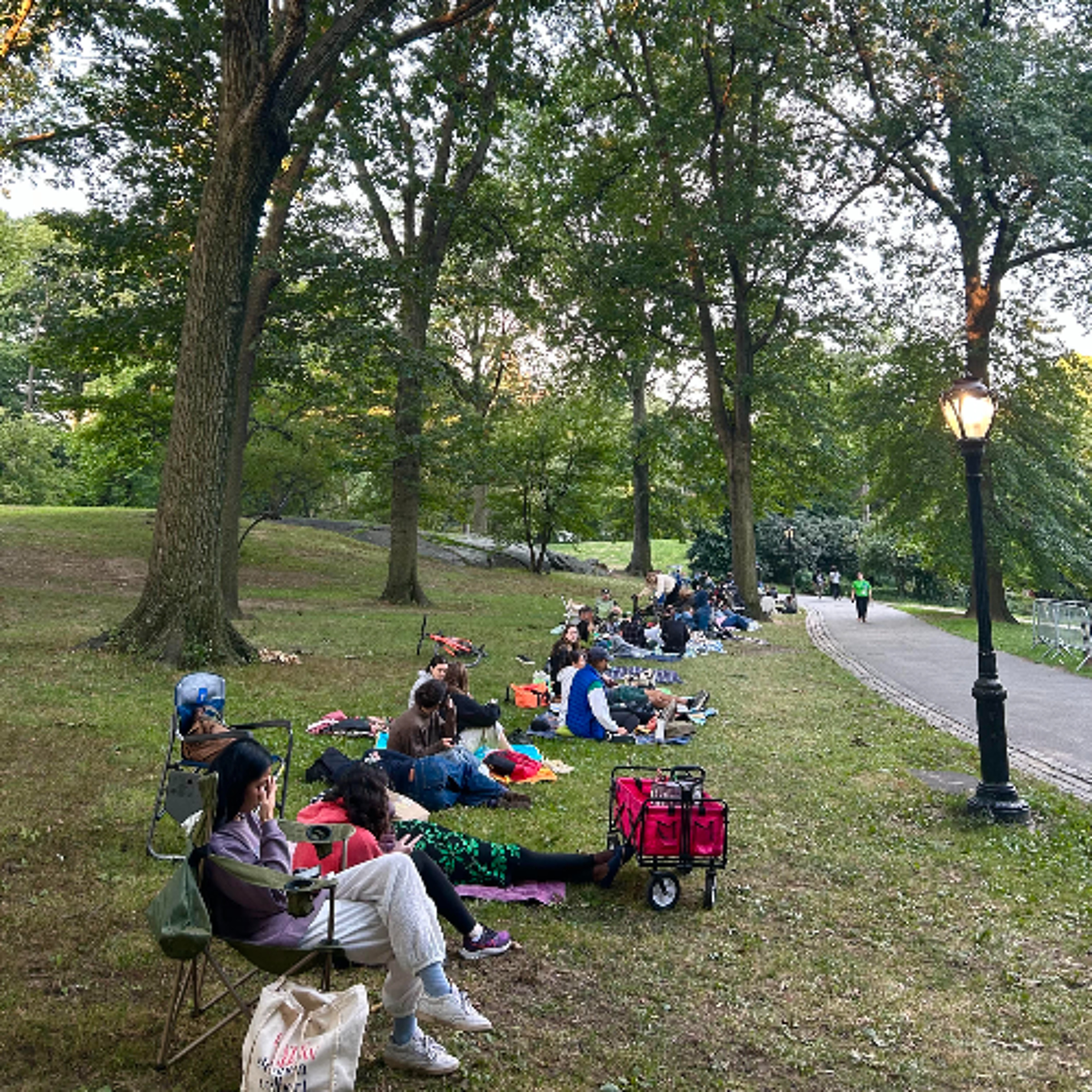
The line at the Delacorte Theater
Sep 200:02:13Tap to summarizeThe Delacorte Theater just reopened. It’s been closed for two years for renovations, and New Yorkers are anxious to get a seat at this summer’s iteration of Shakespeare in the Park. People have been lining up at all hours of the morning for their chance at one of the hottest tickets in the city. And as Katherine Weyback finds, the line has taken on a life of its own.
Transcribe →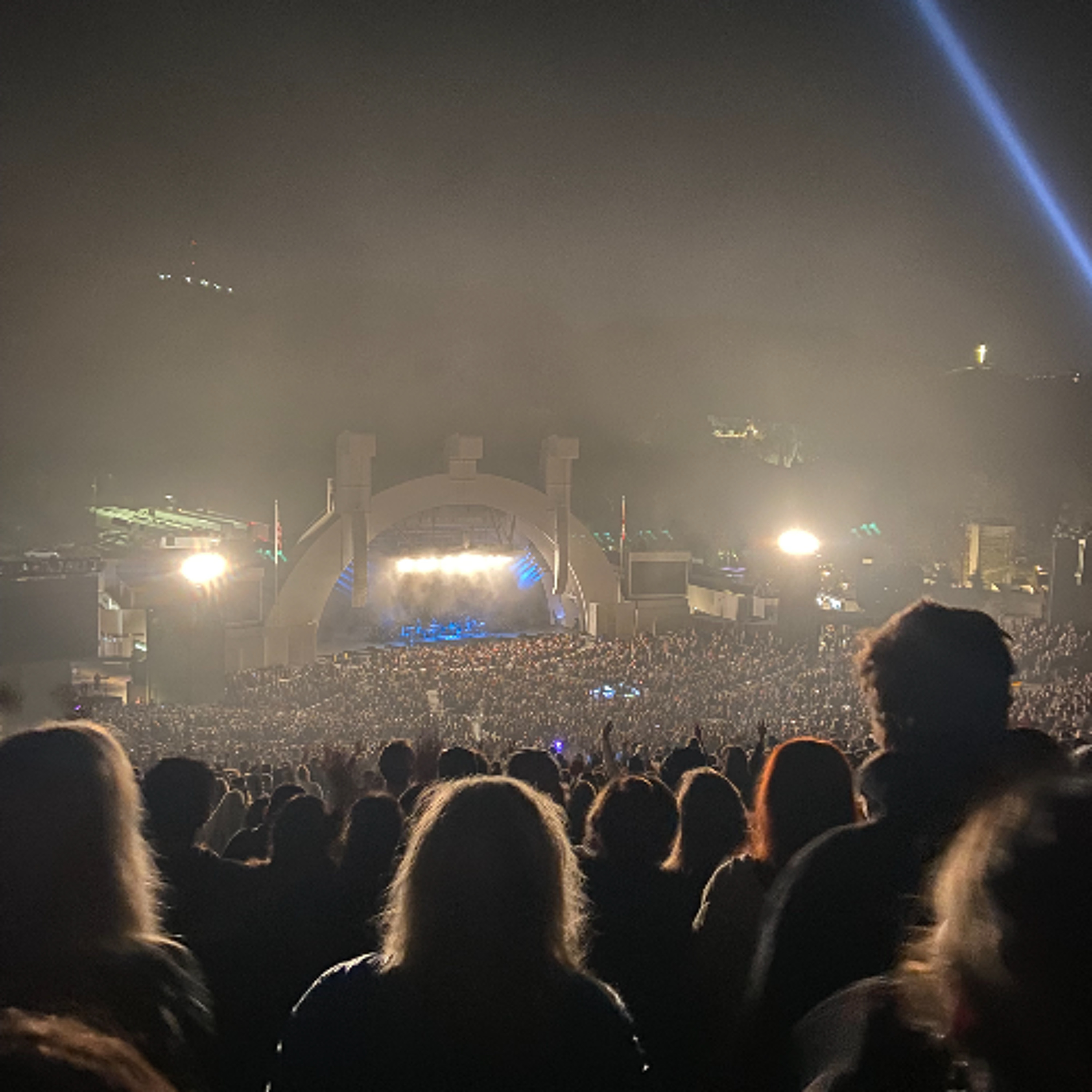
What Makes a Concert Friend
Jul 1, 202500:03:36Tap to summarizeWhat Makes a Concert Friend by Uptown Radio
Transcribe →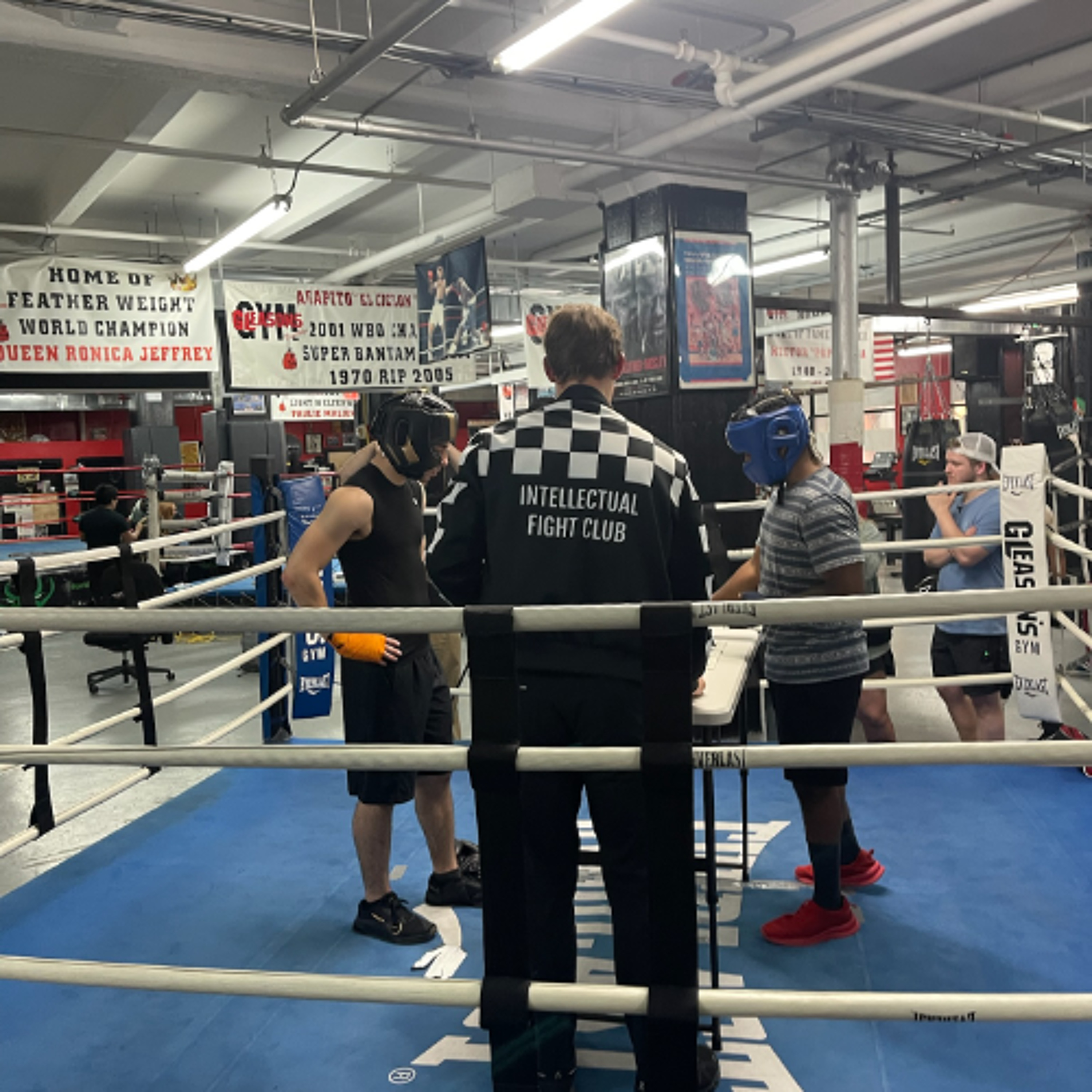
The Art of Chessboxing
May 30, 202500:07:35Tap to summarizeThe Art of Chessboxing by Uptown Radio
Transcribe →