
Podcast
USC Honesty Hour
Hosted by USC Honesty Hour · EN
Honesty Hour is a podcast dedicated to discussing mental health and professional development. While primarily focused within the USC community and LA area, Honesty Hour seeks to provide insight about mental health for everyone. Every week we will be interviewing a new guest such as professionals, clinical psychologists, psychology professors, students, social impact organizations, mental health coordinators etc, in order to start those much needed conversations about your psychological well being.
12episodes
Episodes
Newest firstAll episodes
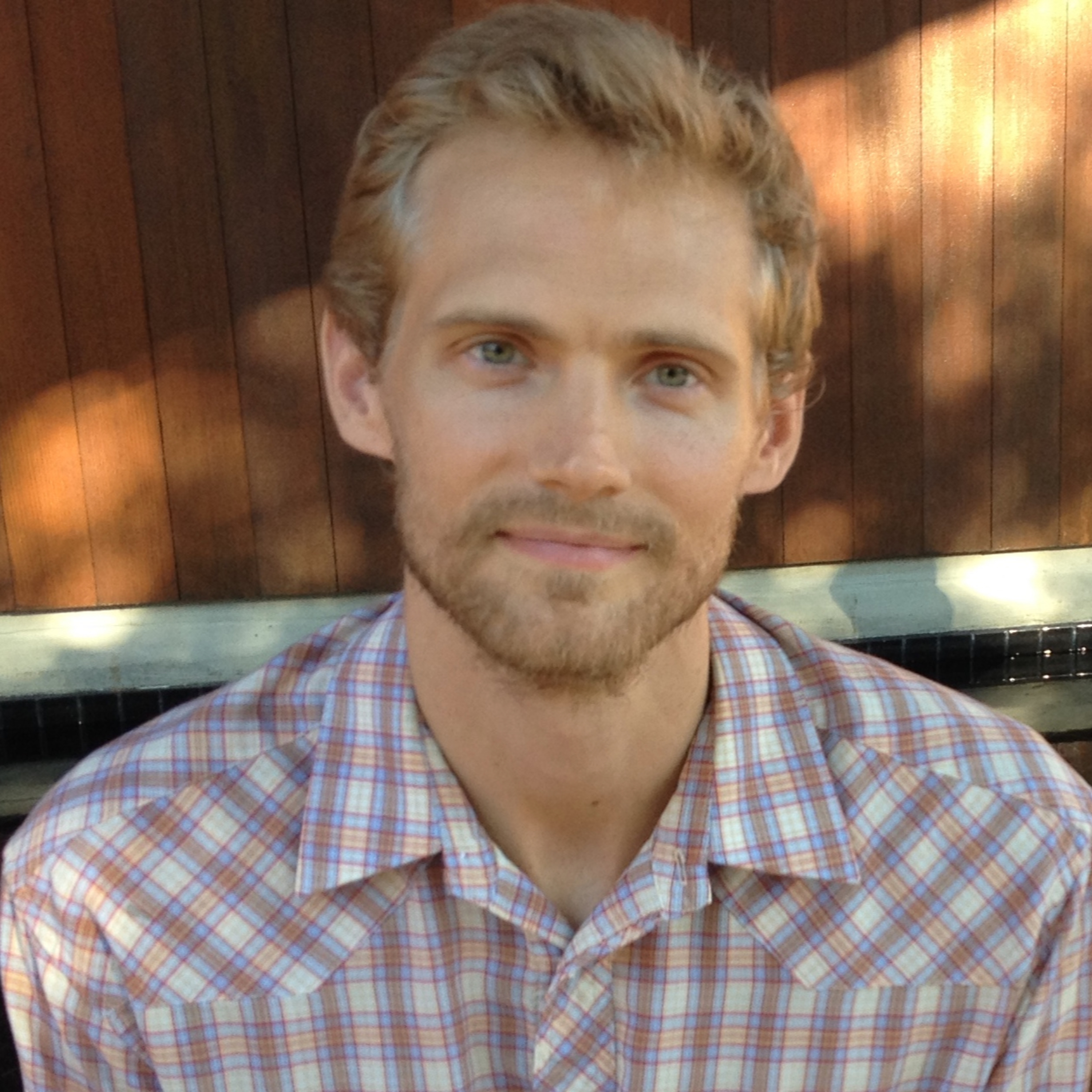
Episode 24: John Kneedler
Apr 14, 202400:52:17Tap to summarizeIn this episode, our host, Mayra Rios, will interview our guest speaker, John Kneedler. They will discuss about mindfulness and lead you through a short mindfulness exercise near the end of the episode. John Kneedler is a Certified Mindfulness Facilitator through UCLA’s Mindful Awareness Research Center and is a member of the International Mindfulness Teachers Association. He received his BA in Psychology from Duke University. Over the last decade John has had the opportunity to teach mindfulness in pretty much any setting you can think of. Grade schools, law firms, medical centers, Fortune 500 companies. He currently holds the role of part-time faculty through the Physical Education & Mind Body Health Department and teaches the Introduction to Mindfulness course.
Transcribe →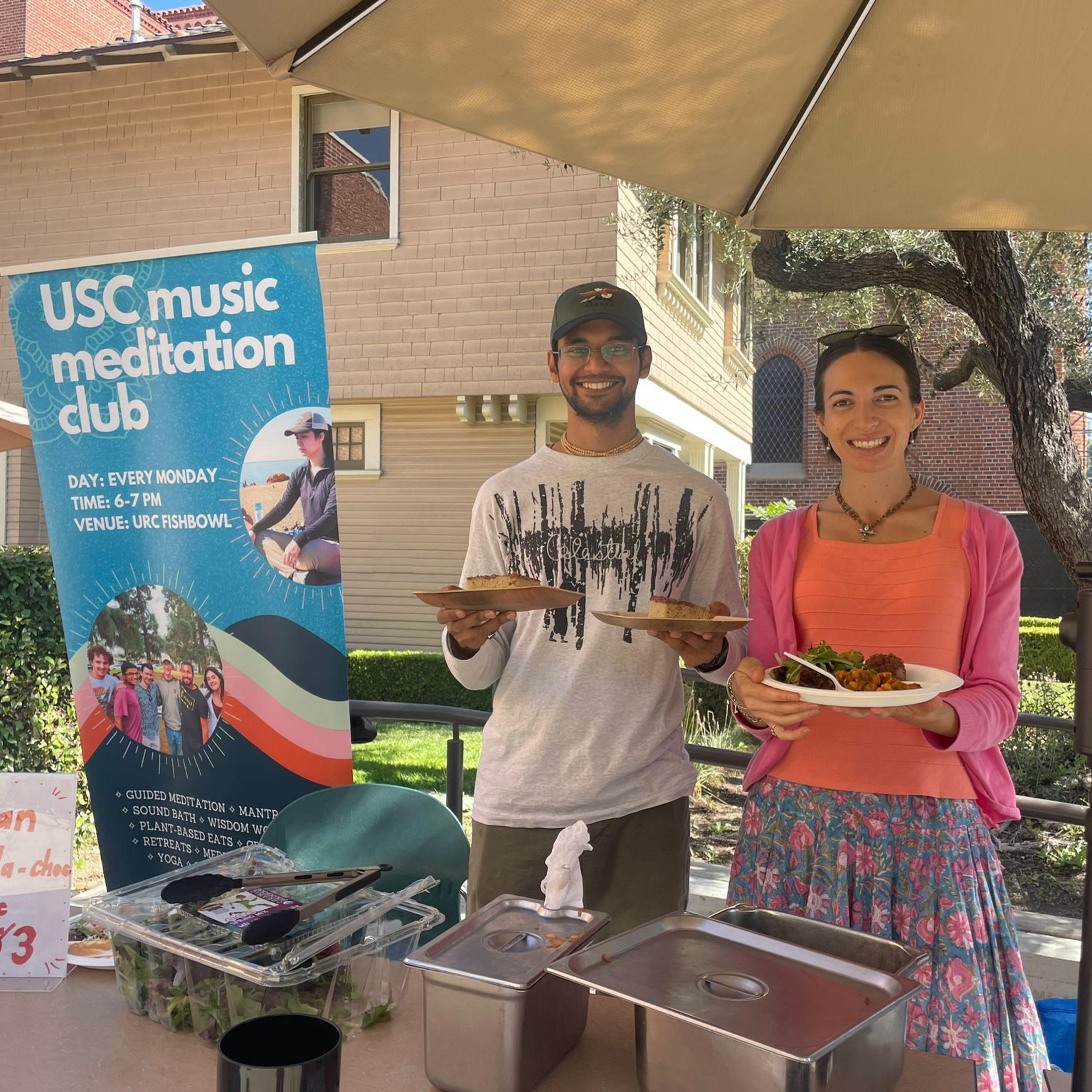
Episode 23: Vraja Kumuda
Apr 14, 202400:59:25Tap to summarizeIn this episode of the USC Honesty Hour Podcast, hosts Nathan and Vanessa delve into meditation practices, topics of identity, and adaptation to new environments, aiming to destigmatize mental health challenges and promote open conversations. Joined by Vraja Kumuda, Director of the Music Meditation Club and a practitioner of Bhakti Yoga, the discussion explores his personal background, involvement with the club, and insights into self-care practices, including Mantra meditation. Kumuda shares his experiences of overcoming identity struggles and offers advice on adapting to new environments, drawing from his relocation from India to LA in 2016. The hosts invite listeners to engage further and express gratitude for their participation, leaving them with a sense of connection and anticipation for future episodes. Timestamps: 1:19 Intro 2:07 Can you introduce yourself and your background for the audience? 3:05 How did you get involved with the Music Meditation Club? 4:24 So we know you are involved in Mantra meditation, could you please go over what that is and some of its benefits? 8:40 How does Mantra meditation differ from other forms of meditation? 11:10 Now let’s shift gears and talk about identity. Have you ever struggled with identity? What was the context of it? How did you overcome it? 16:05 How has the clarity from mediation helped guide you to find your identity or help reinvent your identity in some way? With that new understanding of your identity, how has that helped with your fulfillment and happiness? 31:28 Since you moved from India to LA in 2016, do you have any advice on adapting to new environments? 41:00 Do you have any self-care practices you recommend? 49:05 What advice would you give those looking to incorporate meditation and self-care practices into their lives? 53:12 Guided Meditation 57:55 Conclusion - Closing Comments
Transcribe →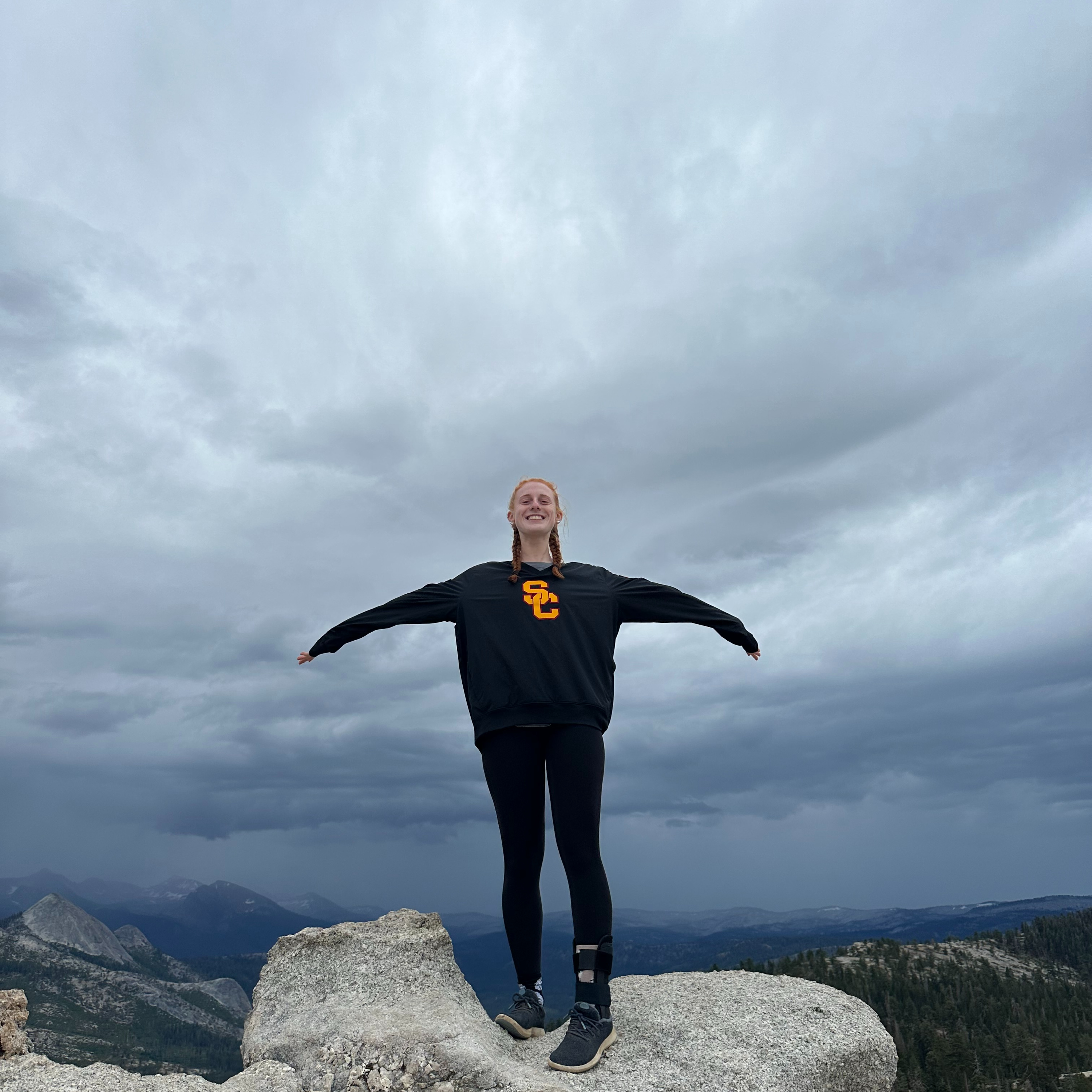
Episode 22: Sabrina Atkin
Apr 14, 202400:29:05Tap to summarizeIn this episode, our host, Darin Jawahar, will interview our guest speaker, Sabrina Atkin. Sabrina is a senior at USC studying mechanical engineering with a minor in dance and a minor in computer programming. She has been a classical ballet dancer her whole life and really enjoys watching stand up comedy. This past February, she started the USC chapter of a mental health org called IfYou'reReadingThis with the hopes that is would help to destigmatize mental illness and promote people connecting with and helping those around them. She is very grateful to have had a strong support network for her own mental health struggles, and wants to help provide that support to her fellow Trojans.
Transcribe →
Episode 21: Victoria Makanjuola
Apr 8, 202400:45:50Tap to summarizeFor today's episode, our two hosts, James Lai and Biyeni Eusebio, will interview Victoria Makanjuola, a graduate student at USC majoring in Integrated Design, Business, and Technology. She also has a mental health podcast called "The Feel Your FeelingZ Podcast." Victoria will share about mental health challenges and effective ways to take care of our mental health.
Transcribe →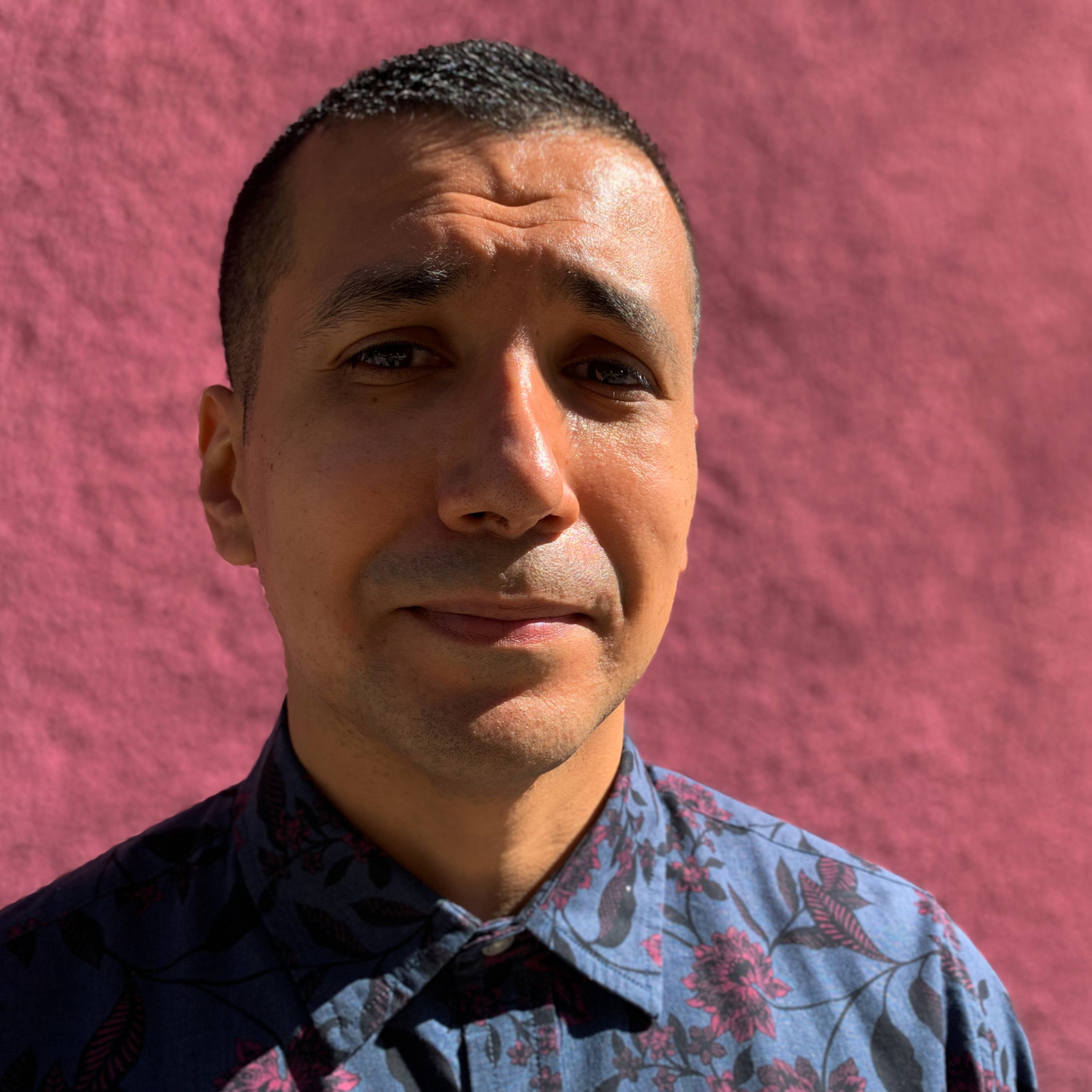
Episode 20: Dr. Rogelio Lopez
Apr 7, 202400:49:53Tap to summarizeIn this episode, we will interview Dr. Rogelio Alejandro Lopez, a scholar and media maker with an interest in social movements, media activism, and youth civic media. Dr. Rogelio earned his doctorate in communication at USC’s Annenberg School for Communication and Journalism, where his dissertation examined the media practices of youth activists involved in social movements. He is currently teaching as an adjunct at USC Annenberg. 0:22 - About Dr. Rogelio 2:48 - What have your studies taught you about the connections between societal and media perceptions as well as mental health? 8:52 - How do you think being a minority impacts how mental health issues are both managed and perceived? 18:48 - How has the media portrayal of mental health issues impacted how the real world deals with their own mental health issues? 22:51 - What can people in media and celebrities do instead so that people facing mental health issues can feel more empowered ? 25:57 - How have younger generations been seen fighting these stigmas differently than older generations. And do you think social media is the reason why young people are more outspoken about these issues? 35:06 - How can activism be used to fight the stigma surrounding mental health and how are minorities with these conditions perceived? 40:44 - What advice can you give to students who have never dealt with mental health issues before and are fighting imposter syndrome at USC? 44:26 - Do you have any resources that have helped your mental health over the years?
Transcribe →
Episode 19: Sasha Lawrence & Allan Riedel
Jun 30, 202300:36:12Tap to summarizeIn this episode, Sasha Lawrence, majoring in Psychology and a Community Health Organizer in USC's office for health promotion strategy, and Allan Riedel, majoring in Communications, share their experience as black students at USC, a PWI (predominantly white institution). Interview questions: 1:50- What kind of community did you grow up in? Was it predominantly white, black, etc.? How did that shape your perceptions of society as a whole? Do you think that it prepared you for the environment at USC? 8:40 - When you first got to USC did you experience imposter syndrome? What was it about? How were you able to combat it over the past 2 years being here? 17:43- What are some ways we can stimulate more conversations around mental health problems in the Black community? 25:32 - Do you think finding a community of people similar to yourself has helped, or do you think that diversifying your friend group has helped? 32:53 - What are some things that USC specifically has that you think have helped with being Black at a PWI?
Transcribe →
Episode 18: Dr. John Walsh
Mar 16, 202300:56:26Tap to summarizeIn this episode, we will meet Dr. John Walsh, an Associate Professor of Gerontology and Neuroscience and Assistant Dean of Gerontology at USC, and hear some of his valuable advice about mental health. He was a UC Irvine undergrad, went to grad school at The University of Pittsburgh school of medicine, and finished his Ph.D. at the University of Texas School of medicine. Then, he progressed through various research about the brain, neuroscience, stroke, etc. After 25 years of working in a brain-related research laboratory at USC, he became a professor here. Through his practical experience in life, he will provide us with valuable advice that helps students to have a healthy mental state. He reminds us to think about whether we are into what we are doing to attain the highest state of happiness as well as productivity in our life, shows having a like-minded and supported community could leverage our performance, and also wants us to know we should not stop our hobbies, as they are the most effective way for us to combat any mental challenges we will face in our life. 01:17 - Touched/ motivation 03:54 - About Dr. Walsh and how he found his way to his career in gerontology. 11:05 - What has worked in gerontology taught Dr. Walsh about mental health? 16:48 - What is Dr. Walsh's thought on dopamine detox? 22:33 - What methods can we use to battle the lack of motivation that some students face at this point in the semester? 29:33 - How are nutrition, exercise, and meditation tied to mental health? 37:06 - How do socialization and a strong circle of friends impact our mental health? 40:15 - Since this podcast is targeted towards students, what are some things we should warn students about regarding drugs and alcohol and their overall brain and mental health? 47:29 - What advice does Dr. Walsh have for students who are struggling with balancing everything in their lives and having mental health issues? 50:30 - Are there any things Dr. Walsh does as a professor or think professors should start doing to help students manage their stress? 52:09 - Any resources (podcasts, classes, music, hobbies, books, etc.) that have helped Dr. Walsh's mental health over the years Host: James Lai Video edited by Dau Tran Minh Hoang
Transcribe →
Episode 17: Tiana Day
Feb 19, 202300:52:43Tap to summarizeOur guest speaker this week is Tiana Day, a 20-year-old activist, speaker, and the founder of the nonprofit organization Youth Advocates for Change. Tiana has been named CNN’s “2020 Hero of the Year, Young Wonder,” a Golden State Warriors “Bay Area Impact Warrior” and recognized by the San Francisco Commission on the Status of Women for her intersectional activism. She has also spoken on panels for companies such as The New York Times, Adobe, Pepsi, Instagram, Twitter, and ESSENCE magazine. She is currently attending the University of Southern California at the Iovine and Young Academy, pursuing a Bachelor’s degree in Arts, Technology, and the Business of Innovation with a minor in Education and Society. In this episode, Tiana will talk about maintaining a good work-life balance, managing stress and burnout, and promoting her mental health as a community organizer and nonprofit founder. She will also share some experiences that challenge her mental health and how she maintains confidence and combats stereotypes that demean her mental health as a young woman of color. 3:31- How is mental health important to Tiana Day 7:28- What is Youth Advocates for Change & how did Tiana establish it? What are her favorite memories or proudest accomplishments from Youth Advocates for Change? 17:10- How does Tiana maintain a good work-life balance and manage stress and burnout as a community organizer and nonprofit founder? 24:00 - Some of Tiana’s experiences that challenge her mental health, such as imposter syndrome, and her takeaways from them 33:09 - How does Tiana maintain confidence and combat stereotypes that demean her mental health as a young woman of color 42:55 - Tiana’s goals for the future and what mindset does she have to achieve these goals 48:58 - Some useful resources that have helped Tiana promote her mental health over the years
Transcribe →
Episode 16: Patrick Cates
Jan 30, 202300:51:38Tap to summarizeIn this week's episode, we will interview Patrick Cates, who has worked at USC for nearly 15 years and is the Associate Dean for Undergraduate Programs at Marshall, where he also serves as one of Marshall's DEI Fellows. In addition to his duties as Associate Dean, he teaches Organizational Change and Leadership classes as an adjunct faculty member at Marshall and Rossier. Patrick and his parents are mental health advocates. They used to volunteer at a 24 hours telephone support for people with emotional problems called Samaritans in the UK for many years. The importance of mental health has provided a foundation for Patrick's approaches to teaching and leadership. Patrick and the hosts, Biyeni & James, will discuss the importance of compassion and gratitude to students, teachers, and business leaders and what professors should do to help manage students' stress. He will also discuss how students can overcome imposter syndrome, hopelessness post-Covid, and the challenges of moving to a new environment, such as college. 3:30 - How is mental health important to Patrick, and how does it affect his life? 7:48 - Why does Patrick think compassion and gratitude are crucial to students, teachers, and business leaders? How can we practice compassion and gratitude? 14:42 - What should professors do to help students manage their stress? 34:38 - Ways students can overcome the challenges of moving to a new environment, such as college 37:14 - How can students overcome imposter syndrome? 45:31 - Patrick's advice for students and anyone that might be struggling to maintain a positive attitude and hope about life in general after Covid 48:01 - Resources at USC and Marshall that help promote students' mental health
Transcribe →
Episode 15: Dr. Michelle Dexter
Jan 9, 202300:57:57Tap to summarizeOur guest speaker this week is Dr. Michelle Dexter. She is a licensed clinical psychologist & Clinical Assistant Professor in the Department of Psychiatry and Behavioral Sciences at the Keck School of Medicine at USC. In this episode, she will talk about her Roadmap to Resilience course and how we can stay resilient while facing challenges, how students can manage stress and anxiety, how we can destigmatize mental health stigmas, the signs of someone who needs professional support & important resources at USC to support students mental health. 02:00 - About Dr. Dexter & what she does at USC as a Clinical Assistant Professor in the Department of Psychiatry and Behavioral Sciences 06:20 - About Dr. Dexter new Roadmap to Resilience course & how does the course benefit students 15:33 - Ways for college students and students, in general, to better manage their stress 25:13 - Some of the most common mental health challenges & how we can best tackle them 33:36 - Mental health stigmas & how we can destigmatize them 43:54 - What steps to take when recognizing the signs of needed professional support in a friend or relative 45:58 - Important resources at USC to support students mental health 50:13 - Compassion exercise 57:00 - The hosts final takeaways
Transcribe →