
Podcast
Vaad
Hosted by Arihant · HI
A platform for dialogue, debate and discussion.
41episodes
Episodes
Newest firstAll episodes
How Modi Sarkar Completely Misread India’s Anger
4d ago00:17:24Tap to summarizeDharmendra Pradhan has resigned, finally!
Transcribe →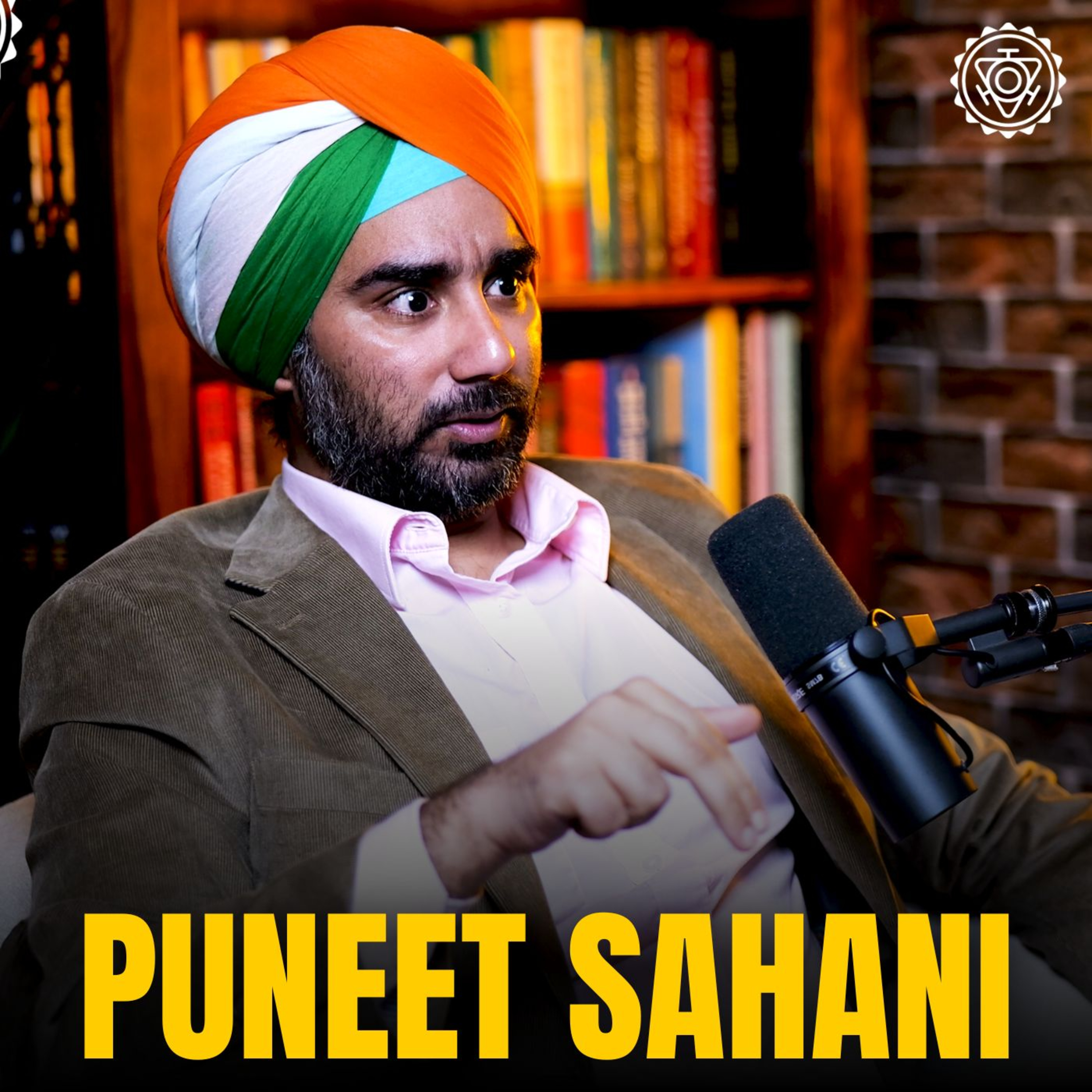
संवाद # 327: Dark truth of Khalra, Satluj, KPS Gill & Punjab's Khalistan terror | Puneet Sahani
1w ago01:30:47Tap to summarizePuneet Sahani is an independent researcher and commentator known for his work on Sikh history, identity, and the intersection of religion and politics in South Asia. He is particularly recognized for his critical perspectives on the evolution of Sikh identity and the Khalistan movement.
Transcribe →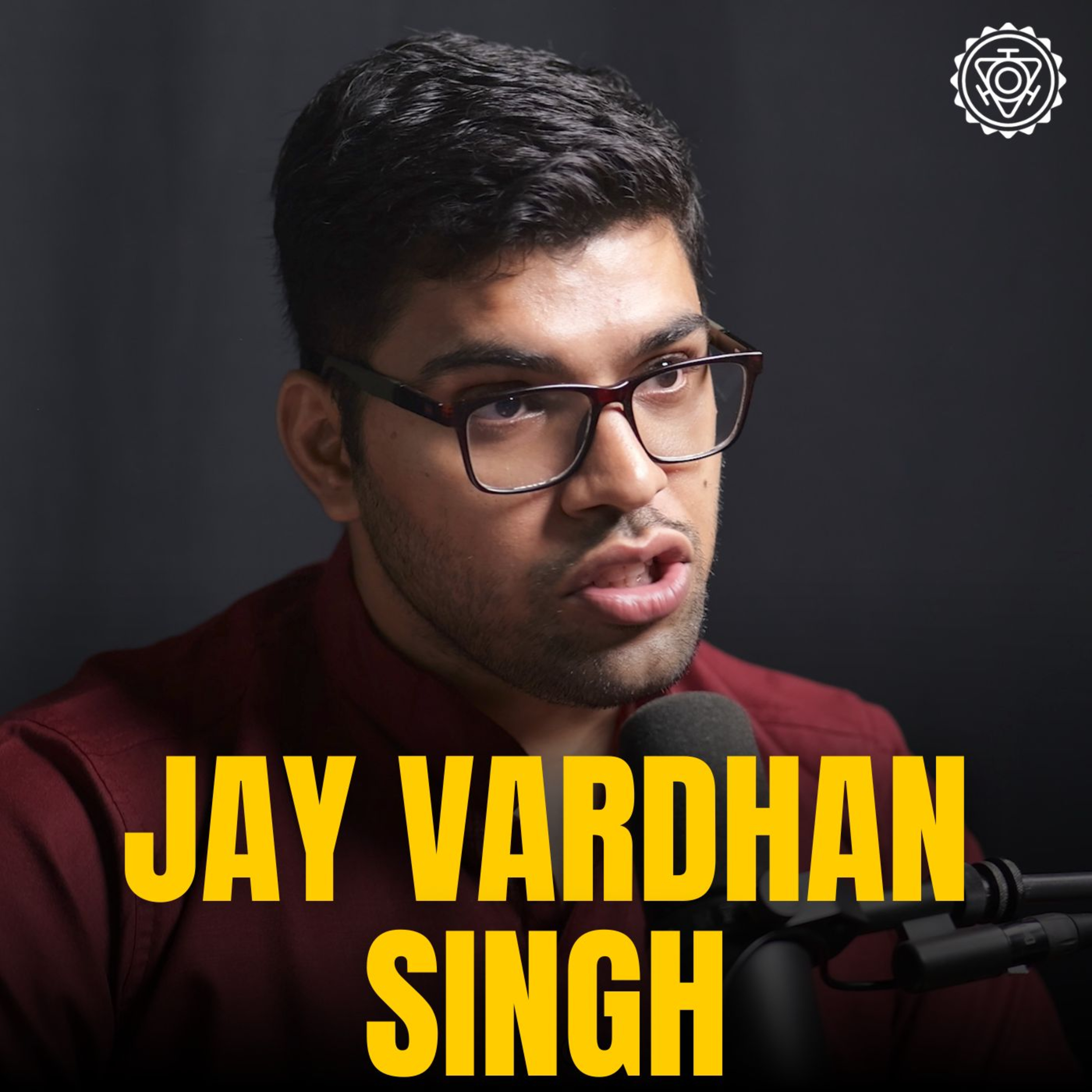
संवाद # 326: How Harsha won the Game of Thrones | Jay Vardhan Singh
3w ago01:06:28Tap to summarizeJay Vardhan Singh is currently doing his PhD in Ancient Indian History at Jawaharlal Nehru University, Delhi. His area of interest includes the Ancient and early medieval history of the Indian subcontinent.Follow Jay’s YouTube channel (English): @JayVardhanSingh ; Hindi: @ThestoryofIndia
Transcribe →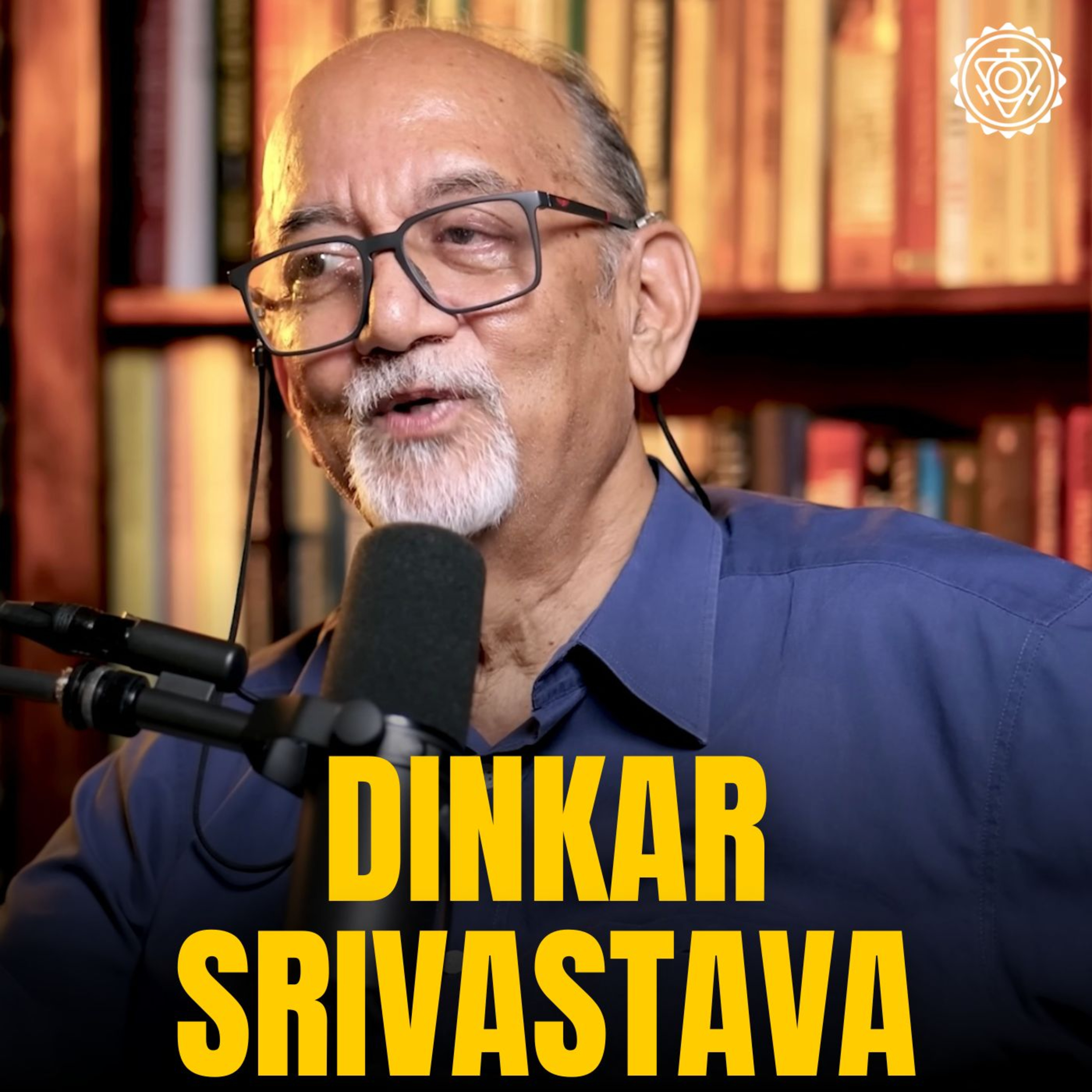
संवाद # 325: Why PoK wants to be free from Pakistan | Ex ambassador Dinkar Srivastava
4w ago00:51:07Tap to summarizeDinkar P. Srivastava joined the Indian Foreign Service in 1978. He has served in Karachi in the early 90s. Also served in the Middle East, Washington, Brussels and Tehran.In 1993-94, as Director (UNP), he was part of successful Indian lobbying efforts against four Pakistani attempts to have resolutions on J&K adopted in UN General Assembly and UN Commission on Human Rights. He was involved in the drafting of National Human Rights Commission statute. As Joint Secretary (UNP), he participated in Indian lobbying efforts to contain the diplomatic fallout of the Pokhran II nuclear tests and prevent the internationalization of the J&K issue during the Kargil war (1999).He dealt with Indian candidature for permanent membership of the UN Security Council, UN Peace-keeping and Comprehensive Convention on International Terrorism. He was a member of the Indian delegations to the World Conference on Human Rights in 1993, and the International Court of Justice in the case of Aerial Incident of 1999 (Pakistan v. India). In 2011-15, as Indian Ambassador to Iran, he negotiated the MOU for Indian participation in Chabahar Port.His book 'Forgotten Kashmir: The Other Side of the Line of Control' examines the evolution of Pakistan-Occupied Kashmir (POK) over the past seven decades. His latest book 'Pakistan: Ideologies, Strategies, Interests' examines the ideology of Pakistan.
Transcribe →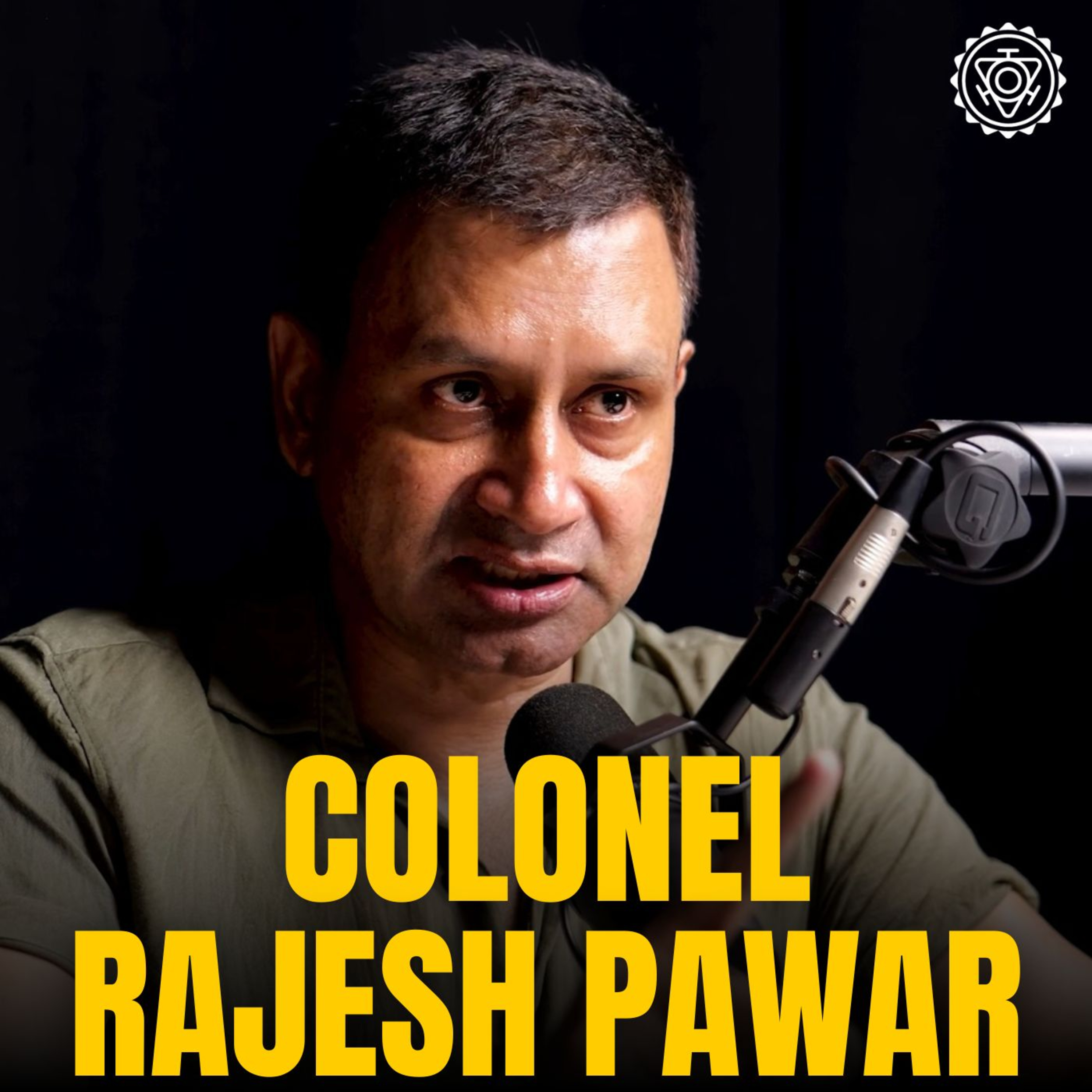
संवाद # 324: India's top geopolitical expert's 3 BIG predictions on Russia-Ukraine, Iran-US wars
4w ago01:28:28Tap to summarizeColonel Rajesh Pawar (retd) is a former officer of the Indian Army and is now a seasoned war correspondent and defense journalist for India Today. He is best known for his fearless ground reporting from some of the most volatile conflict zones in recent history.His expertise lies in global geopolitics, modern warfare tactics, and defense strategy. Most notably, he provided extensive on-ground coverage of the Russia-Ukraine war, reporting live from Kyiv even as the city was under siege.More recently, he has covered the Israel-Hamas war, reporting from locations like Tel Aviv and the Dead Sea to analyze the conflict's military and human impact. His work often focuses on the intersection of military action and its geopolitical ripple effects, making him a critical voice for understanding how global conflicts impact India's strategic interests.
Transcribe →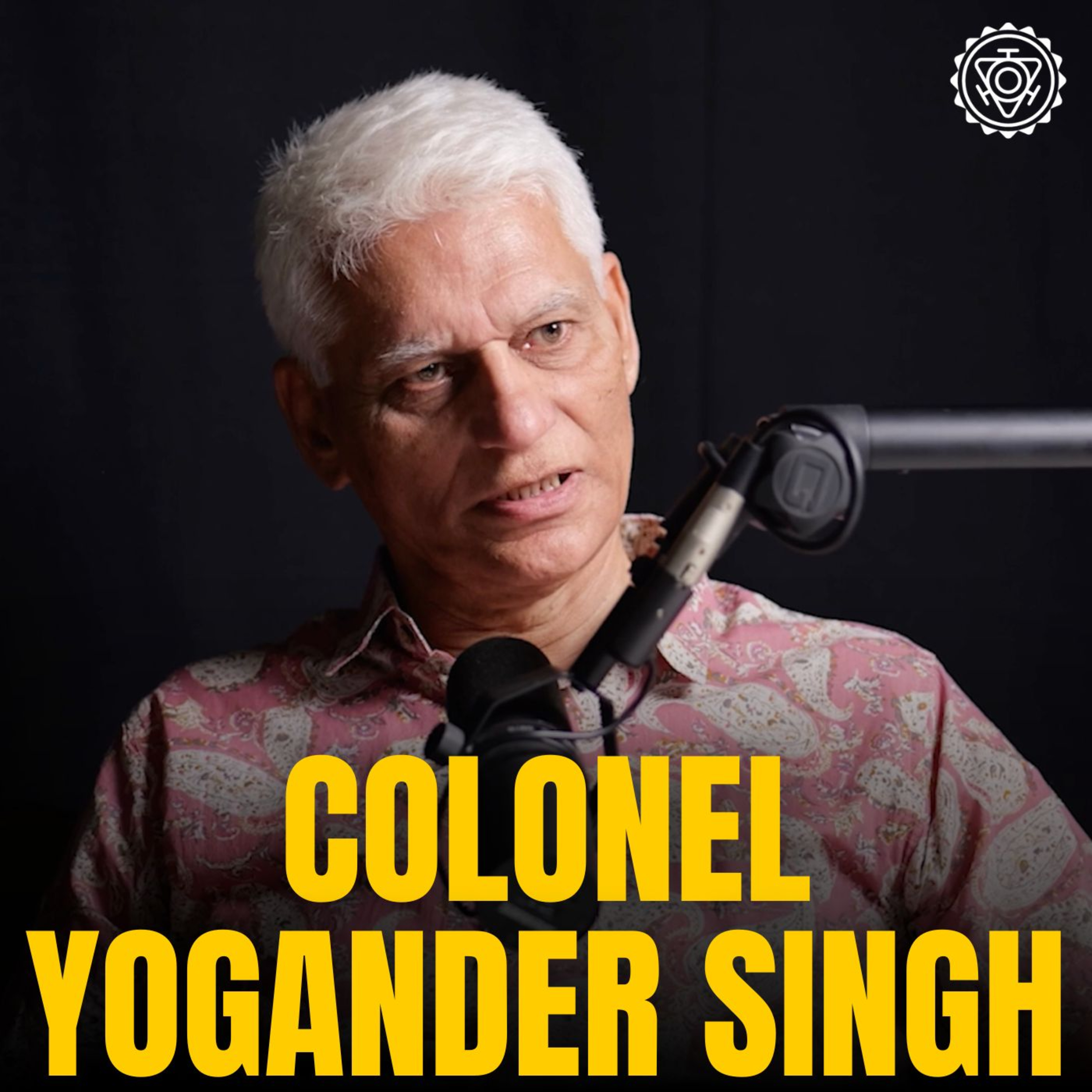
संवाद # 323: Colonel explains Indian army's BIGGEST challenge today | Col Yogander Singh (retd)
Jun 2401:14:36Tap to summarizeColonel Yogander Singh is a retired Indian Army officer and military historian, with special focus on Haryana. He has written several books, most prominent among them being 'Hal Wa Samshir: Politico-Military History of Haryana', Future Ready Indian Army and 'Effective Deterrence: Thoughts on India's Security Policy and Structures in the Twenty-first Century'.
Transcribe →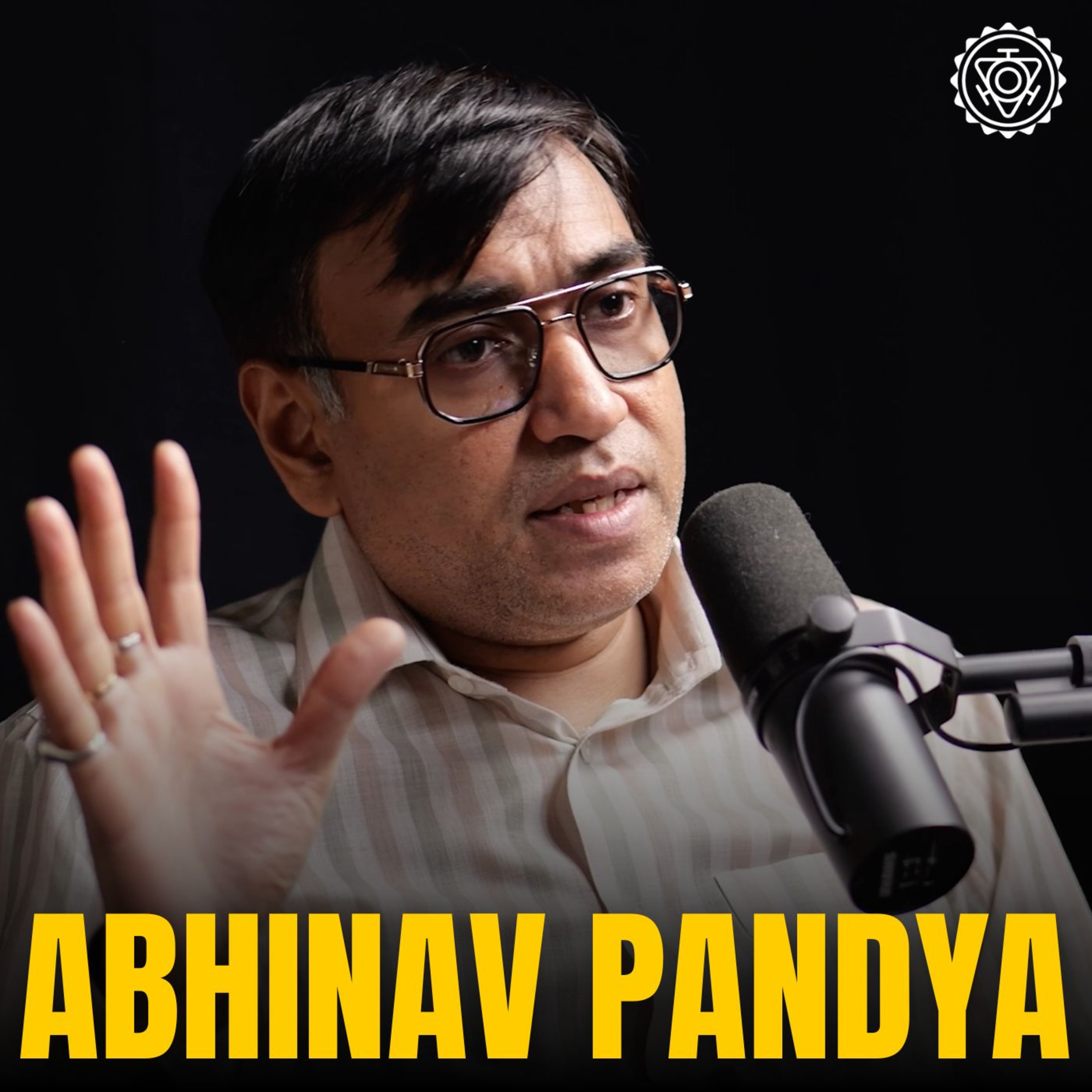
# 322: Why India's bureaucracy sucks ft. Dr Abhinav Pandya
Jun 1800:51:49Tap to summarizeDr Abhinav Pandya, a Cornell University graduate in public affairs and a bachelor's from St. Stephen's College, Delhi, is a founder and CEO of Usanas Foundation, an India-based foreign policy and security think tank. He has authored books named 'Radicalization in India: An Exploration (2019)' and 'Terror Financing in Kashmir (2023)'.He had previously advised the former governor of Jammu and Kashmir on security issues during the critical times when Kashmir's special status, Article 370, was revoked.He has written extensively for several national and international newspapers, and worked with the International Labour Organization, the United Nations.His latest book is 'The Jihad Game: Inside Pakistan's dark war'
Transcribe →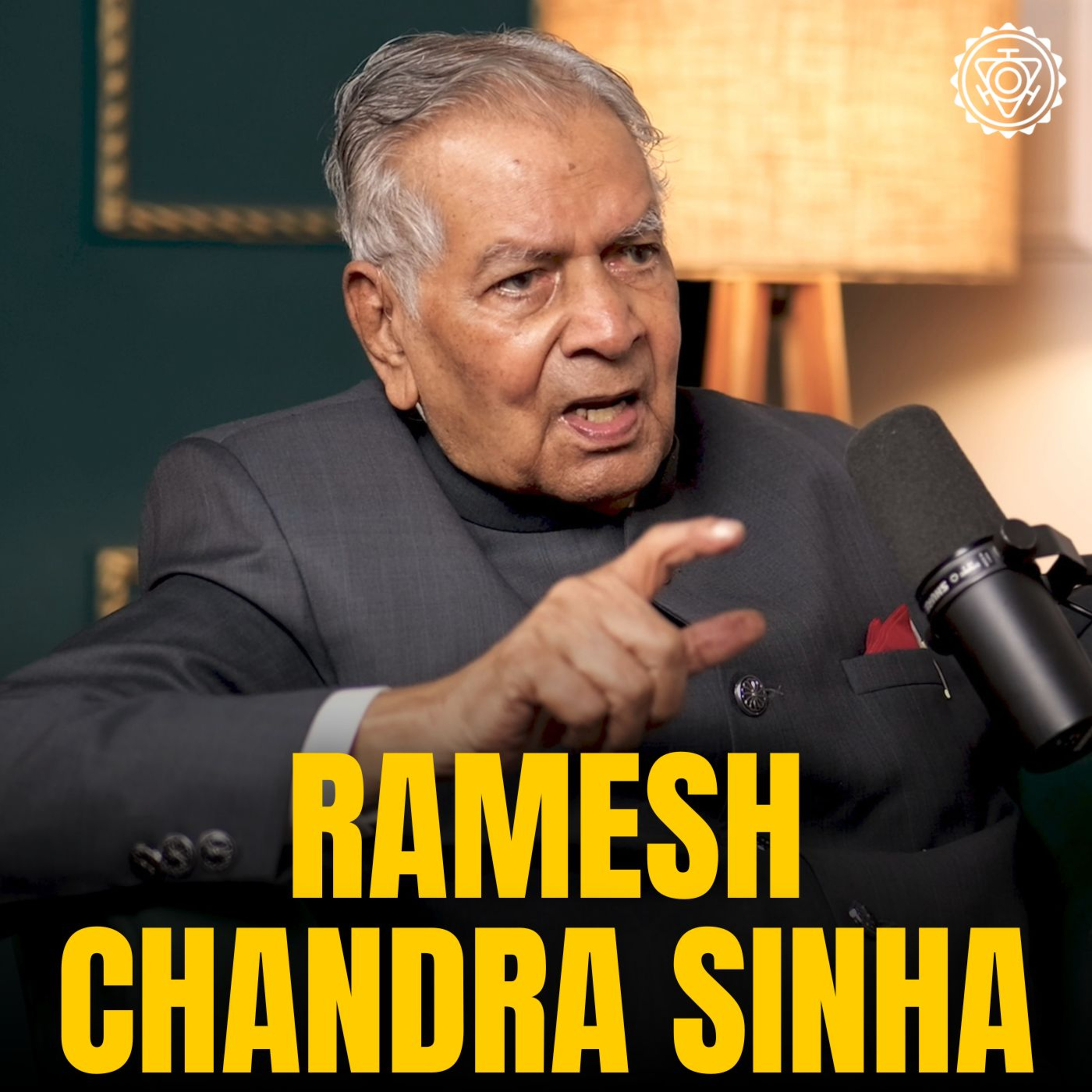
संवाद # 321: India's legendary bureaucrat explains poor quality of new expressways | RC Sinha
Jun 902:32:28Tap to summarizeDr Ramesh Chandra Sinha is a 1962-batch IAS officer whose six-decade career produced some of the most consequential infrastructure projects in modern India.As Vice Chairman and Managing Director of the Maharashtra State Road Development Corporation (MSRDC) under PWD Minister Nitin Gadkari, he built India's first world-class expressway — the 95-km Mumbai-Pune Expressway — completing it in 36 months at a cost of Rs 1,600 crore, which was Rs 50 crore below the MSRDC's own estimate and roughly half of Reliance's competing bid that came with 78 concessions. He raised Rs 2,400 crore from the open market through non-convertible debentures on an equity base of just Rs 5 crore, creating a financing model that other states later sought to replicate.Alongside the Expressway, he delivered 50-plus flyovers across the Mumbai Metropolitan Region with an average construction time of around 30 months, along with numerous rail over-bridges and town bypasses.Earlier, as Vice Chairman and Managing Director of CIDCO under Chief Minister Sharad Pawar, he transformed Vashi from a settlement of 30,000 people into the foundation of Navi Mumbai — building its dam, water supply, six-lane road to Mumbai, railway connectivity (with CIDCO funding 67 percent of the capital cost), modern railway stations, and the iconic Seawoods NRI Complex which sold out worldwide in nine days.He also developed New Nashik, New Aurangabad, New Nanded and the district headquarters of Sindhudurg, and engineered the shifting of Mumbai's wholesale market to Navi Mumbai.At the Maharashtra State Road Transport Corporation, he turned a loss-making PSU profitable and launched the famed half-hourly ASIAD bus service between Mumbai and Pune in the face of organised taxi-union resistance.In Andhra Pradesh, under Chief Minister Chandrababu Naidu, he played a key role in conceptualising Cyberabad, the Visakhapatnam SEZ, the Nagarjuna Sagar water supply system for Hyderabad, the Hyderabad bypass, the biopharma zone, the Hyderabad Metro, the Krishna port and the international airport.As Vice Chairman and Managing Director of MADC, he led the MIHAN multi-modal cargo hub and airport project at Nagpur. As Aurangabad Collector during the 1992 riots, his decisiveness earned him the nickname "Simh."At All India Radio earlier in his career, he was instrumental in bringing FM radio to India in 1977. His biography, Transforming India from Within, was released in 2024.
Transcribe →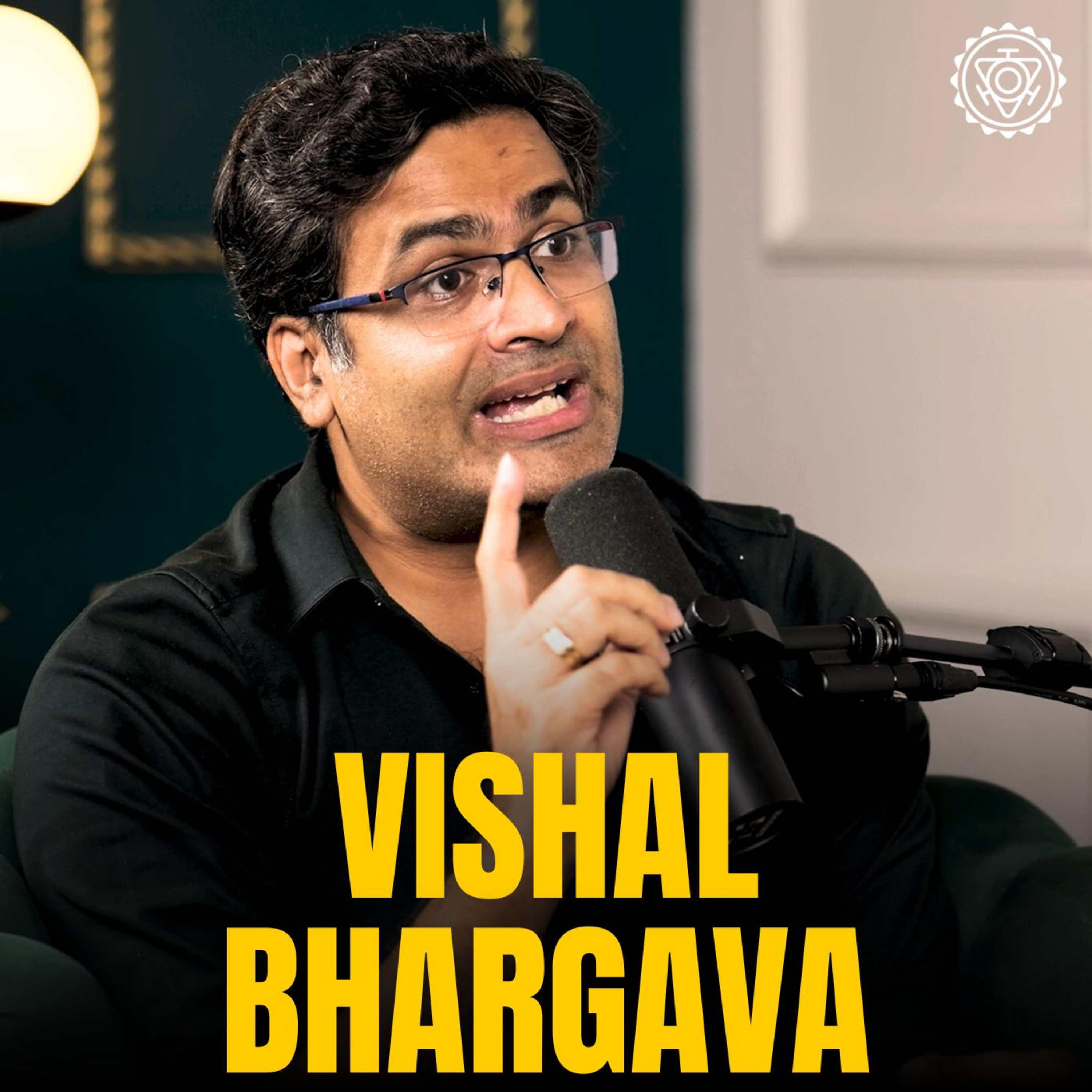
संवाद # 320: संवाद # 320: Vishal Bhargava's NEW BOLD prediction on Gurgaon's real estate market
May 2901:30:07Tap to summarizeVishal Bhargava is one of India's most independent voices on real estate — a journalist and analyst who has tracked the sector for nearly two decades from inside both finance and media. He began his career on the institutional side, with stints at CLSA India and Bank of America, before moving to financial journalism at The Economic Times and ET NOW.Today he writes regular columns on real estate, and runs BHK-Voice, his independent platform that has become required reading for serious homebuyers, builders, and policy-watchers. He is based in Mumbai and applies the discipline of an equity analyst to a sector that has historically resisted scrutiny - pricing builders the way one would price stocks, and reading projects through their lenders, their balance sheets, and their political backers.His writing and commentary are known for being unusually plain-spoken in an industry built on spin: he has called Mumbai's market "Lower Parelised," predicted Gurgaon's coming correction long before consensus, and coined the term "location deception" for one of Indian real estate's most common scams.Beyond the numbers, he is also a chronicler of Indian cities — their architecture, their infrastructure, their slow disfigurement — which makes him one of the few people in India equipped to discuss real estate not just as a market, but as a mirror of Indian state capacity and public life.
Transcribe →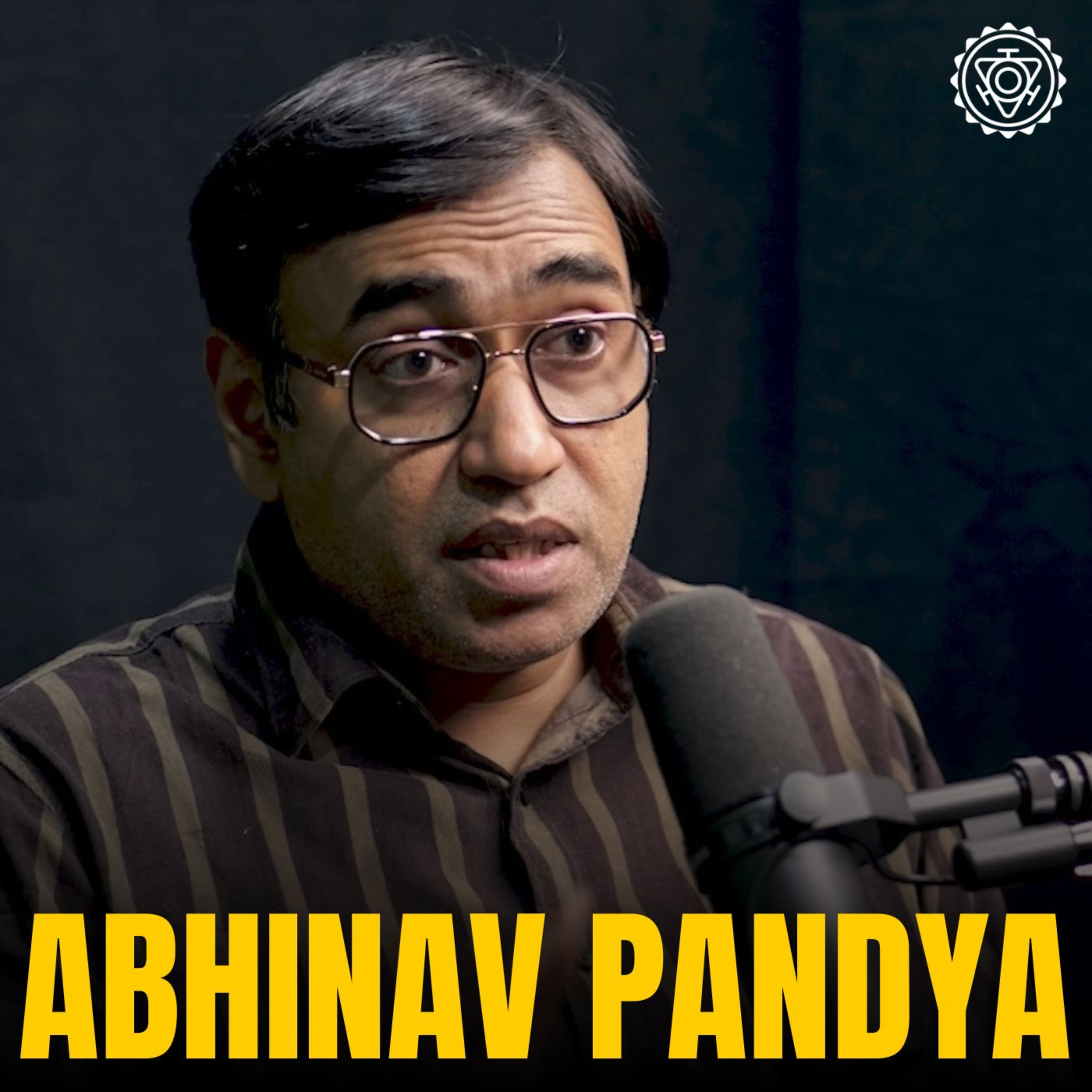
संवाद # 319: Kashmir expert who predicted Pahalgam has a NEW WARNING | Dr Abhinav Pandya
May 2601:14:20Tap to summarizeDr Abhinav Pandya, a Cornell University graduate in public affairs and a bachelor's from St. Stephen's College, Delhi, is a founder and CEO of Usanas Foundation, an India-based foreign policy and security think tank. He has authored books named 'Radicalization in India: An Exploration (2019)' and 'Terror Financing in Kashmir (2023)'.He had previously advised the former governor of Jammu and Kashmir on security issues during the critical times when Kashmir's special status, Article 370, was revoked.He has written extensively for several national and international newspapers, and worked with the International Labour Organization, the United Nations.His latest book is 'The Jihad Game: Inside Pakistan's dark war'
Transcribe →