
Podcast
Ways to Change the World with Krishnan Guru-Murthy
Hosted by Channel 4 News · EN
How can you change the world? Join Krishnan Guru-Murthy and his guest of the week as they explore the big ideas influencing how we think, act and live.
13episodes
Episodes
Newest firstAll episodes
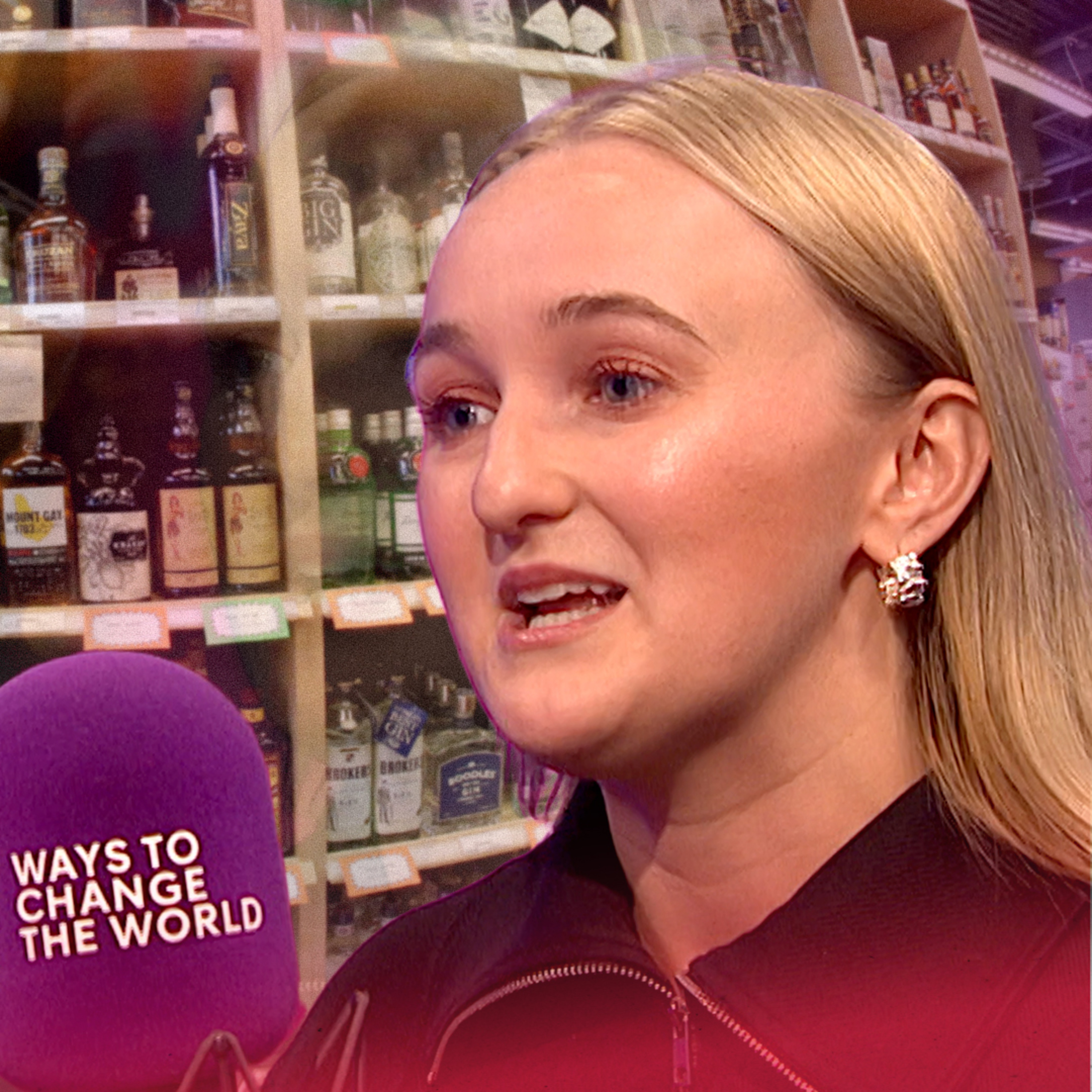
The 'normal' drinking habit DESTROYING your mental health
2w ago00:40:53Tap to summarizeWe talk more openly about mental health than ever. So why is alcohol so often left out of the conversation?Millie Gooch believes Britain's relationship with drinking is overdue for a rethink. After struggling with binge drinking and anxiety herself, she founded Sober Girl Society and has become one of the leading voices calling for a more honest conversation about alcohol, addiction and wellbeing.In this episode of Ways to Change the World, Krishnan Guru-Murthy speaks to Millie about the science behind "hangxiety" (hangover anxiety), why moderation is harder for some people than others, the stigma surrounding addiction, and whether Britain's drinking culture is preventing us from asking difficult questions. They discuss the alcohol industry's influence, the changing habits of younger generations, and why Millie believes giving people better information - not banning alcohol - is the way forward.This episode features conversation around suicide.
Transcribe →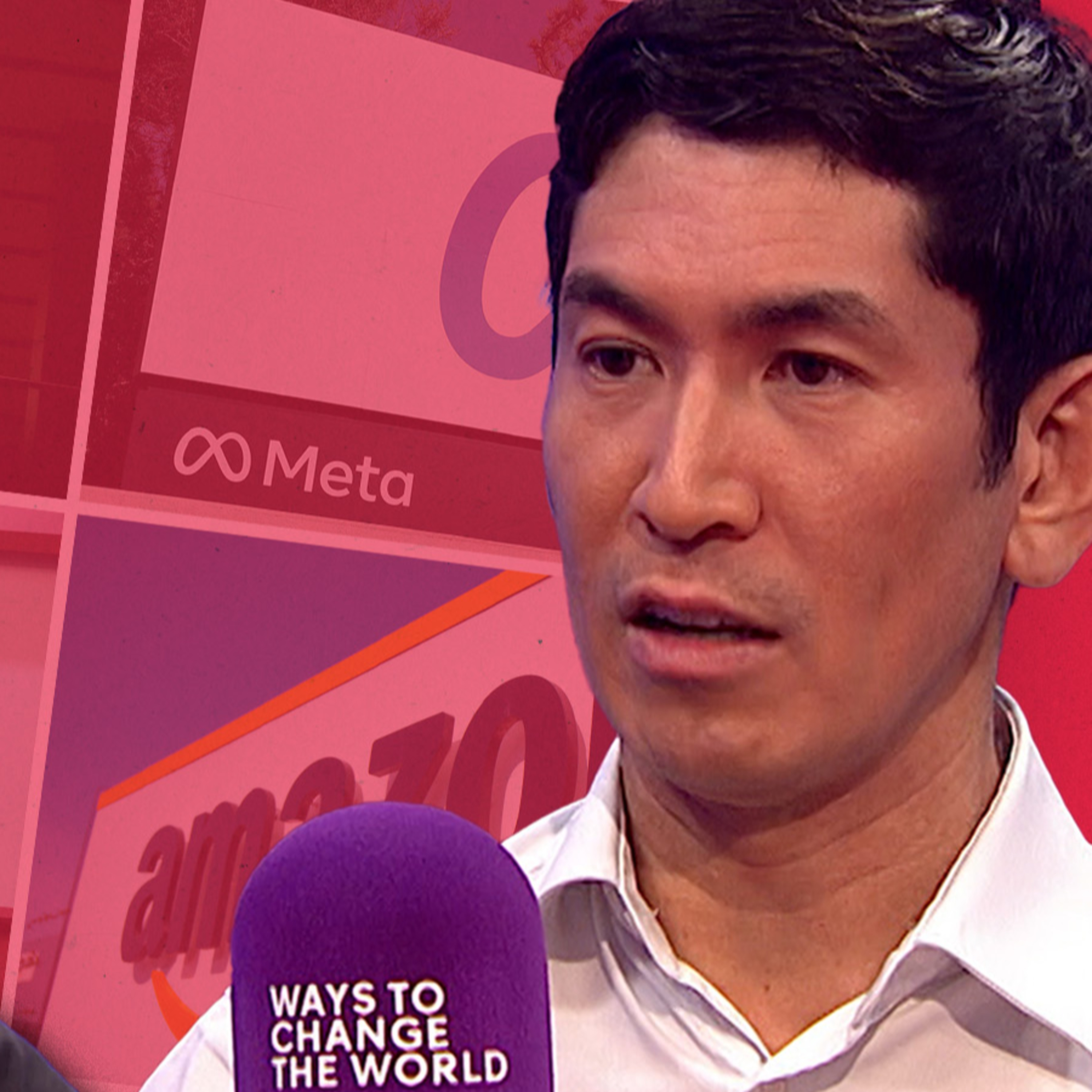
"We're heading over the cliff" - Former SpaceX and Google insider’s warning
2w ago00:36:08Tap to summarizeFormer Silicon Valley insider Dex Hunter-Torricke spent years advising some of the most influential figures in tech, from Google and Facebook to SpaceX. Now, the founder of The Center for Tomorrow, he is sounding the alarm about the future being built by the industry he once helped champion.In this episode of Ways to Change the World, Krishnan Guru-Murthy speaks to Dex Hunter-Torricke about why he believes society is unprepared for the impact of artificial intelligence, the growing power of Big Tech, and the political influence of Silicon Valley’s leaders. Drawing on his experience working alongside figures including Elon Musk and Mark Zuckerberg, he reflects on what changed inside the tech industry, why he feels betrayed by its direction, and why he fears AI could deepen inequality, fuel social unrest and transform the global balance of power. From online safety and regulation to jobs, democracy and the future of international cooperation, this is a conversation about whether technology is really changing the world for the better, and what must happen if we are to avoid the dangers he believes lie ahead.
Transcribe →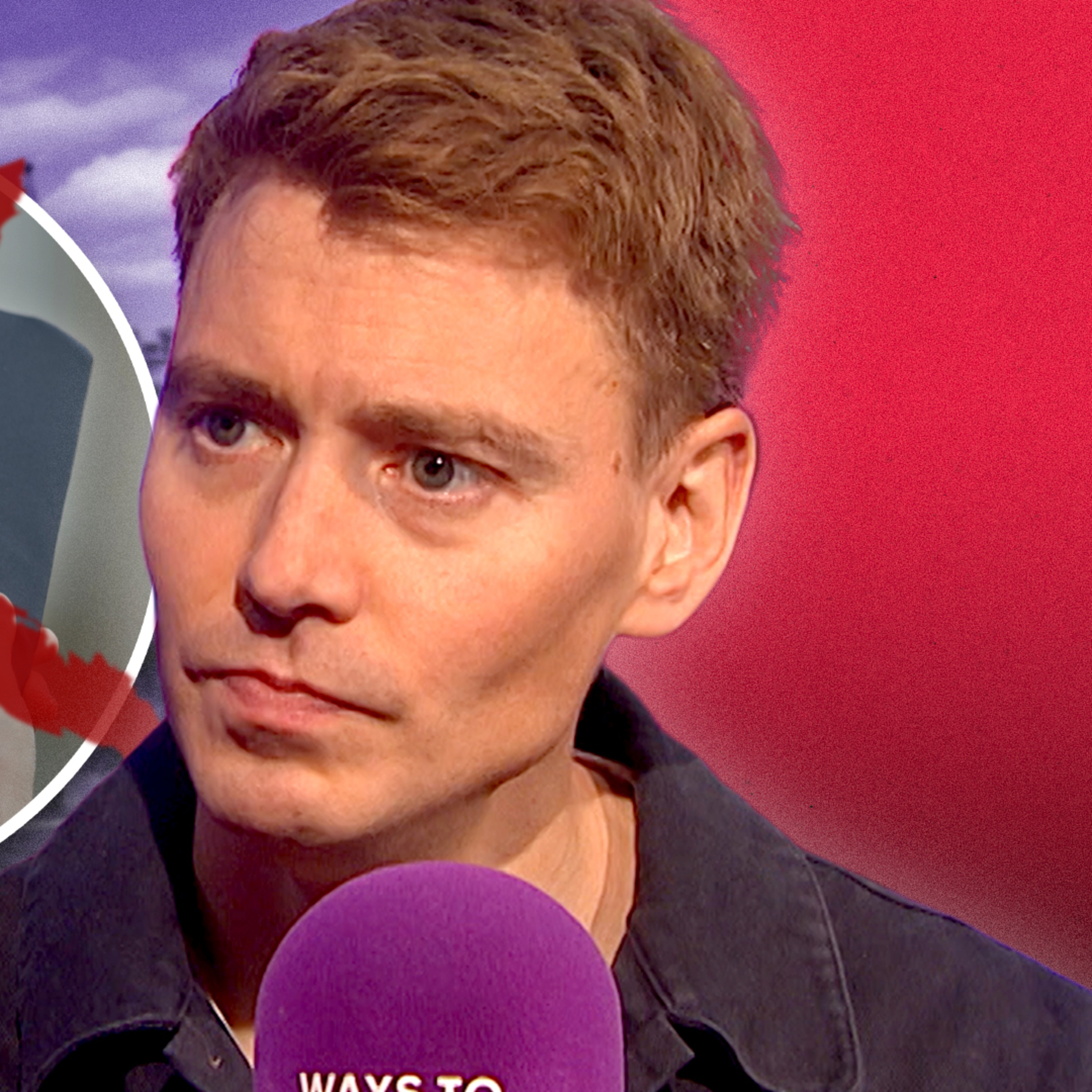
Is university a waste of time? Euan Blair on the future of education and AI
4w ago00:29:12Tap to summarizeArtificial intelligence is transforming the workplace. Employers are rethinking how they hire, train and retain staff, while workers face growing uncertainty about which skills will matter in the future. As technology accelerates, long-established assumptions about education, careers and social mobility are being challenged.Euan Blair believes Britain needs a radical rethink. As founder and chief executive of the skills and apprenticeship company Multiverse, and the son of former Prime Minister Tony Blair, he argues that the country has become too reliant on traditional academic pathways and is failing to equip people for a rapidly changing economy.In this conversation, Blair explains why he believes universities are no longer the reliable route to opportunity they once were, why apprenticeships and workplace learning should play a much bigger role in education, and how artificial intelligence is already changing recruitment and career progression. In this episode of Ways to Change the World, Krishnan Guru-Murthy speaks to Euan Blair about apprenticeships, artificial intelligence, social mobility, and why he believes the future of education lies beyond the university lecture hall.
Transcribe →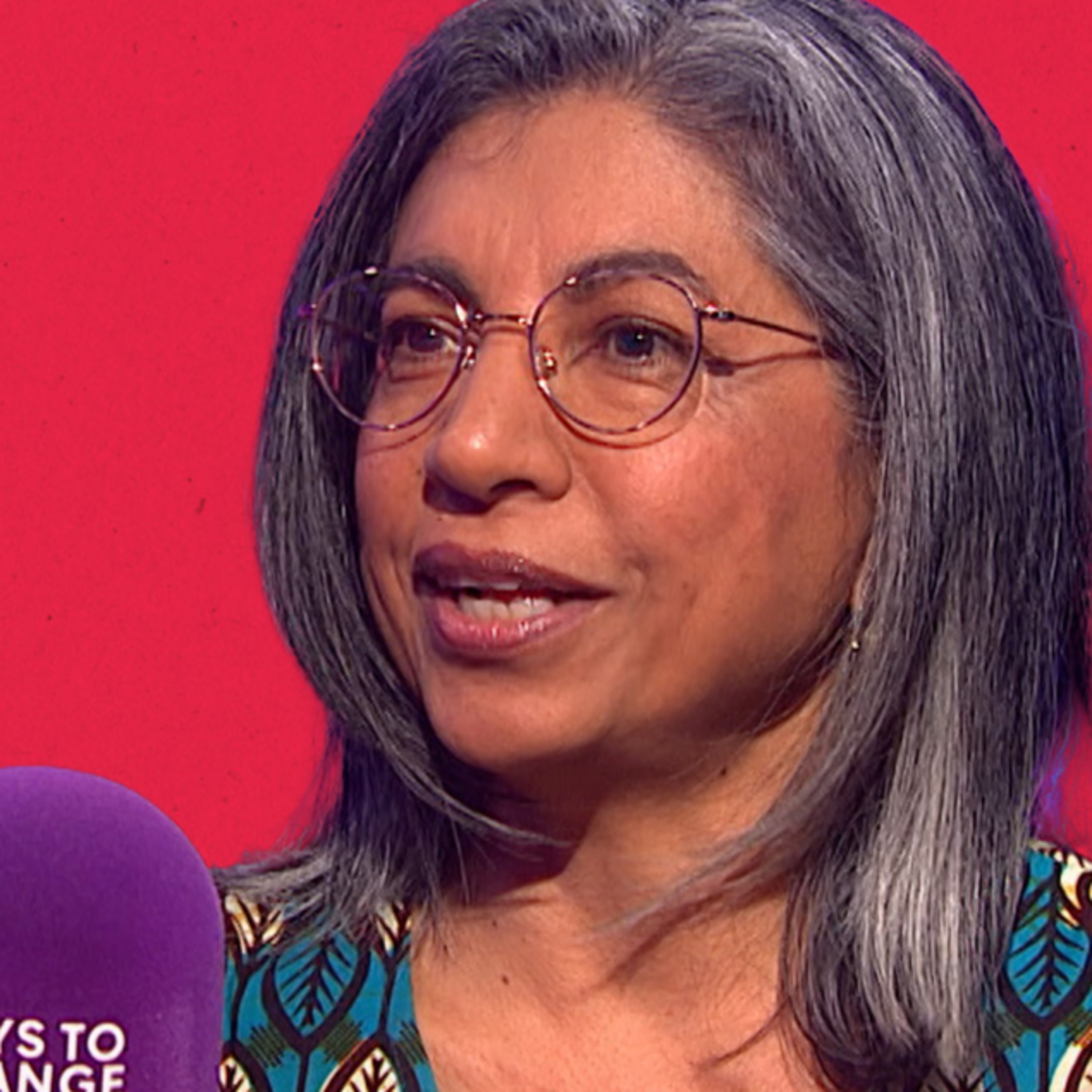
Trump, Gaza and the end of human rights as we know it
Jul 1700:42:20Tap to summarizeDemocracy is under pressure. Human rights are increasingly contested. And around the world, authoritarian leaders are gaining ground.In this episode of Ways to Change the World, Krishnan Guru-Murthy speaks to Binaifer Nowrojee, president of the Open Society Foundations, one of the world's most influential human rights organisations. From documenting sexual violence during the Rwandan genocide to leading a global network dedicated to democracy, justice and human rights.Nowrojee reflects on the growing backlash against women's rights, the mounting pressure facing civil society groups, and the future of international law in the aftermath of conflicts from Ukraine to Gaza. She also discusses the controversy surrounding billionaire philanthropy, why she believes human rights are not in retreat, and the reasons she remains hopeful about the next generation's willingness to fight for freedom and dignity.Drawing on her own experience growing up under authoritarian rule in Kenya, she argues that progress is rarely linear - but that the struggle for justice is never finished.
Transcribe →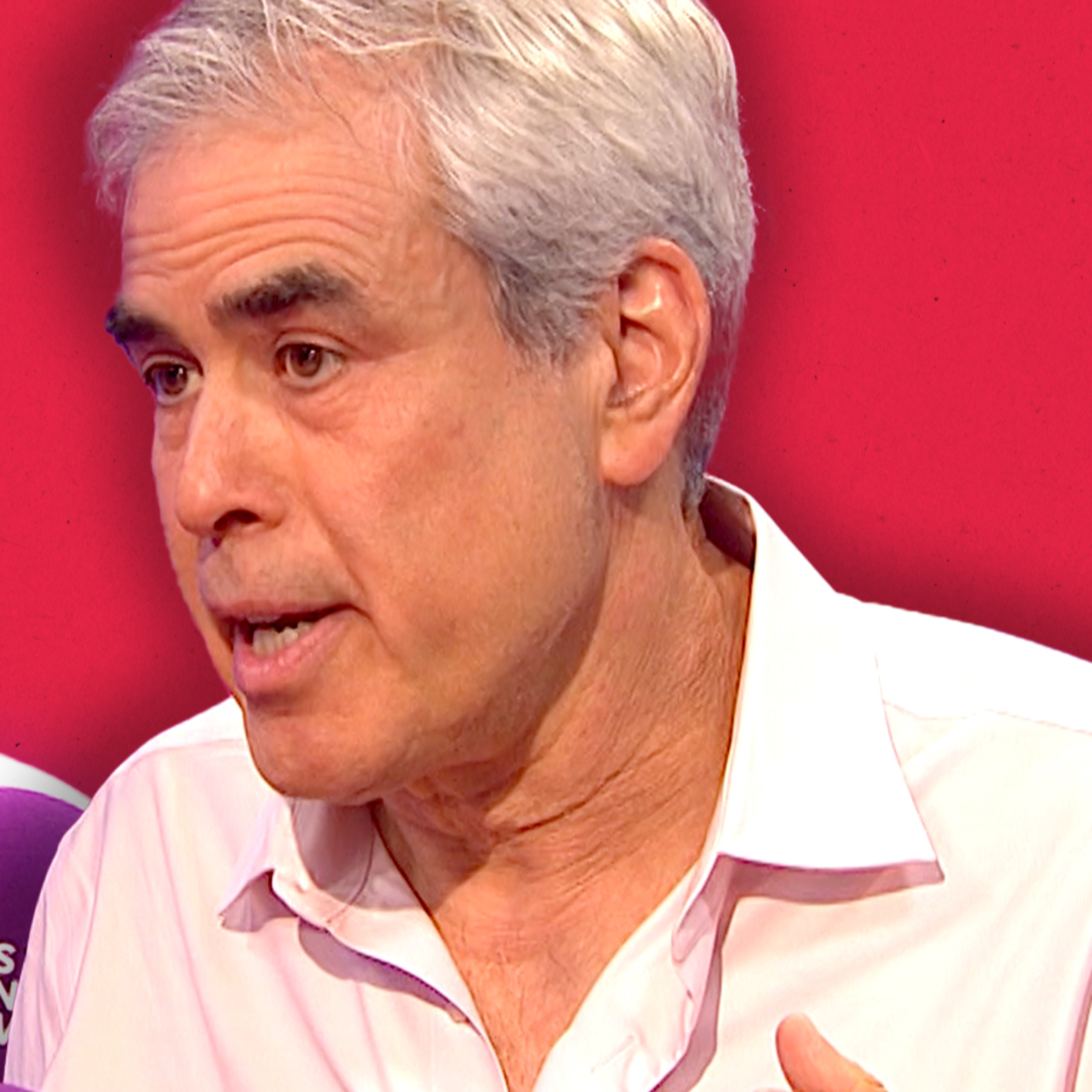
How social media DESTROYED childhood and how to get it back - Jonathan Haidt
Jul 1000:51:08Tap to summarizeIn this episode of Ways to Change the World, Krishnan Guru-Murthy speaks to the social psychologist whose work helped ignite a global rethink of childhood in the smartphone age. Jonathan Haidt, author of The Anxious Generation, argues that social media has fundamentally reshaped the lives of young people – driving rising rates of anxiety and depression, fragmenting attention spans and replacing real-world play with screen time. As Britain follows Australia in introducing restrictions on social media use for children, Haidt explains why he believes an entire generation has been caught up in a “great rewiring of childhood”, why girls and boys have been affected differently, and what parents can do to push back. They also discuss whether social media is fuelling political polarisation, why governments are finally taking action, and whether it's possible to reclaim our attention from the platforms competing for it. This conversation includes references to suicide, self harm, sexual activities and offensive language.
Transcribe →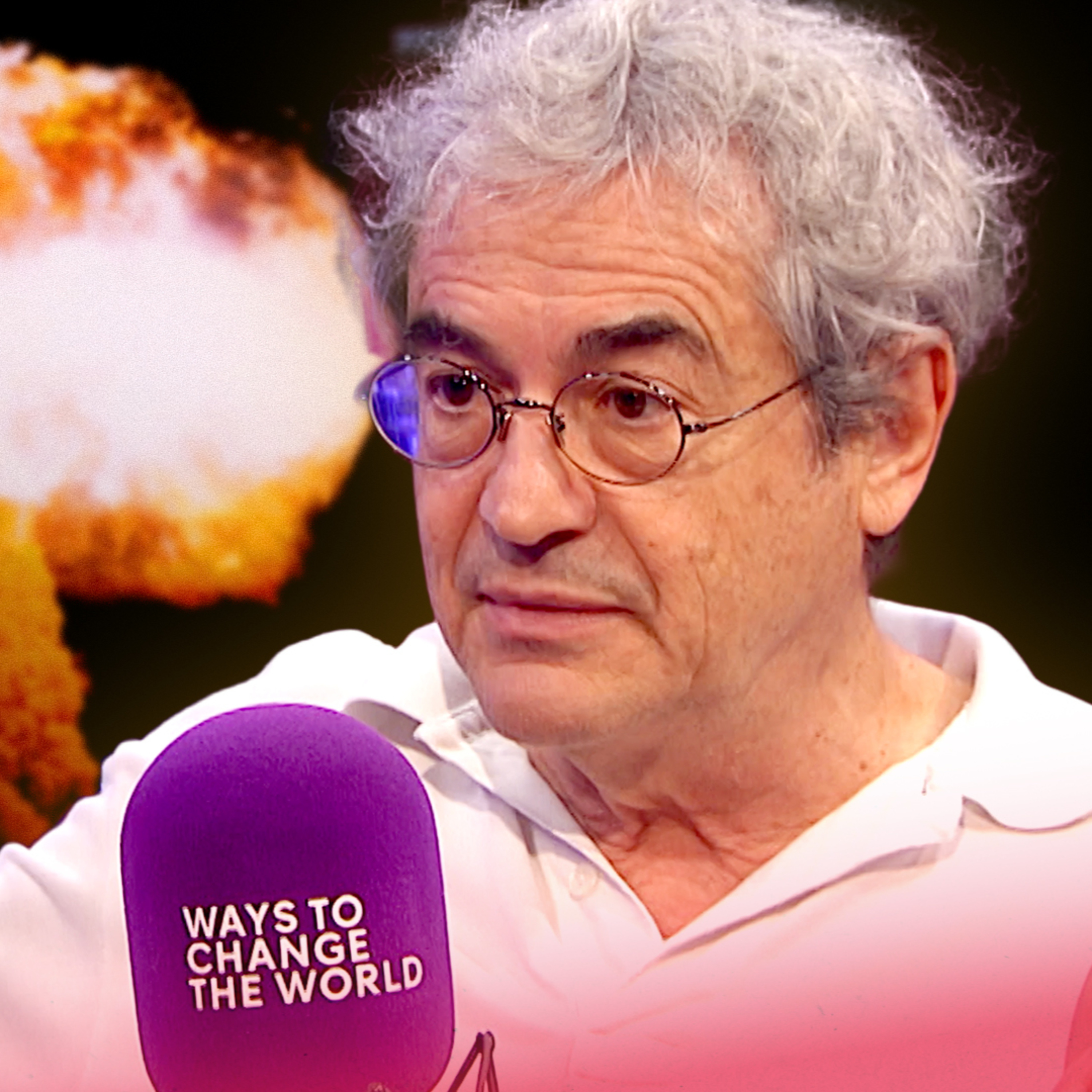
Carlo Rovelli: Are we sleepwalking towards nuclear war?
Jul 300:47:34Tap to summarizeWe're closer to nuclear catastrophe than at any point since the Cold War. That's the warning from theoretical physicist Carlo Rovelli.Drawing on his new book “85 Seconds to Midnight”, Rovelli argues that fear, not strength, is driving a dangerous new global arms race. He explains why he believes humanity has forgotten the lessons of Hiroshima, why today's rearmament risks repeating the mistakes of history, and how artificial intelligence could make the threat of nuclear war even greater.In this episode of Ways to Change the World, Krishnan Guru-Murthy speaks to theoretical physicist and bestselling author Carlo Rovelli about nuclear weapons, the morality of science, AI, international cooperation and why he believes humanity's greatest enemy is its own irrationality.
Transcribe →
How the "cult of success" created Trump and Musk - Obama’s speechwriter
Jun 2600:44:07Tap to summarizeFrom the White House situation room, to shaping the Obama administration's national security communication - few people have had a closer view of the forces shaping modern America than Ben Rhodes.As Barack Obama's speechwriter and Deputy National Security Adviser, Rhodes helped craft some of the defining messages of the Obama era and played a central role in major foreign policy decisions, including the Iran nuclear deal. Now, in his new book All We Say, he argues that speeches reveal the enduring battle over American identity, who belongs, who holds power, and what kind of country America wants to be.In this episode of Ways to Change the World, Krishnan Guru-Murthy talks to Ben about why Donald Trump succeeded where others failed, whether speeches still matter in the age of social media, the backlash to Barack Obama, the rise of populism, and the lessons history offers for today's political turmoil.They also discuss Gaza, Israel, Iran, the future of the Democratic Party, and whether politics has lost the ability to tell a compelling story about where society is heading next.
Transcribe →
What Gareth Southgate can teach Britain - ‘Dear England’ writer James Graham
Jun 1900:48:26Tap to summarizeAt a time when Britain feels increasingly fragmented, playwright and screenwriter James Graham believes the country faces a deeper crisis than politics alone can explain.From the collapse of community spaces and growing loneliness to the impact of AI, social media and declining trust in institutions, Graham argues that Britain is losing the social bonds that once held it together. But he also believes there's a way back.In this episode of Ways to Change the World, Krishnan Guru-Murthy speaks to the writer behind Sherwood, Dear England and Brexit: The Uncivil War about national identity, class, culture, storytelling and why Gareth Southgate may offer a model for rebuilding social cohesion. They discuss the future of the arts, the rise of populism, whether politics has lost the ability to tell a compelling story, and what happens when a society stops creating shared experiences.
Transcribe →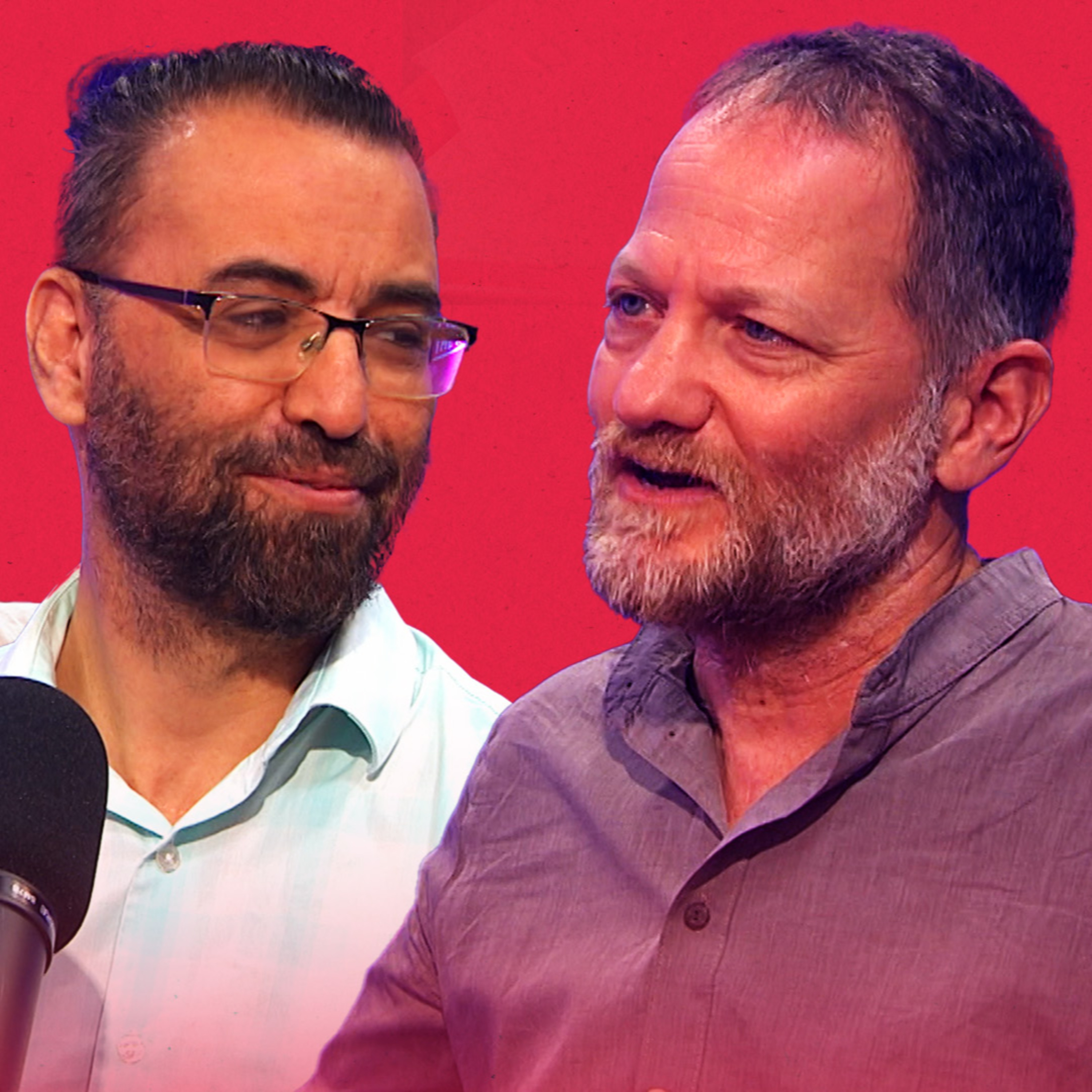
His parents were killed on Oct 7th. He chose reconciliation over revenge.
Jun 500:45:28Tap to summarizeWhat does it mean to choose peace after unimaginable loss? In this episode of Ways to Change the World, Krishnan Guru-Murthy speaks to Aziz Abu Sarah and Maoz Inon, peace activists and co-authors of "The Future Is Peace: A Shared Journey Across the Holy Land".Abu Sarah is a Palestinian whose brother died after being tortured in an Israeli prison. Inon is an Israeli whose parents were killed in the 7 October attacks. Instead of turning further towards hatred, they have built an unlikely friendship rooted in empathy, forgiveness and a shared determination to imagine a different future. Together, they reflect on grief, revenge, political failure and why they believe peace is not naïve, but necessary.
Transcribe →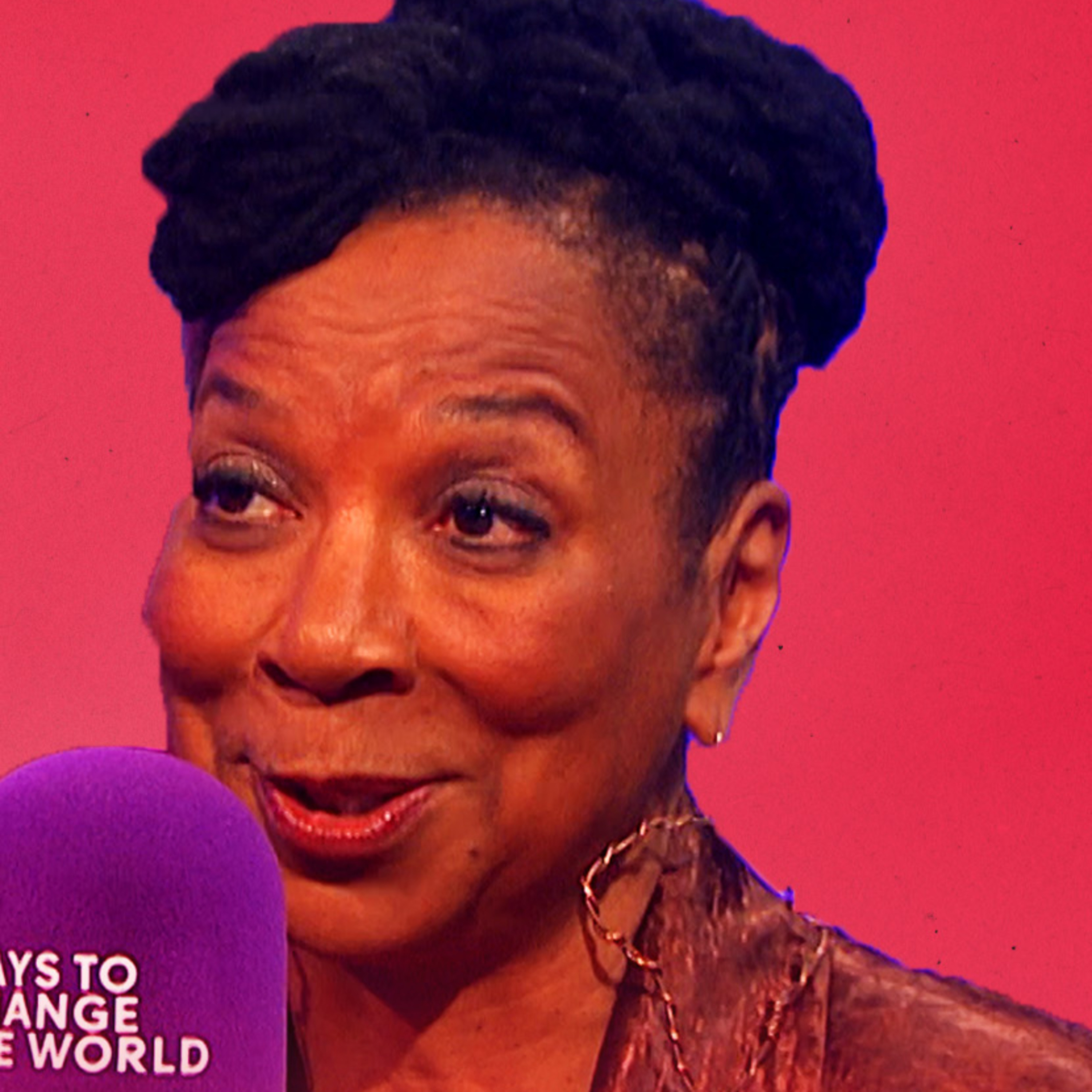
Is ‘colourblindness’ a myth? Kimberlé Crenshaw on the 'war on woke'
May 2900:48:40Tap to summarizeIn this episode of Ways to Change the World, Krishnan Guru-Murthy speaks to Kimberlé Crenshaw, one of the most influential thinkers on race who coined the term intersectionality. Crenshaw has spent decades challenging how we understand inequality — and why it persists today.Crenshaw’s new memoir, Backtalker, is a blunt origin story of the lived experiences that shaped her work - from childhood moments of exclusion to confronting discrimination at Harvard, and the early instincts that led her to question power.The conversation explores the growing backlash against her ideas, from political attacks on critical race theory to efforts to erase or distort the language of inequality. Crenshaw argues that this is not just a cultural debate, but a fight over history, truth and democracy itself.Her solution is as simple as it is risky: talk back.
Transcribe →