Podcast
We Don't PLAY!™: Best AI Marketing Visibility Podcast (Advanced Technical SEO Strategies)
Hosted by Favour Obasi-ike: Pinterest Marketing Expert and Technical SEO Genius · EN
Are you AI SEO and GEO ready in 2026? Master digital asset acquisition and turn passion into profit for your business websites. We Don't PLAY!™ is your definitive blueprint for higher business asset acquisition through AI SEO, Technical SEO, Podcast SEO, Pinterest SEO business strategies, and actionable website marketing tactics.
Each episode delivers high-level guest interviews and actionable strategies. No fluff.
Topics we cover?
Podcast SEO & Monetization
Optimize show notes, titles, and episode metadata for Apple Podcasts, Spotify & Google to boost discoverability. Apply proven monetization tactics to convert audio plays into revenue.
Pinterest Marketing & SEO
Use Pinterest as a visual search engine with sales-focused pins, business tools, and trend-driven strategies to drive consistent organic traffic.
AI SEO & Marketing
Leverage ChatGPT, Claude, and AI-driven SEO for market intelligence, content automation, and competitive advantage in search rankings.
Technical & Local SEO
Master search engine marketing (SEM), site speed optimization, and local business advertising to improve global + local visibility and web traffic.
Email Monetization & List Building
Implement list-building tactics, email optimization, and beginner-friendly automation to turn subscribers into leads and maximize ROI.
Digital Marketing & Business Growth
Build a unified online presence via omnichannel marketing, branding, and startup-focused tactics—plus client acquisition strategies for multi-business owners.
Who is Favour Obasi-ike, MBA, MS?
A Christian faith-based entrepreneur and renowned expert in digital marketing, podcast monetization, Pinterest SEO, and search engine optimization.
With graduate degrees in Communications (BA), Entertainment Business (MS), and Business Administration (MBA), Favour delivers real-world AI SEO strategies and tactics through solo deep-dives and interviews with top-tier industry leaders.
━━━━━━━━━━━━━━━━━━━
⭐️ RATE & REVIEW
━━━━━━━━━━━━━━━━━━━
⭐️⭐️⭐️⭐️⭐ Loving our podcast?
Please leave us a review: https://ratethispodcast.com/wedontplay
━━━━━━━━━━━━━━━━━━━
RESOURCES AND CONNE...
80episodes
Episodes
Newest firstAll episodes
Celebrating 700 Episodes in 7 Years: Authenticity in Podcasting with Favour Obasi-ike, MBA, MS
1w ago00:09:25Tap to summarizeThank you Jesus for publishing 700 episodes! 🥳 This bonus episode highlights the importance of authenticity and consistent content in building a podcast audience.Favour Obasi-ike, MBA, MS mentions covering key SEO topics such as informational, navigational, commercial, and transactional keywords 00:05:14.Practical insights: Live content via Clubhouse, repurposing audio, and using brand platforms (wedontplaypodcast.com, playinc.online) for both content sharing and audience engagement.Emphasis on the value of community, retention strategies (using optimal BPM in background music), and audience interaction through diverse digital channels.Action steps to stay updated include subscribing, revisiting past seasons, and directly contacting the host for collaboration or consultation.Who Is This Episode For?This episode is ideal for:Loyal listeners of Favour Obasi-ike ("Flaev Beatz") celebrating 700 episodes of the "We Don't PLAY!™️" podcastAspiring and experienced podcasters interested in behind-the-scenes production insightsEntrepreneurs, marketers, and small business owners looking for authentic advice on digital business, SEO, and content creationListeners seeking inspiration from personal growth, faith, and entrepreneurship storiesKey Moments with TimestampsIntroduction using iPhone voice memo app: 00:00:01Description of three recording setups: 00:00:22Giving thanks and reflecting on reaching listeners worldwide: 00:01:55Celebrating in Kenya & personal family milestones: 00:02:29Podcast and music journey backstory: 00:03:13Explaining content shift and bonus episodes concept: 00:04:38Announcement of entering Season 14 and hinting at keyword series: 00:05:14Music production insight—using 60-80 BPM for engagement: 00:05:52How to connect and find resources/websites: 00:06:34Direct invitation to connect via email or Calendly: 00:06:54Encouraging message and calculated meaning behind episode number: 00:07:26Blessings and motivational send-off: 00:07:45Brief overview of Season 13, encouragement, and contact info: 00:08:00SEO for 2026 and beyond, outro: 00:08:59FAQsQ: How did you get started in podcasting and music?Favour shares he started with IG Live before transitioning to professional setups and has been creating music since age 12, teaching himself drums at age 6 [03:13]Q: What topics can I expect in future episodes?Topics cover business, marketing, SEO, Pinterest, email marketing, and music production, with special attention to keyword strategies and new music 00:05:14 [05:42]Q: How can I connect or collaborate?Direct emails, website forms, and Calendly links are provided to schedule consults or collaborations [06:47] [07:09]Action StepsSubscribe to the podcast and start from earlier seasons for foundational content 00:05:14.Visit wedontplaypodcast.com and playinc.online for resources, services, and more episodes 00:06:34.Contact Favour via favour@playinc.online or info@playinc.online for inquiries, partnerships, or to book a consultation 00:06:47.Follow up on social platforms for live sessions and updates, particularly Clubhouse for interactive episodes 00:05:32.Experiment with creating music or content in the 60-80 BPM range for better audience retention, as recommended 00:05:52.Ready to Rank? Book Your SEO & Web Dev Services Today🧠 Book SEO Services with Favour Obasi-ike: https://calendly.com/flaevbeatz/marketing-strategy-zoom-call🧠 Read Articles: https://www.playinc.online/newsfeed🧠 We Don't PLAY Podcast: https://wedontplaypodcast.com🧠 Favour Obasi-ike's Quick Links: https://zaap.bio/flaevbeatzExplore Free Marketing Resources to Grow Your Business📑 SEO: https://www.playinc.online/newsfeed/categories/seo📑 Clubhouse Audio: https://www.playinc.online/newsfeed/categories/clubhouse📑 Pinterest SEO: https://www.playinc.online/newsfeed/categories/pinterest📑 Marketing: https://www.playinc.online/newsfeed/categories/marketing📑 Podcast: https://www.playinc.online/newsfeed/categories/podcasts 📑 Social Media: https://www.playinc.online/newsfeed/categories/social-media-tips📑 Billboards: https://www.playinc.online/newsfeed/categories/billboards📑 Work and PLAY Entertainment Newsfeed: https://www.playinc.online/newsfeed/categories/newsfeedSee Privacy Policy at https://art19.com/privacy and California Privacy Notice at https://art19.com/privacy#do-not-sell-my-info.
Transcribe →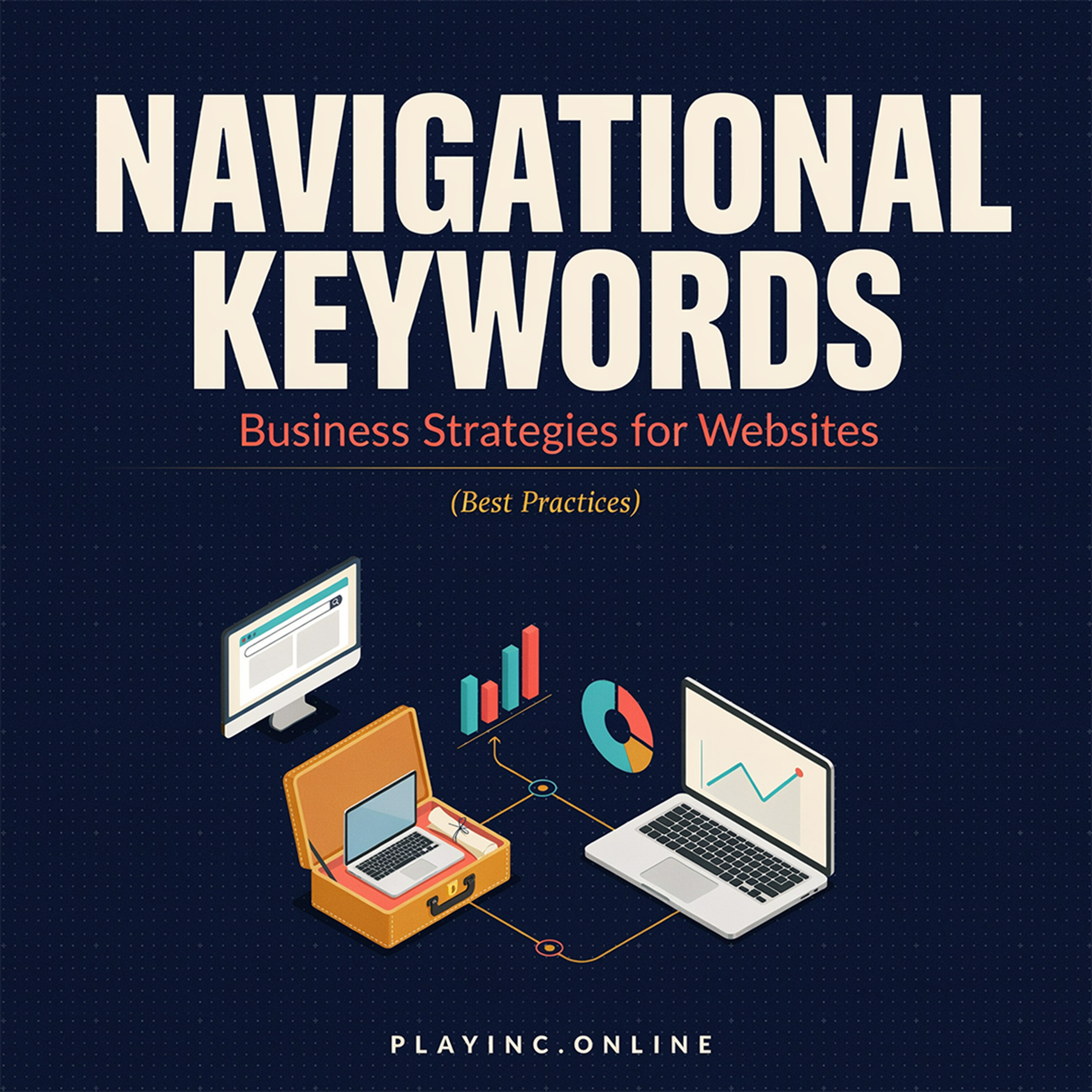
Navigational Keywords: Business Strategies for Websites (SEO Best Practices)
2w ago00:51:15Tap to summarizeNavigational Keywords - Business Strategies for Websites (Best Practices)The conversation focused on the critical role of navigational keywords in business website strategies and best practices for SEO. Several points were raised, including the distinction between informational and navigational keywords, the practical implications for website structure, and how search engines and users interact with these elements.Key Themes & ConceptsWhat Are Navigational Keywords?One concept discussed was the definition of navigational keywords: these are brand-specific queries used to find specific web pages or destinations within a website, such as "Brand + login," "Brand + pricing," or "Brand + contact." Navigational keywords contrast with informational keywords, which are broad and unbranded, like "best restaurant near me" or "how to tie a tie" 09:06.Why Are Navigational Keywords Important?A key theme that emerged was the way navigational keywords indicate high search intent. Users searching with these terms already know the brand and are seeking specific information or functionality—like product pages, contact details, or policy documents 10:15.How to Implement Best PracticesThe discussion explored actionable best practices for leveraging navigational keywords on business websites:Dedicated Pages: Businesses should create clear, dedicated pages for key navigational actions—such as /contact, /about, /pricing, /reviews, /careers—so that search engines have specific, easily indexed URLs to display in search results 14:03.URL Structure & Keyword Density: URLs should reflect the navigational query and use clear, hyphenated keywords to make it easier for algorithms and users to understand (e.g., yourwebsite.com/privacy-policy). Hyphens are treated as word separators by search engines 15:12.Sitemaps & Technical SEO: XML sitemaps act as a roadmap for algorithms to crawl a website efficiently. Keeping both HTML (what users see) and XML (what bots crawl) structures organized is vital 26:31.Regular Updates: Pages should be maintained and regularly updated. The two critical dates for each page are the date published and the date last modified—these inform algorithms the content is current and relevant, improving SEO performance 45:04.Importance of Brand & Action PairingsThe conversation emphasized that effective navigational keywords pair the brand with a specific action or destination (e.g., "Sephora privacy policy," "Amazon shipping"), which allows businesses to "own" those key queries and drive high-intent traffic 12:24.Measuring & Managing SEOThe discussion also touched on website management:The number of well-structured, dedicated pages can impact investment and SEO value 18:03.Regular auditing and technical optimization of all primary and secondary web properties ensures consistency, compliance, and discoverability 22:41.Understanding audience awareness stages (unaware, problem aware, solution aware, product aware, most aware) helps align SEO content and navigational structure with user intent 35:12.TakeawaysNavigational keywords are essential for brand recognition and conversion, providing shortcuts for users seeking specific brand information.Businesses should invest in user-focused, clearly named, and regularly maintained navigational pages to capture high-intent searches 43:06.Effective technical SEO, including XML sitemaps and proper URL structures, boosts a website’s usefulness to both users and search engines.By adopting these best practices, businesses ensure their websites are easily navigable for users and highly visible to search engines, setting the stage for better awareness, engagement, and growth.Who Is This For?The conversation focused on business owners, entrepreneurs, creators, and anyone looking to optimize their website’s visibility and effectiveness, particularly through the strategic use of navigational keywords.It is especially relevant for those responsible for maintaining or improving the web presence of a brand, including solopreneurs and those with multiple or complex sites seeking clarity on SEO best practices and site structure (00:01:45, 00:21:48, 00:39:24).Key Moments & SEO Summary with TimestampsIntroduction to Navigational Keywords & Series Context: Outlining the focus on keywords for website business strategies (00:00:10).Website as a Core Asset: Emphasizing the necessity of a website as a brand hub for discovery and operations (00:03:00).Value of Quick Links and Site Accessibility: How having links to websites, calendars, and resources streamlines connections at events (00:04:02).Technological Tools for Networking: RFID/NFC and QR codes as ways to share multifaceted digital presences instantly (00:05:27, 00:07:00).Defining Navigational Keywords: Explained as brand-specific, high-intent search queries driving direct access to internal pages (e.g. “Brand + Contact,” “Brand + Login”) (00:08:39-00:12:24).Site Structure & Essential Pages: Importance of clear, dedicated URLs for contact, about, pricing, policies, reviews, etc. for both users and search engines (00:14:03, 00:16:17).Keyword Density, URL Structure, and Modifiers: The technical aspects affecting SEO on navigational and branded queries (00:13:33).Role of Sitemaps and Algorithm Interaction: Front- and back-end elements (HTML/XML) and the importance of current, updated content (00:26:31, 00:28:12).Awareness Stages: Moving from “unaware” to “most aware” for web users and the importance of matching their journey (00:34:42-00:36:46).Regular Updates and Maintenance: The necessity of revisiting and updating site pages to keep them “alive” in the algorithm (00:44:46, 00:45:50).Summary and Call to Action: Clarity, connection, and proactive site management—with encouragement to take the next steps (00:47:12, 00:48:28).FAQs1. What are navigational keywords and why do they matter?Navigational keywords are search queries aimed at finding specific branded pages (e.g. “Brand + Contact”). They guide users directly to the information or action they seek, playing a key role in brand visibility and customer experience (00:08:39, 00:10:15).2. What essential pages should every business website have?Contact, About, Pricing, Privacy Policy, Reviews, Careers, Locations, Return Policy, and Service pages—all clearly labeled with descriptive, hyphenated URLs (00:16:08).3. How often should I update my website pages?Regular updates signal activity and relevance to both users and algorithms. Important dates include “published” and “modified,” which should reflect recent engagement (00:45:04).4. How can I connect multiple websites or domains effectively?Centralize branding, ensure consistent linking, and consolidate scattered domains when possible so search engines understand their relationship and users can easily navigate between them (00:21:57).5. What’s the role of awareness stages in website strategy?Your content and site structure should serve users at different familiarity levels—from “unaware” to “most aware”—with easy access to relevant information at every stage (00:35:12).Action Steps from Favour Obasi-ikeAudit All Active Website Pages:Ensure every required page exists, is linked clearly, and contains current information (00:16:17).Check and Update URLs:Use descriptive, hyphenated slugs for internal navigation—e.g., /about-us, /contact, /pricing (00:15:12).Establish an Update Routine:Schedule regular reviews to update modified dates—especially for high-traffic or business critical pages (00:44:46).Centralize Links Across Platforms:Use tools (link aggregators, NFC cards, QR codes) for seamless access from all touchpoints (00:05:52, 00:07:00).Monitor User Awareness:Identify which stage (unaware, problem aware, solution aware, product aware, most aware) your visitors occupy and tailor CTAs and navigation accordingly (00:35:12).Encourage Feedback and Continuous Learning:Collect responses (like the “put a 1 in the chat”) to gauge clarity and adjust future content and site structures (00:46:10).Ready to Rank? Book Your SEO & Web Dev Services Today🧠 Book SEO Services with Favour Obasi-ike: https://calendly.com/flaevbeatz/marketing-strategy-zoom-call🧠 Read Articles: https://www.playinc.online/newsfeed🧠 We Don't PLAY Podcast: https://wedontplaypodcast.com🧠 Favour Obasi-ike's Quick Links: https://zaap.bio/flaevbeatzExplore Free Marketing Resources to Grow Your Business📑 SEO: <a href="...
Transcribe →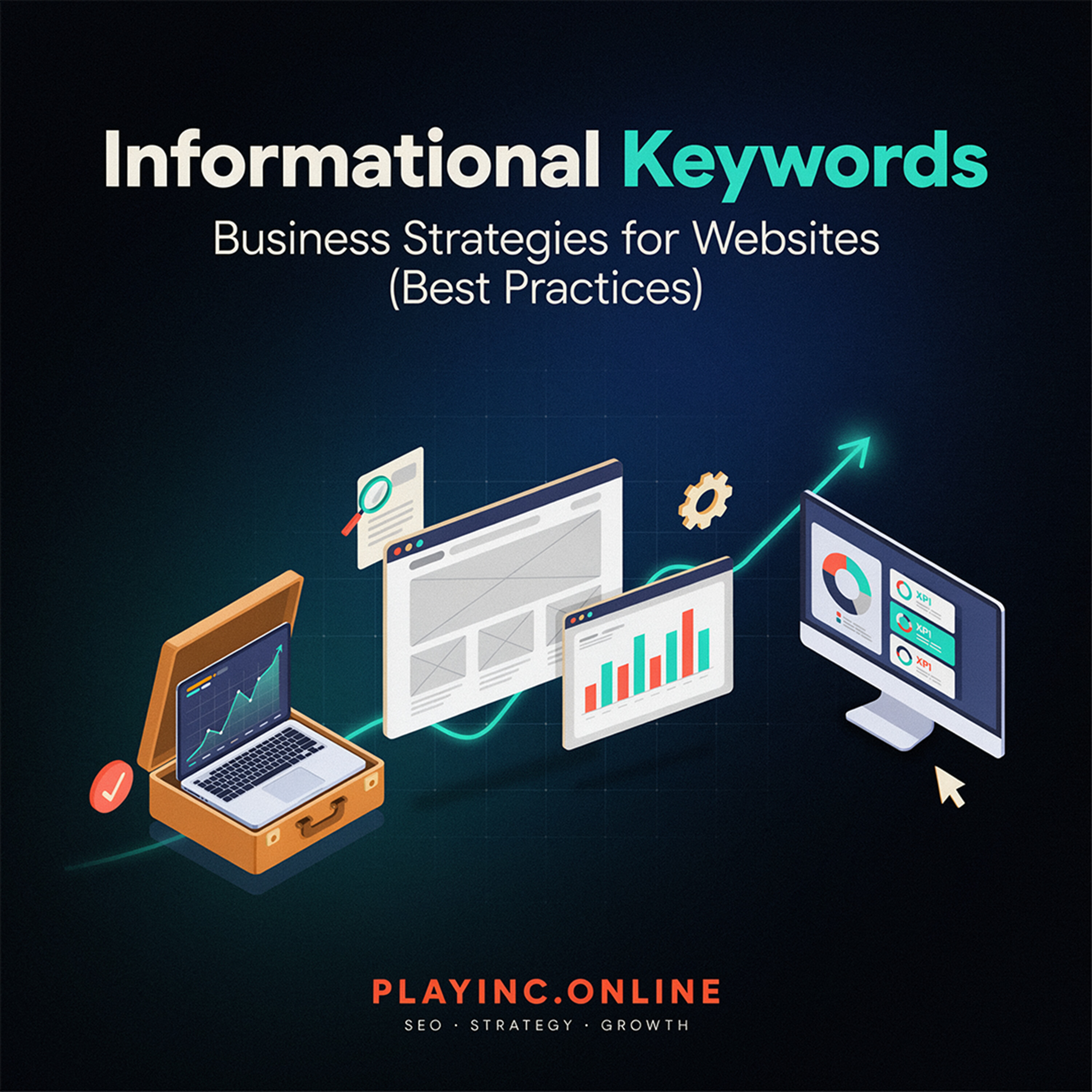
Informational Keywords: Business Strategies for Websites (SEO Best Practices)
2w ago01:45:23Tap to summarizeInformational keywords plays a critical question-based role for attracting top-of-funnel website visitors, building audience trust, and establishing topical authority. Favour Obasi-ike, MBA, MS explored structuring keywords using the "5Ws and 1H" question format (00:04:10), maximizing keyword density and URL relevance (00:33:44), and the value of consistently publishing content that addresses common search queries (00:38:53).Several points were raised, including leveraging free and premium SEO tools (e.g., Siteliner, Semrush, Ubersuggest, Ahrefs, WooRank) for keyword research, and the importance of regularly auditing websites for technical and content improvements (00:40:39).Actionable insights included tips on creating compelling meta titles (such as using brackets and odd-numbered lists), the psychology behind pricing schemes, and the necessity of protecting intellectual property.Who is this For?The conversation focused on entrepreneurs, business owners, digital marketers, and anyone interested in leveraging SEO, keywords, and website strategies to grow their online presence and business effectiveness.A key theme that emerged was practical guidance for individuals at various stages—from startup founders to established business operators—seeking to understand how to make their websites and content more discoverable and valuable (00:03:05, 01:00:12).Key Moments & TimestampsIntroduction to Keyword Types and Search Intent 00:00:18Understanding informational, navigational, commercial, and transactional keywords 00:03:19Why Informational Keywords Matter00:01:42 The "5Ws and 1H": who, what, when, where, why, how 00:04:14Website Professionalism & Trust Signals00:18:39 on why owning your domain matters 00:22:15Technical SEO Tools & Tricks00:25:22 The benefits of platforms like Flodesk, Constant Contact, and Mega VPN 00:27:00Advanced Search & Keyword Research Guidance 00:53:01Introduction to google.com/advanced_search, Siteliner, MeetGlimpse, WooRankKeyword Structure, Titles, and User Behavior 00:44:43How brackets, odd numbers, and phrasing influence click-through 01:30:13Mindset, Testing, and Value of Time 01:14:43 on valuing time over money 01:35:20 on how time is the true business assetFAQsWhat is an informational keyword?A keyword phrase used by searchers to seek knowledge rather than to make a purchase—often beginning with who, what, when, where, why, or how (00:04:10).Why does keyword density matter?It helps determine the relevance of a page for a specific keyword; correct density improves discoverability (00:08:10).Should my business have a website or just a landing page?The discussion explored that it depends on industry, audience trust, and long-term growth plans—sites confer more credibility (00:18:13).How do I choose the right keywords for my website?Use research tools like Siteliner, MeetGlimpse, Ubersuggest, and analyze the most frequently asked questions related to your field (00:42:45).What’s the advantage of proprietary domains over free website builders?Ownership increases trust, eligibility for search engine indexing, and professional branding (00:22:15).Action StepsAudit your website’s keyword density and update for informational queries (00:08:15).Research the most common question-based keywords in your industry using free and paid tools (00:54:05).Ensure your URL structure and meta titles closely match the user’s search intent (00:33:44).Secure your brand by claiming your domain, setting up professional email, and registering relevant trademarks (00:20:13).Regularly test content titles with brackets or odd numbers for improved engagement (00:45:45, 01:30:13).Allocate more effort to saving and valuing your time over incremental cost-savings (01:15:07).For more strategies, connect directly via the podcast resources shared at the conclusion of the episode.📥 Join our exclusive SEO newsletter: https://workandplayentertainment.myflodesk.com/seo-marketing-strategy-zoom-callReady to Rank? Book Your SEO & Web Dev Services Today🧠 Book SEO Services with Favour Obasi-ike: https://calendly.com/flaevbeatz/marketing-strategy-zoom-call🧠 Read Articles: https://www.playinc.online/newsfeed🧠 We Don't PLAY Podcast: https://wedontplaypodcast.com🧠 Favour Obasi-ike's Quick Links: https://zaap.bio/flaevbeatzExplore Free Marketing Resources to Grow Your Business📑 SEO: https://www.playinc.online/newsfeed/categories/seo📑 Clubhouse Audio: https://www.playinc.online/newsfeed/categories/clubhouse📑 Pinterest SEO: https://www.playinc.online/newsfeed/categories/pinterest📑 Marketing: https://www.playinc.online/newsfeed/categories/marketing📑 Podcast: https://www.playinc.online/newsfeed/categories/podcasts 📑 Social Media: https://www.playinc.online/newsfeed/categories/social-media-tips📑 Billboards: https://www.playinc.online/newsfeed/categories/billboards📑 Work and PLAY Entertainment Newsfeed: https://www.playinc.online/newsfeed/categories/newsfeedSee Privacy Policy at https://art19.com/privacy and California Privacy Notice at https://art19.com/privacy#do-not-sell-my-info.
Transcribe →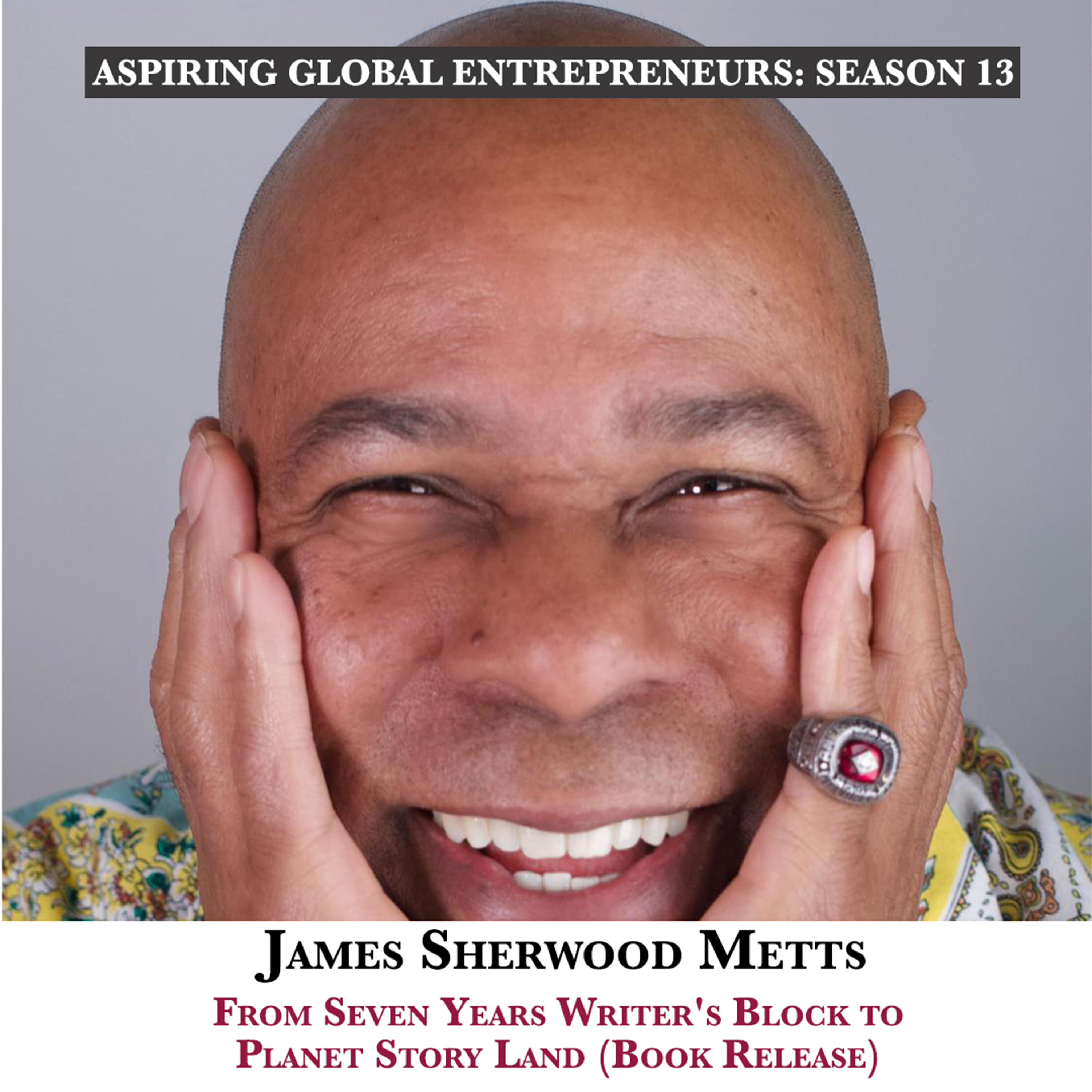
James Sherwood Metts: From Seven Years Writer's Block to Planet Story Land (Book Release)
3w ago00:25:25Tap to summarizeFavour Obasi-ike, MBA, MS speaks with author James Sherwood Metts about his book "Planet Story Land." They explore creative perseverance, overcoming writer’s block, the power of narrative in shaping identity, and advice for aspiring writers.The episode covers the seven-year journey of writing a unique story set on the planet Gliese, the lessons learned along the way, and practical steps for creative development. Listeners discover how to connect with James Sherwood Metts, acquire his book, and are inspired to trust their inner voice and persist with their creative dreams.Key MomentsJames Sherwood Metts shares the inspiration behind his book "Planet Story Land" and his seven-year writing journey 00:00:40The importance of persistence and overcoming self-doubt, including experiences with writer's block and finding renewal through external feedback 00:04:42Insights into the book’s story and intended audience 00:09:14Reflections on favorite chapters and underlying themes of identity and belonging 00:12:40Advice for his younger and future self about self-trust and the power of recording thoughts 00:15:31Emphasis on cultivating identity and independent thinking in students 00:18:18Ways to connect with James Sherwood Metts and obtain the book 00:22:40Timestamps00:00:40: Inspiration for "Planet Story Land"00:04:42: Facing doubts, writer’s block, and breakthroughs00:09:14: Book’s intended audience and synopsis00:12:40: Favorite chapter and thematic depth00:15:31: Advice to younger and future self00:18:18: Importance of identity in youth00:22:40: How to connect and get the bookWho Is This For?This episode is for aspiring writers, educators, storytellers, creative thinkers, parents, librarians, and anyone interested in personal growth, perseverance, and the creative process. It will especially resonate with young people navigating identity or anyone struggling with self-doubt on a long-term creative project.FAQsQ: What inspired "Planet Story Land"?A: James Sherwood Metts was inspired by the question: "What would a kid from another planet think about how we live?" 00:00:40Q: How long did it take to write the book and why?A: It took seven years, due to the process of filling story gaps and ensuring simplicity and clarity 00:02:4400:09:14Q: Who is the book for?A: Readers age 12+, students, parents, teachers, librarians, and anyone interested in new perspectives 00:10:05Q: What’s the main theme?A: Exploring identity, belonging, and seeing the world through an outsider’s lens 00:14:27Q: Where can listeners find the book or connect with the author?A: planetstoryland.com, Instagram, LinkedIn, and Facebook (00:22:40)Action StepsRead or gift "Planet Story Land": Visit planetstoryland.com for ebook or paperback.Connect with James Sherwood Metts: Reach out via his website.Leave a Review: Share feedback online to help others discover the book.Practice Daily Writing: Follow James Sherwood Metts's advice to jot down thoughts, questions, and insights for self-growth.Encourage Young People: Support youth in developing strong identities and independent thinking as highlighted in the episode.See Privacy Policy at https://art19.com/privacy and California Privacy Notice at https://art19.com/privacy#do-not-sell-my-info.
Transcribe →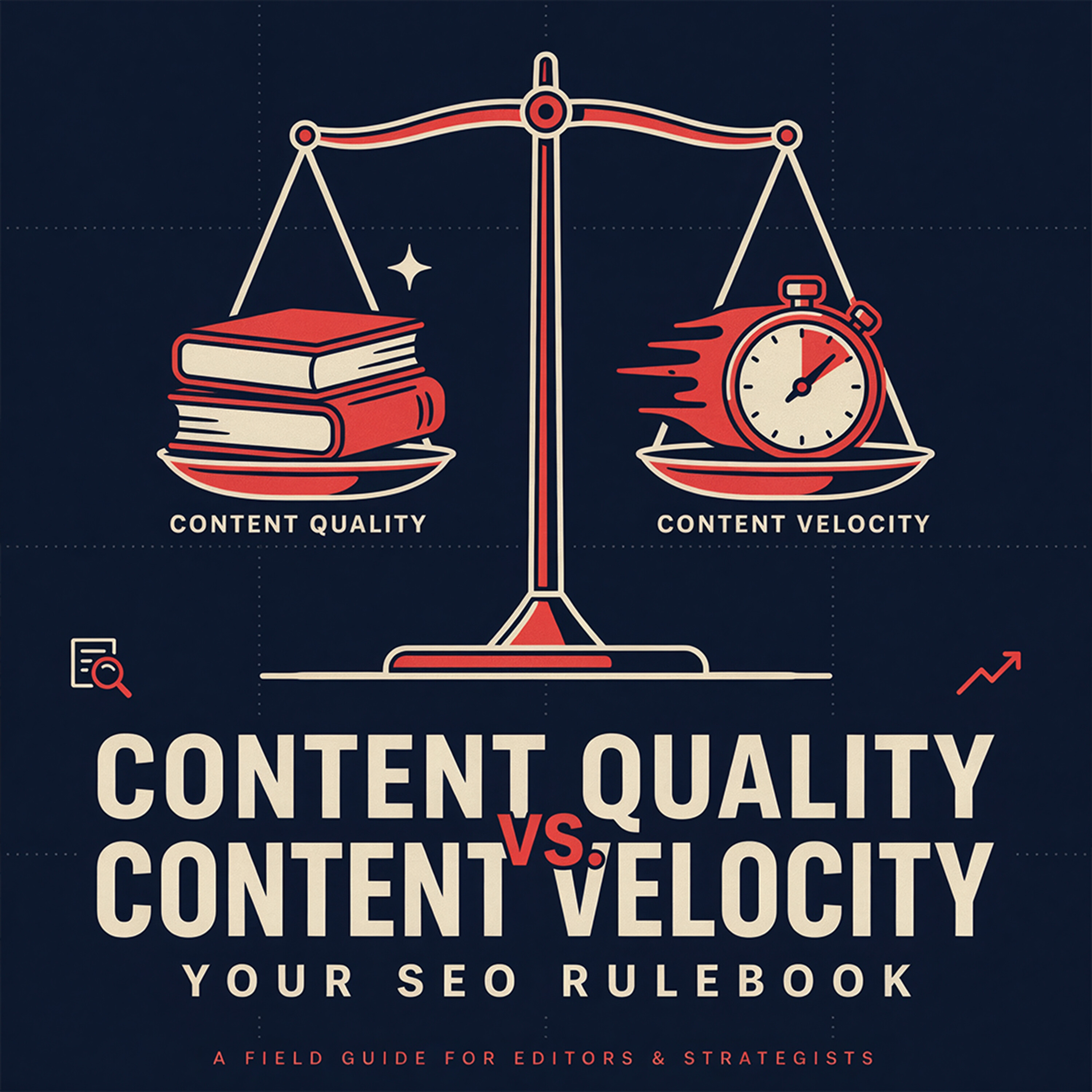
Content Quality vs. Content Velocity: Your SEO Rulebook
3w ago01:32:50Tap to summarizeFavour Obasi-ike, MBA, MS breaks down the debate between content quality and velocity. He argues that while velocity drives visibility, quality is the foundation that keeps audiences engaged and builds trust.High-quality content must be readable, understandable, and digestible, utilizing clear formatting and strong internal linking. By establishing a proof of concept and adhering to Google's E-E-A-T guidelines, creators can scale their publishing frequency sustainably.Who Is This For?This episode is for entrepreneurs, marketers, SEO professionals, bloggers, and creators trying to build search visibility. It serves anyone looking to publish consistently without falling into the trap of low-quality content overload.Key Moments & Timestamps[00:03] - Introduction: Content quality versus content velocity.[02:38] - Quality is not only what you say; it is how it is presented.[05:03] - Headings and the “readable, understandable, digestible” standard.[12:10] - Quotes, testimonials, strong titles, and the content experience.[15:13] - Self-audit: Would you watch, read, or listen to your own content?[21:00] - Attention, engagement, and quality as audience priorities.[26:54] - Google E-E-A-T: experience, expertise, authority, and trust.[29:39] - The debate: Evergreen content versus timely updates.[45:03] - Updating old articles and leveraging the modified date.[47:26] - Content velocity, manual indexing, and internal linking.[52:02] - Two top-quality articles beat ten subpar pieces.[53:35] - Building a controlled cadence to avoid audience burnout.[59:42] - Establish quality and a proof of concept before scaling output.[64:00] - Researching ranked content to evaluate the competitive landscape.[67:17] - Aligning keywords, titles, URLs, and opening lines with intent.[68:42] - Best strategy: High-quality content posted consistently.[77:41] - Final takeaway: Quality trumps velocity; scale only with quality.Memorable Quote"Quality trumps velocity—and if you’re going to do velocity, make sure you do it with quality."Frequently Asked Questions (FAQs)What makes content high quality?High-quality content is useful, trustworthy, well-researched, and structured. It should be easy to read and act on, utilizing proper formatting to guide the user experience.Does publishing more content improve SEO?Publishing volume helps only when relevance, quality, internal linking, and audience value remain strong. Velocity without quality leads to subpar results.Should old content be updated?Yes. Update older content when facts, tools, algorithms, or market conditions change. This preserves its evergreen foundation while signaling freshness.Is evergreen or fresh content better?Both serve a purpose. Evergreen content supports lasting discovery, while fresh content is necessary for news, trends, and platform updates.How often should a brand publish?Choose a publishing cadence your team can sustain without lowering standards. It is better to publish fewer high-quality pieces than to overwhelm your audience.Action StepsAudit one of your existing pieces for readability, formatting, and search intent.Fix heading hierarchy, paragraph length, text emphasis, visuals, and calls to action.Refresh a strong older article with current evidence, updated links, and fresh examples.Define a minimum quality checklist and test it until it becomes a repeatable process.Set a sustainable publishing cadence based on audience behavior and team capacity.Scale your output only after your quality, engagement, and workflow are stable.For more strategies, connect directly via the podcast resources shared at the conclusion of the episode.📥 Join our exclusive SEO newsletter: https://workandplayentertainment.myflodesk.com/seo-marketing-strategy-zoom-callReady to Rank? Book Your SEO & Web Dev Services Today🧠 Book SEO Services with Favour Obasi-ike: https://calendly.com/flaevbeatz/marketing-strategy-zoom-call🧠 Read Articles: https://www.playinc.online/newsfeed🧠 We Don't PLAY Podcast: https://wedontplaypodcast.com🧠 Favour Obasi-ike Quick Links: https://zaap.bio/flaevbeatzExplore Free Marketing Resources to Grow Your Business📑 SEO: https://www.playinc.online/newsfeed/categories/seo📑 Clubhouse Audio: https://www.playinc.online/newsfeed/categories/clubhouse📑 Pinterest SEO: https://www.playinc.online/newsfeed/categories/pinterest📑 Marketing: https://www.playinc.online/newsfeed/categories/marketing📑 Podcast: https://www.playinc.online/newsfeed/categories/podcasts 📑 Social Media: https://www.playinc.online/newsfeed/categories/social-media-tips📑 Billboards: https://www.playinc.online/newsfeed/categories/billboards📑 Work and PLAY Entertainment Newsfeed: https://www.playinc.online/newsfeed/categories/newsfeedSee Privacy Policy at https://art19.com/privacy and California Privacy Notice at https://art19.com/privacy#do-not-sell-my-info.
Transcribe →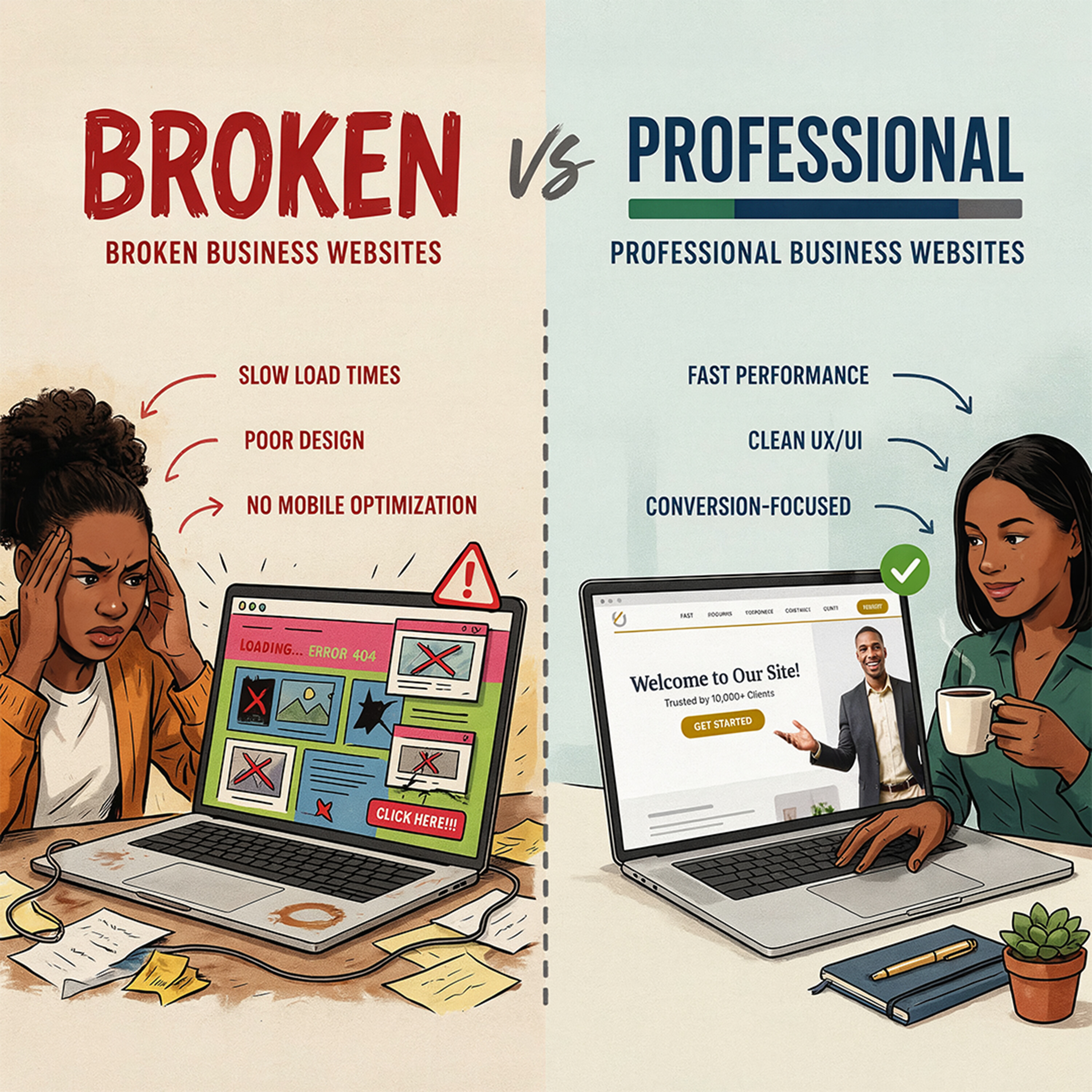
Broken Business Websites vs Professional Business Websites: What Does Every Business Owner Need to Know?
4w ago01:32:51Tap to summarizeFavour Obasi-ike, MBA, MS frames the discussion around the core distinction: broke (or broken) business websites vs pro (professional) business websites. A “broke” site often lacks structure, SEO, technical setup, and consistently underperforms, whereas a professional site is organized, optimized, and positioned for visibility, lead generation, and business growth 00:00:03, 00:05:16.Who Is This For?This episode is for business owners, entrepreneurs, and marketers—especially those responsible for their company’s website and digital visibility. If you want practical, plain English insights into why your site isn’t performing, how to spot technical flaws, and how to finally turn a “broken” website into a professional, revenue-driving asset, this is for you.Key Moments & TimestampsIntro & Website Audit Tools:00:00:03 - [Favour Obasi Ike] introduces the concept of "broke" vs. "pro" business websites and tools like Siteliner.com and GTMetrix to self-audit your site.Technical SEO & Why Sites Don’t Rank:00:05:00 - 70% of ranking problems are technical, not content-based.00:07:00 - Explains the impact of page speed, broken links, and crawl errors.Site Architecture & Structure:00:12:06 - A “pro” site has a solid checklist, logical URL structure, all main pages (home, about, contact, etc.), and no duplicates or broken paths.Importance of Social, Content, and Indexing:00:10:15 – Social profiles now connect with Google Search Console; cohesive digital presence is critical.00:33:05 – Explains sitemaps, robots.txt, and how to check what pages Google sees vs. your actual site.Schema, Quality Content, and Velocity:00:48:23 – Why schema (structured data) is often missing and critical for SEO.01:11:28 – Content must attract and repel with clarity; use action-oriented headlines and answer real user questions.Budgets, DIY, and Final Advice:01:05:01 – Discusses real costs for professional sites, why you must invest money or time, and how “broke” sites result from neglect.01:23:29 – Final takeaways: clarity in copy, investing in continual learning, and practical analytics checks.SummarizeTechnical SEO is usually the culprit for low rankings—not just content issues. Site speed, mobile performance, clean architecture, and meta info (titles, descriptions) matter much more than flashy design.Sitemaps and robots.txt must be properly configured, or Google may ignore much of your site.Schema markup is almost always missing on poorly performing sites and can boost visibility.Consistent, high-quality content (using real user questions as headline structure) increases both visibility and engagement.Organic social and SEO now interact—Google draws from your digital presence as a whole.DIY is an option, but you must invest time if you can’t invest money.Monitor click-through and conversion metrics (above 2% is good; below, revisit your site’s value/clarity).FAQsQ: What free tools can I use to audit my site?A: Siteliner.com checks duplicate/broken pages; GTMetrix.com measures speed; NSLookUp.io checks domain health.Q: What’s the most common reason websites don’t rank?A: Technical SEO issues: slow speed, crawl errors, missing/incomplete sitemaps, improper robots.txt, lack of schema.Q: Is a newsletter/blog/journal page worth it?A: Yes—having unique, frequently updated content (news, blogs, resources) helps with indexing, authority, and user engagement 00:43:10.Q: Can I get a professional site cheaply?A: Investing either time (DIY, free learning resources) or money (professionals, payment plans) is required. Q: What defines a “pro” website?A: Fast, mobile-first, well-structured, SEO-optimized, schema’d, secure, maintained, and delivers what users expect—every time.Action StepsAudit your site using Siteliner, GTMetrix, and NSLookUp to identify technical flaws (00:01:38).Create or download a checklist for on-page, off-page, technical, and local SEO (00:05:48).Clean up your site map and robots.txt.Apply schema markup to each main page (00:48:23).Ensure all key pages exist: home, about, contact, products/services, privacy, FAQ, blog/newsletter (00:13:51).Update your titles/descriptions to include search terms and local info; keep within pixel/character limits (00:29:13).Track your conversions; if below 2%, revisit clarity, speed, mobile, and copy (01:27:24).Invest in learning if budget is tight (use LinkedIn Learning, online resources) or hire a pro with phased payments.Monitor progress and repeat regular checks to maintain a “pro” business website.For more strategies, connect directly via the podcast resources shared at the conclusion of the episode.📥 Join our exclusive SEO newsletter: https://workandplayentertainment.myflodesk.com/seo-marketing-strategy-zoom-callReady to Rank? Book Your SEO & Web Dev Services Today🧠 Book SEO Services with Favour Obasi-ike: https://calendly.com/flaevbeatz/marketing-strategy-zoom-call🧠 Read Articles: https://www.playinc.online/newsfeed🧠 We Don't PLAY Podcast: https://wedontplaypodcast.com🧠 Favour Obasi-ike Quick Links: https://zaap.bio/flaevbeatzExplore Free Marketing Resources to Grow Your Business📑 SEO: https://www.playinc.online/newsfeed/categories/seo📑 Clubhouse Audio: https://www.playinc.online/newsfeed/categories/clubhouse📑 Pinterest SEO: https://www.playinc.online/newsfeed/categories/pinterest📑 Marketing: https://www.playinc.online/newsfeed/categories/marketing📑 Podcast: https://www.playinc.online/newsfeed/categories/podcasts 📑 Social Media: https://www.playinc.online/newsfeed/categories/social-media-tips📑 Billboards: https://www.playinc.online/newsfeed/categories/billboards📑 Work and PLAY Entertainment Newsfeed: https://www.playinc.online/newsfeed/categories/newsfeedSee Privacy Policy at https://art19.com/privacy and California Privacy Notice at https://art19.com/privacy#do-not-sell-my-info.
Transcribe →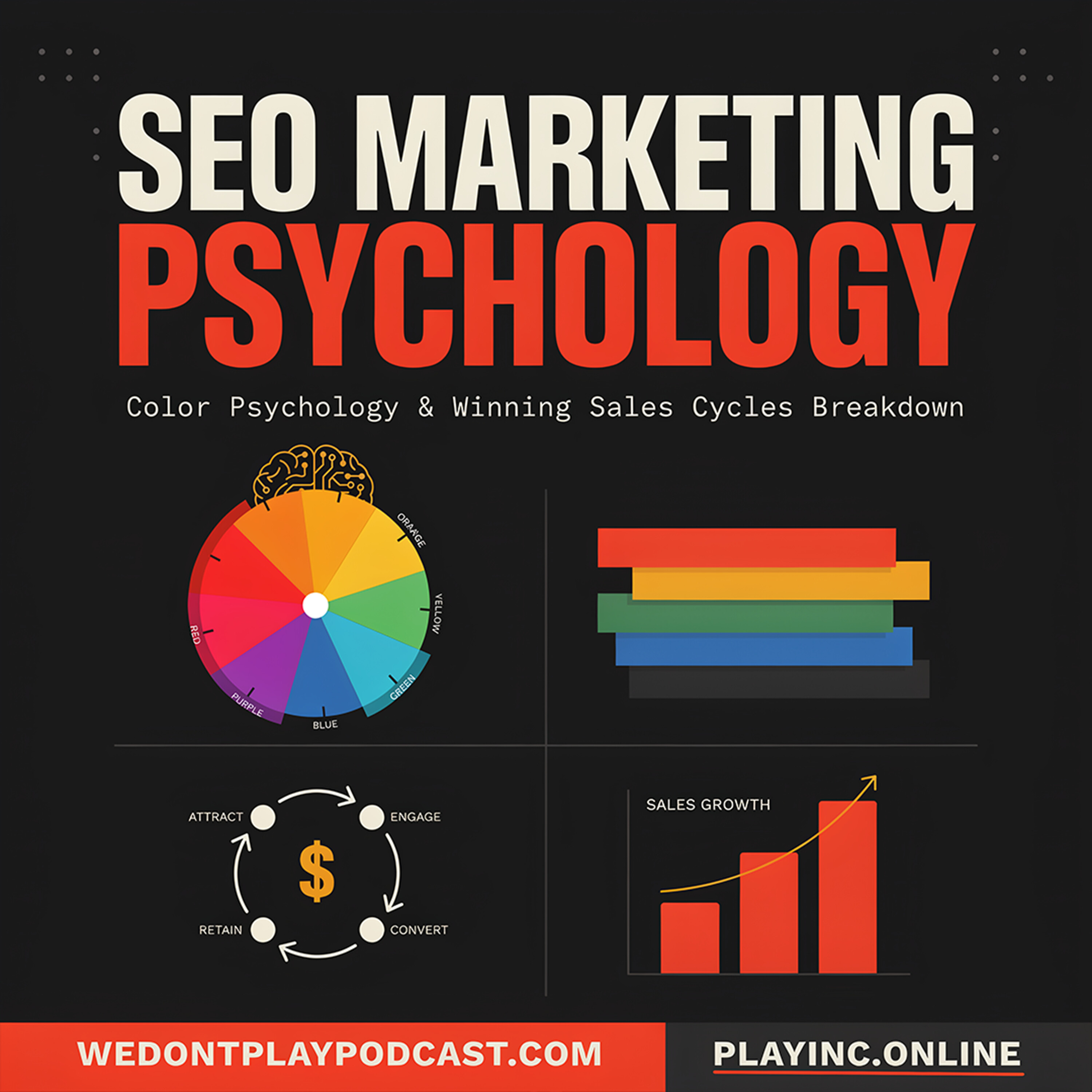
SEO Marketing Psychology, Brand Color Psychology, and Winning Sales Cycles Breakdown
Jul 301:03:59Tap to summarizeFavour Obasi-ike, MBA, MS drives one concept discussing how psychological triggers influence consumer actions, especially as seen through color choices on websites, calls to action, and branding. Short and long sales cycles can be impacted by color: red for urgency and quick decisions, yellow for engagement and optimism, green for reassurance and growth, blue for trust and authority. The discussion explored how alignment between color, branding, and SEO can increase website conversions, support customer retention, and create distinct brand recognition.A key theme that emerged was the integration of color psychology, clear language choices, and user-centric design for stronger SEO outcomes and higher conversion rates. Reliable colors and consistent branding serve as trust signals—important for both algorithms and users.Key Moments & TimestampsThe importance of turning website visitors into action takers 00:01:01Real-world examples of brand color choices and their emotional effects (Amazon, Walmart, LinkedIn) 00:03:15How sales cycles are influenced by marketing psychology and colors 00:06:18The emotional meanings attached to colors (red, orange, yellow, green, blue, black, white, purple) 00:11:45, 00:18:28How color choices impact conversions and consumer behavior 00:24:00The "Coolors.co" tool for creating and experimenting with color palettes 00:34:35Brand trust and customer reaction to color/logo changes 00:51:00The power of language and syllables in branding 00:58:26The coupling of color and words for maximum marketing impact 00:59:57Who Is This For?The conversation focused on providing insights for entrepreneurs, marketers, website owners, brand strategists, and anyone interested in leveraging the psychology of color and sales cycles to enhance their business, branding, and SEO outcomes. Those building or refining a brand, website, or marketing strategy will find particular value in the deep dives on color psychology and practical sales cycle management.FAQsQ: Why is color psychology important in marketing and SEO?A key theme that emerged was that colors evoke specific emotions in consumers, which can either attract or repel action. Brands use colors intentionally to create trust, urgency, or connection, supporting both engagement and conversion 00:06:01.Q: What colors should I use for my brand or website?Several points were raised, including that choices depend on your intended emotion: Red = Urgency/action Yellow = Optimism/activity Blue = Trust/stability Green = Growth/natureResearch competitors and test shades using tools like Coolors.co 00:34:35.Q: Can changing my brand colors hurt my business?The discussion explored that abrupt or un-strategic color changes can cause distrust and disconnect from loyal customers 00:51:30.Q: Do colors affect SEO rankings?Indirectly, yes—a well-chosen color scheme improves user experience and conversions, both of which are positive SEO signals 00:06:12.Q: How do sales cycles relate to website design?Color and design elements can encourage shorter or longer decision times, depending on the emotion and urgency the colors create 00:25:00.Action StepsAudit your current branding:Evaluate your website and marketing materials for color consistency and emotional messaging 00:03:53.Use a palette tool:Try Coolors.co to experiment with new color combinations and gather hex codes for consistent branding 00:34:35.Test Your CTAs:A/B test call-to-action button colors to optimize for higher conversion rates 00:06:06.Study your competitors:Note the psychological associations of top brand colors in your niche 00:17:19.Engage with your audience:Ask for feedback if you’re considering a color or branding change to maintain trust 00:51:30.Pair powerful words and colors:Align your brand’s language (think syllable counts and clarity) with your color messaging for maximum SEO and conversion impact 00:59:57.For more strategies, connect directly via the podcast resources shared at the conclusion of the episode.📥 Join our exclusive SEO newsletter: https://workandplayentertainment.myflodesk.com/seo-marketing-strategy-zoom-callReady to Rank? Book Your SEO & Web Dev Services Today🧠 Book SEO Services with Favour Obasi-ike: https://calendly.com/flaevbeatz/marketing-strategy-zoom-call🧠 Read Articles: https://www.playinc.online/newsfeed🧠 We Don't PLAY Podcast: https://wedontplaypodcast.com🧠 Favour Obasi-ike Quick Links: https://zaap.bio/flaevbeatzExplore Free Marketing Resources to Grow Your Business📑 SEO: https://www.playinc.online/newsfeed/categories/seo📑 Clubhouse Audio: https://www.playinc.online/newsfeed/categories/clubhouse📑 Pinterest SEO: https://www.playinc.online/newsfeed/categories/pinterest📑 Marketing: https://www.playinc.online/newsfeed/categories/marketing📑 Podcast: https://www.playinc.online/newsfeed/categories/podcasts 📑 Social Media: https://www.playinc.online/newsfeed/categories/social-media-tips📑 Billboards: https://www.playinc.online/newsfeed/categories/billboards📑 Work and PLAY Entertainment Newsfeed: https://www.playinc.online/newsfeed/categories/newsfeedSee Privacy Policy at https://art19.com/privacy and California Privacy Notice at https://art19.com/privacy#do-not-sell-my-info.
Transcribe →
From Website Visitors to Action-Takers: Here’s the SEO Plot...
Jul 201:19:11Tap to summarizeFavour Obasi-ike, MBA, MS shares insights from 13+ years helping businesses improve their websites and online presence. He highlights that first impressions on a website are like setting the feel of a room; you have to make visitors want to take action. The episode stresses the importance of providing clear instructions and having compelling calls to action right from the start.Website success isn’t just about aesthetics—it’s about strategy, clarity, and engagement. Favour illustrates how timely follow-ups, even post-room, can convert onlookers into leads and customers. He delves into marketing psychology—especially how colors like yellow and blue (used by Amazon, Walmart, and Best Buy) foster trust and encourage clicks.Practical stories, such as how a wedding dress site started getting national customers after targeted changes, anchor the advice in reality. Favour also recommends constant testing and evaluating everything from wording (“Book a Call” vs. “Schedule a Call”) to color choices on buttons to increase conversions.Throughout, Favour encourages thinking beyond just “having” a website: ensure it is working for you by guiding visitors from interest to engagement and decision.📥 Join our exclusive SEO newsletter: https://workandplayentertainment.myflodesk.com/seo-marketing-strategy-zoom-callFAQs Based on the EpisodeQ: Why isn’t my website getting conversions?A: You may lack clear calls to action, use ineffective colors, or fail to guide visitors. Test and optimize your CTA wording, follow up with leads quickly, and make sure your messaging is clear from the start 00:09:02.Q: What colors should I use for my action buttons?A: Yellow and blue spark trust, attention, and happiness (think Amazon, Walmart, Best Buy). Test these colors for your CTAs to see higher engagement 00:17:17, 01:10:05.Q: How do I keep visitors coming back to my site?A: Build relationships with timely communication and memorable interactions. Distinguish between new and returning visitors and cater content/actions to both 00:43:33.Q: How should I phrase my CTAs?A: Use clear, inviting language that matches user intent. “Shop and Save” outperformed “Shop Now” in a live exercise 01:03:04.Q: Is it enough to rely on looks and design?A: No—content clarity, action prompts, and user mindset matter more for conversion than just aesthetics 00:08:43.Who Is This For?This episode is for entrepreneurs, small business owners, creators, and anyone looking to turn website visitors into action-taking customers. It’s particularly valuable if you are interested in improving your website’s effectiveness, learning about marketing psychology, and leveraging SEO to drive actual results.Action StepsAudit your website’s first impression:Stand in your visitor’s shoes. Does your homepage clearly state what to do next? 00:08:28Strategically update your calls to action:Test “Shop and Save” or “Book a Call” and use colors like yellow for buttons 00:17:17, 01:06:19.Respond to leads quickly:Follow up within 24 hours so your offering stays top-of-mind 00:11:43.Analyze your visitor types:Distinguish and design for both new and returning visitors 00:43:33.Research color and marketing psychology:Learn from big brands and apply data-driven decisions rather than just gut feelings 01:11:04.Review your messaging:Ensure your language is clear, empathetic, and asks the right questions to move people from interest to action 00:53:12.Continually test and optimize:Treat your website like a living project—measure outcomes, experiment, and refine regularly 00:49:57.Ready to Rank? Book Your SEO & Web Dev Services Today🧠 Book SEO Services with Favour Obasi-ike: https://calendly.com/flaevbeatz/marketing-strategy-zoom-call🧠 Read Articles: https://www.playinc.online/newsfeed🧠 We Don't PLAY Podcast: https://wedontplaypodcast.com🧠 Favour Obasi-ike Quick Links: https://zaap.bio/flaevbeatzExplore Free Marketing Resources to Grow Your Business📑 SEO: https://www.playinc.online/newsfeed/categories/seo📑 Clubhouse Audio: https://www.playinc.online/newsfeed/categories/clubhouse📑 Pinterest SEO: https://www.playinc.online/newsfeed/categories/pinterest📑 Marketing: https://www.playinc.online/newsfeed/categories/marketing📑 Podcast: https://www.playinc.online/newsfeed/categories/podcasts 📑 Social Media: https://www.playinc.online/newsfeed/categories/social-media-tips📑 Billboards: https://www.playinc.online/newsfeed/categories/billboards📑 Work and PLAY Entertainment Newsfeed: https://www.playinc.online/newsfeed/categories/newsfeedSee Privacy Policy at https://art19.com/privacy and California Privacy Notice at https://art19.com/privacy#do-not-sell-my-info.
Transcribe →
SEO Trust Signals Your Website Can't Avoid (E-E-A-T & HTTPS)
Jul 101:17:43Tap to summarizeFavour Obasi-ike, MBA, MS highlights actionable steps for enhancing website trust, stresses the maturity timeline (24 months), and the importance of genuine, multi-platform engagement to foster meaningful connections and search engine rankings.The episode focuses on the must-have trust signals for SEO success in 2026: website security, authority, and credibility. Through real client examples and up-to-date frameworks (E-E-A-T), listeners learn that establishing SEO trust is a long-term investment; one that pays off in organic leads, partnerships, and international reach.📥 Join our exclusive SEO newsletter: https://workandplayentertainment.myflodesk.com/seo-marketing-strategy-zoom-callWho Is This For?This content is for business owners, entrepreneurs, marketers, and professionals looking to improve their website’s SEO by establishing strong trust signals. It’s particularly valuable for those aiming to boost online visibility, generate organic leads, and build credibility in increasingly competitive digital landscapes.Key Moments00:00:03: Introduction to SEO trust signals and their significance00:01:04: Real-world client story: first gig and inbound opportunities through organic SEO00:06:11: Explanation of Google’s E-E-A-T (Experience, Expertise, Authority, Trust)00:09:13: Domain authority and long-term growth; TikTok and longevity00:12:57: Why website security and privacy are critical trust signals00:18:00: Importance of consistent signals to Google for visibility00:25:24: Give your website 24 months to mature for reliable results00:31:09: Case studies: building trust and attracting business internationally00:54:49: Detecting AI-generated vs authentic human engagement01:08:30: Recap of unmissable trust signals, especially security/HTTPSSEO SummarySEO trust signals (such as HTTPS security, consistent content, domain authority, user experience, and transparency) play a decisive role in how both users and search engines evaluate website credibility and rank pages.Google’s E-E-A-T framework (Experience, Expertise, Authority, Trust) is foundational for establishing trust and improving rankings.Building genuine authority and trust requires time, strategic content, consistently indexed and optimized pages, and cross-channel visibility (website, podcasts, LinkedIn, etc.).Website security (HTTPS), privacy practices, up-to-date and user-friendly design, and authoritative backlinks cannot be skipped.Regular, authentic presence on multiple platforms and personal connection (e.g., voice messages in LinkedIn DMs) improve perception and conversion.TimestampsIntroduction & Why Trust Matters: 00:00:03Client Case Study: 00:01:04What is E-E-A-T?: 00:06:11Domain Authority Examples: 00:09:13Security’s Role in Trust: 00:12:57Sending Signals to Google: 00:18:00Website Maturity Advice: 00:25:24Stories of International Reach: 00:31:09AI vs Authentic Engagement: 00:54:49Recap & Final Steps: 01:08:30FAQsQ: What are SEO trust signals?A: Indicators such as security (HTTPS), authoritative content, domain longevity, positive reviews, and multi-platform presence that instill credibility with users and search engines.Q: How long should I expect before seeing results from SEO trust-building?A: Give your website at least 24 months to mature and see consistent, incremental progress 00:25:24.Q: Is HTTPS really that important?A: Absolutely. Security is a non-negotiable trust signal for both users and search engines 00:12:57.Q: How can I boost my SEO trust signals quickly?A: Update security, publish authoritative content, connect across multiple trusted platforms, and encourage reviews.Q: Does Google still use E-A-T?A: It’s now E-E-A-T (Experience, Expertise, Authority, Trust) 00:06:11. All elements matter for trust and ranking.Action StepsAudit your website for security (ensure HTTPS & privacy best practices)Align your website and content with E-E-A-T principles.Set up tracking (Google Search Console) and commit to incremental progress.Invest in multi-platform authority (LinkedIn, podcasts, blogging).Regularly update and optimize pages for both users and search bots.Foster authentic engagement and use personal touches in communication (voice notes, video).Be patient—plan for at least 24 months of effort for sustainable SEO growth.Ready to Rank? Book Your SEO & Web Dev Services Today🧠 Book SEO Services with Favour Obasi-ike: https://calendly.com/flaevbeatz/marketing-strategy-zoom-call🧠 Read Articles: https://www.playinc.online/newsfeed🧠 We Don't PLAY Podcast: https://wedontplaypodcast.com🧠 Favour Obasi-ike Quick Links: https://zaap.bio/flaevbeatzExplore Free Marketing Resources to Grow Your Business📑 SEO: https://www.playinc.online/newsfeed/categories/seo📑 Clubhouse Audio: https://www.playinc.online/newsfeed/categories/clubhouse📑 Pinterest SEO: https://www.playinc.online/newsfeed/categories/pinterest📑 Marketing: https://www.playinc.online/newsfeed/categories/marketing📑 Podcast: https://www.playinc.online/newsfeed/categories/podcasts 📑 Social Media: https://www.playinc.online/newsfeed/categories/social-media-tips📑 Billboards: https://www.playinc.online/newsfeed/categories/billboards📑 Work and PLAY Entertainment Newsfeed: https://www.playinc.online/newsfeed/categories/newsfeedSee Privacy Policy at https://art19.com/privacy and California Privacy Notice at https://art19.com/privacy#do-not-sell-my-info.
Transcribe →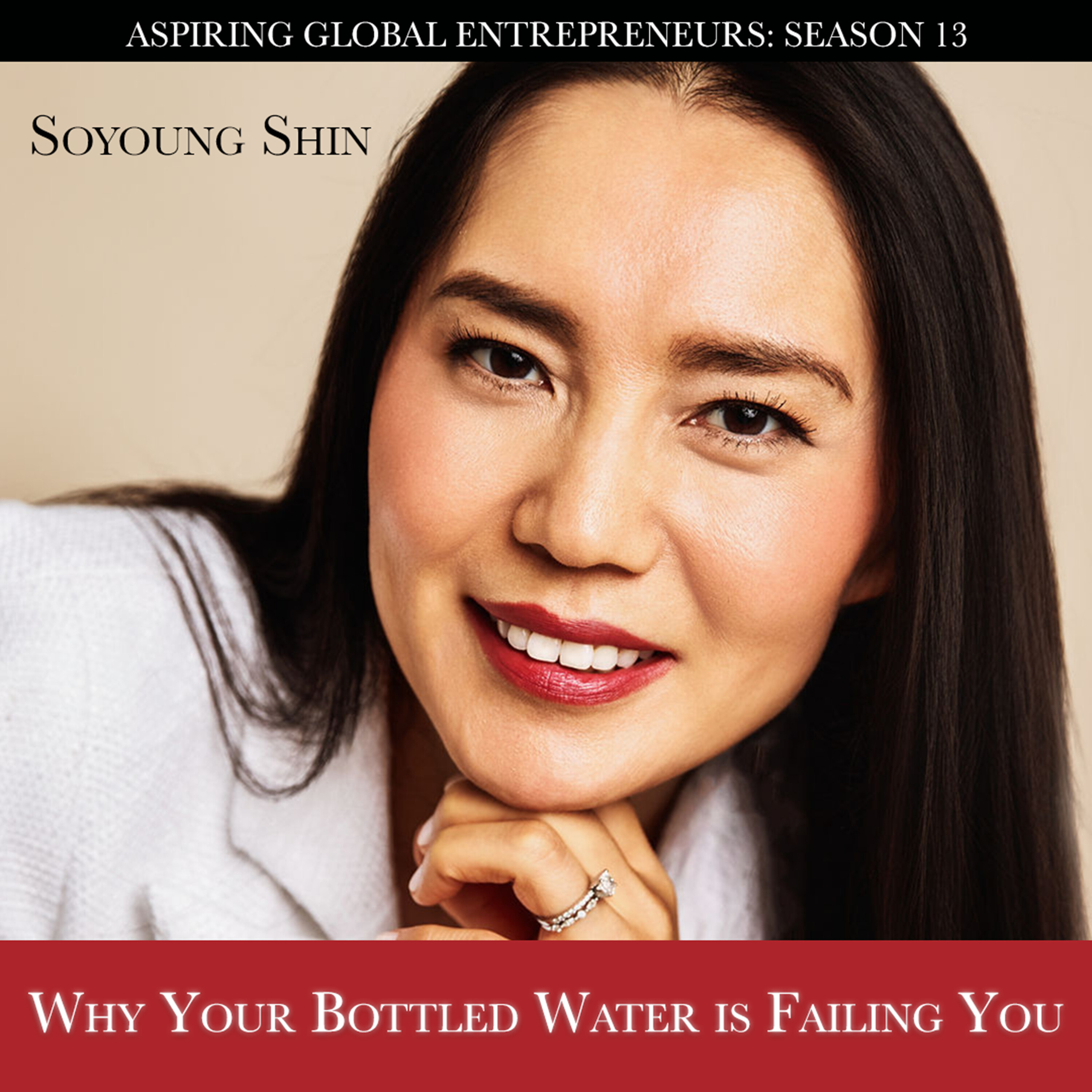
Soyoung Shin: Why Your Bottled Water is Failing You
Jun 2600:32:45Tap to summarizeFavour Obasi-ike interviews Soyoung Shin (The Water Chef) on why water is the ultimate foundation for health. Soyoung shares her journey from personal health crises to her father’s recovery from stage four cancer after switching to electrically changed water. She exposes the dangers of bottled water—including microplastics—and critiques filters that only mask chlorine's taste. This discussion shifts the perspective on water from a commodity to a vital health investment, providing tools to audit water sources and prioritize cellular hydration.Who is this episode for?This episode is for health-conscious individuals, biohackers, and families seeking to understand water's foundational role in wellness. It is essential for those dealing with chronic health issues, concerned about microplastics, or wanting to ensure their family's hydration supports long-term vitality.Key MomentsSoyoung recounts her 2023 health crises and her father’s recovery from stage four cancer after six months of drinking optimized water (03:20). She explains the "plastic epidemic," where heat causes bottled water to leach harmful chemicals (06:35). They discuss the difference between chemically induced alkalinity and the electrical charge our bodies crave (11:07). Finally, Soyoung highlights the risks of unfiltered shower water, which can be as toxic as drinking chlorinated water due to skin absorption and inhalation (26:39).Timestamps00:00 – Introduction to Soyoung Shin and water as a health foundation.01:40 – Soyoung’s health journey and discovery of optimized water.03:20 – Her father’s recovery from stage four cancer.05:16 – The truth about bottled water, microplastics, and contaminants.07:53 – Using ewg.org/tapwater to audit local water quality.09:54 – Chemically alkaline vs. electrically changed water.12:04 – Understanding cellular hydration and detoxification.18:33 – The investment mindset: Why health is worth more than a $2 bottle.23:55 – Why standard pitcher filters may not remove chlorine.26:39 – Hidden dangers of chlorinated shower water.29:04 – Connecting with @TheWaterChef on Instagram.FAQsIs bottled alkaline water good?Most use baking soda for pH. Soyoung notes that electrically changed water better suits our body's natural state.How can I check my water quality?Use ewg.org/tapwater with your zip code to see a detailed contaminant report.Do pitcher filters remove chlorine?Many only reduce the taste and odor. Check labels to see if the chemical is actually removed.Action StepsAudit Your Source: Use ewg.org/tapwater to identify chemicals in your home supply.Ditch the Plastic: Stop buying bottled water to avoid microplastics; invest in home filtration.Filter Your Shower: Install a shower head filter to prevent chlorine absorption.Prioritize Cellular Hydration: Choose water that nourishes cells rather than just flushing through.Connect with the Expert: Follow Soyoung Shin on Instagram @TheWaterChef for more tips.Ready to Rank? Book Your SEO & Web Dev Services Today🧠 Book Web Dev SEO Services or Technical SEO Services with Favour Obasi-ike🧠 Read SEO Articles🧠 Subscribe to the We Don't PLAY Podcast🧠 Purchase Flaev Beatz Beats Online🧠 Favour Obasi-ike Quick Links🧠 Start Recording your Podcast with Riverside Today | Sign Up with My Affiliate Link HereExplore Free Marketing Resources to Grow Your Business📑 Read about SEO Topics📑 Read about Clubhouse Audio Topics📑 Read about Pinterest SEO Topics📑 Read about Marketing Topics📑 Read about Podcast Topics📑 Read Social Media Tips📑 Read Billboards Tips📑 Read Work and PLAY Entertainment NewsfeedWater health, hydration, cellular nourishment, water filtration, microplastics, alkaline water, The Water Chef, Soyoung Shin, Favour Obasi-ike, We Don't Play Podcast.See Privacy Policy at https://art19.com/privacy and California Privacy Notice at https://art19.com/privacy#do-not-sell-my-info.
Transcribe →