
Podcast
This Week in Business
Hosted by The Wharton School · EN
Bringing together top leaders, innovators and renowned faculty from the Wharton School of the University of Pennsylvania discussing topics that matter to consumers and the business world.
Hosted on Acast. See acast.com/privacy for more information.
63episodes
Episodes
Newest firstAll episodes
The Fed’s Payment Rails and Fintech Access
Mar 1800:14:15Tap to summarizeDavid Zaring, Professor of Legal Studies and Business Ethics at the Wharton School, joins the show to explain the Federal Reserve’s consideration of a “skinny” master account for nonbank financial firms. The conversation covers payment rails, regulatory oversight, competition with traditional banks, and the implications for community lenders and financial stability. They also examine potential litigation and legislative responses. Hosted on Acast. See acast.com/privacy for more information.
Transcribe →
Zeke Emanuel on Medicare Payment and Innovation Reform
Mar 1300:12:47Tap to summarizeZeke Emanuel, Vice Provost for Global Initiatives at the Wharton School, joins the show to discuss recent reforms at the Centers for Medicare and Medicaid Services. The conversation covers site-neutral payments, strengthening primary care compensation, innovation models, and efforts to address waste and Medicare Advantage risk adjustment. They also examine the broader fiscal and policy implications for the $1.7 trillion agency. Hosted on Acast. See acast.com/privacy for more information.
Transcribe →
The Economic Cost of Conflict with Iran
Mar 1100:10:17Tap to summarizeKent Smetters, Faculty Director of the Penn Wharton Budget Model and Professor of Business Economics and Public Policy at the Wharton School, breaks down the projected budgetary costs of conflict with Iran, estimates potential GDP losses driven by higher oil prices, and explains how supply shocks could influence inflation and Federal Reserve decision-making. Hosted on Acast. See acast.com/privacy for more information.
Transcribe →
The Decline of the Cover Letter in the AI Era
Mar 600:11:36Tap to summarizeJudd Kessler, Professor of Business Economics and Public Policy at the Wharton School and author of Lucky by Design, explains how artificial intelligence is eroding the signaling power of cover letters and elevating the importance of recommendations, networking, and real-world connections in the labor market. Hosted on Acast. See acast.com/privacy for more information.
Transcribe →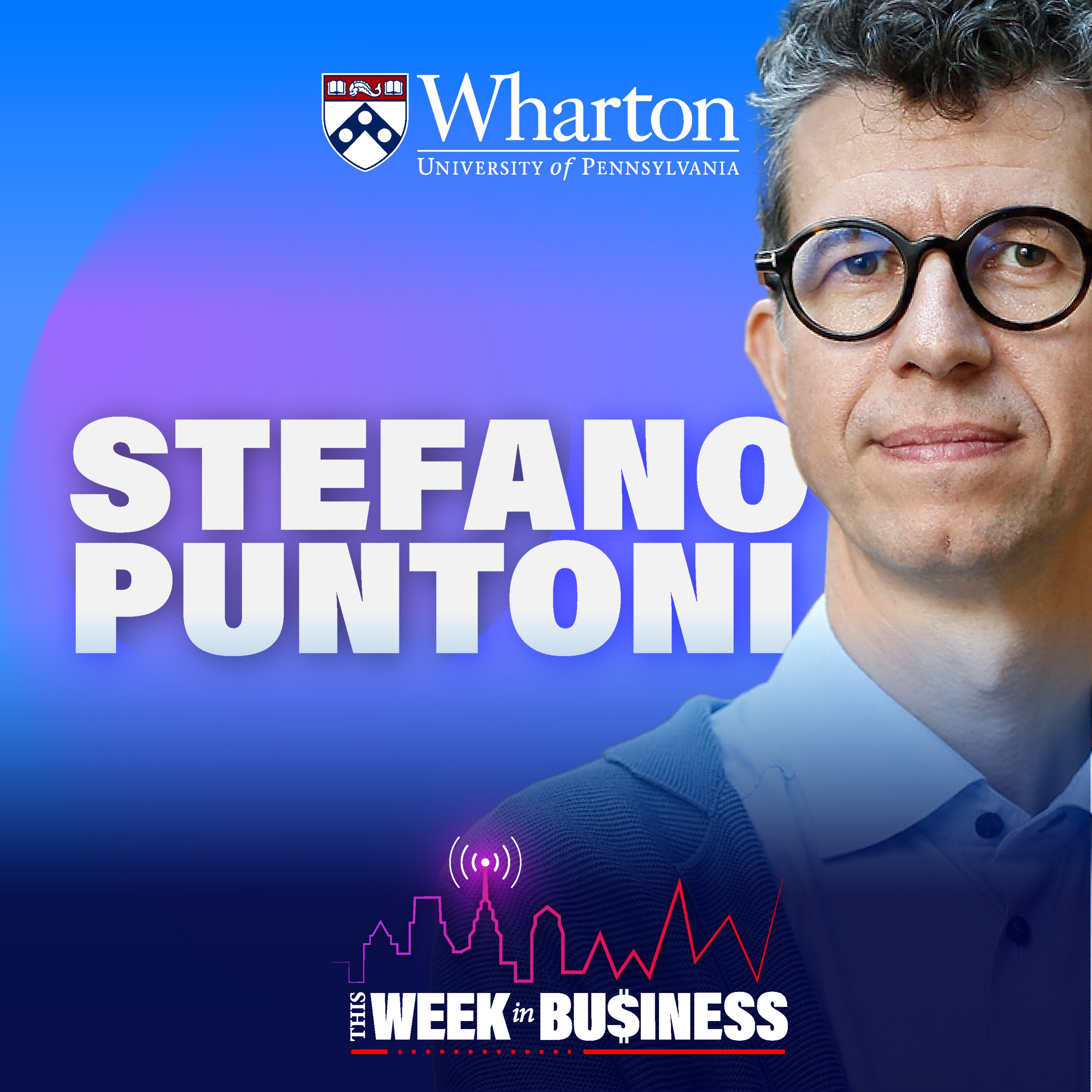
From Hype to Impact: AI Reshapes Enterprise Software
Mar 400:13:13Tap to summarizeStefano Puntoni, Marketing Professor at the Wharton School and Co-Director of the Wharton Human-AI Research Program, explains how artificial intelligence is pressuring SaaS margins, lowering barriers to entry, reshaping pricing models, and marking a potential inflection point for enterprise software markets. Hosted on Acast. See acast.com/privacy for more information.
Transcribe →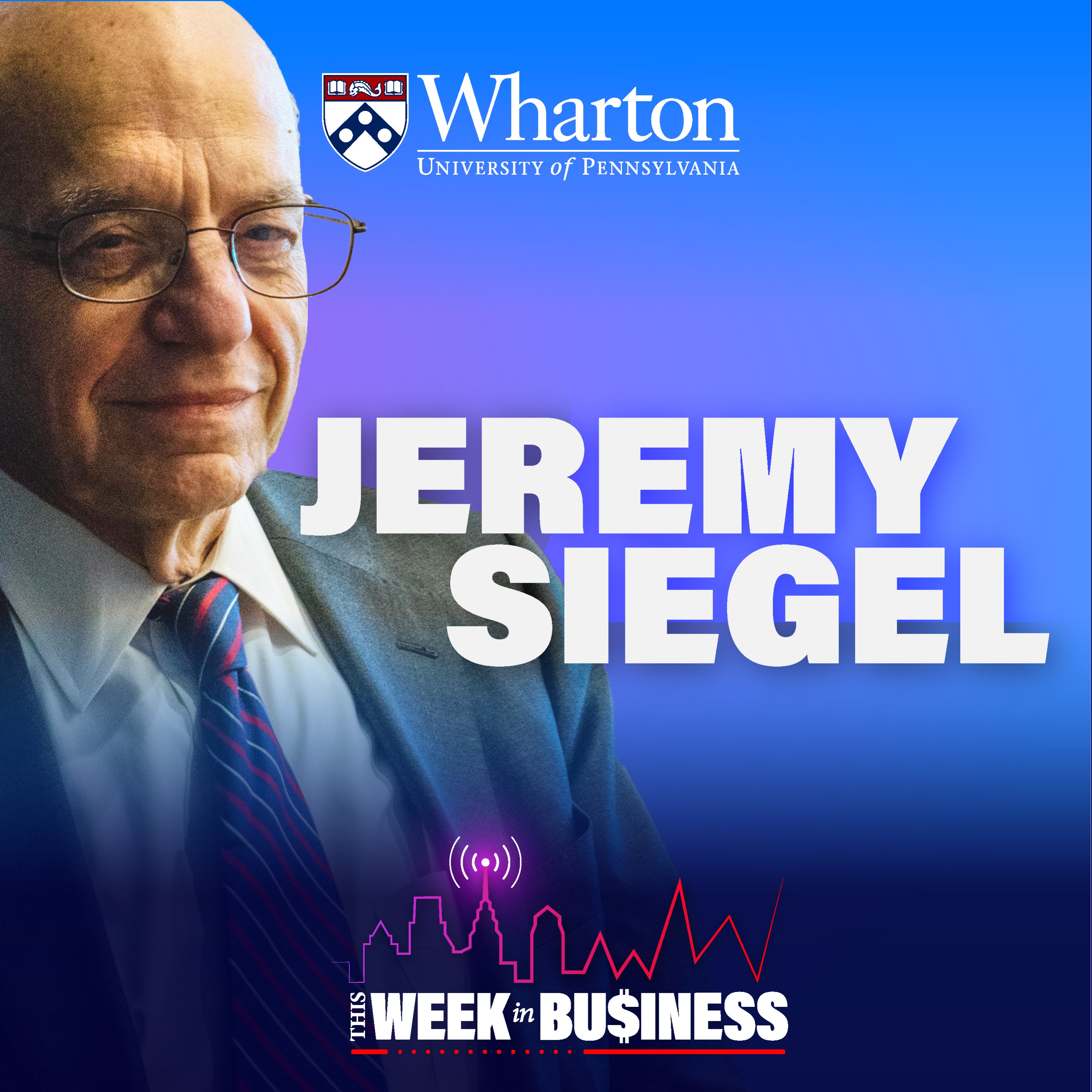
Fed Leadership, Rate Cuts, and Geopolitical Risks Ahead
Feb 2700:10:39Tap to summarizeJeremy Siegel, Professor Emeritus of Finance at the Wharton School and Senior Economist at Wisdom Tree, analyzes the Supreme Court’s ruling on tariffs, the market’s resilience amid policy uncertainty, the potential impact of Kevin Warsh as Fed chair, and how geopolitical tensions with Iran could influence interest rates and economic growth. Hosted on Acast. See acast.com/privacy for more information.
Transcribe →
Understanding Crypto Sentiment and Market Signals
Feb 2500:11:33Tap to summarizeDave Reibstein, Professor of Marketing at the Wharton School, explains how the school’s Cryptocurrency Confidence Index tracks U.S. consumer sentiment, explores links between confidence and price volatility, and examines the role of regulation and public perception in shaping the future of digital assets. Hosted on Acast. See acast.com/privacy for more information.
Transcribe →
How Geopolitics Is Hitting Local Gas Stations
Feb 2000:12:36Tap to summarizeSerguei Netessine, Wharton Professor of Operations, Information and Decisions, discusses how U.S. sanctions on Lukoil are disrupting franchise agreements, banking relationships, and customer perceptions for locally operated gas stations in New York, New Jersey, and Pennsylvania. Hosted on Acast. See acast.com/privacy for more information.
Transcribe →
Why Hiring Has Slowed Without Mass Layoffs
Feb 1800:12:11Tap to summarizePeter Cappelli, Professor of Management and Director of the Center for Human Resources at The Wharton School, examines the cooling in white-collar job openings, the impact of investor-driven cost cutting, the concept of “AI washing,” and why economic uncertainty is keeping companies cautious about expanding their workforce. Hosted on Acast. See acast.com/privacy for more information.
Transcribe →
Stablecoins Explained: Bridging Digital Assets and Traditional Finance
Feb 1300:10:56Tap to summarizeKevin Werbach, Wharton Professor of Legal Studies and Business Ethics, discusses the Stablecoin Toolkit and how clearer definitions, regulatory frameworks, and emerging use cases could position stablecoins as a bridge between digital assets and the traditional financial system. Hosted on Acast. See acast.com/privacy for more information.
Transcribe →