Podcast
What's Next with Aki Anastasiou
Hosted by What's Next · EN
What’s Next with Aki Anastasiou is South Africa’s most popular technology show. The who’s who of South Africa’s technology and business world are interviewed on the show.
42episodes
Episodes
Newest firstAll episodes
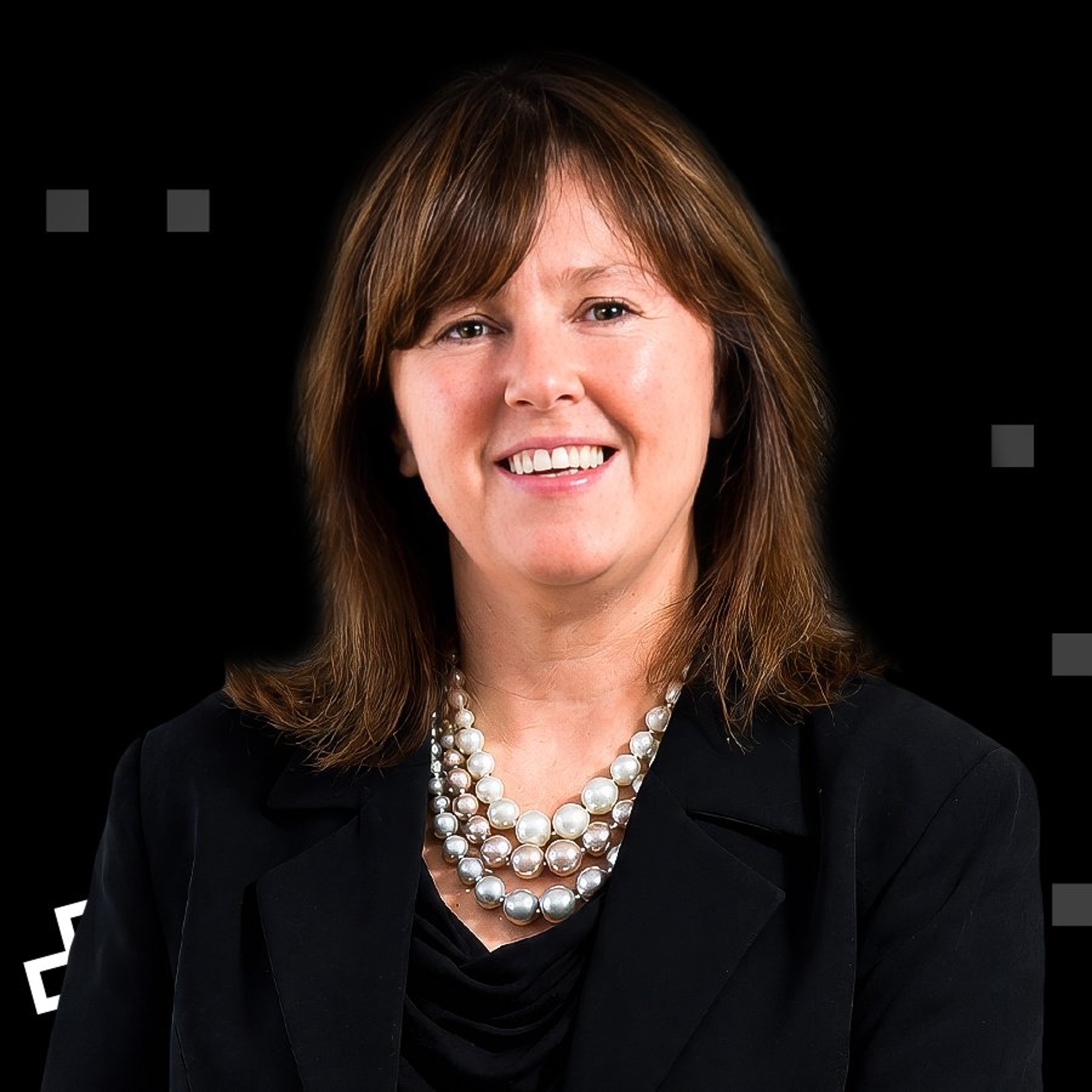
Nicky Downing on responsible AI governance and business trust
1w ago00:34:03Tap to summarizeAI governance is becoming essential as businesses automate more decisions and connect artificial intelligence to sensitive corporate data. Nicky Downing, Founder and Chief Executive Officer at Guideline BizTech, explains why organisations must build trust, ethics, and accountability into AI systems from the beginning. She introduces RUBIQ Hub, an AI-first digital trust platform designed to help enterprises adopt AI responsibly, securely, and at scale. The discussion examines why many AI projects fail when they begin as isolated technology initiatives without sufficient business context. Downing explains the importance of governance, risk management, compliance, clear objectives, and ethical frameworks before automation is introduced. She also argues that people must remain accountable for AI-supported decisions. The human-in-the-loop model can allow businesses to automate repetitive work while reskilling employees for oversight, communication, and higher-value roles. For South African companies, the episode offers practical guidance on protecting confidential information, avoiding uncontrolled public AI tools, and ensuring that AI agents operate within defined responsibilities. 0:00 Intro 1:02 Nicky Downing’s governance journey 4:19 Building trustworthy enterprise AI 11:49 Why trust matters in AI 17:33 The biggest AI adoption risks 25:21 Keeping humans in the loop 28:32 How the Ethos governance layer works Follow MyBroadband: X - https://twitter.com/mybroadband Facebook - https://www.facebook.com/mybroadband Instagram - https://www.instagram.com/mybroadband/ Website - https://mybroadband.co.za/news/ #AIGovernance #ResponsibleAI #ArtificialIntelligence
Transcribe →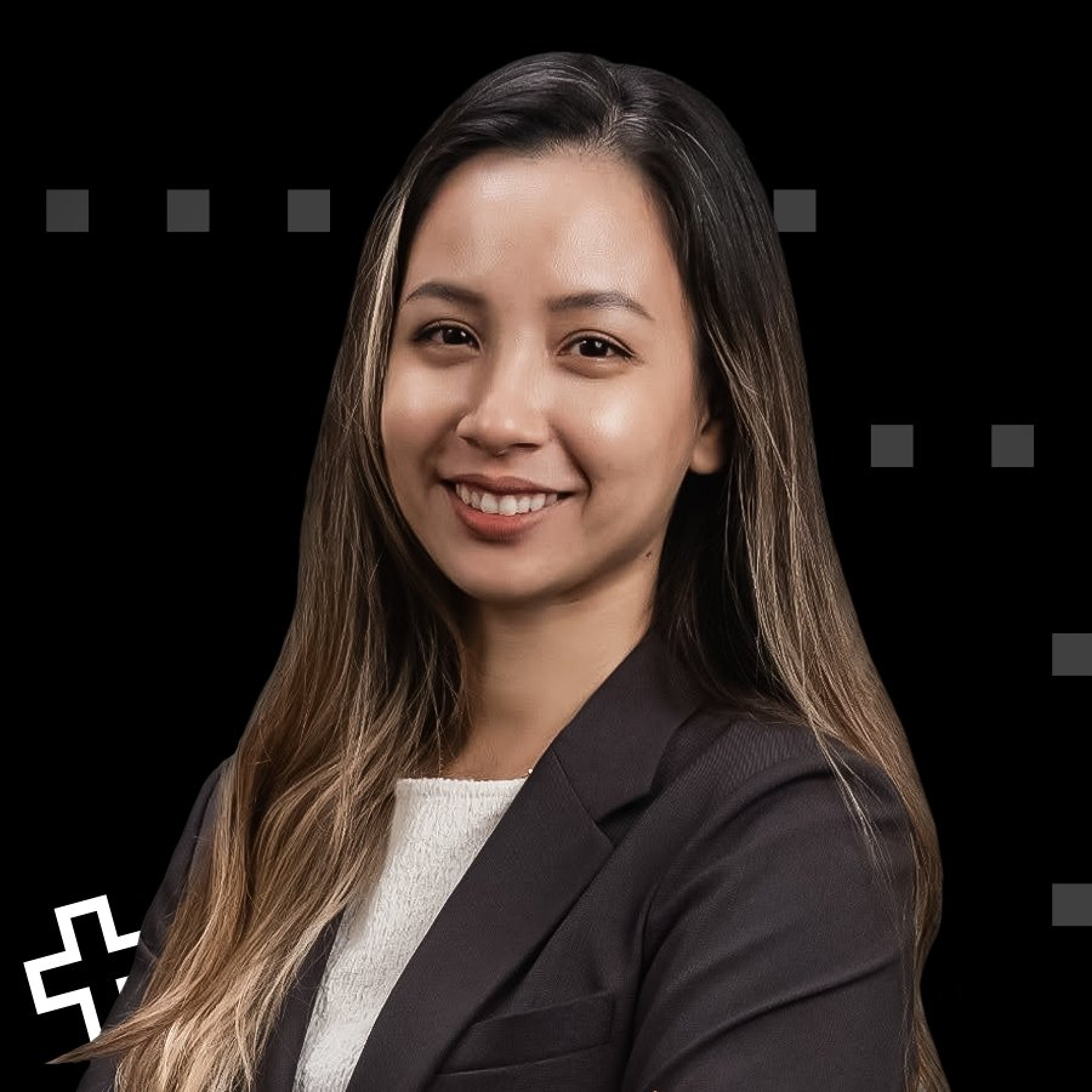
Mirian Lin on enterprise data protection and AI-ready storage
1w ago00:16:34Tap to summarizeEnterprise data protection is becoming critical as South African organisations adopt AI, expand storage, and defend against ransomware. Mirian Lin, Account Manager at Synology, explains how the company is growing beyond its traditional NAS and SMB base to serve enterprise customers in South Africa. She discusses rising demand across mining, government, manufacturing, media, and education, where secure storage, backup, and data protection are central to digital transformation. The conversation examines data sovereignty, the balance between on-premises infrastructure and cloud services, and Synology’s goal of helping organisations maintain control over their information. Lin also outlines how secure, accessible, and well-managed data provides the foundation businesses need to adopt AI confidently. She highlights common backup mistakes and failing to test recovery plans. The discussion also covers immutable backups, ransomware resilience, enterprise storage, and Synology’s partner expansion across Johannesburg, Cape Town, Durban, and other South African markets. 0:00 Intro 0:24 Synology’s growth in South Africa 2:41 Moving from SMB to enterprise 3:27 Expanding the local partner channel 6:12 Data sovereignty and on-premises storage 8:48 Building AI-ready data infrastructure 10:45 Backup mistakes and strategies 13:33 Enterprise storage and cyber resilience Follow MyBroadband: X - https://twitter.com/mybroadband Facebook - https://www.facebook.com/mybroadband Instagram - https://www.instagram.com/mybroadband/ Website - https://mybroadband.co.za/news/ #DataProtection #CyberSecurity #Synology
Transcribe →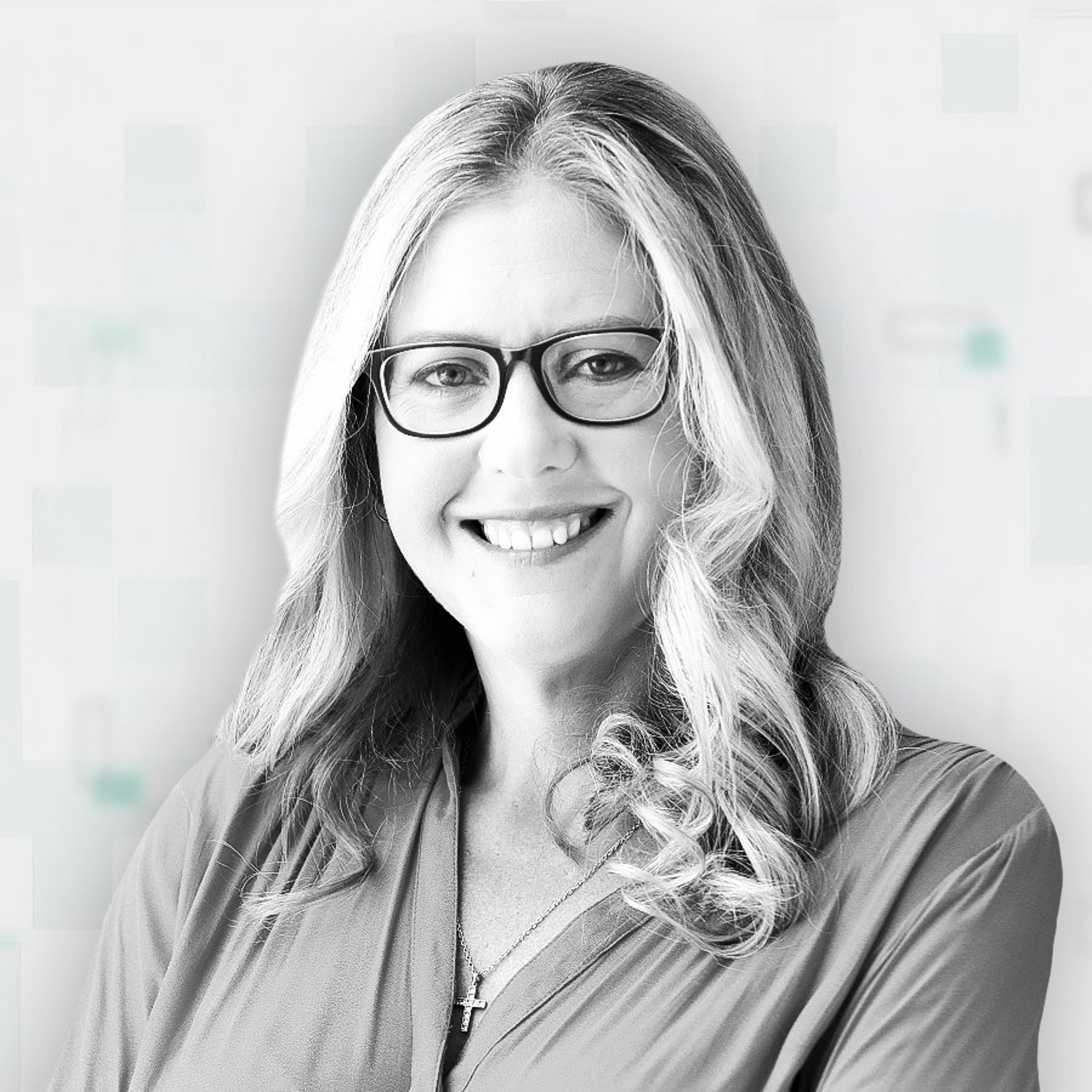
What’s Next presented by Old Mutual Corporate - The future of member engagement beyond Two-Pot
1w ago00:16:35Tap to summarizeSouth Africa’s two-pot retirement system is transforming how employees engage with retirement savings, digital tools, and financial education. Michelle Acton, Chief Customer Officer at Old Mutual Corporate, explains how the two-pot system has driven a major increase in direct member engagement across South Africa. She discusses how retirement fund members are using digital channels to check balances, update personal details, submit claims, and better understand their long-term savings. The conversation explores Old Mutual Corporate’s use of WhatsApp as an accessible financial services channel, with member engagement rising significantly as customers gain faster access to information. Acton also explains the technology, fraud prevention, verification, and customer experience changes required to serve hundreds of thousands of retirement fund members digitally. She highlights how improved financial literacy, easier access to advice, and reduced friction can encourage South Africans to preserve more of their retirement savings, contribute more consistently, and make better-informed financial decisions. 0:00 Intro 0:31 Two-pot system and digital engagement 2:51 Making retirement savings more personal 4:38 Direct member engagement 6:14 WhatsApp and accessible financial services 9:23 Modernising Old Mutual’s systems 12:18 Financial education and better retirement outcomes Follow MyBroadband: X - https://twitter.com/mybroadband Facebook - https://www.facebook.com/mybroadband Instagram - https://www.instagram.com/mybroadband/ Website - https://mybroadband.co.za/news/ #TwoPotSystem #RetirementSavings #FinancialServices
Transcribe →
Salvador Anglada on AI-powered financial inclusion in Africa
2w ago00:26:52Tap to summarizeAI-powered financial inclusion is helping millions of underserved consumers access credit through alternative data and advanced risk modelling. Salvador Anglada, Chief Executive Officer at Optasia, explains how the company uses artificial intelligence to provide small, unsecured loans at scale across 38 countries. He discusses how alternative data can create credit profiles for people excluded from traditional banking systems, supporting more than 32 million credit decisions each day. The conversation covers Optasia’s Johannesburg Stock Exchange listing, why South Africa is central to its African strategy, and the role of major partners including mobile networks and banks. Anglada also explains how technology, distribution partnerships, and local regulatory expertise have supported the company’s rapid growth. He discusses Optasia’s acquisition of a prepaid electricity credit business, the potential to expand electricity financing across emerging markets, and why AI should be viewed as an opportunity to improve productivity. He also shares leadership lessons on building strong teams, lifelong learning, taking bold opportunities, and remaining patient throughout a career. 0:00 Intro 1:41 How Optasia supports financial inclusion 4:40 Leading a purpose-driven business 6:15 Leadership and building strong teams 8:10 Optasia’s JSE listing 10:40 Partnerships across South Africa and Africa 13:26 Technology, growth, and future opportunities Follow MyBroadband: X - https://twitter.com/mybroadband Facebook - https://www.facebook.com/mybroadband Instagram - https://www.instagram.com/mybroadband/ Website - https://mybroadband.co.za/news/ #FinancialInclusion #ArtificialIntelligence #Fintech
Transcribe →
What's Next powered by Deloitte - Andre Vermeulen on AI, human advantage and the future of work
4w ago00:22:34Tap to summarizeAI and the future of work are transforming every business—but people remain the biggest competitive advantage. Deloitte explains why organisations that combine human expertise with AI will lead the next wave of innovation. Andre Vermeulen, Partner | Human Capital Leader Consulting Services at Deloitte Africa, joins What's Next powered by Deloitte to unpack the key findings from Deloitte's latest Global Human Capital Trends report. He explains why organisations must rethink traditional ways of working, embrace continuous adaptation, and build cultures that allow people and AI to work together effectively rather than compete against one another. The discussion explores the concept of "Human x Machine", why only a small percentage of organisations are successfully embedding AI into everyday work, and how leaders can balance automation with human judgement. Andre also examines the risks of over-relying on AI, including declining critical thinking, data quality concerns and trust, while highlighting practical examples of AI-assisted decision-making from Deloitte's work in Formula 1. The conversation concludes with insights into organisational agility, adaptive learning, and why human capability—not technology alone—will determine which businesses succeed in the AI era. For South African business and technology leaders, this episode offers practical guidance on preparing organisations for rapid technological change while ensuring people remain at the centre of innovation. 0:00 Intro 1:25 Deloitte's Global Human Capital Trends report explained 3:31 Why organisations must become faster and more adaptable 5:05 Human × Machine: the future of AI at work 10:03 The risks of over-relying on AI 15:04 Formula 1, AI and human decision-making 20:07 Why human advantage is the real competitive advantage Follow MyBroadband: X - https://twitter.com/mybroadband Facebook - https://www.facebook.com/mybroadband Instagram - https://www.instagram.com/mybroadband/ Website - https://mybroadband.co.za/news/ Sponsor: Deloitte - https://www.deloitte.com/za/en/Industries/technology/research/tech-trends-2026.html #ArtificialIntelligence #FutureOfWork #DigitalTransformation
Transcribe →
Soul Abraham on AI, smarter insurance and the future of customer experience
4w ago00:36:23Tap to summarizeAI is transforming insurance faster than ever. Soul Abraham explains how Old Mutual Insure is using artificial intelligence to improve customer experience, reduce costs and make insurance more accessible for South Africans. Soul Abraham, CEO of Old Mutual Insure, joins What's Next to discuss how one of South Africa's oldest insurers is preparing for an AI-powered future. Drawing on nearly two centuries of insurance expertise, he explains why building a modern data platform was the foundation for adopting AI, and how the company is using artificial intelligence to empower employees, strengthen underwriting, and deliver faster, more personalised customer service. The conversation explores the three pillars of Old Mutual Insure's AI strategy, the role of cloud infrastructure and data in enabling innovation, and how AI could help improve insurance affordability and penetration across South Africa. Soul also shares his vision for AI-assisted brokers, personalised insurance products, faster claims processing, and why upskilling employees will be critical to ensuring AI enhances—not replaces—the workforce. Looking ahead, he outlines how Old Mutual Insure aims to redefine customer expectations while making insurance simpler, more responsive and better suited to individual needs. For South African business and technology leaders, this episode offers valuable insight into how AI is reshaping financial services and what the future of insurance could look like over the next five years. 0:00 Intro 2:15 Soul Abraham's journey to CEO of Old Mutual Insure 7:58 How Old Mutual Insure is adopting AI 11:06 The company's three-pillar AI strategy 17:14 Improving customer experience with AI 29:15 Upskilling employees for an AI-powered future 32:11 The future of insurance in South Africa Follow MyBroadband: X - https://twitter.com/mybroadband Facebook - https://www.facebook.com/mybroadband Instagram - https://www.instagram.com/mybroadband/ Website - https://mybroadband.co.za/news/ #ArtificialIntelligence #Insurance #SouthAfrica
Transcribe →
Graham Parker on AI, legacy systems and practical digital transformation
4w ago00:26:46Tap to summarizeAI and legacy systems don't have to be at odds. Graham Parker explains how businesses can modernise existing technology, unlock value from their data and adopt AI without expensive rip-and-replace projects. Graham Parker, Executive Chairman at Britehouse, joins What's Next to discuss how organisations can cut through the AI hype and focus on practical business outcomes. Drawing on decades of experience building and scaling enterprise software businesses, he explains why successful AI adoption starts with understanding business problems, making better use of existing systems, and creating measurable value rather than chasing the latest technology trends. The discussion explores how AI is transforming enterprise software, why legacy systems often remain valuable foundations for innovation, and the importance of data governance when deploying AI solutions. Graham also shares how Britehouse helps organisations modernise critical business applications through incremental improvements instead of disruptive replacements, while highlighting real-world AI projects spanning industrial operations, enterprise software engineering and even professional cycling through its work with Pinarello Q36.5. For South African organisations navigating digital transformation, the conversation offers practical guidance on implementing AI responsibly while keeping people firmly at the centre of technology. 0:00 Intro 2:16 Cutting through the AI hype 3:23 What Britehouse does 6:01 Two practical ways businesses can use AI 9:39 Modernising legacy systems with AI 19:54 AI in professional cycling and Team Q36.5 23:29 The future of enterprise software and AI Follow MyBroadband: X - https://twitter.com/mybroadband Facebook - https://www.facebook.com/mybroadband Instagram - https://www.instagram.com/mybroadband/ Website - https://mybroadband.co.za/news/ #ArtificialIntelligence #DigitalTransformation #EnterpriseSoftware
Transcribe →
Jan Hendrik van der Westhuizen on craftsmanship and modern luxury
Jul 1400:19:50Tap to summarizeIn this episode of What’s Next, Aki Anastasiou speaks to Jan Hendrik van der Westhuizen – Lexus Brand Ambassador about craftsmanship, humility and the discipline behind excellence. From growing up on a farm to earning global culinary recognition, he reflects on how consistency, patience and refinement shaped his journey long before the accolades followed. The conversation explores his philosophy of modern luxury as emotional connection rather than status. He shares why simplicity, authenticity and meaningful human experiences define true success, and how building something lasting matters more than noise or fleeting recognition.
Transcribe →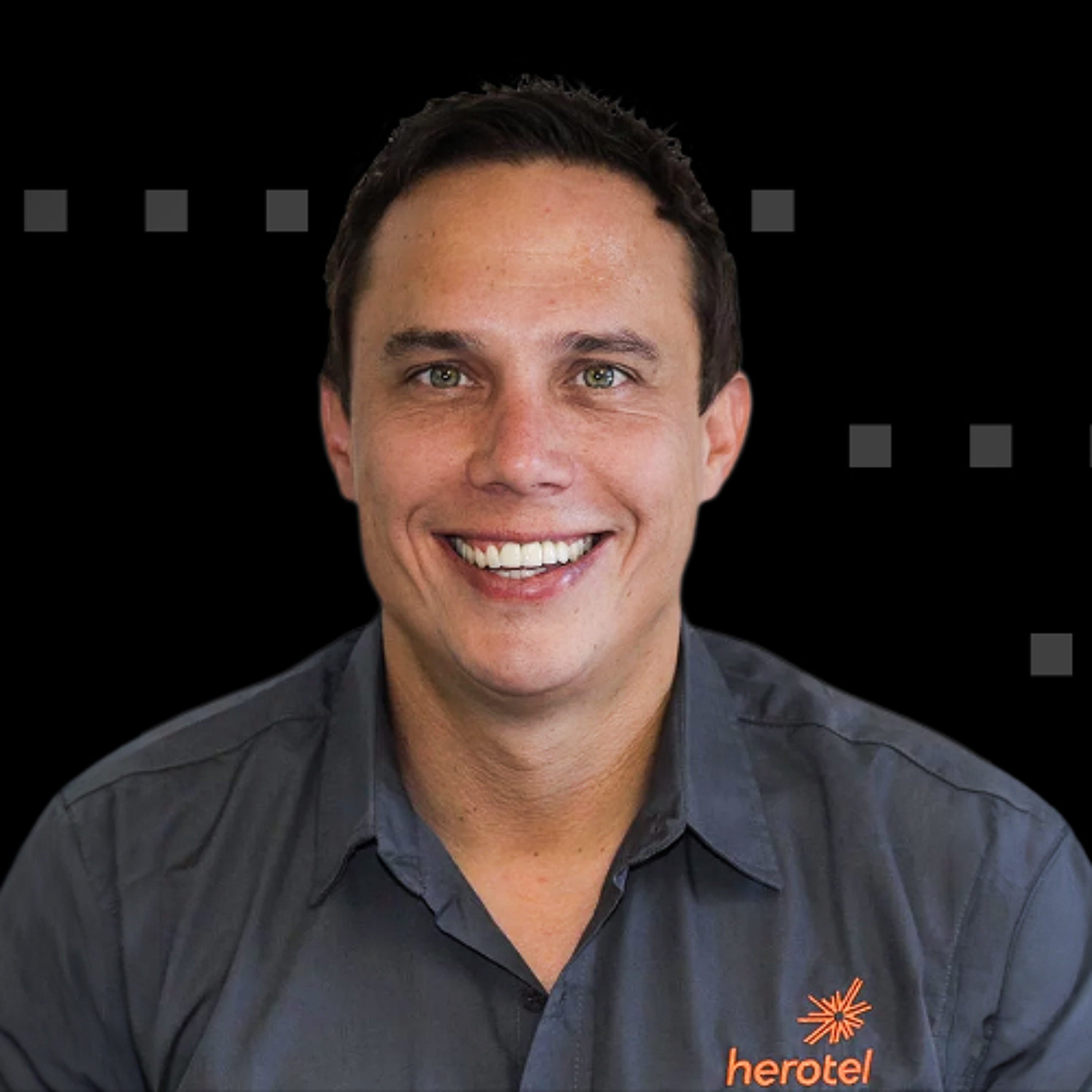
Van Zyl Botha on connecting the unconnected through fibre expansion
Jul 100:46:31Tap to summarizeFibre expansion in South Africa's secondary towns is transforming communities. Van Zyl Botha, co-founder and CEO of the Herotel Group, joins Aki Anastasiou to discuss bridging the digital divide outside major metros. Botha details how the network operator evolved from consolidating local wireless ISPs into an infrastructure powerhouse deploying high-speed fibre across 180 municipalities. The conversation covers Herotel’s vertically integrated model, explaining how handling infrastructure construction, installations, and ISP operations internally removes the middleman to lower costs and boost uptime. Botha highlights localized innovations like their flexible 7-day voucher payment systems tailored to the township economy, alongside their redundant "Super Core" data centers that dramatically lower latency for regional users. Finally, he unpacks the business impact of their landmark acquisition by Maziv-aligning them with Vumatel and DFA-and how this partnership scales up operations to bring uncapped broadband to seven million unconnected homes. 0:00 Intro 1:30 Solving the digital divide outside SA metros 5:30 Evolving from local WISPs to national fibre infrastructure 17:40 Why vertical integration beats the traditional ISP model 21:30 Innovations for the township economy: vouchers and aerial fibre 28:00 The Maziv acquisition and scaling to a million homes 36:50 Unpacking the network's redundant "Super Core" secret sauce Follow MyBroadband: X - https://twitter.com/mybroadband Facebook - https://www.facebook.com/mybroadband Instagram - https://www.instagram.com/mybroadband/ Website - https://mybroadband.co.za/news/ #FibreInternet #BroadbandSA #WhatsNext
Transcribe →
Riaan Esterhuysen on Lexus electrification and the future of luxury EVs
Jun 3000:18:24Tap to summarizeIn this episode of What’s Next, host Aki Anastasiou speaks with Riaan Esterhuysen, Senior Manager of PR and Corporate Communications at Lexus South Africa, about the brand’s long-standing electrification journey and the future of luxury EVs in South Africa. Riaan reflects on his career with Toyota and explains how Lexus has evolved from pioneering hybrid SUVs with the RX in 2006 to launching fully electric battery-electric vehicles like the Lexus RZ. The discussion explores Lexus’s “multi-pathway” strategy, which combines internal combustion, hybrid, plug-in hybrid, battery-electric, and even hydrogen technologies to suit different markets and customer needs. The conversation also dives into the design philosophy and customer-centric approach that define the Lexus experience. Riaan explains how Japanese craftsmanship, driver-focused interiors, and refined electric performance shape vehicles like the RZ, which aims to deliver luxury, serenity, and usability rather than just headline speed figures. The episode highlights how Lexus is adapting EV technology for South African realities, including charging infrastructure and driving distances, while positioning electrification as a core part of the brand’s future in the country.
Transcribe →