Loading summary
Transcript257 lines
- [00:00]
NPR Sponsor Announcer
This message comes from NPR sponsor Carvana. Carvana makes car buying easy 100% online prices down to the penny, delivered to your door. Why make car buying hard when it could be easy? Visit Carvana.com today. Terms may apply.
- [00:17]
Rachel Martin
What have you found surprising about getting older?
- [00:20]
Danny McBride
See, I'm lucky because even when I was 21, I looked like I was 50 years old. So now, now I look at my p. I look at pictures of me when I'm younger. Like I look older there somehow. This is we.
- [00:33]
Rachel Martin
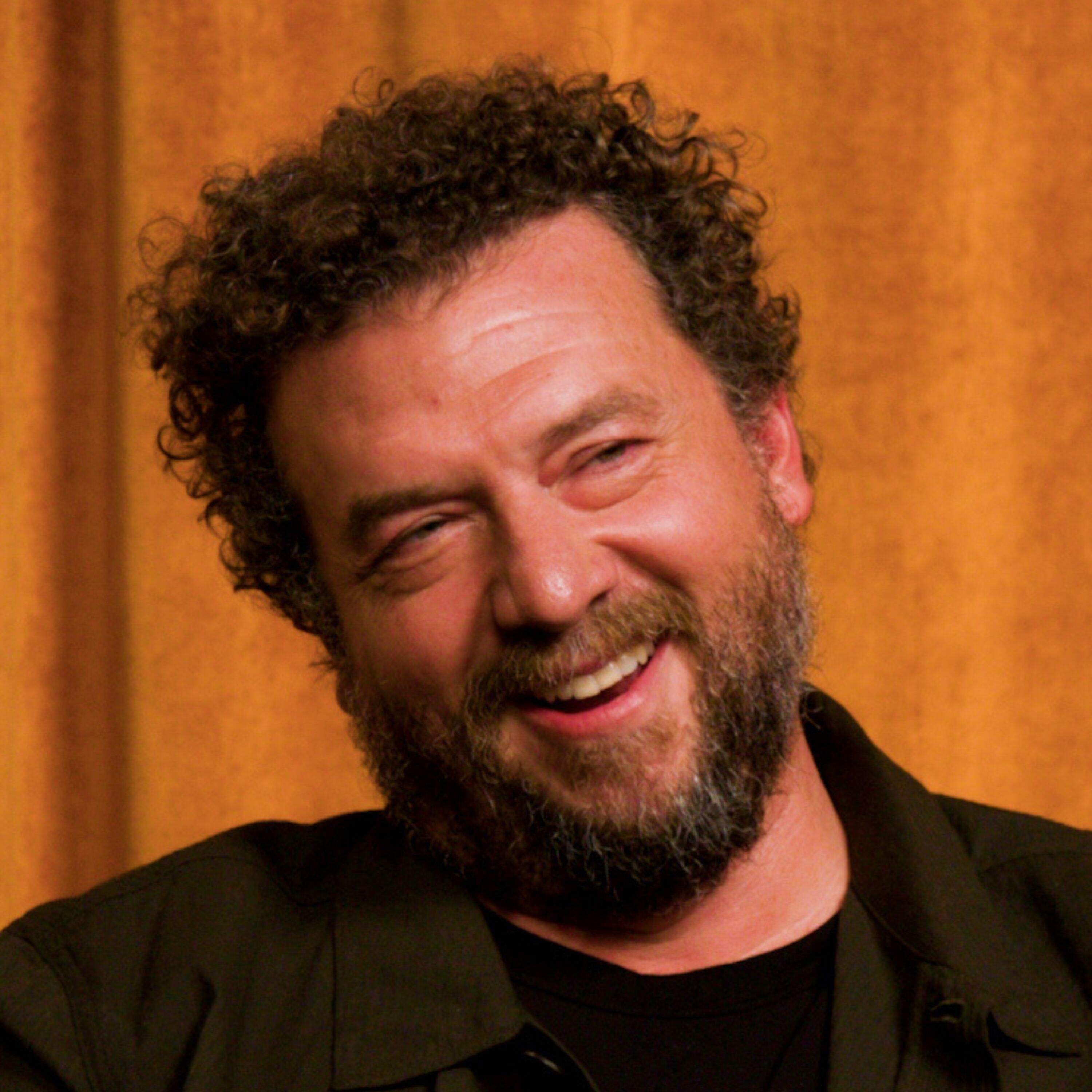
I'm Rachel Martin, and this is Wild Card, the show where cards control the conversation. Each week, my guest answers questions about their life. Questions pulled from a deck of cards. They're allowed to skip one question and to flip one question back on me. My guest this week is Danny McBride.
- [00:50]
Danny McBride
I just think it's funny. I think there's nothing funnier than somebody who's like, full of hot air or somebody who just has, like, an insane ego and then it's completely obvious to everyone around them that they don't have the goods.
- [01:03]
Rachel Martin
Actor and writer Danny McBride has built a career exploring the hilarious extremes of the male psyche. An almost delusional sense of self confidence gets his characters flying high on their own supply, only to come crashing down when the inevitable weight of self doubt shows up. But no matter where these characters are on their journey through American masculinity, be it Jesse from the Righteous Gemstones or Kenny Powers from Eastbound and down, their fragility makes them all the more endearing. Danny McBride has a new book out on these same themes. It's called Thrilling Tales of Modern Men. And I am very happy to welcome Danny McBride to Wildcard.
- [01:38]
Danny McBride
Hi, how are you doing? Thanks for having me on here. I appreciate it.
- [01:41]
Rachel Martin
I'm so happy to talk with you about this book and many other things. So first, we're just going to get right into the game. How do you feel about that?
- [01:49]
Danny McBride
Let's go for it. I'm ready.
- [01:54]
Rachel Martin
The first round is memories. One, two or three.
- [01:59]
Danny McBride
I'm going to go with three. Let's see what three has to do.
- [02:02]
Rachel Martin
You're feeling three. Okay. Okay. Where did you get to feel independent as a kid?
- [02:10]
Danny McBride
Where did I get to feel independent as a kid? You know what? Probably, I would probably think my first job maybe is where I started to feel a real sense of independence. I got a job at, well, you might know this, living near D.C. king's dominion.
- [02:26]
Rachel Martin
King's Dominion.
- [02:27]
Danny McBride
That was my very first job.
- [02:29]
Rachel Martin
I've waited in many water slide lines at Kings Dominion.
- [02:32]
Danny McBride
I work There I used to. I got a job there because I loved Kings Dominion and the best way to fall out of love with something you like is to go work there. And so I used to. I think I just had my learner's permit and I got my license while I was working there. And I used to. It was about a 30 minute commute from my house and I used to pray on the way to work that I would get into a minor car accident. Nothing where I was going to be hurt, but enough where I wouldn't have to go to work.
- [03:00]
Rachel Martin
You don't want to die, but maybe
- [03:01]
Danny McBride
just like, just enough to get a little sympathy. There's less expected of me. Yeah.
- [03:06]
Rachel Martin
Yes. Wasn't it tempting to just stay, like spend the night in there?
- [03:11]
Danny McBride
Did you ever wanna do that? I would dream about that stuff. But then once I got a job there, there was all this hierarchy there, like all the magic left for me when I got that job. Because there was all these old timers that had been there every season and in the cafeteria they all would sit together and then I was like, oh, I don't got any friends at Kings Dominion. I don't know who to.
- [03:29]
NPR Sponsor Announcer
Right.
- [03:29]
Rachel Martin
You're seeing how the sausage is made and it's just like it ruins the magic. It ruins the magic, the mystery.
- [03:34]
Danny McBride
Yeah. But it's still a great park to visit, I'm sure with friends and family.
- [03:38]
NPR Sponsor Announcer
Just.
- [03:38]
Danny McBride
I didn't working there as a teenager.
- [03:40]
Rachel Martin
We're going to move to the next question in the memories. Round one. Two or three?
- [03:44]
Danny McBride
Let's go for two this time.
- [03:45]
Rachel Martin
Two. How well did you adjust to the world of adult responsibility?
- [03:52]
Danny McBride
I'm not trying to toot my own horn, but toot it. I feel like I adjusted pretty well. You know, I went to film school in North Carolina, North Carolina School of the Arts. And I kind of just knew like I didn't come from any means. I paid for my own college. I went to a state school. And I think I kind of knew if I wanted to do this, I was going to have to move out to Los Angeles and I didn't know anyone there and there was no one who was going to help me or help fund it. So I kind of figured out pretty early that I was going to need to like, you know, do it myself. I was going to have to find a job. I was going to figure out how to like live across the country from my parents. And so I think I was thrown into it pretty quickly.
- [04:34]
Rachel Martin
What do you remember about those early days?
- [04:36]
Danny McBride
They were very Rough, but it was fun. You know, I graduated with a large group of friends from that school that I still work with to this day. You know, guys like Jody Hill and David Green who direct a lot of the shows that I've made, and our production designer, Richard Wright. Guys I write with. It's all people I met when I was like 18 years old. And so we all moved out to Los Angeles and it was fun.
- [05:02]
Rachel Martin
So you went together with your crew?
- [05:03]
Danny McBride
We went with our crew. And I think when we first moved there from school, there might have been like 25 of us that moved out there. And then by the end of the first year, there was like six or seven of us that were left out there. Like everybody was dropping like flies. But it was, it was fun. It was fun to that. That portion of my life went by fast. It seemed like it was forever, but when you look back on it, it was like maybe the course of like five or six years, you know, really struggling hard and trying to figure it out. But it was. Yeah, I look back and I'm like grateful for all that time. It was a lot of fun.
- [05:34]
Rachel Martin
But like what. I'm so interested in what you felt like when your friends, you saw them saying, this is not working or it's not working at the pace I expected to. So I'm out.
- [05:44]
Danny McBride
Yeah.
- [05:44]
Rachel Martin
And like what convinces you? What delusion.
- [05:47]
Danny McBride
I know, convinces you that you can stay? I think it is delusion. I think you kind of have to, you have to have a little delusion, I think to pursue something that seems so far out the realms of, of possibility. I definitely left a few different times. Like I went home at. I think I left LA like maybe two or three different times where I just like ran out of money and needed to go like, you know, so I would move back at my parents house and I substitute taught for about six months.
- [06:12]
Rachel Martin
Oh my God, yes, you did.
- [06:13]
Danny McBride
I did, yeah.
- [06:14]
Rachel Martin
Now things make so much more sense. Like when you look at your oeuvre, vice principals in particular is coming to mind.
- [06:22]
Danny McBride
But yeah, I, I had come up with the idea for Eastbound when I was substitute teaching back in Virginia and I found my constantly like wanting to like impress upon these kids that I wasn't like the other, these other teachers. I was trying to do something with my life.
- [06:35]
Rachel Martin
He's down and down. I mean it's the best, best representation of like this kind of man. Kenny Powers, who has this talk about delusion, like just like this delusional belief in himself.
- [06:51]
Danny McBride
His ultimate main character syndrome.
- [06:53]
Rachel Martin
Yeah, totally. I love that character. Okay, so substitute teaching, making ends meet. And you just. What was the turning point for you in la, if I could say?
- [07:03]
Danny McBride
No, there was. I kind of had got advice when I first moved out that a buddy of mine who had been out there for a while, and he had said, you're not going to find the job that you want to do. That's not going to happen. You just need to find something that pays your bills and that doesn't make you want to go home, you know? So that was. I waited at tables for a while, and then I moved into this. I got, like. I guess the. You know, I was a PA for a while. Like, we worked. Me and a lot of the buddies of mine that moved there, we worked on this show called Battledome, which was like an American Gladiators ripoff. And I would vacuum the Battle Dome in between the matches. That was my. That was my job. And, you know, we would just.
- [07:42]
Rachel Martin
It needs to be cleaned, the Battle Dome.
- [07:44]
Danny McBride
Somebody's got to get those teeth up off the ground. Someone has to. But it was fun because we were all, like. We were all these guys from North Carolina and Virginia, and we're like, you know, enjoying living in la. And we're honestly, like, having these conversations after we're slaving away for. In the Battle Dome. Like, we're really doing it. We're making it, you know, like. But we just stayed there for a while, and then you would just. I would write and friends would do things, and then Jody Hill, who was one of my best friends in school and out in Los Angeles, you know, after we were there for a while, I think he was sort of like, I really want to make a movie, and I don't know any actors. And so he asked me to be in it. We wrote this movie called the Foot Fist Way Together, and we shot it for, like, 70 grand back in North Carolina. I think for both of us, it was sort of like, we've been giving it a lot of effort. Effort, and we haven't had a lot of results. So maybe, you know, this can maybe decide things in our lives. Like, maybe it'll be time to go find something else to do if this doesn't work.
- [08:40]
Rachel Martin
And it did.
- [08:40]
Danny McBride
Yeah.
- [08:41]
Rachel Martin
And it's very cool that you went home to do it, you know, that you guys just decided, let's just do this on our own terms.
- [08:48]
Danny McBride
Yeah. Yep. And we kind of started to. That started to kind of feel. I think even just going to film school in North Carolina, it wasn't New York. It wasn't la. We always felt like we were outsiders and that the chance of any of us getting in was, like, really was a long shot. But I think because of that, it would make that camaraderie amongst us stronger, because I think we all kind of felt like we were all outsiders and we needed to have each other's backs. That that was, like, the best kind of chance maybe we would have.
- [09:13]
Rachel Martin
Yeah. Okay, last one in this round.
- [09:16]
Danny McBride
I feel like I've aced this.
- [09:18]
Rachel Martin
A man. Okay. One, two, or three?
- [09:24]
Danny McBride
You know what? Since we've done two and three, I think it's only logical we do one this time.
- [09:28]
Rachel Martin
Four. One spell left out. Okay. When have you felt the most homesick?
- [09:38]
Danny McBride
Two different points in my life. I definitely would feel homesick when I first moved out to la. Like, I feel like when things weren't going. That's a city that when things aren't going your way, it's almost like everything isn't going your way. You know, like, that's when you get the parking tickets. That's when you get, like. It just feels like the whole city's against you. Yeah. And I. I started romanticizing the South End because I think I, you know, growing up in the south, there was a part of me that was always, like, ready to get out of there. And then once I was in the big city, I was suddenly like, oh, I kind of miss those country roads, and I miss how easy that was. And then I think maybe in my adult life, where I felt the most homesick was I did Alien Covenant that Ridley Scott directed, and it was shot down in Australia. And, you know, I have two children. My wife. We had just had our second child, my daughter, Peanut. And, you know, they were going to come to Australia and all this stuff. But I. Then it just. I think the long flight spooked my wife out. And so then it was.
- [10:31]
Rachel Martin
It's very far.
- [10:32]
Danny McBride
It's very far. It's so rude how far they.
- [10:35]
Rachel Martin
Oh, my God. And I was like, you know what? It's been nice knowing you.
- [10:39]
Danny McBride
I'm never gonna see you. The time change, it's so hard. But I. I had an absolute blast on that movie, but I really had kind of a crisis there where I'm like, I don't think I want this to be what the rest of my life is like. I don't think I'm gonna be one of these dads that's like spending all my time alone in hotel rooms, like, you know, FaceTiming, feeling like, you know, crushed or in some purgatory. Where I'm, like, missing everything. And so, yeah, after that experience, that was in 2016, that's when I kind of had the idea of, you know, maybe it's time to, like, get out of LA and go live somewhere where I can try to shoot. Because we had always shot all of our stuff in the south, in North Carolina. And so then, yeah, I moved my family to Charleston, South Carolina. And then we've pushed all of our work since then down there. And so I've lived there full time. And, you know, we shot the Righteous Gemstones down there, we shot Halloween down there. And, yeah, it just became important to me to try to figure out how to do what I want to do and not miss out on all this really important stuff in life, like being a parent and seeing your kids grow up and, you know, I could see how fast it was going and, yeah, I just didn't want to miss any of it.
- [11:42]
Rachel Martin
Yeah, that's a very unglamorous part of that life. Lonely hotel rooms, being in parenthood.
- [11:47]
Danny McBride
It's the lamest. It really is.
- [11:48]
Rachel Martin
It doesn't sound good, I gotta be honest. It does not sound good.
- [11:51]
Danny McBride
Like, oh, this is what it is. I didn't imagine that this was part of the deal.
- [11:55]
Rachel Martin
How does living there. How does living in Charleston affect your writing? I imagine it does. And just your imagination.
- [12:03]
Danny McBride
It does. I honestly have, like, loved it because I would find myself in Los Angeles a lot of times being a little bit more influenced by, like, what was selling or what are other people making. You know, you drive around in LA and there's just billboards for every show that's out. And so it'd be hard not to drive around like, oh, that looks interesting. That looks interesting. Oh, they're making a show like that.
- [12:22]
Rachel Martin
Yeah. Or like, comparison.
- [12:23]
Danny McBride
Constantly comparing. Yeah, exactly. And then I would find, when I would go go home, I would just see things that were like, oh, that's funny. I like what that person. Look at that guy walking down the road, wonder what his story is like. I just felt like my brain was a little bit more open. And I'm sure people that are from Los Angeles probably have, you know, they probably look at LA and find their own inspiration. But for me, I was kind of being drawn more to these stories that. That felt a little bit more distinct to me and to kind of the world I knew. And. Yeah, so once I moved to Charleston, I felt like, honestly, it felt like I had never been more productive. I got there and the writing really unlocked. Yeah, just the pace of life was just more conducive to the stuff I wanted to do.
- [13:04]
Rachel Martin
You happy?
- [13:05]
Danny McBride
I love it. I love it. I mean, every day my kids even say it. They're like, I'm so glad we live here. It's like, it's awesome. We have an absolute blast there.
- [13:11]
Rachel Martin
Yeah.
- [13:20]
NPR Sponsor Announcer
This message comes from Saatva. Declare your independence from back pain and sleepless nights with a handcrafted luxury mattress from Saatva. You'll save up to $625 when you visit saatva.com NPR during their July 4th sale.
- [13:35]
This message comes from NPR sponsor Carvana. Carvana believes selling your car should be easy. Get a real offer down to the penny picked up from your driveway. You may keep waiting for a catch. There isn't one. Sell today@carvana.com Pickup fees may apply support
- [13:53]
for this podcast and the following message come from Strawberry Me. Be honest. Are you happy with your job? Are you stuck in a job you've outgrown or never wanted in the first place? Are your reasons for staying really just excuses for not leaving? Let a career coach from Strawberry Me help you get unstuck. Discover the benefits of having a dedicated career coach in your Corner and get 50% off your first coaching session at Strawberry Me NPR.
- [14:22]
This message comes from BetterHelp. People talk about mental health more openly now, but asking for help can still feel hard. BetterHelp's 2026 State of Stigma report surveyed 2,000Americans and found that 85% believe getting support is wise, yet 74% say society discourages people from doing so. Don't let stigma stand in the way of support. Start therapy with BetterHelp. Visit betterhelp.com NPR.
- [14:54]
Rachel Martin
So let's pull back from the game for a few minutes and talk about your book.
- [14:57]
Danny McBride
Okay, let's go.
- [14:59]
Rachel Martin
Thrilling Tales of Modern Men. It was very thrilling.
- [15:02]
Danny McBride
Well, good.
- [15:03]
Rachel Martin
It seems like the through line is that these are men who are sort of out of step with their own expectations about what their life was supposed to be.
- [15:14]
Danny McBride
Yeah, totally.
- [15:15]
Rachel Martin
Is that fair?
- [15:16]
Danny McBride
It is fair. It's sort of, it's a similar type of, kind of flawed character that I've liked to explore in all this TV shows I've made and the stuff I've written, I, I just kind of think when you start with an unlikely protagonist, like somebody who doesn't have it together or even somebody that you're not even sure you are rooting for, I just think that the story can kind of go into more unexpected territory. You know, I think when you have like A traditional hero. You know, there's certain qualities and things that you just. We've seen so many stories that you just come to expect. Like, oh, he's gonna figure it out here, or here. He'll get what he wants because he's figured this and that out. And I think when you start with a character that you're not really even sure if you want them to win it, like, throw you off of, like, what to expect in the story itself. And I just. I've always enjoyed that. And then I feel like the story kind of becomes something with the reader, where the reader is then sort of becoming the therapist and kind of like trying to decode why is this person making these choices. And weirdly, by the end of it, if it works, you're kind of weirdly rooting for them.
- [16:19]
Rachel Martin
I mean, that was. What. It was such a trip as someone who was reading it, to just see how my own emotional response to the character is changing. Like, I gotta be honest with you. So I opened this book, and the. The opening story is about this guy. He's a. Can we call him a failed mu. Magician? I mean, he's struggling to be generous. He's a struggling.
- [16:41]
Danny McBride
Going full magician is going to fix the problems in his life. Yeah.
- [16:44]
Rachel Martin
So his magic trick, that's going to save him and. And heal him from the. The wound he clearly feels. After getting divorced. Right. Like, he feels like he needs to prove himself, is he's gonna live in a crate of some kind that is suspended from the ceiling of the local shopping mall.
- [17:04]
Danny McBride
Yeah. For 30 days.
- [17:06]
Rachel Martin
30 days. And food is gonna be kind of, like, taken up to him in a bucket.
- [17:12]
Danny McBride
And his waist will be taken down in the bucket. Yes.
- [17:18]
Rachel Martin
This is the craziest story, Danny. And I open this, and I'm like, I don't know. Cause he's also not likable.
- [17:25]
Danny McBride
No. He's a dickhead.
- [17:26]
Rachel Martin
He's totally not a likable dude. And I'm like, I don't know if I want to be in this guy's world. So I put it down, and then I picked it up a couple days later. And I don't know what it was, but then I was along for the ride. I was like, oh, I can't wait to see. It's so weird. Like, first of all, how did this story come to your brain being suspended in a box?
- [17:50]
Danny McBride
You haven't thought about that in a shopping mall?
- [17:52]
Rachel Martin
No.
- [17:54]
Danny McBride
You know, with all of these stories, this whole book was an answer kind of to what I had been doing with tv, where, you know, the gemstones, the righteous gemstones. I had an absolute blast making it. I worked on it for seven years. So it was seven years of writing the same characters, you know, in this one established world. And so this book was a chance where with every story, I could just craft an entirely new world with new characters. And there was something that felt really freeing to me to be able to, like, shift and do that. And so with all of these, I would kind of just start with an inkling of an idea and then see if it kept me coming back. And with that, I just started with that guy in a cube. And then I found myself each day coming back and just writing more and more of what happened to him and how it was unfolding. And that's honestly how all these stories were.
- [18:42]
NPR Sponsor Announcer
Is.
- [18:43]
Danny McBride
I kind of. I had no clue where any of them were going at this. At the start, I would just kind of just like, start channeling some weirdo and just keep it going and just kind of see where it goes. And then after it was done, just go through and clean it up and fix it and change it. But at the beginning, it really was just almost like a fishing expedition just to see what would hold my attention.
- [19:03]
Rachel Martin
It does seem like through the through line, through. You nodded to this earlier, but in your TV stuff, Kenny Powers or Jesse Gemstone and these characters, there's this. This interesting tension between their idea of what it means to be a man and, like, real, like, alpha male masculinity. But right behind it is like, this intense fragility. Like, at any second they're just going to crumble.
- [19:36]
Danny McBride
Well, it's just this idea of sort of. Yeah, it's. You know, they have this perception of themselves or this, like, so quote unquote, like, code or value system that they have kind of been told will work for them. And then it's always the idea that, like, when life doesn't turn out that way, you know, how do you find the right path? Like, what do you do next? And I just kind of. I just think it seems. I just think it's funny. I think there's nothing funnier than somebody who's, like, full of hot air or somebody who just has, like, an insane ego. And then it's completely obvious to everyone around them that, you know, they don't have the goods. Like, it just. It constantly makes me laugh. So those type of. Those type of people, to me, are just fun people to tell stories about. I mean, the way that if someone has a misconception about who they are, it's always so telling because you're like. It's telling what they imagine themselves to be, and it's also telling what they don't see that they really are, you know, And I think that is. That's just a fun dynamic for a character to have.
- [20:40]
Rachel Martin
Do you see real world manifestations of that God, Insecurity in men in your own life? Like, that's in the ether right now, like it is.
- [20:51]
Danny McBride
But, you know, I don't even think that it necessarily is something that's just men. It's like, I feel like every. You know, I. I feel like, you know, women could have a false sense of who they are just the same, you know, and for me, I think it. It ends up being men because, you know, in my shows, I'm writing for something that I can play. But I would hope at the end of the day that really what it's like playing on is just these sort of, like, timeless, like, you know, human errors of just sort of, like, you know, the. The difference between our wants and our desires and our ambitions and then the harsh reality of life always don't work out the way you want them to. And I think if somebody, you know, I think the more you're convinced that it will, sometimes the more desperate and thrilling the story gets.
- [21:36]
Rachel Martin
Is there one story or character in this that you relate to in a personal way?
- [21:42]
Danny McBride
You know, I think I relate to all of these characters in some way or another. And I think ultimately, at the end of the day, I'm hoping that even the audience does, like, you know, even with Kenny Powers, you know, he is, you know, such a monster. But I really would challenge anyone to watch that whole thing and not be able to identify with that monster at some point throughout the story. And I think that that's the trick is I think you just have to. You have to add depth and dimension to these kind of, you know, irredeemable characters. And I think it ultimately, like, I think people are pretty empathetic people.
- [22:15]
Rachel Martin
I know we're always trying to find the good. Right.
- [22:17]
Danny McBride
You know, and so I think once you kind of understand what makes someone tick, it's not like you're justifying how they behave, but they start to become decod. You start to kind of. Well, I could see that if I was like that maybe I would destroy someone's boat or.
- [22:32]
Rachel Martin
Yeah, Well, I have to tell you, I picked it up and, like, it's a tiger and it's thrilling. Tales of Modern Men. I was like, I don't know if this Is for me. I don't know if I'm the target demo.
- [22:41]
Danny McBride
You are.
- [22:42]
Rachel Martin
I am. Because they're just damn good stories. Well, good. They're really good stories. So congratulations.
- [22:47]
Danny McBride
Thank you very much.
- [22:52]
Rachel Martin
Round two insights. One, two or three?
- [22:59]
Danny McBride
Let's go back to three.
- [23:00]
Rachel Martin
Three. How comfortable are you with being wrong?
- [23:05]
Danny McBride
Oh, man, I think I'm okay with being wrong. I think when you're in a. When you spend most of your life in a writer's room and you're constantly pitching ideas and you have. You have to learn that it's the best idea wins. And sometimes it might not come from you. And so I think that feels like
- [23:25]
Rachel Martin
that would take a.
- [23:26]
Danny McBride
It takes a little bit to get a hold of, but then you sort of see that good stuff comes from that. You know, you see that in real time in a writer's room. I mean, I've been writing TV for 20 years now. We sold Eastbound and Down in 2006, and I never knew how to write a TV show before we sold that, you know, and so I'd never even written stuff with a group of people before. And so that takes a lot of learning. I mean, you gotta. You gotta figure out how to listen to everybody. You gotta figure out how not to, you know, kill people's spirits with. When the ideas aren't always stellar. But then, like you said, you have to be able to admit when you're wrong. Like, you pitch something and someone else pitches something better. You gotta get rid of that ego and be like, yeah, what you have is way better than what I just said.
- [24:05]
Rachel Martin
Do you remember an example of making a pitch in a writer's room and being super psyched about it and having other people say, eh, you know, it
- [24:14]
Danny McBride
rarely happens with me. You know what? Honestly, it happens so much that I probably would. You know, it's part of the daily. You know, it's like, some ideas stick, some ideas don't.
- [24:26]
Rachel Martin
But clearly there wasn't one that scarred you in any way. You were able to get over it, metabolize that feedback pretty fast.
- [24:32]
Danny McBride
It's what I like about, you know, this was writing this book is so singular. It's just you by yourself. And that is what's kind of fun about writing television, is that you end up with a group of people that all are creating something from nothing, and you're all looking to each other for where the guideposts are, whether we're doing it right or not. And it's a. It's a fun camaraderie that comes from.
- [24:54]
Rachel Martin
I Imagine. Also liberating to do this kind of writing, writing the book, because you're just like, oh, there's no one here. I'm just gonna keep going this way.
- [25:01]
Danny McBride
Yep. But you know, scary because then you're like, well, what if my ideas are really bad?
- [25:09]
Rachel Martin
Okay, next one. One, two or three?
- [25:11]
Danny McBride
Let's go for one.
- [25:14]
Rachel Martin
When do you feel most like an outsider?
- [25:16]
Danny McBride
Hmm? When do I feel the most like an outsider?
- [25:22]
Rachel Martin
Maybe you don't anymore. Anymore. Get to a certain point in your career and you're like, nah, you know,
- [25:26]
Danny McBride
I feel like I always have felt like an outsider in my, in this, in the entertainment industry for sure. I. I think I always have. And I don't think it's because the way anyone's treated me. I just think that coming from, you know, coming from the south and moving to Los Angeles, there is always sort of like this. And maybe it's all just self imposed, but you definitely feel like, you know, do I belong here? Do people think I'm just some like, you know, you know, backwards, you know. And so I think that you carry that. And again, I don't know how much of that is probably just me putting that on myself when you, you know, when you're, when you're there. But that's a tough city. It's obviously a tough industry. And so there's always a level. I've always felt like, you know, I stick to kind of my trusted collaborators. And like I said, every time we make something, we always tend to go outside the system to try to do it. So I feel like there. But maybe it's healthy to feel like an outsider in an industry like that.
- [26:18]
Rachel Martin
You know, those probably fueled your creativity.
- [26:20]
Danny McBride
Yeah, exactly.
- [26:21]
Rachel Martin
If you're like, I don't care what these people think. They don't.
- [26:24]
Danny McBride
It's kind of good to invent an enemy. Like, you know what we're gonna show them.
- [26:27]
Rachel Martin
Yeah, yeah.
- [26:29]
Danny McBride
It fuels you.
- [26:30]
Rachel Martin
But I imagine there was part of you that also just in your storytelling in general. It's not stuff that's being shown in other places. I mean, you are telling stories about the South. Telling stories, especially with righteous gemstones. I mean, you're talking, you handle it so delicately. Like institutionalized religion and the megachurch culture in particular. You have to be sort of from a place that understands that culture totally. And that is inherent to being an outsider. Hollywood doesn't understand mega church culture. I mean, there are some in Hollywood, clearly, but like southern megachurch culture.
- [27:05]
Danny McBride
Yeah. And you know, with that show in particular, you know, I have like, lots of people in my family who, like, go to those churches too, so I really. You know, I don't even know if they ended up watching the show, but I would always write it from the perspective that if they did that, they wouldn't feel like they were the butt of the joke. And so I think even just having that much of an understanding of the culture and not just sort of trying to demonize a bunch of people for their beliefs for the sake of comedy, I felt like that was always, like, that was our kind of how we always approach that tone and what the. We were just always being clear of what the joke was with it, that the joke wasn't what people believe, and it wasn't making fun of somebody's beliefs. That was more just about this family. It was about these characters that were sort of making a killing off of, like, saying one thing and then living in a completely different way. And I felt like that even if you're someone who's very religious, like, you can identify, you know, that you.
- [28:01]
Rachel Martin
Sure. There's hypocrites everywhere.
- [28:02]
Danny McBride
Everywhere. Yeah. And so that was. That was always a thought, but again, I think it to come from that world, you can kind of handle it in a more authentic way, I guess.
- [28:11]
Rachel Martin
Okay, last one in this round.
- [28:16]
Danny McBride
Let's go back to one.
- [28:17]
Rachel Martin
Oh, I didn't even have to say.
- [28:18]
NPR Sponsor Announcer
Okay.
- [28:19]
Danny McBride
No, I already made up my mind.
- [28:20]
Rachel Martin
You already did. Commitment. What have you found surprising about getting older?
- [28:26]
Danny McBride
What have I found? Surprise.
- [28:28]
NPR Sponsor Announcer
You know what?
- [28:28]
Danny McBride
Honestly, the pace at which it starts to pick up, it really is kind of mind blowing. Yeah, it is. And even with the kids, it's like, you know, they're like. To me, when I was a kid, I felt like middle school was like, forever.
- [28:40]
NPR Sponsor Announcer
Ever.
- [28:40]
Rachel Martin
Oh, yeah.
- [28:41]
Danny McBride
And then you're s. Like, oh, it's like three summer trips, and then the kids are already heading into high school. It's like, it's been wild. How time's weird. Yeah. How it just is. And even I think it put in perspective, like, I kind of felt like my parents whole life was my childhood. And then you start to realize with your own kids, like, whoa, this is like a blink of an eye. Like, there was a whole life before them, and now this is such a. This is such a small amount of time, you know, So I think that that. That definitely surprised me of, like, you know, these big. You know, we're the main character of our story. So the idea that your childhood is something that went on for so long, and then you just see it from the other side, you're like, nah, not at all.
- [29:22]
NPR Sponsor Announcer
No.
- [29:23]
Rachel Martin
And also the. The possibilities that existed when you were young and it sort of can narrow when you're on the other side of 50.
- [29:32]
Danny McBride
Yep. See, I'm lucky because even when I was 21, I looked like I was 50 years old. Now I look at my picture. I look at pictures of me when I'm here. Like, I look older there. Somehow this is weird.
- [29:45]
Rachel Martin
So you're in the reverse. You look in the mirror now and you're like, looking good.
- [29:51]
Danny McBride
Hey, I've been preparing this my whole life.
- [29:58]
NPR Sponsor Announcer
This message comes from Wise. The smart way to manage your money around the world. With WISE, you can send, spend and receive money in over 40 currencies at the mid market rate. Learn more at wise.com Ts and Cs apply. This message comes from Grainger. This is the story of the 1. As a maintenance supervisor at a manufacturing facility, he knows keeping the line up and running is a top priority. That's why he chooses Grainger. Because when a drive belt gets damaged, Grainger makes it easy to find the exact specs for the replacement product he needs. And next day delivery helps ensure he'll have everything in place and running like clockwork. Call 1-800-granger. Click grainger.com or just stop by Granger for the ones who get it done.
- [30:45]
This message comes from Lisa. Beautifully crafted mattresses from LEESA are tailored for how you sleep and designed with specific preferences in mind. Go to Leesa.com for 30% off mattresses, plus get an extra $50 off with promo code NPR. As America marks 250 years, remember, we the people make a free press possible. The powerful to account with reporting for the public, funded by the public at plus.NPR.org.
- [31:21]
Rachel Martin
Okay, we're moving into round three beliefs. One, two, or three?
- [31:28]
Danny McBride
Let's go for two.
- [31:31]
Rachel Martin
Have you ever tried to force a belief?
- [31:35]
Danny McBride
Have I ever tried to force a belief?
- [31:37]
Rachel Martin
Hmm.
- [31:39]
Danny McBride
Like on someone else or. Onto myself?
- [31:41]
Rachel Martin
Onto yourself?
- [31:42]
Danny McBride
Onto myself. God, I don't know if I have or if I have. I don't know if I'm like, I don't know if I'm aware of it. Maybe you can skip it. I'm going to make you answer that one. Wasn't that part of the rules?
- [31:56]
Rachel Martin
Oh, yeah. But if you flip it, you still have to answer.
- [31:59]
Danny McBride
Oh, never mind. Let's skip it.
- [32:03]
Rachel Martin
Yeah, let's give that one. Have you ever experienced a divine power, Danny McBride?
- [32:11]
Danny McBride
Wow. Have I ever experienced a divine power? You know what I mean? I grew up, definitely going to church all the time.
- [32:20]
Rachel Martin
What kind of church?
- [32:21]
Danny McBride
We went to a Southern Baptist church, and we were really involved. My mom had a puppet ministry. She would do puppet shows for the children before the big sermon. So we spent a lot of time at children.
- [32:32]
Rachel Martin
Yeah. Puppet ministry. That's amazing.
- [32:34]
Danny McBride
Yeah, it was pretty amazing. So we spent a lot of time at church. And now as an adult, I mean, I probably stopped going to church, like, shortly after my parents got divorced, like, in middle school. And I never. I haven't gone back. But I've always been fascinated with religion. And I, you know, I am. I'm interested in all of it. I don't have a. I don't know what any of it is, so I'm open to all of it.
- [32:58]
Rachel Martin
Why is it interesting to you?
- [32:59]
Danny McBride
I just think. I think it's because you start to look at it and you're like, oh, it's interesting that all these stories have been passed down for, like, thousands of years. And this is everyone through time trying to, like, make sense. Sense of what the hell all of this is. And so I like it. I think that ultimately, looking at it like a story, it's sort of kind of cool that this is different cultures, ways of interpreting, like, what this all is. I think it's like, yeah, I think it's super fascinating. So I think even when you start to look at the world that way, it's hard not sometimes to kind of feel like, oh, this is like, I'm meant to be in this moment. Or I met this person here. Somebody is orchestrating this. And so. So I felt those things. But weirdly, something that does feel a little divine is that my daughter, Peanut. She was born with some sort of just delays. So she was a little late to the party when it came to certain things, and walking was one of them. She was really late to walk. And the first time that she walked was literally when we shot the pilot of Righteous Gemstones in the Sanctuary of the Righteous Gemstones. My wife brought the kids to the set to check it out, and we're in this massive megachurch, the first time they've been there. And literally my daughter, like, stands up and just walks down the aisle. We're like, she's walking, she's doing it. Yeah.
- [34:21]
Rachel Martin
Jesus has touched her.
- [34:24]
Danny McBride
Somebody did.
- [34:25]
Rachel Martin
Someone, the universe.
- [34:27]
Danny McBride
But it was pretty wild. I mean, we laughed at her. Like, that's so funny that her first steps were literally in the Gemstone Sanctuary.
- [34:34]
Rachel Martin
I mean, if that's not divine, what is? Really? Okay, next 1, 1, 2, or 3.
- [34:42]
Danny McBride
Let's go back to 3.
- [34:43]
Rachel Martin
3. Have you made peace with mortality?
- [34:49]
Danny McBride
Oh, wow.
- [34:49]
NPR Sponsor Announcer
Big one.
- [34:50]
Danny McBride
That's a big one. Let's just get them heavier and heavier.
- [34:52]
Rachel Martin
Let's go.
- [34:55]
Danny McBride
I don't know if I have or not. I mean, you know, obviously I want to stay here as long as I can, but obviously, you know, we're not allowed to. Our ticket gets punched at some point. Yeah. I try not to think about it as much as I do.
- [35:09]
Rachel Martin
Is that your answer? Cause there's another question in our deck about how often people think about death. I'm very preoccupied with it. I think about it a lot, but not in, like, a morbid way. More just, like, as a way to appreciate what's going on.
- [35:24]
Danny McBride
I see that.
- [35:24]
Rachel Martin
And, you know, when you have. My parents died, when you have friends who've died. Draws a fine point to the whole.
- [35:30]
Danny McBride
It totally does.
- [35:31]
Rachel Martin
Existing.
- [35:32]
Danny McBride
Yep. I get it. Yeah. I think I tend to not think about it a lot, maybe, because I just don't. I don't know how it would benefit me to think about it a lot, but I definitely appreciate everything. My wife thinks about it a lot. Anytime we go on a trip and it's me or me and her just going, she's always like, oh, God, this is where our kids are going to be orphans. I'm like, we're going to the beach for the weekend.
- [35:55]
Rachel Martin
That's not good. That's not good. You had a very dear friend die.
- [36:02]
Danny McBride
Yeah.
- [36:03]
Rachel Martin
Ben Best in 2021.
- [36:05]
Danny McBride
Yep. I believe so. Yep.
- [36:07]
Rachel Martin
And I guess I'm just wondering how that he was your writing partner and collaborator?
- [36:13]
Danny McBride
He was. He's one of my best friends. Yep. I met him in college, and, yeah, he created Eastbound with Us and was in Eastbound and. Yeah.
- [36:20]
Rachel Martin
Do you conjure him in your writing at all? Like, how does he show up for you?
- [36:23]
Danny McBride
You know, I think about Ben a lot. Honestly, I do. I. Yeah, he was just. He was a buddy of mine that he just went down the wrong path. You know, he got involved with substances, and I think he has, like, a beautiful daughter. And I think people were hopeful that, like, once that happened, that he would make different choices and maybe it would, like, straighten things out. And in some regards, I think it did. But ultimately, you know, he. You know, he just made some bad choices and succumbed to them. And so he. He was probably one of the funniest dudes I've ever met and very smart. He was someone who, like, if he was around you, everyone would always assume, like, Ben likes me. He's like, Ben's such a good guy. I mean, he could make everybody feel seen and know how to kind of communicate with everybody. And. Yeah, he was a big part of me, sort of, you know, at film school and beyond. Like, he was a big part of all of that.
- [37:17]
Rachel Martin
And what was he good at?
- [37:20]
Danny McBride
He was just a people person. He was naturally funny and he was empathetic. He was really creative. He was a musician, too, and he just had a lot of talent and. Yeah, and he was just fun. He was just a good dude.
- [37:32]
Rachel Martin
Yeah, I'm sorry about that. It's hard, especially when a creative collaborator, like, I imagine it's hard when you have a close group of people and you all know one another, like, deeply. And to have to lose one member of that, I imagine affects your creativity for a little while.
- [37:49]
Danny McBride
It definitely does. And. Yeah. And then, you know, as time goes on, you just, like, you know, like I said, I. I think about him a lot and have conversations with them and, you know, and so, yeah, so he doesn't feel like he's completely gone. I. I do feel like he's a part of who I am.
- [38:05]
NPR Sponsor Announcer
Yeah.
- [38:06]
Rachel Martin
Last one.
- [38:08]
NPR Sponsor Announcer
One.
- [38:08]
Two or three?
- [38:09]
Rachel Martin
Three.
- [38:10]
Danny McBride
Let's go for two.
- [38:11]
Rachel Martin
Two. What's something you want younger generations to understand? Oh, soapbox moment.
- [38:19]
Danny McBride
What do I want younger generations to understand? Wow. I don't know. I'm not sure. What do we want to. What do we want them to understand?
- [38:27]
Rachel Martin
Impart the wisdom.
- [38:29]
Danny McBride
Yeah. You know, I feel like I saw that, you know, I'll say. Even in the film industry, you know, when I went to film school, I think it was like the same year that, like, Pulp Fiction came out and Clerks had just come out and the brothers McMullen, and there were just. It was this, like, wave of this independent film. And it was awesome because you're young and you're seeing people that are just slightly older than you finding success doing something. And I feel like that motivated a whole generation of filmmakers to get into that industry. And my fear has been, been, as the years have gone on, that, like, not having those examples of, like, young people who are, like, you know, become sensations overnight in the film industry, that that would make people maybe not see that as a, like, of a realistic path to success. And so I think even just this summer, having, like, Obsession and backrooms, and it's these, like, movies coming from these really young people.
- [39:24]
Rachel Martin
Right. For people who don't know what these are, I mean, these are movies massive, broken, all kinds of records, and they were made by super young people even in the audience.
- [39:33]
Danny McBride
When I went to see Obsession, it was like everybody in that theater, it wasn't like they were like 17, 18, they were like 15 years old, and it was packed and they were loving it. And it was really. To me, it was exciting to see because it was like, oh, this isn't like, you know, nothing against the Marvel movies or that stuff at all. Like, those things are a blast. But also it feels like it's something that came from, like, my childhood that's being, you know, sold to a younger generation and everyone loves them. But this felt like it was coming from this generation, and it was, and they were responding to it in a really cool way. And I think it's that I feel like is more of that. I like the idea of people, young people, being able to see that success and it motivate them. Because this industry will totally collapse if it's all just run by people in their 40s and 50s and 60s. Like, you need young people to embrace this industry and to tell their stories because that's ultimately how it will stay alive.
- [40:27]
Rachel Martin
What I mean, you get asked to talk to young people from time to time, like filmy tv, kind of aspiring young people, I guess.
- [40:35]
Danny McBride
So those will stay away from me. I don't know if they want me
- [40:37]
Rachel Martin
influencing the youth too much, but how do you. Because everyone's path is different, Right. And we talked about how you have to be a little bit delusional. What advice do you give young people who want to have a creative life these days when it feels extra complicated?
- [40:57]
Danny McBride
I think it's just probably that. It's probably as simple as that advice I got when I moved to LA of, like, just understanding you're not going to come out of the gate doing what you want to do. Find a way to make a living in the meantime so that you're not discouraged to keep working on what you want to do, you know? And it seems like a lot of this is perseverance. Like, if you can stick it out and you can kind of stay engaged and stay focused, that. But you can kind of find success. And I think a lot of times, like, it's tough, you know, wanting to go into the arts because there's not always money there if you're not, like, crushing it in that field, you know. And so real life starts to, you know, call. I mean, I had a buddy who went out to LA and he got a cavity and didn't have insurance. And so suddenly he had, like, all this debt, and that, like, made him have to move home. You're like, wow, just like a candy bar took that dude out.
- [41:50]
Rachel Martin
That reminds me, though, of the last story in the book, which is so lovely. It's poignant, but it's about Hollywood and how hard it is to build a career, how hard it is to sustain a career, and how that fame and notoriety can be so, so fleeting and how actors in particular. I don't know, maybe it's the same for directors or writers, writers or creators, but they're always trying to recapture that moment. You could write about that with so much authenticity because you've been up close to this, but I imagine you've seen different versions of that person who's so desperate to hold on to this thing that made them special. And it's an industry that really fuels that search. And most people are disappointed.
- [42:41]
Danny McBride
Yeah, well, you know. Cause it's like, I think if you even. Just pursuing that, I mean, I felt it for sure. When you want to make movies your whole life, and then suddenly you're, you know, we made the Foot Fist way in 2005. It went to Sundance in 2006, and like, literally six months later, I'm like, on the set with Ben Stiller on the Heartbreak Kid. Like, I'm, you know, I'm thrust. And I was waiting tables before that, and now I'm like, you know, I'm at a table read for Tropic Thunder with Robert Downey Jr. And Tom Cruise.
- [43:08]
Rachel Martin
That's wild.
- [43:10]
Danny McBride
What is happening.
- [43:12]
Rachel Martin
Yeah.
- [43:12]
Danny McBride
And so it's. Yeah, it's just. Just nuts. It's nuts.
- [43:17]
Rachel Martin
And so, like, don't you have to hold it lightly? Because it's.
- [43:20]
Danny McBride
Well, you do. Because I think that that is so that moment when that. When if you're lucky enough that your dreams are coming true, it's kind of easy to be like, well, I did it. You know, like, that was what I wanted to do. And I think your evolution as a human still has to go on and you kind of have to put those. That success still in perspective, that this is just going to be part of your experience and it shouldn't be what you're getting all of your, you know, And I think that's, for me, why I really wanted to double down on making sure I was there for my kids and even just living in a town like Charleston of like, I wanted to find hobbies that were outside of, like, making movies. I wanted to become friends with people that don't work in the industry. Like, I wanted to build a sustainable life for the long run so that I could just appreciate Working in the entertainment industry and not make it my whole identity.
- [44:16]
Rachel Martin
So, Danny McBride, we end the show the same way every time.
- [44:19]
Danny McBride
Okay.
- [44:19]
Rachel Martin
With a trip in our memory time machine.
- [44:21]
Danny McBride
Okay.
- [44:22]
Rachel Martin
In the memory time machine, you revisit one moment from your past. It's not a moment you want to change anything about.
- [44:28]
Danny McBride
Okay. Okay.
- [44:29]
Rachel Martin
It's just a moment you want to linger in a little longer.
- [44:33]
Danny McBride
Okay.
- [44:34]
Rachel Martin
Which moment do you choose?
- [44:35]
Danny McBride
Oh, what do I choose? I think I would. And this is probably pretty cheesy, but honestly, I would just, like, sit in my wedding day for a little bit,
- [44:44]
Rachel Martin
you know, be surprised people. I mean. Yes. Why wouldn't you people choose wedding days?
- [44:48]
Danny McBride
There was a lot of people there, some of which you aren't here anymore, and.
- [44:52]
Rachel Martin
Yeah.
- [44:53]
Danny McBride
And it was just seeing where everything has gone, that was that. That memory always brings a smile to my face of what we were doing and who was there and all the things that were still to come that we had no clue. I mean, I've. My wife, Ghia, I met her in 2001, so we've been together for a long time. 25 years. It's a long time. It's a long time. And she knew me when I had 20 bucks in my pocket, and that was it. And so me and her together have seen so much and have kind of done amazing things. We never would have ever imagined in a million years that we'd get the opportunities to do. So I think that moment is what I would.
- [45:31]
Rachel Martin
Can you give me a moment, actually from your wedding day?
- [45:35]
Danny McBride
You know, we had it in Palm Springs, and we had. What? We got married. It was a whole weekend thing. We had locked down this whole hotel, and Guy and I, we like to party. And so we had our wedding at, like, Friday at, like, 4. We were like, let's just get the wedding out of the way so we can just rock and roll all weekend and not have that lingering over us. So all day Saturday, we. It was just a massive pool party, and people were never leaving the pool, so you can only imagine that everyone was just pissing in the pool. It was disgust. So much so that this is the
- [46:08]
Rachel Martin
first time that, like, public urination has been part of a memory time machine.
- [46:12]
Danny McBride
It was that much fun, though, that you didn't care. And we were gonna go on our honeymoon that Monday, and we had to delay it because I got an ear infection from being in that pool.
- [46:22]
Rachel Martin
Oh, my God. Really?
- [46:24]
Danny McBride
Yeah. It was a wild wedding. You know, it was a crazy wedding when Saturday morning, my suit that I was married in was in the lost and found. It had been discovered at the the bottom of the pool. So you know that it was a good time.
- [46:44]
Rachel Martin
Danny McBride, the book is called Thrilling Tales of Modern Men. It was so fun to talk with you. Thank you for joining us.
- [46:50]
Danny McBride
Thanks for having me on. This is a lot of fun.
- [46:56]
Rachel Martin
If you finish this episode with Danny McBride and you said to yourself, hey, that was very cool. I'd love to hear another episode like that one. Well, let me stand in for your algorithm and make this personal suggestion. Check out our episode with Nick Offerman. Nick and Danny are both hilarious. They are excellent writers and have each done a lot of thinking about the definition of modern masculinity. I think you'll dig it. This episode was produced by Alicia Zhang and Summer Tomad. It was edited by Dave Blanchard and mastered by Andy Huether. Wildcard's executive producer is Yolanda Sangweni and our theme music is by Ramtin Arabui. You can reach out to us@wildcardpr.org and you know what we're going to do. You're going to shuffle the deck and
- [47:38]
NPR Sponsor Announcer
be back with more next week.
- [47:39]
Rachel Martin
Talk to you then.
- [47:44]
NPR Sponsor Announcer
This message comes from Lisa. Beautifully crafted mattresses from Lisa are tailored for how you sleep and designed with specific preferences in mind. Go to leesa.com for 30% off mattresses plus get an extra $50 off with promo code. NPR this message comes from Instacart. Let's talk groceries, specifically your groceries. With Instacart, you want your groceries just the way you like them, right? Well, the Instacart app lets you do just that. They have a new preference picker that lets you pick how ripe or unripe you want your bananas. Shoppers can see your preferences up front, helping guide their choice choices. Instacart get groceries just how you like.
- [48:25]
Rachel Martin
Hi, it's Terry Gross, host of FRESH AIR. Hey, take a break from the 24 hour news cycle with us and listen to long form interviews with your favorite authors, actors, filmmakers, comedians and musicians. The people making the art that nourishes us and speaks to our times. So listen to the FRESH AIR podcast from NPR and whyy.