← Wild Card with Rachel Martin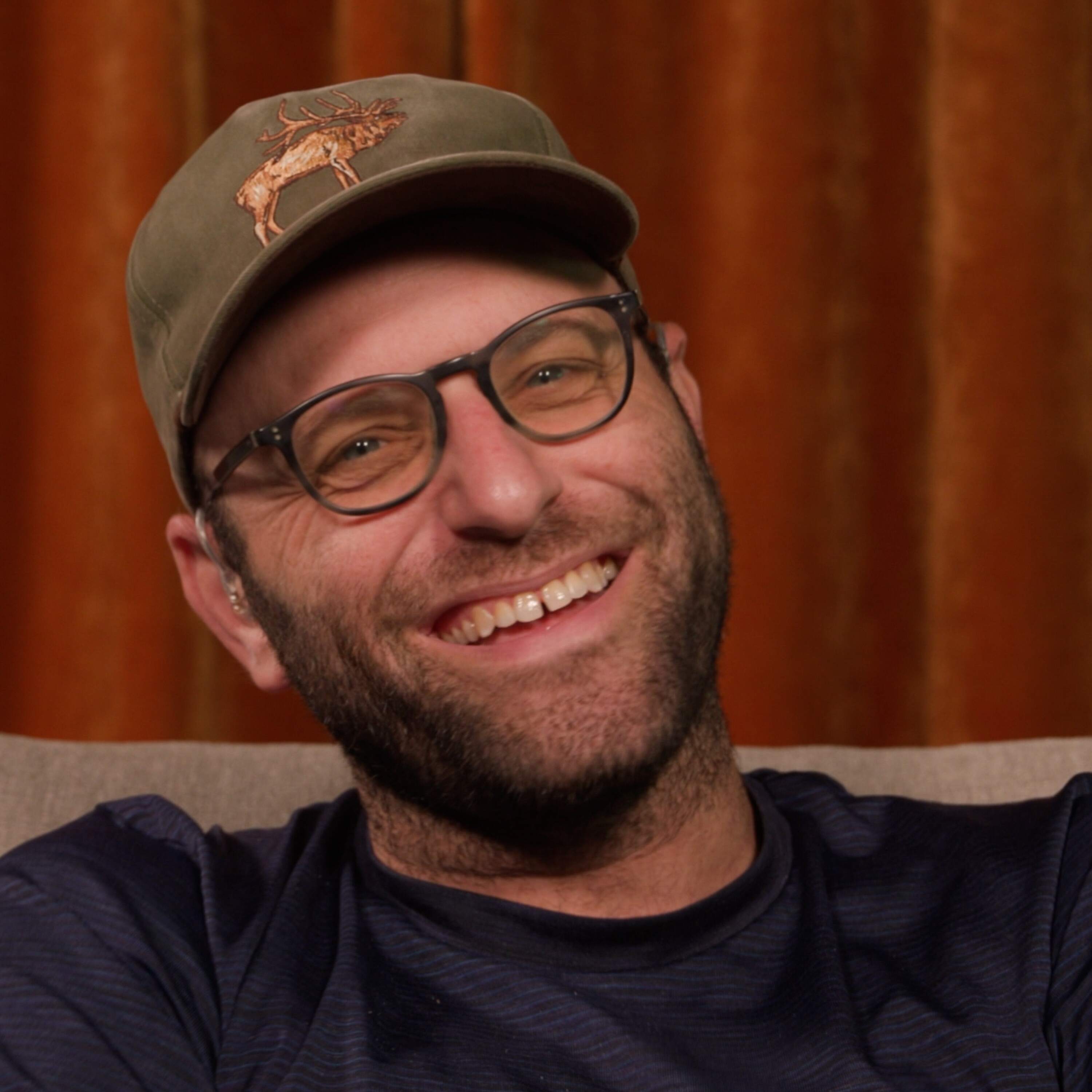
Loading summary
Transcript241 lines
- [00:01]
NPR Sponsor Announcer
Support for npr. And the following message come from Indeed. You just realized your business needed to hire someone yesterday. Speed up your hiring right now with Indeed. Claim your $75 sponsored job credit to get your jobs more visibility@ Indeed.com NPR terms and conditions apply.
- [00:20]
Rachel Martin
Are you good at forgiveness?
- [00:23]
Raphael Bob Waksberg
Yes, I think I am.
- [00:25]
Rachel Martin
New card? No, I'm just kidding.
- [00:27]
Raphael Bob Waksberg
I think I am. No, I don't know if there's more to say there. You know, people say like, I forgive, but I don't. For I don't forgive, but I do forget. So that eventually turns around to forgiveness because I've stopped fixating on it.
- [00:40]
Rachel Martin
I'm Rachel Martin, and this is Wild Card, the show where cards control the conversation. Each week, my guest answers questions about their life, questions pulled from a deck of cards. They're allowed to skip one question and to flip one question back on me. My guest this week is Raphael Bob Waksberg.
- [00:58]
Raphael Bob Waksberg
There's a line about grief on the show where one of the characters says to the other, it isn't a straight line. And I think that has been so much of what I have had to grapple with through my experiences with grief.
- [01:11]
Rachel Martin
Raphael Bob Waksberg makes animated TV shows that are weird and they are funny and deep, which happen to be three of my favorite qualities in any form of entertainment. His first series, BoJack Horseman, was about a half man, half horse in an existential crisis. Now he is back with a brand new show called Long Story Short. There are big themes, religion and identity and grief, but it never feels heavy. And the end result is an animated story that feels very real. I am so happy to welcome Raphael Bob Waksberg to Wildcard. Hi.
- [01:41]
Raphael Bob Waksberg
Hi. It's great to be here.
- [01:42]
Rachel Martin
I'm so happy to have you here.
- [01:44]
Raphael Bob Waksberg
What a treat.
- [01:49]
Rachel Martin
First three cards, memories. One, two, or three?
- [01:53]
Raphael Bob Waksberg
I'm going to go with three.
- [01:55]
Rachel Martin
Three.
- [01:56]
Raphael Bob Waksberg
Yeah, let's skip to the good stuff.
- [01:57]
Rachel Martin
Three it is. When you were bored as a kid, where would your imagination take you?
- [02:02]
Raphael Bob Waksberg
Oh, everywhere. I mean, you say when I was bored as if there were times when I was not bored. But I had ADD as a kid and I still have it as an adult. And I do feel like one of my superpowers is I'm always a little bit bored, like, you know, in the Avengers. Well, I'll tell you why. When Mark Ruffalo goes, that's my secret. I'm always angry and he can, like, turn into a Hulk at any moment. I do feel like I have learned to have multiple apps going on in my brain at the same time in any context or conversation. And I have also learned to view it as a positive because it's happening whether I like it or not.
- [02:51]
Rachel Martin
Right.
- [02:52]
Raphael Bob Waksberg
And so I call it a superpower. But, yeah, as a kid, I think I had to learn at some point in order to not be disruptive, which was always my first instinct was, when I am bored, I am going to interrupt what is ever happening because it's boring, clearly.
- [03:14]
Rachel Martin
Yeah.
- [03:14]
Raphael Bob Waksberg
Yeah, this is boring.
- [03:15]
Rachel Martin
Yeah.
- [03:18]
Raphael Bob Waksberg
But eventually I learned how to kind of focus that inward, and instead of making it everyone else's problem that I'm bored, find ways to occupy myself. So I would. Yeah, I used to draw little comics in class, or I would make up little songs to myself, think about the other things I was going to do that day. I feel like I'm never 100% giving attention to the thing that I'm in at any given moment. Always part of me is thinking about something else.
- [03:53]
Rachel Martin
So did you get in trouble a lot?
- [03:56]
Raphael Bob Waksberg
Yes. Constantly.
- [03:57]
Rachel Martin
Yeah. Because of that?
- [04:00]
Raphael Bob Waksberg
Well, sure, because of a number of things, I think. You know what? I think I didn't always know the best way to filter those instincts. And then I think some teachers didn't always know the best way to handle me. And I think a big part of it is I was funny sometimes. And what that meant is that sometimes I could get away with things, but sometimes I would push things too far, or I would do things in the wrong way where they're not funny. And I never knew before I did something. Is this gonna be funny enough that I'm going to get away with it, or is the teacher going to get real mad at me? And so I was always mystified when I got in trouble. Like, how is this any different? And I think the answer is, I just. That time I didn't kill. I just. I wasn't funny enough. And that's something you got to learn. You got to read the room, man.
- [04:57]
Rachel Martin
So it was like an internal motivator. Yeah. You need to hone your material.
- [05:01]
Raphael Bob Waksberg
Yeah. But I had no. You know, this was my audience. You know, when you're a comic, you go to open mic nights. When you're a kid, you go to your class and. All right, not everything's going to land right away. Sometimes you got to try some stuff out. Now I know. All right, don't do that again.
- [05:16]
Rachel Martin
Okay. Three more cards. 1, 2, 3.
- [05:19]
Raphael Bob Waksberg
Let's do one this time.
- [05:20]
Rachel Martin
1. What's an experience from childhood when you realized your parents were only human?
- [05:28]
Raphael Bob Waksberg
This is actually one of My first memories, I think I was maybe two or three, at least two and a half, because my little sister was born already. She was a baby, and I was a toddler. And I remember I was climbing on my mother. She was sitting down, like, in the stairwell, and I was climbing on her. And I think my little sister was also climbing on her or just being a baby or something. And I grabbed my mom's glasses and her glasses broke and she started crying.
- [06:02]
Rachel Martin
Ah. Yeah. I mean, I was the parent of two very small children. And I remember it didn't matter what it was going to be, but everything is building. Everything is building to this moment of breakdown. And like, the one thing that happens, like, your glasses break or like some other little thing happens and just floodgates. You're just like, I can't even anymore. Yeah. And so you were so young, but even in that moment, you think you were like, oh, this lady has feelings.
- [06:36]
Raphael Bob Waksberg
I might be backwards editorializing a little bit, but that's my memory of it is realizing, oh, she is also a person.
- [06:43]
Rachel Martin
That's right.
- [06:43]
Raphael Bob Waksberg
Didn't want me climbing on her in that moment. That was not helpful.
- [06:46]
Rachel Martin
Right. And a thing happened, and now she's crying and I am somewhat involved in. I bear some responsibility. Yes. Has she told you about that? Like, was she really mad at you?
- [06:59]
Raphael Bob Waksberg
I don't know if she ruined her.
- [07:00]
Rachel Martin
You guys haven't discussed.
- [07:01]
Raphael Bob Waksberg
We have not discussed it. Maybe she'll listen to this and she'll.
- [07:04]
Rachel Martin
Call me the great glasses.
- [07:06]
Raphael Bob Waksberg
I'm still mad at you.
- [07:07]
Rachel Martin
Scandal.
- [07:08]
Raphael Bob Waksberg
Thank you for acknowledging my pain.
- [07:13]
Rachel Martin
Okay, next one. Three more cards. One, two or three?
- [07:19]
Raphael Bob Waksberg
I feel like I gotta go two now. I mean, three and one.
- [07:24]
Rachel Martin
There are no rules. Except there are, but this isn't one of them. So you can do whatever you want.
- [07:27]
Raphael Bob Waksberg
What if I was like, four? Let's do two.
- [07:33]
Rachel Martin
Okay. Who's an adult who didn't talk down to you as a kid?
- [07:42]
Raphael Bob Waksberg
Yeah. I had a theater teacher in high school named Mr. Shelby, Jim Shelby. And he is a special guy, and I think he really got me. And I think the joy of being his student is. I think most of his students felt like he got them right. So I don't think we had a special relationship. I think he made all of his young actors feel special in some way. Now that I'm saying that, I'm like, is that true? All of his students? No, I'm sure there are students. Actually, I know some students who didn't like him or didn't feel like they quite got what he was doing.
- [08:21]
Rachel Martin
But you felt that he got you.
- [08:23]
Raphael Bob Waksberg
And I felt like he got me.
- [08:24]
Rachel Martin
He felt clearly in you.
- [08:25]
Raphael Bob Waksberg
Yes, Yes. I don't want to over universalize it. I shouldn't compliment him too much. No, I think he really got me and he really understood how to, you know, focus my passions and instincts in the right direction and create rather than destroy.
- [08:48]
Rachel Martin
Has the trickle down effect of having a teacher understand you, not talk down to you? Has that affected your parenting style at all? You've got young kids.
- [09:00]
Raphael Bob Waksberg
Yes, I think so. I mean, I try to treat my kids like they're people. I try to be kind to them and listen to them and not necessarily assume that I know the right way for them to be or what they should be doing at any given moment. I try to give them autonomy and be respectful.
- [09:20]
Rachel Martin
Have any of them proven to be funny and or performative?
- [09:24]
Raphael Bob Waksberg
Oh yeah, my kids are hilarious. You want to hear a joke?
- [09:27]
Rachel Martin
Yes, of course I want to hear a joke. Yeah.
- [09:29]
Raphael Bob Waksberg
All right. This is hot off the press. This is a couple weeks ago, my kid told me this joke. He goes, knock, knock, who's there? Interrupting cow.
- [09:39]
Rachel Martin
Interrupting cow who?
- [09:42]
Raphael Bob Waksberg
Mo. And I said, I hate to break this to you. You didn't interrupt me. And he goes, no, because you're my friend, but other people I would interrupt. Aw. So I think he's a funny guy.
- [09:57]
Rachel Martin
He is a funny guy and deeply thoughtful and kind.
- [10:01]
Raphael Bob Waksberg
Yes, yes. And I'm glad to know I'm his friend. That meant a lot to foreign this.
- [10:13]
Sponsor Announcer
Message comes from Schwab. Everyone has moments when they could have done better. Same goes for where you invest. Level up and invest smarter with Schwab. Get market insights, education and human help when you need it.
- [10:27]
Rachel Martin
Support for this podcast and the following message come from Dignity Memorial. For many families, remembering loved ones means honoring the details that made them unique. Dignity Memorial is dedicated to professionalism and compassion in every detail of a life celebration. Find a provider near you@dignitymemorial.com this message.
- [10:49]
NPR Sponsor Announcer
Comes from Moises, proud supporter of NPR Music and the 2025 Tiny Desk Giveaway. Win a trip for two to see a Tiny Desk concert live at NPR's headquarters. Enter for free by September 12th and boost your odds by donating to the NPR Network. And follow where the music takes you with Moises, your AI Powered studio created by Musicians for Musicians. Learn more at Moises AI. No purchase or donation required for entry. Must be 18 years or older to enter. Links to the entry page and official rules can be found@npr.org tinydeskgiveaway this message.
- [11:24]
Sponsor Announcer
Comes from Wise, the app for using money around the globe. When you manage your money with Wise, you'll always get the mid market exchange rate with no hidden fees. Join millions of customers and visit wise.com Ts and Cs apply.
- [11:42]
Rachel Martin
Okay, so let's talk about the new show. Long story short, I started watching this with my 13 year old, who was immediately drawn in. And then I had to move on with my life and do something else in that moment. And we made a pledge, as people and families often do, to not watch it except with one another, because we both loved it so much.
- [12:05]
Raphael Bob Waksberg
That's dangerous.
- [12:06]
Rachel Martin
I totally cheated on him. I totally cheated on him. I was the cheater. I was on the treadmill one day and I was like, oh, Wyatt won't know. And I just. I'll just tell him that I didn't. I'll rewatch this one with him. But then I just. I just. I just binged.
- [12:21]
Raphael Bob Waksberg
Oh, no, not in that moment.
- [12:24]
Rachel Martin
But I did watch all of them. I watched all of them without him.
- [12:26]
Raphael Bob Waksberg
Well, but what happened with your son?
- [12:29]
Rachel Martin
I mean, he's not talking to me right now. No, I'm just kidding. He was bummed, but also I was like, go talk to your dad. I'm famous for this. I'm sorry, I don't know what to tell you.
- [12:41]
Raphael Bob Waksberg
Classic. Classic.
- [12:42]
Rachel Martin
You don't trust me on this one, but the point of the story is that both of us really, really loved it. It's so, so, so good. My question. There is a question is how did you pitch this to the studio folks? Because it's not. I mean, it's like an animated family and they're Jewish and they're religious and it's philosophical and Isn't that a good TV show? I don't know. They clearly thought it was.
- [13:12]
Raphael Bob Waksberg
Yeah, well, I mean, a lot of what you just said is how I pitched it, except I didn't end with, is that a good TV show? I think I probably landed a little more declaratively and with a period.
- [13:24]
Rachel Martin
Yes, that's right.
- [13:25]
Raphael Bob Waksberg
Here's the twist. It's good.
- [13:28]
NPR Sponsor Announcer
Yeah.
- [13:28]
Raphael Bob Waksberg
You know, I said, this is a show about a family and we're gonna love all these characters, but the kind of. The gag of the show is gonna be jumping around in time and there is no home base. So every episode is set in a different year with a different character as our POV character. And kind of through this method, we really get to know this family really well over the course of one season. So you get to the end of 10 episodes and you feel like you've known them for a lifetime and. And you're gonna love them like you've seen a hundred episodes of the show, or you're gonna love them like they're your own family. That was the elevator pitch, I guess.
- [14:05]
Rachel Martin
Was the starting point the family and the characters, or was the starting pitch you're like, I wanna play in time. I wanna do this. No home base. We're going front and back.
- [14:14]
Raphael Bob Waksberg
Yeah. I think for me, it kind of came from a lot of different places, then gradually weave together. When I look back at what is the history of the original germ of this idea. It probably started with, is there a story I could tell that jumps around in time, that is longitudinal in its scope, that follows characters over a long period and sees how they grow and change, or don't change and don't grow, as the case may be.
- [14:42]
Rachel Martin
And grief is, like, woven through this show. I mean, it's very, very funny. But grief is like a through line.
- [14:47]
Raphael Bob Waksberg
Yes. That hilarious thing, grief.
- [14:49]
Rachel Martin
It's so funny.
- [14:50]
Raphael Bob Waksberg
And I think a big question question in the show also is, can your relationship with somebody change after they have died? Or how do you repair some of those relationships that maybe weren't quite what you wanted them to be in life? Is it too late to repair that within yourself, if not with the other person?
- [15:08]
Rachel Martin
Right.
- [15:09]
Raphael Bob Waksberg
And how do you continue to learn things and understand things about that relationship, about that person and about yourself in that relationship, even after that person has died? In a hilarious way, of course. Yes. With jokes.
- [15:22]
Rachel Martin
I need to give a shout out to your longtime collaborator, Lisa Hanawalt, who has come up with the visual world for this, for BoJack Horseman, for several other of your projects. I meant what I said in the intro. These themes could be overbearing and, like, too heavy. And there's something about the lightness of the animation. Yes.
- [15:43]
Raphael Bob Waksberg
And so I think Lisa's art, as well as Alison dubois, who works with Lysa, they do an incredible job of. Yeah. Lightening up the world. And that's very intentional. I think that's something I really Learned working on BoJack Horseman, is that on that show, I could go to these really dark, deep places. And in a live action show, some of those monologues might have felt indulgent or saccharine or maudlin. And somehow in animation, you're able to take it in a little easier. Or maybe because you already are bringing the suspension of disbelief to the show, you can also have the suspension of Disbelief in how tragic it got or how ruminative. You could really let it take you where it wanted to take you. And so that what I might have thought before I made BoJack is like, well, you can't be too goofy or too sad, and you gotta kinda pick a lane. And in making that show, I found that, no, actually, the opposite extremes really work together to create something new. And I think on this show also, you know, it doesn't get quite as Shakespeareanly tragic as BoJack did, nor does it get as silly and cartoony as BoJack did. But we do go to some goofy places and some more serious places, and I find the way those flavors work together, it really creates a feast.
- [17:10]
Rachel Martin
Okay.
- [17:12]
Raphael Bob Waksberg
For the listener. These are a different color.
- [17:14]
Rachel Martin
They sure are. What color are they, Raphael?
- [17:16]
Raphael Bob Waksberg
They're blue.
- [17:17]
Rachel Martin
That's right. They're blue.
- [17:19]
Raphael Bob Waksberg
I'm glad I know that, because now I can fly a plane. If I got it wrong, I would not be. Well, that's the first step.
- [17:26]
Rachel Martin
As far as I know, these cards are blue, and they represent the round. Insights.
- [17:33]
Raphael Bob Waksberg
Insights.
- [17:34]
Rachel Martin
Three cards.
- [17:35]
Raphael Bob Waksberg
Three new cards. Can I tell you. Sorry to interrupt. I was thinking about being colorblind. Can I tell you a joke that I always wanted to do on BoJack that we never got to do?
- [17:43]
Rachel Martin
Yeah, please.
- [17:44]
Raphael Bob Waksberg
So one of the characters on BoJack Horseman is Mr. Peanutbutter, who is a dog. And at one point, we were going to do a beat where he realizes for the first time that he's colorblind because he's a dog. And what he was going to say was, oh, no, I'm colorblind. Now, I can never fly an airplane or appreciate the subtle beauty of Schindler's List, which I thought would be a funny thing.
- [18:12]
Rachel Martin
But why? Why did you cut that joke?
- [18:15]
Raphael Bob Waksberg
Well, because we cut the whole story point.
- [18:17]
Rachel Martin
Oh, shoot.
- [18:18]
Raphael Bob Waksberg
We didn't have. We cut the whole thing about him realizing, but just didn't. No, part of that story is in the episode. We cut jokes out of every episode. I mean, on the new show also, we write long, and then in editing, we tighten and tighten and tighten and tighten.
- [18:36]
Rachel Martin
And there's these little beauties on the floor, and you have to revive them in podcast interviews to like, I.
- [18:42]
Raphael Bob Waksberg
Was waiting for this exact moment to. So your listener might be wondering, does he still have add? And the answer is, yes, I do.
- [18:50]
Rachel Martin
I don't know.
- [18:50]
Raphael Bob Waksberg
Yeah, we'll see. All right, blue cards. Let's take a look.
- [18:55]
Rachel Martin
One, two, or three?
- [18:57]
Raphael Bob Waksberg
Oh, I already did. One, two, and three. Now I gotta double Back. Let's go back to one.
- [19:04]
Rachel Martin
Number one.
- [19:05]
Raphael Bob Waksberg
I've chosen number one.
- [19:06]
Rachel Martin
Are you good at forgiveness?
- [19:09]
Raphael Bob Waksberg
Yes, I think I am.
- [19:12]
Rachel Martin
New card? No. I'm just kidding.
- [19:14]
Raphael Bob Waksberg
I think I am. No, I don't know if there's more to say there. Yeah, I think.
- [19:17]
Rachel Martin
Well, I'm gonna ask you more about it.
- [19:19]
Raphael Bob Waksberg
I think it's something I've worked on. I think, in the past, I have held the grudge.
- [19:25]
Rachel Martin
How'd that work out?
- [19:26]
Raphael Bob Waksberg
Not great. I don't love it. Holding a grudge. It doesn't benefit me or the person. I think actually what I've gotten good at is deciding I'm gonna hold a grudge and then forgetting to. So, you know, people say, like, I forgive, but I don't forget. I'm the opposite. I don't forgive, but I do forget. So that eventually turns around to forgiveness. Cause I've stopped fixating on it.
- [19:51]
Rachel Martin
You, like, run into the person at a party or something, and you start chatting. You're like, damn it, I was going to ignore you.
- [19:57]
Raphael Bob Waksberg
I was mad at that person.
- [19:58]
Rachel Martin
Yeah.
- [19:59]
Raphael Bob Waksberg
No, I really. I. I think I am very understanding. Am I very understanding? I think I'm a regular amount of understanding that we are all humans and we make mistakes, and sometimes we get in our own way or the ways of other people.
- [20:15]
Rachel Martin
Yeah. Okay. Three more cards. More?
- [20:21]
Raphael Bob Waksberg
Yes. All right.
- [20:22]
Rachel Martin
One, two or three?
- [20:25]
Raphael Bob Waksberg
Let's do three.
- [20:28]
Rachel Martin
In moments of conflict, do you step in or step back?
- [20:32]
Raphael Bob Waksberg
Oh, back.
- [20:33]
Rachel Martin
Back.
- [20:34]
Raphael Bob Waksberg
Yeah, yeah, yeah.
- [20:35]
Rachel Martin
You're not like a. I don't know.
- [20:37]
Raphael Bob Waksberg
If we need to get into this. I don't know. I don't know about this. You're getting pretty aggressive right now.
- [20:44]
Rachel Martin
You're not. Let me solve this. I hear you saying this. I hear you saying this. Let's come together. You retreat.
- [20:53]
Raphael Bob Waksberg
No, because I overthink. I think I kind of extrapolate all the different ways it could go wrong, and I think I step back in moments of conflict. I think that's my instinct.
- [21:05]
Rachel Martin
I'm sure it happens to you. I mean, you're the boss of a lot of people, and it's a creative pursuit. And I'm sure there are differences of opinion, and people are people, and so there's going to be a lot of.
- [21:15]
Raphael Bob Waksberg
Yeah, people.
- [21:15]
Rachel Martin
Conflicts.
- [21:17]
Raphael Bob Waksberg
Well, that's what's. I mean, what's nice about being the boss is there's a hierarchy there. And so it's not really a conflict. Because I can say, no, I want to do it this way now, or. Or that guy's right. That. That Guy's wrong.
- [21:32]
Rachel Martin
So, you know, de facto you have to step in because you are.
- [21:36]
Raphael Bob Waksberg
Yeah, well, I wouldn't call that stepping in.
- [21:37]
Rachel Martin
Yeah. Yeah.
- [21:38]
Raphael Bob Waksberg
Because that's like, Right, Like. Yeah, I'd see, I'd be like, similar to my don't forgive but forget approach. I think that's how I deal with conflict too. Of like, oh, this feels really sticky. Let me. Let me work through all the different, you know, myriad possible ways this could go. And then by the time I'm done working through it, everyone else has moved on.
- [22:01]
Rachel Martin
Okay, last one in this round. One, two or three?
- [22:05]
Raphael Bob Waksberg
I'll do. I've lost track. I'll do two, I think this time.
- [22:10]
Rachel Martin
Are you good at knowing when something should end?
- [22:17]
Raphael Bob Waksberg
I don't know. Am I? I feel like. I feel like we are reaching the perimeter of my own self knowledge here. I'm not quite sure.
- [22:30]
Rachel Martin
Fair enough. You could skip it.
- [22:33]
Raphael Bob Waksberg
Am I? No, I want to.
- [22:34]
Rachel Martin
You want to engage?
- [22:35]
Raphael Bob Waksberg
Okay, I want to engage. I don't know if I have a good or interesting answer to it. I mean, I guess the yes or no question. So I could just say yes or no and leave it at that.
- [22:42]
Rachel Martin
But I won't let you. I mean, that's the other thing.
- [22:45]
Raphael Bob Waksberg
I could. And you have no. There's no method by which you could stop me.
- [22:49]
Rachel Martin
It's true.
- [22:49]
Raphael Bob Waksberg
The rules don't account for that.
- [22:51]
Rachel Martin
It's true.
- [22:54]
Raphael Bob Waksberg
Am I good at knowing? What was the question? Could you tell me again?
- [22:57]
Rachel Martin
Are you good at knowing when things should end? I mean, that can be in your actual life or that can be in storytelling.
- [23:05]
Raphael Bob Waksberg
Yeah, I think I'm good at knowing when this line of conversation should end. And I think we've reached the end of its. How much interestingness we're gonna milk out of me pondering this? So I'm gonna say, yes, I'm good, and that should end now.
- [23:24]
Rachel Martin
I'm trying to decide if I'm gonna accept that or if I'm going to.
- [23:27]
Raphael Bob Waksberg
Ask judges, will we allow it?
- [23:30]
Rachel Martin
Fine.
- [23:40]
NPR Sponsor Announcer
Support for this podcast and the following message come from Strawberry Me. Be honest. Are you happy with your job? Are you stuck in a job you've outgrown or never wanted in the first place? Are your reasons for staying really just excuses for not leaving? Let a career coach from Strawberry Me help you get unstuck. Discover the benefits of having a dedicated career coach in your corner and claim a special offer at Strawberry Me npr. This message comes from Progressive Insurance and the name your price tool. It helps you find car insurance options in your budget Try it today@progressive.com, progressive Casualty Insurance Company and affiliates. Price and coverage match limited by state law. Not available in all states. This Message comes from BetterHelp President Fernando Madera. Describes how BetterHelp online therapy has helped him.
- [24:32]
Rachel Martin
For me, sometimes I just need to go and talk to somebody that is not gonna judge me. Right. Is gonna be there and gonna listen to me. And I can't start just saying, look, I'm not feeling right today.
- [24:46]
Raphael Bob Waksberg
And it feels natural. I love it.
- [24:48]
NPR Sponsor Announcer
To get matched with a therapist, visit betterhelp.com NPR for 10% off your first month. This message comes from NPR sponsor HP. Break language barriers by translating languages in real time with the HPAI PC. With the right tools, work doesn't have to feel like work. More@hp.comaipc.
- [25:15]
Rachel Martin
We've arrived at the last round of this experience.
- [25:19]
Raphael Bob Waksberg
Okay.
- [25:19]
Rachel Martin
Okay.
- [25:20]
Raphael Bob Waksberg
So it sounds like you are good at knowing when things should end.
- [25:22]
Rachel Martin
I really am. And now we're getting close.
- [25:24]
Raphael Bob Waksberg
We're done. We're wrapping it up. Yeah.
- [25:27]
Rachel Martin
Okay. One, two or three?
- [25:30]
Raphael Bob Waksberg
What's the category now?
- [25:31]
Rachel Martin
Beliefs.
- [25:32]
Raphael Bob Waksberg
Beliefs. Okay. I believe I will take number three.
- [25:38]
Rachel Martin
How have your feelings about God changed over time?
- [25:44]
Raphael Bob Waksberg
They haven't changed in a while, but when I was a kid, I believed in God. I don't now.
- [25:54]
Rachel Martin
Is that the one inflection point?
- [25:57]
Raphael Bob Waksberg
Well, I'd say it was a gradual inflection point.
- [26:01]
Rachel Martin
Your family was religious?
- [26:03]
Raphael Bob Waksberg
Yes, but not in a faith based way like, you know, I never experienced. I mean, this is, this is the one. You know, one of the things I wanted to show with, with my show, which is about a Jewish family, is I feel like a lot of the ways we talk about religious religion in our society is kind of viewed through a Christian lens. And I think, you know, mainline Christianity, faith is, is very much an important facet of it. And there's, there's a lot of, you know, kind of emphasis on do you believe or do you have doubt or what does it mean to believe? And can you be a, a good religious person if you don't believe? And what is the point if you, if you don't believe? And I feel like that was never in my experience, a real tenet of Judaism. I mean, I think there are people who believe in God, but I don't think that's the most important thing or what makes somebody a religious person. And so it was not pounded into me that like, God is real and, you know, you have to believe in him or this is all going to fall apart.
- [27:13]
Rachel Martin
So if it Wasn't God then? What? What?
- [27:15]
Raphael Bob Waksberg
Well, but it was. But, I mean, but God was still kind of in the fabric of all of it. I mean, we told these stories about God. It was never explicitly stated to me. Like, these are just stories. Don't, you know, chill, chill out about it. And so it did take kind of my own exploration. And I think it was very much, you know, on me to decide for myself what I believed and didn't believe. And then for a while, I didn't identify as an atheist either, because I found atheists very annoying online.
- [27:46]
Rachel Martin
Just the certainty of it all.
- [27:48]
Raphael Bob Waksberg
Yeah. Or just that, like, again, it's like, it's this combining of faith with religion in a way that I felt really didn't apply to me. So I think what I saw from atheism was kind of this reaction to religion. But when they were saying religion, even though they said it's about all religion, it really meant focused on a kind of religiosity that I never belonged to in the first place. And so it didn't speak to me. I think, like Jews, there are a whole bunch of different kinds of atheists who go about things in all kinds of ways.
- [28:31]
Rachel Martin
So could you find just another brand of atheism or at different sections?
- [28:35]
Raphael Bob Waksberg
Maybe I'm reform atheist and not orthodox atheist. Maybe that's, you know, if I could find a good atheist shoal, that's probably where I'd want to go. No, because again, like, these kind of. These conversations around theology were never very interesting to me personally, and they didn't kind of get to the heart of what was interesting to me about religion.
- [28:57]
Rachel Martin
But religion is interesting to you?
- [28:59]
Raphael Bob Waksberg
I think so. But it was.
- [29:00]
Rachel Martin
I mean, we made a whole show about. Of family and how it's reckoning with.
- [29:04]
Raphael Bob Waksberg
But so for me, I think what's interesting about religion, and again, this is kind of the Judaism that I grew up with that I practice is it's about community, it's about history, tradition, it's about family, perhaps a little bit of morality that's probably in there somewhere, too. But it's not central. Not central? No. I think it's culture more than it is anything else. And that, I think is what I hold dear in my own religious practice is the cultural aspect of it.
- [29:35]
Rachel Martin
Yeah. Yeah. Okay, next three questions. One, two or three.
- [29:40]
Raphael Bob Waksberg
All right, we'll do question one this time.
- [29:44]
Rachel Martin
Okay. When do you feel connected to people you've lost?
- [29:52]
Raphael Bob Waksberg
Well, so again, I think. I think religion is one way I stay connected. I think, you know, I do these things that you know, I don't necessarily believe that they can see me or that there's a God who can see me doing these things, but I do these things, and I remember them.
- [30:14]
Rachel Martin
Rituals.
- [30:15]
Raphael Bob Waksberg
Rituals, yes. I light the candles, I eat the challah. I look for the chametz before Passover. I do these things that I shared with the people that I love or that I know they did long before I was born, and it connects me to them, and it feels like I am part of a thread, and that continues through my children, and I do them with my children, and I remember the people that I've lost.
- [30:47]
Rachel Martin
Mm. I loved the episode in the new show where the family, the Hoopers, are grieving because their mom has died, the matriarch of the family. And grief is so complicated. Right. Everyone has a different way that feels very urgent in the moment of how to mark this moment. And Avi, the older brother, sees this pin that used to be his mom's, and it's gonna be hard to get back, but he's obsessed with getting this pin back, and I so related to that. And also the rest of his family. It's like, forget that. Let's just go be together with our other brother who's miles away. Let's go find him. Let's just hang out together and have Shabbat service. And that's what mom would want. And it is illustrative of the value of those rituals, the being together, but also how wild grief can be and how something that from the outside or in hindsight can seem so random or inconsequential. And in grief, it can be the only thing. The only thing that matters is getting this brooch back. And nothing else will satisfy my particular longing for this person in this moment.
- [32:08]
Raphael Bob Waksberg
Well, there's a line about grief on the show in a different episode where one of the characters says to the other, it isn't a straight line. And I think that has been so much of what I have had to grapple with through my experiences with grief that you can't just read the Idiot's Guide to and expect you're going to hit all the steps in the right order and then you'll be done with it, that it does kind of double back and bubble up in surprising ways and make you into an irrational person sometimes. And that's okay. That's part of it. I think through that irrationality, we also remember and we grieve. And I think that grief is that connection.
- [32:52]
Rachel Martin
But I love that about that family because so often it can be attention in Families like, this person's not grieving the right way and this person's doing something that. It doesn't make sense to me at all, and they're leaving us behind. And it just felt like you created. You teased out those differences, and in the end, everybody still is accepting of all the different manifestations of people's grief as well.
- [33:19]
Raphael Bob Waksberg
Done. That's right.
- [33:21]
Rachel Martin
Was there a particular loss that you leaned on to write that, that storyline?
- [33:29]
Raphael Bob Waksberg
No, I wouldn't say there was one.
- [33:31]
Rachel Martin
Yeah. So we are one question away from being at the end.
- [33:39]
Raphael Bob Waksberg
What if I skip this one? That would be a pretty anticlimactic one. It's like, ah, skip.
- [33:45]
Rachel Martin
Done.
- [33:46]
Raphael Bob Waksberg
See you later. I'm like, I got it. The pressure's on. I gotta answer this one. Especially now that I'm saying out loud that I gotta answer it now. It's gonna be even more disappointing if I don't. Right.
- [33:56]
Rachel Martin
One, two, or three.
- [33:58]
Raphael Bob Waksberg
Let's do three for the finale. Let's go big.
- [34:01]
Rachel Martin
What does it mean to live a good life?
- [34:03]
Raphael Bob Waksberg
I don't know.
- [34:06]
Rachel Martin
I don't know. Scene.
- [34:09]
Raphael Bob Waksberg
I mean, does anyone.
- [34:10]
Rachel Martin
I mean, I think I'm not gonna let you get away with that one. There's inherent in your work.
- [34:18]
Raphael Bob Waksberg
Yeah. I think this is the question that I am struggling with through all my work. I think if I knew the answer, I wouldn't have to write anymore. I'd. I would go live my good life. But I think, you know, I think it boils down to being kind to people. Like when you go hiking through the woods to. To. To leave this place a little better than where you found it. I think it's about holding the door open for the people who come after you. I think it's, as I said, to be kind. I mean, I think that's what it boils down to. Kind and righteous. I think just speak out against injustices. I think to do what you can to make the world better. And I think it is hard because we don't always know how to do that.
- [35:04]
Rachel Martin
Yeah.
- [35:07]
Raphael Bob Waksberg
But I think that's what. I think that's what living a good life is.
- [35:11]
Rachel Martin
The triangle.
- [35:12]
Raphael Bob Waksberg
You know, I. I've. One of the one thing I've. I say to my kid when I drop them off at school in the morning is I say, you know, today I want you to be kind and curious and brave. And I think those are, you know, you could replace those three adjectives with anything else but those. I think if you try in your life to be kind and curious and brave, I think that's a good first step.
- [35:42]
Rachel Martin
We end the show the same way every time with a trip in our memory time machine. Okay, so this is it. You just pick one moment from your past. It is not a moment you would change anything about. It's just a moment in which you would like to linger a little longer. Which moment do you choose?
- [36:07]
Raphael Bob Waksberg
I mean, this maybe is a cliche answer, but I feel like it's hard for me to want to be in any moment other than where I'm at right now. Like the vast accumulation of my experiences. And anytime, if I were to think about going back to another moment in the past, then I'd have to think, well, that means that this hasn't happened yet, or that I haven't gotten to experience the joy of that or the heartbreak of that. And so I feel like this is a dodge because I understand what you're asking, but I feel.
- [36:42]
Rachel Martin
No, but I think this is an interesting answer.
- [36:44]
Raphael Bob Waksberg
I don't want to go back and re experience other moments because I think I would want to change things. I think even the moments that I'm remembering with the rosiest of glasses, if I were to actually experience them, I'd go, oh, this isn't quite as nice as I remembered. Or like, oh, I might want to fix that or change that. And so I. I'd rather have the memory. I'd rather live now in the present with the memories of all that I've experienced.
- [37:11]
Rachel Martin
Does that mean that right now is where you want to be with me at this moment?
- [37:17]
Raphael Bob Waksberg
There's nowhere else I'd rather be right now or know when else. This is the time. This is the place.
- [37:23]
Rachel Martin
But I do think that's an interesting answer from a person who made a show about memory and how it also changes when you look back. Back at it.
- [37:31]
Raphael Bob Waksberg
You know what? I'm an interesting guy.
- [37:32]
Rachel Martin
It turns out.
- [37:34]
Raphael Bob Waksberg
It turns out. How about that.
- [37:39]
Rachel Martin
Raphael Bob Waxburg. His new show is called Long Story Short. It's on Netflix right now. It's been a pleasure. Thank you for doing this.
- [37:46]
Raphael Bob Waksberg
Thank you.
- [37:52]
Rachel Martin
Okay, so now that we're at the end of this episode, could I ask you to do us a huge favor and go rate and review our show? We would so appreciate it. It's really easy and it's a super helpful way to support Wildcard by getting more people to find it. I would specifically like to thank C3 anchored, who wrote the following. I look forward to every episode of this podcast. I always try to answer the questions along with the guests and think about how to have these conversations with others. I take a trip every time in the memory time machine to linger a little longer with my husband on a sailboat in the Caribbean, a magical time I cherish, especially since he passed away. Thank you so much for that note. It means a lot that you were willing to share that memory with us. To everyone else, please share what you like about our show by rating or reviewing it in your podcast app. Do It Now. Today's episode was produced by Lee Hale and edited by Dave Blanchard. It was mastered by Patrick Moore and Jimmy Keeley. Wildcard's executive producer is Yolanda Sangweni and our theme music is by the one and only Ramtin Arablouei. As always, you can reach out to us@wildcardpr.org we love hearing from you, truly. Write us. We'll shuffle the deck and be back with more next week. Talk to you then.
- [39:14]
Sponsor Announcer
This message comes from Bombus. You need better socks and slippers and underwear because you should love what you wear every day. One purchased equals one donated. Go to bombus.com NPR and use code NPR for 20% off.
- [39:31]
NPR Sponsor Announcer
This message comes from Mint Mobile. Mint Mobile took what's wrong with wireless and made it right. They offer premium wireless plans for less and all Plans include high speed data, unlimited talk and text, and nationwide coverage. See for yourself@mintmobile.com Switch this message comes from Warpy Parker prescription eyewear that's expertly crafted and unexpectedly affordable. Glasses designed in house from premium materials starting at just $95, including prescription lenses. Stop by a Warby Parker store near you.