← Women & ADHD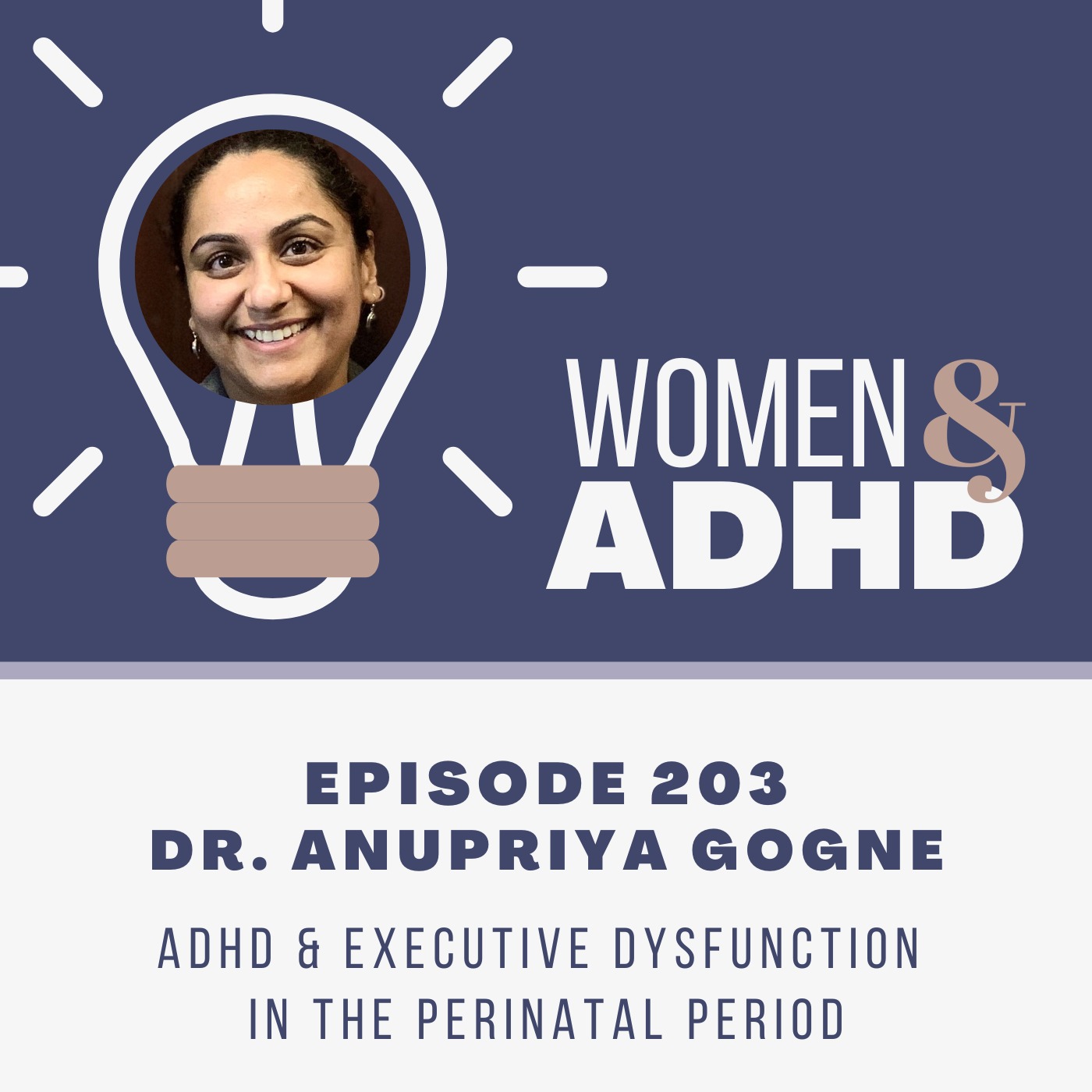
Loading summary
Transcript99 lines
- [00:00]
Mint Mobile Advertiser
Mint is still $15 a month for premium wireless. And if you haven't made the switch yet, here are 15 reasons why you should.
- [00:07]
Katie Weber
1.
- [00:08]
Mint Mobile Advertiser
It's $15 a month.
- [00:09]
Dr. Anupriya Gogne
2.
- [00:10]
Mint Mobile Advertiser
Seriously, it's $15 a month.
- [00:12]
Austin James
3.
- [00:13]
Mint Mobile Advertiser
No big contracts.
- [00:14]
Dr. Anupriya Gogne
4.
- [00:15]
Mint Mobile Advertiser
I use it.
- [00:15]
Dr. Anupriya Gogne
5.
- [00:16]
Mint Mobile Advertiser
My mom uses it.
- [00:16]
Dr. Anupriya Gogne
Are you.
- [00:17]
Mint Mobile Advertiser
Are you playing me off? That's what's happening, right? Okay, give it a try. @mintmobile.com Switch upfront payment of $45 for.
- [00:24]
Katie Weber
A three month plan $15 per month equivalent required. New customer offer first three months only, then full price plan options available. Taxes and fees extra.
- [00:29]
Grainger Advertiser
See mintmobile.com if you're a maintenance supervisor at a manufacturing facility and your machinery isn't working right, Grainger knows you need to understand what's wrong as soon as possible. So when a conveyor motor falters, Grainger offers diagnostic tools like calibration kits and multimeters to help you identify and fix the problem. With Grainger, you can be confident you have everything you need to keep your facility running smoothly. Call 1-800-GRAINGER clickgrainger.com or just stop by Granger are the ones who get it done.
- [01:01]
Dr. Anupriya Gogne
Treatment doesn't have to be about XYZ being a certain way. It really depends on what the person at that point in their lives want for their goals, for their family's goals, for their professional goals. And all of that can be facilitated by the medication. But really, a lot of behavioral change also needs to happen.
- [01:26]
Katie Weber (Podcast Host)
Hello and welcome to the Women's and ADHD Podcast. I'm your host, Katie Weber. I was diagnosed with ADHD at the age of 45, and it completely turned my world upside down. I've been looking back at so much of my life, school, jobs, my relationships, all of it with this new lens, and it has been nothing short of overwhelming. I quickly discovered I was not the only woman to have this experience. And now I interview other women who, like me, discovered in adulthood they have ADHD and are finally feeling like they understand who they are and how to best lean into their strengths, both professionally and personally. Hello, hello and welcome back. You are in for a wonderful episode today. And before we get started, just a quick reminder, make sure to head over to womeninadhd.com, our education and advocacy hub for neurodivergent adults like you. At womeninadhd.com, you'll find all the resources you need to help you better understand your brain so you can thrive. You can book a free consultation with any of our fantastic team of certified ADHD coaches. You'll also find tons of free infographics, our recommended self tests, and my self guided course, hey, it's ADHD and much more. Again, head to womenandadhd.com okay, here we are at episode 203 in which I interview Dr. Anupriya Gogne. Now, Dr. Gokune is a board certified addiction psychiatrist who specializes in women's mental health. She's also the division director of Outpatient psychiatry at Brown University Health in Rhode Island. Over the past eight years, she has worked closely with adult and perinatal women, navigating a wide range of psychiatric challenges. After her own late in life ADHD diagnosis, she began to reframe much of what she was seeing in her clinical work, particularly in high achieving women who had spent years feeling overwhelmed, misunderstood or misdiagnosed. Her personal and professional insight led her to write her recent book. The book is called Neurodevelopmental Disorders in Adult Special Considerations in the Perinatal Period. And it offers a clinical guide for trainees and practitioners and sheds light on the often overlooked experiences of neurodivergent women and mothers. In this episode, we discuss how ADHD often presents very differently in women, especially during the perinatal period, and how executive dysfunction can so often be mistaken for laziness, depression, or general character flaws. We also talk about how new mothers and fathers experience executive dysfunction very differently and the strong need for strengths based, individualized approaches in perinatal psychiatry. So without further ado, here is my interview with Dr. Gogne. Well, Dr. Gogne.
- [04:06]
Katie Weber
Oh, I knew I was going to do that. Can you, you tell me how to pronounce it?
- [04:11]
Dr. Anupriya Gogne
Gogne.
- [04:12]
Katie Weber
Gogne. Okay. All right. I don't know. My mouth is having a hard time with it. I apologize.
- [04:18]
Dr. Anupriya Gogne
No, no, it's, it's, it's an unusual name even by Indian standards. So it's okay?
- [04:22]
Katie Weber
Is it okay? Well, I think it's because I. I think I want to pronounce it like it's French. I think that's what is happening. So please tell me I'm not the only one who does that.
- [04:33]
Dr. Anupriya Gogne
Of people. I usually just say G. Patients can call me Dr. G. Everyone calls me Dr. G. Perfect.
- [04:40]
Katie Weber
Well, thank you so much for joining me. I am really excited. I feel like I don't even know where to begin. I have so many questions, as usual. But first, let's talk about your sort of journey with your own understanding and your own diagnosis of adhd. And what, when was that and what was happening in your own life as a psychiatrist as A clinician that you started to put the dots to connect the dots for yourself.
- [05:10]
Dr. Anupriya Gogne
Yeah. So I think it was both as a clinician and in my personal life, a lot of changes were happening. So this is. So I did my residency in psychiatry, then I did an addiction fellowship, and then I was doing the reproductive psychiatry fellowship because I wanted to work with women who also have substance use problems, and specifically the perinatal women. And I did the fellowship there, and I stayed back as an attending for like, seven years. But what happens from residency to attending hood is that overnight your caseload doubles, your teaching responsibilities kick in. And so suddenly I was then very busy at work and I was lagging behind on notes, and I hate to do notes like everyone hates to do notes. But I was starting to notice that I'm staying back to like seven, eight o' clock, and I'm still not done. What is going on? And I had kind of always suspected it, that something was off. I think this is, at least in my experience. Patients have told me, other women have told me who have had undiagnosed and untreated ADHD all their lives that it's almost like they feel like there is some, like a glass wall between them and the rest of the world, and they are different in some way. They just don't know what it is. And so that's how I felt. I would compare myself to, like, other trainees I had trained, other women who actually had children were. Had busier personal lives than me, and they seemed to be juggling everything perfectly. And I was like, what is going on? Around the same time, I met my now husband and we moved in together. And then I had never had the experience of having a pet in India. But then we did no research, and very impulsively, in a very ADHD fashion, we got a husky puppy. I know, like, dog. Mom is not the same as mom. Challenges are different. But in a very short period of time, a lot of transition happened and a lot of increased demand on my executive functioning happened. And I was subjectively starting to feel tired all the time and irritable and restless, I think. And so by that time, you know, I was already in therapy, like, as part of psychiatry training. I've always had a therapist. And so I was already in therapy and I was just discussing with my therapist, like, and I was already on a couple of medications, Prozac and Wellbutrin. And I was not depressed. I did not have any more ptsd. I was not anxious in that way. Like, generalized anxiety wasn't there But I felt like, why am I so tired? And why am I. So. I'm not living my full life. I felt like that. So I kind of suspected adhd, but I had never been tested. And in India, when I was a kid, it was not a thing that people tested for. It's still not. Not a thing. But I went. My therapist at the time referred me for neuropsychological testing. So I thought, if. Even if I don't get any information, it's going to be a fun exercise. Let's see what happens. I went for the testing and fortunately had a very good tester, because I think that makes a huge difference in how a person assimilates the news of the diagnosis. Two weeks after that, she called me in and she went over the report and she confirmed the adhd, which I was not surprised by. She also confirmed the diagnosis of nonverbal learning disability, which is now kind of considered on the autism spectrum. And she was able to. She tested for some visuospatial stuff, and that's why she was able to diagnose that. But she had not tested me for any social deficits because that was not what I went to her with. That was not my complaint. That was not what the therapist had seen. It can be so well masked that no one would know if they don't look. And so she said to me, you really fit this category. You have everything but the social part. And I told her that I do have the social part. I've just learned to mask it very, very well. And so after that, I had a little bit of a. So I feel. It's like a grieving process. Like, initially I felt not shocked, but finally I could. I felt relief because it's like all the pieces of the puzzle fit into place. Then I was. I felt that, you know, I need to educate myself and I need to read more. And reading more. I had read Sherry Solden's book, of course, and many, many other, and I started listening to the Attitude magazine podcasts. And so for about six months, that's all I did. Just reading what it.
- [10:28]
Katie Weber
As one does after an ADHD diagnosis, right?
- [10:32]
Dr. Anupriya Gogne
As. As one does. And, you know, I went through kind of all the phases where I felt angry that, you know, my parents were doctors, my whole family is doctors, and no one ever suspected it, no one ever caught it, no one would know it. I'm a doctor. I questioned, how did I become a doctor with these difficulties? How did I get through med school? I questioned those things. I felt like, how am I. I think I'm a good enough therapist. And I felt like if I had these social deficits, how am I with therapist? So I really kind of went back to my supervisors and asked them what they noticed. And all of this kind of groundwork helped me to assimilate these two parts of myself into my sense of self in a positive way. There was some, I think, as one is, when you make someone self aware of those things, there's also more frustration because they notice it more. So now I notice it more when I'm having a thought and if I don't write it down, it vanishes into the nature. And so it's so frustrating when that happens. But now I'm aware of it, but I also now know coping strategies for it. So at the same time, I was working with perinatal patients, and so pregnant and postpartum women, postpartum women who were breastfeeding. I also was working with girls who had pmdd. And then I was also working with gyne ONC patients, gynecology, cancer patients, who often were postmenopausal. Right. So I was seeing these different times in which for women, hormonal changes is a major influence. And for the first time now, if they were never diagnosed before, for the first time now they were having a lot of executive dysfunction, a lot of mood ups and downs and just not understanding what happened. And the ones who were diagnosed already felt way, way worse. And I felt in treatment I was at a point where if they didn't have a diagnosis of adhd, I had stabilized everything else. And this was a population I specifically worked with, dual diagnosis. And so these were women who had histories of trauma, who had depression, chronic depression and generalized anxiety. And so a complex kind of history. But I felt like I had treated all of that. And similar to myself, what they were reporting was that still there is something that doesn't feel right. And so I started to get more patients tested. And luckily I found a place in Rhode Island, I found a place where I really liked their reports. So I started to read reports. And we are trained in it, we know what neuropsychological testing is, But I really had to look up the individual terms, specific parts of executive functioning, neurocognitive functions that I didn't know exactly what they were by definition, but also how they translate into day to day life. And so what I started to do was kind of this. I started to take those women's histories, their antenatal histories, to see if their mother's pregnancies with them had been Complex and looked up data on that. And then I would use screening questionnaire. I really like that questionnaire because one, it's for women and, and two, it goes by symptom domains. And that was very helpful to me because often patients, people don't know where to start and that I had the same issue. So it helped structure us. And so I tried to get that real world information integrated with what we found on neuropsychological testing and combined the two. And treatment was about. Not just about prescribing a medication, although I am primarily a med prescriber, but also other skills and kind of understanding of yourself as a whole. And so then the last bit of it is that then I had a lot of psychiatry trainings from Brown, trainees from Brown. And I was every month, they rotate every month and every month I was repeating the same things, telling them all this. So I thought, you know what, I'm just going to write it somewhere and then we will see what happens. It'll be much easier. So I wrote the book that was two years ago. So long answer. But that's what happened.
- [15:17]
Katie Weber
Okay. Wow.
- [15:18]
Dr. Anupriya Gogne
Yeah.
- [15:18]
Katie Weber
I mean, gosh, so much of that I related to and even just, you know, as somebody who was diagnosed with postpartum depression and postpartum anxiety, you know, I related to so much of what you were saying, not only just about the hormonal peaks and valleys. When you look back over the course of your life and think like the, these moments where it felt like it's very difficult to even parse. Am I struggling more than other people or is this just a time in your life where you're supposed to struggle? Right. I think that's a really difficult way to gauge. And even with the example of the husky, like, you know, I'd never had a dog growing up. And so when I first got our dog, I was very impulsive as well and was in way over my head because they really are just like having a toddler for, for years. So. But you know those moments where it's like that you, you're just suddenly thrust into chaos in some ways and then you start to say, like, okay, I'm really, really struggling. But I think also how do I even gauge if I'm struggling? You know, what's a normal quote unquote amount of struggle? Right. And I think we're just so programmed to think, well, it's not that bad, it can't be that bad. It's not that bad. Right. I love what you said about Sari Solden's Assessment too. Because I feel like I had a very similar experience in my own life where I took the adult diagnosis, you know, the adult assessment based on the dsm. And I'm trying to remember what it's called. It's not the snap for. It's whatever is for the adults, but it's, you know, based on the DSM questions.
- [16:49]
Dr. Anupriya Gogne
Right, right.
- [16:50]
Katie Weber
So it's questions like, do you feel like you're run by a motor? Which was a. I never understood that. I was like, I don't. What does that even mean? Aren't we all kind of. Isn't that what our heart is? Like, Like. And I think I got kind of a middling score on that and never really felt like I connected with it. But then when I took Sari Soldin score, it was like my entire. Or when I took her assessment, it was like my entire life flashed before my eyes. Such a different experience of thinking like, like you said, like, oh, I had no idea this is what people are talking about when they're talking about adhd. And like you said too, right? Like I was a doctor, my parents were doctors. How did they not see this? Were you able to talk to them about this? I mean, have you been able to have conversations with them? Unfortunately, my parents, my mother had passed away before I was diagnosed and she's like the one person I really wanted to talk to about this.
- [17:42]
Dr. Anupriya Gogne
I did at that time. By that time I think my father had already passed away during COVID So this is like, I think like nearing the end of COVID But my mother was still alive at that time. So I took her antenatal history when she was pregnant with me and she did have hyperemesis and she did have preeclampsia and I was a low birth weight lady, although that did not continue into my adulthood. But I think she was able to clarify some things. But because in India people think about psychiatry very differently and it's changed over the years. But I don't think that she was very psychologically minded in that way that she would. She was not really able to answer like some of the executive functioning questions or what it kind of came down to was that. And I tell people all the time, it's not a problem of intellect. That's what's so frustrating about it. I always felt stupid, but I knew, no, I'm not stupid. If I just like do overnighter, I'm going to pass this test and pass it with plain colors. So obviously I'm not stupid. But why do I need to wait Till the last moment, I never understood that. So things like that, she brought back to my recollection. But I think what I realized from talking to my supervisors from residency was, and this is more kind of talking about the social aspects, both with ADHD and autism, that something that is very important is context. This context in which I am interacting with the patients is a context that I'm very well trained in. So it's not a deficit because one, I'm really honed in because that's what I'm interested in. And two, I understand this context and how to interpret it very well. In personal relationships, contexts vary all the time and different things happen. There's more distractions, right? And so, you know, kind of my. This question that how did I become a good therapist? What answered that? You know, if I had, thank God I had structure. I had like. I think the things that worked for me were that I had a lot of structure. Strict parenting came with a lot of structure. But also I think I was lucky to have supervisors in residency later on who I was always asking questions and curious about something. Kind of the kid in class was always like raising their hand and they encouraged that, I think. And so, you know, I. I saw how that helped me to contain some of this and to channel all this energy into something productive. And it actually motivated me further to see that if I can do this, my patients can do this. Like, they just need structure. They need a lot of other things. Of course, every case is different, but there is hope and they will be okay. Eventually. They will be okay. They'll find a way.
- [20:56]
Katie Weber
Right? Well, this is where I feel like there's the two pillars there in terms of the structure and the tools that help with executive function. But also the other integral piece is mindset, like you said, strengths based mindset and also having that language, because I think so many people with ADHD are in, you know, have done well and are great students and are brilliant minds. And, you know, from the luck of the draw, we might end up in situations where you're in med school or you might up depending on a situation or your treatment, especially if you're a marginalized child, you might end up in a very different path. Right? And so it's like so much of it comes down to the luck of the draw. So I think this idea of, like, we have to look at what cost. So, you know, like you said, like, it's not an intellectual based disorder, but also there is some cost there. There is some cost to being high performing. There is some cost to always masking and the anxiety around that. And so again, it's like the cost, which is the why am I exhausted all the time? Why am I so down on myself? Why am I, you know, that question of why all the time? Why am I so frustrated? I think that was the big thing for me was when I was thinking about, like you said, like I was diagnosed with depression but never felt depressed. And I sort of always felt like, why do I insist on being depressed? You know, like, why? There was just this huge question mark all the time in terms of like, why is my behavior so different from my intention? And that's where I feel like that idea of frustration exists in that, you know, that it's not necessarily despondency. I remember getting asked a lot in terms of perinatal depression of like, do I want to harm my child? You know, some of those questions I never related to, but it mostly came down to why do I feel like a horrible mother and a horrible partner and horrible person? Right. And so much of it comes down to understanding the behavior and then getting the support and tools. Because I feel like if we're just given the support and tools and we're still in that deficit based mindset, they're not going to help us, right?
- [23:07]
Dr. Anupriya Gogne
No, no.
- [23:08]
Katie Weber
And we're going to feel like even bigger failures.
- [23:11]
Dr. Anupriya Gogne
Yeah. Well, the thing is that something I talk about in, with patients, but also in my writing is kind of this idea that the stimulant or any medication is not like the full answer. They can be very helpful if used in the right, correct, appropriate dosing and way. But they would have to really reassess and restructure their life and kind of teach themselves how to get the most out of any of the ADHD medications, mainly stimulants. It is important to, while they are processing, like I tell them, I don't even call it a disorder because I feel like this is different from obsessive compulsive disorder. This is different from schizophrenia. This is to me more a state of. And I'm not, you know, minimizing the suffering that people with adhd, untreated ADHD, go through. I think it can be highly disabling when someone doesn't understand it. But it's more a state of dysregulation than a deficit. And so around that time, I think when I was reading all this, the Superman movie had come out and I was watching it and basically in the beginning of the movie, Superman, when he's a kid and he doesn't know that he's Superman. He's just overwhelmed by his superpowers, sensory overload and everything. And he's an outcast, and kids make fun of him. But then once he realizes what his powers were and how to kind of focus on them and channel them, then he can fly, then he's Superman. And so I look at it more as neurodivergence, as it's a different brain, it's not necessarily a defective brain, and it's a brain that you are born with. And basically, for me, treatment is about for them to understand, if this is the first time in their diagnosis, really understand how their brain functions and what are their strengths and what are their weaknesses. And I even go through the neuropsychological report sometimes because you will see this discrepancy in scores. Some scores are going to be high, very high. Some scores are going to be very low. And this is the gap. This is the glass wall I was feeling. And so when I'm able to take that information and say, hey, so your visual processing is better than your auditory processing. And this patient attention was really, really bad to, like, anything I would say to her, I would have to say it three, four times. But she could read sheet music, and she could play music very easily. I had tried to read sheet music once before when I wanted to learn to play some instruments. But, like, when I told her, so your visual processing is better, so, you know, you might do better at jobs which involve quick grasping of something and putting it into context. And then. And she was like, yeah, I mean, maybe like music. Like, I was like, yeah, it could be like, music, like sheet music. Like, I don't think she became a musician, but I think it was validating for her that she's not. That this is not an excuse. She's not making excuses. She's not lazy. She was not crazy. You know, this is an explanation for her subjective experience of certain difficulties. And so I feel like this is where kind of. And this is what I try to teach the trainees and to really approach diagnosis in a different way in this way and treatment in this way, because the goal is to optimize your strengths while asking for support for the areas of weakness without feeling guilty. And that for women and mothers in particular, is very, very hard. I think perinatal psychiatry really opened my eyes to how hard mothers work. I don't have children, but I have so much respect for mothers and for my own mother now, because, man, it's like having four jobs. Like, some of them are working. They have kids of different ages, they have some of them live with their partners, families, so they have to. So it's like all this social multitasking and all this executive functioning. But what is different is kind of the societal gender roles where when I would see, now I see men, I see both men and women now. And so, you know, men will complain of, oh, I can't, I am bad. I don't do dishes or I don't clean. My wife gets mad at me, I should do better and I'll do better. But when a mother or a woman would say that, she would say, oh, I can't clean. I must be a bad mother. So really internalizing that which is so specific to women in the social context, and it's driven by social context, she would not think that if that was not expected of her.
- [28:08]
Katie Weber
Right.
- [28:09]
Dr. Anupriya Gogne
So that's where I think the perimeter aspect kind of came in. And I feel like women have certain gender specific, like biological differences in hormones, in presentation, in the challenges that, that they're going to face throughout life. And it presents differently. And if we are not aware of those, we can misinterpret a lot of that behavior as carelessness or recklessness or stupidity or whatever you want to call it. You can call it a DSM diagnosis. It doesn't matter.
- [28:44]
Katie Weber (Podcast Host)
Is anyone else feeling like this year is flying by way too fast? That where did the time go? Anxiety is no joke. As a woman with adhd, my brain can feel like it's running five tabs at once, especially when I'm trying to sleep. But Calm helps me find that off switch. Whether it's a quick breathing exercise or one of their slides, sleep stories that I never actually hear the end of, Calm helps me pause, reset, and feel grounded again. Calm is the number one app for sleep and meditation, and it's here to help you feel better. Along with guided sessions to help you manage anxiety and stress and build healthier habits, you'll also find music, sleep meditations, and expert talks to help you feel better, day or night. Calm your mind. Change your life. Calm has an exclusive offer just for listeners of this show. Get 40% off a Calm premium subscription at calm.com womenadhd this is an amazing value. Go to C-L-M.com womenadhd for 40% off. Unlimited access to Calm's entire library. Calm.com womenadhd and tell Calm you heard.
- [29:47]
Katie Weber
About them from me.
- [29:48]
Grainger Advertiser
If you're a maintenance supervisor at a manufacturing facility and your machinery isn't working right, Grainger knows you need to understand what's wrong? As soon as possible. So when a conveyor motor falters, Grainger offers diagnostic tools like calibration kits and multimeters to help you identify and fix the problem. With Grainger, you can be confident you have everything you need to keep your facility running smoothly. Call 1-800-GRAINGER clickgrainger.com or just stop by Grainger are the ones who get it done.
- [30:19]
Katie Weber
I also think too, like, modern society has moved away from multi generational households as well too, which I think has also compounded a lot of that. Like, like you were saying, just too many roles all at once and not enough support. I mean, there's just no social support structures. There's no. So there's no support systems anymore. And I think so you have the shame element where we're socialized to feel shame about being inadequate. But also, you know, oftentimes we are kind of the calendar keeper. And you know, the mental load that they talk about is that, I mean, is that social? Is that biological? I don't know. But you know, we still seem to fall into such traditional biological roles.
- [31:07]
Dr. Anupriya Gogne
Yes.
- [31:07]
Katie Weber
Despite how much, you know, how far we've come socially.
- [31:11]
Dr. Anupriya Gogne
Oh, yeah, yeah. Because I think some of his biological evolutionary behavior, which, which plays into it. But like I come from, I grew up in an extended family. So, you know, I saw I had a lot of people in the house and different people would like there was division of flavor so people could function effectively. And both my parents were working, but I was never alone because there was always my grandparents and I had cousins and this. So I was never like isolated. But with that also comes more distractions, more chaos, comparing yourselves to others in different ways. And all of those things become, you know, in your formative years, that all of those experiences add to your sense of self. So, you know, like every society, every society has rules and every rule has a positive and a negative about it. And what I encourage patients to do is really kind of not look at this as, oh, I have another illness now, but, oh, I have another diagnosis now, but you know, just kind of understanding that this is why you feel the way you do. This is why some of the things you do, that's why you do them. And it can change in a way that you want it to change. If you don't want it to change, that's absolutely fine. Like when I was like, the first thing that made sense to me when my tester told me you have the visual spatial deficits was that, oh, that's why I could never, I was so bad at my surgical rotations in my internship, I could not visually integrate. And I tried so hard, and my parents wanted me to become a surgeon. And I felt like, damn it, if I, like, become a surgeon, that would be so bad, and I would feel like a bad doctor. But I did not go with what they told me to do, which is often, or used to be often the case. And I found psychiatry, and I think it helped me to understand really different experiences of people and how they experience the world. And luckily then I pursued, like, I landed up in the right place at the right time, and it shaped my career. Some people, some of my patients are not that lucky. They might be stuck in the wrong profession. And sometimes the work becomes, do you really want to do this managerial job, or you really like to ride horses and take care of animals? And did you ever think about working with animals? And the patient said, yeah, but I couldn't get through the application for the vet tech. Like, the application was so long, I got frustrated. No one helped me. All right, let's help you with it. It's never too late. That's the one thing I really like about this country, that you can go back to school at any point, and it's not like a thing. Sometimes it becomes about that. And so it's. Treatment doesn't have to be about XYZ being a certain way. It really depends on what the person at that point in their lives want for their goals, for their family's goals, for their professional goals. And all of that can be facilitated by the medication. But really, a lot of behavioral change also needs to happen, right?
- [34:34]
Katie Weber
Yeah. Yeah. I mean, I'm back in school now, and I credit my ADHD diagnosis absolutely. Because I don't think. I had always just thought I was too stupid for school, and now I'm like, oh, no, I just need support. And now I know what I need. So it's not. I wouldn't say it's been a breeze, but it's definitely. That kind of information is so integral, I think, to how we view adhd. That was all so beautifully said. Now, you had mentioned earlier that you don't think. You know, you kind of joked about how ADHD diagnoses would have never happened when you were a kid, and you were like, oh, it still doesn't exist in India. Is it? Because it's just, you know, a neurodivergent brain, a neurodivergent nervous system is just more accepted in terms of, like, yeah, you know, sometimes you just think differently. It's Totally fine. It's. There's not that, like, there's not that pathologizing element to it. No.
- [35:28]
Dr. Anupriya Gogne
I think it has to do more with how psychiatry developed in India and how it was perceived. Like, when I was a student back in med school, really the focus of treatment in most cases is like psychopharmacology, like use of medications, psychotherapy. Yes, there was some, but there was not a lot of people practiced that and there was not a lot of training there. And so. And that was one of the reasons that I came to America, to get more training. For example, like my aunt, who's a pediatrician, I recently diagnosed her adult daughter with ADHD who had already diagnosed herself. But I confirmed that I really had to explain to my aunt because I think there's still. They don't have the latest data, some of them, I'm not saying, again, we cannot generalize these things, but I think that they have to have the most updated data. Once I gave her the updated data that it presents differently in women, it is not a problem of intellect because her picture was more like of a boy jumping around. And she was like, I've seen kids with adhd, like we refer them to psychologists all the time and this and that. And I've put people on Ritalin and this and that. And I was like, yeah, that's one way in which it presents. So I think the data has to catch up to certain societies. I feel optimistic. I feel it will catch up because from. I recently went back to India and I feel like things are moving very quickly now, but like they're getting more and more research now. There's more opportunities for psychotherapies, different kind of psychotherapies, not just like pharmacology. And so now the, the scope is broader. But I think in my parents times or when they were younger, I think their parents or them themselves were not very psychologically minded that way. So that's what I try to explain to people, that it's not about intellect, it's about how you perceive something and make sense of it. And for them, like, I think part of the cultural difference is India as compared to America, like, is a much newer country in itself. Like, it got independence not very long ago. And it was a poor country. It was a country that had to build itself. And so the focus of people at that time, like my grandfather, when I think about, or my father when he was younger, like people who were good academically would become doctors or engineers or lawyers. They were the people that could afford a good lifestyle. So Those were the respectable professions. So everything was like very intellectualized and it was all in the service of you have to be productive. Like the common man's priority is putting the next meal on the table, not like thinking about their sense of self. So I think the focus was different when I was a kid. At that time, you know, my options were either become a doctor or become an engineer. That has changed much now. And parents are more tolerant to other professions and other professions are getting more like creative professions are getting more productive financially like that. But like it was more like, you know, once you're a doctor or an engineer, you have this job security, you have a stable source of income, you can support your family. So it was like very. The focus is different. Yeah, the focus was not so much on like self development or self exploration. It was more, you do school, you don't take any breaks. By your 30s, you are all done. And you just. Now you are. Now you socialize as much as you can.
- [39:20]
Katie Weber
Yeah, well, and I think that's so well said too in terms of the, like, the focus on the self. Because even, you know, with the increase in diagnoses, especially in the increase in diagnoses in women, you just see the response is this like sexist eye rolling. Everybody thinks they have ADHD nowadays. It's so endemic of that social responsibility versus emphasis on self. Right. Which is like whether or not you are struggling, it doesn't matter. Right.
- [39:51]
Dr. Anupriya Gogne
Yeah.
- [39:52]
Katie Weber
So quit your whining. You're just lazy, you know, move on with it. And so I think it's just fascinating to me to think about like that shift in, like you said, how we look at it, but also our shift in like our identity as individuals and why the diagnoses are probably much, much higher in individual societies are at the forefront right now.
- [40:15]
Dr. Anupriya Gogne
Yeah, I have another thought about that. I don't know, I'm curious to hear what another professional in the same area or another person with the same diagnosis things. But I, you know, sometimes as a prescriber while I was learning all of this and you know, I was already prescribing ADHD medications, but then once I started to screen more, I was picking up more and I knew how to treat more. So I was prescribing more of the controlled substances and I felt like one of my colleagues asked me, so, like, everyone has ADHD now. Like, like everyone has phones. Like everyone is distracted all the time. Everyone has to make. Feels pressured to make money to be successful. And of course, like when you are working so much and, and doing so much 16 hour days. Of course you're going to feel tired and of course you're going to have some executive dysfunction. So like are we just going to put everyone on Adderall now or is that really everyone has adhd? And so, you know, I think that's an important question. I think because if we are not careful, we are going to, I mean we are already in the middle of now a stimulant epidemic. It used to be the opioid epidemic. I think there is a balance between a proper assessment of diagnosis and careful prescribing. Responsible prescribing versus over prescribing. But my part about why the diagnosis has increased, I think one definitely there's more information, there's spread of information, people are more aware. I think during COVID TikTok played a huge role and people started sharing their stories. A lot of women shared their stories. And so people got more self aware and started to look into these things. So I think that is part of it. I think the newer data, more research in females and all that data now coming out was part of it. So now we are screening more because we are looking more extensively. We are not just thinking, oh, but the other thing I think is that the more our society and as we are going through evolution, yes, we are progressing more and more, but we are also getting more and more complex. Life is getting more and more complex in certain ways. And having a brain which is, you know, might have a problem with regulation but is very receptive and wants information all the time and wants stimulation all the time, maybe it's adaptive to that lifestyle and it's not a bad thing. But you know, through evolution. So maybe our brains are just trying to. Not that everyone has adhd, but we have to kind of understand our brains are constantly trying to catch up. And this feeling that I can never catch up regardless of diagnosis is a very common feeling in people. Right? Yeah. And so in all cultures I feel in, in a lot of countries, not just America or India. And so is it just that our brains are trying to keep up and it's, it's kind of, you know, evolutionary changes don't happen in one generation or two generations. It takes like hundreds of generations. So is the brain adapting more and more? And people who are neurodivergent have certain advantages now in the directions that things are moving. And so that's positive growth. That's things which were disordered before maybe 10 years down the line is not a disorder anymore. This was actually a strength.
- [43:51]
Katie Weber
So during the early days of my diagnosis, as I was deep into hyperfocus ADHD research mode, I kept searching for some kind of all in one everything you ever needed to know about ADHD.
- [44:03]
Katie Weber (Podcast Host)
In Women handbook that I could reference.
- [44:05]
Katie Weber
And keep at my fingertips.
- [44:06]
Katie Weber (Podcast Host)
But I never really found anything that suited me. That's why I've taken everything I've learned about ADHD in women and adults who are socialized as girls and I've gathered it into a concise, easy to access.
- [44:18]
Katie Weber
Self guided and self paced course so.
- [44:20]
Katie Weber (Podcast Host)
You can feel like you've got everything you need at your fingertips.
- [44:23]
Katie Weber
It's called hey, It's ADHD and it has everything you need to start loving.
- [44:28]
Katie Weber (Podcast Host)
Your brain and living a more fulfilling, gratifying life. I built this course to be helpful wherever you are on your ADHD journey.
- [44:35]
Katie Weber
I am so excited to finally be.
- [44:37]
Katie Weber (Podcast Host)
Able to offer this course and I.
- [44:38]
Katie Weber
Truly hope this will help you develop.
- [44:40]
Katie Weber (Podcast Host)
A deeper understanding of your ADHD brain and how to embrace it as you.
- [44:44]
Katie Weber
Build yourself a toolkit for your own life.
- [44:46]
Katie Weber (Podcast Host)
So head over to womenandadhd.com and click on the hey it's ADHD course tab for more information and to get started.
- [44:55]
Katie Weber
The way that I've started looking at ADHD at least you know, over the years as I've tried to understand this increase in diagnoses. And like you said this, you know, are we contributing to a stimulant epidemic or are we calling it an epidemic because of stigma around stimulant medication which is incredibly well researched. You know, it's almost calling like, was there an insulin epidemic after it was discovered for diabetes? Right. So I feel like there are ways in which even just calling it an epidemic leads to our own inherent biases. But also like I look at it as like this, you know, like you said, we have, there are specific brains, there are specific like hyper aroused nervous systems that are responding to their environment in a way that is a reaction to what is ultimately trauma. Right. And I love the way that you talk about trauma in your book too and that intersection of trauma and our nervous system, because I don't think it's just like Gabor mate and those people say like, you know, well, ADHD is trauma. I think it's mostly when you have a specific type of brain or a specific type of nervous system, you react more intensely to traumatic experiences. And so where I've been mostly fascinated by it is the intersection of neurodivergence and autoimmune disorders. And that way in which, you know, what is the literal physical response that our body is having to masking and trauma and all of that stress of tamping everything down because we're seeing those numbers and you know, not only are we seeing like, you know, the self harm and the substance, substance abuse and all of those maladaptive coping skills or coping mechanisms that always go with neurodivergent populations, but also just the physical reaction that bodies are having. And I feel like for me, the way I understand it is not necessarily that we all have adhd, but ADHD is this catch all way in which we are describing dysregulated neurodivergent people. And so then I'm like, well what are we called neurodivergent people? Is that autism? Are we just going to call it neurodivergence? Is that, you know, the, is this the spectrum that we're talking about here? That's where I find it super fascinating, which is like, where does one end in the and the other begin?
- [47:14]
Dr. Anupriya Gogne
Well, in terms of treatment, this is how I can conceptualize it for patients as well. Like regardless of whatever the DSM diagnosis is or the diagnosis the hospital is going to bill for. Let's forget about that for a minute. That's why I really liked Sarah Sultan's questionnaire because I find for adults it is more useful to really kind of hone in on symptom domains. And so, you know, when people are saying, oh, everyone has adhd. No, what we are really referring to is that people are highly overstimulated, people are sleep deprived, people have executive dysfunction, people have with more social complexity, relationship problems, emotion regulation is difficult. And so these are parts of functioning of the brain. So let's look at that and see what were the things that affected. I think it's really important to understand where that intersection of trauma and ADHD is because like I don't think like there is a consensus on which came first. And I don't think we will get to that answer. But that doesn't matter to me. I think as a clinician what I have to see is is this a brain that was already wired a little bit differently, but then certain things happened to that person. Trauma in different forms happened. Maybe you know, because of their differences. They got, they got hurt multiple times, they had tbi, multiple head injuries. Maybe they also had a serious disorder. Maybe they went through a lot of bullying in school. Maybe they were so hyperactive that they got beat up all the time and then there was head injuries. Right. So obviously when you're there and then there's the Role of substances. They might have been self medicating with cocaine. Right. And not even knowing it. And not just cocaine. I had a person once who was drinking like 12 to 15 cups of coffee just to stay alert. And obviously then she was anxious because there's much caffeine. But what she was trying to do was self medicate without even knowing it because caffeine is a stimulant. And so I find it more helpful to separate the symptoms into these domains and then think of treatment options because symptoms overlap like hyper. Arousal can be part of hyperactivity and adhd. But a lot of these women do also have traumatic experiences. Hyperarousal can be because of that. Also, sleep disturbances can be coming from there also. However, from a medication standpoint, I know of a medication that I can use kind of for both. But what am I treating? I'm not treating a diagnosis. I'm treating this particular symptom. So, for example, we use clonidine a lot for this particular symptom for sensory overload or for racing thoughts or internal hyperactivity, because the stimulant actually doesn't help with that. So, you know, there's nothing wrong with what I teach my trainees is that you don't have to be scared of prescribing stimulants. And especially because I work in a substance use clinic, there's much more stigma. Like people are really hesitant to prescribe stimulants to people with histories of substance use, even if they've been completely stable. And there is no evidence to support it.
- [50:33]
Katie Weber
There's actually evidence. There's actually research to support the opposite.
- [50:37]
Dr. Anupriya Gogne
Yeah, but you know, people, people get nervous. Right. Because there is a lot of maladaptive behavior that has accumulated over the years. But then what I try to teach is like you have to do a realistic risk assessment. And you know, it doesn't have to be that you give them months and months of stimulants. Like, you can go slow and you can do all of this groundwork so that stimulant is only like part of the treatment, but from the beginning. You don't have to set up someone saying that, oh, I definitely need this to function. Otherwise I'm just like this complete state of fear that they fill up without the stimulant. Yes, it will be disabling, yes, it will be problematic. And for some people, once you have them on a therapeutic dose of a stimulant, you finally are able to have a conversation with them. It's a completely different person. So, yes, there's different degrees of impairment, but treatment depends on what that person wants at that time, what their goals are. If their goal is sleep first, then let's work on sleep first. And stimulant is not going to necessarily help with that.
- [51:45]
Katie Weber
I think the problem with ADHD is you want to work on everything all at once.
- [51:49]
Dr. Anupriya Gogne
Yeah. That is the other thing that I have to. When I tell patients about. Oh, you know, there's this website, attitudemagazine.com but go through their podcast list, but don't listen to all of them. Like, you'll want to do all of it. But I usually. If by that time I have a idea of their active symptom domains, I will write down, okay, podcast number this and this and this you can listen to this week. Nothing else. I'm telling you not to do anything else. Just read this and we first discuss this. And all of that goes hand in hand with the initial diagnostic process, where I'm still reading the report and I'm saying, okay, working memory is a problem. Okay, listen to that session and see how it applies to you.
- [52:35]
Katie Weber
Right.
- [52:35]
Dr. Anupriya Gogne
And then let's do some mindfulness along with whatever medication we are going to use. And the point is to slow down and stabilize, because what good are superpowers if you can't use them?
- [52:49]
Katie Weber
So now, getting back to, I guess, mothers and perinatal depression. If there's a mother who's listening right now, or even just a woman who's listening right now who's really struggling, what do you say, you know, when she has that inner turmoil of, am I struggling more than other people? Maybe I'll get over this. Maybe, you know, I just need a good night's sleep. That's what my doctor always told me. Oh, you just need a good night's sleep. How does somebody know that they, you know, what do you tell women in terms of, like, are they, you know, could this be a neurodevelopmental disorder? Or is this just motherhood? Or is this just being a woman in society today?
- [53:33]
Dr. Anupriya Gogne
Right. I mean, I think for most women that I see where, you know, it's not just adhd, diagnostically, there's a lot more going on because they've had really, like, difficult life experiences and things have happened to their brain. Most of them present with the symptom of anxiety or depression, which might have been secondary to the untreated adhd. So usually then what happens is that that in treatment, we'll stabilize those things first, and then they actually feel better and they become functional and that's it. At that time, that the ADHD might then now we have to treat this. So I tell them, firstly I would tell them that they are not giving excuses, they are not lazy, they are still a good mother. It doesn't matter if you got a cleaning lady. It's fine. If you would rather use that one hour to excel at your work and not feel guilty about hiring a cleaning lady, like, that's. That's fine. No one said you have to clean to be a good mother. That sense of motherhood should be much about much more. And the attachment with the child, like child always loves the one. Like child doesn't care if you like clean or not. A baby just wants the mother and kind of the synchronous interaction between them. So you're not a bad mother. You are not defective in any way. Regardless of diagnosis, you are going through certain emotions which are distressing and report that distress to your doctor and hopefully they will be able to refer you to the right professionals, to a therapist or a psychiatrist for an evaluation and you go from there. But we know the treatment of these things. So whatever it is this distress you feel, it is treatable. It just takes time. I would tell them that it takes time. And if you have adhd, you don't like that. You want to fix it, but there is no fixing it. And the other thing that cerisolden very well say is that especially women, because they internalize so much contention, they always try harder. Like you tell them, why can't you do this? They try harder to do it, and trying harder and harder and harder, that over time causes more frustration and depression and kind of poor sense of self. That doesn't need to happen. You don't have to constantly apologize for yourself. You don't always try to work harder. You just have to work smarter. And you have to stop feeling guilty if you need a little bit of help, because there's nothing wrong. You're only human. Like anyone would need that. And it's, you know, the half an hour that you would get to spend with your child and be present for it will go a long way for both you and the child emotionally than if you had done the dishes that were there. Like someone else can do it. And so, like, but, you know, then there's limitations. Everyone has like this socioeconomic situation and kind of access to resources. So I also say, you know, given your situation, okay, this is. If this is your goal, you want to work this many hours, you need to work this many hours to make this much Money. Okay. Outside of that time, how can we use that time smartly so that you're not missing out on all of the live experiences and you're not bringing home work every day and you are able to kind of find a healthy balance? Because that's what's in my mind. Treatment is about like finding a healthy balance.
- [57:09]
Katie Weber
Well, and not only that, but I think also this idea that we must have exhausted all options within ourselves before we feel like we have permission to ask for help. And I think that that's also so damning for a lot of women, which is just like ask for help. Before you even struggled, just ask for help. Like you're too fabulous to be doing all of this by yourself. But I think that that's just ingrained in so many of us, which is like, I have to be at my absolute wits end before I will even ask for any kind of help. And by then, often it's not too late, but it's like, gosh, what needless. So many needless struggling and just like you said, like feeling terrible about yourself as a parent when you're probably a fantastic parent.
- [57:58]
Dr. Anupriya Gogne
Yeah, exactly, exactly. The other thing with mothers that is hard because like often then I would work with these moms outside of the perinatal area. Like I would work with them for six, seven years, some of them. And so I think even like motherhood for young children, I think it's a huge challenge. And part of the challenge is that things can keep on changing on them. Like change is hard for everyone. But for the person with untreated adhd, it's more dysregulating and it takes a longer time to kind of find your new norm. But the executive functioning needed for taking care of an infant is completely different from like a five year old. The social interaction, eye contact, attachment, all of those things are completely different. You interact differently with 3 year old, 10 year old, like this, this social multitasking happening. So like the moment the mothers like would get used to it and have a system in place, things stayed on them. Now, okay, now my kid wants to play with this. Now this is added to my schedule, so like, how can I ever catch up? And I tell them, well, you can't because like things are constantly falling on you. So stop trying to catch up.
- [59:09]
Katie Weber
Exactly. Right? And yeah, just being kind. Being kind to ourselves I think is probably one of the top ways to treat adhd. I love the superpower analogy because I feel like, you know, the term ADHD is a superpower is so problematic and divisive but when you really do. I remember having a guest years ago at this point who, you know, talked about the superhero analogy and there's superhero storyline and you know, how oftentimes they are overwhelmed and isolated and have, you know, a really tragic origin story and all of that. And so it actually is a lot more relatable than you think.
- [59:51]
Dr. Anupriya Gogne
Yeah. Yeah.
- [59:52]
Katie Weber
But it's. It's really difficult to actually use them to your. Use your superpower, to your full potential if you don't actually have the support you need. Yeah.
- [59:59]
Dr. Anupriya Gogne
If you don't have. If you. If no one is guiding you through it, you have to figure it out on your own. And if. Then your body rhythms are dysregulated because you don't get enough sleep, you don't have enough support, you don't have enough money, you don't have enough food. Like, these basic daily needs are not difficult to meet. Like, of course all this is overwhelming. Like, how. How could it not be? So, like, you're not here. I say to patients, like, you're not here in my office because something is wrong with you. These are actually very valid feelings. But let's say how, you know, the goal is to help you feel better, and then what do. What do we do next to help you out? Or maybe we don't do anything and just sit with it. Let's just sit with it for a second. Sitting with something is also doing something right.
- [60:48]
Katie Weber
Or even just the validation that it is struggle, I think is tremendously helpful too. Just to feel like, okay. I think it's like the book, you know, the book was, I'm not lazy, crazy, or stupid. Right. So it's that feeling of like, okay, so that's the I'm not crazy part of. You're not alone. Right.
- [61:07]
Dr. Anupriya Gogne
Yeah.
- [61:07]
Katie Weber
Well, I for one, am so appreciative of your book. It's. I'm just so glad it's out there in the world. Thank you for writing it. I can't wait to share it. And we'll put a link in the show notes and thank you. What do you recommend to other clinicians besides reading your book especially? It's like, in psychiatry, what do you wish, you know, what do you wish the field of psychiatry knew? This is probably a much bigger question that I should be asking at this point, but, like, what? Something you wish the field knew about women and adhd.
- [61:39]
Dr. Anupriya Gogne
ADHD is more than just executive dysfunction. There are a lot of other aspects of it, and treatment is more than a stimulant. And if they have if someone has a substance use disorder, if you really look into the drug of choice, there's usually a very good reason. Like, we know that patients with trauma gravitate towards downers for affective blunting. We know that patients with untreated ADHD are very likely to use cocaine and feel better. So like, substance use should not become a barrier or like for you to worry that, oh my God, I'm going to give this patient Adderall and she's going to misuse it. It doesn't just happen like that. Really. There's reasons to why people behave in certain ways. And if you offer them the right help and you stabilize their environment and you are not the only provider, take the help of your team. So that's the advantage. I have always working with universities, programs, hospitals because we have a multidisciplinary team. So I will often work with therapists in conjunction to when I first start someone on the stimulant because as I'm starting the stimulant, I want them to explore all the other stuff and understand themselves with the therapist and develop healthy behaviors first understand their behavior that develop healthy behaviors and that all work. Like a med provider might not have time to do that. Like you have a 15 minute med visit oftentimes, but you know, you can at least plant the seed, take the help of your colleagues, multidisciplinary team, be open to different diagnoses or different experiences. And you know, I think we can, we can trust in basic humanity that, you know, we don't have to stigmatize anything. Like, I think there's a reasonable degree of concern with certain substances, but you know, you can always prescribe responsibly and just someone's history should not deprive them of their proper treatment.
- [63:43]
Katie Weber
Right. Or at least a little more curiosity about why they were self medicating in the first place. And so if there's a way to, if there's a way to help them responsibly with as prescribed stimulants, then they probably don't have to then misuse them on the black market. Yeah, well, thank you so much. This has been a really fantastic, stimulating conversation and I really appreciate your time and all the work you were doing. So thank you so much.
- [64:10]
Dr. Anupriya Gogne
Thank you so much for having me. I'm very happy to be part of the conversation on your podcast. I think it's very important work that you're doing.
- [64:24]
Katie Weber
There you have it. Thank you for listening and I really.
- [64:27]
Katie Weber (Podcast Host)
Hope you enjoyed this episode of the Women and ADHD Podcast. If you'd like to find out more about me and my coaching programs, head over to womenandadhd.com if you're a woman who was diagnosed with ADHD and you'd like to apply to be a guest on this podcast, visit womenandadhd.com podcast guest and you can find that link in.
- [64:45]
Katie Weber
The episode Show Notes. Also, you know we ADHDers crave feedback.
- [64:49]
Katie Weber (Podcast Host)
And I would really appreciate hearing from you, the listener. Please take a moment to leave me a review on Apple Podcasts or Audible.
- [64:56]
Katie Weber
And if that feels like too much and I totally get it, please just take a few seconds right now to.
- [65:01]
Katie Weber (Podcast Host)
Give me a five star rating or share this episode on your own social media to help reach more women who maybe have yet to discover and lean into into this gift of neurodivergency and they may be struggling and they don't even know why.
- [65:14]
Katie Weber
I'll see you next time when I.
- [65:15]
Katie Weber (Podcast Host)
Interview another amazing woman who discovered she's not lazy or crazy or broken, but she has ADHD and she's now on the path to understanding her neurodivergent mind and finally using this gift to her advantage. Take care till then.
- [65:32]
Austin James
Hey, it's Austin James. If you're like me, trying to live your best life while living with diabetes, you can relate to worrying if you're doing a good job managing your diabetes. I use the Freestyle Libre 3 Plus sensor to get real time glucose readings and see the impact of every meal and activity to make better decisions. The Freestyle Libre 3 Plus sensor can help me live life with diabetes on my own terms and it gives me more time for the things I love like being a dad and a musician. Now this is progress. Learn more at Freestyle Libre Us for.
- [65:59]
Grainger Advertiser
Prescription Only Safety info found at Freestyle Libre Us.
- [66:03]
Ali Jackson
If you're a podcast host, listen up. This one's for you. My name is Ali Jackson. I'm the host of Finding Mr. Height, a dating and relationship podcast that I've been doing for four years now, sharing my positive and practical approach to dating that's built on my own life experience. And I wanted to share another experience that I've had my secret behind monetizing my show. It's called Red Circle and I was just telling my colleague about how much I love their platform. With Red Circle, not only am I getting a seamless hosting experience, but I also love the support I receive in ad sales. It's not just typical ad sales either, it's targeted opportunities based on my show and my life. And the platform is super simple. You just set your preferences and Red Circle matches you with sponsors that align with your show. You can vet every opportunity and their platform gives you great analytics. More recently too, my Red Circle team has brought me opportunities outside of my podcast on social media to really augment the podcast partnerships. Bring them full circle. I just can't recommend them enough. If you want to give it a try, go to redcircle.com to get your free trial. That's redcircle.com for a free trial.