Loading summary
Transcript1 lines
- [00:00]
A
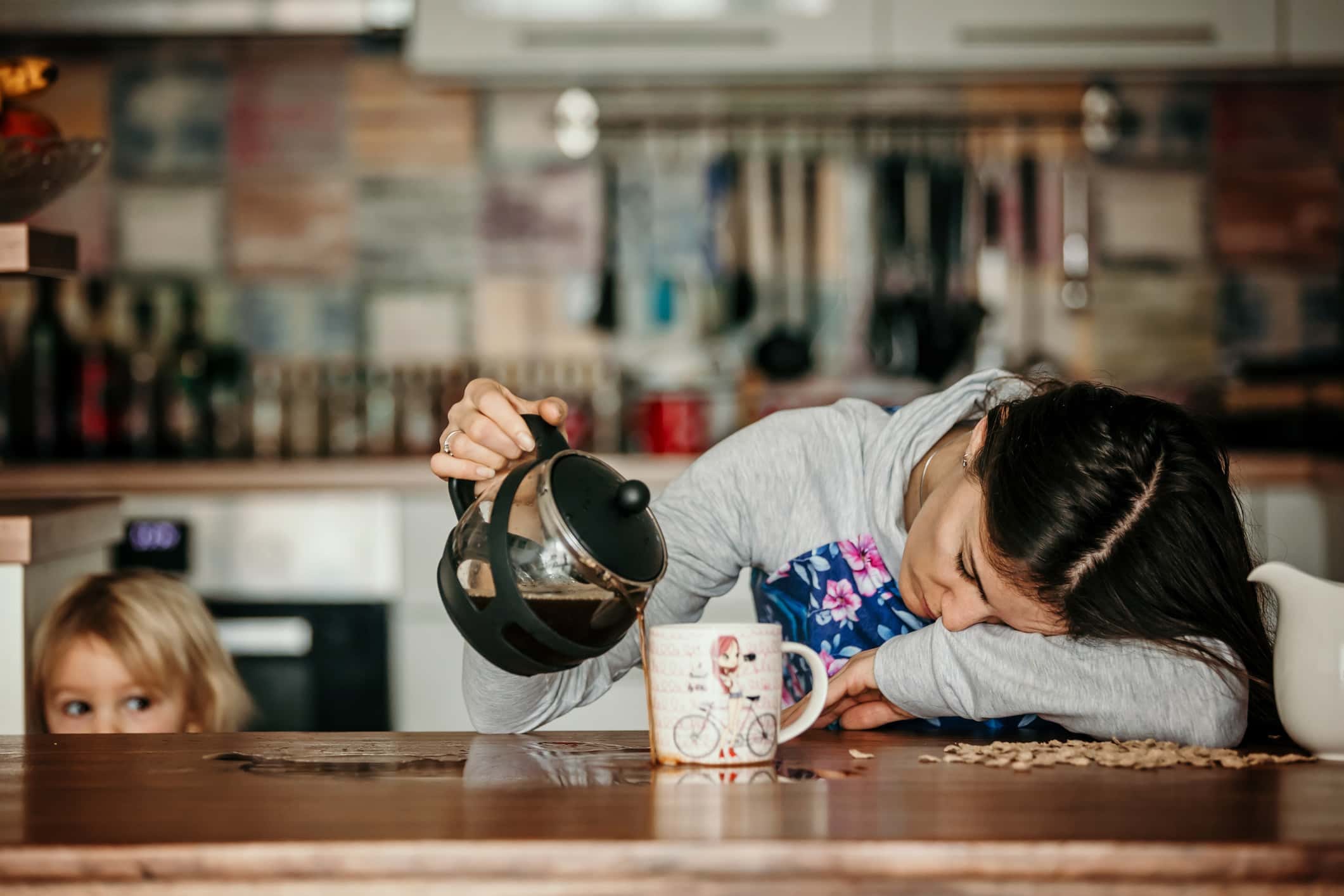
Welcome back to work. This is net Net. We have an interesting topic today. We're talking about moms. I stumbled on this video on Instagram the other day and it was talking about a documentary that's upcoming about motherhood. And essentially the promo for the documentary is about moms, the divide between working moms and stay at home moms, how motherhood is becoming politicized. You see a lot of movement with conservatives or in the kind of like right wing conservative circles that women shouldn't work, that motherhood and being a wife is the greatest, you know, the greatest responsibility, profession, title, accomplishment that a woman can have. You're also seeing at the same time a lot of headlines in the workplace around calling women less ambitious, but also seeing less opportunities for women, less equality for women in general. A backslide of the power that women, women have in the workplace. I have a lot of thoughts about all of it. So, like, pause. I think what's interesting here is a couple things. One is it's super hard to be a mom. There's a lot you juggle. There's a lot you balance. You're raising people, they have their own moods and their whims and their personalities and their needs and their shortcomings and their attributes and all the great things about kids. But when you're thinking about raising children, one, it's a big responsibility. Parenting is an enormous amount of work and it is also a lot to juggle. I do think that something that's changed in the last, I don't know, X amount of years, 10 years, 15 years, 5 years, I don't know exactly. But parenting is being shared more so between men and women. Like, I think about it when I sometimes when I drive to the train and I look outside at who's standing at the bus stop. It used to always be women. Like when I would get on the train to go to, to work or drive to work, it would always be women at the bus stop with their kids. Now you see dads at the bus stop with their kids all the time. And frankly, even more so than women. Now that may be because they work from home or they have greater flexibility or who knows, it may be a symptom of where I live and the, you know, the socioeconomic class that lives there. I don't know. But I do think that parenting is something that there is a combined effort between two people to raise a set of children do. I think there's a lot of challenges with parenting right now. 100%. I think we are over parenting. I think kids are becoming less resilient, they're spending more time on their screens. Parents are intervening and interjecting at all different places instead of letting their kids struggle, which I think results in kids in the workplace which who are like, what the fuck is going on here? Because everything's been handed to them or everyone has advocated for them and they don't know how to do it for themselves. But I also think this debate on what should a woman be Is infinitely personal. And the whole debate is kind of bullshit. Like it doesn't matter if you're a stay at home mom, you're a mom of leisure, you're a working mom, you're a mom that has 15 jobs, you're a mom that has a part time job, you're a mom that works in the home, you're a mom that works out in the world. The reality is women juggle a lot and women should support one another in that quest to find a little peace and have some happiness and feel fulfilled and be their highest, best self. I think that's what we're all talking about. I think it's really unfortunate how women are pitted against one another that, you know, it's kind of the zero sum game that people talk about with women whereby everyone feels that there's a finite piece of pie or there's a finite pie and we all have to fight for the biggest piece within it. I think that's really, really tough. There's a great book by Sophie Gilbert called Girl on Girl. We actually should try to get her back on this. But talks about like, why is it that women are fighting against one another and how is it that we got here and how are the women today shaped by the 80s and the 90s and the 2000s and how did that shape our perceptions and our attitudes? I also think that like, look, marriage is hard, parenthood is hard, work is hard, life is hard, health is hard. And for women to judge one another on how they go about it, who they go about it with, if and when they decide to make pivots or changes therein, that's also really hard. And I'm reading about the Ashley Tisdale and the mom group and you know, like moms can be bitchy collections and groups of women's can be really catty, it can be really cutthroat. And I think the hard part of it is like, it's just hard enough already. Like there's no need to tear each other down versus build one another up. And if you don't feel like building someone else up, then just be by yourself. So anyways, I think it's interesting, I think it's interesting in the trends you're seeing around what type of women are prominent in culture, what type of attitudes are most prolific in culture. Obviously the working woman is not at its peak, right? There was the time of girlboss. I wasn't really a big fan of girl boss, but there was the time of like her greatest quest is to go manage and run a company and boss around other people. And then there's the mom is the greatest quest. And the idyllic woman looks great, has a great, great body, is dressed to the nines, has perfect children, has a great marriage, her house is clean, she's a great cook, all those pieces. And the reality of it is that it's all an illusion. And the more individualistic everyone can be and the more self expressive they can become and the greater advocates that they can, the greater advocacy that they can assume for themselves and for their families and for what they're trying to grow and build and the principles that guide them, I think the better off everybody is. I think the other thing that's interesting is also the structure for women, right? Like when you think about this documentary, you know, it's talking a lot about the systems that are available to women. What is it that women have to work with? You know, I do agree. I think the idea of a stay at home mom who doesn't work is an extreme privilege and a luxury. I think this is what we're seeing in the world which is there's going to be more women who have that luxury and then there's going to be a lot of, a lot of women working a lot of jobs, trying to make ends meet. Like the middle class is getting pulled or becoming more non existent. There's going to be the 1% that has all the advantage and then there's going to be a huge percent that has none. And I do agree that I think thinking about systems and structures to help women is really, really critical. Helping women and also helping women help children. And I think that's a little bit dangerous in terms of what you're seeing right now. Because you know, when you look at the cuts in the government, when you look at the decrease in federal spending, when you look at the general attitude towards helping underprivileged people and women and children, like that's not popular right now. And so then it really becomes a question of how would those systems be created? Can women create those systems for one another? Can cities create those systems? Can companies create those systems? Can communities create those systems? And I think this is actually going to be what's most interesting in the next five to 10 years is what do those systems look like and who are they? For now, work. All right, so that's work. You can find me at Erica. You can find us on Substack. This is the Work podcast. We also do conversations. This is Net Net. We also give unsolicited work advice to for people who want to hear it. And we'll see you back here next time. Now work.