
Podcast
World Book Club
Hosted by BBC World Service · EN
The world's great authors discuss their best-known novel.
28episodes
Episodes
Newest firstAll episodes
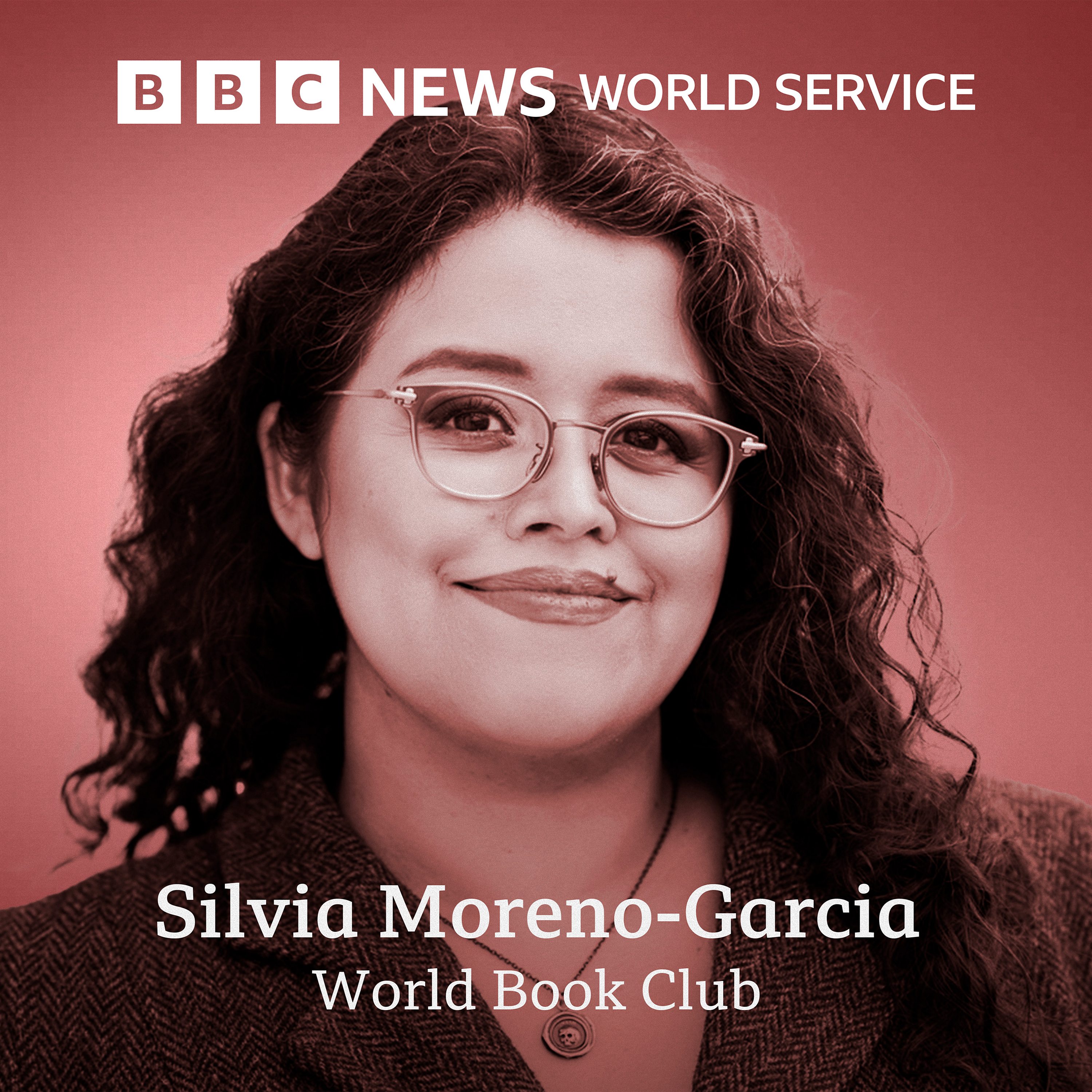
Silvia Moreno-Garcia - Mexican Gothic
Oct 401:06:33Summary readyHarriett is joined by Silvia Moreno-Garcia to discuss her chilling bestseller Mexican Gothic. The story begins when Noemí Taboada, a glamorous socialite from 1950s Mexico City, receives a desperate letter from her cousin Catalina, claiming her new husband is poisoning her. Unsure if Catalina is mad or truly in danger, Noemí rushes to High Place - a decaying English manor transplanted to the Mexican mountains. But is she to be the rescuer, or the unwitting prey of the evil that festers in the bones of the house? High Place, and its inhabitants, want Noemí, and it will take all her courage and ingenuity to save her cousin, and herself. A masterful blend of gothic suspense, startlingly vivid imagery and dark romance, Mexican Gothic has sparked intense fascination from readers around the world - and Silvia Moreno-Garcia will be answering questions from our global audience of book lovers. Why is Gothic literature seeing a resurgence in the 21st century? How does horror allow us to explore themes of colonialism and sexual violence? And where is the very real cemetery that inspired the setting of High House?
Summary
Arthur Conan Doyle - The Hound of the Baskervilles
Sep 601:02:22Tap to summarizeJoin us for a special episode of World Book Club as we journey into the fog-shrouded moors of Devon to explore The Hound of the Baskervilles by Arthur Conan Doyle—arguably the most iconic and enduring novel in the Sherlock Holmes canon. First published in 1902, this gothic masterpiece has captivated readers for over a century and remains a cornerstone of detective fiction.Harriett Gilbert is joined by internationally bestselling crime writer Denise Mina whose books include Three Fires, and The Good Liar and Dr Mark Jones, co-presenter of The Doings of Doyle podcast and editor of The Sherlock Holmes Journal. Together, they’ll be answering your questions about The Hound of the Baskervilles and discussing Sherlock Holmes’s lasting influence on crime and detective fiction.Recorded in front of a live audience at Topping & Company Booksellers in Edinburgh during the Edinburgh Festival, this episode is a treat for mystery lovers everywhere. Expect lively debate as the panel considers whether all great fictional detectives need to be a little insufferable, whether the novel’s gothic atmosphere has had more impact on the genre than Holmes’s famed deductive reasoning—and why the spectral hound continues to haunt readers’ imaginations more than a century after it first appeared.
Transcribe →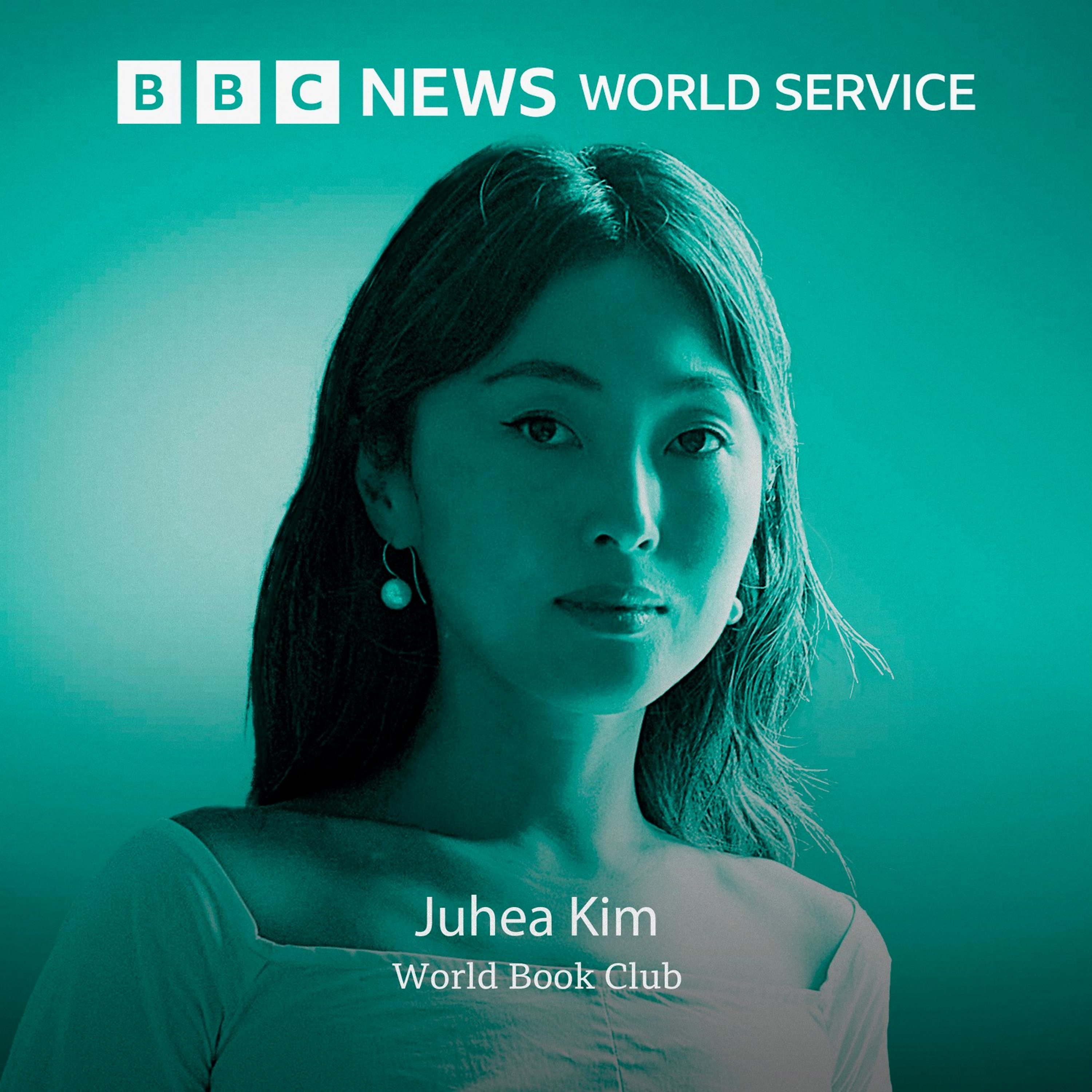
Juhea Kim - Beasts of a Little Land
Aug 2, 202500:58:54Tap to summarizeHarriett Gilbert talks with Juhea Kim about her debut novel Beasts of a Little Land.Set during the turbulent years of Japanese-occupied Korea in the early 20th century, this sweeping historical epic traces the lives of two unforgettable characters: Jade, a young girl sold to a courtesan school, and JungHo, the orphaned son of a hunter who becomes swept up in the Communist resistance. Over five decades, their paths cross and recross as they navigate war, occupation, and revolution. Rich with lyrical prose, folklore, and unflinching insight into the brutality of empire, Beasts of a Little Land explores identity, loyalty, and the high price of survival. Juhea Kim will be talking about why the Tiger is such an important symbol in Korean history, how her writing is structured like a symphony, and how as a writer she strives to show the humanity of all her characters when they are on very different sides of war and colonialism.
Transcribe →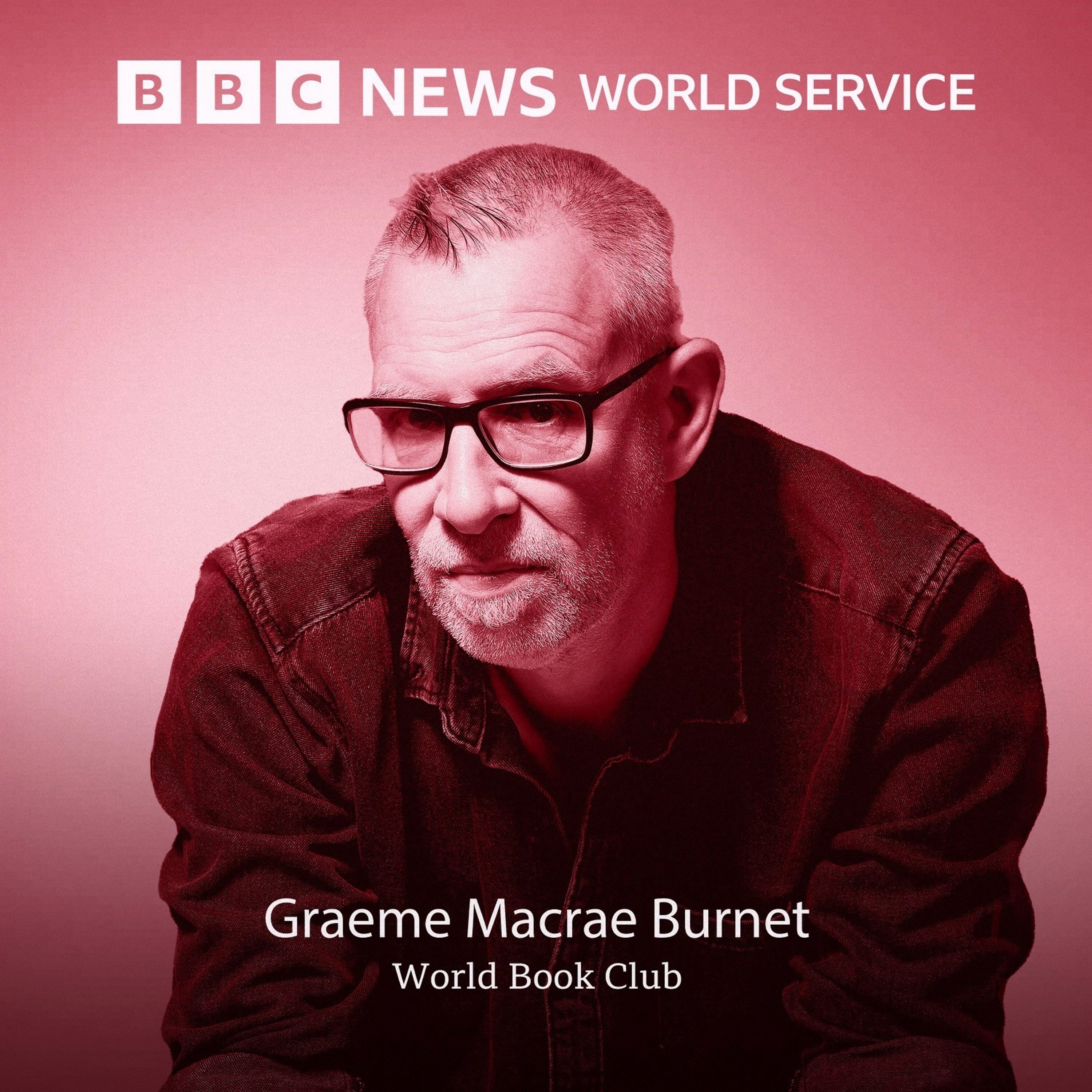
Graeme Macrae Burnet - His Bloody Project
Jul 5, 202500:49:20Tap to summarizeOn this episode of ‘World Book Club’ Harriett Gilbert speaker with with Graeme Macrae Burnet about his riveting historical crime novel ‘His Bloody Project’.Set in a remote Scottish community in the 1800s, the story centres on a brutal triple murder and the person who admits guilt for the bloody deed - a 17 year old boy. This boy, Roderick Macrae, is shy, intelligent, and remarkably articulate. Could he really be responsible for such a grisly crime? Or was he out of his mind?Told via a fascinating collection of memoir, police documents and trial transcripts, this novel explores the impact of an oppressive society on those who do not fit their assigned place, the boundaries of criminality and insanity, and has you questioning what the truth of the crime may be every time you turn a page. Graham Macrae Burnet will be answering your questions, about the 19th century views of ‘the criminal class’, who, or what, was responsible for the murder at the heart of the novel, and why we continue, in the modern day, to be fascinated by murder...
Transcribe →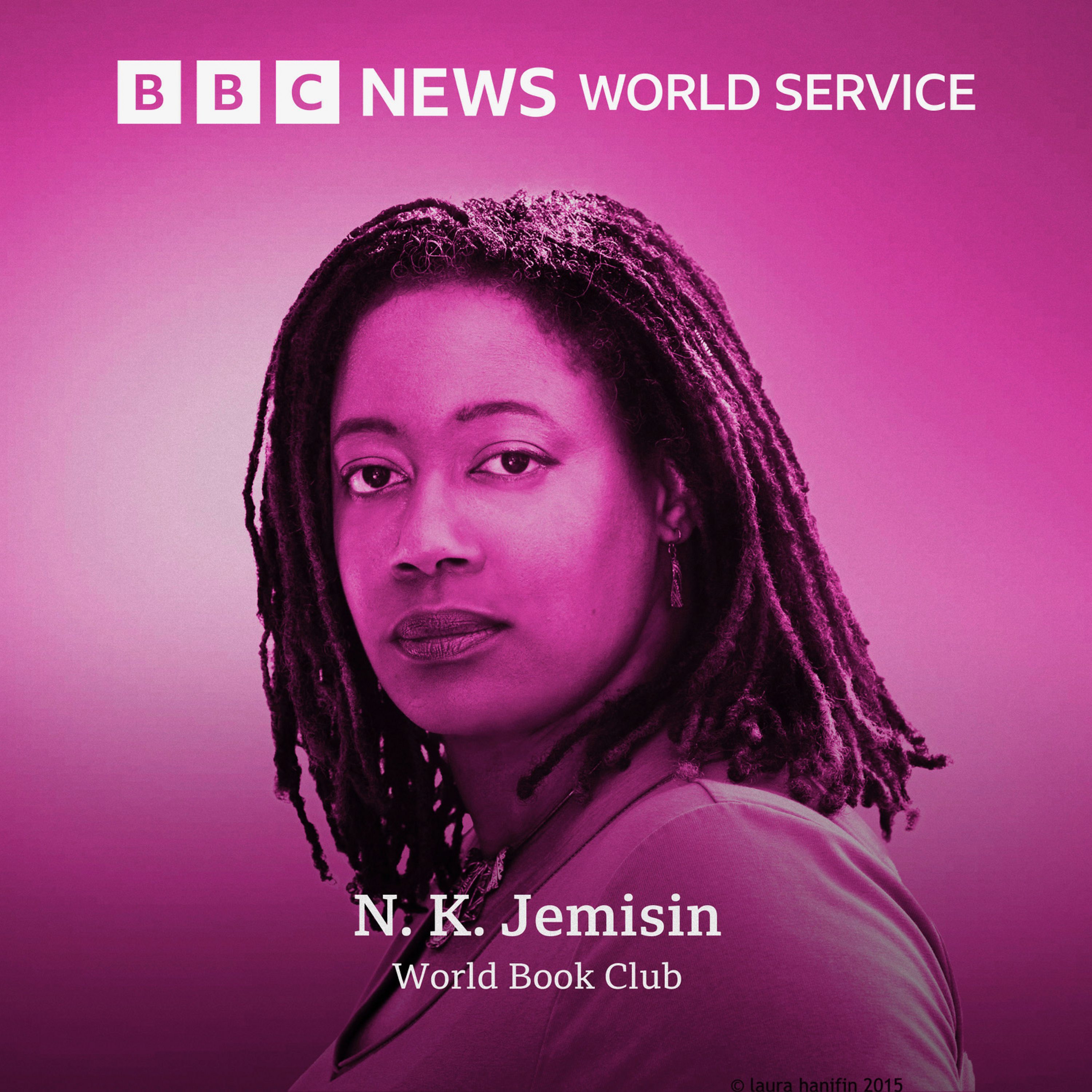
N.K Jemisin - The City We Became
Jun 7, 202500:55:43Tap to summarizeIn this episode of World Book Club, Harriet talks with one of the world’s best-loved sci-fi and fantasy authors, the four time Hugo award winner N.K Jemisin. Which of her plethora of books did we choose? Her 10th novel, and love letter to New York, ‘The City We Became’.The story takes place in a world in which major cities become sentient, living beings. After New York is attacked by an otherworldly enemy, five people, champions representing each of the city’s five boroughs, must band together to save the city, but also humanity itself.Rich with sharp social commentary, vibrant characters, and breathtaking world-building, it’s a gripping, imaginative tale of identity, belonging, and the power of unity in the face of otherworldly, eldritch chaos.N.K Jemisin will be answering questions from our World Book Club - including how she created characters that embody each of New York’s five boroughs, what makes a city ‘alive’, and how she confronted, and subverted, Lovecraftian tropes to create the enemy of all humanity, the Woman in White.Presented by Harriett Gilbert. Produced by Elizabeth Ann Duffy.Photo Credit - Laura Hanifin
Transcribe →Ottessa Moshfegh: My Year of Rest and Relaxation
Mar 1, 202500:58:00Tap to summarizeHarriett Gilbert is joined by one of the boldest writers of her generation, Ottessa Moshfegh, to delve into her second novel My Year of Rest and Relaxation. This twisted Sleeping Beauty story is told from the perspective of an unnamed protagonist, a twentysomething art school graduate who, after the death of her parents, quits her gallery job to heal her pain by drugging herself into a year-long hibernation. Her only ties to the waking world are the bodega which she routinely slouches to for coffee, the most unscrupulous psychiatrist in New York, and her best friend, and object of contempt, Reva. We love this book because it’s a hypnotic, wickedly humorous character study of a woman who is broken, toxic, yet utterly fascinating. Even if you don’t take her to your heart, this character will linger in your mind every time you have a long lie in bed.Image: Ottessa Moshfegh (Credit: Jake Belcher)
Transcribe →Meg Rosoff: How I Live Now
Feb 1, 202500:49:29Tap to summarizeNovelist Meg Rosoff joins Harriett Gilbert to answer listeners' questions about one of her best-loved novels, How I Live Now.It is the story of Daisy, an American teenager shipped off to live with her aunt and cousins in England. What is at first an idyllic escape into English countryside life is shattered at the onset of War, when England is suddenly occupied by an unknown enemy. Daisy finds herself struggling to survive and keep her new family safe as they face violence, fear and starvation, while at the same time experiencing her first love, with her own cousin - Edmond.Beautiful, brutal, and laced with Daisy’s razor-sharp, jaded teenage humour, this is a book that brings readers into a world that feels incredibly, terrifyingly real, and will likely stay in your memory for years to come.(Photo: Meg Rosoff. Credit: Glora Hamlyn/Penguin Books)
Transcribe →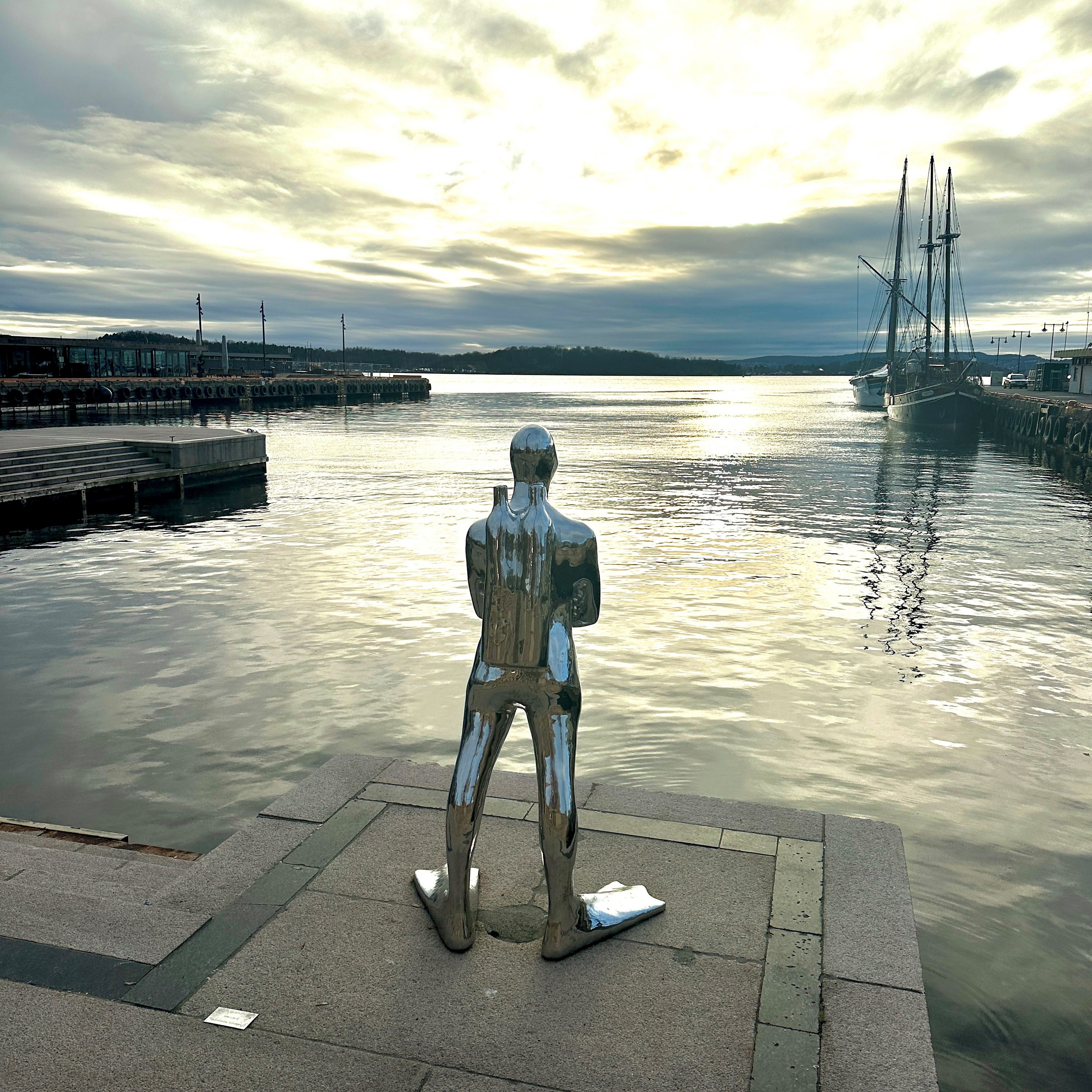
World Book Café: Oslo
Jan 25, 202500:49:15Tap to summarizeWorld Book Café heads to Oslo to Europe’s largest Literature House to find out if Norway is the best place in the world to be a writer? Octavia Bright is joined to discuss the highs and lows by the internationally bestselling novelist and climate activist Maja Lunde. Johan Harstad prize winning novelist and the first in-house writer at the National Theatre in Oslo, Gunnhild Oyehaug whose witty and experimental short stories and novels have won her fans around the world and Oliver Lovrenski whose first book was an instant bestseller when it was published in Norway in 2023, when he was just 19. With generous grants for writers to live and work the Norwegian government also buys 1,000 copies of every book published to give to local libraries across the country. The organisation NORLA (Norwegian Literature Abroad) is funded by the ministry of culture and, since 2004, it has contributed to the translation of more than 8,000 books into no less than 73 languages. For a country of 5.5 million people Norwegian literature punches above its weight. However with much of the country’s wealth coming from the oil industry do environmental concerns tarnish this utopia for its writers? Producer: Kirsten Locke
Transcribe →Anne Holt: 1,222
Jan 1, 202500:49:08Tap to summarizeA special programme from the largest public literature house in Europe, Litteraturhuset in Oslo. Harriett Gilbert is joined by one of Scandinavia’s most successful crime writers, Anne Holt. Her novel 1,222 is a tense, twisty story set during a snowstorm in an isolated mountain hotel, a reference to the fact that the hotel is one thousand, two hundred and twenty-two metres above sea level. It features her series detective Hanne Wilhelmsen, no longer in the police force due to being paralysed by a bullet that hit her in the back. Murder, intrigue and a lot of snow pulls her back into what she does best.Image: Anne Holt (Credit: Lars Eivind Bones)
Transcribe →Douglas Stuart: Shuggie Bain
Dec 5, 202400:49:01Tap to summarizeThe Scottish-American writer Douglas Stuart talks about his Booker Prize winning Shuggie Bain. The powerful, heartbreaking story of a young boy's love for his addict mother, and a mother's chaotic love for her son.Photo credit: Martyn Pickersgill
Transcribe →