Podcast
World Business Report
Hosted by BBC World Service · EN
The latest business and finance news from around the world, on the BBC.
83episodes
Episodes
Newest firstAll episodes
Is the Strait of Hormuz opening up again?
Apr 300:26:27Tap to summarizeAfter weeks of disruption in the Middle East, ships are starting to move again through the Strait of Hormuz, a vital route for global trade and fuel supplies. But it’s still a fragile return, and the risks remain high for companies and crews.We’ll hear how the conflict is affecting seafarers, with thousands stranded or unable to get to work, and what that says about the wider impact on global shipping.We’ll also look at the knock-on effects for trade, with millions of kilograms of tea stuck in Kenya as exporters struggle to get goods moving.And in the US, hiring has picked up more strongly than expected — but we hear from people on the ground who say finding work is still a real challenge.
Transcribe →French container ship reportedly passes through Strait of Hormuz
Apr 300:08:57Tap to summarizeSeveral sources are reporting that a French-owned container ship has successfully braved the troubled Strait of Hormuz. The CMA CGM Kribi is believed to be the first western vessel to pass through the passage since the outbreak of the US-Israeli war against Iran. It was not immediately clear how the vessel secured safe passage. It comes as Iran carried out two attacks on commercial plants in Kuwait and Abu Dhabi Also there's better-than-expected jobs news for the US. And we hear from a trade expert who examines President Trump’s latest tariff announcements of up to 100% on some imported medicines. And why the price of chocolate is remaining stubbornly high Presenter: Gideon Long Senior Producer: Craig Henderson
Transcribe →SpaceX eyes take off with over $1 trillion valuation
Apr 200:26:27Tap to summarizeElon Musk’s SpaceX is preparing to go public. Could it become one of the world’s most valuable companies?One year on from “Liberation Day”, when sweeping tariffs reshaped global trade, we ask who’s winning and who’s paying the price.And from bankruptcy to comeback, Leanna Byrne speaks to the boss of Polaroid about why instant cameras are thriving again.(Photo: NASA's SpaceX Crew-9 mission lifts off in a Dragon spacecraft, on a SpaceX Falcon 9 rocket, from the launch pad of Space Launch Complex-40 at Cape Canaveral Space Force Station in Florida, USA, 28 September 2024. Credit: Cristobal Herrera-Ulashkevich/EPA-EFE/REX/Shutterstock).
Transcribe →Countries hold summit over Strait of Hormuz trade crisis
Apr 200:08:58Tap to summarizeMore than forty countries take part in a virtual gathering in a bid to reopen the vital shipping lane. The UK is playing host to the meeting, joined by other countries across the world caught up in the trade crisis caused by near closure of the Strait of Hormuz, due to the US-Israel war in Iran.UK Foreign Secretary Yvette Cooper opened the event by condemning what she described as "Iranian recklessness" in closing the Strait of Hormuz and "hitting global economic security". The talks are trying to find a solution to fully opening up the vital shipping lane.Among those represented at the talks is South Korea – a country particularly dependent on foreign oil imports. Earlier its president put its economy on what he described as "a wartime footing" by encouraging people to follow a range of measures to preserve fuel, as well as proposing a special Government financial support package. We look at how the production of plastics are being badly hit.And it’s a year since President Trump declared his ‘Liberation Day’, bringing in sweeping tariffs on countries across the globe. The latest US Trade figures published today - Thursday - show the US trade deficit widened in February to just over $57 billion…so has the policy been working?Presenter: Sarah Rogers Senior Producer: Craig Henderson
Transcribe →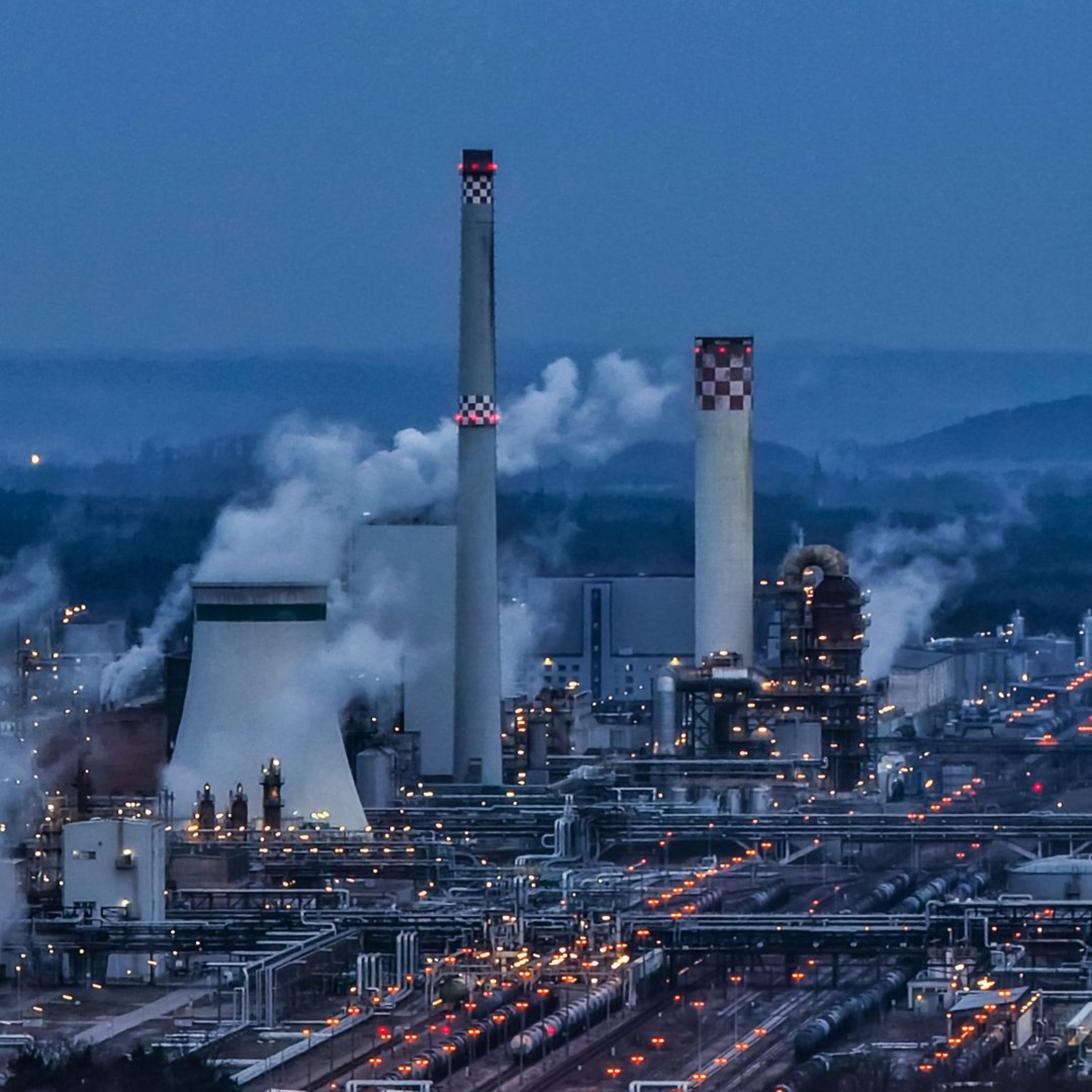
How will rising oil prices affect airlines?
Apr 100:25:56Tap to summarizeJet fuel prices are surging as the war in Iran unsettles airlines and global travel. Leanna Byrne examines what it could mean for ticket prices and the wider economy. Also, a new weight loss pill from Eli Lilly promises to shake up the booming obesity drug market. And as Apple turns 50, what’s next for the garage start-up that became one of the world’s most powerful companies. (Photo: A general view of the PCK refinery, a crude oil processing facility supplying gasoline, jet fuel, diesel and fuel oil, in Schwedt/Oder, Germany, March 31, 2026. Credit: Lisi Niesner/Reuters)
Transcribe →
Could there be a revival of the coal industry?
Apr 100:08:57Tap to summarizeSouth Korea has lifted caps on electricity from coal and the Philippines and Vietnam are boosting coal-fired power. Sarah Rogers explores whether or not the coal industry could see a long-term revival.Plus, we hear from the man behind the 'i' in iMac as Apple turns fifty years old.
Transcribe →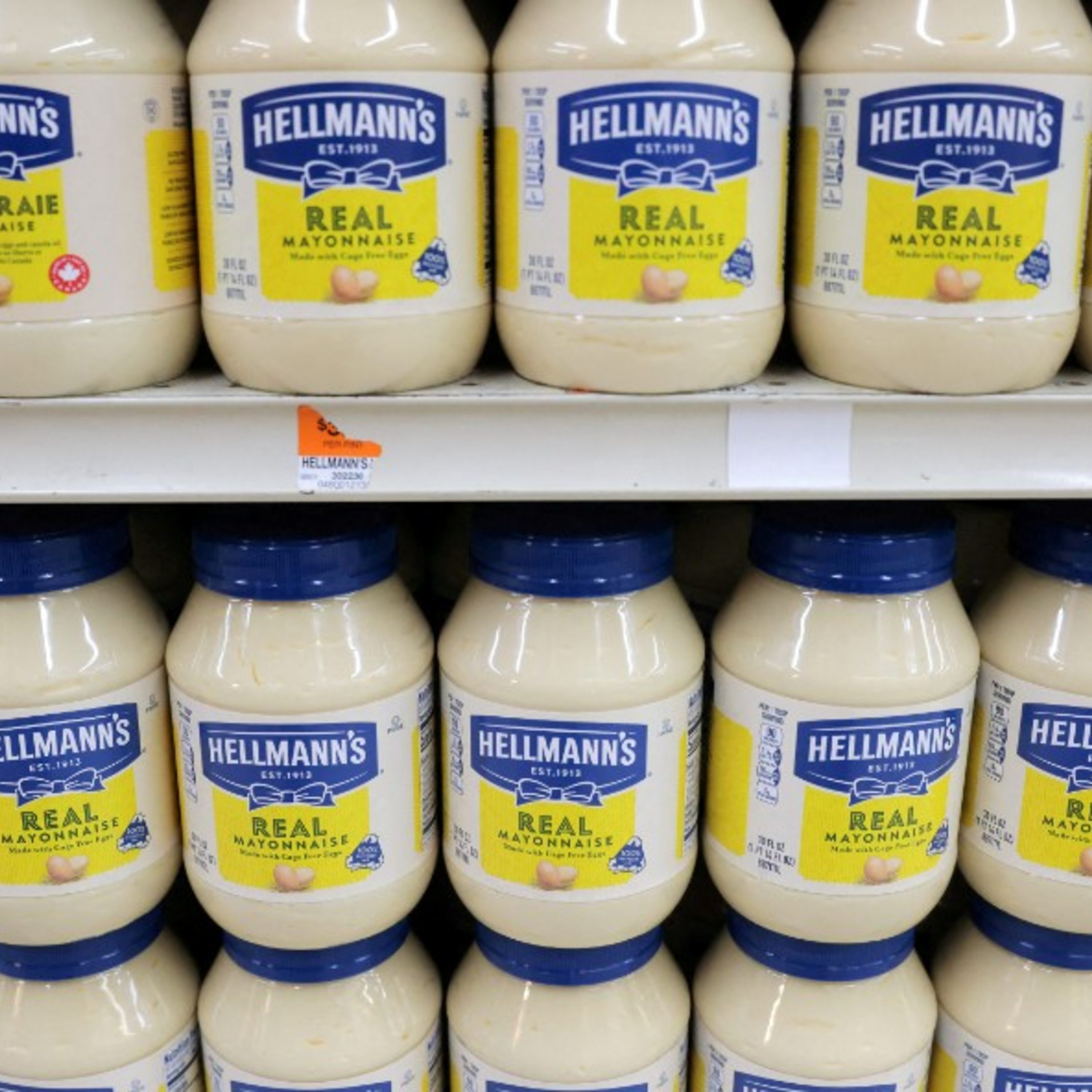
Two of the biggest names in your kitchen could soon be joining forces
Mar 3100:26:27Tap to summarizeUnilever, the company behind brands like Hellmann’s and Knorr, has agreed to combine its food business with US spice and flavour giant McCormick & Company. What does it tell us about where big consumer brands are heading next? Also, South Africa cuts fuel duties as the impact of the war in Iran feeds through to prices at the pump. Leanna Byrne hears from a business person and our correspondent who has been out to witness the situation. (PHOTO: Hellmann's, a brand of Unilever, is seen on display in a store in Manhattan, New York City, U.S., March 24, 2022. (Credit: Reuters/Andrew Kelly/File Photo).
Transcribe →
Why Sri Lanka is raising electricity prices for most households
Mar 3100:08:57Tap to summarizeThe Sri Lankan government has increased electricity prices for most households by more than 8% as fuel costs surge due to the Iran conflict.Plus, Bisi Adebayo looks at the impact the war is having on jet fuel costs and how British and American food giants, Unilever and McCormick, have agreed a deal to combine parts of their food businesses.
Transcribe →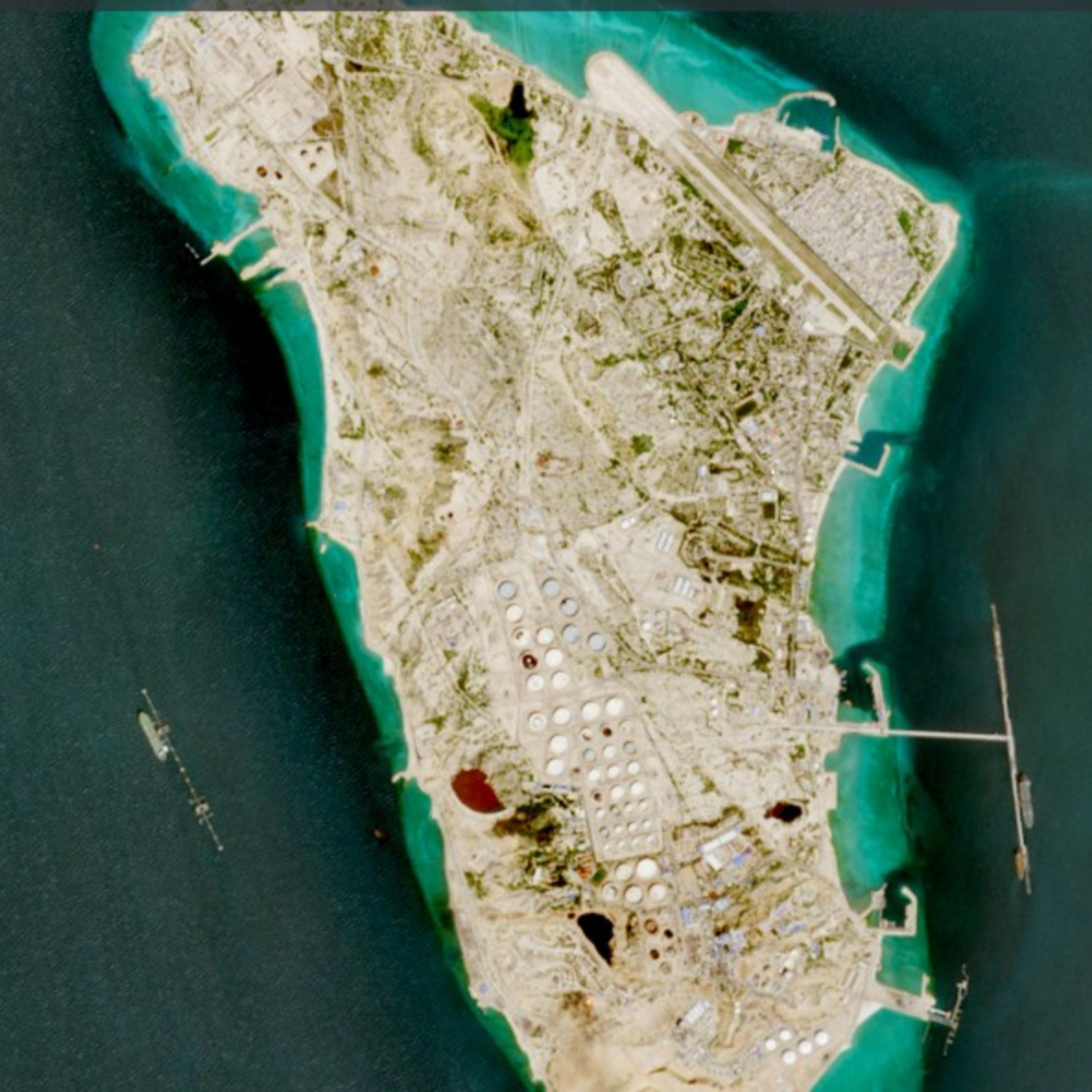
Kharg Island: What role does it play in Iran’s economy?
Mar 3000:26:26Tap to summarizeThe White House deflects questions about US threat to hit Iranian energy infrastructure. President Trump expects Iran to make a deal to end the war. He has said he'd strike targets including electricity plants, and Iran's main oil-exporting site, Kharg Island. Presenter Andrew Peach examines what this all means for Iran and its neighbours in the Middle East.(Photo: A handout satellite image made available by Copernicus, the European Union's Earth Observation Programme, on 14 March 2026 shows Kharg island, Iran, 07 March 2026. Credit: European Union Copernicus Sentinel-2 IMAGERY HANDOUT/EPA/Shutterstock)
Transcribe →Why diesel is rising quicker in price than other fuel?
Mar 3000:08:57Tap to summarizeThe price of diesel has risen nearly 90% since the start of the war in Iran according to ICE. Why is that more than other fuels?Plus Sarah Rogers hears why the price of subscriptions could rise after the World Trade Organsiation fails to reach a deal on ecommerce tariffsand we look at the growth of fast fashion in India
Transcribe →