
Podcast
World Today
Hosted by China Plus · EN
With in-depth panel discussions on domestic and global news and current affairs, World Today gives you the story behind the headlines.
106episodes
Episodes
Newest firstAll episodes
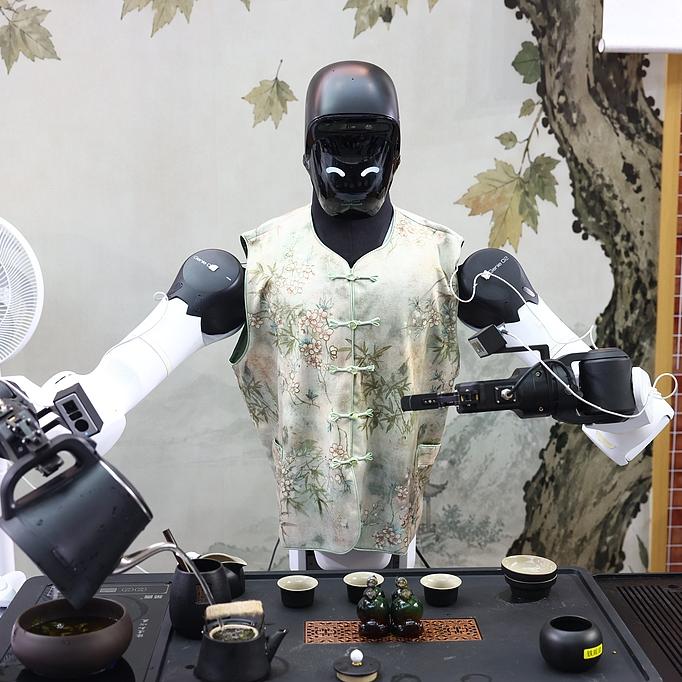
Panel: Governing AI for good and for all
3w ago00:50:07Tap to summarizeAs political leaders, industry pioneers and experts from around the world gather in Shanghai for the 2026 World AI Conference and High-Level Meeting on Global AI Governance, we explore key questions facing global AI governance today: What are the biggest challenges now? How can countries compete while working together on safety and governance? And how can the world ensure that AI narrows, not widens, the global development gap? Host Dou Hongyu is joined by Josef Gregory Mahoney, Professor of Politics and International Relations at East China Normal University, Li Lun, Assistant Professor of Economics at Peking University, and Dr. Liu Shaoshan, Director of Embodied Intelligence at Shenzhen Institute of Artificial Intelligence and Robotics for Society.
Transcribe →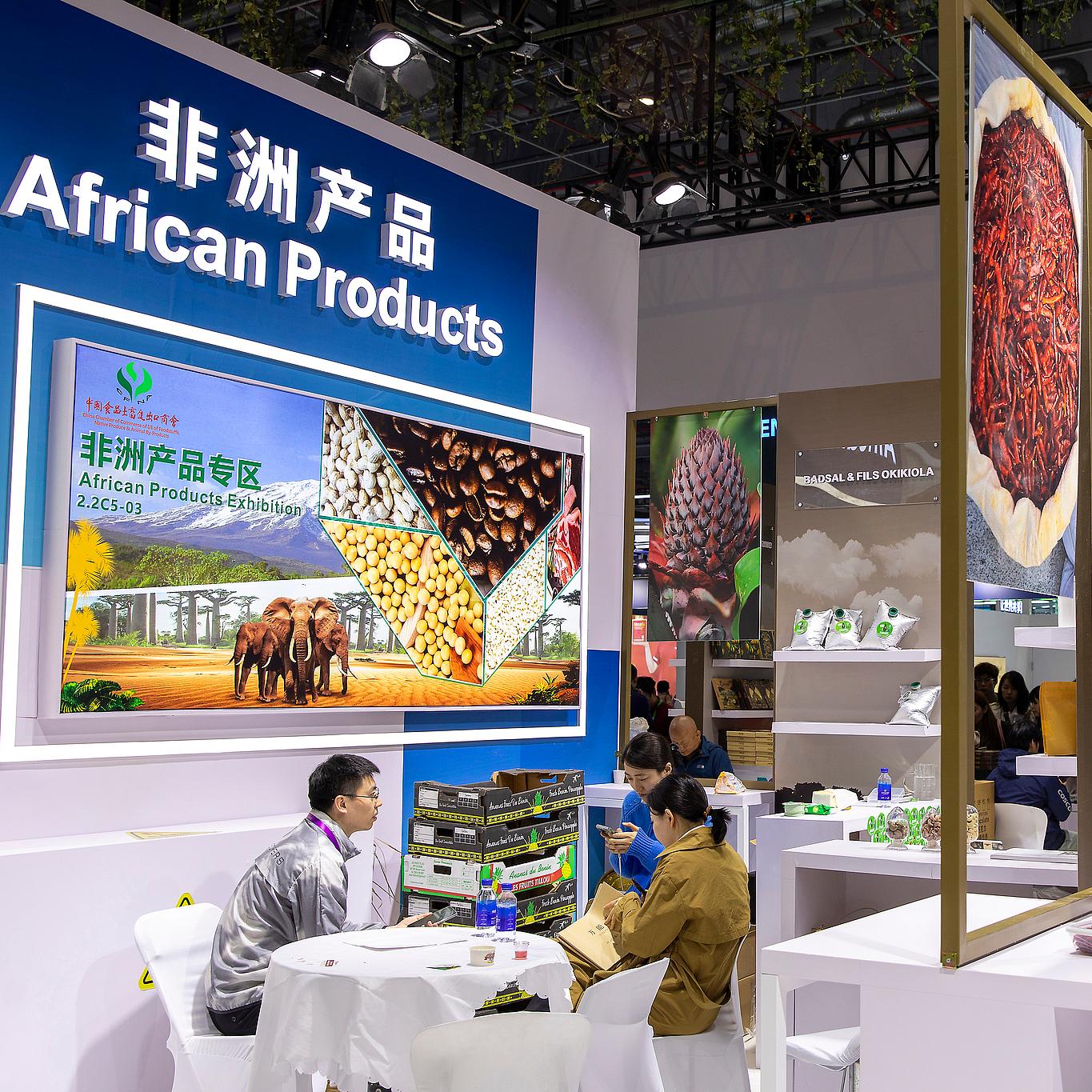
What new opportunities is China's tariff-free scheme opening up for Africa?
3w ago00:53:24Tap to summarize①During an inspection tour in Shanghai, Xi Jinping highlighted high-quality urban renewal as a key driver of city modernization. What is China's people-centered approach to urban renewal? (00:56) ②Africa's exports to China have increased significantly since Beijing expanded its zero-tariff policy across the continent in May. What new opportunities is China's policy opening up for African exporters? (14:22) ③We explore why, according to a new Pew study, more people around the world now favor China over the US. (24:49) ④Britain and the European Union have formally signed a treaty on the status of Gibraltar. How could it ease border friction and boost the local economy? (35:34) ⑤According to US media reports, the Trump administration has internally estimated that the war on Iran has cost the US up to $100 billion, over three times higher than its public estimate. What is behind this perceived lack of transparency on war cost? (44:55)
Transcribe →Behind China's 4.7% half-year economic growth
4w ago00:53:40Tap to summarize①China's economy grew 4.7% in the first half of 2026. We analyze how the economy has performed so far this year. (00:49) ②Bank cards have become an entry point for users to access AI services, as six Chinese commercial banks have recently launched credit and debit cards bound to AI providers. What could this trend mean to the landscape of China's banking sector? (15:19) ③The Australian government is moving to block the shareholder rights of three China-linked investors in a Perth-based rare-earth miner. Is safeguarding national security legitimate ground for the measure? (24:46) ④Lebanon and Israel have resumed talks to discuss how to implement a US-brokered framework deal aimed at ending the war in Lebanon. Will Israeli troops withdraw from southern Lebanon any time soon? (35:40) ⑤The US House of Representatives has passed a bill to make daylight saving time permanent. Why is there strong support for ending the twice-a-year clock changes used across most of the country? (45:09)
Transcribe →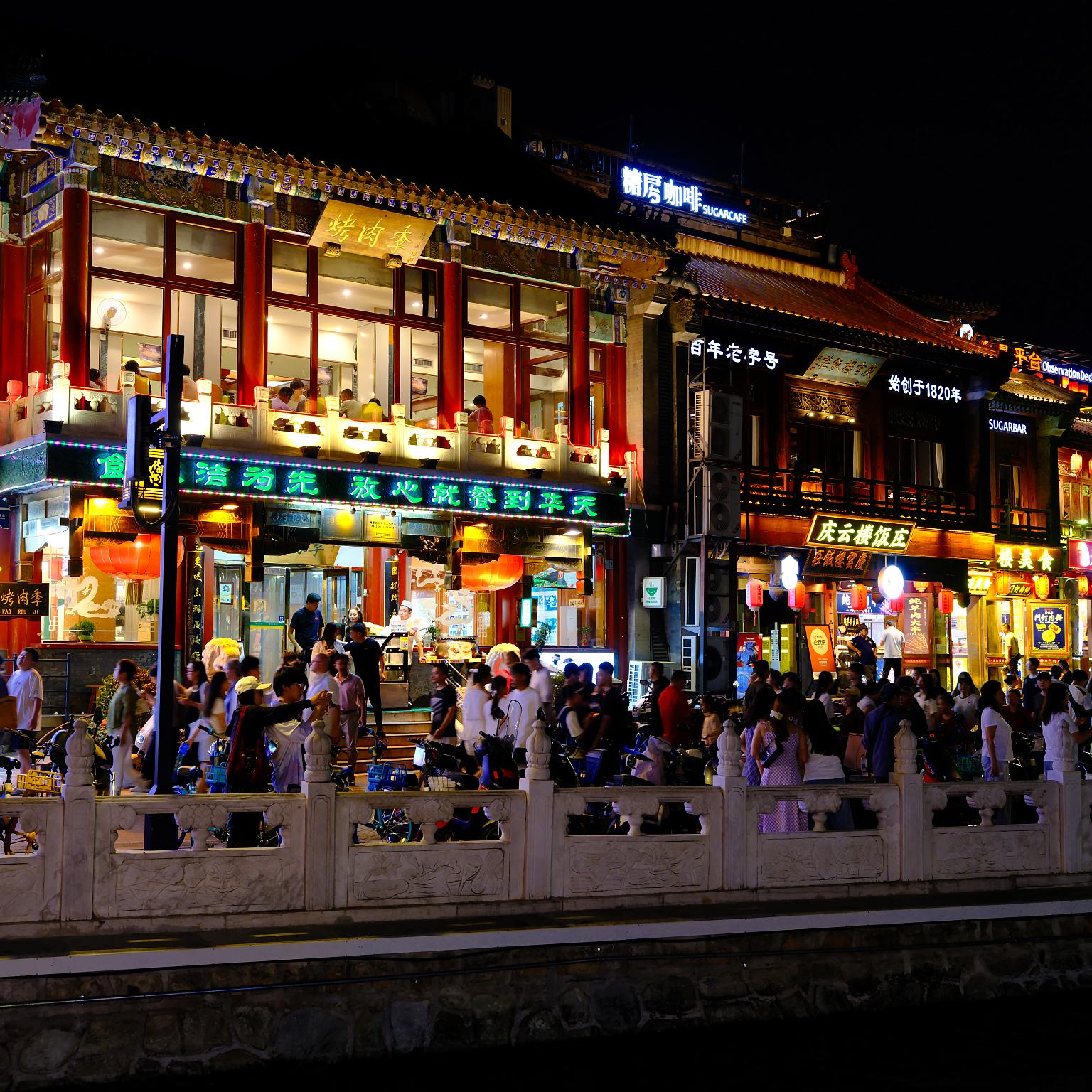
What does it take to sustain growth of China's consumption power?
4w ago00:53:12Tap to summarize①Xi Jinping will attend an upcoming international AI conference in Shanghai and deliver a keynote speech. Where is China now regarding the development and governance of AI? (00:56) ②What has made China's foreign trade maintain good momentum in the first half of 2026? (13:22) ③China has set a goal of raising total retail sales of consumer goods to about 60 trillion yuan ($8.8 trillion) by 2030. What will it take to sustain the growth of the country's consumer demand? (24:56) ④Why has Andy Burnham emerged as the frontrunner to become Britain's next prime minister? (34:47) ⑤Yemen's Houthi group has fired missiles at Saudi Arabia, accusing the kingdom of bombing an airport under its control. Does it represent a collapse of the peace process between the two sides? (44:34)
Transcribe →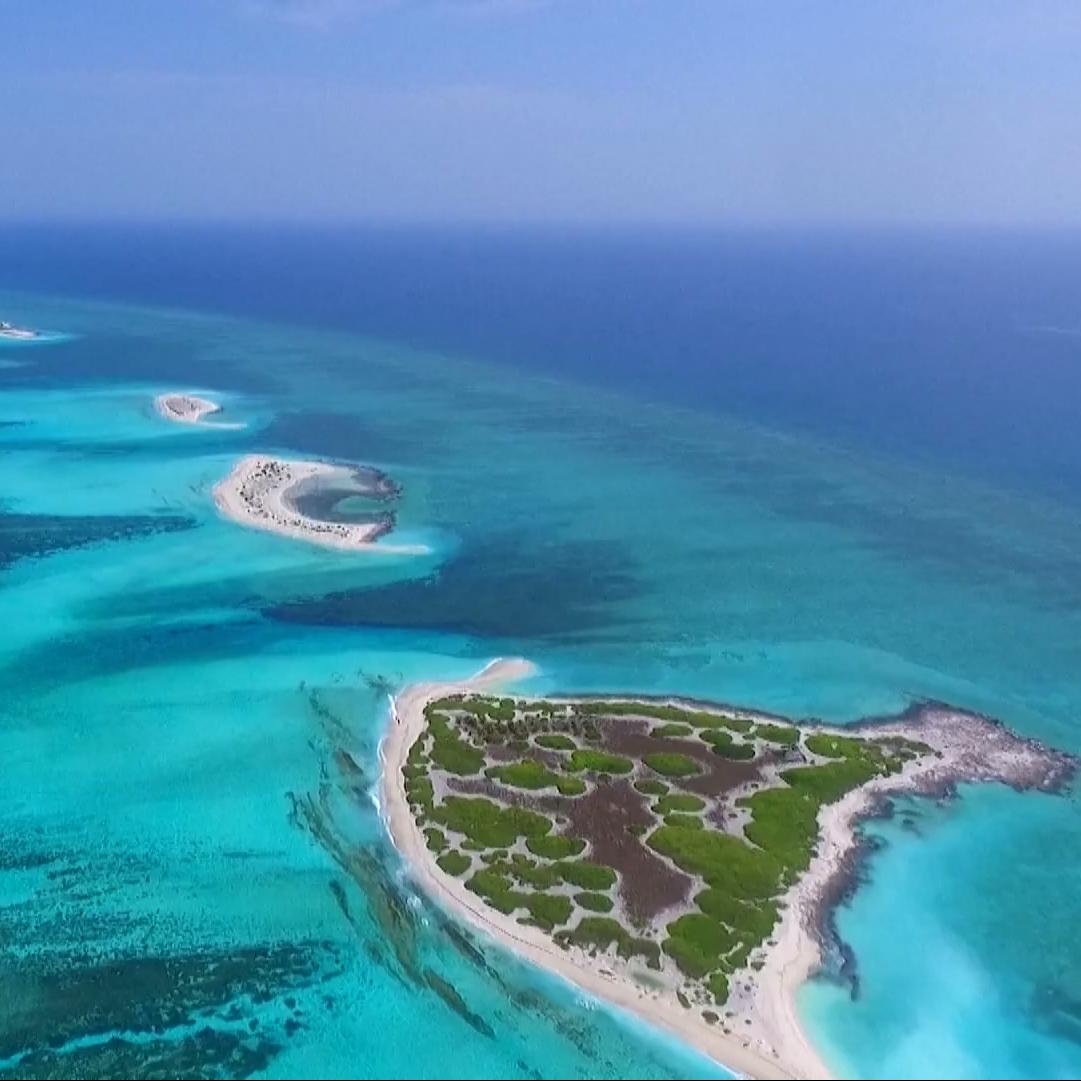
Why is so-called South China Sea arbitration ruling illegal?
4w ago00:53:11Tap to summarize①China has rejected a joint statement by several countries marking the 10th anniversary of the so-called South China Sea arbitration ruling. Why is the ruling illegal and invalid? (00:59) ②Ukrainian Prime Minister Yulia Svyrydenko has stepped down as President Volodymyr Zelensky announced fresh changes to Ukraine's government. What specific strategic shift is Zelensky signaling? (24:58) ③The IMF has downgraded the global growth outlook, but why has it upgraded China's growth forecast? (34:56) ④Hainan has reaffirmed its plan to ban the sale of gasoline-powered vehicles by 2030 and become the first province in China to do so. How ambitious is the goal? (46:52)
Transcribe →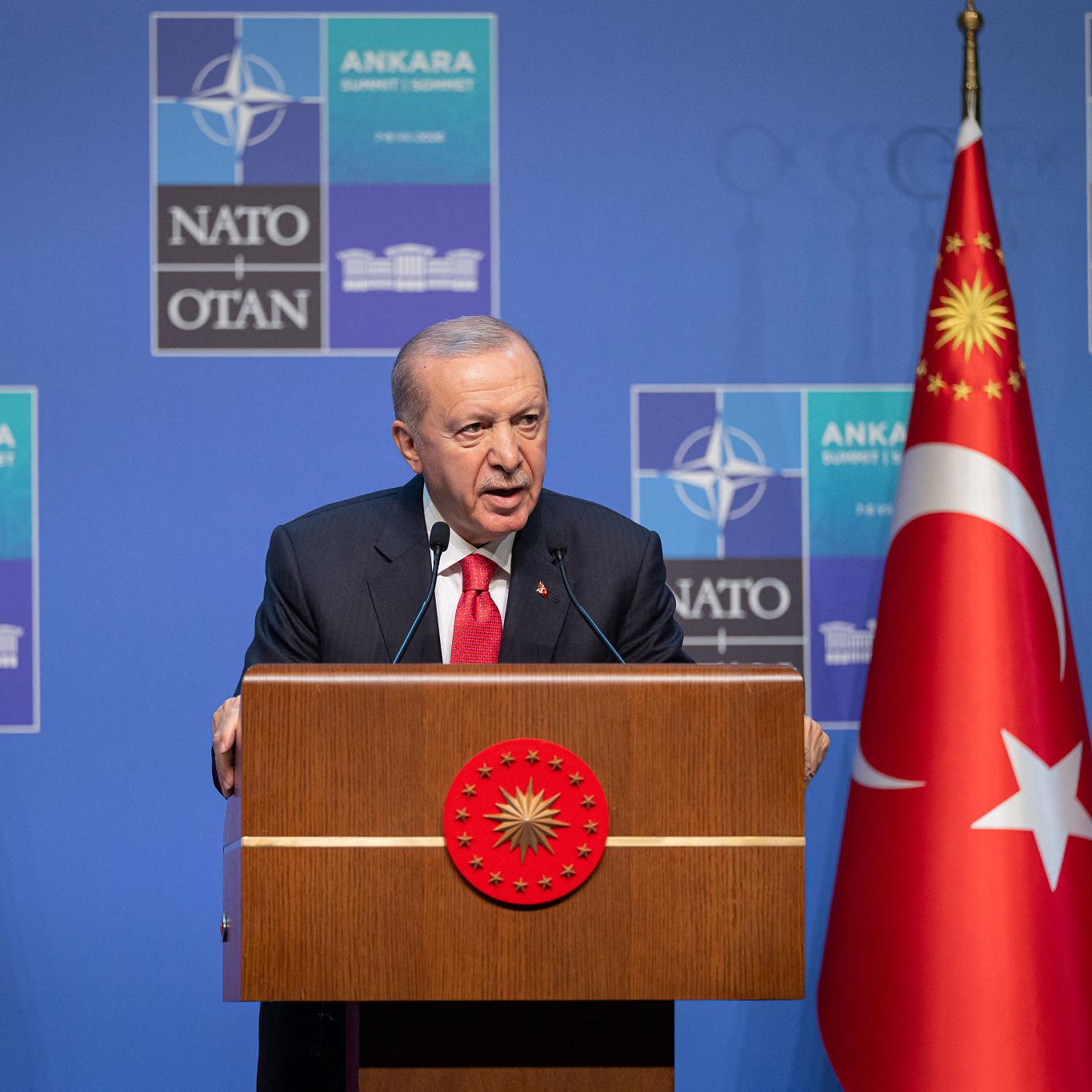
Panel: Is NATO prepared to accommodate a larger Turkish role?
Jul 1000:53:41Tap to summarizeThe 2026 NATO Summit in Ankara has drawn to a close. For two intense days, attention was locked on the Turkish capital. Beyond the debates over defense spending, burden sharing and hotspot issues, the event highlighted Turkiye's unique role within the alliance. Sitting at the crossroads of Europe, Asia, and the Middle East, Turkiye is no longer just a NATO member following a script. It is writing it. How is Ankara reshaping the transatlantic security architecture? Host Ding Heng is joined by Kamal Makili-Aliyev, Associate Professor at the School of Global Studies, University of Gothenburg; Huseyin Bagci, Professor of International Relations at the Middle East Technical University in Ankara; Dr. Mher Sahakyan, Director of "China-Eurasia" Council for Political and Strategic Research.
Transcribe →
China–Netherlands ties: A reset beyond semiconductor tensions?
Jul 900:53:21Tap to summarize① China–Namibia ties: New opportunities under Nandi-Ndaitwah's presidency. (00:49) ② From semiconductors to broader trade cooperation, the Netherlands is seeking a new chapter with China. What does Dutch trade minister's China visit reveal about Europe's evolving approach to Beijing? (14:53) ③ China is testing a new path toward reusable rockets with a sea-based booster recovery system. What can we expect? (26:07) ④ Britain's political revolving door: What comes next? (36:23) ⑤ The U.S. is removing Syria from its terror list. What's driving the shift? (46:51)
Transcribe →
Manila's claims in S. China Sea are unlawful
Jul 800:53:23Tap to summarize① Why do the Philippines' South China Sea claims lack legal basis - and threaten regional stability? (00:49) ② 5% of GDP by 2035: Can NATO members sustain the economic burden? (14:49) ③ What's next after the Iran - U.S. escalation - and is the ceasefire still viable? (25:07) ④ U.S. job growth slowed more than expected in June. Why didn't the World Cup deliver expected boost to U.S. jobs? (35:14) ⑤ Chinese AI models lead OpenRouter's traffic. Why are they winning over global developers? (46:52)
Transcribe →
The Nordic factor: A different approach to China–Europe ties?
Jul 700:51:52Tap to summarize① From trade and green development to innovation and security: What has Wang Yi's Nordic tour achieved? (00:49) ② China's new trading rules: What will they mean for investors? (14:45) ③ Japanese writer urges society to learn from wartime history and avoid returning to the path of militarism. (25:56) ④ China urges respect for Pacific Island nations' sovereignty and rejects bloc confrontation. (35:00) ⑤ Space computing takes off in Beijing with new innovation center. (43:05)
Transcribe →
The Nordic Dimension of China–Europe Relations
Jul 600:53:09Tap to summarize① The Nordic Dimension of China–Europe Relations: Wang Yi's visit. (00:50) ② China's manufacturing and services sectors continue expansion in June. What role are SMEs playing in growth? (14:21) ③ Trump holds separate calls with Putin, Zelensky. Is there still political will for de-escalation? (25:03) ④ Britain and France pledge cooperation with Oman on maritime security. Could tensions in the region escalate further? (34:31) ⑤ FIFA's decision to suspend Balogun's red card sparks anger in European football: discussion of fairness. (43:56)
Transcribe →