Podcast
Worthy for Thirty: Where stories of leaders doing good while doing well are told!
Hosted by Eric Tash · EN
Worthy for Thirty is a conversation series with founders, leaders, and creators who pair business success with purpose. Each week, host Eric Tash explores the choices, values, and hard-won lessons behind building something that actually lasts.
www.worthyforthirty.com
www.worthyforthirty.com
29episodes
Episodes
Newest firstAll episodes

How MJ Gottlieb - Loosid's Co-Founder - Turned Sobriety Into a Company That Scales Belonging
2w ago00:43:40Tap to summarizeFor years, sobriety has been viewed as a subtraction.No drinks. No substances. No fun, supposedly. No social life, supposedly.MJ Gottlieb is building the opposite story.On the Worthy for Thirty podcast, the Loosid co-founder laid out a vision that is part recovery, part product strategy, and part cultural correction: sobriety is not the thing that shrinks your life; it’s the thing that makes a fuller life not just possible but attainable.What started as his own reckoning became a company built around one clear thesis: people struggling with addiction, loneliness, and mental health need more than advice. They need community, tools, and a place to belong.That’s what makes Loosid matter and stand out. It’s not just a sobriety app. It’s a place where people in recovery, or simply choosing a different way to live, can find connection, accountability, dating, and support without having to navigate it all alone. In other words: it is a startup with a moral center and a real business model.For founders and operators, the lesson is clear. MJ and his co-founder didn’t scale a message. They scaled a solution. They looked at the treatment world, saw how limited the reach could be, and built a platform that could help far more people at once. That belief, to evolve from one-off impact to repeatable infrastructure, is what separates a compelling founder story from a serious company.For everyone else, the takeaway is simpler and more pressing.If you’re sober, sober-curious, in recovery, or quietly struggling, Loosid is built around the idea that you do not need to be ashamed of needing support. You do not need to wait until your life falls apart to look for help. You do not need to navigate shame, loneliness, or relapse risk in isolation.MJ said it succinctly: “service keeps you sober”. That concept pervades through everything he described, from community support to sober dating to the mental health resources embedded in the platform. The mission is not just to help people stay sober. It is to help them rebuild.And that’s why this conversation lands.Loosid is not chasing a trend. It is responding to a much larger shift: people are looking for healthier ways to connect, regulate, and live. Sober spaces, non-alcoholic beverages, breathwork, meditation, and digital recovery support are not fringe anymore; they are becoming part of the mainstream vocabulary of wellness. MJ and his co-founder are simply building one of the clearest brands in that category.The most important thing he said may be the simplest: “We don’t care why you’re here; we just care that you’re here”. That is not just a good tagline. It’s a worldview. This is a public episode. If you would like to discuss this with other subscribers or get access to bonus episodes, visit www.worthyforthirty.com
Transcribe →
When Art Becomes Infrastructure: Monica Yunus and Camille Zamora on Building Sing for Hope
3w ago00:49:28Tap to summarizeIn this episode of the Worthy for Thirty podcast, I sit down with Sing for Hope co-founders Monica Yunus and Camille Zamora for a wide-ranging conversation about creativity, access, public health, and what it really means to build something that endures the test of time. From their origin story in the aftermath of 9/11 to the growth of Sing for Hope’s public pianos, school programs, hospital partnerships, and global arts initiatives, Monica and Camille make a powerful case for why the arts belong not just on stages, but in the everyday places where people live, heal, and connect.This conversation is about more than music. It’s about arts education, community impact, nonprofit leadership, and the idea that creativity can serve as infrastructure for healthier, more connected communities.“Creativity isn’t something we consume. It’s infrastructure for healthier communities, stronger connections, and greater human dignity.”Why this conversation mattersMonica and Camille trace the roots of Sing for Hope back to a moment of crisis, when they began singing for first responders in the days after 9/11. What began as a response to grief became a 25-year mission to bring the power of the arts into public spaces, hospitals, schools, elder care facilities, and communities that are too often left out of cultural life.We’re drawn to music, all of us as artists, because we’re drawn to light and truth.” - Camille ZamoraThat framing matters because it shifts the conversation from “art as enrichment” to “art as necessity.” As they explain in the episode, the arts support health, dignity, connection, and well-being, and they should be treated that way.What we talk aboutIn our conversation, Monica and Camille open up about:* How they met at Juilliard and developed a friendship that grew into a mission-driven partnership.* The early experiences that shaped their belief in the power of music and community service.* Why Sing for Hope was born out of crisis, and how that origin still informs the organization today.* How the Sing for Hope Pianos became one of the country’s most recognizable public art projects.* Why they believe the arts are a social determinant of health.* What it takes to build sustainable nonprofit programs that are both beautiful and operationally effective.* How they think about access, creativity, and the role of artists in public life.A few standout momentsOne of the most interesting parts of the conversation is their reflection on how access to the arts shapes a person’s sense of possibility. Monica shares how music was present in her childhood through church, elder care performances, and community events, while Camille talks about how her family’s musical culture and public school music education influenced her path.Another standout thread is that their effusiveness around the concept of creativity doesn’t have to be reserved for professionals. They referenced doodling, singing in the driveway, trying something new, and permitting ourselves to make art without judgment (work through the cringe!). For founders and changemakersIf you’re building a nonprofit, a community initiative, or a mission-driven brand, this episode offers more than inspiration. It offers a framework.Monica and Camille talk candidly about fundraising, scaling, partnerships, and the challenge of keeping a mission intact while building systems that can grow over time, all while remaining mindful of the reason they started 25 years ago. They also share how they think about long-term impact, from public art installations to arts curriculum development and healthcare partnerships. For anyone interested in social impact, arts entrepreneurship, or nonprofit storytelling, this conversation is packed with practical insight.You can listen to this full episode on Substack or wherever you listen to podcasts. This is a public episode. If you would like to discuss this with other subscribers or get access to bonus episodes, visit www.worthyforthirty.com
Transcribe →
Rob Tod of Allagash Brewing Company on Building a Sustainable Business That Lasts for Decades
4w ago00:45:17Tap to summarizeSome founders build a business. Others build a system that keeps getting better long after the startup euphoria fades. Rob Tod, founder of Allagash Brewing Company, belongs in the second category: a leader who turned craftsmanship, discipline, and purpose into a company that has spent three decades proving that sustainability, employee culture, and profitability do not have to compete. Ahem, doing good while doing well. I sat down with Rob for a wide-ranging conversation about how Allagash grew from a fledgling brewery built with used equipment into one of the most respected and admired breweries in America. What ensues is not just a story about beer, but a case study in endurance, operational excellence, and values that are actually embedded in the business. The foundation that has allowed Allagash to stand the test of time and competition!Why this conversation mattersRob’s origin story is unusually relatable: he graduated from Middlebury with a geology degree, spent time working construction and restaurant jobs, stumbled into brewing, and quickly realized he had found a craft (no pun intended) that combined science, mechanics, creativity, and hard work. He did not begin with a polished master plan; he began with curiosity, grit, and a willingness to build something from the ground up. Perhaps intangibles that successful founders need to tap into when moving from abstract to reality. Connect the dots!That origin matters because it helps explain why Allagash never became a company built around trends. Rob describes choosing a Belgian-style wheat beer at a time when very few people even knew what that meant, then spending the first decade hearing, in effect, that the beer was cloudy, strange, and unlikely to sell. The lesson is timeless: if you want to create something durable, the goal is not to be instantly obvious; it is to be worth discovering. Or said even more simply, make something that you like and that you would use or consume. Then decide if it should be shared with the world. The Allagash modelThe transcript makes one thing clear: Allagash is not simply a brewery; it is an operating philosophy. Rob repeatedly returns to the idea of doing the work well, improving the process, and treating the team as the engine of the company rather than a backdrop to it. He talks about investing in raw materials, quality control, equipment, logistics, and culture as interconnected parts of the same system.That philosophy shows up in Allagash’s latest Benefit Corporation (B-Corp) Report, which breaks down how the company’s sustainability work touches nearly every part of the operation. The report highlights carbon capture that reduces emissions by more than 18,000 pounds annually, a de-aerated water system that saves ingredients and labor, and partnerships that repurpose millions of pounds of spent grain and yeast each year.The numbers are striking, but the deeper story is that Allagash treats sustainability as an operational discipline rather than a branding exercise. The company says it diverted 98% of brewery waste from landfill, maintained water use at 3.4 gallons per gallon of beer, and redesigned logistics to reduce shipping miles and eliminate unnecessary plastic.Leadership lessonsWhat makes Rob’s journey compelling is that he sounds like a founder who has stayed close to the work. He talks about walking the floor, keeping his door open, spending time with employees across departments, and remembering that credibility comes from participation, not posture. That is one reason his leadership feels sincere rather than performative. Being of service to your employees and community is certainly not a tactic. No job is too big or too small for him to lend a hand. “The best companies aren’t built by finding one breakthrough. They’re built by getting a little better every year for decades.” - Rob TodHe also makes a strong case for patience. In the early years, Allagash nearly failed, a bank pulled the loan, and the company spent a decade grinding through uncertainty before the market caught up. His response was not to chase the next trend, but to keep refining the product, the process, and the team until the business could stand on its own.That mindset is especially relevant now, when many founders are tempted to optimize for speed, novelty, or algorithmic attention (e.g., trends). Rob’s case study suggests a different benchmark: build something distinctive enough that it still matters when the market changes around you.Culture as strategyOne of the most resonant parts of the episode is his discussion of culture. Allagash’s purpose is to “brew with integrity and build community.” It appears in employee benefits, volunteerism, internal innovation, and the company’s habit of giving people across roles a voice in product development and business improvement.“We’re never resting on our laurels here. We’re always trying to improve.” - Rob TodThat approach matters because Allagash is not using culture as a soft concept; it is using culture as a strategic advantage. The company’s report notes that employee engagement surveys help guide internal priorities, and the brewery has been named one of Maine’s Best Places to Work multiple times.He also describes long-term rituals like five-year Belgium trips for employees, which create cross-functional bonding and reinforce the company’s identity. Those are the kinds of details that make a business feel alive, memorable, and human, and they are exactly what separate a transactional company from an enduring one.What you will leave with from listening This episode is for founders, operators, nonprofit leaders, and anyone trying to build an organization that lasts. It offers a practical reminder that mission is not what you say; it is what you repeatedly design, measure, reward, and protect.If you listen closely, you will hear a blueprint for building trust: start with authenticity, stay close to the work, help improve and deepen everyone’s responsibility, and never confuse growth with momentum. Rob Tod’s Allagash story is a rare confluence of humility (his self-awareness is off the charts), precision, and persistence. The kind of story that can change how people think about leadership, not just beer. We can cheers to that! This is a public episode. If you would like to discuss this with other subscribers or get access to bonus episodes, visit www.worthyforthirty.com
Transcribe →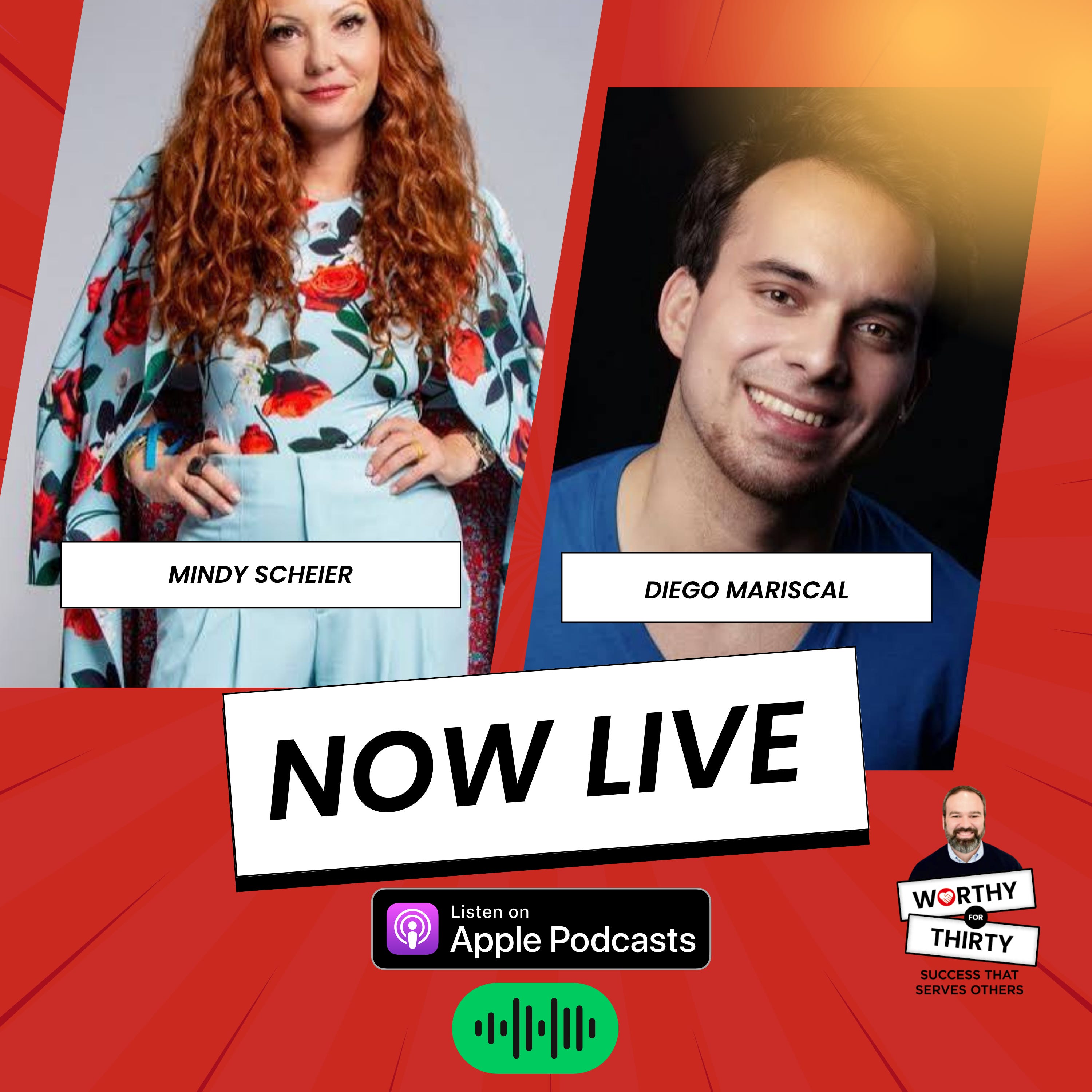
How Mission-Driven Founders Can Build More Inclusive Companies: Diego Mariscal and Mindy Scheier
Jul 100:36:39Tap to summarizeWhat Happens When Access Becomes a Strategy?Some conversations make you think differently about a topic you thought you already understood. This episode did that for me.I sat down with Diego Mariscal, founder of 2Gether-International and returning guest, now co-host, Mindy Scheier, founder of Runway of Dreams and Gamut Management, for a conversation that started with disability inclusion but quickly morphed into something much bigger: how mission-driven founders build, lead, and scale when they stop treating access as an add-on.That idea feels especially relevant right now. In May 2026, the labor force participation rate for people with disabilities ages 16 and older was 23.9%, compared with 67.6% for people without disabilities, and the unemployment rate was 9.1% versus 3.8%. Those numbers are not just statistics. They’re a reminder that too much talent is still being left out of the room.And that’s exactly why this conversation matters.Diego shares the personal story behind 2Gether-International and how being born with cerebral palsy shaped his perspective on resilience, adaptability, and entrepreneurship. What stands out is not just the journey itself, but the reframing: the idea that disability can create a kind of leadership muscle that businesses desperately need. Tenacity. Problem-solving. Creative adjustment. The ability to keep moving when the system wasn’t designed with you in mind.“We set out to create an accelerator that specifically looked at supporting entrepreneurs and allowing us to be successful, not in spite of our disabilities, but in many ways because of our disabilities.” - Diego MariscalMindy brings that same clarity from a different angle. Her story begins with her son Oliver - who has muscular dystrophy - inspired her to push the fashion industry toward something more inclusive and more functional. That effort ultimately helped lead to the first mainstream adaptive clothing line at Tommy Hilfiger and later to her starting Gamut Management, where the work is about helping brands build with people with disabilities, not simply market to them.What I loved most about this conversation was how practical it became. Diego talked about building accommodation into the budget from the start. Mindy talked about inviting disabled people into product development before something goes to market. Both of them kept coming back to the same core idea: inclusion works best when it is built into the DNA of a company, not added on later as a fix.That message should resonate with every founder and operator, whether you’re building a startup, managing a team, or trying to make your product more useful to more people. The lesson is simple, but not easy: if you design for the margins, you often end up building something better for the mainstream too.That manifests everywhere in this episode: in the stories, in the examples, in the way Diego and Mindy challenge the assumptions baked into how businesses think about access. It’s a conversation about entrepreneurship, yes. But it’s also about dignity, systems, and what it really means to build something that lasts.“When accessibility moves from accommodation to innovation, it doesn’t just change lives, it changes businesses, industries, and what’s possible for everyone.” - Diego MariscalIf you care about leadership, innovation, accessibility, or mission-driven business, this one is worth your time.A few things you’ll hear us talk about:* Why disability inclusion is a business advantage, not a charitable endeavor.* How founders can embed access into their operating model from day one.* What adaptive design teaches us about building for more people.* Why the future of entrepreneurship should include more disabled founders, more disabled consumers, and more disabled voices shaping the table.This episode is for the builders who want to do more than just grow. It’s for the people who want to build in a way that actually reflects the world they live in.And maybe that’s the bigger takeaway here: the future doesn’t need more companies that simply fit the old model better. It needs companies willing enough (hello, Ryan Berman) to redesign the model itself. This is a public episode. If you would like to discuss this with other subscribers or get access to bonus episodes, visit www.worthyforthirty.com
Transcribe →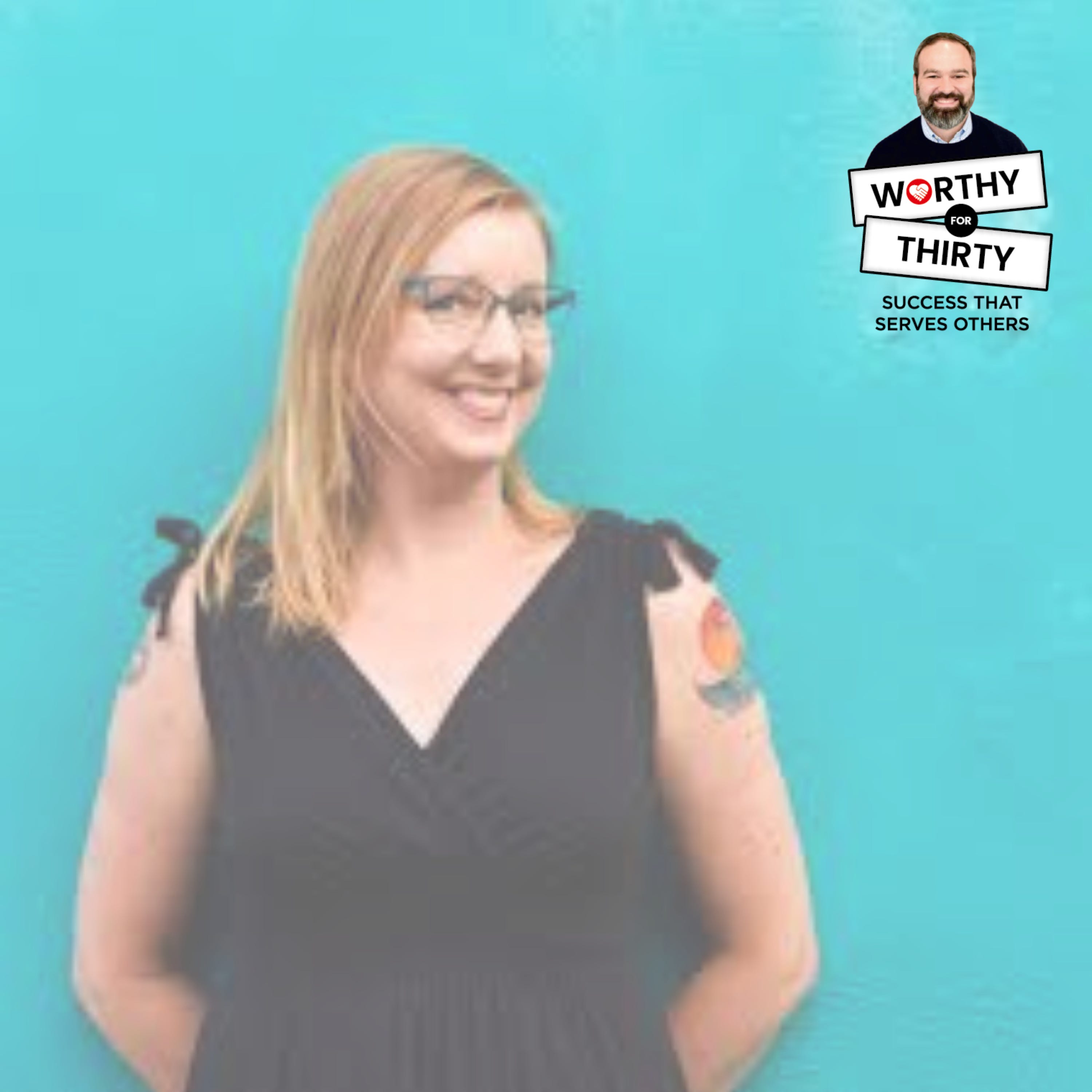
Business Coach Jen Aly on Burnout, Business Reinvention, and Building a Life That Fits
Jun 2400:34:58Tap to summarize“Most entrepreneurs don’t burn out because they’re lazy. They burn out because they keep building businesses that demand more of them than they were ever designed to give.” — Jen AlyIn this conversation on the Worthy for Thirty podcast, thanks to Boardy.Ai, I got to sit down with coach, TEDx speaker, and entrepreneur Jen Aly to unpack what happens when success stops feeling sustainable and what it looks like to build a business that supports your life instead of consuming it.Jen’s story is one of reinvention, resilience, and honest self-awareness. She opens up about moving through burnout, bankruptcy, rebuilding her career, and eventually creating a business model rooted in freedom and flow. For entrepreneurs who feel exhausted, overcommitted, or unsure how to keep going without sacrificing themselves, this episode offers both perspective and a practical path forward. It helps that Jen has ‘walked in the shoes’ of some of her founder clients and can see what they’re experiencing by stepping into their shoes. One of the most valuable themes in the episode is Jen’s refusal to romanticize hustle culture. As she says, people may assume that a coach is someone who is chasing “a quazillion dollars,” but her work is actually centered on the opposite: creating time freedom, defining prosperity personally, and helping clients build businesses that feel aligned with who they are now. That perspective makes this conversation especially relevant for founders who are successful on paper but drained in reality.Jen also shares how her nomadic lifestyle has changed the way she thinks about business and energy. Living in new places has forced her to create stronger structure, accountability, and community, even while prioritizing flexibility and freedom. That tension between possibility and the need for sustainable rhythm is something many entrepreneurs will recognize immediately.The episode dives into how Jen works with clients. She explains that many of the people she supports are experienced entrepreneurs in their forties and fifties who want to redesign their businesses around their current lives, not their old identities (Hello, James Clear & Atomic Habits!). Whether it’s an acupuncturist who wants more leverage and less time in the office, or an astrologer who wants to shift from one-off sessions to a more sustainable, long-term offering, Jen helps clients rethink both their business model and their relationship to their capacity.This is where her Freedom and Flow framework comes in. Jen walks through her five-step process: clarifying vision, reverse engineering an aligned life and business, leveraging genius and simplifying for flow, creating systems and rhythms for sustainable momentum, and expanding confidence through accountability and support. It’s a thoughtful, practical structure rooted in reality that works for entrepreneurs who want more than motivation; they want a real reset.The conversation also touches on burnout symptoms that are easy to miss. Jen points to dread, resentment, loss of impact, and physical depletion as signs that something is off. She describes burnout not just as being tired, but as a disconnect between the work someone is doing and the life they actually want to live — we all yearn for a life of fulfillment. That distinction is powerful for creators and founders who may be ignoring the early signs because the business is still growing.We also dove into the role of identity in transformation. Drawing from James Clear’s book Atomic Habits, the conversation underscores that lasting change often starts when someone stops identifying as “burnt out” and starts seeing themselves as a thriving, creative business owner with autonomy and direction. That shift in identity is often what makes the difference between temporary change and long-term reinvention.Another memorable part of the episode is when we discussed AI and its impact on founders and their businesses! Jen shares how she, personally, uses tools like Claude as a thinking partner, especially for writing and ideation, while still emphasizing the irreplaceable value of human connection, experience, and coaching. Ai doesn’t exude empathy or compassion or basic human understanding. For entrepreneurs navigating the fast-changing landscape of work, this section adds a timely layer to the conversation.By the end of this episode, one thing is apparent: this is not just a talk about burnout. It’s a conversation about designing a business and a life - in alignment - that can actually be sustained. For the burnt-out entrepreneur who wants more freedom, more clarity, and more alignment, Jen offers a clear reminder that success does not have to come at the detriment of your wellbeing. This is a public episode. If you would like to discuss this with other subscribers or get access to bonus episodes, visit www.worthyforthirty.com
Transcribe →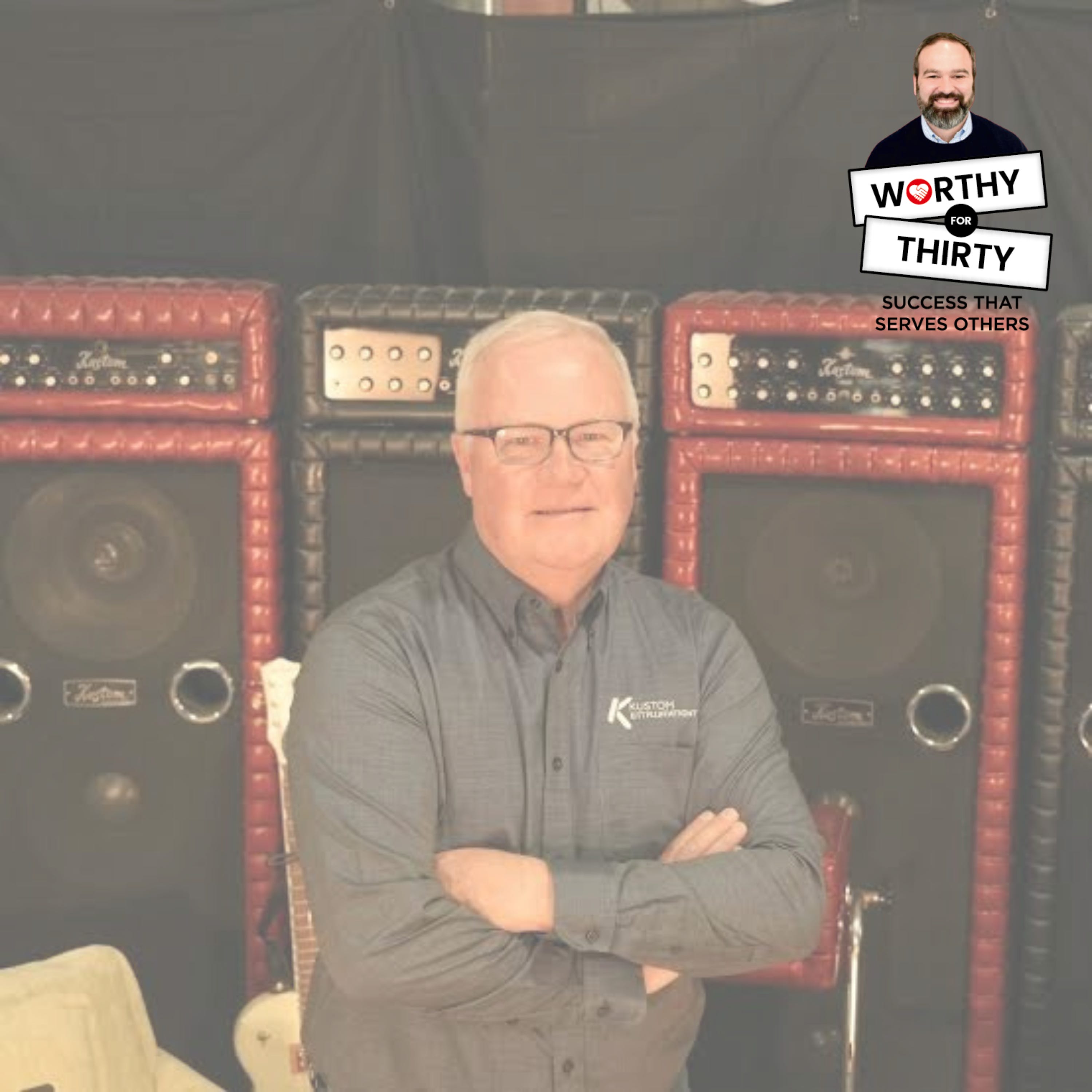
Stanton 'Stan' Ross on Trust, Transparency, and Building Better Live Experiences
Jun 1700:44:07Tap to summarizeStanton ‘Stan’ Ross, CEO of Kustom Entertainment, joined me on the podcast to share how a lifetime around music, events, and customer experience shaped the way he leads today. A quick FYI: Kustom Entertainment is a live event production and ticketing company focused on delivering memorable fan experiences through concerts, festivals, and transparent ticketing. It also owns and operates Country Stampede and strives to make the full event experience clear, fair, and high-value for fans and artists alike.What stands out most is his belief that trust is built through clarity, consistency, and an eagerness to listen, whether that means being frank about ticket fees or making sure fans get above-and-beyond value from any festival or concert they pay to attend. For leaders in any industry, Stan’s perspective is a practical reminder that transparency is not just a brand value; it is a business strategy. His approach to ticketing, event production, and audience feedback shows how companies can strengthen loyalty by making the customer experience simpler, fairer, and more respectful.Legacy Meets LeadershipStan’s story begins with legacy. We talked about his father, Bud Ross, whose innovations in guitar amplifiers and pedals helped shape music history and taught Stan the importance of quality, reliability, and humility. That foundation still influences how Stan thinks about business today: build something people can trust, and then keep improving it.He also shared how being raised around music and creative people gave him an early appreciation for passion and craftsmanship. His dad built amps and pedals for Johnny Cash, the Grateful Dead, John Fogerty, and more! That background helps explain why he sees business not just as operations and revenue, but as a way to create meaningful experiences for artists, fans, and partners.Why Transparency WinsOne of the clearest themes in the conversation was Stan’s frustration with hidden ticket fees and his decision to build Kustom Entertainment’s own ticketing systems that show the full price upfront. He explained that consumers are already comparing multiple platforms, so the company that is most honest and simplest to use often wins their trust. That is a valuable lesson for any leader: if customers feel surprised at checkout, the relationship is already damaged. When it comes to both a frictionless fan and artist experience, vertically integrating the value chain wins.Put another way, transparency reduces friction. When people know the full cost and understand what they are getting, they are less likely to feel manipulated and more likely to return. In a marketplace where trust is fragile, that kind of clarity becomes a competitive advantage.Listening to Fans and Fixing ProblemsStan offered a concrete example of how listening to feedback can improve a business quickly. After acquiring Country Stampede, one of the biggest complaints was food variety, so the team responded by bringing in a wide mix of food trucks to broaden the festival experience. That is a simple but powerful model for any founder or operator: identify the real complaint, pinpoint what you can control, and make a visible change.“We want not only the artists to really enjoy playing there so that they want to come back, but we’d like the fans to feel like they got more than what they paid for.” - Stan RossHe also described how the team follows up with attendees after events to ask for suggestions, ratings, and artist requests for future lineups. That kind of feedback loop turns audience feedback into a management tool instead of a marketing afterthought. The message is straightforward: if your customers are telling you what is broken, treat that input like operational intelligence.Lessons for all LeadersThere were several actionable ideas in Stan’s comments that leaders can apply beyond entertainment. He explained that his team tries to make events feel worth more than the price of admission, which translates well to any business focused on retention and loyalty. He also stressed the importance of being present, solving problems in real time, and staying close to the work instead of hiding behind titles.As I like to say, Coach John Wooden, who coached UCLA basketball in the 60s and 70s and won multiple championships, was known to ‘sweep the floors’ after practice. No job was beneath him. Stan uses a similar mindset, which all leaders should heed: humility and being human win at the end of the day. The ability to acknowledge and address faults while understanding where the consumer is coming from is an advantage vs. the competition. This is a public episode. If you would like to discuss this with other subscribers or get access to bonus episodes, visit www.worthyforthirty.com
Transcribe →
How Sam Stewart and Mad Hippie Built a Beauty Brand With Purpose, Patience, and Persistence
Jun 1000:40:20Tap to summarizeWhat do sun damage, surf sessions, and a stubborn founder’s instinct have to do with building a beloved skincare brand? A lot, actually. In this episode, I had a chance to speak with Sam Stewart, co-founder of Mad Hippie (Dana, his wife, is his co-founder), to unpack how a personal problem while living in Nicaragua turned into a purpose-driven beauty brand with staying power.Sam’s story is a great reminder that meaningful businesses are rarely built in a straight line. My mind immediately went to the childhood parable ‘tortoise vs. the hare.’ Mad Hippie began with late nights, a chemist friend, dozens of product iterations, a scrappy SEO strategy, and a willingness to listen when the market said, “not yet.”Use promo code WorthyforThirty at checkout for 15% off your orderFrom Surfboards to SkincareSam and his wife were living in Nicaragua, surfing often, and noticing the toll all that sun was taking on their skin. Instead of shrugging it off, they got curious. They started exploring ingredients that could help protect skin from oxidative stress, testing ideas, and eventually building the first versions of what would become Mad Hippie.What’s interesting is how real the origin story feels. This wasn’t a big-VC-backed launch or a polished brand concept dreamed up in a boardroom. It was a real problem, a real lifestyle, and a real attempt to build something they could believe in. ‘Purpose-driven businesses don't start with a pitch deck. They start with a problem you've lived with long enough that solving it becomes personal.’ - Serial Entreprenuer, Michael LazerowThe Long GameOne of the clearest themes in the conversation is that building a durable company takes patience, humility, and repetition. Sam discussed the 50+ iterations of early products, learning that surfers weren’t the best core audience, and then pivoting toward a larger natural skincare market.That willingness to adapt mattered. So did the discipline to keep going when a Whole Foods buyer told him no one in Boston would buy a product called ‘Mad Hippie.’ Instead of taking that as a final no, Sam treated it as feedback, kept refining, and eventually entered the Whole Foods region by region before scaling nationally. Persistence is key, especially when you’re driving value.Building With IntentA big part of Mad Hippie’s appeal is that the brand’s values weren’t added later as marketing polish or a facade. They were built into the brand’s DNA from the beginning (sounds similar to Mission Craft Cocktails, for instance). Sam explains how the company has donated a dollar from every web sale to conservation, used recyclable and sustainably sourced packaging, and built recycling programs that make it easier for customers to do the right thing.That intentionality also shows up inside the business. Mad Hippie invests in employee benefits, values respectful communication, and hires with cultural fit in mind. Sam is clear that building a good company means treating people well: customers, team members, and the planet included.“We try to pay well, you know, every employee gets a 401k with a 4% match. We have a gold level insurance plan that every employee is working 30 plus hours, which is really everyone can join. We pay 85% of that ourselves.” - Sam Stewart, Co-Founder, Mad HippieLessons For Founders* Start with a real problem, not a trend. Mad Hippie came from Sam and his wife noticing sun damage in their own lives, then building around that need. Get curious! * Expect your first idea to be wrong. The brand began by targeting surfers, then pivoted when that audience didn’t respond the way they hoped.* Iterate until the market gives you a signal. Sam described making about 50 versions before landing on products and packaging that resonated.* Let scrappiness be an advantage. Early SEO helped Mad Hippie attract tens of thousands of site visitors a month without a huge budget.* Don’t confuse a ‘no’ with a final answer; treat it as a ‘not yet.’ A Whole Foods buyer initially dismissed the name, but Sam and the brand kept improving and eventually scaled through the chain.* Build a company you can be proud of. From packaging to donations to hiring, Sam kept returning to the question: Does this feel good, useful, and aligned?* Hire people who are not the same as you. Sam emphasized the value of putting together a team with diverse strengths, not just people who think like the founder.* Keep learning longer than feels necessary. Sam credited books, podcasts, and relationships with other entrepreneurs for helping him grow over time.Why It Resonates NowThis conversation lands because it speaks to a moment so many founders are in right now: overloaded channels, shifting consumer behavior, AI search, TikTok Shop, influencer fatigue, and the pressure to grow fast. Sam’s and what I imagine the company’s perspective are refreshingly grounded. He and his team are not chasing shiny-object tactics; they’re focused on authority, consistency, long-term partnerships, and staying useful to the customer.That makes this episode especially valuable for entrepreneurs who are trying to build something meaningful without burning out or losing the plot. It’s a reminder that the best brands usually aren’t the loudest ones; they’re the ones that remain consistent and stay true to their values even as they scale!‘Til next time. This is a public episode. If you would like to discuss this with other subscribers or get access to bonus episodes, visit www.worthyforthirty.com
Transcribe →
Elisa Camahort Page on Doing Good Without Losing the Plot
Jun 300:41:35Tap to summarizeBefore this conversation, Elisa Camahort Page had already helped shape an important chapter in digital media by co-founding BlogHer, one of the earliest and most influential platforms built to center women’s voices online. In this Worthy for Thirty podcast episode, that foundation becomes the basis for a larger conversation about what it really takes to build something meaningful: not just a company, but a community; not just momentum, but trust; not just growth, but staying aligned with your values as the stakes rise. Elisa speaks with the clarity of someone who has lived through the messy middle of entrepreneurship and come out with a sharper sense of what matters most.“Our mission was to create opportunities for community, education, exposure, and economic empowerment for women who blogged.” - Elisa Camahort PageWhat makes this conversation especially valuable is that it doesn’t stay in the abstract. Elisa is clear about the choices founders face when mission and monetization collide, and she offers a first-hand point of view molded by years of building, scaling, and evolving in public. For aspiring entrepreneurs, that means a rare chance to hear how ideas become reality when they are combined with discipline, patience, and a desire to start before everything is perfect. For the seasoned entrepreneur, it’s a reminder that experience does not completely remove uncertainty; rather, it simply teaches you how to make better decisions inside it.A major throughline of Elisa’s experience is the importance of optional thinking: not getting trapped by one path, one identity, or one definition of success. Elisa’s reflections on community-building, capital, authenticity, and AI point toward a more flexible model of leadership, one that values adaptation without losing purpose. She makes a compelling case that entrepreneurship is not only about scale but also about judgment: who you work with, what you protect, and how you decide what “enough” looks like.Key takeaways* Build for the people you serve, not for abstract scale or something ephemeralImplication: The strongest businesses grow from a clear understanding of what your audience actually needs, not just wants.How to implement: Spend time listening before growing or expanding; talk to customers regularly, identify recurring pain points, and let their real-world problems shape your roadmap.* Treat mission as an operating system, not a slogan.Implication: Values should be a guide for daily decisions, not just marketing language or a tacticHow to implement: Use your mission to evaluate partnerships, hires, pricing, and product choices, and ask whether each move strengthens or dilutes your core purpose.* Don’t confuse funding with success.Implication: Capital is a tool, not a trophy.How to implement: Define milestone-based funding needs, explore alternatives to venture money, and raise only when the capital clearly advances a specific next step.* Protect authenticity by setting boundaries.Implication: Being real does not mean sharing everything.How to implement: Decide in advance what you will and won’t disclose, create clear personal and brand boundaries, and stay consistent in how you show up across channels.* Stay flexible about what success looks like.Implication: Entrepreneurship is a moving target, and your strategy should evolve with it.How to implement: Revisit your goals quarterly, assess whether your current model still fits your life and business, and be willing to change course when the facts change.* Use AI as leverage, not replacement.Implication: New tools can expand your capacity without replacing your judgment.How to implement: Use AI to brainstorm, prototype, research, and draft faster, then apply human judgment to decide what is useful, ethical, and worth pursuing.For newer founders, the takeaway is to build with intention and stay close to the people you serve. For experienced founders, the reminder is to keep questioning whether your current model still matches your values, your market, and your life. Elisa’s story ultimately suggests that the most durable businesses are built by people who know how to hold both ambition and integrity at the same time. This is a public episode. If you would like to discuss this with other subscribers or get access to bonus episodes, visit www.worthyforthirty.com
Transcribe →
What Bobby Gibson, Co-Founder, LuxGive, wants nonprofit leaders to know
May 2700:47:18Tap to summarizeHow do nonprofits raise more without adding more strain to already stretched teams? What a great way to extend last night’s celebration of an incredible nonprofit with a slew of Broadway stars; a new epsiode with a founder who’s doing exceptional work in the space!On this episode of the Worthy for Thirty podcast, I sat down with Bobby Gibson, Co-founder of LuxGive, to unpack a model that is helping nonprofits turn luxury travel into a smarter fundraising engine. Bobby breaks down how LuxGive works as a no-risk, high-touch partner: nonprofits set a reserve price, keep everything above it, and only pay LuxGive through that reserve price if the experience sells. A win-win for everyone!“We think of ourselves as far more than just [some] sort of a fundraising platform or a travel business. Increasingly thinking of ourselves as an infrastructure layer.” - Bobby GibsonWhat makes this conversation especially relevant for nonprofit leaders is that Bobby is not offering a generic fundraising pitch; rather, he is describing an infrastructure layer designed to make auctions streamlined and intuitive, more professional (hello, concierge service), and more effective. Bobby details how LuxGive helps nonprofits with curation, marketing collateral, a nonprofit portal, concierge-level service, and a consultative process that matches the right experience to the right audience. He also described one of the biggest epiphanies for partners: a single LuxGive destination experience can be sold multiple times, allowing nonprofits to monetize a broader slice of their audience than they could with a one-off donated item. Think in experiences, not specific weeks. The data is supportive.The broader nonprofit landscape makes this approach timely. A 2025 NonProfit PRO report found that 77% of nonprofit professionals reported consistent or increased auction revenue, and 90% expected that trend to continue, signaling that auctions remain a durable fundraising channel worth optimizing. At the same time, donor-engagement research continues to show that trust, clear impact, and compelling experiences matter; Yale researchers found that framing a nonprofit as a source of solutions (like a consumer experience, making it frictionless) significantly increased intent to donate, and that trust-building, data-driven communication, and emotional connection all strengthen engagement. LuxGive sits right at that overlap, helping nonprofits showcase an experience that feels premium to donors while generating meaningful revenue for mission-driven work. Psst, past non-profit guests, you’ll be hearing from me. For nonprofit leaders, the takeaway is straightforward: this episode is worth your time if you want to rethink auctions as more than an annual event and see them as a strategic tool for revenue, donor excitement, and relationship-building. Or better yet, you’ve been reluctant to try auctions because you may think it doesn’t fit in your model. Bobby and team would like to tell you differently. Bobby and his co-founders’ perspective is especially invaluable because they’re steeped in hospitality; having started and sold Travel Keys to Accor, which then turned into onefinestay before they turned their sights on the nonprofit world.Any nonprofit leader I’ve spoken to has said raising money is #1 on their priority list. If your team is looking for new ways to raise more while creating better donor experiences and reducing operational friction, this conversation will give you a fresh lens on what’s possible. This is a public episode. If you would like to discuss this with other subscribers or get access to bonus episodes, visit www.worthyforthirty.com
Transcribe →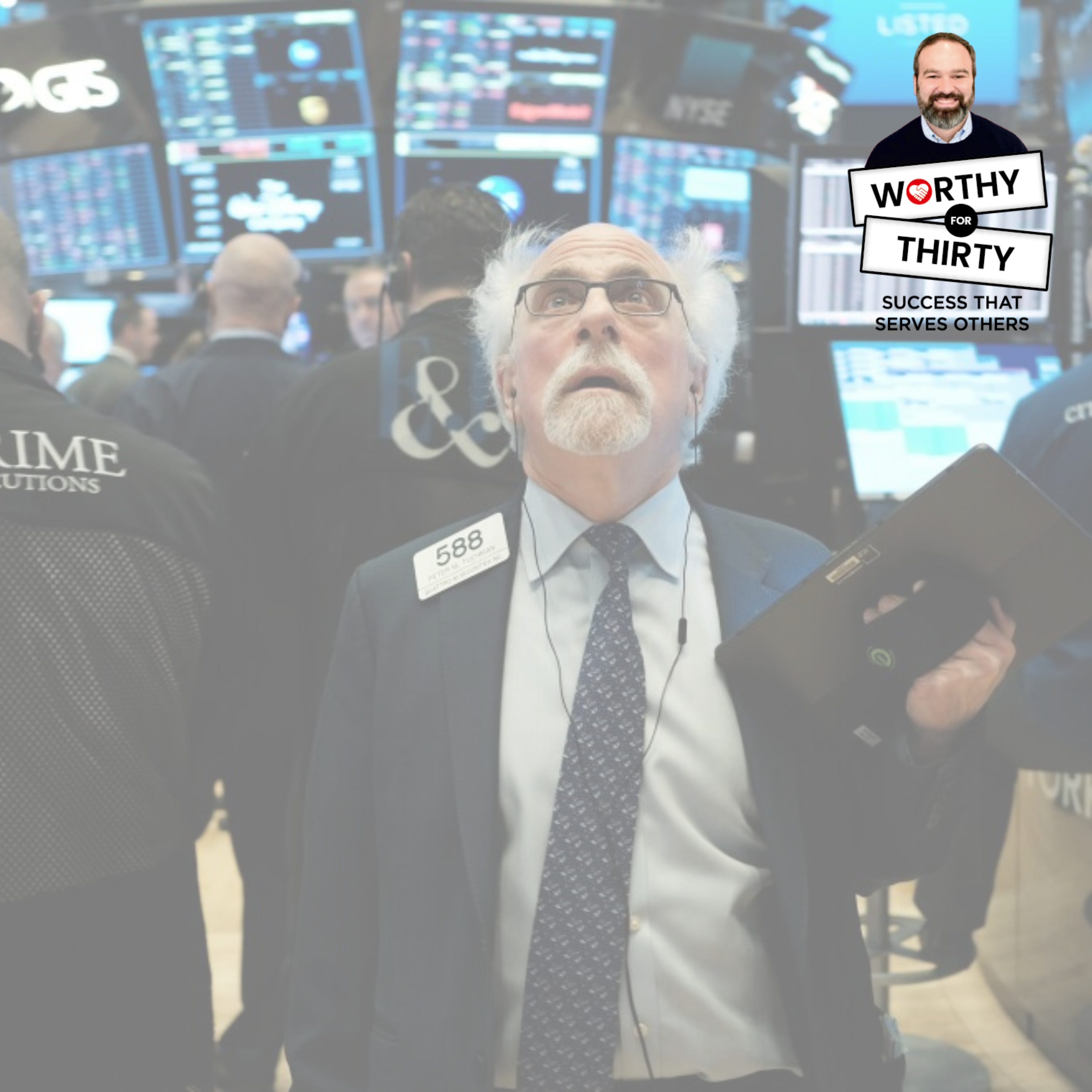
Peter Tuchman on Trading, Volatility, and the Long Game
May 2000:44:23Tap to summarizePeter Tuchman — aka the Einstein of Wall Street — has spent more than four decades inside the noise, adrenaline, and emotional whiplash of Wall Street, and this episode captures why that matters now more than ever. In a market shaped by algorithms, viral headlines, AI, prediction markets, and nonstop volatility, Peter offers something increasingly rare: a human take on what actually moves prices, confidence, and behavior.Fun fact: Peter is the longest-tenured active trader and one of the most photographed traders on the floor of the New York Stock Exchange.Also to the creators reading this: take the risk. Reach out. Send the cold email. I met Peter at a SXSW panelThis conversation is not just about trading. It is about how people make decisions under pressure, how fortunes are built and lost, why markets punish emotion, and why discipline still wins when the world is moving faster than common sense. Peter’s story runs from his New York City roots and family resilience to the NYSE floor, where he learned that opportunity rewards those who keep showing up.If you are a founder, investor, creator, or simply someone trying to make better decisions in a noisy world, this episode is worth your time because Peter connects market mechanics with life mechanics. He makes the case that investing is not a get-rich-quick fantasy; it is a long-game discipline, a probability game, and a way to build a legacy instead of buying more stuff.Peter is not looking backward. Through Wall Street Global Trading Academy, he and his partner, David Green, are training retail traders, both new and seasoned, with structure, mentorship, and risk awareness instead of hype. That matters because the barrier to entry into equities trading is lower than ever, but the barrier to staying in the game is still high.What makes this episode especially resonant is Peter’s larger perspective: he sees the market as a living organism shaped by war, oil, AI, social media, institutional behavior, retail enthusiasm, and the psychology of fear and greed. He also sees the upside in all of it, especially for younger people willing to learn, adapt, and treat the market like a vocation rather than a casino.I encourage you to listen to this episode, which will leave you thinking differently about money, attention, risk, resilience, and what it takes to create value in a world that rewards both speed and substance. It is a conversation with practical takeaways, but it is also a reminder that behind every chart is a human story, and behind every winning strategy is a mindset.“Wall Street is not a get-rich-quick scheme.”What this means nowThe implications extend beyond trading. Peter’s perspective suggests that the winners are the people who can identify signal in noise, control downside, and avoid turning a temporary edge into a permanent loss. In today’s business landscape, that translates to clearer decision-making, faster adaptation, and stronger risk discipline when markets, customers, or platforms suddenly shift.He also makes a strong case that accessibility changes the game, but not everyone who enters survives it. That reflects what we see in business: lower barriers to entry create more competition, but the people who last are the ones who learn the rules, manage cash flow, and keep their heads when everyone else is chasing the next shiny thing.Steps to consider* Treat every major decision like a trade: define the upside, downside, and exit before you start.* Build a habit of taking profits or locking in wins earlier instead of waiting for perfection.* Stop confusing motion with progress; not every market move, business trend, or opportunity deserves your capital or attention.* Invest in what you understand and observe in daily life, whether that is consumer behavior, software adoption, or brands people already use.* Separate excitement from conviction. If your thesis cannot survive volatility, it is probably just a mood.* Keep building skills that compound over time: judgment, patience, pattern recognition, and emotional control.* Use setbacks as data, not identity. Peter’s message is that resilience is not optional; it is the price of entry. This is a public episode. If you would like to discuss this with other subscribers or get access to bonus episodes, visit www.worthyforthirty.com
Transcribe →