Podcast
Worthy for Thirty: Where stories of leaders doing good while doing well are told!
Hosted by Eric Tash · EN
Worthy for Thirty is a conversation series with founders, leaders, and creators who pair business success with purpose. Each week, host Eric Tash explores the choices, values, and hard-won lessons behind building something that actually lasts.
www.worthyforthirty.com
www.worthyforthirty.com
29episodes
Episodes
Newest firstAll episodes
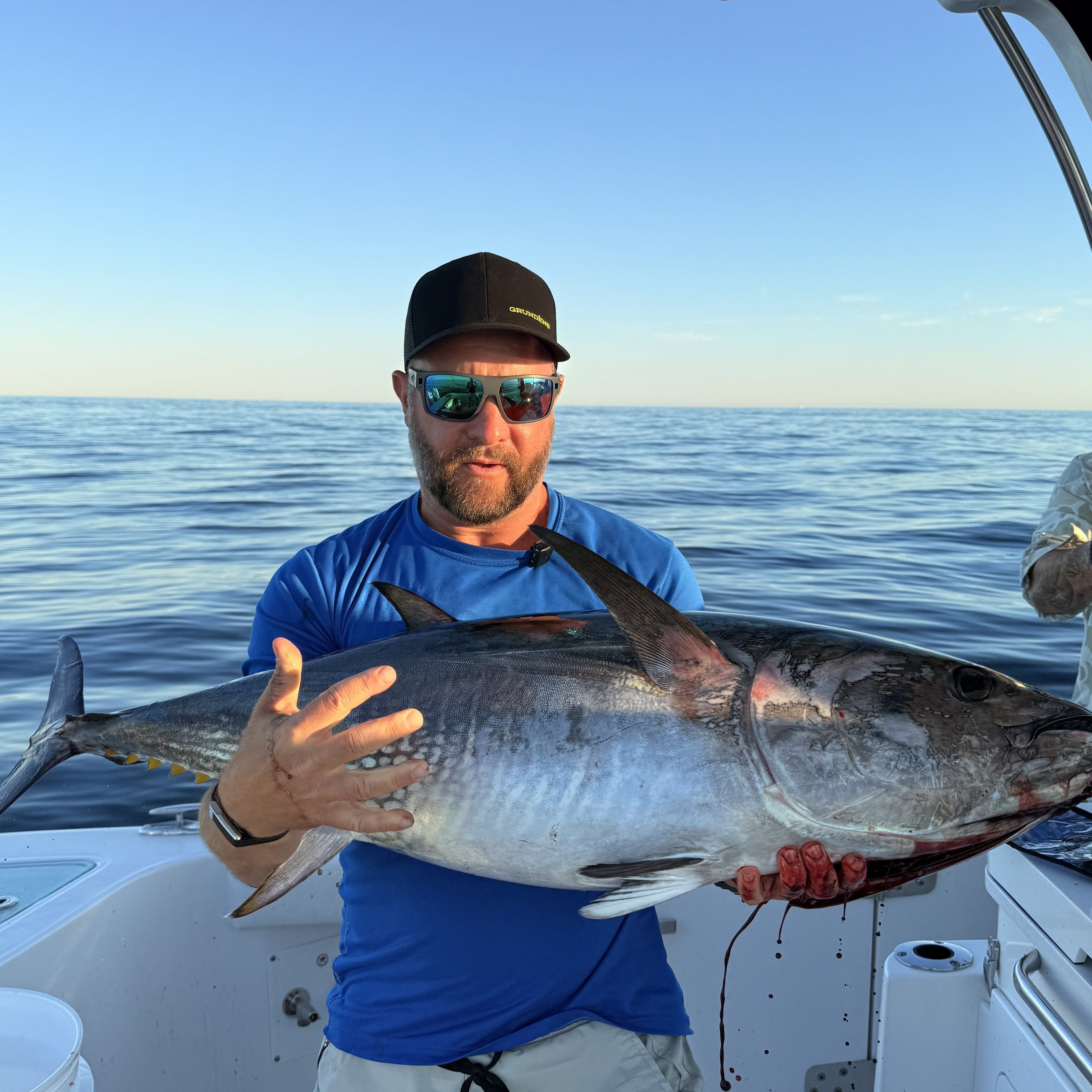
All Hands on Deck: Building Community, Creativity, and Courage in 2026
Jan 800:39:42Tap to summarizeCheers and welcome to 2026!As we head into a new year, there’s a familiar pressure to optimize everything: bigger goals, grandiose ambition, lofty promises, and perhaps faster execution. This conversation with my dear friend, Jeff Ragovin, is a clear reminder that the work that lasts for posterity doesn’t start with perfection. It begins with people.Jeff—founder, builder, storyteller, and the creative force behind his new show, Bounty Uncharted—joined me for a wide-ranging conversation about building in public, letting go of ego, and creating experiences that live far beyond the moment. It’s vulnerability and self-awareness on steroids from one of the best in the business. From launching a show on the open ocean to cultivating community around a dinner table, Jeff’s work sits at the intersection of ambition and humanity. Or as we say on the show, doing good while doing well. Bounty Uncharted is a cinematic storytelling series where fishing, food, and human connection collide. It celebrates the people, our cherished waterways, and the shared moments that bring community to life.This episode feels like the right way to kick off 2026: humble yet hungry, curious, and deeply intentional.5 Takeaways to Carry Forward1. Start Before You’re ReadyWhat we talked about:Jeff didn’t wait to become an expert filmmaker before launching Bounty Uncharted. He learned on the fly by doing, whether on the water, in the edit room, or in real-time with his guests.Why it matters:Many founders stall because they’re chasing readiness. In reality, readiness is earned through motion.‘If you're not embarrassed by the first version of your product, you've launched too late.’ — Reid HoffmanReal-world parallel:Airbnb’s first listings were far from polished. The founders learned what mattered by shipping early and iterating fast, way before they became the ubiquitous brand we know.How to implement:* Identify the minimum viable product (MVP) of the idea you’ve been sitting on* Commit to one imperfect launch in Q1* Treat feedback as fuel, not failure2. Build Around People, Not Just OutcomesWhat we talked about:Whether it’s Jeff’s closed-door dinner series (10-15 people max), The Digital Fork, or a day at sea, Jeff designs experiences where the human connection is the value, not an afterthought.Why it matters:Community compounds. Transactions don’t.Real-world parallel:Patagonia didn’t build loyalty by chasing growth alone; they built it by standing for something (protecting the environment) and inviting customers into a shared mission.How to implement:* Ask: Where do people naturally gather around my work?* Invest in one intimate, high-touch experience (dinner, roundtable, small event)* Optimize for depth over reach3. Let Go of Ego, Keep the VisionWhat we talked about:Jeff’s original idea for Bounty Uncharted evolved as the right stories showed up. Instead of forcing the concept, he let it breathe.Why it matters:Rigidity kills resonance. Flexibility strengthens it.Real-world parallel:Slack started as an internal tool for a gaming company. The founders paid attention when the tool, not the game, became the thing people loved.How to implement:* Revisit your original vision and ask what’s changed* Listen closely to what’s working unexpectedly* Be willing to pivot without abandoning your core values4. Treat Creative Work Like a Business and a Business Like a CraftWhat we talked about:Producing a show on the ocean requires systems, teams, and contingency planning, but also trust, intuition, and taste.Why it matters:Sustainable creativity needs structure. Scalable businesses need soul.Real-world parallel:Nike’s success lives at the intersection of operational excellence and cultural storytelling; one doesn’t exist without the other.How to implement:* Identify where you’re an A-player vs. where you need outside help* Build repeatable systems for the unsexy parts* Protect space for creativity, even as you scale5. Create Experiences People Will Never ForgetWhat we talked about:First tuna catches. Shared meals. Unexpected moments. These aren’t “content,” they’re core memories.Why it matters:People don’t remember metrics. They remember how you made them feel.“I’ve learned that people will forget what you said, people will forget what you did, but people will never forget how you made them feel.” - Maya AngelouReal-world parallel:Apple Stores became cultural landmarks not because of square footage, but because of how people felt inside them.How to implement:* Look for moments of “firsts” in your work (first customer win, first launch, first event)* Slow those moments down* Document or label them not just for marketing, but for meaning and understanding. How can you use those moments to clue you into the continued evolution of your work?A Thought to Carry Into 2026We’re all building something: companies, communities, creative work, relationships. The question isn’t how big it gets. It’s how deeply it’s felt; depth vs. breadth. Feelings are the connective tissue that binds people together. As Jeff reminded us, time accelerates. The only real leverage we have is intention: who we invite in and spend time with, what we pay attention to, and whether we choose to start, right now, without asking.Here’s to a year of building boldly, leading generously, and creating work that stands the test of time.🎣 Watch & FollowSubscribe to Bounty Uncharted on YouTube and experience storytelling at the intersection of food, ocean, and humanity.📲 Stay ConnectedFollow Worthy for Thirty on Instagram for episode clips, reflections, and conversations that explore purpose-driven work.🎧 Listen & ShareFind Worthy for Thirty on all major podcast platforms, and if this episode resonated, share it with someone who’s building something new this year.🥂Here’s to 2026 🥂 and the work worth doing. This is a public episode. If you would like to discuss this with other subscribers or get access to bonus episodes, visit www.worthyforthirty.com
Transcribe →
Build for the Consumer. Everything Else Is Noise
Dec 2400:44:29Tap to summarizeA pre-Christmas / 2026 read and listen. Some inspiration to keep you thinking as we head into the new year. In this episode of the Worthy for Thirty podcast, I sat down with Blake Niemann, the founder of Levels Protein. From humble beginnings in his Jersey City, NJ apartment in 2016 to becoming a trusted name in the supplement industry, Blake shares his insights on building a brand that prioritizes transparency and the consumer experience. Discover how his commitment to purpose over shortcuts has led to success and learn actionable strategies for your entrepreneurial journey.Quick bio on Levels Protein:* Founded in 2016, Levels Nutrition, LLC (“Levels”) built its name on one thing: whey protein done right. No artificial sweeteners. No fake flavors. No fillers. Just clean, high-quality ingredients you can trust. That same standard carries through everything we make—from our best-selling whey to collagen, casein, and plant-based proteins.* Levels has a multi-channel presence across Amazon, our direct-to-consumer website, and brick-and-mortar retailers including, but not limited to, Walmart, Target, and Costco.com.✍️ down these key takeaways:1. Transparency Builds Trust — and Trust Is the Real MoatBlake’s perspective:From its founding, Levels was built on the notion that consumers are smarter than brands give them credit for. Blake didn’t just remove artificial ingredients, he removed anything that felt or sounded artificial. Ingredient names, packaging cues, and even regulatory choices (like using a Nutrition Facts Panel instead of a Supplement Facts Panel) were all intentional signals of honesty.For Blake, transparency isn’t marketing it’s operational discipline. When you’re clear about what’s in the product, what it does, and what it doesn’t do, you reduce friction everywhere: customer service, reviews, returns, and long-term trust.Relevant brand case: PatagoniaPatagonia didn’t win loyalty by saying they’re sustainable—they won it by showing receipts: supply chain disclosures, environmental tradeoffs, and even encouraging customers not to buy new gear. That radical honesty built trust that competitors can’t copy overnight.How to implement:* Audit your product or service for “hidden friction” or vague claims. If you can’t clearly explain it to a customer, it’s a liability.* Replace marketing language with factual language. Blake avoided flashy performance claims and stuck to what was scientifically and legally defensible.* Transparency compounds: fewer complaints, fewer returns, and stronger word-of-mouth over time.2. Consumer Experience Is the ProductBlake’s perspective:Blake views experience as everything surrounding the product, not just what’s inside the canister. From the way the seal peels off the lid cleanly, to how quickly customer service responds, to even how an email sounds, Levels is “in the weeds” of consumer feedback.The clean-peel induction seal is a perfect example. No one was loudly asking for it, but Blake and his team knew the frustration of paper residue, messy lids, and downstream complaints. Fixing a small annoyance preemptively removed an entire slew of issues before customers had a chance to complain.Brand case: AppleApple’s obsession with experience isn’t about specs, it’s about removing friction you didn’t even know existed. Packaging, setup, in-store help, and ecosystem design all reinforce trust and ease.How to implement:* Put your consumer ‘hat’ on. Walk through your product like a first-time customer. Where do they pause, get annoyed, or feel confused?* Fix “quiet frustrations,” not just loud complaints. Blake didn’t wait for outrage, he prevented it.* Treat customer service as a profit-protector, not cost center. Fast, human responses are remembered and reviewed.“You don’t win by obsessing over competitors—you win by obsessing over the customer. Everything we do starts with asking how the consumer will feel.” - Blake Niemann3. Entrepreneurship Is a Long-Term CommitmentBlake’s perspective:Blake is upfront: building a real business takes a long time. The myth of overnight success is not just wrong, it’s harmful. Levels grew brick by brick, fueled by frugality, patience, and founder accountability; no outside capital. Because it was Blake’s money on the line, every decision was intentional.He embraces suffering as part of the deal, not as a badge of honor, but as the cost of building something durable. Brand case: AmazonAmazon took years to become profitable, prioritizing infrastructure, customer trust, and long-term scale over short-term optics. That patience is now its biggest advantage.How to implement:* Plan your business as a 10-year project, not a 10-month sprint.* Build for survivability before optimization. Blake focused first on supply chain, operations, and unit economics, not hype.* Ignore curated social media timelines showing the perceived glitz and glamour of entrepreneurship. Keep your head down. If it feels slow, you’re probably doing it right.4. Innovation Must Serve Real Consumer NeedsBlake’s perspective:Blake resisted chasing trends, whether it was exotic flavors, flashy ingredients, or the latest supplement fad. Instead, he focused on what consumers actually wanted: clean whey, great taste, and a fair price.Innovation at Levels isn’t about novelty it’s about relevance. If consumers didn’t care about bag-in-a-box packaging or fruit-and-vegetable flavors, Blake cut them, no matter how “differentiated” they seemed on paper.Brand case: TeslaTesla didn’t win by adding gimmicks it won by solving real pain points: performance, charging infrastructure, and user experience, all aligned with consumer demand.How to implement:* Kill ideas that excite you but aren’t want the consumer actually wants. Again, put yourself in your consumers’ shoes. * Use minimum-viable-product (MVP) thinking: launch small, learn fast, and adjust based on real behavior not internal opinions. As an old boss once said ‘spend a little, earn a little, learn a lot!’* Innovation should simplify life for the customer, not complicate it. Innovation should never add friction to the CX.5. Iterate Relentlessly, but Only on Meaningful SignalsBlake’s perspective:Blake doesn’t chase every piece of feedback, but he pays close attention to patterns. One-off opinions don’t drive change; consistent signals do. That mindset allowed Levels to refine pricing, packaging, flavors, and even communication tone without losing focus.Iteration, for Blake, is humility and self-awareness in action: saying when something doesn’t work and fixing it quickly. Brand case: NetflixNetflix continuously adapts: content, UI, recommendations based on viewer behavior, not executive taste. Data-driven iteration keeps them relevant.How to implement:* Separate noise from signal. Look for repeat feedback across channels.* Build fast feedback loops (reviews, customer service tickets, trial formats).* Treat iteration as ongoing, not episodic. Blake still refines Levels years after launch.The Big Idea for the AudienceBlake’s playbook isn’t flashy, but it’s long-lasting:* Be frank.* Obsess over the consumer, not competitors.* Commit for the long haul.* Innovate only where it matters.* Improve constantly, leave your ego at the door.That’s how you build a brand people trust and keep coming back to. Transparency.Join the Worthy for Thirty community as we dive into these themes and more, offering valuable lessons for entrepreneurs looking to make their mark in any industry. Tune in to hear Blake’s story and gain inspiration for your own business endeavors. If you enjoyed this write up, hit the ‘share’ button below. This is a public episode. If you would like to discuss this with other subscribers or get access to bonus episodes, visit www.worthyforthirty.com
Transcribe →
The Startup Blueprint You Didn’t Know You Needed: Customer Obsessed, Community Powered, Purpose Led
Dec 1000:41:35Tap to summarizeIn this episode of Worthy for Thirty, I sat down with Frankie Scanlon, founder of Gustus Vitae, a small-batch, mission-driven gourmet seasoning brand that started at a local farmers market and has grown into a community-loved staple. Frankie’s story is a reminder that you don’t need a fancy launch, deep funding, or a flashy brand strategy to build something real. You need relentless curiosity, customer proximity, and a set of core values that guide your decisions.Need gift ideas? I highly recommend buying Gustus Vitae seasonings for Christmas or Hanukkah. They have the perfect gift sets!This conversation is filled with lessons for founders at every stage, especially those navigating the complex transition between the energy of a scrappy startup and sustainable growth.💡 Big Lessons & Key Takeaways 1. Get Uncomfortably Close to Your CustomersWhen Frankie talked about how Gustus Vitae was created by being face-to-face with customers at farmers’ markets, it echoed a truth every founder learns. You can’t innovate from inside an office.This isn’t new, but most founders still avoid the inconvenient truth. Look at:* Airbnb, whose breakthrough came from founders literally staying in hosts’ homes.* Figma, which built early versions by watching designers struggle in real time.Practical takeaway:Spend 30 minutes this week listening without defending. Ask your customers:“If you could change one thing about our product or service, what would it be?”And don’t correct them. Just record.2. Innovation Happens When Teams Feel OwnershipFrankie empowers his team to experiment; new blends, new packaging ideas, new messaging. That “open kitchen” approach is why their products feel fresh and alive.Compare this to:* Netflix, which famously encourages radical candor and decentralized decision-making.* Duolingo, where small autonomous squads launch experiments constantly.When people feel trusted, they stop waiting for permission and start building. Hire for talent and get out of the way!Practical takeaway:Give one team member a “run with it” project this week—something small, but fully theirs.3. Purpose Isn’t a Tagline. It’s an Operating SystemGustus Vitae is deeply connected to the community they serve in East LA: local creators, farmers’ markets, and food insecurity initiatives. Purpose isn’t a layer; it’s integral to the business model.Think of:* Patagonia, where environmental activism drives product and policy.* Bomba’s One-for-One, which turned giving into a scalable business engine.Customers can feel the difference between purposeful storytelling and actual purpose.Practical takeaway:Identify a cause that intersects naturally with your business and commit to one measurable action over the next 90 days.4. Hire for Attitude and Aptitude, Not RésumésFrankie said it plainly: You can train skill; you can’t teach hunger, curiosity, or heart.Founders often default to formal credentials when what they really need is:* Someone who takes ownership like an owner.* Someone who asks “why” more than “what.”* Someone who wants to build, not just perform tasks.Companies that embrace this—like Tesla, Stripe, and Notion—often outperform competitors overloaded with pedigree but lacking initiative.Practical takeaway:In your next interview, ask:“Tell me about a time you taught yourself something difficult.”Their answer will reveal everything.5. Optimism Is a Business StrategyFrankie calls it “irrational optimism.”The ability to believe in your future despite the daily setbacks is what keeps momentum alive. Calling Kass & Mike!Founders who scaled big, whether it’s Ben Chestnut at Mailchimp, Tristan Walker, or Sara Blakely they talk about holding onto unreasonable faith long before outcomes were guaranteed.Optimism doesn’t ignore reality; it propels you through it.Practical takeaway:Write down the biggest challenge you’re facing. Then list three possibilities, not solutions, just possibilities.Reopening possibility is often the first step toward progress. As Luminary’s Founder, Cate Luzio famously poses, ‘What is the worst that can happen?’🔥 Final ThoughtFrankie’s journey is a reflection of most early-stage founders: start small, listen deeply, experiment often, empower your people, and stay grounded in your community.You don’t need perfection.You need humility, curiosity, and a willingness to keep walking.If you’re building something mission-driven—or want to—this episode is your reminder that purpose and performance don’t compete. They compound together. This is a public episode. If you would like to discuss this with other subscribers or get access to bonus episodes, visit www.worthyforthirty.com
Transcribe →
The Surprising Leadership Lessons Behind a 25-Year Nonprofit Success Story
Nov 2600:54:58Tap to summarizeRight before Thanksgiving, when we catch up with friends and families, sharing our gratitude for everything we have and experience…In this episode of Worthy for Thirty, I sat down with Rachel Doyle, Founder and CEO of Glamour Gals, a nonprofit that’s been changing lives for nearly 25 years. What started as Rachel’s way of honoring her late grandmother has grown into a national movement that connects teens with seniors through beauty makeovers and conversation.What makes this conversation special is how real it is. It’s not just the startup story of a long-standing nonprofit; it’s about leadership, reinvention, community, and how kindness becomes a strategic advantage. It’s the kind of talk you have with a friend who reminds you that doing good doesn’t have to be complicated, and growth doesn’t have to mean sacrificing your values. Doing good can coexist with doing well!Rachel breaks down how she built Glamour Gals from a single idea into an intergenerational network with national and global reach, powered by teen volunteers and strengthened through corporate partnerships. Oh did I mention breakthrough storytelling?And throughout the episode, she gives a masterclass in leading with empathy and operational excellence, a combo we need more of in a world that often celebrates either heart or hustle, but not both.Why This Episode Hits Different Right NowIf you’ve been paying attention to the world of business lately whether it’s how companies responded post-COVID, the rise of employee-engagement burnout, or the pressure on brands to “do good” in a way that’s actually real, you’ll hear echoes of those conversations throughout this episode.* Loneliness is at an all-time high, both among aging adults and among younger workers. Glamour Gals is a reminder that connection is still one of our most powerful tools.* Companies are looking for ways to engage employees in meaningful service, not box-checking volunteer hours. Glamour Gals’ turnkey programs are a blueprint for what real engagement looks like.* As tech continues to automate everything, leaders are realizing the biggest differentiator is human connection; Gary Vaynerchuk says he’s ‘long’ human connection in an impending tidal wave of automation. Glamour Gals has been leaning into that since day one.* And in a time when many brands struggle with authentic storytelling, Rachel shows exactly how storytelling built her movement—and continues to fuel its growth. I met Rachel through SixDegrees.org’s Stacy Huston. GlamourGal is one of the non-profits that won a spot in their ‘Purpose, Produced’ campaign. This episode is a reminder that doing meaningful work isn’t about the perfect plan. It’s about consistent action, community, and the courage to start. Create the parachute on the way down or build the plane — either way, you’re going to find a way to land. ‘What’s the worst that can happen?’ Top Takeaways1. Kindness is scalable when you design for it.Glamour Gals succeeds because it gives teens a clear, structured way to make an impact. Kindness becomes repeatable when there’s a plan.2. Intergenerational connection solves real problems.Loneliness is an epidemic among seniors, employees, founders, everyone. Glamour Gals’ approach is a model for how simple rituals can create deep connection for everyone.3. Corporate partnerships aren’t just about funding they’re about culture.Companies want meaningful employee engagement, and nonprofits need sustainable support. The best partnerships treat service as a culture builder, not a photo op. There are human resource metrics to back it up, too!4. Technology doesn’t replace humanity, it enables it.From COVID pivots to scaling chapters, Glamour Gals used tech to deepen connection, not dilute it. It’s a reminder to build tech around human needs, not instead of them.5. Leadership is a series of calculated risks.Rachel’s story shows that great leaders don’t wait for perfect conditions—they move, adapt, and build community as they go.Action Steps for the ListenerWhether you’re a founder, employee, parent, or someone trying to make your corner of the world a little better, here are ways to take this episode from inspiration to action:1. Do one small thing to reduce loneliness this week.Call an older relative. Visit someone in care. Text a friend you haven’t checked in on. It counts.2. If you’re part of a company, pitch a service program.Use Glamour Gals as an example: turnkey, structured, high-impact. Propose a pilot program or volunteer day that actually builds connection. Rachel has a tons of ancedotes from Glamour Gal alumni who are making a difference at Fortune 1000 companies TODAY!3. Audit your culture for connection gaps.Ask yourself: Where is my team or community feeling isolated? Then create one ritual—weekly check-ins, peer mentors, shared stories—to strengthen bonds.4. Use technology to free up time for human moments.Look for one task you can automate or streamline so you can use that energy toward relationships, creativity, or service.5. Send one bold email.A partnership ask. A mentor request. A “here’s what I’m building, can you help?” moment. Rachel built a movement by sending that email again and again. Again ‘What’s the worst that can happen?’Why This Episode MattersAt its core, this conversation is a reminder of something we all need:People need people. Community is a strategy. And kindness is not soft—it’s powerful.In a business world obsessed with scale, efficiency, and metrics, Rachel reminds us that connection is still the highest-leverage play—for nonprofits, companies, and individuals alike.This episode is for anyone trying to build something with purpose. Anyone trying to make their team feel more human. And anyone who just needs a reminder that the things we do with heart and passion are the things that are set up to last.If you found value in this conversation, share the episode with someone you think would love it—or someone who might need a reminder that small acts really do create big change. This is a public episode. If you would like to discuss this with other subscribers or get access to bonus episodes, visit www.worthyforthirty.com
Transcribe →
Quality over Quantity: Why This Founder Refused to Scale Fast
Nov 1200:32:39Tap to summarize🎙️ Purpose-Driven Profits: The ANDI Brand’s Blueprint for Doing Good While Doing Well🚀 Introduction Welcome back to the Worthy for Thirty podcast. If this is your first time here, welcome! I am your host, Eric Tash.We talk a lot about scaling, funding, and product-market fit, but what about the core “why” that truly sustains a business through the inevitable challenges? Today, we’re diving deep into the story of a brand that defines doing good while doing well: The ANDI Brand, founded by Andrea Weinberg.The ANDI Brand isn’t just about beautifully designed, functional bags; it’s a masterclass in purposeful iteration and building a company on the bedrock of human connection and sustainability.Andrea’s journey, spanning over a decade, offers concrete lessons on how to stop chasing fleeting trends and instead, focus on creating products that truly serve a purpose and last. If you’re wrestling with balancing your mission with your bottom line, this episode is your blueprint.I. The Birth of a Purpose: Chasing Adventure, Not Immediate ROI * The Problem/Opportunity: Andrea didn’t start with a spreadsheet; she started with a desire to create a genuinely purposeful product. Her goal was to design for adventure and functionality. Versatility meets fashionable, meets durability. (Say that 3x fast).* Actionable Insight for Founders: A key piece of advice from her mentors was not to expect immediate financial success. This reframed her journey from a sprint to a marathon of exploration.* Case Study Connection: This echoes the early days of Patagonia. Founder Yvon Chouinard initially focused on making the absolute best climbing gear, driven by a passion for the environment, allowing purpose and quality to lead the way before aggressive scaling.* The First Hurdle (Actionable Challenge): Finding a manufacturing partner who would collaborate on a novel vision, like her initial waterproof handbag, required persistence. Andrea’s takeaway: Don’t be afraid to knock on 100 doors; you only need one to open.II. The Discipline of Purposeful Iteration: Quality as the Core Mission * The ANDI Brand Example: The signature tote bag went through 68 iterations over 10 years. This is the non-glamorous, high-discipline work that underpins “doing well.”* Actionable Insight: Prototype to Learn, Not to Launch. Since Andrea didn’t know design, she used tactile experimentation (e.g., duct tape prototypes) to immediately translate her functional vision into a tangible object. This allowed her to get physical feedback from potential users and manufacturers long before committing to a final design. For non-designer founders, your prototype is your most essential research tool.* The Founder’s Advantage: A lack of formal training often comes with a lack of preconceived suggestions. Andrea was free to approach factories with a unique, user-driven concept rather than being held back by traditional industry practices or design dogma. Your “outsider” perspective can be a powerful source of innovation if you validate it relentlessly through iteration. Reminds me of my conversation with Marcin & Amit at Mission Craft Cocktails :). * The Tension Point: Andrea’s belief is crucial: Mission matters, but quality is the core. If your product doesn’t meet a need effectively, the mission is irrelevant to the customer.* Case Study Connection: Think of Tesla’s early focus. Their mission is sustainability, but the reason people buy the cars is because they are high-performance, quality vehicles. Quality validates the mission. Founders, never let your mission be an excuse for a mediocre product.III. Human Connection: Your Most Valuable Business Asset * The Counterintuitive Insight: Andrea emphasizes overcoming the fear of reaching out. Meaningful collaborations and opportunities often come from unexpected places—from a cold email to a chance encounter.* Real-World Example: Andrea’s year of “van life” reinforced the profound insights and enriching relationships that come from engaging with strangers. This translates directly into market research and authentic brand building.* Actionable Tip: Schedule “Reach Out” time. Make a list of three people you admire (mentors, potential partners, customers) and send them a brief, thoughtful email or LinkedIn message this week.* Case Study Connection: This aligns with the “Community First” models of brands like Lululemon (building a brand through yoga instructors and ambassadors) or Airtable (growing by empowering individual users and developers to evangelize the product). Your network is your advisory board and your early market.IV. The Sustainability Pivot: From Afterthought to Cornerstone * The Evolution: Sustainability was not her primary focus at the start. It became a non-negotiable commitment as she recognized the environmental impacts of consumerism.* The Mission Alignment: The philosophy of “doing more with less” became central. This translates into products designed for longevity and versatility, fighting fast fashion/disposable culture.* The Deeper Dive: Her commitment deepened through collaborations with scientists and a focus on textile waste and upcycling. Sustainability is now a source of innovation, not just a cost center.* Case Study Connection: Look at Allbirds. They didn’t just use one sustainable material; they made sustainable innovation their core differentiator (wool, eucalyptus, sugarcane) to disrupt a massive industry. How can your mission drive radical innovation in your product?V. Navigating Uncertainty: The COVID Re-evaluation * The Challenge: Like many founders, Andrea faced significant shifts like consignment deals, supply chain shocks, and the pandemic. She had to pivot quickly without losing sight of the business and its objective of producing a great, long-lasting product that can be used for multiple occasions. * The Actionable Response: The period of uncertainty forced her to step back and re-focus on the brand’s core mission and the evolving needs of her customers. This wasn’t a time for panic; it was a time for strategic recalibration.* Key Takeaway: Adversity doesn’t define your mission; it tests it. If your purpose is genuine, it provides the North Star needed to pivot successfully.🎯 Conclusion & Key Takeaways The journey of Andrea Weinberg and the ANDI Brand offers compelling and actionable lessons for every founder: The path to doing good is the path to doing well, but it demands discipline, connection, and a relentless focus on quality.Here are the Three Core Action Items to implement this week:* Embrace Iteration: Don’t chase perfection; embrace continuous improvement. What is the “duct tape prototype” you can build today?* Activate Your Network: Reach out to someone you admire or a potential collaborator. Human connections are your cheapest and most valuable growth hack.* Validate Your Mission with Quality: Ensure your product’s performance is so exceptional that your mission becomes the bonus. This is a public episode. If you would like to discuss this with other subscribers or get access to bonus episodes, visit www.worthyforthirty.com
Transcribe →
Why This Brand Donates 5% of GROSS REVENUE to Food Banks
Oct 2900:38:47Tap to summarizeHow to Build a Purpose-Driven Brand That Disappears Off the ShelfIn a crowded market full of fleeting trends and artificial flavors, how do you build a product that commands premium quality, which correlates with deep, immediate customer loyalty?Meet Amit and Marcin, the founders of Mission Craft Cocktails. They aren’t career bartenders or spirits industry veterans; they are simply two friends who saw a massive quality gap in the $1.8 billion Ready-to-Drink (RTD) cocktail category. Their solution wasn’t just to make a better product—it was to build a better business model, making social impact a core financial pillar of their company.In this powerful episode on the Worthy for Thirty podcast we dive deep with the Mission Craft Cocktails founders to uncover the non-negotiable business strategies that scaled their award-winning, quality-first, and mission-driven brand. This isn’t just a story about cocktails; it’s a masterclass in market disruption and building a sustainable give-back model. Make this clear and conciseThe founders ‘why’ is more impactful than the ‘how.’ Marcin and Amit’s upbringing and being immigrants to the U.S. made this mission even more intrinsic to the brand.1. The ‘5% Revenue’ Strategy: Turning Purpose into a Non-Negotiable COGSMost companies that donate use a percentage of profit—a figure that fluctuates and can be easily zeroed out in lean times. Mission Craft Cocktails flipped the script by dedicating 5% of all top-line revenue to local food banks.* The How: By baking the 5% donation into their pricing and financial model from day one, they treated “impact” as a fixed, non-negotiable Cost of Goods Sold (COGS). This provided immediate transparency and confidence to their supply chain, partners, and customers.* 🔑 Takeaway: Do not treat your social mission as a marketing budget or a variable expense. Integrate your purpose into your financial structure. This approach drastically increases the trust currency of your brand, as customers know their purchase guarantees a tangible result (e.g., they provided over 26,000 meals in 2023 and have now exceeded over 600K meals donated in partnership with Feeding America. 🤯* Relatable Example: Similar to Patagonia dedicating 1% of its sales to environmental causes, making the commitment public and fixed creates an unparalleled competitive moat based on ethics.2. The Outsider Advantage: Using Maniacal Focus to Disrupt QualityAmit and Marcin are self-proclaimed “outsiders” to the spirits world. Instead of learning industry shortcuts, they focused relentlessly on solving the consumer pain point: poor quality in RTD cocktails.* The How: They benchmarked their products not against other bottled drinks, but against the gold standard of high-end bar cocktails. This required two years of R&D to perfect using only locally-sourced California ingredients and authentic spirits (like Tequila from Jalisco, Mexico), refusing to use artificial stabilizers or flavors.* 🔑 Takeaway: When entering a competitive, entrenched market, don’t just innovate on price or packaging—innovate on core quality that competitors have neglected due to legacy processes or institutional inertia. An outsider’s perspective often sees the simplest, yet most critical, area for improvement.* Relatable Example: Think of Warby Parker (optical industry) or Dollar Shave Club (razor industry). They weren’t constrained by established distribution or manufacturing methods, allowing them to deliver superior value and convenience where incumbents were comfortable.3. Proceduralizing Authenticity for ScaleThe challenge of any artisanal product is maintaining integrity when scaling from a small kitchen batch to large-volume bottling. Mission Craft Cocktails had to ensure the complex flavor profile of a cocktail like the Mai Tai remained perfect in a 5,000-liter vat.* The How: They invested significant time in reverse-engineering their complex recipes into repeatable, industrial processes that strictly preserved the integrity of the fresh ingredients (like lime juice and locally-sourced orange liqueur). This required intense vendor vetting and a deep understanding of preservation science.* 🔑 Takeaway: Successful scaling is predicated on turning art into science. For executives, this means proceduralizing your core differentiator (be it service, quality, or speed) so that it survives the transition to mass market. Authenticity must be defined by process, not just intent.* Relatable Example: The entire history of Starbucks is a lesson in scaling an artisanal “third place” coffee experience globally while attempting to maintain procedural quality standards for the perfect espresso shot.4. Leveraging Third-Party Validation to De-Risk PartnershipWhen entering a market without existing brand recognition, external validation—like winning major industry awards—is crucial for accelerating trust among retailers and distributors.* The How: Marcin & Amit secured prestigious Double Gold awards for multiple products (Margarita, Mai Tai, Old Fashioned) early in Mission Craft Cocktail’s launch phase. They then use this objective critical acclaim, combined with their strong give-back mission, to secure immediate deals with major national retailers (like Total Wine & More).* 🔑 Takeaway: For a disruptive product, awards and endorsements are not just for marketing; they are essential due diligence tools for your partners. Invest in seeking high-status validation to drastically reduce the perceived risk of stocking or distributing your novel product.* Relatable Example: The early success of YETI coolers was driven less by direct-to-consumer marketing and more by winning endorsements from professional fishermen and outdoor guides, lending instant, credible authority to a premium-priced product.5. The Dual-Customer Focus: Serving the Consumer and the CommunityA purpose-driven business successfully recognizes and markets to two distinct “customers”: the individual consumer making the purchase and the community benefiting from the purchase.* The How: Mission Craft Cocktails’ marketing effectively speaks to both needs: convenience and quality for the drinker, and direct social impact (meals funded) for the socially-conscious shopper. This dual narrative completely changes a discretionary, transactional purchase into a values-based, repeatable act of giving.* 🔑 Takeaway: Design your product experience and marketing to explicitly communicate the impact metric (meals funded, trees planted, etc.) rather than just the donation percentage. This engages the customer as a collaborator in the mission, drastically improving retention and word-of-mouth growth.* Relatable Example: Bombas socks, with their “one pair purchased = one pair donated” model, built an enormous brand around the dual satisfaction of receiving a high-quality product while actively addressing homelessness. This is a public episode. If you would like to discuss this with other subscribers or get access to bonus episodes, visit www.worthyforthirty.com
Transcribe →
From Banker to Builder: Cate Luzio’s Masterclass on Launching a Community-Driven Business
Oct 1500:41:18Tap to summarizeFor most of us, leaving a 20-year career as a senior leader in global banking with stops at renowned institutions like JP Morgan and HSBC sounds like an overwhelming, terrifying risk.But for Cate Luzio, the founder and CEO of Luminary, it was simply the next logical step. Luminary is a gender-inclusive community and platform that has grown from a single 25,000 sq ft physical space in New York into a global network with members in over 30 countries.In a frank interview on the Worthy for Thirty podcast, Cate shared the vital mindset shifts, non-negotiable business principles, and leadership strategies that allowed her to make the leap and build a thriving, impactful business.If you’re standing on the precipice of leaving your stable job to pursue your big idea, or if you’re an entrepreneur looking to grow your impact, these takeaways from Cate are indispensable.1. The Power of the Mentor’s Challenge: “Why Not Me?”Cate’s pivot didn’t start with a burning entrepreneurial vision; it started with a powerful conversation. A mentor challenged her to define what she wanted to do next after nearly two decades in finance. This moment of reflection shattered the myth that an entrepreneur must always be born, not made.The mentor’s advice served as a blueprint for minimizing risk and reframing the unknown:* “What’s the worst that can happen?” (You can always go back.)* “You always have your reputation, relationships, and resume to lean back on.” (Your past experience is your safety net.)* “You’re going to learn a hell of a lot in the process.” (The experience is the ultimate reward.)Cate realized that if she could build or rebuild businesses inside massive corporations (which she did at JP Morgan and HSBC) aka being an ‘intraprenuer’, she could certainly build her own. Entrepreneurship, in this context, is simply taking an intrapreneurial spirit and applying it to your own company.“I think I kind of approach so much of my life professionally, what’s the worst that can happen? I’m going to take the jump, and if it doesn’t work out, I’ve learned a lot in the process.” - Cate Luzio2. Your Business Plan is Your North StarMany founders get obsessed with a product idea but fail to do the foundational work. For Cate, a sound, strategic business plan is non-negotiable. She stresses that if you want to build a sustainable, scalable, and profitable business, you must lock down these fundamentals:Salient & Actionable Takeaways for Aspiring Founders* Focus on the Market You’re Capturing, Not the Total Size: Don’t just brag about a “$10 billion market.” Detail the specific customer segment you are going after, the problem you are solving, and the revenue you can realistically attract.* Master Your Financials from Day One: Your financials are your key to success. You must have a fundamental understanding of when you will break even and become profitable. If you need to raise capital, know exactly how you will deploy those funds. Hint: watch ‘Shark Tank’ to know what I mean. * Conduct a SWOT Analysis (Strengths, Weaknesses, Opportunities, Threats): This one-page exercise is crucial. It forces you to look at the potential headwinds and tailwinds of your business, ensuring you have a realistic perspective before you launch.* Identify Your Competitors (They Exist): Do not assume you have no competitors. If you have the best product or service, you will quickly have copycats. Be aware of your landscape and plan for “co-opetition.”3. The Path to Scale: Leadership by Delegation and DebateYou can’t scale an enterprise by being everywhere at once. Cate’s key to scaling herself from a single founder to a leader impacting thousands was a focused approach to team building and innovation.* Make Your A’s A+s, and Delegate the C’s: Cate’s “superpower” is her memory and sales ability. She focuses on her strengths (sales, people leadership, B2B enterprise) and strategically hires team members to handle areas where she not as great, such as digital marketing or operations.* Challenge Your Team to Challenge You: The founder should not be the sole source of ideas and innovation. Cate has created an environment where team members know they are encouraged to debate decisions and push back. Luminary Live, the company’s successful on-the-road experience, was an idea that came directly from her team.* Prioritize Impact as a Daily Win (The Small W’s): While financials matter, the headline success for Luminary is impact—the number of lives touched and businesses served. Success isn’t just a massive revenue swing; it’s the smaller, cumulative wins:* A great meeting leading to an enterprise client renewal.* Connecting one member to their future co-founder.* Providing community to someone navigating a major career change.4. Building the Future: Luminary’s RoadmapCate’s mission is to keep creating space at the table for everyone. This includes a forward-looking roadmap that leverages strategic partnerships to amplify impact:* Fellowship Programs: The recent launch of a fellowship program with Marshalls, offering grants and full Luminary membership with no strings attached, shows a commitment to directly funding and supporting entrepreneurs.* New Areas of Impact: A partnership with Under Armour aims to prepare collegiate athletes for their professional lives, underscoring the value of athletic skills (teamwork, leadership, resilience) in the workforce.5. Creating Space: The Golden Rule of Community BuildingLuminary’s core mission goes beyond a physical office or digital content; it’s about solving a universal human discomfort: the feeling of not belonging. Cate shared a profound insight that many people, especially in new environments, worry there isn’t “room at the table” for them. Luminary’s success is built on intentionally eliminating that barrier through a culture of radical inclusion.* Eliminate Application Barriers for Self-Selection: Luminary is open to all genders and requires no application to join. This approach is based on the philosophy that true community should be self-selected and welcomes those who are actively seeking connection, reinforcing the “what’s the worst that can happen?” mindset. A community that aligns to Cate and her team’s vision and core, fundamental values.* Make Inclusion Your Core Tagline: The company’s original tagline, “Come sit at our table,” directly addressed the fear of exclusion. Your mission statement should clearly communicate that your business is a safe, welcoming place, setting the expectation for how members should treat each other (the Golden Rule).* Empower Your Employees as Community Equals: Treat your team members and your paying members as equals. When employees feel fulfilled, challenged, and supported, they naturally mirror that supportive culture back to the community, strengthening the foundation of the entire ecosystem.Cate Luzio’s story is a reminder that entrepreneurship is an act of execution, not just ideation. It’s about tying and using your professional experiences to make your vision a reality, getting ruthlessly candid about your business plan, and assembling a team that pushes you to be better. This is a public episode. If you would like to discuss this with other subscribers or get access to bonus episodes, visit www.worthyforthirty.com
Transcribe →
Beyond VC: The "Idea to Exit" Model Fierce Foundry is Using to Build Startups
Oct 100:40:38Tap to summarizeWe’ve all heard the stats: women receive a disproportionately small slice of venture capital funding. Despite continuously proving their acumen and driving innovation, female founders often hit a wall when it comes to securing the capital and resources needed to scale. Enter Fierce Foundry, a groundbreaking FemTech venture studio on a mission to change the narrative.In a recent episode of the Worthy for Thirty Podcast, I sat down with Fierce Foundry’s co-founders, Melissa Wallace and Katie Schuele. Their conversation uncovered not just a compelling business model, but a movement committed to giving the means to female entrepreneurs and solving critical health gaps for women globally.(And this was the 2nd attempt to record. 1st time was marred by technical difficulties.)If you’re an aspiring founder, an investor looking for impact, or simply passionate about the future of women’s health and entrepreneurship, this episode is a must-listen. Key Takeaways & Actionable Insights from my conversation with Melissa & Katie:* The Power of the Venture Studio Model for De-Risking Innovation:* Fierce Foundry isn’t just an investor; it’s a co-founder. They operate as a venture studio, meaning they ideate, build, and launch companies alongside founders from “idea to exit.” This hands-on approach provides deep operational support, significantly de-risking early-stage ventures.* Actionable for Founders: If you’re struggling to find the right co-founder or need more than just capital, explore venture studio models in your industry. These partners bring expertise, network, and infrastructure, allowing you to focus on your core innovation. Think of it like a highly specialized accelerator combined with a co-founder.* Contemporary Reference: Companies like Idealab (a classic venture studio) or newer models like Atomic (which has launched multiple successful tech companies) demonstrate the power of this build-and-scale approach, reducing the typical startup failure rate by embedding expertise from day one.* Addressing the “Warm Intro” Disadvantage:* Melissa and Katie highlighted how traditional VC often relies on warm introductions, which disproportionately disadvantages female and underrepresented founders who may not have access to existing networks. Fierce Foundry actively breaks down these barriers.* Actionable for Founders: Don’t wait for the “warm intro.” Be proactive. Attend industry events (virtual and in-person), engage on LinkedIn, and genuinely connect with people who can offer advice or open doors. Your network is built, not found. Fierce Foundry offers regular bootcamps and co-working events specifically to foster these connections—seek out similar opportunities.* Contemporary Reference: The rise of platforms like Built In or even niche Slack communities for founders shows that “cold outreach” done strategically can be incredibly effective when combined with genuine value and clear communication.* “Zero to One” – The Unsexy but Critical Work of Building:* The co-founders stressed the immense effort required to get a company from “zero to one”—the foundational work before scaling. This involves everything from market validation and regulatory navigation to team building and initial product development.* Actionable for Founders: Embrace the grind. Don’t skip foundational steps. Test your assumptions rigorously, talk to potential customers constantly, and be prepared for iterative learning. As Eric Ries preaches in “The Lean Startup,” validated learning is paramount.* Contemporary Reference: Even massively successful companies like Airbnb famously went door-to-door to photograph listings in their early days, proving that successful “zero to one” isn’t always glamorous, but it’s essential. Do the unscalable well! * Defining and Dominating a Niche (FemTech):* Fierce Foundry’s laser focus on FemTech allows them to build deep expertise, identify overlooked opportunities, and leverage a powerful network specific to women’s health.* Actionable for Founders: Instead of trying to be everything to everyone, identify your specific niche. Who are you serving? What unique problem are you solving? Deep expertise in a smaller market can lead to outsized returns and clearer competitive advantages.* Contemporary Reference: Look at the explosion of “vertical SaaS” (Software as a Service) companies—like Toast for restaurants or Veeva for life sciences—which proves that specializing in a specific industry’s pain points can lead to billion-dollar valuations.* “No, Not a VC!” – The Strategic Capital Advantage:* Melissa and Katie clarify that Fierce Foundry is not a traditional VC firm. While they do invest, their model is about providing strategic capital and operational support. They seek investors who understand this long-term, hands-on approach.* Actionable for Investors: Consider models beyond traditional venture capital. Venture studios offer a different risk/reward profile, often with a more active role and a focus on building robust companies from the ground up, rather than simply writing checks. This can be particularly appealing for family offices or impact investors.* Contemporary Reference: The growth of “smart money” investors who bring more than just capital (e.g., industry expertise, strategic partnerships, operational guidance) reflects a broader trend of valuing comprehensive support over just financial injection.* Reversing Medical Data Bias* The Statistic: Women spend an average of 25% more of their lives in poor health or with a disability compared to men, which translates to a potential loss of $1 trillion in global GDP annually by 2040 (as cited by McKinsey and the World Economic Forum, and reflected in Fierce Foundry’s mission). This disparity is largely due to historical exclusion from research and gender bias in medicine.* The Fierce Foundry Example: Fierce Foundry is tackling this by building companies like Dove, which is developing an AI-driven tool to provide better, more personalized early diagnostics for diseases, particularly focusing on conditions like dementia, which affects women at a significantly higher rate than men.* Building a Network and Asking for Help:* A recurring theme was the importance of outreach and asking for assistance. “If you ask for help, people will help you.”* Actionable for Everyone: Don’t be afraid to reach out! Whether you’re a founder seeking advice, an investor looking for deals, or just trying to expand your professional circle, genuine curiosity and a clear “ask” can open many doors.* Contemporary Reference: LinkedIn isn’t just for job searching; it’s a powerful tool for professional networking. Personalize your messages, demonstrate you’ve done your homework, and clearly state why you’re reaching out. The worst they can say is no. Or why not try Boardy.Ai?!The Future is Female (and Fierce)The work Fierce Foundry is doing is not just about financial returns; it’s about social impact and rebalancing a historically imbalanced ecosystem. By building and scaling solutions for women’s health, they are addressing critical needs and proving that investing in female founders isn’t just good for women—it’s good for business, and it’s good for the world.This episode is available on all podcast listening platforms! This is a public episode. If you would like to discuss this with other subscribers or get access to bonus episodes, visit www.worthyforthirty.com
Transcribe →
Why Your Non-Profit Isn't Getting The Attention It Deserves
Sep 1700:44:01Tap to summarizeI sat down with Stacy Huston, the Executive Director of SixDegrees.org, and it was one of those talks that completely re-shapes how you think about business, purpose, and impact. Stacy and the Six Degrees team have already found it, and they’re showing everyone how to make it happen.A New Model for Corporate Social ResponsibilityStacy talked about how the non-profit world is moving beyond the traditional "check-in-the-box" approach to corporate social responsibility (CSR) and into something much more powerful: a model of "hyper-local philanthropy." It’s not just about donating a lump sum to a national charity. It's about empowering businesses to make a real, tangible impact in their own communities. The ‘pie’ of money is not getting bigger year over year — more non-profits are being launched while the donation dollars stay stagnant or declining. How can you break through the noise?Think of it like this:* Beyond the "Big Brand" Mentality: Instead of a company like Starbucks simply donating to a large, global foundation, Stacy and her team work with brands to create tailored, local initiatives. Imagine a Starbucks store in a specific neighborhood partnering directly with a local youth center, not just financially, but by having employees volunteer, host events, and become part of the community fabric.* The Power of Storytelling: A key part of SixDegrees.org's strategy is helping non-profits tell their stories. This isn't just fluffy marketing; it's about making the impact visible and emotional and breaking through the media algorithms. Businesses like Bell Bank have partnered with Six Degrees to create content that highlights the good their CSR efforts are doing on the ground. This not only inspires other businesses, but it also creates a strong, authentic brand story that resonates with customers far more than a generic ad campaign.* Advertising Week and the Power of Purpose: Stacey highlighted the work SixDegrees.org is doing with Advertising Week on a new initiative called "Purpose, Produced." It’s a groundbreaking program where they've paired a group of deserving non-profits with some of the world's top advertising agencies to create full-scale, pro-bono marketing campaigns. The goal is to give these small organizations the kind of high-level brand exposure that's typically reserved for major corporations.* Amplifying Grassroots Causes: Sixdegrees.org focuses its efforts on small, community-based non-profits, specifically those with less than $3 million in revenue. Their mission is to empower these organizations that are often overlooked by larger funders and to help them scale their impact by giving them a powerful platform. Their focus is on four key areas: youth empowerment, justice and equality, sustainable environments, and emergent issues.* Purpose as a Product: Stacy mentioned how businesses are starting to realize that their core product or service can be a tool for good. This is similar to what we're seeing from companies like Patagonia, where environmental leadership is built into the business model itself, or TOMS, which birthed the "buy one, give one" model. SixDegrees.org helps companies find that unique way their business can be a force for positive change. Again, doing good WHILE doing well :). The Six Degrees Origin StoryIf you're wondering where the name comes from, it's all thanks to Hollywood icon Kevin Bacon. He founded SixDegrees.org in 2007 on the principle that everyone is in need of human connection and that we can all be "celebrities for our own causes." The idea, of course, plays on the popular "Six Degrees of Kevin Bacon" game. Kevin reframed the game and turned it into a powerful, global movement for good. He's still actively involved as the organization's chair, using his unique platform and celebrity to champion the work of grassroots non-profits.This episode was a total wake-up call. It's not about being a giant corporation to make an impact; it's about being strategic, authentic, and connected to your local community. I left the episode feeling so motivated to think differently about how my own work can contribute. You should definitely check it out and see what you think.To learn more about their mission and programs, visit SixDegrees.org This is a public episode. If you would like to discuss this with other subscribers or get access to bonus episodes, visit www.worthyforthirty.com
Transcribe →