Podcast
You Must Remember This
Hosted by Karina Longworth · EN
You Must Remember This is a storytelling podcast exploring the secret and/or forgotten histories of Hollywood’s first century. It’s the brainchild and passion project of Karina Longworth (founder of Cinematical.com, former film critic for LA Weekly), who writes, narrates, records and edits each episode. It is a heavily-researched work of creative nonfiction: navigating through conflicting reports, mythology, and institutionalized spin, Karina tries to sort out what really happened behind the films, stars and scandals of the 20th century.
19episodes
Episodes
Newest firstAll episodes

Henry Hathaway (The Old Man is Still Alive, Part 11)
Mar 25, 202501:16:55Tap to summarizeHenry Hathaway started directing in the early 1930s and though he made movies of all genres, he was particularly associated with Westerns. This allowed him to ride out the 1960s making pretty much the same kinds of movies with the same stars (Gregory Peck, Robert Mitchum) that he had been working with for decades. But shortly after the massive success of Hathaway’s True Grit in 1969 – for which John Wayne won his only Oscar – the director felt he was being put out to pasture by a changing industry. His last film would be Hangup (also known as Super Dude) a work-for-hire that he claimed he took only as a favor to the producer, and which was dismissed at the time as a sop to the Blaxploitation trend - not least by Hathaway himself. To learn more about listener data and our privacy practices visit: https://www.audacyinc.com/privacy-policy Learn more about your ad choices. Visit https://podcastchoices.com/adchoices
Transcribe →
Flashback: Grace Kelly
Feb 14, 2025Tap to summarizeThis episode was originally released on April 11, 2017. Listen to help prep for the next episode of our new season, The Old Man is Still Alive.The quintessential “Hitchcock blonde,” Grace Kelly had an apparently charmed life. Her movies were mostly hits, her performances were largely well-reviewed, and she won an Oscar against stiff competition. Then she literally married a prince. Was it all as perfect as it seemed? Today we’ll explore Kelly’s public and private life (and the rumors that the two things were very different), her working relationship with Hitchcock, her Oscar-winning performance in The Country Girl, the royal marriage that took her away from Hollywood and Kelly’s very specific spin on blonde sexuality. To learn more about listener data and our privacy practices visit: https://www.audacyinc.com/privacy-policy Learn more about your ad choices. Visit https://podcastchoices.com/adchoices
Transcribe →
SPECIAL PRESENTATION: THE MEMORY PALACE
Dec 4, 2024Tap to summarizeA new season of You Must Remember This is just over a month away, but to tide you over, have a listen to a special presentation: an episode of Nate DiMeo's wonderful podcast "The Memory Palace." This episode, titled "AKA Leo," tells the story of the lion that became iconically associated with MGM. If you like what you hear, check out Nate's fabulous new book, The Memory Palace: True Short Stories of the Past, out now! To learn more about listener data and our privacy practices visit: https://www.audacyinc.com/privacy-policy Learn more about your ad choices. Visit https://podcastchoices.com/adchoices
Transcribe →
Sammy and Dino Episode 9: Is That All There Is?
Dec 21, 2021Tap to summarizeDesperate to be seen as cool and not a relic of an earlier age in 70s America, Sammy gets into porn and drugs. A Rat Pack reunion gives him renewed purpose, but causes Dean to alienate himself further. As their time begins to run out, both Sammy and Dino are forced to contemplate what it was all for. By the late ‘90s, they’re both gone. We’ll try to sort out the incredibly murky legacies they left behind. To learn more about listener data and our privacy practices visit: https://www.audacyinc.com/privacy-policy Learn more about your ad choices. Visit https://podcastchoices.com/adchoices
Transcribe →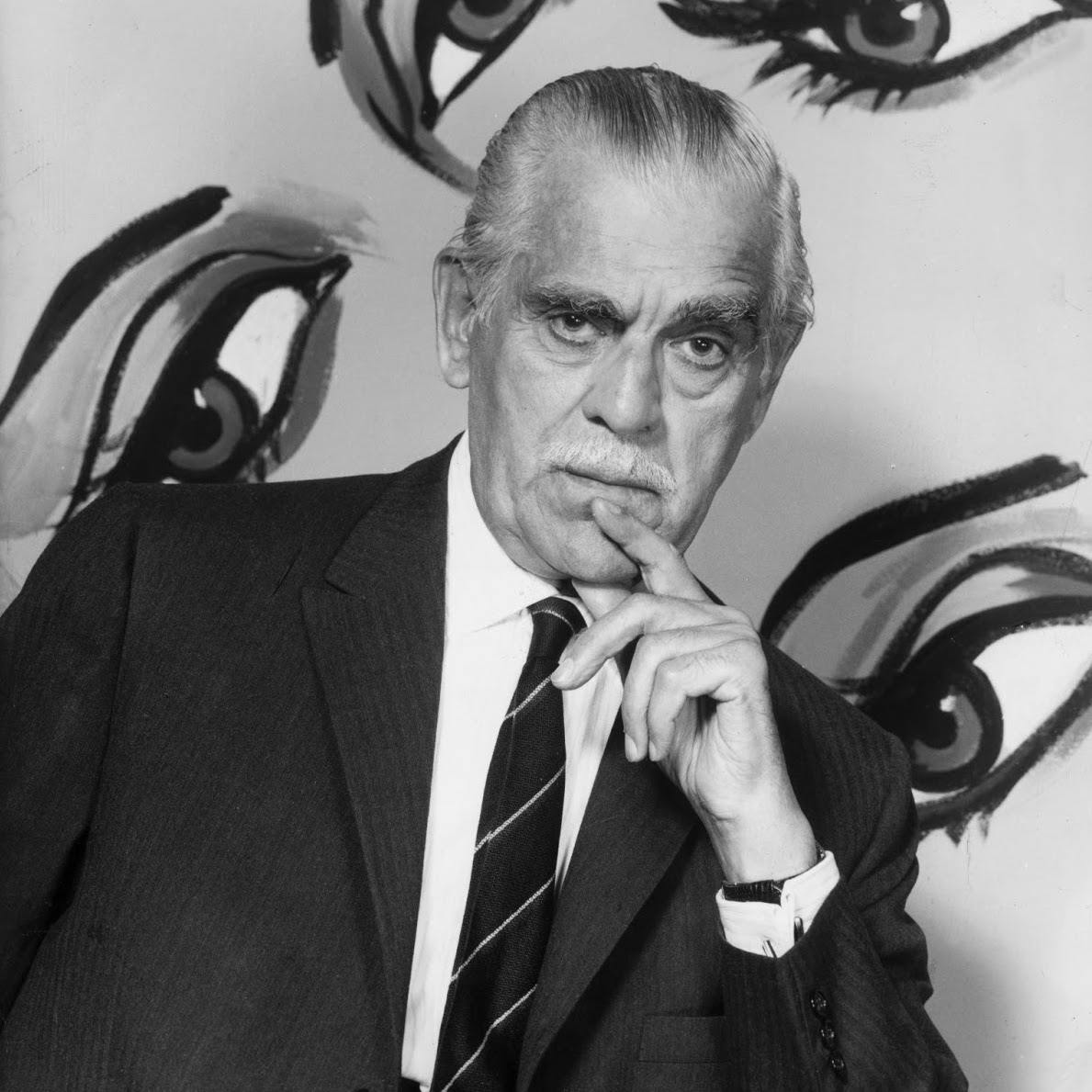
120: Boris and Roger Corman (Bela & Boris Part 6)
Nov 21, 2017Tap to summarizeWhere Bela Lugosi lived his last decade in sad obscurity, Boris Karloff worked until the very end of his life, even as his body began to fall apart. Some of that work was for Roger Corman, the extremely prolific independent genre film producer whose movies helped to define the generation gap in the 1960s, while serving as a training ground for the next generation of auteurs. Karloff’s and Corman’s finest collaboration, Peter Bogdanovich’s directorial debut Targets, would serve as a bridge between cinematica eras, paying tribute to Karloff and his long career while depicting events that were shockingly of-the-moment--and still relevant today. Featuring Rian Johnson as Roger Corman and Patton Oswalt as Boris Karloff. To learn more about listener data and our privacy practices visit: https://www.audacyinc.com/privacy-policy Learn more about your ad choices. Visit https://podcastchoices.com/adchoices
Transcribe →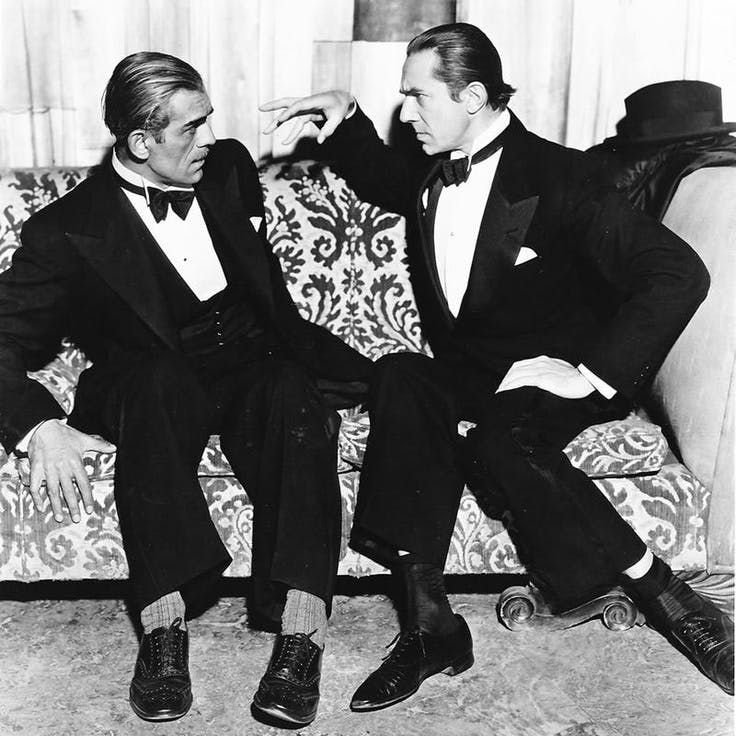
118: Bela vs. Boris (Bela & Boris Part 4)
Nov 7, 2017Tap to summarizeLugosi and Karloff, the two stars made by Universal’s monster movies, made eight films together. Today we’ll dive deep into some of these movies (including The Black Cat, The Raven, Son of Frankenstein and Val Lewton’s The Body Snatcher), and continue to explore how even when their careers brought them together, Karloff and Lugosi remained worlds apart. Featuring Patton Oswalt as Boris Karloff and Taran Killam as Bela Lugosi. To learn more about listener data and our privacy practices visit: https://www.audacyinc.com/privacy-policy Learn more about your ad choices. Visit https://podcastchoices.com/adchoices
Transcribe →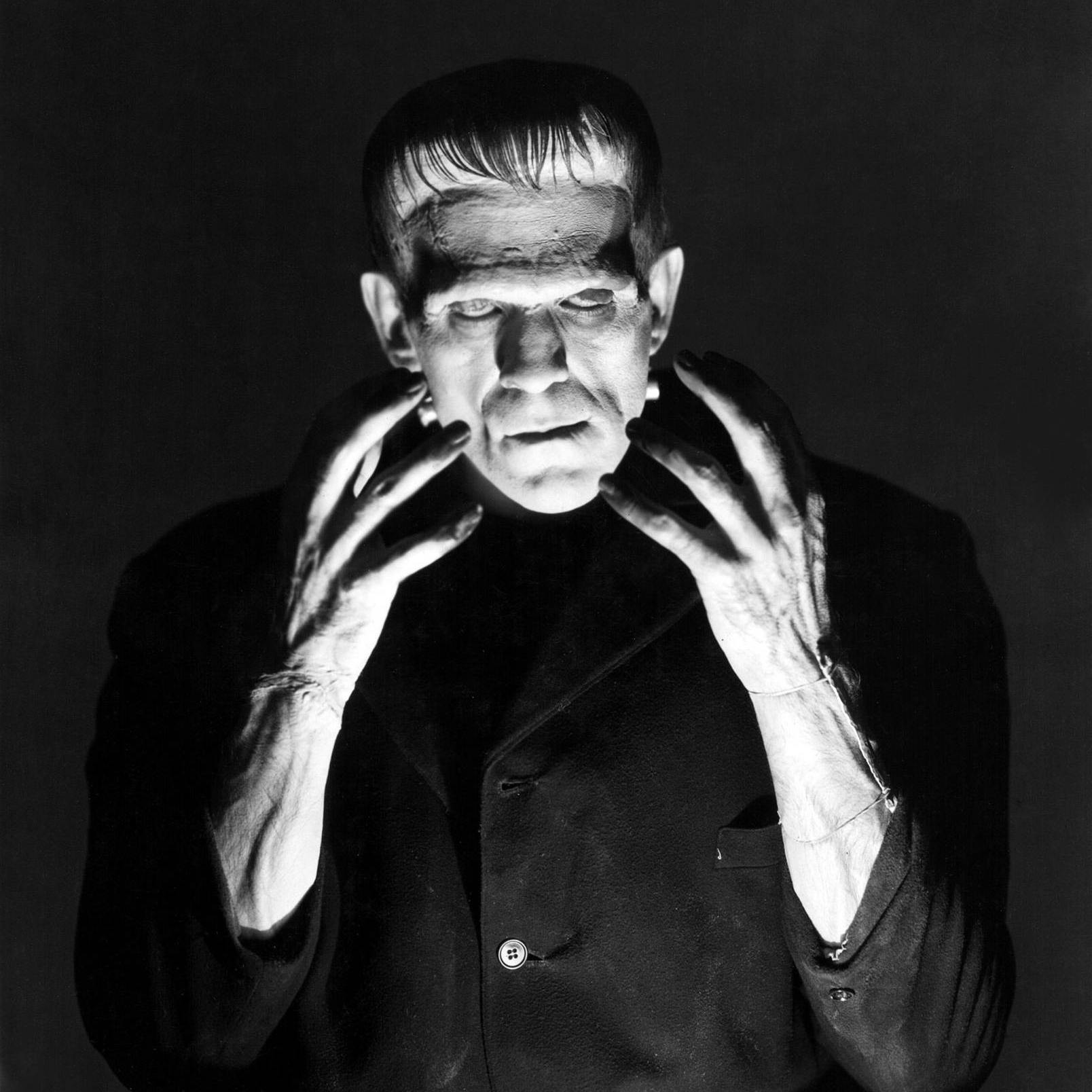
117: Boris and the Monsters (Bela & Boris Part 3)
Oct 31, 2017Tap to summarizeAfter twenty years as a journeyman actor/laborer, Boris Karloff became an instant superstar as the Monster in Frankenstein (1931). Today we’ll explore how Karloff, unlike Lugosi, managed to maintain a steady stardom throughout the decades, returning to the monster that made him without feeling trapped by the character. Featuring Patton Oswalt as Boris Karloff. To learn more about listener data and our privacy practices visit: https://www.audacyinc.com/privacy-policy Learn more about your ad choices. Visit https://podcastchoices.com/adchoices
Transcribe →
20: LIZ <3 MONTY
Oct 28, 2014Tap to summarizeElizabeth Taylor and Montgomery Clift were best friends and co-stars in three films. This episode tracks Taylor's relationship with the troubled Clift, from their first, studio-setup date through his untimely death.
Transcribe →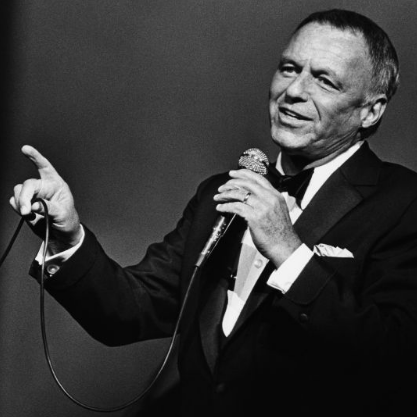
2: Frank Sinatra in Outer Space
Apr 16, 2014Tap to summarizeWelcome to the second episode of You Must Remember This, the podcast devoted to exploring the secret and or/forgotten histories of Hollywood’s first century. Today, we look back to 1979, when — while the music world was full of punk and post-disco coke rock, and the movie world was making the transition from the “New Hollywood” of the ’70s into the blockbuster age — Frank Sinatra recorded Trilogy: Past, Present and Future, a triple album with one disc each devoted to big band standards (“The Past”); covers from “the rock era” including Billy Joel and Beatles songs and also “Theme from New York, New York” (“The Present”); and, most amazingly, a 40 minute song cycle about life, love, death and visiting outer space (“The Future”). We’ll take a look at how and why “The Future” was made, and theorize as to why it’s fallen into the dustbin of pop cultural history.
Transcribe →