← YouTube Creators Hub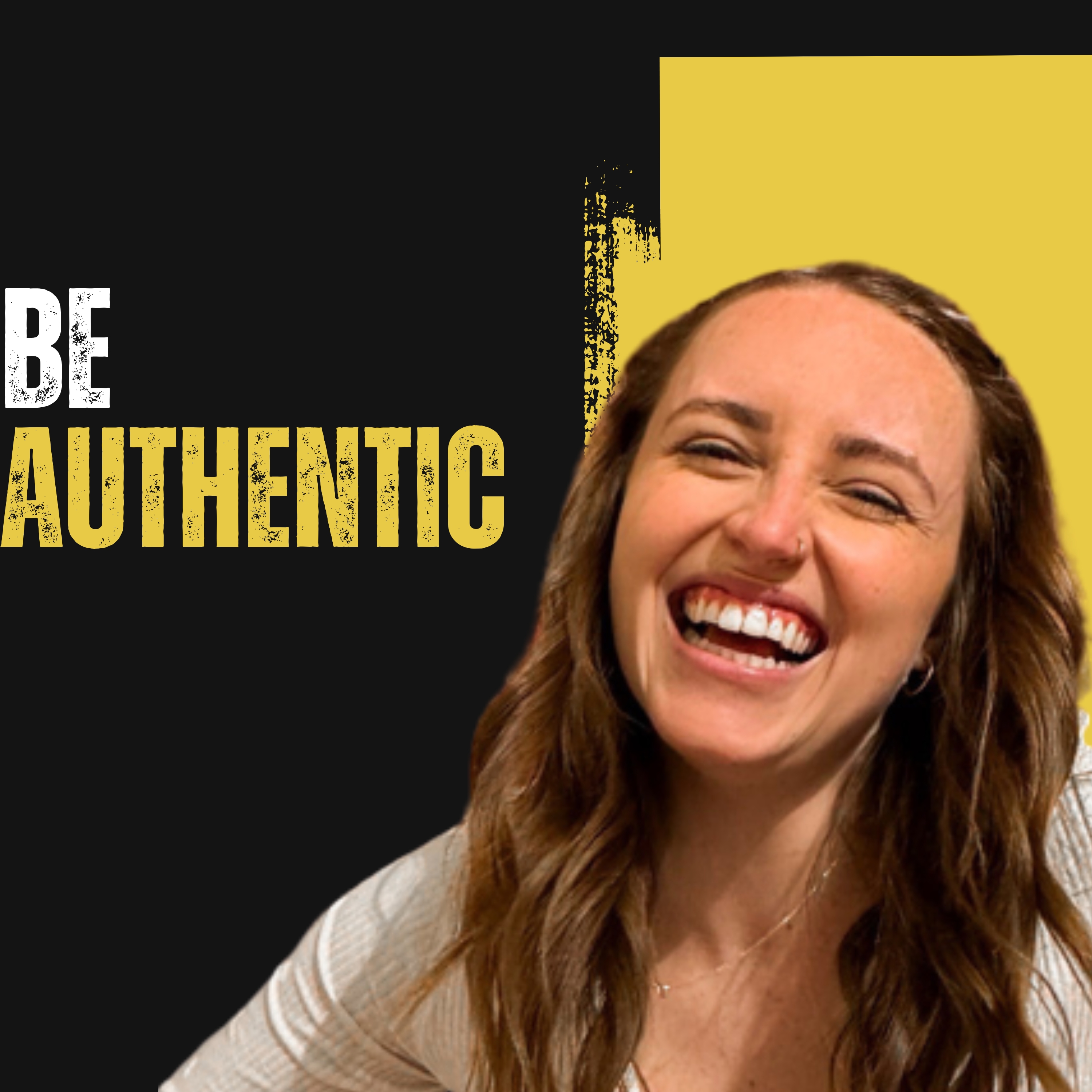
YouTube Creators Hub
Building A YouTube Community Through Authentic Content With Haley Honeyman
00:35:53
In this episode of the YouTube Creators Hub podcast, Dusty Porter interviews Haley Honeyman, a neurodivergent lifestyle creator who shares her journey of creating content around ADHD. Haley discusses her transition from short-form to long-form...
Loading summary
Transcript56 lines
- [00:00]
Haley Honeyman
I think so many people watch other creators and think, oh, how they're showing up is amazing. I'm gonna do exactly that. And then they put on a facade when they get onto their content and they become an influencer and become a creator. And I think my biggest piece of advice is to authentically show up as yourself. If you don't think that you are interesting, I promise you somebody else does.
- [00:24]
Dusty Porter
Welcome to this week's episode of the YouTube Creators Hub podcast where I sit down with a wonderful creator each and every week and I'm and I break down their success on YouTube. We talk about their processes, the different tools they use, deep dives into their failures, and so much more. We have no sponsors on this podcast. We're just brought to you by everything that we have to offer here at Porter Media. I offer one on one coaching for YouTube creators. If you're looking to take your channel to the next step, definitely check that out. As well as our Creators Corner Group, you get an exclusive podcast episode every week, please. Plus access to our Discord server monthly Mastermind calls hosted by me on Zoom. Five bucks. That's it. It's called the Creators Group Creators Corner Group. And it is a wonderful set of people over there who are willing to help anyone and everyone who are willing to put a little time and effort in. And then lastly, we have a newsletter called the Entrepreneurs Minute. And that is just a behind the scenes look of what I'm doing in my business. It's free. I'm not pitching or selling you anything. It's just a way to connect with me, see what I'm doing in my business. So if you're trying to grow a brand, a business, a YouTube channel, whatever it may be, the Entrepreneur's Minute is a great weekly, not spammy email newsletter that I think can be a good companion piece for you. So with all that said, let's go ahead and jump into this week's conversation. Hello everyone. Welcome back to this week's conversation on the YouTube Creators Hub podcast. Dusty here as always joined today by Haley Honeyman. She's Haley honeyman over on YouTube as well. Tell you a little bit about Hayley. She is a neurodivergent lifestyle creator who shares honest, vulnerable content about living with adhd. Through real life experiences, candid reflections and empowering insights, she creates a supportive space for others navigating life as a neurodivergent adult. Haley, how are you doing today?
- [02:12]
Haley Honeyman
I'm doing wonderful. Thank you for having me.
- [02:14]
Dusty Porter
Absolutely. So your channel right now, as of recording, you're not quite at 500 videos, but you've got over 252,000 subscribers. So congratulations on that before we we get going. So on your channel, it says your name in a really cool font. And then under that, your tagline reads, your friendly, neurodivergent neighbor, which I think is clever. I love it. It's perfect for your target audience and who you're trying to reach. Can you let me know the story behind the channel? How did this whole thing start?
- [02:45]
Haley Honeyman
Man? Okay, this goes back a long ways because truthfully, I think I was like every kid where I was obsessed with YouTube and I wanted to be a YouTuber so bad, but I was painfully insecure. So if you scroll way back, I have videos from when I was a lot younger doing music type things, doing random challenges and things, and nothing was performing well. And so it was just like a fun thing that I would do here and there. And then at one point in my life, I like three years ago, went through a pretty significant life change, a life altering experience which I very openly talked about, where I was in a domestic violence situation and leaving that, I just needed a distraction. I needed something to pull me out of the hardships that was my own life. And so I started posting content first on like Instagram and TikTok and then YouTube shorts. Yeah. And so through that I started gaining my following mainly from YouTube shorts. That's where most of my following initially came from. And then started doing the longer form content, which truthfully I love doing long form content. My brain doesn't always love it because it can be really hard to just schedule and be up to date with it as much as possible. But yeah, I really got into it as a short form format first and then started doing the longer form videos.
- [04:13]
Dusty Porter
What did you learn when you moved from doing primarily short form to long form? What was some of the eye opening things that you learned along that journey?
- [04:22]
Haley Honeyman
Yeah, I honestly think, especially because my audience is so primarily adhd, people's attention spans are so limited. And so it was making super engaging content as much as I could. Which is so random though, because funny enough, the best performing video that I have long form wise is almost entirely not edited. And it's almost like a podcast format video which really challenged that view that I had which was, oh, everything has to be super engaging and really highly edited and really intense. And I think the biggest learning that I got right away was that the subject matter was the most important thing. So long as I was talking about something that was relatable it was educational of some sort. A lot of my audience comes to my channel to learn something. People will watch it and share it. So really it was like the quality over quantity message really became very obvious to me right away.
- [05:19]
Dusty Porter
What did as far as the long form, what was different as far as the channel goes, like the data that you were getting, the analytics and things of that nature. What's different in a audience primarily coming from vertical short form video and an audience that consumes these longer style videos?
- [05:40]
Haley Honeyman
I think the biggest thing is that the longer style videos on my page, people are really coming to learn something. They're wanting the tips, they're wanting the tricks, they're wanting everything that I have done to live a successful life with the challenges that I have. Whereas the short form can tend to be almost desire motivated where people are watching very quick clips of my life or I do share educational things. But it's harder, I think, in short form content to really take in these tips and then use them in your day to day life. Whereas if you sat down and watch a 20 minute video on how I design my home to be ADHD friendly, you're much more likely to actually use those tips because you've invested time in watching the content. So in the comments I noticed long paragraphs of people talking about the tips that were working for them or why it wouldn't work for them. And then I got a lot of learning from it, being able to go, okay, people are saying this is a roadblock for them. Why don't I make a video on that? And so the people that were engaging in the long form content were just more engaged in the messaging that I was putting out there.
- [06:55]
Dusty Porter
I love that. Yeah, that's a great answer. And I would have to agree with that. Have been doing both for a while now. That's certainly one of the things that stand out to me as well.
- [07:05]
Haley Honeyman
Yeah.
- [07:05]
Dusty Porter
As far as YouTube goes, are you able to do this more than just a hobby? Is this something that you're able to do full time as far as content creation?
- [07:13]
Haley Honeyman
So I definitely have had the option to do it full time if I wanted to. I think honestly that right now, currently in my life, this is the first time that I'm deciding to go all into YouTube and I think the biggest barrier has been insecurity and this kind of thought of I can't be a YouTuber. That's crazy. That's a crazy thought. But now I'm at a place where the sponsorships are coming in that actually allow me to support myself. And I'm actually monetizing my content and understanding how to. I think for the longest time I just didn't really focus on that or really understand it even. I was getting copyright claims left, right and center and didn't even know that meant that my videos weren't being monetized. And yeah, so I think that now I am at the point where I am able to do it full time if I wanted. I think being blessed with the ADHD brain, I don't think I can ever do one thing and one thing only. And so I think I'm going to always be doing multiple things part time to build a full time type workload.
- [08:18]
Dusty Porter
Awesome. What was your biggest breakthrough video and why do you think it worked like it did?
- [08:24]
Haley Honeyman
I have thought about this so much because it feels like this video is an anomaly. My big video that really popped off was my routines for ADHD that actually work. And within that video I talk about a system that I personally created that I call the Honeyman Method about doing three different types of routines versus building out a routine that's super ideal and rigid and then never actually being able to stick to it. And I think the reason that this video performed so so was because it, it just really at the like the core of it is good content. Like I really think that it was a completely different way of looking at routines that a lot of people have never even thought of or seen before. And it ended up being a piece of content that people shared a ton. The analytics on like people sending this friend or sending it to a family member and being able to say, you should try this or I'm going to try this I think was why that video did so well. And like I said, it was not edited super well. It was just me in front of my computer talking. But I think a big part of my content is I'm super authentic. And so I will talk about what doesn't work or does work for me. I'll talk about the highs, I'll talk about the low lows. And in that video I do that and I think people related to it and were able to watch and go, oh, I see myself in this person. And she's doing this tool that's working for her. I have to try it. Yeah. So I think it just resonated with a lot of people.
- [09:51]
Dusty Porter
How do you approach packaging as far as like thumbnails and titles and descriptions? And I'm sure it has all of us, it's evolved over time, but currently in the state that you're in Right now, in the season of YouTube that you're in, how do you tackle that?
- [10:08]
Haley Honeyman
Yeah, I definitely am in a new season of YouTube. I will say that prior to now I was just, I think this looks good. I'm gonna put that out there and have no real plan around it. And now I'm definitely doing a lot more research on what videos with similar styles are performing well and what is it that they're showcasing in their titles or captions or their thumbnail. So I think looking into more trending things, working with copywriters who knew that was a thing you could do, having that as support is really help people that just know more than me. And utilizing that has been helpful. But I honestly think that just researching and knowing the landscape is what's been most helpful.
- [10:48]
Dusty Porter
What is that process like? Because I oftentimes when people get on coaching calls with me, we do a lot of the exercise. Some of the exercises we do early on around packaging and thumbnails like that as we go to YouTube and we just look at other people, maybe in the same niche, maybe not, but we look at what's working as far as packaging and things of that nature, and it changes, it ebbs and flows, as with anything. What does that look like for you? How does that process do you just get on? Do you make a list or a note and you just jot down the different ideas or what does that whole thing or process look like?
- [11:19]
Haley Honeyman
Yeah, I have a list of youtubers that I love, that I absolutely love. They perform really well and I tend to frequently go back to their pages and look at what's performing well on their page or what similar style videos. And these are people in the same niche as me or in completely different niches. Because my goal is to really make my content hit a very large audience. I don't want it to be too small. And so I go through this list and I look at people and myself and my assistant will pull thumbnails or titles that are working well and just keep them in like an ongoing space. We have a notion that's just built out with a bunch of this to be able to pull back from and go, okay, that's working well or that's not working well. AI tools nowadays are really helpful as well to just help pull some interesting information. Don't love AI, but hey, it's helpful. It's hard to not. So yeah, that's awesome.
- [12:12]
Dusty Porter
And speaking of lists and stuff, how does ideation work for you? Like video ideas? I know I've talked to certain people and you mentioned notion. I've built out the back end system for my creator. I call it the creator toolkit for myself. And I go in there and when I add new video ideas, I just go in there and just hit new video idea. I type it out and it lives in a place where I can always know exactly where it is and can go pull from that list. But how does it, how do you handle that as far as like, ideas and where you put them and then picking the ones that you want to flesh out and do videos on?
- [12:42]
Haley Honeyman
Yeah, I will say this is definitely, I think, one of the hardest things. I struggle with being so adhd. I have so many ideas all the time and it's so hard to have a system in place. I will say my assistant is like a godsend. It's so helpful. I will just slack her an idea that I have and she puts it all into a template. She has an ongoing long list and I will very rarely honestly go to that list and pull an idea from nine times out of 10, I will have an idea for a video and I'll go, okay, I'm filming that today, or, okay, I'm going to film that tomorrow. And I do it immediately. That is the very like, ADHD side of my brain that wants to do stuff just the second it feels good. It's the dopamine chasing. And I've realized that as an ADHD creator, I need to allow my brain to do that because if I like stifled that creativity to be like, no, we have to just pick one idea from this list and go back to that every week, I think I would create worse content. And so I very much just like when something hits that feels aligned and feels really good, I start right away.
- [13:47]
Dusty Porter
I love that. That's wonderful. How often do you post, like, what's your frequency and cadence like? And how has that changed and what has made you settle in with what you're doing now?
- [13:58]
Haley Honeyman
Yeah, this is actually hilarious because for the longest time I was trying to post once a week, every Sunday. And then I hit a very long kind of hiatus where I didn't post anything. During that time, I was working with a business that I had partial ownership of and was just really focusing on that and it became impossible to to create YouTube content that felt good. And now I'm at a place where I've got a lot more time and I'm going back to that weekly posting schedule. But the rhythm that I'm in now that feels a lot better is I'm doing one highly edited More experimental video one week and then the next one's gonna be podcast style sit down. Because I've seen that my audience likes both. Considering my top video is just a podcast, I'll sit down and then. But people are really enjoying this new style that I've been trying. So I'm going off and on each week to give myself a little bit of a break in between too and allow more time for some filming. I like to film videos now that have. I've been filming for a month and I edit that into one video. But I think the podcast style ones are helpful too. So many people like those and it like blows my mind a little bit that people love those ones so much. I'm like, really? I put not a lot of time into this.
- [15:08]
Dusty Porter
Yeah, we're, we're seeing a big shift and not only what you're talking about with the kind of limited editing style, but as far as long form content. With popular podcasts like Joe Rogan and Chris Williamson and in the female space, call your daddy. Like different podcasts are able to record these multi hour episodes and they're some of the most popular watched and by popular they have the most watch time of anything on YouTube. Obviously a lot of that's because of the duration of the footage. But it's really interesting to, to hear you just talk about. I call those content buckets where you have content bucket A will be those kind of sit down podcast style videos and then content bucket B will be what you also mentioned. And so it's just funny that you experiment and find the ones that rise to the top and do well and that kind of tells you what your programming needs to be across the board for your channel. So you basically just explained how I explain it to folks as well. Let's talk about monetization for a bit. Actually, before we get into monetization, I did want to ask you because you're creating content around a condition, around ADHD and it's medical and there's a lot involved. People get their feelings hurt a lot. How have you built a community around this? Has the community rallied around you? And these people who are dealing with the same love your content. How important is community for you?
- [16:30]
Haley Honeyman
Community is number one. It is the biggest thing for the content I create for what I talk about. It is really the reason that I started being a content creator was this community started being built organically and I was like, oh, I'm gonna do this for you guys. Okay. This is not just for me, this is for them. I honestly think the community aspect of it is incredible. I didn't realize how important it was in this space, but. But people want to see themselves and especially when it comes to ADHD and being autistic as well. I am fully 100% vulnerable online. I just recently posted about what an autistic meltdown looks like for me. And the comments and the DMs and the community backing of just, oh my God, like, I needed to see this. I needed to know that other people go through this. This was so brave. This is incredible. Like, getting that kind of feedback is so wonderful because I realize, like, for myself, when I see myself in someone else, I'm attached. I immediately want that person to succeed. I want that person to excel. And I'm going to support them in everything they do. And I've found that with my community is because they much see themselves in me, that they rally behind me. And it's so incredible and so wonderful. And do people get upset? Yeah. Yeah, they do. I get hate comments like no other people hate that I show up online crying upset in a video. But when I get a DM from someone, that this video changed my life and this was the reason I went to go get an autism diagnosis or ADHD diagnosis, it's worth it. Yeah.
- [18:06]
Dusty Porter
How do you foster that community as far as are you doing anything off YouTube? Like, how are you curating that and fostering beyond just what you're uploading on YouTube?
- [18:18]
Haley Honeyman
Totally. I think the biggest space I have right now is I have a Discord server that I started really close to when I started content creation. I think we've got about. Are like around 3,000 people in there right now, and it's a Discord server that I don't even run. Like, I have volunteer moderators that help and people are just super, super active and making friends. Like people have real life friends now from that Discord server, which is so cool. They're doing meetups and stuff. So that's a great way. I think my Instagram is a really big community source as well. I do have a little channel there that I communicate with a lot and I. Yeah, the Discord is a huge one. It's a huge one.
- [18:56]
Dusty Porter
I love that. Yeah, I have a Discord server as part of my. People pay five bucks to be a part of kind of the creator's corner is what I call it. And they get exclusive podcasts, but also they have this Discord server and I'm there occasionally. But it's primarily led by this group of amazing creators and they have Gone to conferences with the people they've met, our creator group. And to me, if I were to have anything to put a feather in my cap, it would not be the downloads or the views. It would, would definitely be the relationships that I've been able to not form and bond with just myself, but with other creators together. Because you know this and I know this. It's very lonely as a creator sometimes. And being able to foster that kind of healthy space for creators to live is really nice. All right, now let's talk about monetization money. Do you remember what your first income stream was as a creator?
- [19:45]
Haley Honeyman
My first, yes, I do. My first income stream was a sponsorship for $200 on a short form video that I did. Oh, and that was crazy to me. That was like, I'm making money off of this. And then with YouTube specifically, it was, it was, I think, also a sponsorship that was like, oh, it was like dirt cheap. It was like 150 bucks or something like that. And I freaked out. I was so excited.
- [20:14]
Dusty Porter
That is awesome. So let's talk about how you're monetizing and making money. Give me the top level of what does it look like for you and on average, how much are you able to bring in as a creator from all your YouTube stuff?
- [20:27]
Haley Honeyman
I will say, especially because I'm just coming out of this kind of hiatus where I really was not. I hadn't posted since I think the start of February and I only just posted my newest video recently. In that time, the only money I was making off of YouTube was just this passive, like videos continuing to get views. And I was consistently making 1500 bucks a month just on the ad revenue coming in. My biggest source of income when it comes to YouTube is the sponsorships that I'm able to integrate into my videos. And I am so picky about the sponsorships that I take that there are a lot of videos that have zero sponsors and I tend to instead promote my own business where I run courses and programs for people with ADHD and autism. And my like top, I think seven videos on my channel didn't have a sponsor and it was just me promoting my courses. So yeah, it's the combination of sponsors and then my own programs that I run.
- [21:27]
Dusty Porter
And from the YouTube, you're using it like a lead magnet to get to the courses and the programs that you're running. And on average, what might you make from that?
- [21:36]
Haley Honeyman
Oh, it fluctuates so much, which is really challenging. But my, I think in a month, when it comes to, if I Were to have a sponsor like every single video, I'd be able to be making like 15k a month. But I don't have a sponsor in every video. And that is not because I can't have a sponsor in every video. It's because I'm super picky. I only do sponsorships with people that I believe in. And so we're looking at honestly probably closer to 6k a month just through those. And then in addition with my courses and programs which I also had a hiatus on and are just coming back on, those don't make me very much or haven't in the past. Mainly because my focus was to provide super affordable programs, which did mean I often was operating at a loss. And yeah, that's changing moving forward. I have to be able to make money off of them to keep doing them. So those are gonna be increasing in price pretty quick here. But yeah, that really can range one month. I can make a hundred bucks on it and just cover the cost of everything and that's all I get out of it. But other times I've. I've had programs that went really viral. I have a burnout recovery program that did really well. And over the course of. I think that's been up for two years now. You know, that course itself has brought in 20 to 30k just from that course.
- [22:55]
Dusty Porter
What advice would you give people listening to this that want to launch their own product? Whether it be a course or a digital product, or even a physical product. What have you learned through that process?
- [23:06]
Haley Honeyman
Test it a ton before bringing it to people. Every program that I've ever run was created for myself first. It's something that I built out for me and then would bring to friends or family. I would talk about it, really have it criticized by people. I want people to say to me like that doesn't make sense or that wouldn't work for me because xyz getting it in front of people before selling it. I even did a free program at first when I was just getting into it because I needed so much community feedback. Because building a course just for me isn't going to work for everybody else. So getting tons of feedback first I think would be the biggest piece.
- [23:44]
Dusty Porter
I wouldn't agree. A lot of folks, a lot of folks pre launch, like a test group, whether it be a book or a course or whatever you're selling or trying to pitch. Get that test group where you give it away and you allow these people to give you feedback to make it better because you know who your target audience is. And these folks can really help you refine that to get it to a point to where you will sell and make a lot of money. It's a long game. Try not to get overwhelmed by it and break it up into small little chunks. But yes, I could not agree more. Let's talk about tools and workflow for a minute. What tools do you swear by as a creator? Whether it be software, even hardware like cameras, things like that, any productivity apps, whatever it is, what kind of fuels your back end as far as the systems that you have in place for your YouTube channel?
- [24:29]
Haley Honeyman
Yeah, I will say this will sound like a plug, but there are a couple of things. Firstly, I just posted a video about how I changed my relationship with my phone and that whole change has been revolutionary in terms of how I do my work. I film everything on my iPhone. I want it to be easy and concise. I don't want a hard setup. I need it to be easy. So that's super helpful. I edit everything in Lightroom or not. Lightroom Premiere Pro. I used to be a professional video editor actually, which is why that program was something that I learned how to use. So that's a big one. Canva. Oh, I love Canva. I love Canva. It's the, the best. Like it's. I almost think it's underrated even though so many people swear by it. It's so incredible. And then in terms of productivity, one of my long term sponsors that I've had is Akiflow and they're a productivity app that helps to connect with your calendar and it is just a system that works so incredibly well for me and it's the reason that they are like my longest term sponsor and somebody that I just really genuinely advocate for. Yeah, I love what they do, so that's super helpful. Slack as a communication system is amazing. And then like mentioned notion, it's where my internal team tracks everything so that we're all on track.
- [25:45]
Dusty Porter
What parts of the YouTube thing do you delegate as far as what have you hired out and how quickly did you do that?
- [25:52]
Haley Honeyman
Currently nothing. Currently I am doing 100% of the work in my YouTube. Previously I had a videographer, I had an editor, I had a copywriter, I had a team doing my videos and at the time it was working totally fine. And I think that in most people's eyes, like what a YouTuber should do is get the videographer, get the editor, get all of that. And with this new launch of my YouTube and doing videos again, I love having creative control from start to Finish. And I love storytelling in my videos and I feel like I have to be the person to do it because I don't trust someone else right now with the visions that I have. So currently at this time, it is a. It's a one man project, one woman show. Yeah.
- [26:42]
Dusty Porter
Yeah. I think that at times I've gone through phases too. Currently I have someone helping me with some admin stuff about 20 hours a week, and I have some folks on the podcasting, editing side of things. But you're right, there have been times in my career where I've had more people do way more things than that. It just seasonal.
- [26:58]
Haley Honeyman
Yeah.
- [26:58]
Dusty Porter
And I think that's. That's really interesting to hear you say that. All right, so let's talk about the future. Where do you see YouTube going in the next five years? What trends are you seeing? What things have you seen change even since you've been on YouTube? And how should creators prepare for that?
- [27:16]
Haley Honeyman
Man, I think a lot about this. We definitely saw this like Mr. Beastification of YouTube where everything became just fast, fast, intense. So much happening and just insanely edited. And that became the space for a while. And I actually think that we're coming out of that now. I really think that a lot of people are starting to go to YouTube to look for more authentic content, looking for connection, actually in these videos. And I know for myself and the community that I'm in and the suggestions that they're giving me in terms of videos, so many of them are, I just want to see you sit down and talk and I want to just be real with you. And I'm okay watching a long clip of you walking around the room and it's not even that good. And people just want to feel connected, I think. And it's very hard to feel connected to a like Mr. Beast, I think, style video. Yeah.
- [28:13]
Dusty Porter
I wonder also if that's going to be even more the case as the next few years happen. Because it's going to be hard. It's already hard to tell a difference in what's real. And yeah, artificial intelligence. And it's only going to get better. And as much as I am a proponent of new technology and even artificial intelligence itself, it is scary at times. But I do believe the folks that can rise above the noise and can be authentic, obviously Mr. Beast and the Mark Robers and the Ryan Trahans, those guys are going to do their thing. They're going to, yeah. Still going to be all about the quick edits and the explosions and the this and that. But I think that what the real the people want is these real just life experiences, people sharing about them, about their hobby or in your case, their disease or what, whatever that they're dealing with, whatever that thing may be, emotional, physical or just for entertainment. I think people want that realness and authenticity. And I think that you explained that extremely well in your answer and I appreciate you being so open with me and talking with about it. How do you handle trolls and people who are negative? How do you not let it affect you? Because I did. I went to some of your videos and like all of us, there's haters. It doesn't matter what you do. I cannot tell you how many times I do tutorials, I do technology tutorials and I've been doing them for almost 15 years now. And I'll do these very simplistic tutorials. And yes, of course I know how to do it, most people know how to do it. But there are hundreds of thousands if not millions of people who may not know across the world that videos for them. And I'll have people all the time comment and say, okay, dummy, nobody needed this, just some really hurtful things and call me some just really bad names. And I tell my wife, I say, don't go in the comment section or else you're worried for my safety. How do you deal with that?
- [29:55]
Haley Honeyman
I think it's a very particular case, especially with the state of the world and our conversations around ADHD and autism. So many people see it as either not real, as made up, or as this like, like unbelievably difficult thing that you're never going to succeed in life. And we see the RFK Junior discussions around autism and that is just perpetuated in all of my content. And really for myself, at first it was debilitating. It was really hard to deal with and manage. I have grown such thick skin over the years and I think too I feel very separated from my phone and the online world now. I only feel connected really to my community that I spend time with. And so when I see these comments, comments that are like hating on me and just saying the worst things possible, I honestly now look at those and go, that's sad for you. That's not a reflection of me. I'm killing it. This has nothing to do with me and everything to do with the person that's typing that. And I actually now feel a lot of sympathy and like empathy for these people. Where. What a sad and miserable space to live in when you're seeing a girl like me just living Life, having a good time, having struggles and posting about it and feeling like the response should be hatred. Oh, that's a hard way to live. And you must have a miserable life.
- [31:16]
Dusty Porter
Yeah, those people aren't doing anything. They're not taking any action. They're making any progress by doing what they're doing. And as soon as you get that. But it's hard, though. It's a day when I get negative comments on the podcast. I pour my blood, sweat, and tears into this thing. And I'm really picky about the way that I release stuff and the guests that I have on and the questions that I ask. I really do take, take pride in what I do, and when that's crapped on or whatever you want to say, it's really discouraging. And I think that oftentimes you got to know yourself as a person and how you should handle it, like me and you may handle it differently, and so we may have to put up different kind of guardrails. But I really appreciate you answering that question.
- [31:55]
Haley Honeyman
Yeah. Can I add one other thing?
- [31:57]
Dusty Porter
Yeah, you go ahead.
- [31:58]
Haley Honeyman
This is such an interesting one that I've actually never talked about really online, but the other piece of that is actually safety as a woman online is I have actually had to make police reports about stalkers and people that have shown up in my area or sent me incredibly creepy messages or really intense things. It's not often talked about that there are haters and then there's. There's dangerous situations. And for those, I just want to put out there and advocate that go to the cops, like, take it seriously. I've had threats that are really intense and have had investigations go down and had things that have had to happen. And I'm not ashamed to say that I've had to do that. And I think it's important to like, like, add that to that message.
- [32:42]
Dusty Porter
Yeah, no, thank you for bringing that up because that is important for folks to hear that and to say to themselves, if that's me right now, then I need to take action for sure. I'm glad that you mentioned that as well. On the tail end of there. Last question for you. What goal do you have that you haven't reached yet as far as your YouTube channel and content creation?
- [33:00]
Haley Honeyman
I have always said that content creation for me is a means to an end. And that end being I want to help as many people as possible, whether that is through my programs that I run or the YouTube videos, or I've had opportunities like I've done a TED talk and things like that. I really think that there's no definitive end to it, but I think it's the how many people can I help? How many people can I support? How many people can I just put a smile on their face or make them feel less alone? So it's hard to say that there's like a number or a date or a goal or whatever it is. But yeah, I think it's the fulfillment aspect, that feeling inside. And I just want to stay in that space.
- [33:45]
Dusty Porter
And lastly, what final piece of advice would you give the creators? Because we have tens of thousands of people listen to this each and every week. What advice would you give them? Whether they're starting or trying to grow or trying to monetize? What last piece of advice would you give those people?
- [34:01]
Haley Honeyman
I think so many people watch other creators and think, oh, how they're showing up is amazing. I'm going to do exactly that. And then they put on a facade when they get onto their content and they become an influencer and become a creator. And I think my biggest piece of advice is to authentically show up as yourself. If you don't think that you are interesting, I promise you somebody else does and to just, yeah, truly be yourself and people that relate to you will find you. It's just no one wants to see a copycat of somebody else and that isn't real. So, yeah, just truly show up as yourself.
- [34:37]
Dusty Porter
Yeah. Awesome. I love that. Thank you so much, Haley. You have been such a fantastic guest. I'm so excited about what you have going on your channel and what you're doing. Congratulations on the success and you're going to have tons more. I will have all of her links in the show notes of this episode, as always and Haley will talk to you next time.
- [34:56]
Haley Honeyman
Thank you.
- [34:57]
Dusty Porter
And that's a wrap on this week's episode of the YouTube Creators Hub podcast. I hope you enjoyed that conversation as much as I did. If you haven't already, I want to encourage you wherever and however you consume your podcast, subscribe, whether it's on YouTube, whether it's a Spotify or a podcast player like Apple Music, just subscribe. Every Friday when we release a new episode, you will be notified. It's absolutely free of charge to you. Don't forget to check out everything we have to offer the one on one coaching for YouTube creators with me. So if you want to take your channel to the next level, the Creators Corner group with exclusive podcast Discord server as well as Mastermind call calls, $5 get you in that group. I believe there's even a discount if you do an annual subscription. So instead of 60 bucks a year, I think it's like 48 or 51. It's a super deal for someone looking to take their channel to the next level. And then don't forget to subscribe to our email newsletter called the Entrepreneurs Minute. And if you would, leave us a review for this podcast and we'll talk to you guys next week.