Loading summary
Transcript301 lines
- [00:04]
Jeff O'Neill
Welcome to Zero to Well, read a podcast about everything you need to know about the books you wish you'd read. I'm Jeff o'. Neill.
- [00:10]
Rebecca Schinsky
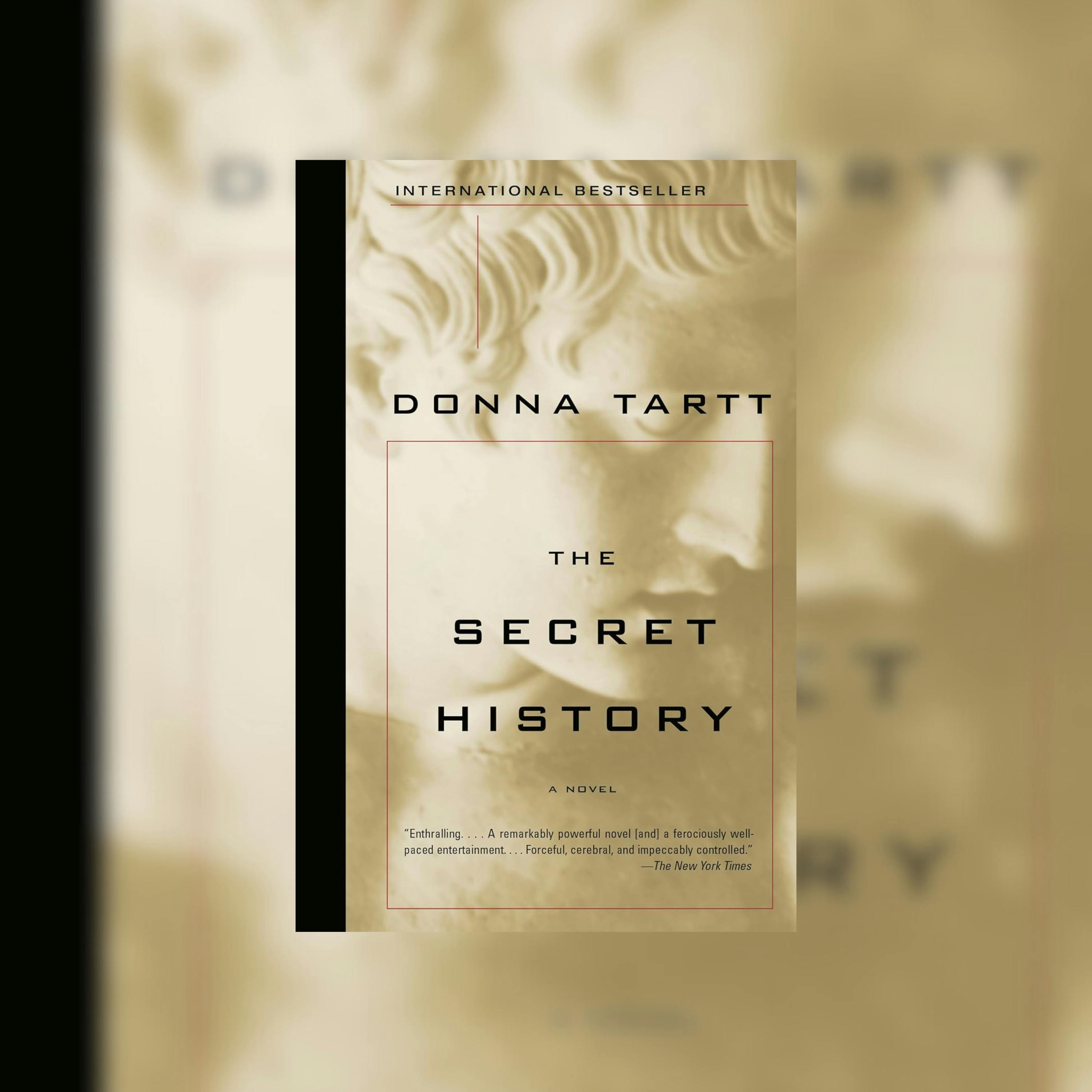
And I'm Revecca Schinsky. Jeff, pull the curtains, light a candle, stack your books high and get ready to get gothic. Today we are talking about the culty cult classic the Secret History by Donna Tartt.
- [00:26]
Jeff O'Neill
Point of order even before we get going. Is this a cult class? Oh, I guess we'll get into this. I think this is beyond a cult classic. Rebesa. It's a culty book but is a cult classic.
- [00:36]
Rebecca Schinsky
I think it is a cult classic. It's not as widely read as I anticipated it to have been. Sales are estimated at about 5 million total over more than 30 years. It is beloved in certain bookish circles.
- [00:51]
Jeff O'Neill
And that is I think stoner as a cult classic and stoner still one.
- [00:56]
Rebecca Schinsky
Of the John Williams. Yeah, I think there's a spectrum of cult classics and the Secret History is maybe on the cusp of just contemporary classic but I think of it as a cult classic.
- [01:11]
Jeff O'Neill
I think if you get a, adjusted for inflation, more than a million dollar advance and you earn out. It's hard to call it a cult classic but like. So I think that's going to be one of the discussions here. I think a lot of people maybe have heard of this book. I think people, a lot of people have read this book really like judging by the Goodreads, you know, ratings which are on the four and a quarter, which is on the high side for.
- [01:29]
Rebecca Schinsky
A book that's higher than average for a good reads, 3.5, 3.75 is considered a good like solid Goodreads rating.
- [01:37]
Jeff O'Neill
But this is also a book lover's book. I think that's one of the reasons we want to talk about it today. And it comes from the early 90s. A book I think both of us really liked when we first read it. We'll talk about origin stories there. We'll get into it. A couple of programming notes. Thank you so much for everyone who's rated and reviewed the show. We blew past our 150. We're looking at crawling up on 250 now, which is really terrific. Doesn't hurt to do more but it won't get you any closer to Feed drop which we're going to do because we've, we've, we've hit our target. We're going to be doing A Christmas Carol by Charles Dickens and we'll release that in the holiday season mid November or maybe, maybe a little bit later, but we'll have an extra episode there. Looking forward to that. But help us keep the momentum going. You know, recommend it to your to your friends, your co workers, your book club, your students, your teachers, your librarians, your mom, your dad, anyone who you think might like it really helps us grow the show. We've also decided to do a mailbag episode. You can ask us anything about our reading habits, what we think, you know, questions about the classics. Also really would like to hear your own reading experiences of the books we've talked about either originally or in response to alongside of us. One thing we found over time is that people like to hear about other readers reading experiences. Did I get that right Rebecca? That come out where it wasn't just.
- [02:59]
Rebecca Schinsky
Other readers reading experiences? Yes.
- [03:01]
Jeff O'Neill
Got a little lost right there. And you can send us an email or a voice memo if you want at zero to well read bookriot.com we encourage those voice memos because it makes for better listening and we're going to assume if you respond to this that we have your consent to use that audio or the text that you send. If you want to have your name included, include your name. If you don't either, don't include it or say please don't include my name. And we'll be respectful of all those things. Rebecca Jeff The Secret History 1992 Donna Tartt's debut novel One of Believe it or Not Only three Donna Tartt novels.
- [03:43]
Rebecca Schinsky
Less than a book a decade from.
- [03:44]
Jeff O'Neill
Her I'm going to save this for hot takes. Except that I'm not going to I'm.
- [03:48]
Rebecca Schinsky
Going to say it starting off with the hot takes. Let's do it.
- [03:52]
Jeff O'Neill
One thing we talk about on the BR pod, which you can find also if you're new to us at the Book Riot Podcast, it's our weekly news and talk show about news and things going on in the world of books and reading is how many books there are and one of the one of the conditions problems circumstances of the publishing industry, the reading and writing industry is that there are more people who want to write and publish books and publishers who want to books out in the world than people who want to read them for a lot of those books to get wide readers or people to get paid frankly for a lot of what they do for books to earn out. Is it I there's a part of me that's like maybe if most writers wrote a book every 10 years the books would be better and I would read more writers. Both of those things would be true. For me as a reader, because this took Donna Tartt nine years to write. The next book took another nine and then another 10, and then we're now into 11 plus. And I haven't heard whisper about the next one. So I think it's going to be longer. But if I only get one Donna Tartt novel every 10 years. And they are the quality of the books that I get from Donna Tartt, which, this is my favorite of her books, but I like them all. They're all very distinctive and a cut above what you normally read. There's something to be said for the care and craftsmanship and obsession that goes into a book like this. And I think one reason that people respond to this book is it's a book about obsession. People being obsessed with words, ideas and.
- [05:12]
Rebecca Schinsky
Art works on multiple levels. This is absolutely a book about books. It's absol. A book for book lovers. It is packed with references to the oldest stories in the world. Donna Tartt was a philosophy major in college. The main characters of this book are in a Greek seminar. There's references to Greek classic works galore, but also it calls on a lot of more modern classics and. And you can see just all over the text how well read. Tart herself is the kind of well read reader that she is writing to there. You can enjoy this just as a pa but it is a much, much richer experience if you're picking up the Gatsby stuff that she's throwing down. And that's just one little example. I think that one. A decade little too infrequent for you? Yes. Well, no, it would be great in your hypothetical scenario if we were guaranteed that they were going to be the quality. But working on a book for a decade is not always a good sign. And actually my take is that it's basically a bad sign. Ye.
- [06:22]
Sponsor/Ad Reader
Yeah.
- [06:22]
Rebecca Schinsky
You can gild the lily a little too much. It can. It can just be overworked. There was a big book out earlier this year that the author had been working on for like 15 years that I was not a fan of. I don't need to say what it was, but I did say to a friend offline like this feels to me like a book a person worked on for 15 years. And to me that's not always a compliment. Now one Donna Tartt this good once a decade, I'm down. If all of the writers that we loved worked in that way, we would certainly read a greater variety of writers because there would just be fewer of the ones we're already exposed to. But I wouldn't complain about Donna Tartt a little more often.
- [07:01]
Jeff O'Neill
Every five would still feel like an event.
- [07:03]
Rebecca Schinsky
Every five. Yeah.
- [07:04]
Jeff O'Neill
As we get into the. Oh, we mentioned this. This is coming out a little late because we're not late, but late later than. This is current news. One bit of feedback. We've been seeing how much intro to the author and the time versus how much time spent directly sort of digging into the weeds of the books. Choose an email. 0 to well read at podcast. Sorry, what's our email? But zero to well read it. Zero to well read it.
- [07:28]
Rebecca Schinsky
Book riot.
- [07:28]
Jeff O'Neill
Zero to well read bookriot.com because we were talking about it offline yesterday, and we want to do the balance that we like in that most people. We can't please everyone. There's probably some people that would like, I just want to know about Donna Tartt, and I haven't read the book, and I just want that. And there's some people be like, I'm a new critic. I'm FR Leavis's ancestor. Give me the text and nothing else. I think for us, we want to do something in the middle because I think part of what our working understanding and sensibility about being well read is is a combination of both. You want to engage with the text in a serious way, but you also want to engage with the things around the text to inform your reading, understanding, how it fits into the larger world. So if you're feeling you're getting plenty of either, please let us know if you're like, you know what, I would move the dial this way or that way. Like to know we're still working on structure and what we're gonna do. I, as Rebecca pointed out to me, would talk about the structure and the meta stuff a lot. I would just do a lot of it. A lot. And then I think. I think that's something to think about, too. And also, depending on the author, like, we're gonna do another Shakespeare at some point. We probably won't do all the Shakespeare Elizabeth in England stuff again.
- [08:33]
Rebecca Schinsky
That's right.
- [08:34]
Jeff O'Neill
So there might be just a first crack at the pinata for some of these that we need to take a few more whacks.
- [08:39]
Rebecca Schinsky
Yeah. And, you know, if this is your first episode with us, we're so glad that you found us. Please check out a couple of the other episodes in the feed. Because all these works are different. They call for different amounts of background to different amounts of plot synopsis that if you've listened to several and you have a general feeling of, like, how you Think the dial could be turned. We would be especially welcoming of that feedback, folks who are familiar with a little bit more of what we're doing here on the show.
- [09:05]
Jeff O'Neill
All right, so let's do the synopsis and then we'll come back to tart in the publication. Let's do it that way. Okay, take us away. What's this? What is the story here?
- [09:12]
Rebecca Schinsky
Oh, man, this is just your first episode.
- [09:14]
Jeff O'Neill
Spoilers, Spoilers. Just. It's just spoilers for the whole thing.
- [09:17]
Rebecca Schinsky
There will be spoilers.
- [09:18]
Jeff O'Neill
We have to do it that way.
- [09:20]
Rebecca Schinsky
But this book, like the synopsis for this book, sounds like a spoiler. But the big things happen on page one. Or one of the biggest things happens on page one. So a group of classic students at a small private arts college in Vermont in the early 80s meet in this Greek seminar that's taught by a charismatic professor they're pretty obsessed with, who gives maybe some cult leader kind of vibes. The students end up killing one of their classmates in order to cover up a crime that they've committed while trying to conduct a Dionysian ritual inspired by this class they're taking. And this is not a spoiler. The narrator, whose name is Richard Papen, he is one of these students. He tells us in the very first sentence that Bunny, one of their fellow students, is dead. And it's immediately evident to us as readers that it murder and that Richard was part of it. The other students were part of it. The secret history is set over the course of one school year. And from that introduction, the novel rewinds back to Richard's arrival on campus. He's a third year transfer student from California. He talks his way into this exclusive Greek seminar and then he quickly drops almost all of his other classes in order to focus his studies exclusively with Julian Morrow and this tight knit group of five students. So there's the murder victim, Bunny Corcoran, who is a WASPy like Tom Buchanan type whose wealth is more of an illusion than a reality. There's Henry Winter. He is actually wealthy, tall, dark, brooding leader of the group. Twin siblings Charles and Camilla McCauley, who are maybe a little closer than siblings. Maybe, maybe. And Francis Abernathy. And damn, can Donnata Tartt do names. Winter, McCauley, Abernathy, Corcoran. Like it just. They just feel like they're rich. In really Gatsby esque style, Richard, after arriving on campus, embellishes his own personal history. He allows his classmates to believe what they want to believe about him until he has insinuated himself into being a member of their weird little family, but he gradually comes to understand that the other five of them are up to something that he has not been privy to, and it is something that ultimately results in the crime they cover up. He helps them murder Bunny in the spring of this school year, and the novel's second half then takes us through the aftermath of the murder.
- [11:51]
Sponsor/Ad Reader
Today's episode is brought to you by Sourcebooks, publisher of what Sheep Think about the Weather by Amelia Thomas Are animals trying to tell us something and have we been too distracted to notice? When a hummingbird dive bombs her morning coffee, journalist turned farmer Amelia Thomas begins to listen differently. From stubborn piglets to mindful octopi, she explores how creatures communicate and what they might be saying. Along the way, she meets experts from animal behaviorists to pet psychics seeking to bridge the gap between species. What Sheep Think about the Weather is a witty, heartfelt call to pay attention to the animals we love and the wild world that's been speaking all along. Now, this isn't your average nature book. Like I said before, it's witty, it's personal. It's full of wild encounters from the aforementioned piglets who have a little bit of attitude, just a healthy bit, to surprisingly mindful octopi, all asking us to rethink what communication really means. I for one, love a nature book that has us thinking outside the box and learning from animals. Make sure to pick up what Sheep Think about the Weather by an Amelia Thomas. And thanks again to Sourcebooks for sponsoring this episode.
- [13:05]
Rebecca Schinsky
It's okay not to be perfect with finances. Experian is your big financial friend and here to help. Did you know you can get matched with credit cards on the app? Some cards are labeled no Ding Decline, which means if you're not approved, they won't hurt your credit scores. Download the Experian app for free today. Applying for no Ding Decline cards won't hurt your credit scores if you aren't initially approved. Initial approval will result in a hard inquiry which may impact your credit scores. Experian Save over $200 when you book weekly. Stays with VRBO this winter. If you haven't seen your college besties since, well, college you need a week to catch up in a snowy cabin, take a week long vacation and save over $200.
- [13:48]
Jeff O'Neill
Book now@vrbo.com we're gonna talk about the reading experience. Let's do Donna Tartt the background around this book. So Donna Tartt. This is her debut novel. This is not quite auto fiction, but it also isn't Quite not autofiction. So Hampden College, the setting of this book, she said, in, you know, in the run up to the release of this book, is a version of Bennington. 500 students, sort of the same shabbily non elite, expensive private liberal arts college. Some of my, some of my own academic takes are going to follow along. Like, there's a much more structural element to this book, like how the college's own finances and position feeds into the effects and the, the plot of this book.
- [14:32]
Rebecca Schinsky
Yeah. And I think it helps to know that Bennington in real life and Hampton in the book are elite in the way of you have to be able to afford to pay to get into them, but they're not necessarily academically elite. So you get a more ragtag variety of student in these, these students in the early 80s, there's a lot of drugs happening and a lot of bad beh behavior and a lot of posturing and like campus life. And the vibe is more what they're there for than, you know, trying to get into grad school.
- [15:08]
Jeff O'Neill
And so Donna Tartt came to Bennington, transferred from Ole Miss. She's from Mississippi because she was an extraordinarily precocious writer of short fiction especially. She caught the eye of her newspaper editor, who sent on her stories to Willie Morris, who was visiting professor there, and Barry Hanna, who's a teacher there. And they're like, we need to get you somewhere else. Right. Like, you know, there's another place you go. And Benning at the time, and I don't know how much this is still true, but it was a hotspot for young writers. Like Brett Easton Ellis was there, there was Jill Eisenstadt was there, and some other people have come and gone. I don't know really what the vibe is now, but at this particular moment in the mid-80s for a small school, you know, Donna Turt at one point said, like, half the people in my writing seminar were published like within three years.
- [16:00]
Rebecca Schinsky
She's like, one of the book's dedications is to Brad Easton Ellis and she hung out with him and Jonathan Latham. This is really the scene Bennington in the early 80s.
- [16:11]
Jeff O'Neill
And one of the things that's so fascinating is she was a part of a group of students studying around a teacher who was important to them. And again, it's not this, but it's not not this. Like, this is the important thing to say. Like it's based on this. She's very covetous on who these people are or are not. She willingly says, yeah, this is a version of Bennington and some of the experiences there. But she is a private person, if not a secretive one. You know, kind of like the difference between morning and grief. She's private but not secretive, where she will give an interview. She has given interviews, but she's, she's not pinching, but she's protective of some of the more direct relationship. For example, McGloin, who we think is maybe the basis for Henry, is one of the other dedicate. Dedicatees in this. He's a lawyer at a big shot New York law firm at this point in his real life. But she herself is a character. Donna Tartt is a character. She shows up in like these immaculate like boy cut suits with like one of the great bobs of all time.
- [17:12]
Rebecca Schinsky
She's, she's five feet tall.
- [17:14]
Jeff O'Neill
She's five feet tall. You're very similar. She's a southerner. She's like this really charming presentation. But do not let any of that shit fool you because she is the greatest book nerd I think that we've encountered sort of in popular culture in the last 30 years. She has the Telltale Heart, the short story by Poe, memorize huge amounts of volumes of poetry. Just she memorized when she was a kid. She's, she is a precocious slash, you know, savant when it comes to memorying and using writing. She studied Latin, she studied Greek. So there's this greater book nerd theory, like the greater nerd theory. There's always a bigger nerd than you. Except if you're Donna Tartt. I think you're sort of at the, you're at the pinnacle here. And that comes through in her illusions, her interest in writing story and plot. She said that she wanted to start this book with the murder. She wanted to do, that she was interested in putting it that way and that the story sort of comes around this. But this is also the book is interested. And she is interested in, in the Goldfish as well, especially about the nature of art, the nature of thinking in a certain kind of a life. And I find that completely fascinating that she, she kind of, you know, in the. There's this great Vanity Fair profile that came out when the Secret History came out. I'll put a link in the show notes bookride.com listen or in your podcast player where she talks about like her own participation. And it feels a lot like this secret history scenes like four or five people standing up, sitting up all night, dressed like they're, you know, pretending to be the characters they actually are. There's like a real meth smoking cigarettes and drinking each other under the table. And everyone sort of sees her a little bit differently. Like, she was there, but she also withheld. But she also wrote like an angel, but also, you know, has sort of a demon's eye. Right? She has an eye on the occult. She has eyed on the sacred and the irrational. And that is extraordinarily. I think that is part of the extraordinary. Compelling. You don't know anything to know about Donna Tartt to enjoy this book, but I think seeing her understanding a little about what she. What she is gives it depth. Right. And this, you know, I don't know that it matters, but it's super fascinating.
- [19:30]
Rebecca Schinsky
It does. And that, like, she grew up in Mississippi, and she's coming out of this grand tradition of Southern Gothic writing. You know, in addition to memorizing a lot of poetry as a kid, she starts writing poetry at the age of five. She has her first poem published when she's 13. Like, is something of a child prodigy. The idea of her going off to the University of Mississippi and pledging Kappa Kappa Gamma completely blew my mind. Friends, if you have not seen a picture of Donna Tartt, please Google a picture of Donna Tartt and then square it with the tiktoks of, like, Bama Rush and just take a few deep breaths. She is about as literary as it gets. As big a book nerd, as you were saying, Jeff, as a person can possib. And all of that goes into the stew that makes this book, which itself is really gothic. It's like you move a Southern Gothic into rural Vermont and this is what you get.
- [20:31]
Jeff O'Neill
And I think it's important to the backstory. And I'd forgotten this. I read a couple of pieces on her and watched a couple of interviews. And I'll have some more sort of direct commentary on the nature of those interviews in a little bit. But one of the things I was struck by, and you may be hearing us say all this stuff about book nerds and the Greeks and the classics. She really prioritizes the pleasure of the text that like to read something that you enjoy reading. She's talking in this Charlie Rose interview about, like, I don't want, you know, Faulkner, of course, you know, old Todd at Ole Miss would weigh heavy on someone who's a Southern writer. It's like, not really. I admire what he does. I've looked at it technically, but not really one of my guys, because I just don't enjoy it, frankly. And this one of the reasons this has been. It was a big deal. I can, I can totally see why people were excited about it because it reads great. It is a page turning thing with a lot of other stuff going on. It's not just that it is. And I. One of my questions is, was this the beginning of like literary genre? Like what precedes this? That is, this is a mystery that's literary but also specific, which we can talk about because there is a supernatural element here, even if it's off the page. And, and the way she manages the bacchanal is fascinating, but like it's really collide. Like this is what we would call a four quadrant book in a lot.
- [21:47]
Rebecca Schinsky
Of different ways at this point. It is, you know, I had a true book nerd moment preparing for this episode because I sat down with my original copy of the secret history like 7 o' clock last Friday night, opened it up. Too many notes from myself 15 years ago in that copy and I was like, oh, we gotta, I gotta get a fresh one. So I ran down, down to Barnes and Noble and I was delighted to see that the Secret History had a shelf talker and the shelf talker at my local Barnes and Noble reads. This is the OG of dark academia.
- [22:20]
Jeff O'Neill
I don't read. I mean, I think that's worth talking about. Like this is something that feels like the fountainhead of other things. But we read Kitabasis by RF Kuang this year, which is also the most modern, highest profile, shiniest version of it. And it's so far afield from this that it's almost hard to call it the OG thing. I guess on that moment we're talking about individual copies. Let's take a moment to take Thriftbooks, who's sponsoring season one of zero, to well read. Because this book has been in print and I have here my original copy, which you can buy. This is a first edition, but weirdly it says second printing before publication. So they were printing more copies before publication to keep up with intelligence, anticipated demand. This one's in pretty good shape as far as I can tell. If you want this one, it's like $50, but you can get first editions with this really beautiful cover that are like seven bucks. Weirdly, the first paperback edition is more expensive to get. Like it can be 30 bucks, but then you can get modern paperbacks for four or five dollars. So thanks to Thriftbooks, go get yourself a copy. The other thing to talk about this is they were trying to make this special in a couple of interesting ways. It's this weird ass format. I don't even know what this is called, but it's, it's a taller, skinnier one. Can you see?
- [23:31]
Rebecca Schinsky
Oh, is it a hardcover?
- [23:32]
Jeff O'Neill
It's a hardcover, yeah. It's a chip kid design early in his career who's gone on to become maybe the most famous cover designer of our lifetimes for sure. Sonny Mehta was the editor who acquired this book for Knopf 450,000 Dollar advance which is about $1.1 million today for a debut. Like you just don't hear about this kind of thing. From there we talked. We'll start folding in some more tart and backstory because I think it's worth talking about in the course of the book. I think we're ready to talk about our own first reading experience. Rebecca, while we've got our own books in our hot little hands. How did you first come to the Secret History before you had to rebuy it because your earlier self was too discursive in the margin?
- [24:13]
Rebecca Schinsky
I first read it in my early blogging days. I think it was 2008. I don't have any idea what specifically prompted me to pick it up, but I remember that people were talking about it on Twitter. Twitter was good back in the day. If you are a younger person and you've never experienced good Twitter, literary Twitter was great in like 2008 to like 2013 or so and they were talking about it in a way that I thought it was a new book and I went and picked it up and realized this book was 15 years, 16 years old at the time. I packed it for a trip to my in laws house over there Thanksgiving and I have a really vivid sense memory of sitting in their living room while the house was full of people and just being completely absorbed in just turning the pages. And that's one of the things that makes this book so special. One of the early one of the blurbs, one of the reviews that's listed in the like praise for the Secret History in my paperback copy calls it an erudite page turner. Another one calls it a thinking person's thriller. It's a, you know, a great dense, disturbing story, wonderfully told. It's to me the ultimate marriage of highbrow and low brow. And that is the feeling that I had reading it of like this is so smart and it is such a just a great page turner. And you very rarely get both of those things in in one book. I know that I've read it once since then. I don't remember when or why I just, you know, picked it up and reread. Had been long enough that I had forgotten some of the, like, more interesting details. It, it. And it feels so fresh. This is a fun book to read for the first time. Like, I, I envy you. If you're listening to this and you have not read this book yet, I'm jealous that you get to go read the Secret History for the first time.
- [26:05]
Jeff O'Neill
It's really enveloping. It's. It's long. We should say 600ish pages. I can't remember the, the.
- [26:10]
Rebecca Schinsky
The page count, but paperback is like 560, something like that.
- [26:13]
Jeff O'Neill
Is there a version that's 70 pages shorter? I felt in this subsequent reading a couple of shaggier spots, but. But I didn't care. I mean, you know, no, it's not, it's not something that I really cared about.
- [26:24]
Rebecca Schinsky
And you have in the notes here that this was a random pickup of your life, but you have a first edition. So how did that happen?
- [26:31]
Jeff O'Neill
I acquired this first edition in 1990, the fall of 1994.
- [26:38]
Rebecca Schinsky
Okay.
- [26:40]
Jeff O'Neill
So my current partner and I were not dating yet, but we were really good friends. And I went with her to go visit her grandparents in Arkansas, like for the week. Like, we stayed down there. Were we dating already? Anyways, 94, 95, somewhere in there. And I had read all the books I had brought. So I'm looking at their shelf, their retirees in Hot Springs, Arkansas. Lovely people. But I'm not going to them for book recs, if you're what I'm saying. And they had this book on the shelf, see this copy? And I'd never heard of it. I wasn't at 14, 50 reading contemporary. I mean, this was essentially contemporary at the time. I was like, doing some older stuff. I was getting my, you know, classic sort of sorted out, or I've told this story before of getting Thomas Hardy in my Easter basket when I was 13. Like, that's how insufferable I was. So I wasn't reading this, but I was looking for something to read. And it caught my eye and I was like, oh, it's about the classics. It sounds great. I read five pages and then that was what my next two days were about. Yeah, at that point it was really striking. I can only imagine. I wish I would have thought, if I were, if I now could ask them, I'd love to know why they picked it up. I think it was just around. Maybe someone gave it to them. Maybe they were looking for a thriller or something. Maybe someone who was Visiting them left it there.
- [27:53]
Rebecca Schinsky
But it's a great question.
- [27:54]
Jeff O'Neill
I think it's. It was enough. There were enough copies, enough hype that it could just sort of get onto someone's shelves that, you know, even had a glancing interest in books or, like, you were just, you know, it was around. It was a big. These giant Vanity Fair profiles in gq and l. Like, like, all over the place. Charlie Rose, like I said, like, it was. She was. And this book was a huge, huge deal.
- [28:17]
Rebecca Schinsky
It is hard to imagine a better surprise reading experience than this for a reader like you or me. Like the first. Just let me just. I'll just read the first sentence to our listeners here. The snow in the mountains was melting, and Bunny had been dead for several weeks before we came to understand the gravity of our situation. You just. You get the atmosphere. This book is so atmospheric. You get what's happening, the situation these characters are in. And it's. It's just from there, you're just off. You're off to the races. This is long. I think this is. It's a feature, not a bug, that the book is long. I also don't care if it's shaggy in places. You want to spend as much time as possible in this world that Tarte creates and with these characters that are really, like, nobody here is likable. So the fact that you want to spend 600 pages with them and that it's such pleasure is really an astonishing feat she's pulled off.
- [29:17]
Jeff O'Neill
Yeah. And I think that's. That gets into what it's like to read this and what's it about, because they do go hand in hand to a certain degree. I found myself. So the moments of tension since we know that Bunny, one of their peers and part of their inner coterie is murdered by the group or some faction of them. We don't exactly know who and what the circumstances. There's tension built into it. But then the first part of the book kind of relaxes into Richard's experience of, you know, his own little bit of a backstory where he come. Not. Not unlike Donna Tartt, he's sort of from the Territories. Right. Like, he's not from New England. He's not of these worlds of. These people are from. He's from California, sort of hardscrabble, suburban, working class. Things are not great there. Donna Tartt also doesn't talk about her family. Like, it's just off limits. So it's hard not to draw the parallels there. But comes into this world and one of the pleasures not Like Ethan Hawke, unlike Ethan Hawke in Dead Poets Society is entree into this world that so many of us. Oh, I'm knocking stuff over. I'm so excited that so many of us who care about books and reading have like this idea of what the college experience can and maybe should be in a dreamlike experience in which you are. You meet your people, you get to engage with the ideas you want to engage in. You feel like you're coming into your own. You're taken seriously by other people, especially adults who have PhDs or whatever. But hanging over that, as Richard we have that it's not going to be great. Like nothing's going to happen. And no spoilers for Dead Poets Society. And this is in my hot take later. How different would that book be if we know that Robert Sean Leonard dies at the beginning? It'd be so fascinating. I don't want that, you know, I want Ode to Joy and I want all that unalloyed for me personally. But it's so fascinating to see that over this really rhapsodous, rapturous moment. And there's some quotes like this is as close to heaven that Richard can imagine. And some of the characters say, we just want to do this forever. We want to live together in this house in the farm and read our Greek and drink our gin and this is just it forever. But the storm clouds are on the horizon and that's what you're there for, is to meet these characters and these relationships. It's. You have the note here that it's super Gatsby in this way. And there's lots of ways like Gatsby's, you know, it's mentioned directly. But Richard observing the relationships between these people I think is my favorite part of this book. The classic stuff and the murder stuff, but like Tart's vision and the way she is seeing, having him see and trying to understand and not understand and holding those things together. That's kind of, for me, the one. Some of the more magical stuff.
- [32:00]
Rebecca Schinsky
Yeah, he's one of the ultimate POV characters in modern fiction, I think. Like, he tells us things about himself, but he also tells us up front in not so many words that he's an unreliable narrator. That he's good at making people believe what he wants them to believe about him, that he can insinuate himself into and shape shift into situations to kind of have the social connections that he wants. So very Gatsby esque there, but also kind of Nick Carraway in Gatsby esque because we don't really care about Nick in the Story of Gatsby. We just care about this world that he's opening up for us. And it is the feeling that the world is opening up that Papen, Richard Papen captures here, that Tart captures. If there were an adaptation, and we will talk about all of those ifs later, there would be an incredible montage scene of like the first month of school here, where the leaves are turning in Vermont and everybody's wearing their black turtlenecks and he is sitting around with these people that he thinks are smart and beautiful and he admires them. And there is nothing better than them admiring him while they like, swirl their wine around and talk about the great works and like, go for a walk in the woods. And it's just this, this elevated kind of life that he has been looking for that so many book nerds grow up hoping we will find. And that, frankly, doesn't usually exist. Like, we talk all the time on the Book Riot podcast and we joke about it on this feed that, like that literary dinner party that you're afraid of getting invited to because someone's going to ask for your take on Dostoevsky doesn't really exist. Those don't happen all that often. But Donna Tartt creates that world for these characters and then lets us see all of the ways that this dream. And he says that directly. It feels like there's something not quite real about any of it. It's something like a dream, but it becomes quite a nightmare. When did making plans get this complicated? It's time to streamline with WhatsApp, the secure messaging app that brings the whole group together. Use polls to settle dinner plans, send event invites and pin messages so no one forgets mom 60th and never miss a meme or milestone. All protected with end to end encryption. It's time for WhatsApp message privately with everyone.
- [34:27]
Jeff O'Neill
Learn more@WhatsApp.com the feeling of reading long stretch of the book and it's it's by turn more or less lucid in terms of like how dreamlike. There's a lot of direct dreams, but there's a lot of like visions, feeling fantasies and things like that. But the element of the dreamlike, the element of accessing the unreal, the surreal, the irrational is not just in a reading experience of a real reader, but it's something the characters themselves are interested in. Because what eventually happens, as we said in the book, more the book even sort of glances over it, but it is the central event of the book is that These characters, and unbeknownst to Richard, he finds out later, have been trying to replicate the ancient Greek. It sounds nutty even to say it out loud, Rebecca, in a synopsis way of a bacchanal of a wild sort of orgiastic, divine, speaking in tongues moment. That is, you know, you get outside of your mind and yourself and you access some other force, you know, Dionysus bacchanal. And he finds they've been trying to do it. And eventually they do it. We're led to believe, and Richard gives us no reason to doubt. It is not really at stake in the book that this actually happened. That, like, some surreal thing happened. They went outside their bodies. That the trees started twisting and snakes were coming and maybe Pan was there. And like, they all believe it. Richard believes it. It is not given to the reader to say that did not happen, which is amazing.
- [35:58]
Rebecca Schinsky
I disagree with you that they succeed in, like, summoning Dionysus. I have always read this because they mentioned drugs directly on the page as, like, these are hallucinogenic trips. The kinds of things they. They talk about seeing and they're. They talk about how intoxicated they are.
- [36:16]
Jeff O'Neill
Well, I mean, again, there's. You can interpret however you want, but they make clear that they tried drugs first and it didn't work. And they were on a purification ritual to get into this state. We might doubt it, but there's nothing in the text that, like, Richard's like, did this actually happen? Like, the care. He and those other characters believe that something happened. And in that state, they accidentally kill like a hunter or farmer. That sort of happens across them in the woods and they cover it up. And that covers.
- [36:43]
Rebecca Schinsky
And in a gnarly way it sounds. It's not just like somebody gets startled and hits him over the head. He's like disembowels, disemboweled.
- [36:51]
Jeff O'Neill
Like something. Something legitimately wild happens in that moment. And then from there, the person who wasn't there. Richard came to this late. He. He wasn't admitted into inner circle yet. But Bunny, crucially, wasn't there. One of their members was somewhere else. He'd been kind of on the outside looking in himself and finds out through, you know, mechanisms that don't really matter to us here, that this happened and then holds it over some members of that group. He finds it hard. I think he's having a hard time dealing with it himself, frankly. Bunny, like, how did.
- [37:24]
Rebecca Schinsky
As a person should.
- [37:25]
Jeff O'Neill
As a person should. And then eventually they realize their own freedom is in jeopardy and they Decide collectively. And they do so collectively go out to push Bunny off a ledge and dies. And that's halfway through the book, essentially. Like that takes us up to sort of halfish way through the book. The back half of the book is the ramifications, the paranoia, the COVID up. Them trying to get through this police investigation, them trying to deal with themselves, with what's going on, the fraying of the relationships that happens because of their own tensions, anxiety, their separation, you know, ostracism, basically from the teacher that they cared. The center does not hold. And then you get the fallout from there.
- [38:09]
Rebecca Schinsky
It's like a great platonic ideal of a campus novel in the first half. And then the second half is like modern Poe. Like that's where it really goes gothic. Everybody's cracking up like it's descent into madness. And their relationships are falling apart because of this tension of can they keep the secret for about the first murder and then the secret about killing Bunny. Everybody's drinking too much. Charles and Camilla, the siblings who sleep together, have a falling out because Camila is also getting with Henry. Like, side note, don't ever be the only woman in a group of dudes like this.
- [38:51]
Jeff O'Neill
Apparently Tarte was. I mean, she didn't have this experience and she didn't present like Camilla at all. But she knows of what she speaks about being the only woman in a small sort of emotionally incestuous crowd.
- [39:03]
Rebecca Schinsky
And they're all, they all suspect each other because they're worried that somebody is going to crack up and tell the cops or Julian or some authority what happened. They're worried about who's not going to be able to hold the secret. And then, of course, drinking a lot and doing a bunch of drugs make you less capable of keeping your shit together and keeping your secrets intact. And it all just, all the threads start to fray. It feels very like telltale heart to me in that respect.
- [39:31]
Jeff O'Neill
And I feel like we, we've done a good job of giving the. The map of the territory of like, here's how these things happen. But the thing that elevates it is that there are philosophical, aesthetic considerations and concerns that are happening in and around this, right? Why are they interested in this bacchanal? Why are they interested in Greek? Why this obsessive look to the past? And, you know, I have a note here that it's extremes within extremes, like college itself. When you think about college, a liberal arts college, or really, you know, any kind of, you know, humanistic. It's a weird idea, right? You go, you go away and you spend time and again liberal arts and humanities. I'm going to draw a line around that for now to study a bunch of old art stuff and maybe some contemporary. Maybe more contemporary now than in the older days, certainly before this too, but even here. And that is supposed to do something for you and I'm leaving that intentionally sort of vague. And then you go into the world and do like the real world stuff of your life. Right there is a portal cult like element. Like going back to the. The to ancient Greece of the academy of creating this small. Like you're carving out a piece of regular life to do something pretty weird. Yeah, it's so. It's so well established now that it's sometimes forget. I sometimes forget. I think we forget how kind of weird and special special this is. This is. And then you start to get extremes. Not do you have this Bennington slash Hamden is an extreme version of that. And then this little lyceum with. With Julian is an extreme version of that. These kids are extreme version that. And then the bacchanal is sort of like the most. It's like a rushing nesting doll of college extremism where a reducto ad absurdness recreating a pre enlightenment sensibility and trying to understand what it was like to be ancient Greek. It's kind of the natural extension of the liberal project writ large. It's very strange to think about it in that way.
- [41:29]
Rebecca Schinsky
It really is. Did you have any teachers like this in your education?
- [41:33]
Jeff O'Neill
No, I never had the kind of teacher I fel. Like I always wanted. I'm kind of grateful for it. I had great mentors, but I never had the. I guess we'd almost call it like a parasocial relationship. You know, we have different language for it now. But as a teacher I got to know students quite well and I never had anything like this. But I can certainly see how it happens. Yeah, I very much can see how it happens.
- [41:54]
Rebecca Schinsky
I talked on the Sophocles episode about the big seminar I took my freshman year in college and that was taught by four professors together. Philosophy, theology, history, literature. And then you had one of those four professors for your discussion sections. And my like little group of 12 people that had this one professor for our discussion section were obsessed with him. Like not to this degree. And he was definitely not interested in cultivating any like cult leader situations. But he was he brilliant or. He seemed brilliant to our 18 year old selves who had never encountered these great works. He elevated our abilities. He believed that we could read These difficult, important, elevated things. And there's something very exciting and also just very appealing and compelling about that. The way that an educator sees you as a person who, like, could put on your black turtleneck and swirl a glass of wine. And the, the. And I don't think they would be able to do this anymore. But the last week of the semester, this would have been 2002, he invited the 12 of us to his house for dinner.
- [42:59]
Jeff O'Neill
Yeah. Yeah.
- [43:00]
Rebecca Schinsky
And the drive there, like, they rented a little, like a little bus to take us out there. And the drive there was so, oh, my God, we get to go to Dr. Danforth's house. We're gonna meet his wife, he's gonna roast us a chicken. We might ascend to a higher plane. And when I read the Secret History the first time, I was like, I, I get it. Like, I get how an educational experience has that impact and how a very charismatic teacher can have that sort of impact. And also, this is the 80s and like, they're, they're, they're avoiding, like, Reaganite America. That's happening. Literary people are resisting contemporary politics. And all of the characters feel like anachronisms. Like, they stepped out. Everybody feels like they stepped out of an old timey movie and found themselves in the 80s. Like Fitzgerald characters in a Bret Easton Ellis world. And even Henry sees this about them. He says that regardless of circumstance, they lived like clockwork. None of them were the least bit interested in anything that went on in the world. Like Bunny walks around calling everybody like old sports.
- [44:07]
Jeff O'Neill
Yeah. He's like, really walked out. He really walked out of Great Gatsby, which we talked on the Great Gatsby. So it itself is kind of a put on. Right. He's a put on of a put on. I think that's one thing that struck me as an older person. Like, I read this, I don't think I've read this since I was a teenager. I don't remember that. I had.
- [44:21]
Rebecca Schinsky
Wow.
- [44:22]
Jeff O'Neill
And I have a lot of life experience that's both germane and not germane. And one thing that occurred to me is how uninterested or not uninterested, I don't even think they have the language to think about creating for themselves a new understanding, creating their own life. There's so much reflected off Julian's glow. And they talk about the light of dying stars. And like, even the ancient Greeks were thinking about this. They are quite literally copying out Greek texts for long stretches of the hours they spend in this book. We don't get a Lot of ourselves, because that's not narratively interesting. But to a first approximation, their education, because it's so cloistered, is, you know, three classes a week with Julian for a few hours where they talk and the rest of the time they're trans. We get a section of like the ablative case versus the locative case. Like there is a certain. There's a certain, you know, monk like drudgery to the actual school work they're doing. And it's all to replicate. It's all to resuscitate, revive, reenact. There is very little sort of forward motion that I kind of think of. One of the goals of, you know, a modern liberal education is like, these are foundational texts. We're not going to live here. But we want to see how these things happen. We understand how they're important. They give us ideas that we can take forward. This is all backward looking. This is all going back into the. Like to the edge of civilization in the wildness. Like, that's one thing about the Greeks I think they found attractive. The Greeks were emerging from it. Right. We talked about this. Weirdly, this is right after Oedipus, which is amazing for us to do.
- [45:54]
Rebecca Schinsky
I know I feel like an accidental genius for scheduling. This sounds very nice, the Greeks.
- [45:59]
Jeff O'Neill
But the Greeks were like, you know, those are emerging from pagan beliefs. Right. Like, let's create a different. We can make up life. We can make up how to be in the world. And this book is the inverse of that. Right. You're going backward from over civilized people. I think that one of the great scenes that I think really colors the whole book in a way I didn't understand. First reading is the funeral weekend.
- [46:21]
Rebecca Schinsky
Oh, yeah.
- [46:22]
Jeff O'Neill
They're trying to get away from that. Like, whatever that they're. They don't want to be there, they don't want to participate. Like talking about who's got whose little airplane and confusing each other. They're looking for something else, but they can't get through that to something beyond. They can't see a way out of it. They don't want it, whatever happens. Maybe it's just that they found a little grain of sand to cling onto it and create the pearl their lives around. But it's all looking backwards. And I think there's something to that with Tart herself. Honestly, it feels, at this moment at least. And this can be a young person's game. It can be, you know, I am going to take on a mantle of the past or I'm going to Be like Kurt Cobain or something and try to smash my guitar into the future again. This is the early 90s. I have a thing here about this being the ultimate Gen X reading experience for me.
- [47:06]
Rebecca Schinsky
Oh, yes.
- [47:07]
Jeff O'Neill
But I think that's something to watch for and to understand. It's like there is a shrink, a smalling and shrinking in to find some way to protect or be in the world that they. These are not comfortable kids in the world. And this is the reaction to it.
- [47:24]
Rebecca Schinsky
Yeah. Right. Like, we get occasional run ins that Richard has with Judy Poofy, who lives down the hall and is like, smoking a cigarette while she's drinking a Diet Coke and painting her toenails. Yeah. You want to go to Judy's a good time at a party.
- [47:37]
Jeff O'Neill
Yes.
- [47:38]
Rebecca Schinsky
But none of these guys are good times at parties. And one of the. I think, most satisfying things about the book is how near the end, Richard starts to realize that how he sees himself and how he sees these other characters is not the way that the rest of the world sees them. That they experience themselves as this, like, sparkly, magical little group. And everybody else thinks that these guys are just huge weirdos. I think it's Francis who comments to Henry near the end of the book. Like, I think we forget because we know Henry so well and we. We love Henry, what he looks like to everybody else. And that Henry's been obsessing about whether he's carrying the right book around to make the right impression on the feds that are investigating them. Like, is it Homer or is it Aquinas? Like, these guys are not fit for public consumption in a lot of ways.
- [48:32]
Jeff O'Neill
Well, and I think that that element of detachment is very much at. At play here. And it's interesting then to connect that with Donna Tartt's interest in privacy. I think they. They don't have to be related, but the sense of being apart, not apart. It's weird that apart and apart are like opposites. I've never thought about this before, but being away from whatever is liberatory. But it also can have these. It can make you into a grotesque. And I think there's a version of them that they're kind of grotesque, where they think they're beautiful.
- [49:05]
Rebecca Schinsky
Yeah.
- [49:06]
Jeff O'Neill
And I think Tarte wants to see him as somewhere in between angels with horns or. Or demons with wings. I'm not really sure.
- [49:13]
Rebecca Schinsky
Like, there's something. I think you're right. I think that there's something beautiful about what they're pursuing and that she admires the thing that they're Pursuing, but also recognizes it that modern people can't pursue this and have it end in a way that is beautiful. It will end in. In horror.
- [49:33]
Jeff O'Neill
Yeah. And this idea that the moment of education in this sort of college isn't. You could just call it a cloister. If you. If you use that language, I think it's revealed that you can become not just attached, but, you know, really, really divorced from reality. Because another thing that's important to note here is the economic situation where the economics of this are super baked into the dynamics of this group. There is play acting around. We don't ever need money because some of them have money that they don't need to work for. But it's not inexhaustible, except in maybe one case, but even that comes with string rings. But because there's enough, and because of the college environment, and Richard's only there because of financial aid, and Bunny's there because his parents could afford tuition, but nothing else. I think they understand the precariousness of it. And by extension, therefore, they recognize how fragile and fleeting it is. And when you have something that you want to hold on to, you know, but, you know, that cannot be held onto, sometimes you do dumb stuff, right? Even, you know, Julian asked them what's the opposite of, you know, what is desire, ultimately, is to live. And Bunny says, to live forever. And then the thing beyond that is to live forever like this. To liver with these people in this moment. And they know it can't happen. They just. They know it can't happen. And the tensions of the outside world and their own personalities start to pull it apart. But even so, I don't. Don't you think, like, is there a version of this where I want it to be more about that without body count? Like, what if it were? Because the thing that gets them out of this, you know, ecstatic state, both figurative and literally, is murder. And like, the things that come with it, there's a part of me that just wants it to be life, you know, getting married. Like, we get more of that in the back half of the book. But I wonder if that tension came differently. Not actually. I don't know if I'd like it better. I love the book as it is. But there's a version of this where I think it would feel more sort of straight up literary, almost like a Lily King book or something like that.
- [51:44]
Rebecca Schinsky
Oh, yeah, that's an.
- [51:44]
Jeff O'Neill
It's just life that, like, it can't hold. Like this. Someone. Someone gets sick, they get called away. They Make a decision. Other people. Julian. Julian retires or dies. Like, the center cannot hold. But that's just. It gives a lot more drama to have it be like there's a murder and that things happen. But this wasn't gonna last anyway. Rebecca saying, like, no matter what happens with Bunny, this was gonna last.
- [52:04]
Rebecca Schinsky
Yeah. They were going to either graduate or drop out or something was going to happen to them. This was not. You can't hold on to that, like, cloistered life forever. The school was. At the very least, Hampton was going to tell them at some point, we're done with you. Like, you have graduated. You know, you don't have to go home, but you can't stay here kind of thing. A lot of intrusive thoughts in his reading experience.
- [52:26]
Jeff O'Neill
I think it's a good sign, though. I think the more intrusive thoughts you have, the more rich the reading experience is.
- [52:30]
Sponsor/Ad Reader
Yeah.
- [52:31]
Rebecca Schinsky
Like, you know, it's written in the 90s. It's set in the 80s. Bunny especially has, like, racist, sexist, homophobic takes. But a lot of the characters have takes that haven't. Not only haven't aged well, but weren't good takes at the time. And it's part of the thing they're doing. Like, they're being sort of contrarian. They feel safe with each other, so they say all kinds of things. One of my most frequent intrusive thoughts in this reading experience was, oh, my God, I hope Tick Tock never picks up this book. Like, are there really insufferable Internet takes on the secret history already? Because of.
- [53:05]
Jeff O'Neill
I'm sure there are. There's insufferable takes on anything. If a surplus of anything is insufferable takes.
- [53:09]
Rebecca Schinsky
Yeah, I. I don't want to find out. If you know of insufferable takes on the secret history, please don't send them to me. But like, the people of Threads, in my understanding of what's happening over there, not maybe not ready to handle this. And that's okay.
- [53:25]
Jeff O'Neill
If this gets a little bit into the is it for you. But I think the insufferable takes are going to come from people who read with a moral gavel. Right. You can see that.
- [53:34]
Rebecca Schinsky
That's right.
- [53:34]
Jeff O'Neill
There's people that do bad things here and they behave badly. I don't think you have to. I don't think Donna Tartt is either sort of affirming or denying. Like, she's not interested in judging them. I think she's interested in actual behavior and the ramifications of thereof in the sources that it comes from, you know, it. I think there's a part of like the characters tart and the book are trying to wriggle its way out of sort of extant accepted morality, aesthetics and you know, epistemology. It's actively trying to get away from ready made judgments.
- [54:10]
Rebecca Schinsky
Straight up says that he tells one of the other characters that committing the murder makes him feel free. It's the first thing in life that has ever made him feel free that he can just do what he wants. Like, in contemporary language, we would probably talk about Henry as like being pretty anxious, maybe a sociopath.
- [54:30]
Jeff O'Neill
You know, I'm not sure very likely.
- [54:33]
Rebecca Schinsky
But it's. I just was like, oh man, this book is so complex and it takes its characters complexity seriously and it makes them interesting. Not to mention that like books about happy people who always do the right thing are not interesting. That is not interesting fiction. But I just, I don't want to know what the bad takes are on this. There's also this long stretch of the book where it's over winter break, like the Hampton closes from like right before Christmas through January and February. And one of the reasons that's given on the page is that like, it's so cold and the school doesn't want.
- [55:07]
Jeff O'Neill
To hole in the roof.
- [55:08]
Rebecca Schinsky
Yeah, yeah, they don't want to be heating, so the kids can't live on campus during this long winter break. Richard Go gets a sublease, basically living in like the loft of an old hippie's workshop. There's a hole in the roof, he is freezing, he gets pneumonia. And I just was like, what did he tell his parents he was going to be doing? Like, we know his parents are not great parents and this is the 80s, so like what not great parents are is more extreme than what not great parents often look like in, you know, millennials or Gen Z terms. But that he's just like, no one asks where he's staying, his friends ask where he's staying and he just won't tell them. Like I, I could not get over that. But I think my most intrusive thought was, do they even make a tape measure that is 48ft long?
- [55:57]
Jeff O'Neill
Great note. Did he use a tape measure? Was that explicitly in the text?
- [56:00]
Rebecca Schinsky
Yeah, they're talking about the ravine and how deep the ravine is. And Henry says, I went out there last week with a tape measure. It's 48ft long, deep.
- [56:08]
Jeff O'Neill
And I was like, michelle, my partner who's an architect has, you know, non civilian tape measures. And I don't know how Long those baby is, but we don't make any mention of it. That's a really fun.
- [56:21]
Rebecca Schinsky
Can you just pick one up at the hardware store?
- [56:23]
Jeff O'Neill
That's 48 the most. The ones, like, I think the one that we use, like, in our rooms, like, they don't get much beyond 12 or 14ft. Honestly, they're not that long. I had another question for you about the Vermont thing. This is more of a lit hypocrite, English nerd thing. Why give us that whole section? It's pretty long.
- [56:40]
Rebecca Schinsky
I think it's like the postmodernist PO of it all that, like you. At least in my reading experience, he's cold and increasingly out of his mind. And it. We feel it like, that's such a transitional moment for his experience there. And it sets Richard apart from his peers. Like, while he's freezing his ass off, Bunny and Henry are in Italy, and the twins are staying, I think, with a rich aunt. And Francis is out at the country house. And, like, it is a long section, but it's so effective that I honestly.
- [57:21]
Jeff O'Neill
I've never wondered again, all questions I ask like, this listeners should know. I'm not like. And this is not like, a subtle thing I'm honestly asking. Works.
- [57:28]
Rebecca Schinsky
It really works.
- [57:28]
Jeff O'Neill
He said his apartness, but ultimately he then gets rescued by a member of the group.
- [57:33]
Rebecca Schinsky
Yeah.
- [57:34]
Jeff O'Neill
And at the mo. At the po, at the moment of his most otherness from the group, he then gets brought in and literally saved. And maybe that prepares us for his willingness to play along and Buddy's murder.
- [57:44]
Rebecca Schinsky
Frankly, it also really reminds us how aware he is of this posture he's taken with the group, of the role that he's performing. Like, he's never unaware that he doesn't have money, that he comes from a different social class and a different kind of background than they do, and he's really hoping that they have forgotten or that they might not have picked up on it, but that he's willing to just, like, shiver so much that he wakes up every morning in terrible pain and gets very sick. That he's willing to go through that to. Just to try to maintain his place in this social group. Like, one of my hot takes that I don't think made it into my notes was like, belonging is a hell of a drug. So you need to, like, be careful about that.
- [58:26]
Jeff O'Neill
That's a wonderful. I think it really is a wonderful point that the belonging that so many of these people are looking for and it manifests in the rest of the college and the many college experiences of the fraternity, the sports team, the drugs, the party. Like some of it is rad. It's like radical moments of belonging, like, to the point of detriment, to the point of mindlessness in the mind. But that is something that so many. When I was a student and then when I had students, the idea of coming from someplace else and then being accepted and accepting others that you have no reason to other than your own volition. It's not family, it's not happenstance is extraordinarily powerful. And I don't think Bunny dies if just one of them wants to kill him. It has to be the rest of them together. Together, doing.
- [59:19]
Rebecca Schinsky
Yeah, it's a group think.
- [59:20]
Jeff O'Neill
Yeah. And protecting the group rather than each individual, as we find. Some people are willing to sacrifice themselves for the group, but if the group itself is at stake, they will take extreme action. My intrusive thought is other lit nerd stuff like Dante's mentioned a bunch of times. Yeah. And I was thinking of sort of a reverse commedia where we start in heaven right before, you know, Richard's heaven, and everything's going great and it seems amazing, the purgatory. I think that funeral scene is purgatory for them. Them, they're, like, sweating and sick and passing out and literally, like, being purged of the sin. But then the back part is hell, when they have to deal with their own consciousnesses about what they've actually done. And it turns out none of them can really live with it. None of them ultimately can live with it.
- [60:06]
Rebecca Schinsky
That. That funeral scene is so, like. It's. It's not the. The most fantastic of the scenes, you know, throughout the book, but. But it's so potent. And as you were talking about it just now, I was thinking, like, the ways that I picture the characters in that moment, I think are similar to the Fishes episode of the Bear, that terrible family Christmas dinner where everybody's yelling and throwing stuff and is drunk and the timer won't stop going off in the kitchen. And then mom is going to drive her car through the wall of the house. It feels like. Like everything is just going off the rails. And the. They're in at Bunny's funeral, surrounded by his family. Just that, like, descent into not just madness, but chaos. They can't keep it all together. Like all the wheels are coming off.
- [60:56]
Jeff O'Neill
Yeah. Another was this peak upmarket commercial fiction. Like, I feel like this is as good as example in the early 90s, like when Barnes and Noble was still getting kicking and indie bookstores. And I just feel like this is when we talk about upmarket commercial or commercial literary. What we're talking about, what we talk about when we talk about commercial upmarket is the secret history book.
- [61:18]
Rebecca Schinsky
I think you're right.
- [61:19]
Jeff O'Neill
Is what we're talking about.
- [61:20]
Rebecca Schinsky
Yes. I think the answer to that is yes.
- [61:22]
Jeff O'Neill
I have this intrusive thought too. And I don't know, like tart is so much more conversant. Like literally in the classical text, like in their original languages. But pop culture is almost completely erased. Like one of the things that makes Judy different is she like watching a Mel Gibson movie and like character sort of divorced from that. And then like on. If you have the phaedo on one side like mentioned, you know, Henry sort of say, should I be reading the phaedo or something else? And then the other version of like this real high minded stuff is the Spring Fling, the, the Thirsty Thursday, the modern bacchanal that's happening all the. All around them at all the times is the poem that he reads at the funeral, which is this Lovely Elegy by A.E. housemark where it's like elevated language, but it's also very. It's like, I missed this guy. This is very sad. So it's neither in denial by drug nor antiquity. It's using art to engage with the real feeling in the moment. I was kind of thinking, is there a Goldilocks messaging in there of some kind?
- [62:20]
Rebecca Schinsky
Maybe. Interesting. And you know, I think that the, the fact that we find out that Henry's reading this poem and that it's a poem Bunny loved. One of my takes is Bunny is the most normal one in the group.
- [62:32]
Jeff O'Neill
Like, you know, in some ways he is. Yeah, I think that's right.
- [62:35]
Rebecca Schinsky
Yeah. Like he's less interested in all of this Greek stuff than everybody else is. He likes the proximity to money. He likes the. I think he likes the great.
- [62:45]
Jeff O'Neill
The Great Moocher. One of the great moochers, if not the Great Moocher, if I've ever read.
- [62:48]
Rebecca Schinsky
Yeah, but he like there are spelling errors all over anything that he writes in English. One of the other students has to copy edit his Greek homework work. You know, it's. He can't even type correctly when he's like, he's drunk. And he's sending the letter to Julian that's supposed to, you know, tell Julian what everybody has done that we don't find out about until months later. But he's just kind of the most normal dude. Also he's 24, so he's like more than a super senior in College.
- [63:18]
Jeff O'Neill
At this point I had a thought of like Middlebrook at the intrusive thought. At the time, this was contemporary fiction. Now it reads like contrast historical fiction. And I'm just looking at this worldview what these kids are doing again, they shouldn't be drinking this much. It's not good for you. Be safe out there. But like getting too close to the classics. Being insular. Being insular. Pretentious a holes. I take it all over. Tick tock. I take it all over.
- [63:42]
Rebecca Schinsky
Yeah, just maybe not the murder, but the rest of it.
- [63:44]
Jeff O'Neill
Yeah, no, the rest of it. But like this is an intrusive thought. I'm not saying I believe this. I'm not saying I'm arguing for it. This is an intrusive thought. I'm like, this is all better than t. Tick tock just is. Yes. It's just better than whatever that is.
- [63:54]
Rebecca Schinsky
At least they're out there in the world. Like you don't. Well, one of my other takes is that they don't make. They literally don't make them like this anymore.
- [64:02]
Jeff O'Neill
This.
- [64:03]
Rebecca Schinsky
This kind of book, or at least you can't set this kind of book in today in the 2020s. But phones have ruined it. Like so much of this is who's over at whose house? Where can we find Henry?
- [64:16]
Jeff O'Neill
Phone calls. How many answered phone calls are knocked doors?
- [64:19]
Rebecca Schinsky
Like who has gone. Who can give me a ride? Will you answer the phone? How are the cops gonna find out? Can there be a cover up? And technology obviates like almost all of the interesting and fun and tense moments of this book.
- [64:34]
Jeff O'Neill
Who's. It's like Seinfeld plus Agatha Christie plus Wonder Boys. That's what you get when you get the secret history college as rum Springer for white collar workers. I've kind of tipped my hand to this event. This, this take a little bit before, but this idea that this is a carved out four year expensive bacchanal that you get it out of your system and then you go work in insurance. And like that's presented pretty directly about what.
- [64:58]
Rebecca Schinsky
That's definitely what Bunny's gonna go do.
- [64:59]
Jeff O'Neill
Yeah, this is intrusive thought because I. I had watched Charlie Rose's interview with Donna Tartt and in getting ready for this because I. I wanted to remind myself the idea. The real Donna Tartt speaking versus the idea of Donna Tart, which I've engaged with in a long time time. And he had some other MeToo stuff and shouldn't be on the air for other reasons. But even without that, it was so Frustrating because he clearly hadn't. As someone who always does the homework, he hadn't read the book. He's asking the most asinine questions. There's so much more for to get there. I was like this is. I'm glad podcasts exist just so that Charlie Rose isn't primary and like just we have to do some. This is too. This is terrible. It's horrible. It was an affront to me and also thinking people. Another intrusive thought I have written here. These are 20 year olds. These are 20 year olds. These are 20 year olds.
- [65:49]
Rebecca Schinsky
They're kids. They're kids. They're kids.
- [65:50]
Jeff O'Neill
They're kids, their kids, their kids that don't want to be in this. I think the medium is. The message is true for a lot of things as McLuhan said but also the scene and the context and the structure that we've created for 20 year olds in this Milou has weird side effects. I don't. I just don't think we think about enough. I just don't think we appreciate the strangeness and the wonderful strangeness the terrible beauty to get at one of the underlying messages the book there. I also wish. I really wish I had a chance to teach. When I was teaching my the Great Books course at Columbia for a few years I had sort of a dealer's choice at the end and I would teach Whitman or Virginia Woolf or Invisible Man. Those are sort of the three that I went through and those are all worthy choices. But I since this was about the experience of reading the Great Books in.
- [66:41]
Rebecca Schinsky
College would have been incredible.
- [66:42]
Jeff O'Neill
Would have been really fascinating to see what the conversation. I really wish I could have done it. So that was one of my intrusive points.
- [66:49]
Rebecca Schinsky
Yeah. That would have really. And you know, like one of the signal experiences of aging is when you revisit a piece of media that you loved as a young person and now you identify with like the parents in the story. So I had. I spent a lot of time good portion of this like thinking about Julian's perspective. Like what would a flipped perspective version of this book from his take have been like of like is he really trying to cultivate this in these students? He's not that interested in spending one on one time with them. He invites them over occasionally. Like their understanding I think is they have a much more parasocial relationship with him than he has with them. He's not quite in the Don Draper I never think about you place but they're like. Like they're. These kids are very occupied Most of the time with what Julian thinks, with what he wants them to do, with how they're going to impress him. And I don't think he's sitting around at home thinking about them.
- [67:43]
Jeff O'Neill
He's completely uncriticized in the. In the course of the text. He ultimately betrays them. Sort of like not actually, but emotionally, availability wise, he betrays them. And even that is seen as, you know, know, he functions more like an Olympian, which where his own. He's his moral universe of himself. He's neither right or wrong, he's just divine. And then once he departs because they have wronged him or they've wronged his sensibility, it's seen as sort of like Zeus just taken off. Like it's not. It's not something that's up for our discussion or even our idea for you is this for you. I think you probably have got a lot of this. But if you like literary genre, of course, if you're into atmosphere and like Fitzgerald is so wonderful at tart is also wonderful at relaying relationships that are complicated, fraught and subterranean. And I think she's especially attuned to those and well able to articulate them. The feeling of getting a feeling about the relationship of other people is a really fascinating artistic experience. And I think think text is uniquely positioned to do it correctly. I don't think even movies can do this as well. And I think it's one reason both Gatsby and Secret History have a narrator is because it gives you someone thinking about looking at someone. If you're into the classics, the ideas of reading and study as sacraments of their own kind. What about maybe not Rebecca, as you said earlier.
- [69:09]
Rebecca Schinsky
Yeah. You said if you wield a moral gavel in your heart while you're reading, this is not a book for you. And that's right. These characters are unlikable. They do terrible, unjustifiable things. They don't feel that bad about it. They're more concerned with getting away with it than they are with the fact that they have killed someone. So if all of that and the fact that like many of them are tossing off 1980s era homophobic, racist kinds of opinions about things, if that's going to be a barrier or an issue for you, you're not going to have a good time or. Yeah, if you're. You say if you're overly concerned with plausibility. That's right. If you're looking for like how realistic a plot. Plot is, this is maybe not the place that you want to Go.
- [69:49]
Jeff O'Neill
I think if you need. If you're the kind of reader that needs to come down on a definite answer, especially around what happened in the bacchanal. Like, I think some negative capability of like it could they believe that something weird happened also, it could have been a put on. I think you need to kind of hold them both as possibilities to have sort of maximize your reading experience on that side. Let's see the immortal questions that Art asks. I'll read through them. And Rebecca, you tell me what you think are primary here. Who am I? I say this is Rsthel Neely. Obviously this is about who am I? What is the good life? What do I owe my neighbor? How do I know what I know? Is this all there is? How to deal with the certainty of death? What else might there be? And what's the deal with good and evil? Rebecca, which of these do you think are primary?
- [70:34]
Rebecca Schinsky
Many of them are primary. I mean, I think, think the students are concerned with what is the good life. Tart is less concerned with that question. But the students are wrestling with it or they're trying to create this life that they think is really interesting. What do I owe my neighbor? What do we owe each other? What do these students owe each other is very present. How do I know what I know is present in their experiences with each other, but also in their learning of classical text, texts and interrogation of philosophy. Is this all there is? That's probably the biggest one that these people, they are looking for a transcendent experience, for a connection to something outside of the world that they live in. And whether they get there through alcohol or drugs or a Dionysian ritual, they're. They're trying to access something.
- [71:24]
Jeff O'Neill
Well, you make the point. And I think it's right that Henry gets there. He didn't. It's not the bacchanal. It's the radical freedom, the pre civilization freedom of killing someone without consequence. Yeah, the possibly the most radical freedom one can enjoy. And it is the purview of kings and gods. Typically it. You need to not be. If you're found out, you have to be a king or a God or as the Greeks invented, you need a jury system, as they invent in the Oreste, because otherwise you just get in cycles of revenge. But to kill without consequence is kind of the end point of any logical extensions of radical freedom. So they find it. I think what they find is that it's terrifying and unsustainable. And they don't. You don't want to stay out there.
- [72:04]
Rebecca Schinsky
It's I mean, it's less about how to deal with the certainty of death because they're not wrestling with their own.
- [72:09]
Jeff O'Neill
So much and they're not to worry about that yet.
- [72:11]
Rebecca Schinsky
And they're not mourning the loss of Bunny a little bit. But that's not a primary thing though.
- [72:16]
Jeff O'Neill
Bunny does that I quoted earlier. To live and then to live forever. So it's. Yeah, I think it's there to some degree.
- [72:22]
Rebecca Schinsky
What else might there be?
- [72:24]
Jeff O'Neill
Kind of the bacchanal.
- [72:25]
Rebecca Schinsky
Yeah, the bacchanal.
- [72:26]
Jeff O'Neill
And then can we get there? Can we get to the Greek?
- [72:28]
Rebecca Schinsky
And then really what's the deal with good and evil? Like, and Richard wrestles with this a lot. He tells us that he. He never comes to think of any of them as evil or as bad people. So if you're not an evil person and you commit an act like this, what's going on there?
- [72:45]
Jeff O'Neill
Yeah, I think the Tart replaces evil with selfishness. Right. If sort of the good of the group is selflessness, the selfishness, the. The first crime we can see as being almost. Almost like. Almost like Oedipus of like a crime of being in the world. Like it just kind of happened. You put yourself into a position where something terrible happened and using our sort of like post enlightened morality. That's almost an accidental death, I'm sorry, kind of a situation. If they had owned up to it at that moment, moment there would have been ramifications. But they're not spending their life in prison. I don't think. It's sort of an adult looking at this whole situation. Now to a 20 year old, you may not know that where they get into the real trouble is murdering as cover up. Murdering as instrumental and protecting and being selfish as themselves not giving themselves up like Socrates did with Hemlock to the justice system. Because otherwise it's madness. Right. Otherwise you can do anything. And I don't think most of them, us, not anyone I want to know, wants to live in that world. Rebecca, are we sure this isn't about art and writing?
- [73:50]
Rebecca Schinsky
We are 1 million percent sure that it is about art and writing.
- [73:55]
Jeff O'Neill
And what does it say about. I mean that's rhetorical, but what it has to say about art and writing, I think maybe less clear, but more.
- [74:01]
Rebecca Schinsky
Yeah, I mean maybe the closest is that if we can access real transcendence, it's through art and writing. That's the closest reality, real and humane experience of transcendence that the characters have. I think Tart has had that experience of, of art being transcendent. But yeah, absolutely. A billion percent.
- [74:22]
Jeff O'Neill
Yeah. I think we either said it before you have it in your quotes, but like that terror is the other side of the coin of true beauty. And that there's a quote about, you know, I think tart, one of the characters quotes Aristotle as saying, saying that art allows us to look at the horrible and find some meaning in it. And that terribleness of beauty helps us understand, I think what the aesthetic reaction we have to something like Hamlet or something like Oedipus or something like Schindler's List, frankly.
- [74:53]
Rebecca Schinsky
Yeah.
- [74:54]
Jeff O'Neill
Like when we talk about, you know, sometimes like what your favorite movie, you sound like a maniac if you say Schindler's List, yet everyone knows it's great. This definition of beauty is that it incorporates, not just incorporates, but requires there to be the element of darkness, the element of the, the tragedy or the horrible and the terrible.
- [75:13]
Rebecca Schinsky
Like in the philosophical vocabulary, maybe closer to the sublime than the straight up beautiful.
- [75:20]
Jeff O'Neill
Yeah, yeah, right. And that if done well, rather than need a bacchanal, you can have a play.
- [75:27]
Rebecca Schinsky
Right, Right.
- [75:28]
Jeff O'Neill
At some level, could you get the most. Let's do adaptation talk. This is sort of sprinkled throughout our notes here. Famously, one of the great unproduced novels has been optioned multiple times. Every generation of 20 year old actor gets the unadapted secret history they deserve.
- [75:50]
Rebecca Schinsky
Yeah, it's like tied up in Hollywood adaptation, bureaucracy. Hell is my understanding.
- [75:57]
Jeff O'Neill
I, I guess going down to my hot take is I think we. I don't want an adaptation. I think I'm glad there's not one. I'm usually like, if adapt it that's fine and if someone came up to adaptation I would not protest. But I am kind of happy living in the world where there's no adaptation because as we said, it is a book of language and writing and doing things that books and text can do primarily. I think you're right. There's a version of this that is very like interesting to look at at. But I, I think it's very, it'll be very difficult to get the interiority and depth and the relation of the unsaid film. Just can't do that.
- [76:31]
Rebecca Schinsky
Yeah, it would be very hard to do the Bacchanal because like the way it comes out on the, it unfolds on the page is the, the characters telling Richard about it after the fact and like their memory of it is hazy and they had these weird visions or hallucinations. And there are filmmakers or like TV showrunners that could do this. But it would have to, it would have to be done like exactly the right way to maintain the mystery about that event and like the how hazy and drug fueled or, you know, confusing it was. And I think like Hollywood, there's a lot of ways that Hollywood could go wrong with the stuff that happens in this story. You could get the gist from watching a signal adaptation. And I think like Shalamet is probably dying to get a chance to play Richard Papen before he's too old to do it.
- [77:32]
Jeff O'Neill
Do you think it would be him? I wonder where you put the, the star.
- [77:38]
Rebecca Schinsky
Well, I mean, but Henry, he'd have to like bulk up. Henry's like tall.
- [77:43]
Jeff O'Neill
They don't have to do anything, any of this. Like he just needs to be weird and aloof and I mean he can do weird and aloof.
- [77:48]
Rebecca Schinsky
He could do it. He could do it. But Chalamet is dying for a crack at the secret history. I think I am also glad to not have a version of it on the screen. And the reading experience is really cinematic.
- [77:59]
Jeff O'Neill
Yes, you can.
- [78:00]
Rebecca Schinsky
I'm not typically a reader who like sees the movie in my head as I read, but I can get there with this because Tart is that good.
- [78:07]
Jeff O'Neill
I think there's parts of a filmed adaptation of it that I would really like to see. Just like the establishing shots and like the parties and the, the buildings and the rooms. Like the. A product design, a production designer would go ham on something like that.
- [78:21]
Rebecca Schinsky
I do need to say you need to Google and look at the campus of.
- [78:25]
Jeff O'Neill
Oh, I saw this note. I mean, to do this. I haven't looked at the Bennington. I've seen it before, but I should have.
- [78:29]
Rebecca Schinsky
I have a friend who lives in southern Vermont. I've like spent some time right around there. I've been to the Bennington campus and these characters, like the students all live in little houses on campus, not in traditional dorms. And that's. That is what it looks like. It's kind of a trip to drive through that campus and see it. And also that setting. Then it, it lends this like intimacy to somebody coming over and you're in these houses and you can picture like the fireplaces and the living rooms and just kind of that more romantic idea of college than like I was in a, you know, high rise dorm that was built.
- [79:03]
Jeff O'Neill
Yeah, it's much more like a commune. Right. Like I was in a giant station school.
- [79:07]
Rebecca Schinsky
Right.
- [79:07]
Jeff O'Neill
Like, you know, 5,000 people in my freshman class.
- [79:09]
Rebecca Schinsky
Definitely take a spin through the Bennington campus online.
- [79:14]
Jeff O'Neill
This next Question. This is just for fun. It's like if there were a Muppet version where a human plays one character, who should that character be and who should the actor be? I think Henry is a hilarious idea. Whereas it's like if Boo Radley actually was who they all thought Boo Radley was, was like, like this like nut, but also is very alluring in his own kind of way and that. But your idea of Bunny, where the Muppets like push a human off the edge of a cliff is hilarious.
- [79:45]
Rebecca Schinsky
Like, I had the hardest time trying to think of who, like, of our contemporary 20something or even early 30s, who can play a 20something actor could do this. Because Bunny is like a big, like, I picture him as like a. He's tall, he's a big blonde, waspy, like rugby player kind of dude. And we just don't have a lot of those guys.
- [80:06]
Jeff O'Neill
If Billy Magnuson was 10 years younger, he could do it.
- [80:11]
Rebecca Schinsky
Yeah, he could do it. But I like the idea of Bunny as the only human in a Muppet cast and a bunch of Muppets pushing him off the cliff.
- [80:19]
Jeff O'Neill
It's probably more practical for Piggy giving the karate chop to the chest.
- [80:25]
Rebecca Schinsky
It's probably like more practical for Henry to be the only human character because Henry's in the whole thing and Bunny is, you know, off screen a lot like Jacob Elordi could also take a cross crack at Henry. He's a little more of the build that, that Donna Tartt tells us. I like your idea here for Stella.
- [80:42]
Jeff O'Neill
Stellan Skarsgard. He plays the knowing. Like he did this in Goodwill Hunting. It's a very similar. He's more aloof in this, but like a. A cosmopolitan person who plays intelligent really well. He wears a scarf like a madman. Like no one looks as great as a scarf for whatever reason. He's had the. The 49 and I've stopped losing my hair, but it stopped in just the right place where I can still get a little beautiful blonde flip. I think he would be. And he's imposing. Like, he's a big guy. So it feels like there's a weight to him that is, I think would come across on screen, which you kind of need to represent.
- [81:18]
Rebecca Schinsky
This is a genius idea. I love this one.
- [81:21]
Jeff O'Neill
If it were to be adapted. Pardon me, there were to be an adaptation, would you pick a musical movie or prestige six part HBO show? This is a new inclusion. We're trying that out for a spin.
- [81:31]
Rebecca Schinsky
I want a movie. I like.
- [81:32]
Jeff O'Neill
I, I think, I think a movie's right. That's a long boy, but I think that's right.
- [81:37]
Rebecca Schinsky
Yeah. Give me two and a half hours. That's fine. Like highest likelihood of doing it well and not spinning out. A musical would just be deranged.
- [81:48]
Jeff O'Neill
So like added one, I just occurred to me. Or play a terrific play.
- [81:52]
Rebecca Schinsky
It could be a terrific play. I would not want. Want a television series. They're just like way too many places that people could get a little too excited about stuff. And I, I.
- [82:04]
Jeff O'Neill
There were moments of real interpersonal tension. Like, you know, when. I mean, of course, when they're, you know, confronting Bunny at the top of this ravine. But even planning it where they're like the letter that's going to expose to Julian that they actually did this interrogation scenes even between them in their rooms, like getting mad at each other.
- [82:22]
Sponsor/Ad Reader
Other.
- [82:22]
Jeff O'Neill
I think you could fill a room.
- [82:24]
Rebecca Schinsky
Oh, yeah.
- [82:25]
Jeff O'Neill
With that. With that vibe.
- [82:26]
Rebecca Schinsky
This scene when even though Richard has been suspecting that Charles and Camilla sleep with each other. The scene where he is in the kitchen with them and he sees Charles, like give his sister a lingering kiss. Yeah, it is a sloppy one. Like there are like five adjectives in that sentence where Tarte is describing this kiss and it is horrifying. And that would be. There would be a gasp through a theater when that happened.
- [82:54]
Jeff O'Neill
I did have the funny thought that's a little inappropriate. But I'll say it here. We're in a safe space now that if we're casting the Muppets, casting Camilla and Charles as Piggy and Kermit would be hilarious. That they're twins, but also that they're. Let's see, trivia adaptations, rumors, misattributed quotes. A lot of the stuff is from the interviews and profiles. Profiles. The last paragraph of that 1992 Vanny profile of Tart is about how the Goldfinch is her favorite bird. Like it's a whole interesting. I was like, that is too crazy.
- [83:25]
Rebecca Schinsky
For 20 years later we get the Goldfinch.
- [83:28]
Jeff O'Neill
I mentioned the first edition of mine has this unusual description of second printing before publication. Like, that's just hype train stuff. It's this weird format. There were multiple printings of review copies because the demand was so huge. The original title was God of Illusions.
- [83:42]
Rebecca Schinsky
Interesting.
- [83:43]
Jeff O'Neill
Which we could do another hour on the difference there. We haven't talked about the title, which maybe we can here at the end. No sex in the first drafts. And bred Eston Ellis read it, said he found that unbelievable for these 20 year olds to be like, it's a good note hanging around and not Having. And, boy, did Tart fill in those.
- [83:59]
Rebecca Schinsky
She took that feedback.
- [84:01]
Jeff O'Neill
Yeah. All right, we're running long, but you know what? Okay, fine. Favorite quotes? We've got a bunch. Where do you want to go where we can't do all of these?
- [84:09]
Rebecca Schinsky
We're coming off of, you know, Greek and self fulfilling prophecies with Sophocles in our last episode. But is there anything as Greek as Richard's saying? It was entirely. It was an entirely random decision, which, as you will see, turned out to be quite fateful. And then coming out of the seminar one day, this just like captures the vibe of what Tarte gets for the magic of their experience. After class, I wandered downstairs in a dream, My head, head spinning, but acutely, achingly conscious that I was alive and young on a beautiful day. The sky a deep, deep, painful blue wind scattering the red and yellow leaves and a whirlwind of confetti. Beauty is terror. Whatever we call beautiful, we quiver before it.
- [84:56]
Jeff O'Neill
It's great stuff. And you can see on a structural level, though, like, there's one long sentence there with multiple subordinate clauses, independent clauses connected by semicolons. Nolan's multiple adverb or, excuse me, adjectives, chained adverbs. I think that helps give you the sense of this envelopedness that he's getting. Yeah, this is a totality of feeling. And these long sentences that are super descriptive could border on purple prose if Tarte wasn't so good, but just gives us a real sensory experience of the totality of his experience.
- [85:26]
Rebecca Schinsky
I mean, my wonderful favorite stuff in this book is how she describes the characters. Like Bunny is described as a person who sailed through the world guided only by the dim lights of impulse and habit. And then there's a long quote that I think, that I think is worth reading where Richard describes what happens to Henry, who is, like, tall and kind of imposing and broody, but what happens when he's in, like, public situations? It was funny, but people never seem to notice at first glance how big Henry was. Maybe it was because of his clothes, which were like one of those lame but curiously impenetrable disguises from a comic book. Why does no one ever see that bookish Clark Kent without his glasses is Superman? Or maybe it was a question of his making people see he had the far more remarkable talent of making himself invisible in a room, in a car, a virtual ability to dematerialize at will. And perhaps this gift was only the converse of that one, the sudden concentration of his wandering molecules rendering his shadowy form solid all at once. Once a metamorphosis startling to the viewer. One of the greatest. To do it.
- [86:37]
Jeff O'Neill
I'll do a few here. It is dangerous to ignore the existence of the irrational. The more cultivated a person is, the more intelligent, the more repressed, the more he needs some method of channeling the primitive impulses he's worked so hard to subdue. Otherwise, those powerful old forces will mass and strengthen until they are violent enough to break free, more violent for the delay, often strong enough to sweep the will away entirely. So there's a mind body dualism thing, right? Like one of the things. Like sort of the. The soccer. I talked about the Socrates before. But the moment of him drinking the henrock, that's sort of a triumph of the intellect over the sort of primal will to live. Like that primacy of that instinct. And this passage is like. That is for some possible. But for most of us, we're still meat sacks walking on around. And we have desires and urges that transcend society, that transcend the law. And, you know, sometimes we call those midlife crises, sometimes we call them crime. But how do you. How do you account for the wildness within that animal, within the ego, you know, and if you don't do becomes even the more dangerous. So, like, that's what the idea of the rum spring is like. Exactly. Into this. Like, you get the spring break. Like you have these momentary. I think of this now, like, what do we do about this now? The closest thing I could come to, of course, there's like sex. Right. And that's part of what's going on here. And some of that is so sublimated that they have these characters have trouble dealing with it openly and honestly. I was thinking of the live concert or the sporting event.
- [88:10]
Rebecca Schinsky
Mm.
- [88:11]
Jeff O'Neill
Like these moments of non individual, collective, cathartic release that is sort of amoral. It doesn't have any meaning besides itself of just. Yay, hooray.
- [88:24]
Rebecca Schinsky
Yeah. That there has to. There's something very Freudian about this too. Like, there has to be a release valve. And it makes sense in the. In the tart story here that it's Henry who, like, commits the worst of the crimes. He's also trying to be the most locked down. Like, the harder you try to repress and control and be this classical Greek figure who's just gonna, like, speak 900 languages and read all of the great books. The more powerful, like. Yeah. The more powerful those urges are that have to have some mode of escape. Like the ego can only hold the ID down for so long.
- [89:00]
Jeff O'Neill
Yeah. Yeah. I alluded to this. But I love this passage where they're talking about this fantasy of holding forever in suspension, this moment. The idea of living there, of not having to go back ever again to asphalt and shopping malls and modular furniture. Furniture. Of living there with Charles and Camilla and Henry and Francis and maybe even Bunny. Of no one marrying or going home or getting a job in a town a thousand miles away or doing any of the traitorous things friends do after college. Of everything remaining exactly as it was that instant. The idea was so truly heavenly that I'm not sure I thought even then that it could ever really happen. But I like to believe it. It's so relatable. I mean, that I think in the. In the ethics of the Aristotle talk about happiness is having what you want and having it forever. And it's the. And he doesn't say this, but it's the forever that gets you into trouble. You know, that's where. That's where the. The Eastern religions and sensibilities like, you got to hold this stuff loosely because it's going away. But that's beyond the. That's beyond the ken of most of us mere mortals to hold. Well, the surreal, the strange we talked about. Sometimes when there's an accident in reality is too sudden and strange to comprehend. The surreal will take over. Action slows to a dreamlike glide, frame by frame. The motion of a hand, a sentence spoken fills an eternity. Thought that was good. Hot takes.
- [90:16]
Rebecca Schinsky
Hot. I got some hot ones. This is for contemporary readers, but this is the book Katabas is wanted to be. I thought about that so much. Like, these characters are smart. They're dropping classical references all over the place. They're dealing with stuff like, it's just hard to live up to you secret history vibes. Also, this book is a great argument for mood stabilizers.
- [90:38]
Jeff O'Neill
Unbelievable hot take. If there's Lexapro in 1984, do we.
- [90:43]
Rebecca Schinsky
Get the secret history? No.
- [90:48]
Jeff O'Neill
And is that an argument for Alexa Pro?
- [90:52]
Rebecca Schinsky
I mean, the. The characters need a little help. But the story that we've got is great. But I. I was just like, man, yeah, none of this shit's happening if somebody here, like, has Lexapro or access to a good therapist. I also think the blurbs for the book really oversell Julian's role. Like, it's. It's presented as like, these students who fall under the spell of a charismatic professor. And Julian is persuasive to them because of the way that they see him. But it never reads to me as if he's trying to get them to do anything. I don't think he really cares what they're up to. And then he's actually quite horrified by. By what has happened and then lack.
- [91:32]
Jeff O'Neill
Even the courage of his teaching. At some level I think they wanted him to say like I see what you were doing.
- [91:36]
Rebecca Schinsky
Right.
- [91:36]
Jeff O'Neill
Like you know what? Like I see how you got here. Not ideal, but I think they say at one point even his condemnation would have been more reassuring because at least he would have had principles of some kind. But he just. He just nopes out. It's pretty.
- [91:49]
Rebecca Schinsky
He really does.
- [91:50]
Jeff O'Neill
It's really kind of striking.
- [91:52]
Rebecca Schinsky
And then maybe this should go up in the how to tell if this book isn't for you. It is wild when siblings having sex with each other is like the eighth most upsetting that happens in a book.
- [92:02]
Jeff O'Neill
You know, one of the things I think the. This coterie of characters find in themselves in this group is a suspension of parochial morality.
- [92:14]
Sponsor/Ad Reader
Right.
- [92:14]
Jeff O'Neill
Like you. You can. We may know. And Bunny then puts the screws to you. Like I think the one. His great sin is not that he was going to blackmail them or whatever, but he would not let them be with their strangeness. He continually needling Richard about being he's not actually who he says he was like that Francis is gay, won't let him go. That Camilla and Charles have a relationship that's not ideal. They're doing some things that I think probably you'd want to talk to some people about and maybe Stem if you could. But Bunny is like there. The specter of his parochial judgment is always there. And even Henry's strangeness is given quarter in these places. And I think that's another thing a lot of us hope for for is that you know, we will find a place where our strangeness is given quarter. And. And maybe these maybe they maybe like some limits. Yeah, maybe with some. And I think that these are all not equivalent activities but they all go into breaking the normal morality of the world in which they live. And they find the place where they can for lack of a better term, be themselves to some degree my hot taker. They shouldn't adapt this. I wouldn't do this. This would not be a project I would would take anywhere. This story is actually about the precarious finances of expensive non elite private liberal arts colleges. The turning point in the investigation is when the university tells to the town's cops who they have a great relationship with. We don't want to drag this out any further because freshman applications were down 20% that that might Be the single most important moment in the book structurally. But also Julian is allowed. Allowed this largess because he only takes a dollar a year in salary because he's been bankrolled by oil barons. Like how much of this? And then go ahead.
- [93:55]
Rebecca Schinsky
Yeah. After he nopes out, they're like, we're not going to continue doing this anymore because.
- [93:59]
Jeff O'Neill
No, because he was de facto subsidizing his strange little school within a school. And then you know, these people who have money to pay tuition but like don't have the grades are allowed to be there because they can pay tuition. So there's that take. Is this all that different than Dead Poet Society?
- [94:17]
Rebecca Schinsky
It's Dead Poet Society with murder and drugs.
- [94:20]
Jeff O'Neill
Just there's a murder. But like we get us, we get the, the climax of both of them is a suicide.
- [94:27]
Rebecca Schinsky
It's true. And the thing that makes them both so compelling and magical is that like, yeah, transcendent experience with art and literature. And not just, just your individual transcendent experience with art and literature, but doing that in community, connecting with other people who also feel that way about books.
- [94:44]
Jeff O'Neill
I mean the Keating Julian thing is, I mean I'm sure there's a grad student paper out there about sort of pedagogy and fantasy pedagogy and late 80s and early 90s popular culture. But like Keating, he has no more power than Julian to save the boys and the kids from themselves. That Keating seems genuinely. That he would have stuck around but wasn't allowed to is the same signal difference between them. Not that he could have done much more. Further reading Rex for read alikes books inspired this one. Etc. Yeah, I think you're, you say your first one here.
- [95:13]
Rebecca Schinsky
I think this is, I mean this is one of the great read alike challenges. It's a pretty singular reading experience. But I think the Talented Mr. Ripley by Patricia Highsmith is as good as you're gonna get in terms of the vibe and the like creeping sinisterness of things. Read the book book. Like you will not get the creeping sinister feeling from the 90s adaptation. There is some of it in the, in last year's Netflix adaptation. And then I like yours here. It's, it's like Ripley crossed with the Great Gatsby crossed with the Dead Poets Society.
- [95:44]
Jeff O'Neill
The sinisterness of Ripley with the sensibility of the Great Gatsby and the, you know, the setting of Dead Poets. But it's like saying cake is just flour, sugar and baking soda, like those individually is not the same as eating chocolate cake.
- [95:56]
Rebecca Schinsky
Right.
- [95:57]
Jeff O'Neill
Cocktail pillar, cocktail party. Crib sheet three to five takeaways.
- [96:01]
Rebecca Schinsky
If somebody seems like a troubled weirdo performing their genius, you should believe the troubled weirdo part. Also that reading this really feels like getting in a time machine in the very best way. I think this is what I would actually say about this book at a dinner party if it came up. They don't make them like this anymore because it's nearly impossible for a person to do the kind of performance and identity reinvention that these characters do in the age of the Internet. Not to mention all of the ways that phone tracking would change the COVID up and the investigation. But it. It feels like a literary time machine and it's a pretty as a reading experience in 2025 it's pretty transcendent itself.
- [96:43]
Jeff O'Neill
Yeah my I kind of script from both because I think if you said to someone this is part Gatsby, part Ripley, part dead poets. Like people like oh that makes sense to me like you're using other references to get to and I think you get to it pretty quickly. Maybe we can add this to let's build a comp that people would understand. I Mine is like this is peak Gen X literature. Interestingly no one is trying to be rich or famous to the point of self destruction. I was thinking of the polar opposite campus novel which is the Social Network. Yes it is the exact they only care about money insofar as it allows them just to do this right. Bunny has some other like he wants to live high, you know, high on the hog so to speak. And it's just one reason that he is murdered is not just because the. The literal thing he's going to do but how unlike. How unlike him they he fundamentally is when it comes to his relationship with. With money. No one was trying to be rich or famous. The point of self destruction. Bunny's family at the funeral, that was the life they were all trying to avoid. That's the plastics scene in the Graduate. That is anathema to them. They want anything but that. And they don't look to move to San Francisco or form a band but is it isn't they move to art. They move to this is like the campus equality of let's start a zine or a little magazine or a band or something like that. But that feels very Gen X to me. It was the. The tune in turn on dropout of the 90s was like make art and give every. Give the world a middle finger. And that's what they're trying to do.
- [98:16]
Rebecca Schinsky
Yeah.
- [98:17]
Jeff O'Neill
Zero to well read score each one gets a score from 1 to 10, with 10 being the highest. Here are the five categories. Historical importance, readability, current relevance of central questions, book nerd, read, cred, and O damn factor. Interesting case, Rebecca. Historical importance. Probably the lowest score we have encountered so far.
- [98:34]
Rebecca Schinsky
I'm. Yeah. Because this. It didn't really change fiction in some way. Say it is still comped pretty often in publishing circles.
- [98:45]
Jeff O'Neill
It's a really good point for something that's. I mean, tart is still in circulation even though it's every 10 years. But a tart event. A tart novel is an event.
- [98:54]
Rebecca Schinsky
I'm gonna go like three.
- [98:56]
Jeff O'Neill
I was.
- [98:56]
Rebecca Schinsky
Historical importance.
- [98:58]
Jeff O'Neill
Yeah, I was thinking three as well. Readability. Nine.
- [99:00]
Rebecca Schinsky
Nine. Yeah. It's so. It's super readable.
- [99:03]
Jeff O'Neill
If it's not a 10, what is. Maybe if I need to. To recalibrate here.
- [99:09]
Rebecca Schinsky
I would say it's only not a 10 because the. Some of the references might be a barrier to entry or things that people would bump up on.
- [99:20]
Jeff O'Neill
Yeah, right.
- [99:21]
Rebecca Schinsky
Yeah.
- [99:21]
Jeff O'Neill
I also think that the page count matters when we're talking about readability.
- [99:24]
Rebecca Schinsky
Yeah.
- [99:24]
Jeff O'Neill
I mean, it is almost 700. Six to seven hundred pages is a commitment. Current relevance of central questions. As you say, it feels more like a time machine. So we have to. If that is true, it can't be a 9 or 10.
- [99:40]
Rebecca Schinsky
Yeah. It feels in the 5, 6 zone to me.
- [99:46]
Jeff O'Neill
I mean, the questions about the utility of art, then that's like always already a 10.
- [99:51]
Rebecca Schinsky
A 10 forever. Right.
- [99:52]
Jeff O'Neill
How much is this an 80s book? Is an interesting question.
- [99:57]
Rebecca Schinsky
That six kind of split the difference. Six, seven, eight. Somewhere in there. Seven and a half.
- [100:02]
Jeff O'Neill
We'll do a seven. Yeah. Book nerd read cred.
- [100:07]
Rebecca Schinsky
I think this is actually pretty high. Like, this is one of the those books that's kind of a lingua franca for book nerds where, like, if you've read it, it's an if, you know, you know, book experience.
- [100:20]
Jeff O'Neill
Yeah, Seven. Six.
- [100:21]
Rebecca Schinsky
Yeah, yeah. Seven.
- [100:23]
Jeff O'Neill
Oh, damn. Factor this for first time listening. Just. We didn't, you know, the actual experience on the page, in the moment, you're like, wow, that was something.
- [100:32]
Rebecca Schinsky
Right? It's high. Like, the first time reading this book is a 10. Going back, it's probably an 8.
- [100:39]
Jeff O'Neill
Yeah. If you're coming into a cold, you can get a 9 or a 10 out.
- [100:41]
Rebecca Schinsky
You can get your socks knocked off by a first experience with this book.
- [100:46]
Jeff O'Neill
I'd say nine. It can't be 10, but it can be nice. We didn't talk about the title. What's the secret history Here, Rebecca.
- [100:55]
Rebecca Schinsky
I mean it's doing a lot of things. All of these characters to some degree have their own secret histories. They are covering up the secret history of their behavior. Julian has a secret history that he doesn't quite tell them about, but that they wonder about. I think it's Tart working on several levels.
- [101:13]
Jeff O'Neill
I was thinking about this too and I think at one point Julian says something to the effect of. Or one of them says, like, you can't. We can't really ever know that the Greeks, like we can only read what they've left behind, but we can't inhabit them. And that's like a challenge to the, to the students. And I think there's an element to that in the title as well as like we have history, but then there's the history. There's like the secret, there's the unsaid, the unknowable stuff within the traditions and the artistic worlds that we come out of that are just inaccessible to us. And that's why people are still translating. And still it's never quite right. Our understanding of it can never. And not only that, we can never know how wrong it is. I think that's the double whammy of any kind of knowing like that there's a moment which he's talking. I keep thinking of the narrator as being female. This is just something happening because I'm associating with Tart. I think that's what's happening. So pardon me if I've. I've used incorrect pronouns there. But Richard, ultimately he's the only one that becomes an academic and he starts studying Jacobian tragedies. Yeah, Jacobin. I think maybe it's Jacob. It's been a while since I said that word out loud. Maybe 30 years. No, 20 years. But don't email us about the mode, the mode of Marlow. Like, you know, there's like Marlow was dark Shakespeare who died at 29 in a bar fight. Which is very much in the secret history mode. Yeah, Richard talks about the titles of those plays, like the White. Like they knew how to title something. I think there's a part of it that's just a cool title.
- [102:34]
Rebecca Schinsky
It is a cool title.
- [102:35]
Jeff O'Neill
It's just a cool ass title.
- [102:36]
Rebecca Schinsky
I mean the God of Illusions is a pretty good title too. But the Secret History is an all timer.
- [102:41]
Jeff O'Neill
It's an all time title. There anything else, Rebecca?
- [102:44]
Rebecca Schinsky
Before man. I'm so glad that we got to read this again.
- [102:48]
Jeff O'Neill
It was great. I'm so glad we got to read it again. I think it holds up. How about if this was released today? What do you think? I mean it would be historical fiction.
- [102:57]
Rebecca Schinsky
But like I hope I need to believe that we would recognize its greatness if it were new today. I desperately need to believe that.
- [103:05]
Jeff O'Neill
I didn't say this about one of my skepticism adaptations. My primary one was. My primary one was about like the interpersonal observations that come across best as text. My other problem with an adaptation, it was it's still the same on the page. I think we have a harder time now with having anything. I'm not even saying sympathy, but an openness to feeling along with these kids as they murder someone and do a bunch of crappy things. I don't think TikTok would take to that very well. Like the, the, like the threads that the moral gavel is wielded in those places. And these are bad people doing bad things I think would overwhelm.
- [103:47]
Rebecca Schinsky
Yeah.
- [103:47]
Jeff O'Neill
A popular attempt to do this. So.
- [103:51]
Rebecca Schinsky
Yeah. But I'm. I'm so glad. And if you have listened all the way to the end of this episode.
- [103:55]
Jeff O'Neill
Almost two hours now and you have.
- [103:57]
Rebecca Schinsky
Not read the Secret History, I know we've told you a lot about it here and I, I still fully believe it will be surprising and exciting and compelling and that even if you know what the plot beats are going to be the way that Donna Tartt unfolds those. It is pretty transcendent. Like my first reading experience of it, I didn't. I was no longer sitting on a couch in a suburban living room in the Midwest while 25 relatives roamed about. I was on that campus. The leaves were turning. We were pushing Bunny off the cliff. It's amazing. It's a great book.
- [104:34]
Jeff O'Neill
Email us zero to well read bookrat.com show notes are book riot.com listen thanks to Thriftbooks for sponsoring season one of Zero to well read and we are a proud member of the Airwave Podcast network. Rebecca. Until next time. Thank you so much.
- [104:50]
Rebecca Schinsky
It's a good one.